
Moral Treatment: The Revolutionary Idea That Tried to Humanize Asylum Care


Welcome to Mind Care Guide, a space dedicated to understanding and nurturing your mental well-being. Have you ever wondered about the origins of mental healthcare, and how far we've truly come? Our journey begins with a look at Historical Asylum Treatment Methods, specifically exploring the revolutionary "Moral Treatment" movement. Prepare to be both intrigued and moved as we delve into the past, uncovering the surprising efforts to humanize asylum care and sparking a deeper appreciation for the advancements in mental health we see today. Let's explore together...
Moral Treatment: The Revolutionary Idea That Tried to Humanize Asylum Care
- Introduction: Reimagining Historical Asylum Treatment Methods
- The Principles of Moral Treatment: A Humanistic Approach to Mental Healthcare
- Key Figures in the Moral Treatment Movement: Pioneers of Compassionate Care
- Implementing Moral Treatment: Transforming Asylum Environments
- The Spread of Moral Treatment: Influencing Mental Health Care Globally
- Critiques and Limitations of Moral Treatment: A Realistic Perspective
- The Legacy of Moral Treatment: Shaping Modern Mental Healthcare
- Conclusion: Reflecting on Historical Asylum Treatment Methods and the Enduring Relevance of Moral Treatment
-
Frequently Asked Questions
- What was Moral Treatment and how did it revolutionize asylum care?
- What were some of the key components of Moral Treatment?
- How did Moral Treatment differ from previous methods of asylum care?
- What were some of the limitations or criticisms of Moral Treatment?
- What is the legacy of Moral Treatment in modern mental health care?
- Final Reflection: The Enduring Legacy of Moral Treatment
- Unleash the Power of Compassion: Humanizing Mental Healthcare
Introduction: Reimagining Historical Asylum Treatment Methods
The Dark Reality of Early Asylum Care
Before the late 18th century, the approach to caring for individuals with mental illness in many parts of the world was often characterized by neglect, misunderstanding, and harsh conditions. Asylums, or madhouses as they were commonly known, frequently served more as places of confinement than healing. Patients were often subjected to physical restraints, including chains and straitjackets, and lived in unsanitary and overcrowded environments.
Treatments could be brutal, ranging from purging and bloodletting to dunking in cold water, based on outdated theories about the causes of mental illness. These historical asylum treatment methods reflect a time when mental illness was widely feared and stigmatized, seen less as a medical condition treatable with compassion and more as a moral failing or even demonic possession.
Conditions varied, but many institutions, like the infamous Bethlem Royal Hospital (Bedlam) in London during certain periods, were notorious for their poor standards. Visitors could even pay a small fee to observe the patients, treating their distress as entertainment. This stark reality highlights the desperate need for a fundamental shift in how society viewed and treated those struggling with their mental health. The lack of therapeutic intervention and the reliance on custodial care meant that recovery was rare, and the experience within these institutions often exacerbated suffering rather than alleviating it.
A Spark of Hope: The Emergence of Moral Treatment
Amidst this bleak landscape, a revolutionary concept began to take shape – Moral Treatment. Emerging primarily in the late 18th century, this approach marked a radical departure from prevailing historical asylum treatment methods. It was founded on the belief that individuals with mental illness could recover, or at least improve significantly, if treated with kindness, respect, and dignity in a therapeutic environment. The term "moral" in this context refers less to morality in the sense of ethics, and more to the psychological and emotional well-being of the individual, emphasizing humane care and supportive relationships.
Pioneers in France, England, and Italy independently began advocating for and implementing these new principles. They argued that freeing patients from chains, providing comfortable living conditions, engaging them in meaningful activities, and fostering positive interactions with caregivers could have a profound positive impact on their mental state. This shift represented a move from viewing mental illness solely through a physiological or punitive lens to acknowledging the importance of psychological and social factors in both its onset and recovery. It was a direct challenge to the custodial and often cruel historical asylum treatment methods that had dominated for centuries.
The Principles of Moral Treatment: A Humanistic Approach to Mental Healthcare
Respect and Dignity: Cornerstones of Moral Treatment
At the heart of Moral Treatment was the revolutionary idea that individuals with mental illness, regardless of the severity of their condition, deserved to be treated with respect and dignity. This principle directly opposed the common practice of dehumanizing patients through physical restraint, public display, and neglect. Proponents of Moral Treatment believed that acknowledging a patient's inherent worth and individuality was crucial for their recovery. This meant providing comfortable clothing, clean living spaces, and nutritious food, a stark contrast to the often squalid conditions found in earlier asylums.
Furthermore, the emphasis on respect extended to communication and interaction. Instead of being shouted at or ignored, patients were addressed kindly and encouraged to engage in conversation. Caregivers were expected to interact with patients in a calm, empathetic, and supportive manner, fostering a sense of trust and security. This foundational belief in the humanity of the patient was perhaps the most radical aspect of Moral Treatment and set it apart from previous historical asylum treatment methods, laying the groundwork for more ethical and effective care practices.
Individualized Care and Therapeutic Relationships
Moral Treatment stressed the importance of understanding each patient as an individual, with their own history, personality, and specific needs. This individualized approach meant moving away from treating all patients uniformly based on broad diagnostic categories, which were often poorly defined at the time. Instead, caregivers sought to build a personal relationship with each patient, learning about their background, interests, and sources of distress. This close interaction allowed for tailored care plans, even if rudimentary by modern standards, focused on addressing the patient's specific challenges and strengths.
The therapeutic relationship between the patient and the caregiver was considered vital. Caregivers, often superintendents or attendants, were encouraged to act as benevolent authority figures, guiding and supporting patients through their recovery journey. This personal connection, built on trust and empathy, was seen as a powerful therapeutic tool in itself. It provided patients with a sense of security and belonging, counteracting the isolation and fear often associated with historical asylum treatment methods. This focus on the relationship laid an early foundation for concepts later explored in psychotherapy.
The Importance of Occupational Therapy and Meaningful Activities
A key component of Moral Treatment was the belief that engaging patients in purposeful activities was essential for their mental well-being and recovery. This included a range of occupational and recreational therapies designed to provide structure, encourage social interaction, and instill a sense of productivity and self-worth. Activities varied depending on the institution and its resources, but often included gardening, farming, sewing, weaving, reading, writing, music, and participation in social gatherings.
For example, at the York Retreat, founded by William Tuke, patients were actively involved in farming the land and various household chores, providing them with physical exercise and a sense of contribution. These activities were not merely diversions but were considered integral to the therapeutic process, helping patients regain skills, build confidence, and distract from distressing thoughts. By providing opportunities for meaningful engagement, Moral Treatment aimed to counter the idleness and despair often fostered by the restrictive and non-therapeutic environments characteristic of earlier historical asylum treatment methods.
Key Figures in the Moral Treatment Movement: Pioneers of Compassionate Care
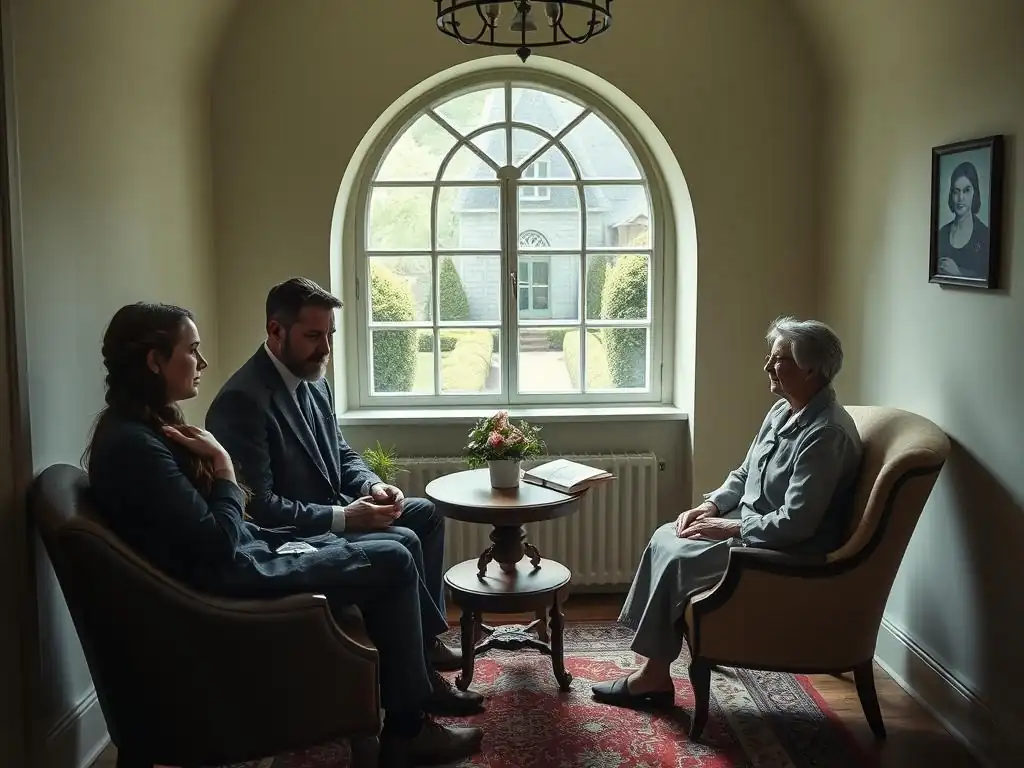
Philippe Pinel: Challenging the Chains of Bicêtre
Philippe Pinel, a French physician, is one of the most celebrated figures associated with the early implementation of Moral Treatment principles. Appointed as the physician at the Bicêtre Hospital in Paris in 1793, an institution housing male patients with mental illness, he famously ordered the removal of chains and other physical restraints that had been routinely used for decades. This act, often depicted dramatically in historical accounts, symbolized a profound shift in perspective – from controlling and containing patients to attempting to understand and treat them.
Pinel's approach at Bicêtre, and later at the Salpêtrière hospital for women, emphasized careful observation, detailed case histories, and a classification of mental disorders. He advocated for a calm and structured environment, opportunities for exercise, and humane interaction with staff. While not entirely free of coercion by modern standards, Pinel's methods represented a significant advance over the prevailing historical asylum treatment methods, demonstrating that many patients previously considered hopelessly incurable responded positively to compassionate care and freedom from restraint. His work provided a powerful empirical basis for the effectiveness of a more humane approach.
William Tuke: Establishing the York Retreat and its Principles
Across the English Channel, William Tuke, a Quaker philanthropist, was independently developing similar ideas, driven by his distress over the conditions at the York Asylum where a Quaker woman had died under questionable circumstances. In response, he led the effort to establish the York Retreat in 1796. The Retreat became an exemplary model of Moral Treatment, intentionally designed as a rural, tranquil haven where patients lived in a family-like atmosphere, engaging in work, recreation, and religious observance.
The principles at the York Retreat were based explicitly on Quaker values of compassion, equality, and inner peace. Physical restraint was minimal, used only in extreme circumstances. Instead, the focus was on moral influence, gentle persuasion, and fostering a sense of community and self-control among patients.
Tuke's son, Henry, and grandson, Samuel Tuke, continued and documented the work, with Samuel's 1813 Description of the Retreat widely disseminating the principles and practices of Moral Treatment throughout Britain and beyond. The success of the Retreat provided compelling evidence that a humane environment and therapeutic interaction were far more effective than the harsh historical asylum treatment methods of the time.
Vincenzo Chiarugi: An Italian Advocate for Humane Treatment
Less widely known in English-speaking history but equally significant was Vincenzo Chiarugi, an Italian physician who directed the Bonifazio Hospital in Florence starting in 1788. Chiarugi also implemented reforms that predated or were contemporary with Pinel's work, advocating for the rights and humane treatment of individuals with mental illness. His regulations for the Bonifazio Hospital, published in 1793-1794 as On Insanity and Its Medical-Legal Aspects, detailed specific rules for the care of patients, emphasizing respect, cleanliness, and individualized attention.
Chiarugi's guidelines mandated that patients should not be subjected to physical punishment and should be kept clean and warm. He also stressed the importance of understanding the patient's individual circumstances and providing appropriate activities. Like Pinel and Tuke, Chiarugi believed that a supportive and therapeutic environment was crucial for recovery. His work demonstrates that the shift towards more humane historical asylum treatment methods was a multinational phenomenon, arising from a growing recognition that existing practices were both ineffective and unethical.
Implementing Moral Treatment: Transforming Asylum Environments
Creating a Restorative and Supportive Atmosphere
The practical implementation of Moral Treatment required a fundamental transformation of the asylum environment itself. This went far beyond simply removing chains. It involved designing and managing institutions to be restorative and supportive places. Architecture often played a role, with newer asylums built with spacious grounds, gardens, and well-lit, airy rooms, contrasting sharply with the often dark, cramped, and prison-like structures of earlier institutions. The layout was intended to promote tranquility and opportunities for outdoor activity.
The daily routine within the asylum was structured to provide a sense of order and purpose. It typically included regular mealtimes, opportunities for work or occupational therapy, recreation, and periods for rest. Strict rules regarding staff conduct emphasized kindness, patience, and consistency. The aim was to create an environment that felt more like a benevolent home or a therapeutic community than a place of confinement, actively counteracting the fear and despair associated with previous historical asylum treatment methods. This attention to the physical and social environment was considered integral to the healing process.
The Role of the Asylum Staff in Fostering Healing
Under the principles of Moral Treatment, the role of the asylum staff shifted dramatically. They were no longer merely guards or custodians tasked with controlling dangerous individuals. Instead, they were expected to act as therapeutic agents, fostering healing through their interactions with patients. This required a different kind of staff member – one who was patient, empathetic, and capable of building positive relationships. Superintendents often played a crucial role, leading by example and instilling the values of compassionate care in their staff.
Training, though informal by modern standards, became important. Staff members were instructed on how to communicate effectively with patients, how to manage challenging behaviors without resorting to force, and how to engage patients in activities. The success of Moral Treatment heavily relied on the quality and dedication of the staff. Their ability to provide consistent kindness, understanding, and encouragement was seen as essential for helping patients regain their mental equilibrium and counteracting the damaging effects of previous historical asylum treatment methods.
Shifting from Restraint to Rehabilitation: A Paradigm Shift
One of the most visible and impactful changes brought about by Moral Treatment was the dramatic reduction or elimination of physical restraints. While still used occasionally as a last resort in some institutions, the systematic chaining and caging of patients became increasingly unacceptable under this new paradigm. This shift reflected a change in the fundamental goal of asylum care – from mere containment to active rehabilitation. The focus moved towards helping patients recover and return to society, rather than simply housing them indefinitely.
This paradigm shift influenced all aspects of care. Instead of relying on mechanical restraints to manage agitation, staff were encouraged to use verbal de-escalation techniques, provide calming environments, and engage patients in therapeutic activities. The emphasis was on restoring the patient's self-control and promoting their ability to function independently. This move away from punitive and restrictive historical asylum treatment methods towards rehabilitative strategies marked a critical turning point in the history of mental healthcare.
The Spread of Moral Treatment: Influencing Mental Health Care Globally
Moral Treatment in Europe: Adapting the Approach to Different Contexts
The success of institutions like the York Retreat and the reforms at Bicêtre and Bonifazio quickly garnered attention and inspired similar initiatives across Europe. Reports and publications, such as Samuel Tuke's Description of the Retreat, were translated and circulated, spreading the principles of Moral Treatment. New asylums were established based on these principles, and existing ones attempted to implement reforms, albeit with varying degrees of success. Countries like Germany, Switzerland, and parts of Scandinavia saw the establishment of institutions adopting elements of the approach.
However, the implementation was not always uniform. In some cases, elements of Moral Treatment were adopted superficially without fully embracing the underlying philosophy of respect and individualized care. Resource constraints and differing cultural contexts also influenced how the principles were applied. Despite these variations, the core ideas of humane treatment, therapeutic environment, and meaningful activity had a lasting impact, challenging the established historical asylum treatment methods throughout the continent and paving the way for future reforms.
Moral Treatment in America: Early Adoption and Evolution
Moral Treatment found fertile ground in the United States in the early 19th century. Influential figures like Benjamin Rush, often considered the "father of American psychiatry," initially employed some harsh physical treatments but later incorporated elements of moral management, emphasizing order and discipline within a structured environment. More direct proponents of the Tuke model established institutions specifically founded on Moral Treatment principles. The Hartford Retreat in Connecticut (founded 1824) and the McLean Asylum in Massachusetts (founded 1811) are prominent examples that initially adhered closely to the model, emphasizing kindness, occupational therapy, and minimal restraint.
The movement gained significant traction, leading to the establishment of numerous state-funded asylums intended to provide moral care on a larger scale. Dorothea Dix, a tireless advocate for the mentally ill, played a crucial role in lobbying for government funding to create more humane institutions, directly influenced by the ideals of Moral Treatment.
While early American asylums based on this model achieved notable success rates (some reporting recovery rates of 50-70% among recent admissions in their early years), the rapid growth of the patient population and increasing institutional size eventually presented significant challenges to maintaining the intensive, individualized care that was central to the approach.
Critiques and Limitations of Moral Treatment: A Realistic Perspective

The Challenge of Scalability and Resource Constraints
Despite its initial successes and noble intentions, Moral Treatment faced significant challenges, particularly as the 19th century progressed. One major limitation was its inherent difficulty in scaling up. The model thrived in smaller institutions, like the York Retreat which housed around 30 patients in its early years, where superintendents and staff could maintain close, personal relationships with each individual. As the number of patients requiring institutional care grew dramatically due to population increase and changing social structures, asylums became much larger, often housing hundreds or even thousands of patients.
In these large, overcrowded institutions, maintaining individualized care, sufficient staffing ratios, and the therapeutic environment central to Moral Treatment became exceedingly difficult. Financial constraints often meant insufficient resources for adequate staff training, maintenance of facilities, and provision of diverse occupational activities. This inability to effectively implement the principles on a large scale contributed to the decline of Moral Treatment as the dominant paradigm in the latter half of the 19th century, as institutions reverted, in some ways, to more custodial forms of historical asylum treatment methods.
The Risk of Idealism Versus Practicality
Another critique was the potential for the idealistic principles of Moral Treatment to clash with the practical realities of managing a diverse population of patients with varying and sometimes challenging behaviors. While physical restraints were largely abandoned, some institutions adopting Moral Treatment still employed other forms of control, such as seclusion or the threat of transfer to less pleasant wards, which could be argued as alternative forms of coercion.
The reliance on "moral influence" sometimes placed an unrealistic burden on staff and could be difficult to apply effectively to all patients, particularly those with severe or chronic conditions that did not respond readily to environmental or social interventions.
Furthermore, the success stories often highlighted were frequently among patients with acute conditions or those from supportive backgrounds, who might have recovered regardless of the specific treatment method. Chronic or severely disturbed patients often did not show the same dramatic improvements, leading to disillusionment among staff and administrators. This gap between the hopeful idealism of the founders and the complex reality of treating a wide spectrum of mental illnesses posed a significant challenge to the sustained implementation of Moral Treatment principles.
The Evolution of Psychiatric Understanding: A Changing Landscape
The decline of Moral Treatment was also influenced by shifts in the scientific and medical understanding of mental illness during the 19th century. As the century progressed, there was a growing emphasis on biological and hereditary factors as the primary causes of insanity. This led to a renewed focus on physical treatments and a view of mental illness as a largely incurable brain disease, rather than a condition influenced by moral or psychological factors that could be amenable to environmental and social interventions.
This shift towards a more purely medical model, coupled with the challenges of managing large asylum populations, diminished the perceived relevance and effectiveness of the psychosocial approaches central to Moral Treatment. While the humane ideals were not entirely forgotten, the practical application of therapeutic relationships and meaningful activities became less prioritized in many institutions, giving way to more institutional and biologically oriented historical asylum treatment methods that would dominate into the early 20th century.
The Legacy of Moral Treatment: Shaping Modern Mental Healthcare
The Enduring Importance of Humanistic Principles
Despite its eventual decline as the dominant model in the face of institutional challenges and evolving scientific theories, the core humanistic principles of Moral Treatment left an indelible mark on mental healthcare. The fundamental belief that individuals with mental illness deserve respect, dignity, and compassionate care remains a cornerstone of ethical practice today. The idea that a supportive environment can be therapeutic is widely accepted, influencing the design and operation of modern psychiatric facilities and community-based programs.
The advocacy for minimal restraint and the rejection of cruel or punitive practices directly stems from the reforms initiated by the pioneers of Moral Treatment. While the term itself is rarely used, its spirit lives on in the emphasis on patient rights, the destigmatization of mental illness, and the recognition of the personhood of individuals receiving care. Many of the positive attributes we associate with good mental health care today – empathy, individualized attention, and a focus on well-being – have their roots in this revolutionary movement that challenged prevailing historical asylum treatment methods.
The Influence on Therapeutic Approaches and Patient-Centered Care
Moral Treatment's emphasis on individualized care and the therapeutic relationship between caregiver and patient foreshadowed many modern therapeutic approaches. The idea that talking and interacting with patients in a supportive way could be beneficial was an early precursor to various forms of psychotherapy. The focus on understanding the patient's personal history and circumstances resonates strongly with contemporary person-centered and trauma-informed care models.
Furthermore, the inclusion of occupational and recreational activities as part of the therapeutic process was a pioneering concept that is now standard practice in rehabilitation and recovery programs. Activities therapy, vocational training, and social skills training are all modern manifestations of the idea that engaging patients in meaningful ways promotes healing and reintegration into the community. The legacy is clear: Moral Treatment shifted the focus from simply managing symptoms or containing individuals to actively working towards their recovery and flourishing, influencing the development of more holistic historical asylum treatment methods and subsequent modern practices.
Remembering the Pioneers: Learning from the Past to Improve the Future
Studying the history of Moral Treatment and the historical asylum treatment methods it sought to replace offers valuable lessons for contemporary mental healthcare. It reminds us of the potential dangers of dehumanization when dealing with vulnerable populations and the critical importance of maintaining a humanistic perspective alongside scientific advancements. The challenges faced by Moral Treatment, particularly regarding scalability and resource allocation, highlight the ongoing need for adequate funding and thoughtful planning in mental health services to ensure quality care for all who need it.
Remembering figures like Pinel, Tuke, and Chiarugi honors their courage and vision in advocating for compassionate care against the prevailing norms of their time. Their work serves as an important reminder that progress in mental healthcare is not solely about medical or technological breakthroughs but also about fundamental shifts in societal attitudes and ethical treatment. By reflecting on the successes and failures of Moral Treatment, we can gain insights into how to continue improving mental healthcare systems, ensuring they are both effective and deeply humane, building upon the foundations laid by these early reformers of historical asylum treatment methods.
Conclusion: Reflecting on Historical Asylum Treatment Methods and the Enduring Relevance of Moral Treatment
Frequently Asked Questions
What was Moral Treatment and how did it revolutionize asylum care?
Moral Treatment was a 19th-century approach to mental health care that emphasized compassion, respect, and individualized care. It revolutionized asylum care by shifting away from brutal containment and towards a more humane and restorative environment.
What were some of the key components of Moral Treatment?
Key components included therapeutic environments, meaningful activities (like work and recreation), and positive relationships between staff and patients. The goal was to create a setting conducive to recovery and improved well-being.
How did Moral Treatment differ from previous methods of asylum care?
Prior to Moral Treatment, asylums were often characterized by poor sanitation, physical restraints, and a general lack of empathy. Moral Treatment prioritized dignity and sought to engage patients in their own recovery.
What were some of the limitations or criticisms of Moral Treatment?
Despite its positive intentions, Moral Treatment faced limitations, including overcrowding in asylums, lack of trained staff, and inconsistent application of its principles. It also didn't always address the underlying causes of mental illness.
What is the legacy of Moral Treatment in modern mental health care?
While Moral Treatment eventually declined, its legacy endures in the emphasis on patient-centered care, the importance of therapeutic environments, and the recognition of mental health as a treatable condition. It laid the groundwork for many modern approaches.
Final Reflection: The Enduring Legacy of Moral Treatment
The fight for humane mental healthcare continues, a stark reminder that the revolutionary ideals of moral treatment, though seemingly distant, remain profoundly relevant today. While significant strides have been made, the challenges of providing compassionate and effective care for individuals with mental illness persist, echoing the struggles faced by those pioneering the moral treatment movement centuries ago. The disparities in access to quality care, the stigma surrounding mental illness, and the ongoing need for innovative treatment approaches all highlight the unfinished nature of this historical project.
The impact of moral treatment extends far beyond the walls of early asylums; its influence ripples through our understanding of mental illness and the ethical responsibilities inherent in caring for vulnerable populations. The emphasis on individual dignity, therapeutic environments, and the integration of patients into society laid the groundwork for modern approaches to mental healthcare. However, the legacy is complex. The history of mental illness is not just a history of suffering, but also a history of hope and resilience.
This quote encapsulates the bittersweet truth: while moral treatment represented a significant leap forward, its limitations and eventual decline serve as a cautionary tale against complacency in the ongoing pursuit of truly humane care.
Consider the lessons learned from the successes and failures of moral treatment. Reflect on the importance of empathy, individualized care, and the creation of supportive environments, not just within the confines of institutional settings, but in our communities and our daily interactions.
You have the power to challenge stigma, advocate for better mental healthcare access, and contribute to a future where the ideals of moral treatment are not just historical footnotes, but a living reality for all who need it. Let us strive to build a world where the dignity and well-being of every individual, regardless of their mental health status, is paramount.
Unleash the Power of Compassion: Humanizing Mental Healthcare
Thanks for taking the time to explore the fascinating history of moral treatment and its impact on mental healthcare. You've gained valuable insights into a pivotal moment in psychiatric history, and now it's time to put that knowledge into action!
- Share this inspiring story: Let's spread awareness about the importance of compassionate mental healthcare. Share this article on your social media to spark conversations and inspire positive change. This is crucial to supporting a more empathetic and effective mental health system.
- Engage in thoughtful reflection: Consider how the principles of moral treatment can still be applied today. What aspects resonate most with you and how can you advocate for these values within your own community or circle of influence?
- Explore further resources: Delve deeper into the history of mental health treatment by researching other significant figures and movements that championed humane care.
What innovative ways can we continue to build upon the legacy of moral treatment to create truly compassionate and effective mental healthcare for all?