
The Science Behind the Glow: How Light Therapy Treats Seasonal Affective Disorder


Welcome to Mind Care Guide, a space dedicated to nurturing your mental well-being.
Feeling the winter blues creeping in? You're not alone. This season, many struggle with Seasonal Affective Disorder (SAD). But what if a simple, accessible treatment could offer a beacon of hope? Dive into our exploration of light therapy for seasonal affective disorder and discover the science behind how this fascinating approach can help you reclaim your joy and energy. Curious to learn how a little light can make a big difference? Let's explore!
- Light Therapy for Seasonal Affective Disorder: A Comprehensive Guide
- The Science of Light Therapy
- Light Therapy for SAD Treatment
- Selecting a Light Therapy Device
- Optimizing Light Therapy Use
- Addressing Challenges with Light Therapy
- Complementary Strategies for Managing SAD
- Achieving a Brighter Outlook with Light Therapy
-
Frequently Asked Questions
- What is Seasonal Affective Disorder (SAD) and how does light therapy help?
- How does light therapy work on a scientific level?
- How long and how often should I use a light therapy box for SAD?
- Are there any potential side effects of using light therapy?
- Can light therapy be used in conjunction with other treatments for SAD?
- Final Reflection: Shining a Light on Seasonal Darkness
- Unleash Your Inner Sunshine: Take Charge of Your Mood
Light Therapy for Seasonal Affective Disorder: A Comprehensive Guide
Defining Seasonal Affective Disorder: Symptoms and Prevalence
Seasonal Affective Disorder, often referred to as SAD, is a type of depression that is related to changes in seasons. It typically begins and ends at about the same times every year. For most people with SAD, symptoms start in the fall and continue into the winter months, sapping their energy and making them feel moody.
Less often, SAD causes depression in the spring or early summer. Symptoms can vary in severity but commonly include fatigue, difficulty concentrating, increased appetite with carbohydrate cravings, weight gain, and a pervasive feeling of sadness or hopelessness. These symptoms can significantly impair daily functioning, affecting work, relationships, and overall quality of life during the affected season.
While the exact prevalence varies by geographic location and proximity to the equator, SAD is estimated to affect about 5% of the U.S. population annually, with milder forms (often called "winter blues") impacting up to 20%. Women are diagnosed with SAD more often than men, though men may experience more severe symptoms.
Onset typically occurs in young adulthood, often between the ages of 20 and 30. Understanding these patterns and symptoms is the first step in recognizing the need for intervention, and for many, light therapy seasonal affective disorder treatment becomes a crucial part of managing these challenging seasonal shifts.
The Impact of Reduced Sunlight on Mood Regulation
The primary hypothesis behind winter-pattern SAD is its connection to the decrease in natural sunlight during the shorter days of fall and winter. Reduced light exposure is believed to disrupt the body's internal clock, or circadian rhythm, which regulates sleep-wake cycles, mood, and hormone production. This disruption can lead to feelings of sluggishness, fatigue, and difficulty sleeping or oversleeping. The lack of adequate light signal to the brain is thought to interfere with the body's ability to properly regulate these critical biological processes.
Furthermore, reduced sunlight exposure is hypothesized to affect levels of key brain chemicals that regulate mood. Serotonin, a neurotransmitter associated with feelings of well-being, may decrease with less sunlight. Simultaneously, the body may produce more melatonin, a hormone that regulates sleep, in response to longer periods of darkness. This imbalance—potentially lower serotonin and higher melatonin—is believed to contribute to the depressive symptoms characteristic of SAD. This understanding highlights why interventions that mimic natural sunlight, such as light therapy for seasonal affective disorder, are often effective.
Diagnosing SAD: Criteria and Differential Diagnosis
Diagnosing Seasonal Affective Disorder involves a clinical assessment based on specific criteria outlined in diagnostic manuals like the Diagnostic and Statistical Manual of Mental Disorders (DSM). Key criteria include experiencing depressive episodes that have a seasonal pattern, with at least two episodes occurring in the past two years that fully resolve during other seasons. There should also be no non-seasonal depressive episodes during the same period, and the seasonal episodes must substantially outnumber any non-seasonal episodes over a lifetime. The timing of the episodes (e.g., consistently starting in fall/winter and ending in spring/summer) is crucial for diagnosis.
It is also important to differentiate SAD from other conditions that might present with similar symptoms. These include other forms of depression, bipolar disorder (where seasonal patterns can also occur but are part of a broader mood dysregulation), hypothyroidism, chronic fatigue syndrome, and even certain sleep disorders. A thorough medical evaluation is necessary to rule out other potential causes for the symptoms. Once diagnosed, a mental health professional can recommend appropriate treatments, with light therapy seasonal affective disorder being a common and evidence-based approach.
The Science of Light Therapy
Circadian Rhythm Regulation and Light Exposure
Light is the primary external cue that synchronizes the body's internal biological clock, the circadian rhythm, to the 24-hour day-night cycle. Specialized photoreceptors in the eye's retina, called intrinsically photosensitive retinal ganglion cells (ipRGCs), are particularly sensitive to blue wavelengths of light. These cells send signals directly to the suprachiasmatic nucleus (SCN) in the hypothalamus, which is considered the body's master clock. In winter, the shorter days and reduced intensity of natural light can disrupt this synchronization, leading to a phase delay or phase advance in the circadian rhythm, which is thought to contribute significantly to SAD symptoms.
Light therapy works by exposing the eyes to bright artificial light, typically in the morning, which mimics the intensity and spectrum of natural sunlight. This exposure signals the SCN, helping to reset the body's internal clock to a more appropriate schedule. By receiving this strong light signal at the beginning of the day, the body's natural rhythms, including sleep-wake cycles and hormone production patterns, can be resynchronized. This helps alleviate the fatigue, oversleeping, and mood disturbances associated with the seasonal shift. Effective light therapy seasonal affective disorder treatment relies on consistent timing to reinforce the circadian rhythm.
Neurotransmitter Modulation by Light: Serotonin and Melatonin
Beyond regulating the circadian rhythm, light exposure is also believed to influence the production and activity of key neurotransmitters and hormones involved in mood regulation. Serotonin, often dubbed the "feel-good" neurotransmitter, is thought to be affected by light. Research suggests that sunlight and bright artificial light exposure can increase serotonin levels and activity in the brain. People with SAD may experience a decrease in serotonin during the darker months, and light therapy is hypothesized to help restore these levels, contributing to improved mood and energy.
Melatonin, the hormone that promotes sleep, is produced by the pineal gland and its secretion is strongly inhibited by light. In the winter, with shorter days and less light, melatonin production may start earlier in the evening and continue later into the morning, leading to feelings of lethargy and oversleeping characteristic of SAD. Exposure to bright light therapy seasonal affective disorder in the morning helps suppress melatonin production at the appropriate time, promoting wakefulness and regulating sleep patterns. Balancing these neurotransmitters and hormones is a key mechanism through which light therapy exerts its therapeutic effects.
Light Box Technology: Wavelengths, Lux, and Safety Standards
Light boxes designed for SAD treatment utilize specific technology to deliver therapeutic light. Most effective devices emit bright white light, typically containing wavelengths across the visible spectrum, including the blue light that is most effective at signaling the ipRGCs for circadian regulation. While some boxes use full-spectrum light, the key characteristic is intensity, measured in lux. Standard therapeutic light boxes emit 10,000 lux at a specified distance, as this intensity has been shown in clinical trials to be effective for SAD treatment when used for 20-30 minutes daily.
Lower intensity boxes (e.g., 2,500 lux) exist but require longer treatment times (e.g., 1-2 hours) to achieve similar results, making 10,000 lux devices generally more practical. Reputable light boxes also incorporate safety features, such as filtering out most ultraviolet (UV) light, which can be harmful to the eyes and skin. Look for devices that are certified by relevant safety organizations. Understanding these technical specifications is vital when selecting a device for light therapy seasonal affective disorder treatment to ensure both efficacy and safety.
Light Therapy for SAD Treatment
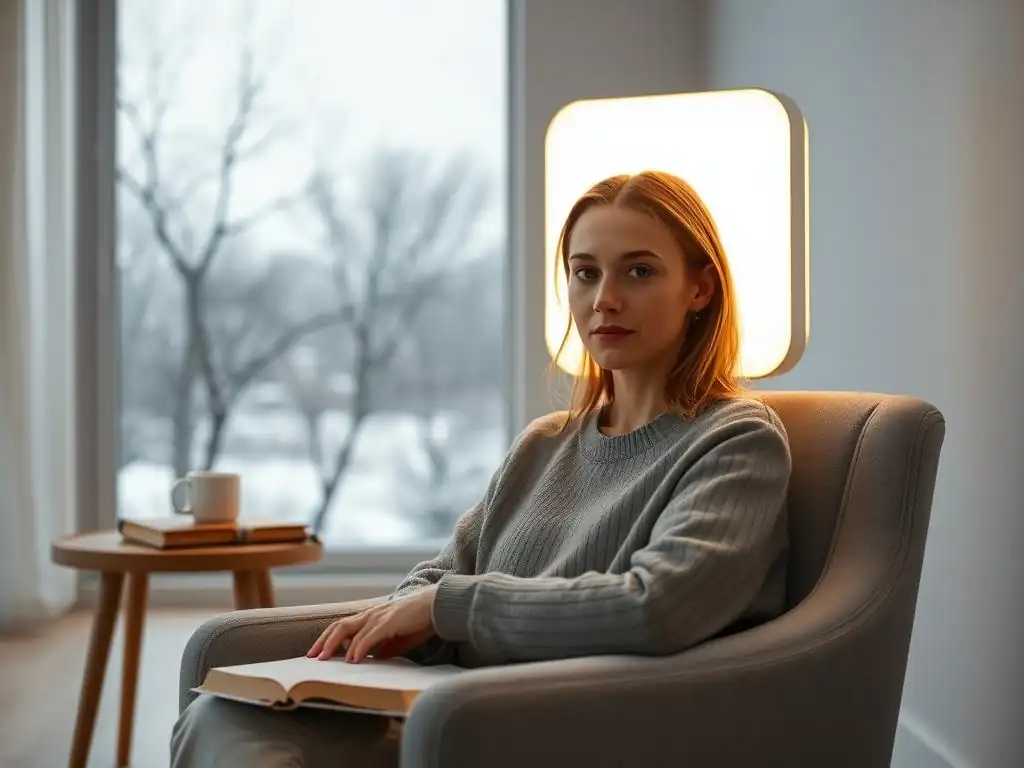
Efficacy of Light Therapy in Alleviating SAD Symptoms
Numerous studies have demonstrated the effectiveness of light therapy in treating Seasonal Affective Disorder. Research indicates that daily exposure to bright light can significantly reduce depressive symptoms in a majority of individuals with SAD. For example, a meta-analysis of light therapy studies found that it can be as effective as antidepressant medication for moderate to severe SAD, with response rates often reported between 40% and 60%, and sometimes higher. Improvements are often noticed within a few days to two weeks of starting treatment, although it may take up to four weeks to experience the full benefits.
The rapid onset of symptom relief is one of the notable advantages of light therapy compared to some other treatments. Patients often report increased energy, improved mood, reduced carbohydrate cravings, and better sleep regulation soon after beginning their daily sessions. While individual responses can vary, the consistent positive outcomes in clinical trials underscore why light therapy seasonal affective disorder treatment is considered a first-line intervention by many healthcare professionals.
Light Therapy vs. Antidepressants and Psychotherapy
Light therapy, antidepressants, and psychotherapy (such as Cognitive Behavioral Therapy for SAD, or CBT-SAD) are all established treatments for Seasonal Affective Disorder, each with its own benefits and considerations. Light therapy offers a non-pharmacological approach, which is appealing to many who wish to avoid medication side effects. Its effectiveness is often comparable to antidepressants for moderate SAD, particularly regarding the speed of symptom relief. However, it requires daily commitment to the light exposure sessions.
Antidepressants, particularly selective serotonin reuptake inhibitors (SSRIs), are also effective and may be preferred for more severe cases or when light therapy is insufficient or impractical. Antidepressants work continuously throughout the day, whereas light therapy provides a time-limited intervention. Psychotherapy, specifically CBT adapted for SAD, helps individuals identify and change negative thought patterns and behaviors associated with the seasonal changes.
While possibly slower acting than light therapy or medication for initial symptom relief, it can provide long-term coping strategies. The choice among these options, or using a combination, depends on symptom severity, individual preferences, potential side effects, and accessibility. Many find light therapy seasonal affective disorder management to be a convenient and effective starting point.
Synergistic Effects: Combining Light Therapy with Other Modalities
For many individuals with SAD, combining light therapy with other treatment modalities can lead to more robust and sustained improvements. For instance, using light therapy alongside CBT-SAD can be particularly effective. Light therapy addresses the biological component by regulating circadian rhythms and neurotransmitters, while CBT-SAD provides psychological tools to manage the emotional and behavioral aspects of the disorder. This combined approach tackles both the root physiological imbalance and the learned responses to seasonal changes.
Similarly, combining light therapy with antidepressant medication may be beneficial for those with severe SAD or when symptoms persist despite using one treatment alone. The medication provides a baseline mood stabilization, while light therapy offers additional support for seasonal symptom exacerbation. Lifestyle adjustments, such as regular exercise, a balanced diet, and consistent sleep hygiene, also complement light therapy seasonal affective disorder treatment by supporting overall mental and physical well-being. A multimodal approach, tailored to individual needs, often yields the best outcomes.
Selecting a Light Therapy Device
Types of Light Boxes: Considerations for Personal Needs
When choosing a light therapy device for seasonal affective disorder, understanding the different types available is essential. The most common type is the traditional light box, a flat or upright screen that emits bright light. These come in various sizes, from small portable units to larger desktop models. Smaller boxes might be convenient for travel but may require sitting closer for the therapeutic intensity (lux). Larger boxes can allow for greater flexibility in positioning and distance.
Another type is the dawn simulator, which gradually increases light in the bedroom in the morning, mimicking a natural sunrise. While helpful for regulating sleep-wake cycles, dawn simulators typically do not provide the same intensity (10,000 lux) as a traditional light box needed for direct SAD treatment, though some models combine both features.
Visor or glasses-style devices that emit light directly towards the eyes are also available, offering mobility during the session, though some users find them less comfortable or effective than a stationary box. The best choice depends on your lifestyle, budget, and how you plan to incorporate light therapy seasonal affective disorder treatment into your daily routine.
Key Factors in Choosing a Light Box: Lux, Size, and Certifications
Several key factors should guide your selection of a light box. The most critical is the light intensity, measured in lux. For effective treatment of SAD, a box that provides 10,000 lux at a comfortable sitting distance is generally recommended. Be sure to check the product specifications for the distance at which the 10,000 lux intensity is achieved; some boxes might only reach this intensity at a very close range (e.g., 6 inches), while others maintain it at a more comfortable 12-18 inches.
Size and portability are also important. Consider where you will use the light box (e.g., at a desk, while eating breakfast) and whether you need to transport it. Smaller, more portable units are convenient but might be less stable or require closer proximity. Finally, look for safety certifications from reputable organizations (e.g., UL listed in the U.S.). Ensure the device filters out UV light, as prolonged exposure to UV rays can be harmful to the eyes and skin. Choosing a device with these specifications helps ensure safe and effective light therapy seasonal affective disorder management.
Safety Guidelines: Minimizing Risks and Potential Side Effects
While generally safe, it's important to follow safety guidelines when using light therapy. Always use a light box specifically designed for SAD treatment; regular lamps or tanning beds are not appropriate and can be harmful. Position the light box so that the light reaches your eyes indirectly; you don't need to stare directly into the light, but keep your eyes open and positioned so the light enters your field of vision. Maintain the recommended distance specified by the manufacturer to receive the correct lux intensity.
Potential side effects are usually mild and temporary. They can include eye strain, headaches, nausea, or feeling agitated or "wired," especially if used too late in the day. If you have pre-existing eye conditions (like glaucoma, macular degeneration, or diabetic retinopathy) or are taking medications that increase light sensitivity (e.g., certain antibiotics, lithium, or melatonin supplements), consult your doctor or an ophthalmologist before starting light therapy seasonal affective disorder treatment. Using the device correctly and addressing any side effects with your healthcare provider is crucial for a positive experience.
Optimizing Light Therapy Use
Recommended Timing and Duration for Effective Treatment
Optimizing the timing and duration of light therapy sessions is crucial for its effectiveness in treating Seasonal Affective Disorder. For most people with winter-pattern SAD, morning use is most beneficial. Starting a session within the first hour of waking up helps reset the circadian rhythm and suppress melatonin production at the appropriate time. Using the light too late in the day, especially in the evening, can potentially disrupt nighttime sleep.
The typical recommended duration is 20-30 minutes per day using a 10,000-lux light box. If using a lower intensity box (e.g., 2,500 lux), the duration might need to be extended to 1-2 hours. It's important to follow the manufacturer's instructions for your specific device and consult with a healthcare professional to determine the optimal timing and duration for your individual needs and response. Consistent daily use throughout the affected season is key for maintaining the benefits of light therapy seasonal affective disorder treatment.
Creating an Ideal Light Therapy Environment: Distance and Positioning
Creating the right environment for your light therapy session enhances its effectiveness. As mentioned, maintaining the correct distance from the light box is critical to ensure you are receiving the advertised lux intensity. Check the manufacturer's manual; for a 10,000-lux box, this distance is often between 12 and 24 inches. Sitting too far away will significantly reduce the intensity and effectiveness.
Position the light box so that the light reaches your eyes indirectly. Place it at an angle to your side or slightly above eye level, allowing you to engage in other activities like eating breakfast, reading, or working on a computer while the light is in your peripheral vision. Avoid placing it directly in front of you, which might encourage staring and increase the risk of eye strain. Make the session a comfortable and sustainable part of your morning routine for consistent light therapy seasonal affective disorder management.
Incorporating Light Therapy into Daily Life for Consistent Results
Consistency is paramount for successful light therapy. Incorporating the daily session seamlessly into your morning routine is the best way to ensure you stick with it throughout the season. Think about where you typically spend your first 20-30 minutes each morning. Can you place the light box there? Examples include:
- On your kitchen counter while you have breakfast.
- On your desk while you check emails or read the news.
- On a table while you engage in a quiet activity like knitting or journaling.
Making it a non-negotiable part of your day, like brushing your teeth, helps establish the habit. Missing sessions, especially early in the treatment, can hinder the process of resetting your circadian rhythm and modulating neurotransmitters. Establishing a consistent routine maximizes the benefits of light therapy seasonal affective disorder treatment.
Addressing Challenges with Light Therapy
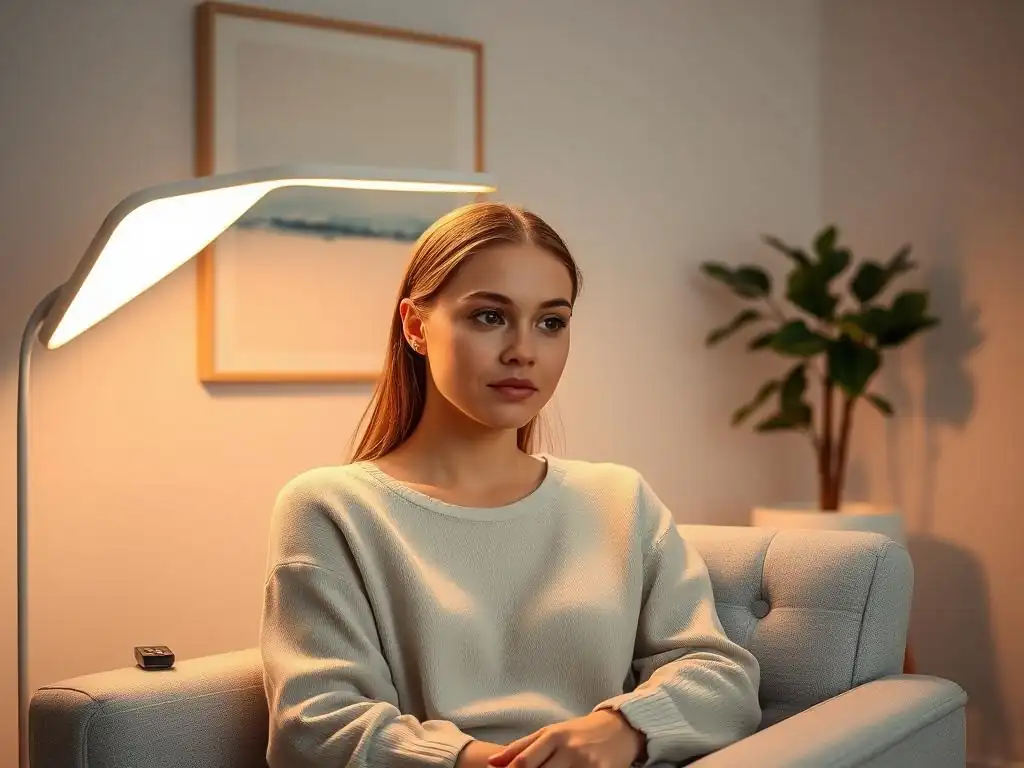
Managing Common Side Effects: Headaches, Eye Strain, and Nausea
While generally well-tolerated, some individuals may experience mild side effects when starting light therapy. The most common include headaches, eye strain, or visual disturbances. These often subside within a few days as your body adjusts. To mitigate these, try reducing the session duration initially (e.g., to 10-15 minutes) and gradually increasing it, or increase your distance from the light box slightly while ensuring you are still receiving sufficient intensity.
Other potential side effects include nausea, agitation, or feeling jittery, particularly if the session is too long or occurs too late in the day. If these occur, consider shortening the session, using the light earlier in the morning, or taking breaks during the session. Rarely, light therapy can trigger manic or hypomanic episodes in individuals with bipolar disorder; this is why it's essential to consult a healthcare professional before starting, especially if you have a history of bipolar disorder. Most side effects are manageable with simple adjustments, allowing you to continue benefiting from light therapy seasonal affective disorder relief.
Troubleshooting Ineffectiveness: Adjustments and Alternative Approaches
If you've been using light therapy consistently for 2-4 weeks according to recommendations but are not experiencing significant improvement in your SAD symptoms, it's time to troubleshoot. First, double-check that you are using a 10,000-lux light box at the correct distance and for the recommended duration (typically 20-30 minutes). Ensure you are using it consistently every morning within the first hour of waking.
If you've confirmed correct usage and symptoms persist, discuss this with your healthcare provider. They might suggest adjusting the timing (e.g., slightly earlier or later morning), increasing the duration, or considering alternative or adjunctive treatments. Perhaps a different type of light therapy device is needed, or combining light therapy seasonal affective disorder treatment with medication or psychotherapy might be more effective for your specific case. It's important not to give up but to work with a professional to find the right solution.
Maintenance and Care for Long-Term Device Performance
Proper maintenance and care of your light therapy device ensure its effectiveness and longevity. Always follow the manufacturer's cleaning instructions; typically, this involves wiping the surface with a soft, damp cloth when the device is unplugged. Avoid using harsh chemicals or abrasive cleaners that could damage the screen or housing.
Check the light bulbs or LEDs periodically. While LED lights typically last for many thousands of hours, older fluorescent bulbs may dim over time and require replacement to maintain the required lux intensity. Refer to your device's manual for information on bulb life and replacement. Storing the device in a safe, dry place when not in use (e.g., during the summer months) also helps protect it. Taking good care of your light box ensures it remains a reliable tool for light therapy seasonal affective disorder management year after year.
Complementary Strategies for Managing SAD
Lifestyle Adjustments: Diet, Exercise, and Sleep Schedule
Managing Seasonal Affective Disorder effectively often involves integrating light therapy with healthy lifestyle adjustments. Regular physical activity is a powerful mood booster; even moderate exercise like a brisk walk for 30 minutes several times a week can help alleviate depressive symptoms and improve energy levels. Exercising outdoors during daylight hours, especially in the morning, can provide additional light exposure benefits.
Maintaining a balanced diet rich in fruits, vegetables, lean proteins, and whole grains supports overall mental health. Limiting excessive sugar and refined carbohydrates can help manage cravings and energy fluctuations associated with SAD. Crucially, establishing and maintaining a consistent sleep schedule – going to bed and waking up around the same time each day, even on weekends – is vital for regulating circadian rhythms, complementing the effects of light therapy seasonal affective disorder treatment.
Cognitive Behavioral Therapy (CBT) for SAD: Techniques and Benefits
Cognitive Behavioral Therapy specifically adapted for Seasonal Affective Disorder (CBT-SAD) is an evidence-based psychotherapy that can be highly effective, either alone or in combination with light therapy. CBT-SAD focuses on identifying and changing negative thoughts and behaviors related to winter and darkness. Techniques include:
- Behavioral Activation: Encouraging engagement in enjoyable or meaningful activities, even when feeling low, to counteract withdrawal and isolation.
- Cognitive Restructuring: Challenging negative thought patterns about winter and developing more balanced perspectives.
- Circadian Rhythm Strategies: Emphasizing consistency in sleep-wake cycles and incorporating light exposure.
Studies show that CBT-SAD can have longer-lasting effects than light therapy alone, potentially equipping individuals with skills to better cope with future seasonal changes. It addresses the psychological impact of SAD, providing a valuable complement to the biological effects of light therapy seasonal affective disorder treatment.
Additional Therapies: Vitamin D Supplementation and Mindfulness Practices
Several other complementary therapies may support individuals managing SAD. Vitamin D levels often decrease during winter months due to reduced sun exposure, and some research suggests a link between low Vitamin D and depression. While studies on Vitamin D supplementation specifically for SAD have yielded mixed results, it's worth discussing with a healthcare provider, particularly if you have a known deficiency.
Mindfulness and meditation practices can also be beneficial. These techniques help individuals stay present and observe their thoughts and feelings without judgment, which can reduce rumination and stress associated with seasonal mood changes. Practicing mindfulness can enhance emotional regulation and resilience. While not a substitute for core treatments like light therapy seasonal affective disorder management, these complementary strategies can play a supportive role in a holistic approach to well-being during the darker months.
Achieving a Brighter Outlook with Light Therapy
Long-Term Management Strategies for Seasonal Affective Disorder
Managing Seasonal Affective Disorder is often a long-term endeavor that requires proactive strategies each year as the seasons change. The cornerstone of long-term management for many is the consistent use of light therapy seasonal affective disorder treatment, starting preemptively in the fall before symptoms become severe. Establishing this routine as a seasonal practice is key.
Beyond light therapy, maintaining the healthy lifestyle habits discussed – consistent sleep, regular exercise, balanced nutrition – throughout the year, but with particular focus in the fall and winter, provides a strong foundation. Utilizing skills learned in CBT-SAD or other therapies to navigate challenging periods and having a plan in place for when symptoms emerge are also vital components of a successful long-term strategy. This proactive approach helps individuals regain control over their seasonal mood patterns.
Resources and Support Networks for Individuals with SAD
Living with Seasonal Affective Disorder can feel isolating, but resources and support networks are available. Mental health professionals, including therapists, counselors, and psychiatrists, can provide diagnosis, treatment guidance, and ongoing support. They can help you develop a personalized treatment plan that may include light therapy seasonal affective disorder, medication, or therapy.
Patient advocacy groups and mental health organizations often provide valuable information, support groups, and community connections. Sharing experiences with others who understand the unique challenges of SAD can be incredibly validating and provide practical coping tips. Online forums and resources dedicated to SAD and mood disorders also offer accessible information and peer support. Reaching out for help and connecting with others are powerful steps toward achieving a brighter outlook and effectively managing SAD.
Frequently Asked Questions
What is Seasonal Affective Disorder (SAD) and how does light therapy help?
SAD is a type of depression that occurs at specific times of the year, usually in the fall and winter. Light therapy helps by mimicking natural sunlight, which can regulate the body's internal clock and improve mood.
How does light therapy work on a scientific level?
Light therapy is believed to impact brain chemicals linked to mood and sleep. It helps regulate melatonin and serotonin levels, which are often disrupted during the darker months and contribute to the symptoms of SAD.
How long and how often should I use a light therapy box for SAD?
The recommended duration and frequency vary, but typically, 20-30 minutes daily in the morning is advised. It's best to consult with a healthcare professional to determine the optimal treatment plan for your specific needs.
Are there any potential side effects of using light therapy?
Some common side effects can include eyestrain, headaches, or nausea, but these are usually mild and temporary. Starting with shorter sessions and gradually increasing the duration can help minimize potential side effects.
Can light therapy be used in conjunction with other treatments for SAD?
Yes, light therapy can be used alongside other treatments such as antidepressant medication or psychotherapy. In fact, a combined approach is often the most effective way to manage SAD symptoms.
Final Reflection: Shining a Light on Seasonal Darkness
The pervasive gloom of Seasonal Affective Disorder (SAD) affects millions, yet the science behind its effective treatment—light therapy—remains surprisingly accessible and powerful. Understanding the intricate interplay between light exposure, melatonin regulation, and our circadian rhythms offers a tangible path toward brighter days, literally and figuratively. This knowledge empowers us to take control of our well-being during the challenging winter months.
The impact of light therapy extends beyond simply alleviating SAD symptoms; it speaks to our fundamental connection with the natural world. Our bodies, finely tuned to the sun's cycles, respond profoundly to changes in light exposure. This highlights the importance of mindful living and a harmonious relationship with our environment. As the poet Mary Oliver so eloquently stated: Tell me, what is it you plan to do with your one wild and precious life?
This question resonates deeply when considering how we can proactively manage our mental health and embrace the power of natural remedies.
Now, consider your own relationship with light and darkness. Are you aware of your body's natural rhythms? Do you prioritize exposure to natural light, especially during the shorter days? I encourage you to explore the possibilities of light therapy, not just as a treatment for SAD, but as a tool for enhancing your overall well-being. By understanding the science behind the glow, you can illuminate your path toward a healthier, happier, and more vibrant life, regardless of the season.
Unleash Your Inner Sunshine: Take Charge of Your Mood
Thanks for taking the time to explore the science of light therapy and its impact on Seasonal Affective Disorder (SAD)! You've gained valuable insights into a powerful tool for managing your wellbeing. Now, let's put that knowledge into action.
- Prioritize your light exposure: Start incorporating at least 30 minutes of bright light therapy into your daily routine, ideally within the first few hours of waking. Notice how it affects your energy levels and mood.
- Share your experience: Tell a friend or family member about your light therapy journey and encourage them to explore it too if they are struggling with SAD symptoms. Small acts of kindness can have a big impact.
- Explore complementary methods: Consider supplementing light therapy with gentle exercise or mindful practices like meditation to enhance its positive effects.
Ready to step into a brighter, more energized you? What small change will you make today to boost your mood and embrace the sunshine within?