
Navigating Relationships: Intimacy Challenges for Veterans with Trauma

Welcome to Mind Care Guide, a space dedicated to nurturing your mental well-being.
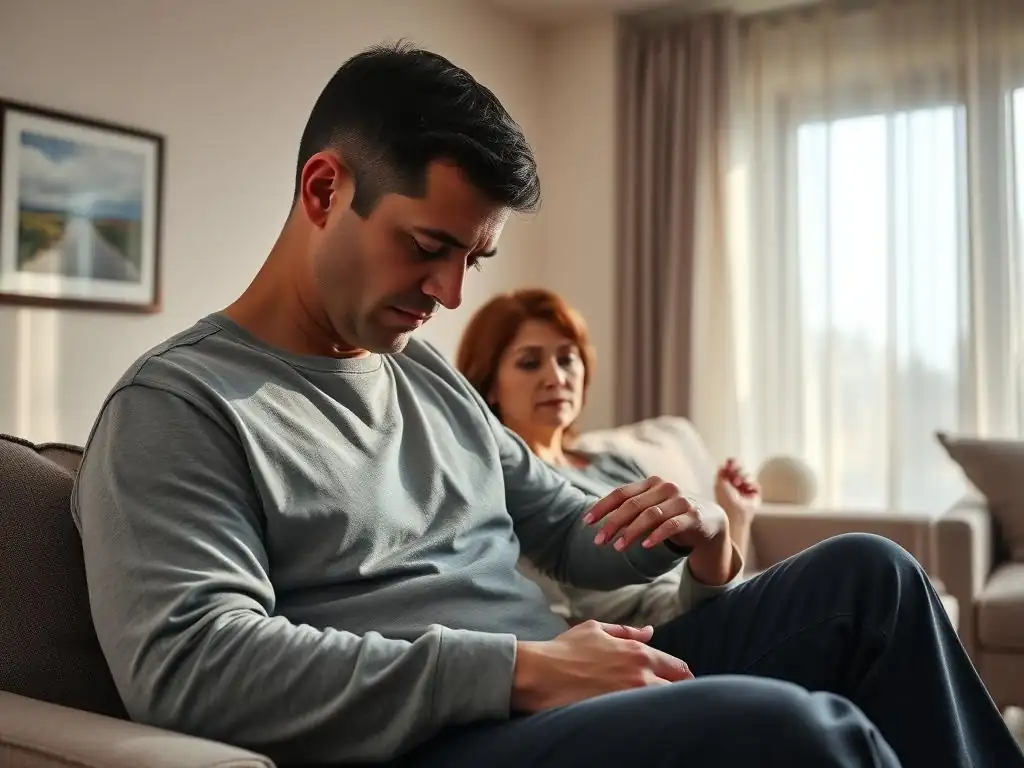
Are you a veteran facing intimacy challenges after experiencing trauma? You're not alone. This guide, " Navigating Relationships: Intimacy Challenges for Veterans with Trauma," offers compassionate insights and practical strategies to help you rebuild connection and foster healthier relationships. We understand the unique struggles you face, and we're here to empower you on your journey toward healing and intimacy. Let's explore how to navigate these complexities together and rediscover the joy of meaningful connections.
Navigating Relationships: Intimacy Challenges for Veterans with Trauma
- Understanding the Impact of Trauma on Veteran Intimacy
- Common Intimacy Challenges Faced by Veterans with Trauma
- Specific Intimacy Challenges and Trauma Types in Veterans
- Strategies for Overcoming Intimacy Challenges: A Guide for Veterans
- Supporting Your Veteran Partner Through Intimacy Challenges
- Resources for Veterans Facing Intimacy Challenges
- The Path to Healing and Intimacy for Veterans with Trauma
-
Frequently Asked Questions
- How does trauma impact intimacy for veterans?
- What are some common signs that a veteran is struggling with intimacy due to trauma?
- What resources are available to help veterans address intimacy trauma challenges?
- What can partners of veterans with trauma do to support them in rebuilding intimacy?
- Why is it important to address intimacy challenges stemming from trauma for veterans?
- Final Reflection: The Unseen Scars of Intimacy
- Rediscover Connection: Your Next Steps Toward Healing
Understanding the Impact of Trauma on Veteran Intimacy
Defining Intimacy and Its Importance in Veteran Relationships
Intimacy encompasses more than just physical closeness; it involves emotional connection, trust, vulnerability, and shared experiences that deepen the bond between partners. For veterans, particularly those who have experienced trauma, understanding and achieving intimacy can be profoundly complex. Intimate relationships serve as a crucial source of support, stability, and belonging, providing a sense of normalcy and connection that can be vital after the isolating experiences of military service and trauma. A healthy intimate connection offers a safe space for emotional expression, mutual understanding, and shared growth, which are fundamental components of post-traumatic growth and overall well-being.
The importance of intimacy in veteran relationships is underscored by its role in buffering the effects of stress and trauma. Strong intimate bonds can reduce feelings of loneliness, improve mood, and enhance resilience. However, the very nature of trauma can erect significant barriers to achieving this level of connection. The protective mechanisms developed in response to traumatic events – such as emotional numbing, hypervigilance, and avoidance – can inadvertently interfere with the openness and vulnerability required for deep intimacy. Navigating these challenges is a key part of the journey toward healing and building fulfilling relationships for veterans.
The Connection Between PTSD and Intimacy Difficulties for Veterans
Post-Traumatic Stress Disorder (PTSD) is a significant mental health condition that can develop after experiencing or witnessing a traumatic event. For veterans, combat exposure, military sexual trauma (MST), or other operational stressors are common causes. The core symptoms of PTSD—re-experiencing the trauma, avoidance, negative changes in thinking and mood, and hyperarousal—directly impact a veteran's ability to engage in intimate relationships.
Avoidance symptoms, for example, can lead veterans to withdraw from social interactions and emotional closeness, including with their partners. Negative alterations in cognition and mood, such as feelings of detachment or a diminished interest in activities, can make it difficult to feel connected or share positive experiences within the relationship.
Furthermore, hyperarousal symptoms like irritability, difficulty sleeping, and being easily startled can create tension and unpredictability in the home environment, making partners feel on edge. The emotional numbing often associated with PTSD can make it challenging for veterans to express affection or empathy, leaving partners feeling unloved or misunderstood. This complex interplay of symptoms creates significant veterans intimacy trauma challenges, often leading to decreased relationship satisfaction, communication problems, and difficulty with both emotional and physical intimacy. Addressing the underlying PTSD is often a necessary step in resolving these relationship issues.
How Trauma Shapes Emotional Availability in Veteran Relationships
Trauma profoundly shapes an individual's perception of safety and trust, which are foundational to emotional availability. For veterans who have experienced trauma, the world can feel like a dangerous place, and vulnerability may be perceived as a weakness or a risk. This can lead to emotional walls being built as a protective measure.
While effective in a combat zone or during a traumatic event, these walls become barriers in close relationships, preventing the veteran from fully sharing their feelings, fears, and needs with their partner. This lack of emotional sharing can leave partners feeling shut out and unable to provide support, creating distance and frustration within the relationship.
Moreover, the experience of trauma can disrupt a veteran's ability to regulate their emotions. They might swing between feeling numb and experiencing intense, overwhelming emotions. This emotional unpredictability makes it difficult for them to be consistently present and available in the relationship. Partners may struggle to understand these shifts or feel like they are walking on eggshells, fearing an unpredictable emotional reaction. Overcoming these specific veterans intimacy trauma challenges requires conscious effort, often with professional guidance, to learn healthy coping mechanisms and communication strategies that foster a sense of safety and allow for gradual emotional opening.
Common Intimacy Challenges Faced by Veterans with Trauma
Emotional Numbness and Detachment: A Barrier to Intimacy
Emotional numbness is a common symptom among veterans with trauma, particularly PTSD. It involves a reduced ability to feel emotions, both positive and negative. Veterans might describe feeling "flat," disconnected from their feelings, or unable to experience joy, love, or sadness intensely. While this numbness can serve as a protective mechanism against overwhelming traumatic memories and associated pain, it severely impacts their capacity for emotional intimacy. Sharing feelings, expressing affection, and responding empathetically to a partner's emotions become difficult, creating a significant emotional distance within the relationship.
This detachment isn't a lack of caring, but rather a consequence of the trauma response. Partners often misinterpret this numbness as indifference or a lack of love, leading to feelings of rejection, loneliness, and resentment. The veteran, in turn, may feel misunderstood or guilty about their inability to connect on an emotional level, further withdrawing. Addressing emotional numbness requires therapeutic approaches that help veterans safely process their trauma and gradually reconnect with their emotional landscape, understanding that this is a key part of navigating veterans intimacy trauma challenges.
Hyperarousal and Its Effect on Physical Intimacy for Veterans
Hyperarousal symptoms, such as being easily startled, feeling constantly on edge, irritability, and difficulty sleeping, are hallmarks of PTSD and can profoundly affect physical intimacy. The body's fight-or-flight response remains on high alert, making relaxation and feeling safe challenging. Physical touch, even affectionate touch, can sometimes trigger a startle response or make the veteran feel trapped or vulnerable, reminiscent of traumatic experiences. This can lead to avoidance of physical intimacy altogether or make moments of closeness fraught with anxiety.
Furthermore, hyperarousal can manifest as irritability or anger, leading to conflicts during intimate moments or making the veteran less patient and more reactive to perceived slights or misunderstandings. Sleep disturbances, another common symptom, can result in fatigue and decreased libido, further impacting the desire and capacity for physical intimacy. These physiological and emotional states create complex veterans intimacy trauma challenges, requiring patience, understanding, and often professional strategies to rebuild comfort and safety around physical touch and closeness.
Trust Issues and Vulnerability in Veteran Relationships Affected by Trauma
Trauma, particularly betrayal trauma or trauma experienced in contexts where trust was violated, can shatter a person's fundamental sense of safety and trust in others. For veterans, this can stem from experiences of betrayal within their unit, military sexual trauma, or the inherent unpredictability and danger of combat that eroded their belief in a safe world. Bringing these experiences back into civilian relationships can manifest as profound difficulty trusting a partner, even when there is no evidence of untrustworthiness. This lack of trust prevents the veteran from being vulnerable, which is essential for deep intimacy.
Vulnerability requires opening oneself up to the possibility of being hurt, a risk that feels unacceptable to someone whose protective barriers are heightened due to trauma. Veterans may fear judgment, rejection, or being hurt by the person they are closest to. This fear can lead to secrecy, emotional guardedness, and difficulty relying on a partner for support.
Rebuilding trust is a slow and delicate process, often requiring consistent reassurance, predictable behavior from the partner, and therapeutic work focusing on processing the trauma and its impact on the veteran's ability to trust others. This is a critical aspect of addressing veterans intimacy trauma challenges guide.
Communication Breakdown: Addressing Difficult Conversations
Trauma can significantly impair communication within relationships. Veterans may struggle to articulate their feelings, needs, or the impact of their trauma due to emotional numbing, fear of judgment, or a belief that others cannot understand. They might withdraw during conflict, become irritable, or use aggressive communication styles learned in high-stress environments. Conversely, partners may feel afraid to bring up difficult topics for fear of triggering their veteran partner or causing conflict, leading to avoidance of crucial conversations about the relationship, finances, or the impact of trauma on the family.
This breakdown in open and honest communication prevents couples from addressing issues, resolving conflicts, and building mutual understanding. Unspoken resentments or misunderstandings can fester, eroding the relationship's foundation. Learning effective communication skills—such as active listening, expressing needs clearly and respectfully, and managing emotional responses during discussions—is fundamental to navigating veterans intimacy trauma challenges. Couples therapy is often invaluable in providing a safe space and structured approach to improving communication patterns affected by trauma.
Specific Intimacy Challenges and Trauma Types in Veterans

Military Sexual Trauma (MST) and Its Impact on Intimacy
Military Sexual Trauma (MST), which includes sexual assault or repeated sexual harassment experienced during military service, has a profound and often devastating impact on a veteran's ability to experience intimacy. MST can deeply violate a veteran's sense of self, safety, and bodily autonomy. Survivors of MST often struggle with intense feelings of shame, guilt, and betrayal, which can make any form of physical or emotional closeness terrifying. Trusting a partner, especially in sexual contexts, becomes extremely difficult, as intimacy can trigger flashbacks, panic attacks, or a sense of being overwhelmed and unsafe.
The effects of MST on intimacy are complex and varied but frequently include avoidance of sexual activity, difficulty with arousal or orgasm, negative feelings about one's body, and challenges with emotional connection. The trauma can create a deep-seated fear of vulnerability and control issues within relationships. Healing from MST requires specialized trauma-informed therapy that addresses the specific nature of sexual trauma and its impact on intimacy, helping veterans reclaim their sense of safety and agency in their bodies and relationships. Navigating these specific veterans intimacy trauma challenges is a critical part of recovery.
Combat exposure is a significant source of trauma for many veterans, leading to PTSD and other mental health challenges that impact intimacy. The hypervigilance, emotional numbing, and sense of constant threat experienced in combat zones can persist long after returning home. In intimate relationships, this can translate into difficulty relaxing, being easily startled by a partner's touch, or misinterpreting a partner's actions through a lens of threat or suspicion. The emotional detachment necessary for survival in combat can make it hard to reconnect with feelings of love, warmth, and tenderness.
Furthermore, guilt or shame associated with combat experiences, including moral injury, can create internal barriers to feeling worthy of love or intimacy. Veterans might push partners away because they believe they are too damaged or fear burdening their loved ones with the weight of their experiences. The skills learned in combat, such as suppressing emotions and maintaining strict control, are counterproductive in fostering emotional openness and vulnerability required for deep connection. Addressing these specific veterans intimacy trauma challenges often involves processing combat experiences in therapy and learning to integrate those experiences while building new ways of relating.
The Role of Moral Injury in Intimacy Struggles
Moral Injury refers to the psychological distress that results from events that contradict deeply held moral beliefs and expectations. In military contexts, this can involve witnessing or participating in acts that violate one's moral code, failing to prevent such acts, or experiencing betrayal by trusted leaders or institutions. Moral injury is distinct from PTSD but often co-occurs and can significantly complicate a veteran's return to civilian life and relationships. It can manifest as profound guilt, shame, anger, and a sense of alienation.
These feelings of moral stain or unworthiness directly impact intimacy. Veterans struggling with moral injury may believe they are fundamentally bad or unforgivable, making it difficult to accept love, forgiveness, or closeness from a partner. They might isolate themselves out of shame or fear of being exposed.
The anger associated with moral injury can also strain relationships. Addressing moral injury often requires therapeutic approaches that focus on processing guilt, shame, and betrayal, finding pathways toward forgiveness (of self and others), and rebuilding a sense of meaning and connection. This is a crucial, often overlooked, aspect of understanding veterans intimacy trauma challenges.
Strategies for Overcoming Intimacy Challenges: A Guide for Veterans
Seeking Professional Help: Trauma-Informed Therapy for Veterans
One of the most effective strategies for veterans facing intimacy challenges due to trauma is seeking professional help, specifically trauma-informed therapy. Therapies like Prolonged Exposure (PE), Cognitive Processing Therapy (CPT), and Eye Movement Desensitization and Reprocessing (EMDR) are evidence-based treatments for PTSD that can help veterans process traumatic memories and reduce associated symptoms like hyperarousal, avoidance, and emotional numbing. By addressing the root cause of the trauma response, these therapies can alleviate the barriers to intimacy.
Beyond trauma processing, therapists can also help veterans develop coping skills for managing difficult emotions, challenge negative beliefs about themselves and others that stem from trauma, and improve communication patterns. Many therapists are trained in working with veterans and understand the unique aspects of military culture and trauma. Finding a therapist who specializes in trauma and has experience with veterans is a vital step in navigating veterans intimacy trauma challenges guide and beginning the healing process.
Communication Skills Training: Building Bridges in Relationships
Improving communication is fundamental to overcoming intimacy challenges. Trauma can create significant barriers to effective communication, leading to misunderstandings, conflict, and emotional distance. Communication skills training, either individually or with a partner in couples therapy, can provide veterans and their partners with the tools needed to connect more effectively. This includes learning to express feelings and needs clearly and assertively, without aggression or withdrawal.
Key skills include active listening (fully focusing on and understanding the partner's message), validating a partner's feelings even when you disagree, and learning to manage emotional intensity during difficult conversations. Role-playing and practicing these skills in a safe environment can help veterans and their partners feel more confident and capable of addressing sensitive topics related to trauma, intimacy, and the relationship. Developing these skills is a practical step in navigating veterans intimacy trauma challenges.
Rebuilding Trust and Fostering Vulnerability
Rebuilding trust after trauma is a gradual process that requires patience and consistent effort from both partners. For the veteran, it involves taking small, manageable steps toward opening up and allowing themselves to rely on their partner. This might start with sharing minor feelings or experiences and gradually progressing to deeper vulnerabilities as trust grows. It also involves challenging the trauma-based belief that others are inherently unsafe or untrustworthy.
For the partner, rebuilding trust means being consistent, reliable, and patient. It involves demonstrating through actions that they are a safe person, respecting boundaries, and responding to the veteran's attempts at vulnerability with empathy and understanding, rather than judgment or criticism. Fostering vulnerability requires creating a safe emotional space where both partners feel accepted and supported, allowing the deep connection necessary for intimacy to flourish. This is a core component of overcoming veterans intimacy trauma challenges guide.
Self-Care Practices to Enhance Emotional Regulation
Self-care is not selfish; it is essential for managing trauma symptoms and improving emotional regulation, which directly impacts a veteran's capacity for intimacy. Practices such as mindfulness, meditation, yoga, regular exercise, and ensuring adequate sleep can help reduce hyperarousal, anxiety, and irritability. Learning to identify and manage emotional triggers is also a crucial self-care skill.
Engaging in activities that bring a sense of peace, joy, or accomplishment can combat emotional numbness and help veterans reconnect with positive feelings. Self-care empowers veterans by giving them tools to manage their internal state, making them more emotionally available and present in their relationships. Prioritizing self-care is a necessary step in navigating the complex veterans intimacy trauma challenges and building a foundation for healthier intimacy.
Supporting Your Veteran Partner Through Intimacy Challenges

Understanding Trauma Responses and Avoiding Triggers
For partners of veterans with trauma, understanding the nature of trauma responses is crucial for providing support and navigating intimacy challenges. Learning about PTSD, MST, and moral injury, and how these conditions manifest in behavior and emotions, can help partners depersonalize difficult interactions. A veteran's withdrawal, irritability, or avoidance of touch is often a symptom of their trauma, not a reflection of their feelings for their partner. Educating yourself about common triggers—such as loud noises, specific smells, crowds, or certain times of year—can help partners anticipate and potentially avoid situations that might overwhelm the veteran and impact intimacy.
Open communication about triggers, when the veteran is ready and able, is also important. Partners can work with the veteran to identify triggers and develop strategies for managing them together. This knowledge fosters empathy and patience, creating a more supportive environment. Recognizing that healing is non-linear and that setbacks are possible helps partners maintain perspective and resilience while supporting their veteran through veterans intimacy trauma challenges.
Creating a Safe and Supportive Environment
Creating a safe and supportive environment at home is fundamental to helping a veteran navigate intimacy challenges. Safety, both physical and emotional, is paramount for someone whose trauma response is heightened. This involves ensuring predictability and stability in the home routine where possible. Emotionally, it means fostering an atmosphere of acceptance, patience, and non-judgment, allowing the veteran to feel safe enough to lower their guard, even incrementally.
Small gestures can contribute significantly to this sense of safety. This might include respecting a veteran's need for personal space, avoiding sudden movements or loud noises that could trigger a startle response, and being present and available without pressure. Consistently demonstrating reliability and trustworthiness helps counteract the effects of trauma that may have eroded the veteran's ability to trust. This supportive foundation is essential groundwork for addressing veterans intimacy trauma challenges guide.
Effective Communication Strategies for Partners of Veterans
Effective communication is a two-way street, and partners of veterans can adopt strategies that facilitate connection and understanding. This includes practicing patience and active listening, allowing the veteran space to speak without interruption or pressure, and validating their feelings even if the partner doesn't fully understand them. Using "I" statements to express feelings ("I feel worried when...") rather than "you" statements ("You always...") can prevent the veteran from feeling blamed or attacked, which can trigger defensive responses.
Learning to recognize when the veteran is becoming overwhelmed or shutting down is also key. It may be necessary to take breaks from difficult conversations and revisit them later when both partners are calmer. Encouraging the veteran to express their needs and boundaries, and respecting them, reinforces trust and safety. Openly discussing the impact of trauma on the relationship, when the veteran is ready, is a courageous step towards shared understanding and healing, central to navigating veterans intimacy trauma challenges.
Seeking Couples Therapy: A Path to Healing Together
Couples therapy can be an invaluable resource for veterans and their partners facing intimacy challenges due to trauma. A therapist specializing in trauma and relationships can provide a neutral and safe space for both partners to express their experiences, fears, and needs. The therapist can help identify negative communication patterns, address the impact of trauma symptoms on the relationship dynamics, and facilitate healing conversations.
Couples therapy isn't about assigning blame; it's about understanding the complex ways trauma affects both individuals and the relationship system. Therapists can teach specific techniques for improving communication, rebuilding trust, and gradually reintroducing intimacy in ways that feel safe for the veteran. It offers a structured path for partners to work together as a team to navigate veterans intimacy trauma challenges guide and strengthen their bond.
Resources for Veterans Facing Intimacy Challenges
Veteran Affairs (VA) Mental Health Services
The Department of Veteran Affairs (VA) is a primary resource for veterans seeking help with mental health challenges, including those impacting intimacy. VA facilities offer a range of services, including individual therapy (such as PE, CPT, EMDR), couples counseling, group therapy specifically for PTSD or MST, and psychiatric services. Veterans enrolled in VA healthcare can access these services, often at low or no cost, depending on their eligibility.
The VA also has specialized programs like the MST Support Team at every VA medical center, offering free, confidential treatment for conditions resulting from MST, regardless of whether the veteran reported the incident at the time or is eligible for other VA benefits. Utilizing VA resources is a critical step for veterans seeking professional support to address veterans intimacy trauma challenges.
Non-Profit Organizations Supporting Veteran Mental Health
Numerous non-profit organizations are dedicated to supporting veteran mental health and well-being, often providing services that complement or extend beyond those offered by the VA. Organizations like the Wounded Warrior Project, Headstrong, and Give an Hour connect veterans with free mental healthcare from community providers. Others focus on specific types of trauma or offer alternative therapies like therapeutic retreats, outdoor programs, or peer support.
These organizations can offer additional avenues for support, sometimes providing services more quickly or offering specialized programs that resonate with a veteran's specific needs. Exploring these resources can provide veterans with a broader network of support and different therapeutic modalities to help them navigate veterans intimacy trauma challenges.
Online Support Groups and Communities for Veterans and Their Partners
Connecting with others who have similar experiences can be incredibly validating and supportive. Online support groups and communities specifically for veterans with trauma, or for their partners, offer a space to share experiences, gain insights, and receive peer support. While not a substitute for professional therapy, these groups can reduce feelings of isolation and provide practical tips from those who are navigating similar challenges.
Many organizations and online platforms host forums or groups focused on veteran well-being, relationships, and the impact of trauma. Finding a community where veterans and their partners feel understood and accepted can be a powerful tool in the healing journey and in addressing veterans intimacy trauma challenges. It's important to seek out reputable and moderated groups to ensure a safe and supportive environment.
The Path to Healing and Intimacy for Veterans with Trauma
Recognizing the Importance of Self-Compassion
The path to healing and rebuilding intimacy after trauma is challenging and requires significant self-compassion. Veterans often carry feelings of guilt, shame, or self-blame related to their trauma experiences or their struggles in relationships. Practicing self-compassion involves treating oneself with the same kindness, understanding, and acceptance that one would offer a friend facing similar difficulties. It means acknowledging that struggles with intimacy are symptoms of trauma, not personal failings.
Cultivating self-compassion involves recognizing shared humanity—understanding that suffering and imperfection are part of the human experience, including the challenges faced by many veterans. It also involves mindfulness, observing difficult thoughts and feelings without judgment. Embracing self-compassion allows veterans to approach their healing journey with greater patience and resilience, essential for navigating the complexities of veterans intimacy trauma challenges.
Celebrating Small Victories and Progress
Healing from trauma and rebuilding intimacy is a marathon, not a sprint. It's crucial to recognize and celebrate small victories along the way. Progress might look like having a difficult conversation without shutting down, trying a new communication technique, sharing a feeling with a partner, or simply practicing a self-care skill consistently. These small steps forward are significant indicators of growth and resilience.
Focusing only on the distance left to travel can be discouraging. By intentionally acknowledging and celebrating progress, veterans and their partners reinforce positive changes and build momentum. This positive reinforcement helps maintain motivation and hope throughout the challenging process of addressing veterans intimacy trauma challenges guide and working towards a more intimate future.
Building a Stronger, More Intimate Future
Building a stronger, more intimate future after trauma is possible, though it requires dedication, patience, and often professional support. It involves a commitment from both the veteran and their partner to understand the impact of trauma, communicate openly, work on healing individually and as a couple, and prioritize the relationship. It's about creating a new normal that acknowledges the past but doesn't allow it to solely define the present or future.
The journey involves continuous learning, adapting, and supporting one another. By utilizing available resources, practicing self-compassion, and focusing on consistent effort, veterans and their partners can navigate veterans intimacy trauma challenges and build relationships characterized by deeper understanding, resilience, and a renewed sense of closeness and intimacy. The challenges are real, but with the right support and strategies, healing and connection are within reach.
Frequently Asked Questions
How does trauma impact intimacy for veterans?
Trauma can significantly impact intimacy by causing hyperarousal, avoidance behaviors, and difficulty trusting others. These symptoms make it hard to form and maintain close relationships.
What are some common signs that a veteran is struggling with intimacy due to trauma?
Common signs include emotional numbness, difficulty expressing affection, flashbacks triggered by intimacy, and avoidance of physical touch. These can manifest as withdrawal or anger.
What resources are available to help veterans address intimacy trauma challenges?
Resources include therapy specifically for trauma, support groups for veterans, and couples counseling that addresses trauma's impact. Mind Care Guide also offers relevant information.
What can partners of veterans with trauma do to support them in rebuilding intimacy?
Partners can offer patience, understanding, and empathy. They can also encourage seeking professional help and establish clear communication about boundaries and needs.
Why is it important to address intimacy challenges stemming from trauma for veterans?
Addressing these challenges is crucial for improving overall mental well-being, strengthening relationships, and reducing feelings of isolation often associated with trauma.
Final Reflection: The Unseen Scars of Intimacy
The challenges faced by veterans navigating intimacy after trauma are not merely personal struggles; they are a societal issue demanding our attention and understanding. The pervasive impact of PTSD and other trauma-related conditions on intimate relationships highlights a critical need for comprehensive support systems and a shift in societal perceptions. We cannot afford to ignore the silent suffering of those who have served our country.
The journey toward healing and healthy intimacy for veterans is a long and often arduous one, demanding both individual resilience and societal support. It requires a profound understanding of the complex interplay between trauma, emotional regulation, and the ability to connect deeply with another person. The wounds of war are not always visible, but their impact resonates deeply in the lives of those who carry them.
This quote encapsulates the often-invisible struggles veterans face in forming and maintaining intimate relationships, underscoring the need for empathy, patience, and specialized care.
You, the reader, now hold the knowledge to better understand the unique challenges faced by veterans struggling with intimacy issues stemming from trauma. Take a moment to reflect on the information presented. Consider how you can contribute to a more supportive and understanding environment for veterans in your life, whether through education, advocacy, or simply offering a listening ear. Let's work together to build a community that fosters healing and empowers veterans to find intimacy and connection, free from the shackles of their past.
Rediscover Connection: Your Next Steps Toward Healing
Thanks for taking the time to explore the complexities of intimacy and trauma within veteran relationships. We hope this article provided valuable insights and a path towards understanding. Now, let's move forward. What can you do next to nurture deeper, healthier connections?
- Prioritize self-care: Schedule a time each day, even just 15 minutes, for a mindful activity that helps you reconnect with yourself—meditation, journaling, or a calming walk. This is crucial for building emotional resilience.
- Seek support: Consider connecting with a support group tailored to veterans' experiences, or explore individual therapy focusing on trauma-informed practices. This is your opportunity to gain personalized tools and strategies.
- Share your story (if you feel comfortable): Starting a dialogue, whether with a trusted friend or family member, can be incredibly powerful. Sharing your experience helps normalize the conversation and supports others who may be silently struggling.
What small step will you take today to build stronger, more fulfilling relationships?