
The Science of Healing: How Trauma Recovery Changes Your Brain

Welcome to Mind Care Guide, your compassionate companion on the path to mental well-being.
Feeling lost or overwhelmed after trauma? Understand the incredible science behind healing with our in-depth exploration of Trauma Recovery Brain Changes Science. Discover how your brain can adapt and rebuild, offering hope and empowering you to reclaim your life. Ready to unravel the mysteries and start your journey towards recovery?
The Science of Healing: How Trauma Recovery Changes Your Brain
Trauma, a profound and often devastating experience, leaves an indelible mark not only on our minds and emotions but also on the physical structure and function of our brains. Understanding this impact is the first step in appreciating the remarkable capacity for healing inherent in the human brain, a process often referred to as trauma recovery brain changes science. This journey of healing is not merely psychological; it is deeply rooted in neurobiological transformation.
- Understanding Trauma's Impact on the Brain
- Trauma Recovery: The Brain's Healing Process
- Specific Brain Changes During Trauma Recovery
- Evidence-Based Therapies and Their Impact on the Brain
- Lifestyle Factors Supporting Brain Healing After Trauma
- The Science of Resilience: Building a Stronger Brain
- What to Expect During the Brain Healing Process
- Supporting Your Trauma Recovery Journey
-
Frequently Asked Questions
- What specific brain regions are most affected by trauma, and how does their function change?
- How does trauma recovery literally change the brain's structure and function, according to the latest science?
- What are some evidence-based therapies that are proven to promote positive brain changes during trauma recovery?
- Besides therapy, what other lifestyle changes can support and enhance brain healing during trauma recovery?
- How can understanding the science of trauma recovery and brain changes help reduce the stigma associated with mental health challenges?
- Final Reflection: Rewiring Resilience: The Ongoing Journey of Trauma Recovery
- Unleash Your Brain's Healing Power
Understanding Trauma's Impact on the Brain
Traumatic events trigger the brain's survival mechanisms, initiating a cascade of physiological and neurological responses designed for immediate protection. However, when these responses become chronic or dysregulated due to unresolved trauma, they can lead to lasting alterations in brain circuitry, affecting everything from emotional regulation to memory processing. Exploring the neurobiology provides a scientific foundation for understanding the challenges faced by trauma survivors and the potential for recovery.
The Neurobiology of Trauma: A Scientific Overview
At the heart of the brain's response to trauma is the stress system, primarily involving the hypothalamic-pituitary-adrenal (HPA) axis. When faced with a perceived threat, the amygdala, the brain's fear center, signals the hypothalamus, which activates the pituitary and adrenal glands. This leads to the release of stress hormones like cortisol and adrenaline. These hormones prepare the body for 'fight or flight,' increasing heart rate, blood pressure, and sharpening senses. In a healthy system, once the threat passes, the prefrontal cortex, the brain's executive control center, signals the HPA axis to calm down, and hormone levels return to normal.
However, in the context of trauma, this stress response can become chronically activated or dysregulated. Prolonged exposure to high levels of stress hormones can be toxic to brain cells, particularly in areas involved in memory and emotional regulation. The constant state of alert can wire the brain to perceive non-threatening situations as dangerous, leading to hypervigilance, anxiety, and difficulty relaxing. This persistent activation is a key area of focus in understanding the neurobiological underpinnings of trauma's lasting effects.
How Traumatic Experiences Alter Brain Structure and Function
Research using neuroimaging techniques like fMRI (functional magnetic resonance imaging) and structural MRI has provided compelling evidence of how trauma alters the brain. A common finding is changes in the size and activity levels of key brain regions. For instance, the hippocampus, crucial for forming and retrieving memories and distinguishing past threats from present safety, may shrink in volume in individuals with chronic trauma exposure, particularly in conditions like PTSD. This can impair memory consolidation and make it difficult to place traumatic memories in their proper context.
Simultaneously, the amygdala often shows increased activity and reactivity to stimuli, leading to an exaggerated fear response even to cues that are only vaguely related to the original trauma. Conversely, the medial prefrontal cortex (mPFC), involved in modulating the amygdala's response and regulating emotions, may show reduced activity.
This imbalance – an overactive fear center and an underactive control center – contributes significantly to the symptoms experienced by trauma survivors, such as intrusive thoughts, flashbacks, and difficulty managing intense emotions. These structural and functional changes highlight the deep physical impact of trauma, underscoring why trauma recovery brain changes science is so vital.
The Role of the Amygdala, Hippocampus, and Prefrontal Cortex in Trauma
The interplay between the amygdala, hippocampus, and prefrontal cortex is central to the brain's processing of trauma. The amygdala flags emotionally significant events, especially those involving fear. The hippocampus helps to contextualize these events, linking them to time, place, and other details to form a coherent narrative. The prefrontal cortex, particularly the ventromedial prefrontal cortex (vmPFC), is involved in inhibiting the amygdala's response and appraising the current situation for safety.
In a healthy brain, these regions work together to process stressful events effectively. The amygdala alerts to danger, the hippocampus logs the details, and the prefrontal cortex assesses the real threat level and helps regulate the emotional response. After trauma, this system can become dysregulated. The amygdala becomes hypersensitive, triggering alarms frequently.
The hippocampus struggles to properly contextualize the trauma, leading to fragmented or intrusive memories that feel like they are happening in the present. The prefrontal cortex's ability to dampen the amygdala's response is weakened, making it harder to regulate fear and anxiety. Understanding these specific roles is fundamental to grasping the science behind trauma recovery brain changes.
Trauma Recovery: The Brain's Healing Process
The good news is that the brain is not static. It possesses remarkable plasticity, the ability to change and adapt throughout life. Trauma recovery is fundamentally a process of harnessing this neuroplasticity to repair the damage caused by trauma and build new, healthier neural pathways. This involves retraining the brain's response to stress, integrating traumatic memories, and strengthening regions associated with safety, calm, and executive control. The science of trauma recovery brain changes demonstrates that healing is possible and is reflected in tangible neural transformations.
Neuroplasticity and Trauma Recovery: Rewiring the Brain
Neuroplasticity is the brain's capacity to reorganize itself by forming new neural connections throughout life. This dynamic ability is the biological engine driving trauma recovery. Healing therapies and positive experiences stimulate the creation of new synapses (connections between neurons) and even, in some areas like the hippocampus, the birth of new neurons (neurogenesis). This allows the brain to build alternative pathways that bypass the old, trauma-conditioned responses.
For example, as someone learns coping skills in therapy, they are essentially strengthening neural circuits in the prefrontal cortex that can override the automatic fear response generated by the amygdala. Practicing mindfulness or relaxation techniques can activate brain regions associated with calm and safety, gradually reducing the dominance of the stress response network. This rewiring is not instantaneous but occurs gradually through consistent effort and supportive environments, illustrating the profound impact of trauma recovery brain changes science on lived experience.
Therapeutic Interventions: Facilitating Brain Change
Effective therapeutic interventions are designed to specifically target the brain changes associated with trauma. They provide structured ways to process traumatic memories, regulate overwhelming emotions, and build new cognitive and behavioral patterns. Therapies don't just change how someone thinks about their trauma; they facilitate concrete neurobiological changes that support lasting healing.
For instance, therapies often involve revisiting traumatic memories in a safe, controlled environment. This process, when guided by a trained therapist, allows the brain to re-process the memory, integrating it into the overall life narrative rather than keeping it isolated as a present threat.
This can help the hippocampus properly contextualize the memory and allow the prefrontal cortex to exert control over the emotional response, reducing the intensity and frequency of flashbacks and intrusive thoughts. The specific techniques used in therapy are carefully chosen based on their known effects on neural processing, a testament to the science behind trauma recovery brain changes.
Reprocessing Traumatic Memories Through Therapy
Many trauma therapies involve some form of memory reprocessing. The goal is not to erase the memory but to change how the brain stores and accesses it. Traumatic memories are often stored differently than ordinary memories – fragmented, highly emotional, and lacking context, making them feel immediate and overwhelming. Reprocessing helps to integrate these fragmented pieces and reduce the intense emotional charge attached to them.
Consider Eye Movement Desensitization and Reprocessing (EMDR). While the exact mechanisms are still being researched, one theory is that the bilateral stimulation (like eye movements) used in EMDR helps to activate brain regions involved in memory processing while simultaneously reducing the intensity of the emotional response linked to the trauma memory. This allows the brain to move the memory from a state of active threat response to a more integrated, less distressing form, similar to how regular memories are stored. This active reprocessing is a cornerstone of many successful trauma recovery brain changes science applications.
Specific Brain Changes During Trauma Recovery
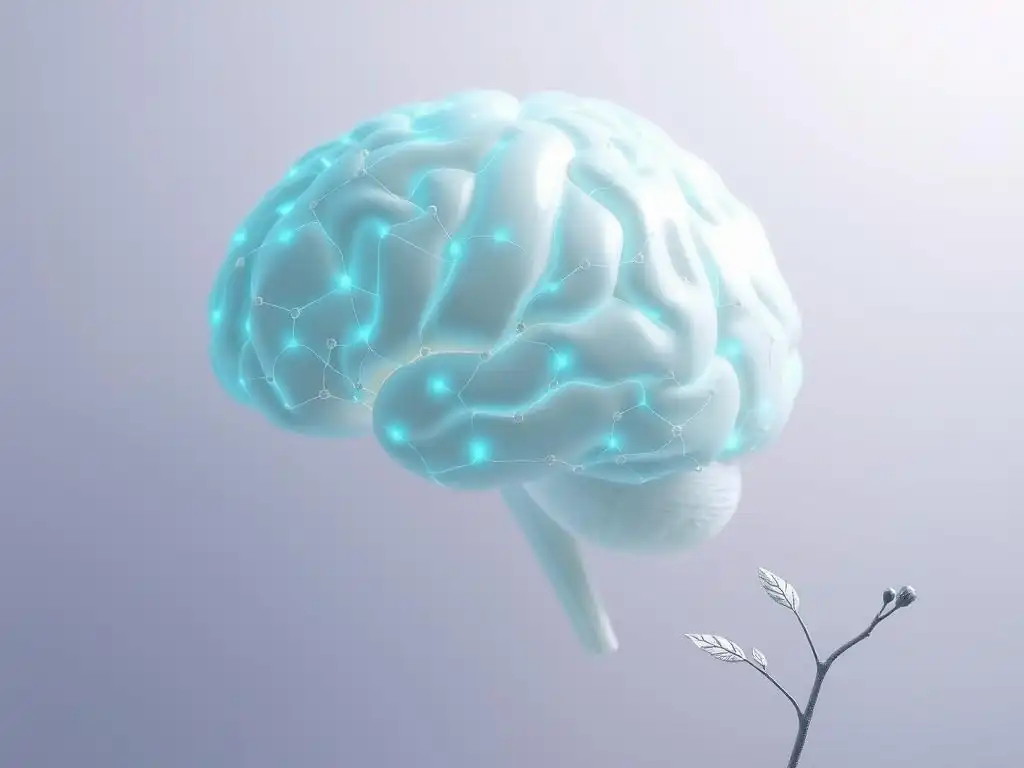
As individuals engage in trauma recovery, specific and measurable changes can occur in the brain. These changes reflect a shift away from a state of chronic threat response towards greater regulation, integration, and resilience. Observing these changes through neuroimaging studies provides powerful validation for the effectiveness of therapeutic interventions and the brain's capacity to heal.
Increased Prefrontal Cortex Activity: Enhancing Emotional Regulation
A key marker of progress in trauma recovery is often an increase in activity in the prefrontal cortex (PFC), particularly the areas responsible for executive function and emotional regulation. Remember how trauma can reduce PFC activity, weakening its ability to modulate the amygdala? Successful therapy and healing practices can strengthen this critical region.
As the PFC becomes more active and better connected to the amygdala, individuals gain a greater capacity to manage their emotional responses. They become less reactive to triggers, can think more clearly under stress, and are better able to assess situations realistically rather than through the lens of past trauma. This enhanced emotional regulation is a direct result of the brain rewiring itself, a core component of trauma recovery brain changes science. Studies using fMRI have shown increased PFC activation and connectivity with other brain regions in individuals after completing trauma-focused therapy.
Amygdala Modulation: Reducing Fear and Anxiety Responses
Simultaneously, trauma recovery often involves a decrease in the hyperactivity of the amygdala. As the prefrontal cortex strengthens its regulatory influence, it sends inhibitory signals to the amygdala, calming its alarm system. This means the amygdala is less likely to trigger a full-blown fear response to non-threatening stimuli.
Think of it like turning down a hypersensitive smoke detector. While the amygdala remains vigilant for real threats, its tendency to sound false alarms decreases. This leads to a reduction in chronic anxiety, hypervigilance, and the intensity of panic or fear responses. Neuroimaging studies post-therapy frequently show a reduction in amygdala reactivity compared to pre-therapy scans, demonstrating tangible changes in the brain's fear circuitry. This modulation is a critical aspect of the science of trauma recovery brain changes.
Hippocampal Changes: Improving Memory and Integration
While trauma can sometimes lead to a reduction in hippocampal volume, particularly in chronic or severe cases, trauma recovery can support the health and potential growth of this region. Effective processing of traumatic memories helps the hippocampus integrate the fragmented pieces of the trauma into a coherent narrative within the context of the individual's life history.
This integration reduces the likelihood of intrusive flashbacks that feel like they are happening in the present. It allows the individual to remember the trauma as something that happened in the past. Furthermore, practices that promote neurogenesis, such as exercise and enriched environments (like supportive social connections), may support hippocampal health and function. While volume changes might be complex and variable, improved hippocampal function, reflected in better memory processing and contextualization, is a key outcome of successful trauma recovery brain changes science.
Evidence-Based Therapies and Their Impact on the Brain
The effectiveness of certain therapies in treating trauma is strongly supported by research showing their positive impact on brain function and structure. These therapies don't just address symptoms; they actively facilitate the neurobiological changes required for healing. Understanding how these therapies influence the brain reinforces their value in trauma recovery.
Cognitive Behavioral Therapy (CBT) and Brain Function
Cognitive Behavioral Therapy (CBT), particularly trauma-focused CBT (TF-CBT), helps individuals identify and challenge negative thought patterns and beliefs related to the trauma. By changing distorted thinking and developing new coping behaviors, CBT influences brain activity. For example, successfully challenging a belief like "The world is always dangerous" can reduce the chronic activation of the amygdala and stress response system.
CBT strengthens the prefrontal cortex's ability to evaluate thoughts and regulate emotions. By practicing new responses to trauma reminders, individuals build new neural pathways that compete with the old, fear-driven ones. Research has shown that successful CBT for trauma can lead to increased activity in the prefrontal cortex and decreased activity in the amygdala, mirroring the brain changes associated with reduced fear and improved emotional control. This demonstrates CBT's role in promoting positive trauma recovery brain changes.
Eye Movement Desensitization and Reprocessing (EMDR) and Neural Pathways
As mentioned earlier, EMDR involves processing traumatic memories while focusing on bilateral stimulation. While the precise neural mechanisms are still debated, studies using neuroimaging before and after EMDR therapy have shown changes consistent with trauma recovery. These changes include decreased activity in the amygdala and hippocampus when recalling the traumatic memory post-treatment, compared to pre-treatment.
Some theories suggest that EMDR facilitates communication between different brain regions involved in memory processing and emotional regulation, such as the amygdala, hippocampus, and prefrontal cortex. By potentially mimicking processes that occur during REM sleep, which is involved in memory consolidation, EMDR may help the brain reprocess the traumatic memory in a way that reduces its emotional intensity and integrates it more effectively into the overall memory network. This points to EMDR's specific influence on neural pathways involved in trauma processing, contributing to the science of trauma recovery brain changes.
Somatic Experiencing and Its Mechanisms
Somatic Experiencing (SE) is a body-oriented therapy that focuses on releasing trauma stored in the body. Trauma can disrupt the body's natural cycle of responding to and releasing stress and fear, leading to physical symptoms like chronic tension, pain, or dysregulation of bodily functions. SE helps individuals become aware of their bodily sensations (soma) and gently guides them through the process of discharging trapped energy and completing the physiological responses that were interrupted during the traumatic event.
While less studied with neuroimaging than CBT or EMDR, the principles of SE align with current understanding of the brain-body connection in trauma. By focusing on bodily sensations and promoting self-regulation of the nervous system, SE likely influences subcortical brain regions involved in processing bodily states and fear responses, such as the brainstem and limbic system.
By helping the nervous system move out of a state of chronic "freeze" or hyperarousal, SE supports the restoration of a more balanced physiological state, which in turn impacts higher brain functions like emotional regulation. This body-up approach is a vital part of holistic trauma recovery brain changes science.
Lifestyle Factors Supporting Brain Healing After Trauma
While therapy is crucial, lifestyle factors play a significant role in supporting the brain's natural healing processes. Healthy habits can enhance neuroplasticity, reduce inflammation, regulate stress hormones, and provide the brain with the resources it needs to recover and build resilience. Integrating these factors into a recovery plan complements therapeutic work and supports positive trauma recovery brain changes.
The Importance of Sleep for Neuroplasticity
Sleep is a period of vital activity for the brain, crucial for memory consolidation, emotional regulation, and cellular repair. During sleep, particularly REM sleep, the brain processes experiences, integrates new information, and may help to "file away" emotional memories in a less reactive way. For individuals with trauma, sleep disturbances like insomnia or nightmares are common, which can hinder the brain's ability to perform these restorative functions.
Prioritizing healthy sleep hygiene and addressing sleep disorders can significantly support trauma recovery. Adequate sleep enhances neuroplasticity, making the brain more receptive to learning new coping skills and forming new, positive associations. It also helps regulate stress hormones and supports the prefrontal cortex's function, improving emotional control and cognitive processing. Aiming for 7-9 hours of quality sleep per night is a fundamental step in supporting brain healing.
Nutrition and Brain Health in Trauma Recovery
The brain requires a steady supply of nutrients to function optimally, repair itself, and support neuroplasticity. A diet rich in omega-3 fatty acids, antioxidants, vitamins, and minerals can reduce inflammation (which can impair brain function), support neurotransmitter production, and protect brain cells. Chronic stress and trauma can deplete the body's nutrient stores and disrupt gut health, which is increasingly recognized as linked to brain health.
Focusing on a balanced diet with plenty of fruits, vegetables, lean proteins, and healthy fats provides the building blocks for brain repair and resilience. Limiting processed foods, sugar, and excessive caffeine or alcohol can also help stabilize mood and energy levels, supporting overall well-being and the brain's capacity for healing. Proper nutrition is a foundational element in the science of trauma recovery brain changes.
Exercise and its Impact on Brain Function and Emotional Well-being
Regular physical activity is one of the most powerful tools for supporting brain health and recovery from trauma. Exercise increases blood flow to the brain, promoting neurogenesis (the birth of new neurons, particularly in the hippocampus) and enhancing synaptic plasticity. It also helps regulate stress hormones, reduces inflammation, and stimulates the release of endorphins, which have mood-boosting effects.
Engaging in regular aerobic exercise, strength training, or mind-body practices like yoga can directly counteract some of the negative brain changes associated with trauma. Exercise can improve sleep, reduce anxiety and depression symptoms, and enhance cognitive function. Even moderate physical activity, like a brisk walk, can have significant benefits, providing a tangible way to support the brain's healing journey and contribute to positive trauma recovery brain changes.
The Science of Resilience: Building a Stronger Brain

Resilience is the ability to adapt and bounce back from adversity. While trauma can challenge resilience, the process of trauma recovery actively builds it. From a neurological perspective, resilience involves having a flexible and well-regulated stress response system, robust connections between brain regions involved in emotion regulation and executive function, and the capacity to learn and adapt from experience. The science of trauma recovery brain changes shows that resilience can be cultivated.
Understanding Resilience from a Neurological Perspective
Neurologically, resilience is associated with certain brain characteristics. Resilient individuals often show more balanced activity between the amygdala and the prefrontal cortex, meaning their 'alarm' system is less likely to be triggered unnecessarily, and their 'control' center is effective at modulating fear responses. They may also have a more efficient HPA axis, allowing stress hormone levels to return to baseline more quickly after a stressful event.
Furthermore, resilience is linked to the structural integrity and connectivity of brain networks involved in self-awareness, emotional processing, and cognitive control. A brain that can effectively integrate information from different regions – linking bodily sensations, emotions, memories, and rational thought – is better equipped to navigate challenges. Building resilience is not about being immune to stress or trauma, but about enhancing the brain's capacity to recover and adapt effectively, a key outcome of positive trauma recovery brain changes.
Strategies for Enhancing Resilience After Trauma
Building resilience after trauma involves intentionally engaging in practices that strengthen the brain's capacity for regulation and adaptation. This includes continuing with therapeutic work, which directly targets trauma-related brain changes. It also involves consistently applying the skills learned in therapy in daily life.
Other strategies include:
- Building a strong support network: Positive social connections reduce stress and provide emotional resources, impacting brain chemistry positively.
- Setting realistic goals: Achieving small goals builds a sense of competence and self-efficacy, strengthening the prefrontal cortex.
- Practicing self-care: Ensuring basic needs like sleep, nutrition, and hygiene are met supports overall brain health.
- Engaging in meaningful activities: Pursuing hobbies or activities that bring joy and purpose can activate reward pathways in the brain, counteracting the effects of trauma.
These strategies work together to promote the neural flexibility and strength that underpin resilience, demonstrating the practical application of trauma recovery brain changes science.
Cultivating Mindfulness and Self-Compassion
Mindfulness and self-compassion are powerful practices for fostering resilience and supporting brain healing. Mindfulness involves paying attention to the present moment without judgment. Regular mindfulness practice has been shown to increase gray matter density in brain regions associated with self-awareness, compassion, and fear regulation (like the insula, temporo-parietal junction, and prefrontal cortex), while potentially decreasing amygdala size and reactivity.
Self-compassion involves treating oneself with kindness, understanding, and acceptance, especially during difficult times. This counters the self-blame and shame that often accompany trauma. Practicing self-compassion activates brain regions associated with warmth and connection, helping to soothe the stress response system. Together, mindfulness and self-compassion help individuals build a more accepting and resilient relationship with themselves and their experiences, fundamentally supporting positive trauma recovery brain changes.
What to Expect During the Brain Healing Process
The process of brain healing after trauma is not linear. It involves ups and downs, plateaus, and periods of significant progress. Understanding what to expect can help manage expectations and maintain motivation throughout the recovery journey. The science of trauma recovery brain changes highlights that healing is a process of gradual, often subtle, shifts.
Gradual Changes in Emotional and Cognitive Function
As the brain heals, individuals typically notice gradual changes in how they feel and think. Emotional reactivity may decrease, making it easier to manage intense feelings without becoming overwhelmed. Anxiety and hypervigilance might lessen. Cognitive function can improve, leading to better concentration, memory, and decision-making.
These changes are often subtle at first, like noticing a slightly less intense reaction to a trigger or finding it a little easier to focus on a task. Over time, these small shifts accumulate, leading to a significant improvement in overall well-being and daily functioning. It's important to acknowledge and celebrate these incremental changes as evidence of the brain's healing capacity, a tangible outcome of trauma recovery brain changes science.
Recognizing Signs of Progress in Brain Recovery
Identifying signs of progress helps validate the hard work of recovery. These signs can be behavioral, emotional, or even subtle physiological shifts. Examples include:
- Improved sleep patterns.
- Reduced frequency or intensity of flashbacks or intrusive thoughts.
- Greater ability to manage stress without becoming dysregulated.
- Increased capacity for joy, connection, or relaxation.
- Feeling more present in the body and less detached.
- Improved memory or concentration.
- A stronger sense of self and identity separate from the trauma.
- Reduced physical tension or chronic pain.
These improvements reflect positive changes in the brain's structure and function, indicating that the trauma recovery brain changes science is actively at work.
Trauma recovery is rarely a straight line upwards. Setbacks, where symptoms seem to worsen temporarily, and plateaus, periods where progress feels stalled, are common and normal parts of the process. These do not mean that healing has stopped or that the brain is not capable of further change.
Setbacks can be triggered by stressful life events or reminders of the trauma. They are often temporary blips rather than a reversal of progress. Plateaus might indicate a need to adjust therapeutic approaches or explore new strategies. During these times, it is crucial to practice self-compassion, lean on support systems, and remember that the brain's capacity for healing remains. Understanding the non-linear nature of recovery is vital for perseverance.
Supporting Your Trauma Recovery Journey
Embarking on trauma recovery is a courageous step towards healing the brain and reclaiming your life. Armed with an understanding of the science behind trauma recovery brain changes, you can approach this journey with informed purpose and hope.
Resources and Support for Brain-Based Healing
Accessing appropriate resources and support is paramount. This includes finding trauma-informed therapists who understand the neurobiological impact of trauma and utilize evidence-based approaches like TF-CBT, EMDR, or SE. Support groups can offer connection and validation, reducing feelings of isolation.
Prioritizing lifestyle factors – consistent sleep, nourishing food, regular movement, and stress management techniques like mindfulness – provides the essential foundation for the brain to heal. Remember that trauma recovery is a process, and seeking help and support is a sign of strength. By actively engaging in therapeutic work and supportive practices, you are directly contributing to the incredible capacity of your brain to recover, adapt, and build resilience, embodying the principles of trauma recovery brain changes science.
Frequently Asked Questions
What specific brain regions are most affected by trauma, and how does their function change?
Trauma primarily impacts the amygdala (emotional processing), the hippocampus (memory formation), and the prefrontal cortex (executive functions). These changes can lead to heightened anxiety, memory problems, and difficulty with emotional regulation.
How does trauma recovery literally change the brain's structure and function, according to the latest science?
Trauma recovery can promote neuroplasticity, allowing the brain to reorganize itself by forming new neural connections. This leads to improved cognitive function and emotional stability, effectively rewiring pathways associated with fear and anxiety.
What are some evidence-based therapies that are proven to promote positive brain changes during trauma recovery?
Therapies like EMDR (Eye Movement Desensitization and Reprocessing), CBT (Cognitive Behavioral Therapy), and neurofeedback are shown to facilitate brain changes. These techniques help individuals process traumatic memories and develop coping mechanisms, leading to structural and functional improvements.
Besides therapy, what other lifestyle changes can support and enhance brain healing during trauma recovery?
Lifestyle factors such as regular exercise, mindfulness meditation, and a healthy diet can promote neurogenesis and reduce inflammation. These habits contribute to overall brain health and resilience, aiding in the trauma recovery process.
How can understanding the science of trauma recovery and brain changes help reduce the stigma associated with mental health challenges?
By understanding the biological basis of trauma's impact on the brain, we can reduce stigma by recognizing that mental health challenges are not simply "weakness" or "personal failings." It highlights the need for compassionate care and evidence-based treatments.
Final Reflection: Rewiring Resilience: The Ongoing Journey of Trauma Recovery
The science of healing isn't just a theoretical concept; it's a powerful testament to the brain's remarkable plasticity, offering tangible hope for those grappling with trauma's lasting effects. Understanding how trauma alters brain structures and functions, as detailed in this article, provides a crucial roadmap for navigating the recovery process and fostering genuine, lasting resilience. This knowledge empowers individuals to actively participate in their healing journey, moving beyond passive acceptance of their condition.
The impact of trauma extends far beyond the individual, rippling outwards to affect families, communities, and society as a whole. The ongoing conversation surrounding trauma-informed care underscores the growing recognition of its pervasive influence. The most basic of all human needs is the need to understand and be understood.
- Carl Rogers. This quote highlights the vital role of empathy and understanding in the healing process, both for the individual and for those supporting them. By acknowledging the neurological underpinnings of trauma, we can foster more compassionate and effective approaches to support and recovery.
You now possess a deeper understanding of the science behind trauma recovery. This knowledge is not merely information; it's a tool. Take this understanding and use it to advocate for yourself or others, to challenge outdated stigmas, and to champion the development of more effective trauma-informed practices. Remember the brain's capacity for change, its inherent resilience, and the power of hope in the face of adversity. Your journey towards healing is a testament to the incredible strength of the human spirit and the remarkable capacity of the brain to heal and grow.
Unleash Your Brain's Healing Power
Thanks for exploring the science of healing and trauma recovery with us! We hope you gained valuable insights into your brain's incredible capacity to heal. Now it's time to put that knowledge into action.
- Prioritize one self-care practice mentioned in the article – even just 5 minutes a day can make a difference! Whether it's mindful breathing, gentle exercise, or journaling, consistency is key.
- Share this article with someone who might benefit from understanding the power of brain plasticity and trauma recovery. Let's spread awareness and support each other on this journey.
- Consider exploring additional resources on trauma-informed care – even a quick search can uncover surprising techniques and approaches that resonate with you.
Ready to start your healing journey? What small step will you take today to nurture your brain's remarkable ability to heal?