
Nutritional Psychiatry: Feeding Your Brain for Better Mood Chemistry

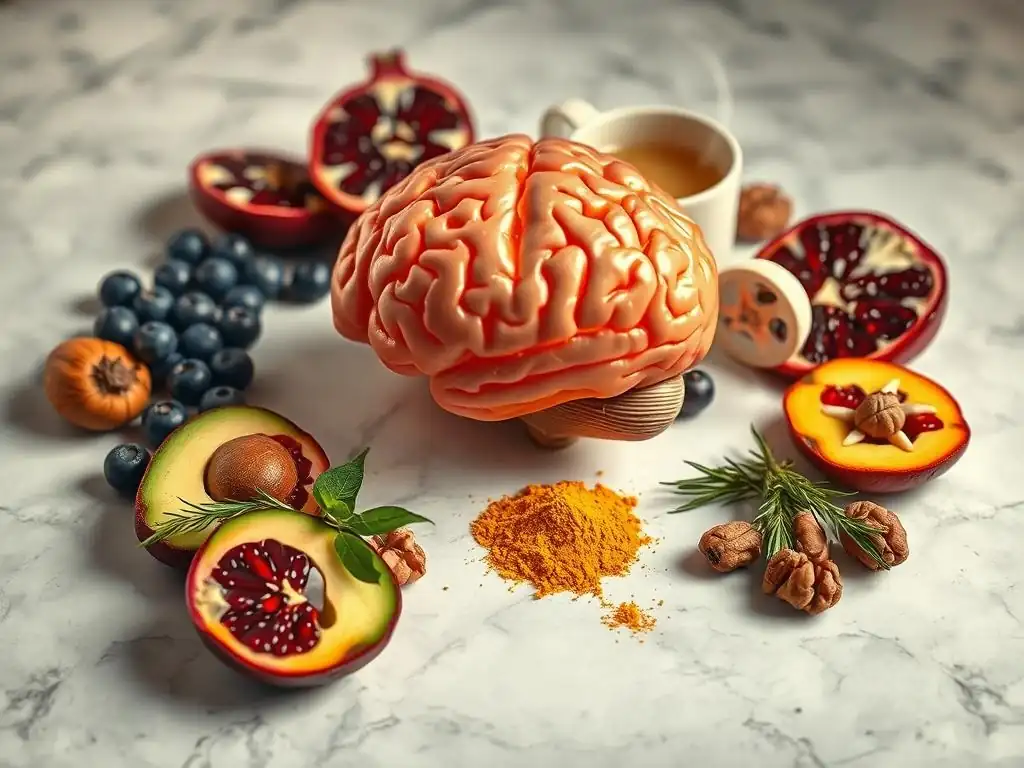
Welcome to Mind Care Guide, a sanctuary dedicated to your mental well-being.
Are you feeling the weight of the world? Perhaps you're searching for a natural way to lift your spirits and sharpen your mind. You're not alone. In this article, we delve into the fascinating world of Nutritional Psychiatry, exploring how specific foods can act as brain food mood improvement catalysts. Could the key to a brighter mood actually be on your plate? Let's uncover the powerful connection between what you eat and how you feel, and discover practical steps you can take today to nourish your mental health.
Nutritional Psychiatry: Feeding Your Brain for Better Mood Chemistry
- Introduction to Nutritional Psychiatry and Brain Food for Mood
- The Science Behind Brain Food and Mood Enhancement
- Key Brain Foods for Mood Improvement: A Comprehensive Guide
- Implementing a Brain Food Diet for Mood Improvement
- The Role of Supplements in Nutritional Psychiatry
- Lifestyle Factors that Complement Brain Food for Mood
- Potential Challenges and Considerations
- Case Studies and Research Supporting Nutritional Psychiatry
- Conclusion: Empowering Your Mental Health Through Nutrition
-
Frequently Asked Questions
- What is Nutritional Psychiatry and how does it relate to Brain Food Mood Improvement?
- Which specific Brain Food categories are most effective for Mood Improvement, according to Nutritional Psychiatry?
- How quickly can someone expect to see Mood Improvement after incorporating Brain Food into their diet?
- Is Nutritional Psychiatry a replacement for traditional mental health treatments, or is it a complementary approach for Brain Food Mood Improvement?
- Where can I find more resources and support for implementing Nutritional Psychiatry principles and achieving Brain Food Mood Improvement?
- Final Reflection: Nourishing the Mind, Transforming the Mood
- Unlock Your Brain's Potential: Nourish Your Mood
Introduction to Nutritional Psychiatry and Brain Food for Mood
The Emerging Field of Nutritional Psychiatry: A New Approach to Mental Wellness
Nutritional psychiatry represents a burgeoning area of research and clinical practice that explores the profound connection between diet and mental health. It moves beyond simply avoiding nutrient deficiencies to actively investigate how specific dietary patterns and nutrients can influence brain function, chemistry, and ultimately, mood and behavior. This field recognizes that the standard Western diet, often high in processed foods, sugar, and unhealthy fats, may contribute to the rising rates of mental health challenges globally.
Evidence is mounting that dietary choices play a significant role in the development and management of conditions like depression, anxiety, and other mood disorders. While not a standalone cure, nutritional interventions are increasingly viewed as a vital component of a comprehensive mental wellness plan.
Studies suggest that dietary patterns rich in whole foods, such as fruits, vegetables, lean proteins, and healthy fats – often referred to as brain food for mood improvement – are associated with a lower risk of depression and better mental health outcomes across various populations. The focus is shifting towards understanding how to nourish the brain effectively to support positive mood chemistry.
Understanding the Gut-Brain Connection: How Diet Impacts Mental Health
At the core of nutritional psychiatry is the intricate bidirectional communication system known as the gut-brain axis. This complex network involves neural pathways (like the vagus nerve), endocrine signaling, immune responses, and the vast community of microorganisms living in the gut, collectively called the gut microbiome. The health of the gut microbiome is significantly influenced by diet; a diverse diet rich in fiber and fermented foods fosters beneficial bacteria, while a diet high in processed foods and sugar can lead to dysbiosis, an imbalance linked to inflammation.
The gut microbiome produces various compounds, including short-chain fatty acids (SCFAs) like butyrate, which nourish gut cells and can cross the blood-brain barrier to influence brain function. Gut microbes also produce or modulate neurotransmitters and their precursors, including serotonin (a large portion of which is produced in the gut), dopamine, and GABA, all critical for mood regulation. Research indicates that alterations in the gut microbiome composition and function are frequently observed in individuals with mood disorders, highlighting the direct pathway through which dietary choices impacting gut health can influence mental well-being.
Food and Mood Regulation: The Link Between Nutrition and Emotional Well-being
The foods we consume provide the building blocks and energy required for optimal brain function, directly impacting our ability to regulate emotions and maintain a stable mood. Nutrient deficiencies, even subclinical ones, can impair neurotransmitter synthesis, disrupt energy metabolism in the brain, and increase inflammatory processes, all of which can manifest as symptoms like irritability, fatigue, difficulty concentrating, and low mood. For instance, inadequate intake of B vitamins or iron can lead to fatigue and reduced cognitive function, mimicking symptoms of depression.
Conversely, a diet rich in nutrients essential for brain health supports efficient communication between brain cells, protects against oxidative stress and inflammation, and ensures a steady supply of glucose for energy. Specific nutrients, such as omega-3 fatty acids, magnesium, and certain amino acids found in protein, are particularly crucial for synthesizing and balancing neurotransmitters, which are key to mood regulation. Focusing on brain food mood improvement involves selecting nutrient-dense options that provide the necessary fuel and building blocks for the brain to function optimally and support positive emotional states.
The Science Behind Brain Food and Mood Enhancement
Neurotransmitters and Diet: How Food Affects Serotonin, Dopamine, and Norepinephrine
Neurotransmitters are chemical messengers that play a critical role in regulating mood, motivation, pleasure, and cognitive function. Key neurotransmitters involved in mood include serotonin, dopamine, and norepinephrine. The body synthesizes these chemicals from precursors found in food, primarily amino acids derived from dietary protein. For example, tryptophan, an amino acid found in foods like turkey, eggs, and nuts, is a precursor to serotonin, often dubbed the "feel-good" neurotransmitter. Similarly, tyrosine, another amino acid found in protein-rich foods, is converted into dopamine and norepinephrine, which are involved in motivation, reward, and alertness.
Beyond the precursors, the synthesis and function of neurotransmitters also rely on various cofactors obtained from our diet. B vitamins (particularly B6, B9, and B12), magnesium, zinc, and iron are essential for the enzymatic reactions that convert amino acids into neurotransmitters and ensure their proper signaling. A diet lacking in these key nutrients can impair neurotransmitter production and signaling, potentially contributing to imbalances associated with mood disorders. Therefore, consuming a balanced diet rich in protein and micronutrients is fundamental for supporting healthy brain chemistry and promoting brain food mood improvement.
Essential Nutrients for Brain Health and Mood Stability
Vitamins and Minerals Critical for Mood Regulation
A host of vitamins and minerals are vital cofactors and building blocks for brain health and stable mood. B vitamins, especially folate (B9), B6, and B12, are crucial for the synthesis of neurotransmitters like serotonin, dopamine, and norepinephrine. Folate also plays a role in regulating homocysteine levels; elevated homocysteine is linked to increased risk of depression.
Studies have shown that deficiencies in B12 and folate are more common in individuals with depression. Magnesium is involved in over 300 enzymatic reactions, including those related to nerve function and neurotransmitter synthesis; it also plays a role in the body's stress response. Zinc is essential for neurotransmitter signaling and has antioxidant properties, and its deficiency has been associated with depressive symptoms.
Vitamin D receptors are found throughout the brain, including areas involved in mood regulation. Low levels of Vitamin D are frequently observed in individuals with mood disorders, and some research suggests that supplementation may help improve symptoms, particularly in those with deficiencies. Iron is necessary for oxygen transport to the brain and for the synthesis of neurotransmitters; iron deficiency (anemia) can cause fatigue, irritability, and cognitive impairment. Ensuring adequate intake of these vitamins and minerals through a nutrient-dense diet is a foundational strategy for brain food mood improvement.
The Role of Omega-3 Fatty Acids in Brain Function and Mood
Omega-3 fatty acids, particularly EPA (eicosapentaenoic acid) and DHA (docosahexaenoic acid), are critical structural components of brain cell membranes. DHA is highly concentrated in the brain and retina and is essential for maintaining the fluidity and flexibility of neuronal membranes, which is vital for effective communication between brain cells. EPA, while present in lower amounts, appears to have significant anti-inflammatory properties and may play a more direct role in influencing mood and behavior compared to DHA.
Research consistently shows a link between lower dietary intake of omega-3 fatty acids and a higher incidence of mood disorders, including depression and anxiety. Omega-3s help reduce inflammation throughout the body, including neuroinflammation, which is implicated in the pathology of depression. They also influence neurotransmitter pathways and support the production of brain-derived neurotrophic factor (BDNF), a protein that promotes the growth and survival of brain cells. Including sources of EPA and DHA in the diet, such as fatty fish, is a key strategy for supporting brain health and achieving brain food mood improvement.
Inflammation and the Brain: How Diet Can Reduce Inflammation and Improve Mood
Chronic low-grade inflammation is increasingly recognized as a significant contributor to various chronic diseases, including mood disorders. When inflammation occurs in the brain (neuroinflammation), it can disrupt neurotransmitter function, damage brain cells, and impair neurogenesis (the growth of new neurons), particularly in areas vital for mood regulation like the hippocampus. A diet high in refined sugars, unhealthy fats (trans fats and excessive saturated fats), and processed foods can promote systemic inflammation by altering the gut microbiome, increasing oxidative stress, and activating inflammatory pathways.
Conversely, a diet rich in anti-inflammatory compounds can help mitigate this process. Foods high in antioxidants (like colorful fruits and vegetables) combat oxidative stress. Omega-3 fatty acids (found in fish, flaxseeds, chia seeds) produce anti-inflammatory molecules.
Fiber-rich foods support a healthy gut microbiome, which in turn reduces gut-derived inflammation. Adopting an anti-inflammatory dietary pattern, often characterized by whole, unprocessed foods, ample plant matter, and healthy fats, is a powerful way to protect brain health, reduce neuroinflammation, and support brain food mood improvement. For example, studies measuring inflammatory markers like C-reactive protein (CRP) have shown that individuals with depression often have elevated levels, and dietary interventions can sometimes help lower these markers.
Key Brain Foods for Mood Improvement: A Comprehensive Guide
Fruits and Vegetables: Powerhouse Foods for Mental Well-being
Fruits and vegetables are cornerstones of a diet focused on brain food mood improvement, offering a wide array of vitamins, minerals, fiber, and antioxidants crucial for optimal brain function. Their vibrant colors often signal the presence of various phytochemicals and antioxidants that protect brain cells from damage caused by oxidative stress and inflammation. Consuming a diverse range of fruits and vegetables ensures intake of key nutrients like folate, Vitamin C, Vitamin K, and various B vitamins, all of which support neurotransmitter synthesis and overall brain metabolism.
Studies consistently link higher consumption of fruits and vegetables with a lower risk of depression and anxiety. For instance, a large study involving over 60,000 participants found that consuming at least four portions of fruits and vegetables daily was associated with lower psychological distress. Their high fiber content also supports a healthy gut microbiome, further benefiting the gut-brain axis. Aiming for a variety of colors and types daily maximizes the range of beneficial compounds consumed.
Berries: Packed with Antioxidants for Brain Protection
Berries, such as blueberries, strawberries, raspberries, and blackberries, are particularly notable for their high levels of anthocyanins and other flavonoids – powerful antioxidants that can cross the blood-brain barrier. These compounds help protect brain cells from damage caused by free radicals and inflammation. Research suggests that regular consumption of berries can improve cognitive function, including memory, and may have positive effects on mood by reducing neuroinflammation and supporting healthy blood flow to the brain.
For example, studies have shown that consuming blueberries can improve mood in young adults and may reduce depressive symptoms in older adults. A typical serving size might be half to one cup daily. Including a handful of berries in your breakfast, snacks, or desserts is a delicious way to incorporate potent brain food for mood improvement into your daily routine.
Leafy Greens: Essential for Neurotransmitter Production
Leafy green vegetables like spinach, kale, collard greens, and Swiss chard are nutritional powerhouses, especially rich in folate (Vitamin B9), a critical nutrient for the synthesis of neurotransmitters like serotonin, dopamine, and norepinephrine. Low folate levels are frequently associated with depression and a poorer response to antidepressant treatment. Leafy greens also provide magnesium, which is involved in numerous enzymatic reactions including those related to nerve function and stress response, as well as Vitamin K and antioxidants.
Consuming sufficient leafy greens helps ensure the brain has the necessary building blocks and cofactors for healthy neurotransmitter production and function. A serving size is typically one cup raw or half a cup cooked. Incorporating leafy greens into salads, smoothies, soups, or stir-fries multiple times a week is a simple yet effective strategy for supporting brain chemistry and promoting brain food mood improvement.
Protein Sources: Building Blocks for a Healthy Brain
Protein is fundamental to brain health because it provides the amino acids that serve as the precursors for neurotransmitters. Ensuring adequate protein intake throughout the day supports the continuous synthesis and balance of these crucial chemical messengers, which are vital for regulating mood, motivation, and cognitive processes. Protein also helps stabilize blood sugar levels when consumed as part of a meal, preventing the energy crashes and mood swings that can result from rapid fluctuations in blood glucose.
Choosing high-quality protein sources is important. Lean meats, poultry, fish, eggs, dairy, legumes, nuts, and seeds all contribute valuable amino acids. Aiming for a source of protein at each meal helps provide a steady supply of these building blocks for the brain and supports overall metabolic health, contributing to brain food mood improvement.
Lean Meats and Poultry: Providing Amino Acids for Mood Regulation
Lean meats and poultry are excellent sources of complete proteins, meaning they contain all nine essential amino acids that the body cannot produce on its own. These include tryptophan, the precursor to serotonin, and tyrosine, the precursor to dopamine and norepinephrine. Beyond amino acids, these foods provide crucial micronutrients like iron, zinc, and B vitamins (especially B12), which are essential cofactors in neurotransmitter synthesis and brain energy metabolism.
Iron deficiency, even without full anemia, can lead to fatigue, irritability, and cognitive difficulties. Zinc is involved in synaptic function and antioxidant defense. Vitamin B12 is critical for nerve health and DNA synthesis, and deficiency is strongly linked to mood disorders. Including lean protein sources like chicken breast or turkey in your diet provides the necessary components to support robust brain chemistry and contribute to brain food mood improvement. A typical serving might be 3-4 ounces.
Fish: Rich in Omega-3 Fatty Acids for Brain Health
Fatty fish, such as salmon, mackerel, sardines, herring, and anchovies, are among the best dietary sources of the long-chain omega-3 fatty acids EPA and DHA. As discussed earlier, these fats are integral to brain cell structure and function, possess powerful anti-inflammatory properties, and are linked to a lower risk of depression and anxiety. Regular consumption of fatty fish is a cornerstone of dietary recommendations for brain health.
Aiming for at least two servings (about 3-4 ounces each) of fatty fish per week is widely recommended to ensure adequate omega-3 intake for brain food mood improvement. Choosing smaller fish like sardines and mackerel can also help minimize exposure to potential contaminants like mercury. For individuals who do not eat fish, algae-based omega-3 supplements providing EPA and DHA are an alternative.
Healthy Fats: Fueling Brain Function and Mood Stability
Healthy fats are indispensable for brain health, making up a significant portion of the brain's structure. They are crucial for building cell membranes, supporting nerve function, and absorbing fat-soluble vitamins (A, D, E, K) that are also important for brain health. While "fat" often gets a bad rap, distinguishing between beneficial unsaturated fats (monounsaturated and polyunsaturated, including omega-3s) and detrimental saturated and trans fats is key for brain food mood improvement.
Incorporating sources of healthy fats into your diet provides the necessary lipids to support optimal brain structure and function. These fats also help promote satiety and stabilize blood sugar, further contributing to stable energy levels and mood. Sources include avocados, nuts, seeds, olive oil, and fatty fish.
Avocado: A Source of Monounsaturated Fats for Brain Health
Avocados are a fantastic source of monounsaturated fats, similar to those found in olive oil. These fats are associated with improved cardiovascular health, which is closely linked to brain health due to the brain's high demand for oxygen and nutrients delivered via blood flow. Avocados also provide a good amount of fiber, folate, potassium, and vitamins K, C, E, and B6.
The combination of healthy fats, fiber, and micronutrients makes avocados an excellent brain food for mood improvement. Folate supports neurotransmitter synthesis, potassium helps regulate nerve signals, and antioxidants protect brain cells. Adding half an avocado to salads, sandwiches, or smoothies provides healthy fats and nutrients that support brain function and overall well-being.
Nuts and Seeds: Providing Essential Fatty Acids and Nutrients
Nuts and seeds are convenient, nutrient-dense sources of healthy fats, protein, fiber, vitamins, and minerals, making them valuable components of a brain food diet for mood improvement. Walnuts are particularly notable for their high content of alpha-linolenic acid (ALA), a plant-based omega-3 fatty acid. Other nuts and seeds like almonds, chia seeds, flaxseeds, pumpkin seeds, and sunflower seeds provide magnesium, zinc, selenium, Vitamin E, and various B vitamins.
Magnesium and zinc are crucial for neurotransmitter function and stress response. Vitamin E is a powerful antioxidant that helps protect brain cells. The fiber content supports gut health, indirectly benefiting mood. A small handful (about 1/4 cup) of mixed nuts and seeds daily can provide a significant nutritional boost. However, be mindful of portion sizes as they are calorie-dense.
Complex Carbohydrates: Sustained Energy for a Balanced Mood
Carbohydrates are the brain's primary source of energy in the form of glucose. However, the type of carbohydrate consumed significantly impacts blood sugar levels and, consequently, mood and energy stability. Simple carbohydrates (like white bread, sugary drinks, and sweets) cause rapid spikes and crashes in blood glucose, which can lead to irritability, fatigue, and difficulty concentrating. Complex carbohydrates, found in whole grains, legumes, and vegetables, are digested more slowly, providing a steady and sustained release of glucose to the brain.
This stable energy supply is crucial for maintaining consistent cognitive function and a balanced mood throughout the day. Complex carbohydrates also provide fiber, which supports gut health, and essential B vitamins, which are involved in energy metabolism and neurotransmitter synthesis. Including sources of complex carbohydrates in meals helps prevent energy dips and supports brain food mood improvement by ensuring the brain receives a reliable fuel source.
Whole Grains: Providing a Steady Release of Glucose for Brain Function
Whole grains, such as oats, brown rice, quinoa, barley, and whole wheat, retain all parts of the grain kernel – the bran, germ, and endosperm. This means they are much higher in fiber, vitamins (especially B vitamins), minerals (like magnesium and selenium), and antioxidants compared to refined grains. The fiber content slows down the digestion and absorption of glucose, leading to a more gradual rise in blood sugar levels.
This steady supply of glucose is vital for sustained brain function and preventing the mood swings associated with blood sugar volatility. B vitamins in whole grains are essential for converting glucose into energy and for neurotransmitter production. Including whole grains in your diet, such as starting the day with oatmeal or choosing brown rice over white, provides consistent energy and supports the nutritional needs of the brain for improved mood chemistry.
Legumes: A Source of Fiber and Nutrients for Gut Health and Mood
Legumes, including beans, lentils, chickpeas, and peas, are excellent sources of complex carbohydrates, plant-based protein, and dietary fiber. Their high fiber content is particularly beneficial for gut health, acting as a prebiotic that feeds beneficial gut bacteria. A healthy gut microbiome produces compounds that can positively influence brain function and mood via the gut-brain axis.
Beyond fiber and protein, legumes provide a wealth of micronutrients important for brain health, such as folate, iron, magnesium, potassium, and zinc. Folate and magnesium support neurotransmitter synthesis, while iron is crucial for energy. Their low glycemic index means they provide a sustained release of energy, contributing to stable mood and energy levels. Incorporating legumes into meals, such as in soups, stews, salads, or as a meat substitute, is a powerful way to support both gut health and brain food mood improvement.
Implementing a Brain Food Diet for Mood Improvement
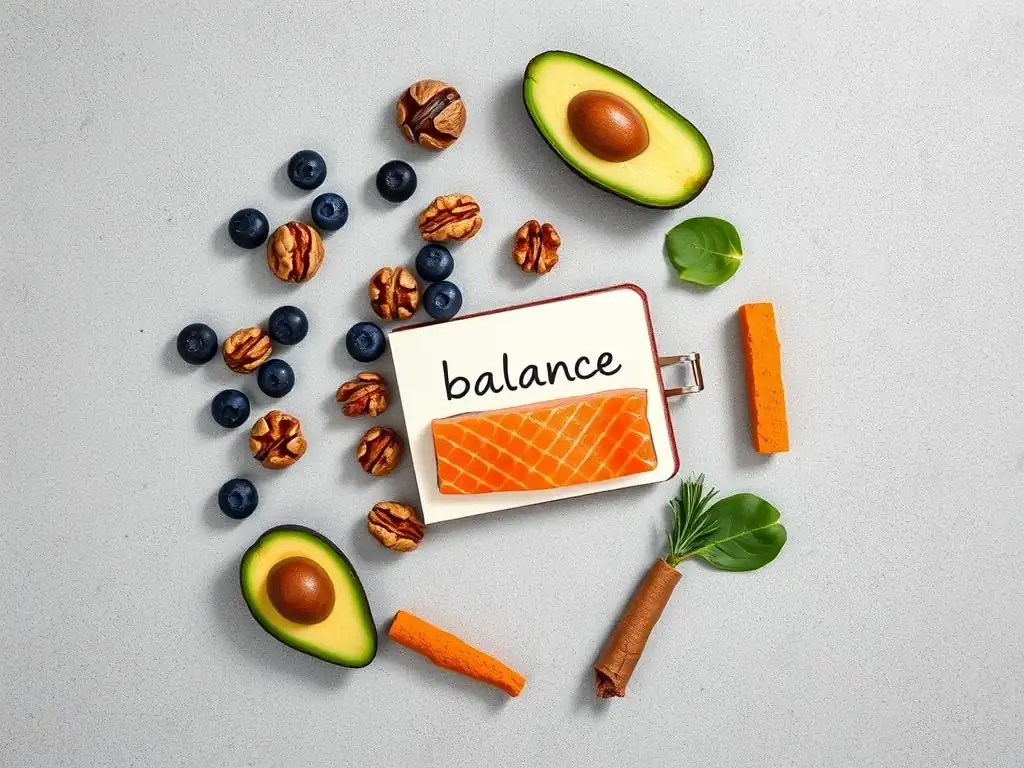
Creating a Personalized Nutritional Plan for Mental Wellness
Adopting a brain food diet for mood improvement is most effective when it's tailored to individual needs, preferences, and circumstances. There is no one-size-fits-all diet, and what works best can vary based on factors like genetics, metabolism, existing health conditions, food sensitivities, lifestyle, and cultural background. Beginning with small, sustainable changes is often more successful than attempting a complete dietary overhaul.
Consider identifying areas in your current diet that could be improved, such as reducing processed foods, sugary drinks, or unhealthy fats, and gradually replacing them with nutrient-dense brain foods. Keeping a food diary can help identify patterns between what you eat and how you feel. Consulting with a registered dietitian or nutritionist specializing in mental health can provide personalized guidance, help identify potential nutritional deficiencies, and develop a plan that is both effective and manageable for your unique situation. This personalized approach is key to making lasting dietary changes that support mental wellness.
Strategies for Incorporating Brain Food into Your Daily Diet
Integrating brain food mood improvement into your daily routine doesn't have to be complicated. Small, consistent changes can add up over time. Start by focusing on one or two meals or snacks per day. For example, swap a sugary breakfast cereal for oatmeal topped with berries and nuts, or replace a processed snack with an apple and a handful of almonds. Plan your meals and snacks in advance to make healthier choices easier when you're busy or stressed.
Increase your intake of fruits and vegetables by adding an extra serving to each meal or making them the base of your plate. Keep healthy snacks like nuts, seeds, or chopped vegetables with hummus readily available. Choose whole grains instead of refined grains whenever possible. Aim to include a source of healthy protein and fat with each meal to help stabilize blood sugar and provide essential nutrients. Gradually introducing these changes makes them more sustainable and allows you to observe how different foods impact your energy and mood.
Tips for Mindful Eating and Improved Mood Chemistry
Mindful eating involves paying attention to the experience of eating without judgment – noticing the colors, smells, textures, and tastes of your food, as well as your body's hunger and fullness cues. This practice can enhance your relationship with food and potentially improve digestion and nutrient absorption, indirectly benefiting mood. Eating mindfully encourages you to slow down, reduce stress around meals, and become more aware of how certain foods make you feel both physically and emotionally.
Beyond the act of eating, consider the context of your meals. Eating regular meals at consistent times helps maintain stable blood sugar levels. Avoid skipping meals, especially breakfast, as this can lead to energy dips and irritability. Pay attention to hydration, as dehydration can affect mood and cognitive function. By combining the what (brain food) with the how (mindful eating and healthy habits), you create a powerful synergy for supporting positive mood chemistry.
The Role of Supplements in Nutritional Psychiatry
When Supplements May Be Necessary for Brain Health
While a nutrient-dense diet is the foundation for brain food mood improvement, there are circumstances where dietary supplements may be necessary or beneficial. Nutritional gaps can occur due to restrictive diets (like vegan or vegetarian diets needing B12), food allergies or sensitivities that eliminate certain food groups, or conditions that impair nutrient absorption (like celiac disease or some digestive disorders). Increased nutritional needs during certain life stages (like pregnancy) or periods of high stress can also warrant consideration of supplements.
Supplements should be viewed as complementing, not replacing, a healthy diet. They can help address specific deficiencies that are difficult to correct through diet alone. However, self-prescribing is not recommended. It's crucial to determine if a deficiency exists through testing and to understand the appropriate dosage and potential interactions before starting any supplement regimen.
Key Supplements for Supporting Brain Health and Mood
Vitamin D: Dosage, Benefits, and Considerations
Vitamin D deficiency is common, particularly in populations with limited sun exposure, and has been linked to increased risk and severity of depression. Receptors for Vitamin D are found in areas of the brain associated with mood regulation. Supplementation may help improve mood, especially in individuals with clinically low levels. Typical dosages recommended for adults range from 800 IU to 2000 IU per day, though higher doses may be required to correct a deficiency, often guided by blood tests.
Vitamin D is a fat-soluble vitamin, so it's best absorbed when taken with a meal containing fat. It's important to have your Vitamin D levels checked by a healthcare professional before starting high-dose supplementation, as excessive intake can be harmful. Discussing Vitamin D supplementation with your doctor ensures you take the correct dosage for your needs and monitors your levels.
Magnesium: Dosage, Benefits, and Considerations
Magnesium is a mineral involved in over 300 biochemical reactions in the body, many of which are critical for brain and nerve function, energy production, and stress response. Magnesium deficiency is thought to be relatively widespread due to factors like soil depletion, processed food consumption, and certain medications. Low magnesium levels have been associated with increased anxiety and depression. Supplementation may help improve mood and reduce anxiety, potentially by influencing neurotransmitter pathways and reducing stress hormones.
Common dosages for magnesium supplementation range from 200 mg to 400 mg per day, depending on the form (e.g., magnesium glycinate is often favored for its calming effects and good absorption, while magnesium citrate can have a laxative effect). As with Vitamin D, it's wise to discuss magnesium supplementation with a healthcare provider, especially if you have kidney issues or are taking other medications, to determine the right dosage and form for your specific situation.
Consulting with a Healthcare Professional About Supplement Use
Before adding any dietary supplements to your routine for brain food mood improvement, it is essential to consult with a healthcare professional, such as a doctor, psychiatrist, or registered dietitian. They can assess your individual needs based on your diet, symptoms, medical history, and potentially blood tests to identify any true deficiencies.
A healthcare provider can recommend appropriate supplements and dosages, advise on potential interactions with medications you are already taking, and monitor your response. They can also help you prioritize which supplements, if any, are most likely to be beneficial based on the current scientific evidence for your specific condition. This ensures that supplementation is safe, effective, and integrated appropriately into your overall mental wellness plan.
Lifestyle Factors that Complement Brain Food for Mood
Exercise: Boosting Mood and Brain Function
Physical activity is a powerful complement to dietary strategies for brain food mood improvement. Exercise has immediate and long-lasting positive effects on brain chemistry and mood. It stimulates the release of endorphins, often called "feel-good" chemicals, which can produce feelings of well-being and euphoria. Regular exercise also increases the production of neurotransmitters like serotonin, dopamine, and norepinephrine, similar to the effects of some antidepressant medications.
Beyond neurochemistry, exercise promotes neurogenesis, particularly in the hippocampus, an area critical for memory and emotional regulation. It reduces inflammation, improves blood flow to the brain, and helps regulate stress hormones like cortisol. Aiming for at least 30 minutes of moderate-intensity exercise most days of the week, such as brisk walking, jogging, or cycling, can significantly enhance the benefits gained from a brain-healthy diet and contribute to overall mental resilience.
Sleep: Essential for Brain Health and Mood Regulation
Adequate and quality sleep is non-negotiable for optimal brain health and stable mood. During sleep, the brain consolidates memories, processes emotions, and clears metabolic waste products through the glymphatic system. Chronic sleep deprivation disrupts these vital processes, negatively impacting cognitive function, emotional regulation, and increasing irritability, anxiety, and vulnerability to stress. Poor sleep is both a symptom and a risk factor for mood disorders.
Aiming for 7 to 9 hours of quality sleep per night supports healthy brain function and complements the positive effects of a brain food diet for mood improvement. Establishing a regular sleep schedule, creating a relaxing bedtime routine, ensuring a dark and quiet sleep environment, and avoiding screens before bed can all contribute to better sleep hygiene. Prioritizing sleep is a fundamental pillar supporting mental well-being alongside nutrition.
Stress Management: Techniques for Reducing Stress and Improving Mood
Chronic stress has detrimental effects on both the body and the brain, contributing to inflammation, disrupting hormone balance, and negatively impacting the gut microbiome – all factors that can worsen mood. While reducing stressors isn't always possible, developing effective stress management techniques can mitigate their impact. Practices such as mindfulness meditation, deep breathing exercises, yoga, spending time in nature, engaging in hobbies, and connecting with loved ones can help activate the body's relaxation response and reduce the physiological effects of stress.
Stress management techniques work synergistically with a brain food diet for mood improvement. By lowering cortisol levels and promoting a sense of calm, they create a more favorable internal environment for the brain to utilize nutrients effectively and maintain healthy neurochemistry. Integrating regular stress-reducing activities into your daily or weekly routine is a crucial component of a holistic approach to mental wellness.
Potential Challenges and Considerations
Addressing Food Sensitivities and Allergies
Food sensitivities and allergies can pose significant challenges when implementing a brain food diet for mood improvement. While often associated with digestive symptoms, sensitivities can also trigger inflammatory responses throughout the body, including in the brain, potentially exacerbating mood symptoms. Identifying and eliminating trigger foods is crucial for reducing inflammation and supporting gut health, which in turn benefits mental well-being.
Working with a healthcare professional or a registered dietitian experienced in food sensitivities is recommended. They can help guide you through an elimination diet or other diagnostic methods to identify problematic foods safely and effectively. Once identified, finding nutrient-dense substitutes is key to ensuring your diet remains balanced and provides all the necessary components for brain health without causing adverse reactions. This personalized approach is vital for navigating dietary restrictions while still aiming for brain food mood improvement.
Managing Underlying Health Conditions
Implementing a brain food diet for mood improvement must also take into account any underlying health conditions. Conditions such as diabetes, thyroid disorders, celiac disease, irritable bowel syndrome (IBS), or autoimmune diseases can significantly impact nutrient absorption, metabolism, and overall inflammation levels, all of which affect brain function and mood. For example, poorly controlled blood sugar in diabetes can damage blood vessels, including those supplying the brain, and contribute to neuroinflammation. Celiac disease can lead to malabsorption of essential nutrients like B vitamins and iron, impacting neurotransmitter synthesis.
Managing these conditions effectively, often through a combination of medical treatment and specific dietary adjustments recommended by healthcare providers, is paramount. A brain-healthy diet can support the management of many chronic conditions, but it must be integrated into a broader treatment plan. Discussing your mental health goals and dietary changes with your managing physician ensures that your nutritional strategies complement your medical care and address the unique interplay between your physical and mental health.
The Importance of a Holistic Approach to Mental Wellness
It's crucial to remember that while nutritional strategies are powerful tools for brain food mood improvement, they are part of a larger picture of mental wellness. Mental health is influenced by a complex interplay of biological, psychological, and social factors. Diet is a significant biological factor that can be modified, but it often works best when integrated with other evidence-based approaches.
This holistic approach includes considering psychotherapy (such as Cognitive Behavioral Therapy or Interpersonal Therapy), medication (when appropriate and prescribed by a healthcare provider), regular exercise, adequate sleep, stress management techniques, strong social connections, and engaging in meaningful activities. Focusing solely on diet while neglecting other areas may not yield optimal results. Embracing a comprehensive strategy that addresses multiple aspects of your life provides the most robust foundation for supporting your mental health and achieving lasting brain food mood improvement.
Case Studies and Research Supporting Nutritional Psychiatry
Real-World Examples of Diet Improving Mood
While specific patient names are confidential, numerous real-world examples illustrate the impact of diet on mood. Consider individuals who, struggling with persistent low energy and irritability, adopt a diet high in processed foods and sugar. By shifting to a pattern rich in whole foods, lean proteins, and healthy fats, they often report significant improvements in energy levels, reduced mood swings, and a greater sense of emotional stability within weeks or months. For instance, someone experiencing anxiety might find that reducing caffeine and sugar intake while increasing omega-3s from fish helps calm their nervous system.
Clinical trials also provide compelling evidence. The SMILES trial, conducted in Australia, is a landmark study where participants with moderate to severe depression were randomized to either a dietary intervention group (receiving support to adopt a modified Mediterranean diet) or a social support control group. After 12 weeks, a significantly higher percentage of participants in the dietary intervention group experienced remission of depressive symptoms compared to the control group (32% vs 8%). This trial provided strong evidence that dietary improvement can be an effective treatment strategy for depression.
Overview of Recent Research on Diet and Mental Health
The body of research supporting the link between diet and mental health is rapidly expanding. Recent meta-analyses, which combine data from multiple studies, consistently demonstrate that healthy dietary patterns, characterized by high consumption of fruits, vegetables, whole grains, fish, and healthy fats, are associated with a lower risk of depression and anxiety disorders. Conversely, Western-style dietary patterns, high in processed foods, refined grains, sugary drinks, and unhealthy fats, are linked to an increased risk of these conditions.
Large cohort studies, following thousands of individuals over time, reinforce these findings, showing that dietary quality predicts future mental health outcomes. Research is also delving deeper into specific mechanisms, using advanced techniques to study the gut microbiome, inflammatory markers, and brain imaging, providing more detailed insights into how nutrients and dietary patterns influence neurochemistry and brain structure. This growing evidence base solidifies the role of brain food mood improvement as a scientifically supported approach to mental wellness.
Conclusion: Empowering Your Mental Health Through Nutrition
The Future of Nutritional Psychiatry
Nutritional psychiatry is poised to become an increasingly integrated component of mental healthcare. As research continues to uncover the intricate pathways linking diet, the gut microbiome, inflammation, and brain function, personalized nutritional recommendations based on individual genetic profiles, gut microbiome composition, and specific symptom presentations may become more commonplace. Collaboration between mental health professionals, registered dietitians, and researchers will drive forward our understanding and application of dietary interventions for mental wellness.
There is growing recognition among healthcare providers and the public alike that addressing the biological foundation of brain health through nutrition is a powerful, accessible, and often underestimated strategy. The future holds promise for more targeted and effective dietary approaches to prevent and manage mood disorders, making brain food mood improvement a standard part of comprehensive care.
Taking Control of Your Mental Well-being Through Diet and Lifestyle
Empowering your mental health involves recognizing the profound influence of lifestyle choices, including what you eat, on your brain chemistry and mood. While mental health journeys can be complex and may require various forms of support, adopting a brain food diet for mood improvement is a tangible step you can take to actively support your brain's health and resilience. By focusing on nutrient-dense whole foods, you provide your brain with the essential building blocks, energy, and protection it needs to function optimally and regulate emotions effectively.
Making conscious choices about your diet, prioritizing sleep, incorporating regular physical activity, managing stress, and seeking support when needed are all interconnected strategies that contribute to a robust foundation for mental wellness. Taking control means embracing these modifiable factors and integrating them into your life. The journey to improved mood chemistry through nutrition is a powerful act of self-care, offering a path towards greater emotional stability and overall well-being.
Frequently Asked Questions
What is Nutritional Psychiatry and how does it relate to Brain Food Mood Improvement?
Nutritional Psychiatry explores the connection between diet and mental health. It emphasizes using specific foods or nutrients, often referred to as brain food, to positively influence mood and address mental health challenges. The goal is mood improvement through dietary changes.
Which specific Brain Food categories are most effective for Mood Improvement, according to Nutritional Psychiatry?
Foods rich in omega-3 fatty acids, such as fatty fish; probiotics, found in fermented foods; and foods high in antioxidants, like berries, are often highlighted. These support brain health and contribute to mood improvement by affecting neurotransmitter function and reducing inflammation.
How quickly can someone expect to see Mood Improvement after incorporating Brain Food into their diet?
The timeline varies depending on individual factors like diet, lifestyle, and underlying health conditions. While some may experience mood improvement within weeks, others might require several months of consistent dietary changes to see significant benefits.
Is Nutritional Psychiatry a replacement for traditional mental health treatments, or is it a complementary approach for Brain Food Mood Improvement?
Nutritional Psychiatry is generally considered a complementary approach. It shouldn't replace prescribed medications or therapy. Instead, it can enhance their effectiveness and support overall mental well-being and mood improvement.
Where can I find more resources and support for implementing Nutritional Psychiatry principles and achieving Brain Food Mood Improvement?
Websites like Mind Care Guide offer information, support, and resources. Consulting with a registered dietitian or a mental health professional knowledgeable in Nutritional Psychiatry is also beneficial for personalized guidance on brain food choices and mood improvement strategies.
Final Reflection: Nourishing the Mind, Transforming the Mood
The connection between what we eat and how we feel is undeniable, and the burgeoning field of nutritional psychiatry underscores this vital link. Understanding the intricate dance between gut health, brain chemistry, and mental well-being is no longer a niche concept; it's a crucial element in our pursuit of holistic health and happiness. The implications for preventative mental healthcare and personalized treatment plans are profound and far-reaching.
The impact of nutritional psychiatry extends beyond individual well-being; it's reshaping our understanding of mental health on a societal level. We are moving away from a purely pharmaceutical approach towards a more integrated model that acknowledges the power of food as medicine. This shift is vital, particularly in addressing the growing global mental health crisis. The food you eat can be either the safest and most powerful form of medicine or the slowest form of poison.
– Ann Wigmore. This quote perfectly encapsulates the responsibility we have to fuel our bodies and minds with nourishment that supports optimal mental function.
Consider the foods you consume today. Are they nurturing your brain and supporting your mood, or are they contributing to imbalances? I urge you to take a proactive role in your mental health by exploring the fascinating world of nutritional psychiatry. Start small – incorporate more fruits, vegetables, and whole grains into your diet. Pay attention to how different foods make you feel. This journey of self-discovery, fueled by mindful eating, can lead to a profound transformation in your overall well-being. Your brain, and your mood, will thank you for it.
Unlock Your Brain's Potential: Nourish Your Mood
Thanks for diving deep into the fascinating world of nutritional psychiatry with us! You've now armed yourself with valuable knowledge about how food directly impacts your mood and brain health. Ready to put this new understanding into action?
- Prioritize brain-boosting foods: Start small – integrate just one new brain-healthy recipe into your week. Think vibrant fruits, leafy greens, and omega-3 rich foods.
- Track your food and mood: Create a simple journal to note what you eat and how you feel afterward. This self-experimentation can be incredibly insightful!
- Share your discoveries: Let's build a community! Share your favorite brain-boosting recipes or mood-tracking tips in the comments below. What surprising connections have you noticed between your diet and emotional well-being?