
Tricyclic Antidepressants and MAOIs: When Older Medications are Used


Welcome to Mind Care Guide.
Feeling overwhelmed by the thought of navigating older antidepressant medications? You're not alone. We understand that exploring treatment options can be daunting, especially when considering potential side effects. In this article, we'll delve into tricyclic antidepressant side effects, providing you with clear, compassionate, and comprehensive information to help you make informed decisions about your mental well-being. Let's unravel the complexities together, empowering you to take control of your journey towards better mental health.
Tricyclic Antidepressants and MAOIs: Considerations in Modern Treatment
- Understanding Tricyclic Antidepressants (TCAs) and MAOIs
- How Tricyclic Antidepressants Work
- How MAOIs Work
- Uses of Tricyclic Antidepressants and MAOIs in Modern Psychiatry
- Tricyclic Antidepressant Side Effects: A Comprehensive Overview
- MAOI Side Effects: A Detailed Look
- Contraindications and Precautions for TCAs and MAOIs
- Comparing Tricyclic Antidepressants vs. MAOIs: Benefits and Risks
- Alternatives to TCAs and MAOIs: Modern Antidepressants
- Discontinuation Syndrome: Withdrawing from TCAs and MAOIs
- Monitoring and Management During Treatment with TCAs and MAOIs
-
Frequently Asked Questions
- What are tricyclic antidepressants (TCAs), and when are they typically prescribed?
- What are the most common tricyclic antidepressant side effects?
- How do tricyclic antidepressants differ from MAOIs in terms of side effects?
- What should I do if I experience bothersome side effects while taking a tricyclic antidepressant?
- Are there any long-term side effects associated with tricyclic antidepressant use?
- Final Reflection: The Enduring Legacy of Tricyclic Antidepressants and MAOIs
- Unlock Your Understanding of Older Antidepressants
Understanding Tricyclic Antidepressants (TCAs) and MAOIs
What are Tricyclic Antidepressants (TCAs)?
Tricyclic antidepressants (TCAs) are a class of medications primarily used in the past to treat depression. Developed in the 1950s, they were among the first antidepressants available and represented a significant advancement in treating mood disorders compared to earlier options. Their chemical structure includes three rings of atoms, hence the name "tricyclic." While their use for initial depression treatment has declined with the advent of newer drugs, TCAs are still prescribed today for specific conditions and in certain circumstances.
These medications, such as Amitriptyline, Imipramine, and Nortriptyline, work by affecting the levels of certain neurotransmitters in the brain, which are chemical messengers that play a role in mood regulation. Despite their effectiveness for some individuals, the use of TCAs has decreased largely due to their side effect profile, which can be more challenging to manage compared to newer antidepressants, and the potential for toxicity in overdose.
What are Monoamine Oxidase Inhibitors (MAOIs)?
Monoamine Oxidase Inhibitors (MAOIs) are another early class of antidepressants, also introduced in the 1950s. They work by inhibiting the activity of monoamine oxidase enzymes, which are responsible for breaking down neurotransmitters like serotonin, norepinephrine, and dopamine in the brain. By blocking this breakdown, MAOIs increase the availability of these neurotransmitters, which can help improve mood.
Examples of MAOIs include Phenelzine, Tranylcypromine, and Isocarboxazid. While effective, MAOIs are typically reserved for cases where other antidepressants have not been successful, primarily due to significant dietary restrictions and potential drug interactions that can lead to dangerous side effects, such as hypertensive crisis. Managing a patient on an MAOI requires careful monitoring and patient education.
Historical Context: Why TCAs and MAOIs are Considered Older Medications
TCAs and MAOIs were groundbreaking treatments when they were introduced, offering hope to millions suffering from depression. Before their development, treatment options were limited, often involving institutionalization or less effective therapies. These medications significantly improved the understanding and management of mood disorders, paving the way for future psychiatric drug development.
However, starting in the late 1980s and 1990s, newer classes of antidepressants like Selective Serotonin Reuptake Inhibitors (SSRIs) and Serotonin-Norepinephrine Reuptake Inhibitors (SNRIs) were developed. These newer drugs often have fewer or less severe side effects and are generally safer in overdose compared to TCAs and MAOIs. This shift in treatment preference led to TCAs and MAOIs being referred to as "older" or "first-generation" antidepressants, though they remain valuable tools in specific clinical situations.
How Tricyclic Antidepressants Work
The Mechanism of Action of TCAs
Tricyclic antidepressants primarily exert their effects by blocking the reuptake of neurotransmitters, specifically norepinephrine and serotonin, back into the nerve cells after they have been released into the synaptic cleft (the space between nerve cells). Normally, these neurotransmitters are released, transmit their signal, and are then reabsorbed or broken down. By inhibiting reuptake, TCAs increase the concentration of norepinephrine and serotonin available to bind to receptors on the receiving nerve cell, thereby enhancing neurotransmission.
Different TCAs have varying degrees of potency in blocking the reuptake of norepinephrine versus serotonin. For instance, some like Clomipramine are more potent serotonin reuptake inhibitors, while others like Desipramine are stronger norepinephrine reuptake inhibitors. This differential activity contributes to variations in their therapeutic effects and tricyclic antidepressant side effects profile among different medications within the class.
Neurotransmitters Affected by Tricyclic Antidepressants
The primary neurotransmitters targeted by TCAs are norepinephrine and serotonin. These monoamine neurotransmitters are crucial for regulating mood, sleep, appetite, and other functions often disrupted in mood disorders. By increasing their levels in the synapse, TCAs aim to restore a more balanced neurochemical environment in the brain.
Beyond their effects on norepinephrine and serotonin reuptake, TCAs also interact with other receptors, which contributes significantly to their side effects. They can block muscarinic acetylcholine receptors (leading to anticholinergic tricyclic antidepressant side effects), alpha-1 adrenergic receptors (contributing to orthostatic hypotension), and histamine H1 receptors (causing sedation and weight gain). These additional receptor interactions are why tricyclic antidepressant side effects are often more numerous and pronounced than those of newer antidepressants that are more selective in their action.
Therapeutic Effects of TCAs on Mood Disorders
The therapeutic effects of TCAs in treating mood disorders, particularly major depressive disorder, are thought to stem from their ability to increase synaptic concentrations of norepinephrine and serotonin. This enhanced neurotransmission in specific brain circuits, such as those involved in mood regulation and reward pathways, can lead to an improvement in depressive symptoms like persistent sadness, loss of interest, fatigue, and difficulty concentrating.
While effective for many, the antidepressant effects of TCAs are typically not immediate and may take several weeks (often 2-4 weeks or more) to become noticeable. This delayed response is common among most antidepressant medications and is believed to involve downstream adaptive changes in neuronal function and receptor sensitivity that occur as a result of the sustained increase in neurotransmitter availability.
How MAOIs Work
The Mechanism of Action of MAOIs
Monoamine Oxidase Inhibitors (MAOIs) exert their therapeutic effects by inhibiting the activity of monoamine oxidase (MAO) enzymes. MAO is a family of enzymes found throughout the body, including in nerve terminals, the gut, and the liver. There are two main subtypes: MAO-A and MAO-B. MAO-A preferentially metabolizes serotonin, norepinephrine, and dopamine, while MAO-B primarily metabolizes dopamine and other trace amines like tyramine.
By inhibiting these enzymes, MAOIs prevent the metabolic breakdown of neurotransmitters, leading to increased intracellular and synaptic concentrations of serotonin, norepinephrine, and dopamine. Most clinically used MAOIs for depression, such as Phenelzine and Tranylcypromine, are non-selective, inhibiting both MAO-A and MAO-B, or primarily inhibit MAO-A. This broad inhibition contributes to their antidepressant efficacy but also underlies their potential for significant side effects and interactions.
Monoamine Oxidase Inhibition: A Detailed Look
The inhibition of MAO can be either reversible or irreversible. Most older MAOIs used for depression are irreversible inhibitors, meaning they permanently bind to the enzyme, disabling it. The body must then synthesize new MAO enzymes to restore normal metabolic function, which can take up to two weeks after discontinuing the medication. This irreversible inhibition explains why dietary restrictions and drug interactions can persist for a significant period after stopping the medication.
MAO-A inhibition is particularly important for the antidepressant effects as it targets serotonin and norepinephrine breakdown. MAO-B inhibition contributes to increased dopamine levels, which can also impact mood and motivation. However, the inhibition of MAO-A in the gut and liver is responsible for the critical interaction with dietary tyramine, a substance that is normally metabolized by MAO-A. When MAO-A is inhibited, ingested tyramine can enter the bloodstream and trigger a rapid release of norepinephrine, leading to a potentially life-threatening hypertensive crisis.
Neurotransmitters Affected by MAOIs: Dopamine, Serotonin, and Norepinephrine
MAOIs increase the levels of several key monoamine neurotransmitters: dopamine, serotonin, and norepinephrine. Dopamine is associated with pleasure, reward, motivation, and motor control. Serotonin is involved in mood, sleep, appetite, and impulse control. Norepinephrine plays a role in alertness, arousal, mood, and the body's stress response.
By elevating the concentrations of these neurotransmitters in the brain, MAOIs can help alleviate symptoms of depression, anxiety, and other mood disorders. The specific balance of neurotransmitters affected depends slightly on whether the MAOI is selective for MAO-A or MAO-B, or non-selective. However, the overall effect is an enhancement of monoaminergic neurotransmission, which is thought to underlie their therapeutic benefits, particularly in individuals who haven't responded to medications targeting single neurotransmitters.
Uses of Tricyclic Antidepressants and MAOIs in Modern Psychiatry
When TCAs Might Still Be Prescribed
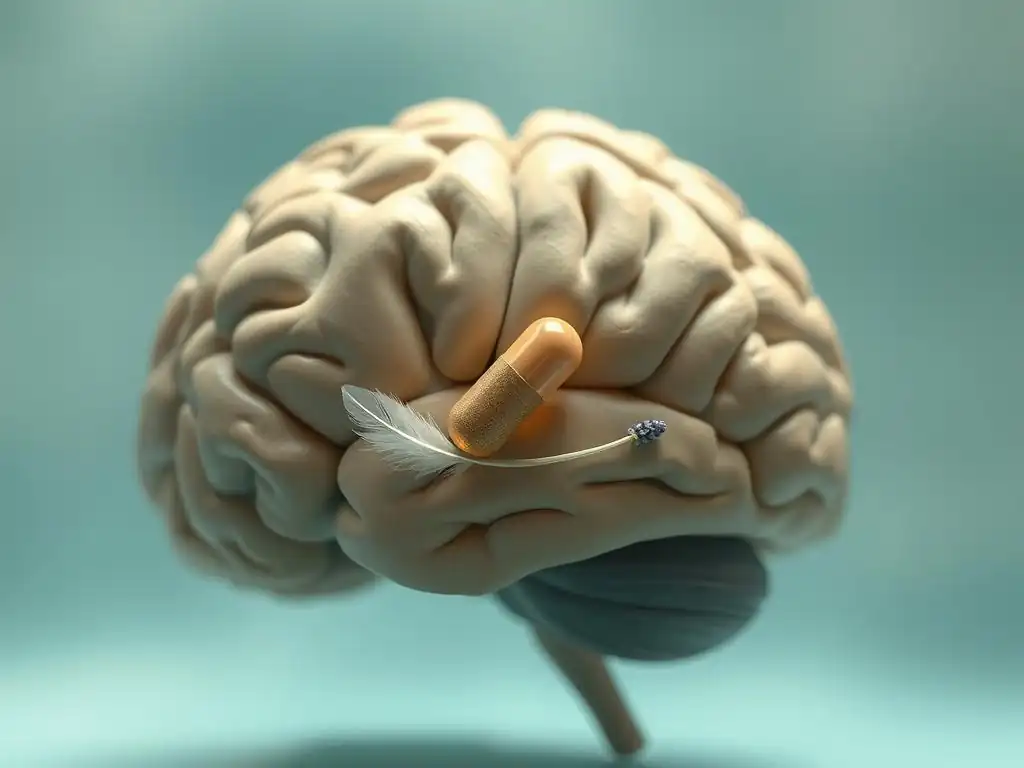
Despite the widespread use of newer antidepressants, TCAs retain a place in modern psychiatry, often as a second or third-line treatment option. They may be considered for individuals who have not responded adequately to SSRIs or SNRIs, or for those whose specific symptom profile or co-occurring conditions make a TCA a suitable choice. For example, their sedative properties can be beneficial for depressed patients experiencing significant insomnia.
In some cases, the choice of a TCA might be guided by a patient's previous positive response to the medication, or if the cost of newer medications is a barrier. While the risk of tricyclic antidepressant side effects needs careful consideration, particularly in older adults or those with cardiac conditions, a thorough risk-benefit analysis can still lead a clinician to prescribe a TCA when other options are less suitable or have failed.
Specific Conditions Treated with TCAs: Neuropathic Pain, Migraine Prophylaxis
Beyond depression, TCAs are commonly prescribed for several non-psychiatric conditions, leveraging some of their pharmacological properties. They are well-established treatments for various chronic pain conditions, especially neuropathic pain (nerve pain), such as diabetic neuropathy or postherpetic neuralgia. Amitriptyline, for instance, is frequently used for this purpose, often at lower doses than those required for antidepressant effects.
TCAs are also effective in the prophylaxis (prevention) of migraine headaches and chronic tension-type headaches. Their exact mechanism of action in pain and migraine is not fully understood but is thought to involve modulation of pain pathways in the brain and spinal cord, possibly through effects on serotonin and norepinephrine, as well as their interaction with other receptor systems. Other uses include treating obsessive-compulsive disorder (particularly Clomipramine), panic disorder, and sometimes enuresis (bedwetting) in children (Imipramine).
When MAOIs Might Still Be Prescribed
MAOIs are generally reserved for patients with treatment-resistant depression, meaning their depression has not responded to trials of several other antidepressant medications, including SSRIs, SNRIs, and sometimes atypical antidepressants or augmentation strategies. Their broad impact on monoamine systems can sometimes be effective when more selective drugs have failed.
They may also be considered for specific subtypes of depression, such as atypical depression, which is characterized by symptoms like mood reactivity (mood brightens in response to positive events), increased appetite or weight gain, hypersomnia (excessive sleeping), leaden paralysis (heavy feeling in limbs), and interpersonal rejection sensitivity. Studies have suggested MAOIs may be particularly effective for this presentation, although newer agents are often tried first.
Specific Conditions Treated with MAOIs: Atypical Depression, Treatment-Resistant Depression
As mentioned, atypical depression is a primary indication for MAOIs when other treatments are ineffective. For instance, a patient experiencing hypersomnia and significant weight gain along with their depression might be considered for an MAOI if initial trials of SSRIs and SNRIs haven't yielded sufficient improvement. MAOIs like Phenelzine have a history of efficacy in this specific subtype.
Treatment-resistant depression (TRD) is another key area where MAOIs are used. This can involve patients who have failed multiple adequate trials of different classes of antidepressants. In such complex cases, an MAOI might be considered, often after careful assessment and discussion of the risks and benefits with the patient. The decision to use an MAOI in TRD is typically made by a psychiatrist experienced in managing these medications due to the associated complexities like dietary restrictions and drug interactions.
Tricyclic Antidepressant Side Effects: A Comprehensive Overview
Tricyclic antidepressant side effects are a significant factor limiting their initial use compared to newer medications. While many side effects are manageable, some can be serious and require careful monitoring. The profile of tricyclic antidepressant side effects varies somewhat depending on the specific drug, its dosage, and individual patient factors.
Common tricyclic antidepressant side effects often relate to their interaction with receptors beyond norepinephrine and serotonin transporters. These include anticholinergic effects, cardiovascular effects, and effects on the central nervous system and metabolism. Understanding these potential tricyclic antidepressant side effects is crucial for both prescribers and patients.
Common Tricyclic Antidepressant Side Effects
Common tricyclic antidepressant side effects stem largely from their non-selective action on various neurotransmitter receptors. These effects can impact daily life and adherence to treatment. Patients starting a TCA should be informed about these potential issues and strategies for managing them.
The frequency and severity of these side effects can vary. For example, sedation is very common with Amitriptyline but less so with Nortriptyline. Dry mouth is a nearly universal tricyclic antidepressant side effect, affecting a large majority of users.
Anticholinergic Effects of TCAs: Dry Mouth, Constipation, Blurred Vision
Anticholinergic tricyclic antidepressant side effects are among the most frequently reported. They result from the blockade of muscarinic acetylcholine receptors. Dry mouth (xerostomia) can affect over 70% of patients and may lead to dental problems. Constipation is also very common, potentially affecting 30-40% of users. Blurred vision, difficulty urinating (urinary retention), and cognitive impairment (especially in older adults) are other significant anticholinergic effects.
These effects can be particularly bothersome and may require specific interventions, such as using artificial saliva for dry mouth, increasing fiber and fluids or using laxatives for constipation, and eye drops for blurred vision. In older adults, the cognitive effects can be particularly concerning, potentially increasing the risk of confusion, delirium, and falls.
Cardiovascular Side Effects of Tricyclic Antidepressants
Cardiovascular tricyclic antidepressant side effects are a major concern, especially in individuals with pre-existing heart conditions. The most common include orthostatic hypotension (a drop in blood pressure upon standing, leading to dizziness or fainting), affecting perhaps 10-20% of patients, which increases the risk of falls. TCAs can also affect heart rhythm, potentially causing arrhythmias, particularly at higher doses or in susceptible individuals.
Changes in electrocardiogram (ECG) readings, such as prolonged QT interval, can occur, increasing the risk of serious ventricular arrhythmias in rare cases. Tachycardia (increased heart rate) is also possible. Due to these risks, an ECG is often recommended before starting a TCA, particularly in older patients or those with cardiac risk factors, and blood pressure should be monitored.
Other Common TCA Side Effects: Weight Gain, Sedation
Other frequent tricyclic antidepressant side effects include weight gain and sedation. Weight gain is a common concern with many antidepressants, and TCAs are particularly associated with it, potentially due to histamine H1 blockade and effects on appetite regulation. Some studies suggest an average weight gain of several pounds over several months of treatment.
Sedation is also very common, especially with drugs like Amitriptyline and Imipramine, often leading to daytime drowsiness but can be beneficial for patients with insomnia when taken at night. Less sedating options like Nortriptyline are sometimes preferred if daytime alertness is critical. Other possible side effects include sweating, tremors, and sexual dysfunction, though the latter is generally considered less common or severe compared to SSRIs.
Managing Tricyclic Antidepressant Side Effects
Managing tricyclic antidepressant side effects involves several strategies, often tailored to the specific effect and the individual patient. For common issues like dry mouth and constipation, lifestyle changes such as increased fluid intake, dietary fiber, and sugar-free gum or candies can help. Over-the-counter remedies or prescription medications may be needed for more severe symptoms.
If side effects are persistent or bothersome, the dosage may be adjusted, or the medication might be switched to a different TCA with a more favorable side effect profile for that individual, or to a completely different class of antidepressant. For cardiovascular effects like orthostatic hypotension, advising patients to rise slowly from sitting or lying positions can help. In cases of significant or concerning side effects, switching medication or adding symptomatic treatments under medical supervision is necessary. Regular follow-up with the prescribing physician is essential to monitor for and manage any emerging tricyclic antidepressant side effects.
MAOI Side Effects: A Detailed Look
MAOI side effects can also be significant, contributing to their status as less frequently used medications compared to newer classes. While some common side effects are similar to other antidepressants, the potential for severe interactions, particularly with food and other medications, sets MAOIs apart and requires stringent precautions.
Understanding the range of MAOI side effects and the critical importance of dietary and drug restrictions is vital for anyone considering or taking these medications. The most notorious risk is the hypertensive crisis triggered by tyramine-rich foods or certain medications.
Common MAOI Side Effects
Common MAOI side effects can include issues like dizziness, insomnia, weight gain, and sexual dysfunction. These are often related to the increased levels of monoamines in the brain and body. While generally less dangerous than the risk of hypertensive crisis, they can still impact a patient's quality of life and adherence.
The incidence of these common effects varies among individuals and specific MAOIs. For example, some patients might experience significant insomnia, while others might feel more sedated. Managing these effects often involves dose adjustments or supportive care.
Hypotension and MAOIs
Paradoxically, while MAOIs are known for the risk of hypertensive crisis with tyramine, they can also cause orthostatic hypotension (a drop in blood pressure upon standing). This side effect is relatively common and can lead to dizziness, lightheadedness, or fainting, increasing the risk of falls.
The mechanism is thought to involve increased levels of octopamine, a "false neurotransmitter," which displaces norepinephrine at sympathetic nerve endings, leading to decreased vasoconstriction responses necessary to maintain blood pressure when changing position. Patients should be advised to rise slowly to minimize this risk.
Insomnia and MAOIs
Insomnia or sleep disturbances are also frequently reported MAOI side effects. This may be related to the increased levels of norepinephrine and dopamine, which are activating neurotransmitters. Patients might experience difficulty falling asleep, staying asleep, or feel restless during the night.
If insomnia is significant, strategies might include adjusting the timing of the dose (e.g., taking the last dose earlier in the day if permissible), practicing good sleep hygiene, or in some cases, adding a non-addictive sleep aid under medical guidance.
Weight Gain and MAOIs
Weight gain is another common side effect associated with MAOIs, similar to TCAs and some other antidepressants. The exact mechanism is not fully understood but may involve effects on appetite regulation, metabolism, or hormonal changes influenced by altered neurotransmitter levels.
Patients taking MAOIs should be mindful of their diet not only for tyramine restrictions but also regarding caloric intake. Regular exercise and dietary counseling can be helpful in managing or mitigating weight gain.
The Tyramine Diet and MAOIs: Preventing Hypertensive Crisis
The most serious risk associated with MAOIs is the potential for a hypertensive crisis when consuming foods or beverages high in tyramine or taking certain medications. Tyramine is a vasoactive amine that causes the release of stored norepinephrine. Normally, MAO-A in the gut and liver rapidly breaks down ingested tyramine, preventing it from entering the bloodstream in significant amounts.
When MAO-A is inhibited by an MAOI, tyramine can be absorbed, leading to a sudden, dangerous surge in norepinephrine, causing a rapid and severe increase in blood pressure. Symptoms of a hypertensive crisis include sudden, severe headache (often occipital), palpitations, stiff neck, nausea, vomiting, sweating, and photophobia. This is a medical emergency requiring immediate treatment.
Foods to Avoid While Taking MAOIs
Adhering to a strict low-tyramine diet is essential for anyone taking MAOIs. Foods that are aged, fermented, cured, or spoiled tend to be high in tyramine. Examples include:
- Aged cheeses (cheddar, blue cheese, parmesan, etc.)
- Cured or smoked meats and fish (salami, pepperoni, smoked salmon, etc.)
- Fava beans or broad beans
- Sauerkraut
- Soy products (soy sauce, tofu - especially fermented)
- Tap beers and red wines
- Yeast extracts (Marmite, Bovril)
- Certain fruits (overripe bananas, avocado in large amounts)
Patients must receive detailed dietary instructions and understand the importance of avoiding these items completely while on MAOIs and for at least two weeks after stopping the medication.
Understanding the Risks of Tyramine Interaction
The risk of a tyramine-induced hypertensive crisis is the primary reason MAOIs are not first-line treatments. Even small amounts of high-tyramine foods can trigger a reaction in some sensitive individuals. The severity of the reaction is dose-dependent on both the MAOI and the tyramine intake.
Patients must be vigilant and carry information about their medication, including what to do in case of a severe headache or suspected reaction. They must also inform all healthcare providers (doctors, dentists, pharmacists) that they are taking an MAOI due to numerous potential drug interactions, including with common cold and allergy medications (decongestants), certain pain relievers, and other antidepressants.
Contraindications and Precautions for TCAs and MAOIs
Both TCAs and MAOIs have specific contraindications and require significant precautions due to their pharmacological profiles and potential for serious adverse events. Prescribing these medications necessitates a thorough medical history and assessment of potential risks.
Understanding who should not take these medications and potential drug interactions is critical for patient safety. This is one of the main reasons they are often prescribed by specialists or in settings where close monitoring is possible.
Who Should Not Take Tricyclic Antidepressants?
TCAs are generally contraindicated in individuals who have recently had a myocardial infarction (heart attack) due to their potential cardiac effects. They should also be used with extreme caution, or avoided, in patients with pre-existing cardiovascular disease, including arrhythmias, heart block, or severe heart failure, as the risk of serious cardiac tricyclic antidepressant side effects is higher.
Other contraindications or situations requiring significant caution include severe liver disease (as TCAs are metabolized by the liver), narrow-angle glaucoma (due to anticholinergic effects that can increase intraocular pressure), and prostatic hypertrophy (risk of urinary retention). They should also not be used concurrently with MAOIs due to the risk of serotonin syndrome.
Who Should Not Take MAOIs?
MAOIs are contraindicated in individuals with pheochromocytoma (a tumor that releases large amounts of norepinephrine and epinephrine) due to the risk of severe hypertension. They should also not be used in patients with cardiovascular or cerebrovascular disease where a sudden increase in blood pressure could be dangerous.
Severe liver disease is another contraindication. Because of the risk of hypertensive crisis, MAOIs are contraindicated in patients who are unable or unwilling to adhere to the strict dietary restrictions. They are also contraindicated for use with numerous medications, including most other antidepressants, stimulants, and certain pain medications (like meperidine).
Drug Interactions with TCAs and MAOIs
Both TCAs and MAOIs are involved in numerous significant drug interactions. TCAs can interact with medications that affect liver enzymes (like CYP2D6), potentially increasing or decreasing TCA levels. Combining TCAs with other drugs that have anticholinergic, sedative, or cardiovascular effects can exacerbate tricyclic antidepressant side effects.
MAOIs have a particularly wide range of dangerous interactions. Combining MAOIs with medications that increase serotonin (e.g., SSRIs, SNRIs, Tryptophan, St. John's Wort) can lead to serotonin syndrome, a potentially life-threatening condition characterized by confusion, agitation, rapid heart rate, increased body temperature, muscle rigidity, and rapid changes in blood pressure.
Combining MAOIs with stimulants or medications that increase norepinephrine (e.g., decongestants containing pseudoephedrine or phenylephrine, certain weight-loss pills) can precipitate a hypertensive crisis. A washout period of at least two weeks (longer for Fluoxetine due to its long half-life) is required when switching between an MAOI and most other antidepressants or interacting drugs.
Comparing Tricyclic Antidepressants vs. MAOIs: Benefits and Risks
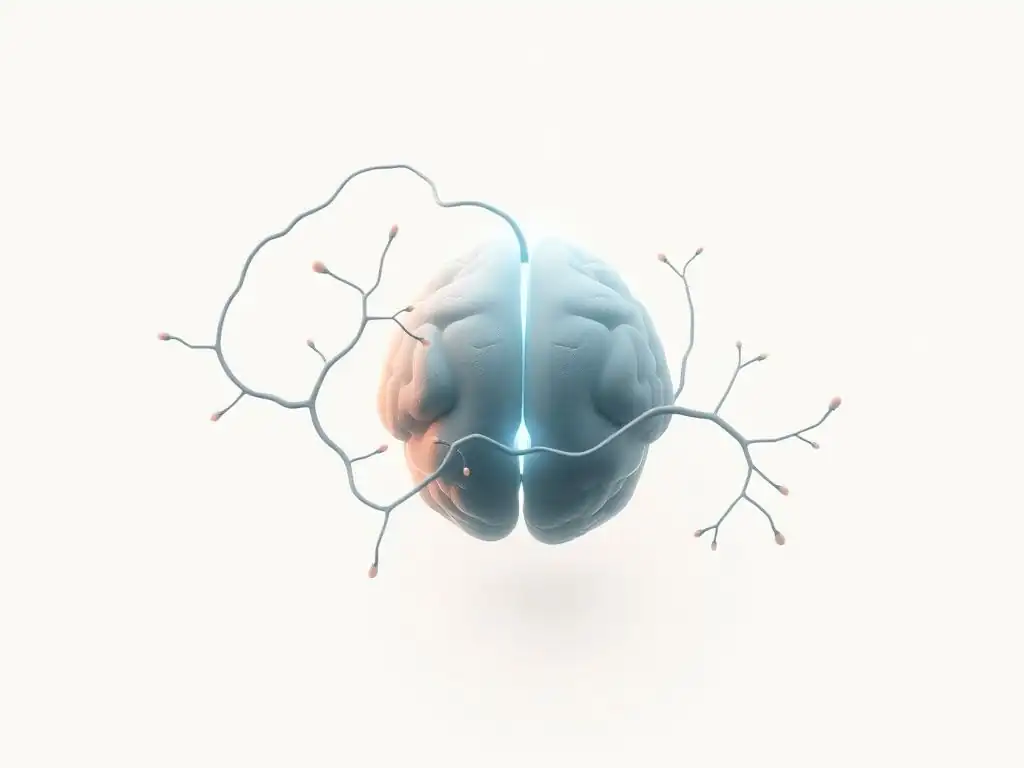
When considering TCAs and MAOIs, clinicians weigh their potential benefits against their significant risks, especially in comparison to newer antidepressant options. Both classes can be effective, but their profiles of efficacy, safety, and tolerability differ, influencing which might be chosen and for whom.
The decision often comes down to the severity and type of depression, the patient's response to previous treatments, their overall health status, and their ability to adhere to necessary precautions, particularly regarding the MAOI diet and drug interactions.
Efficacy Comparison: TCAs vs. MAOIs
Both TCAs and MAOIs have demonstrated efficacy in treating major depressive disorder, with studies suggesting they can be as effective as, or even more effective than, some newer antidepressants, particularly in severe or treatment-resistant cases. Some research indicates MAOIs might be particularly effective for atypical depression.
However, direct comparisons are challenging due to differences in study populations, methodologies, and the era in which many of these studies were conducted. In clinical practice, their use is often guided by the patient's history of response to various classes and the specific symptom profile, rather than a general statement of one being universally "more effective" than the other.
Safety Profile Comparison: TCA Side Effects vs. MAOI Side Effects
The safety profiles are a major differentiator. Tricyclic antidepressant side effects, while numerous and potentially serious (especially cardiovascular and anticholinergic effects, and toxicity in overdose), are generally considered less complex to manage than the risks associated with MAOIs. Accidental or intentional overdose with TCAs is particularly dangerous due to cardiotoxicity and seizures.
MAOI side effects include common issues like hypotension and insomnia, but the critical concerns are the risks of hypertensive crisis (from dietary or drug interactions) and serotonin syndrome (from drug interactions). These risks require strict adherence to dietary restrictions and careful management of co-prescribed medications, making MAOIs less safe for patients who may struggle with compliance or have complex medical regimens.
Individual Patient Factors: Considerations for Choosing Between TCAs and MAOIs
The choice between a TCA and an MAOI (or opting for neither in favor of newer drugs) depends heavily on individual patient factors. A patient's age, overall physical health (especially cardiac and liver function), co-occurring medical conditions, current medications, and ability to follow dietary and drug interaction guidelines are paramount.
For instance, an older patient with a history of heart problems would likely not be a good candidate for a TCA due to the cardiovascular tricyclic antidepressant side effects. Similarly, a patient with a history of poor adherence to medical advice or who takes multiple interacting medications would be at high risk with an MAOI. The specific nature of the depressive symptoms (e.g., atypical features) and the patient's response to previous antidepressant trials are also key considerations in determining the most appropriate and safest treatment path.
Alternatives to TCAs and MAOIs: Modern Antidepressants
Given the side effect profiles and interaction risks of TCAs and MAOIs, newer classes of antidepressants are typically used as first-line treatments for depression and many anxiety disorders. These modern medications generally offer a more favorable safety and tolerability profile for most patients.
Understanding these alternatives is important, as they represent the standard of care for initial treatment and the options often tried before considering older medications like TCAs or MAOIs in cases of non-response.
Selective Serotonin Reuptake Inhibitors (SSRIs)
SSRIs were among the first widely used alternatives to TCAs and MAOIs, gaining popularity in the late 1980s and early 1990s. As their name suggests, they primarily work by selectively blocking the reuptake of serotonin, leading to increased serotonin levels in the synaptic cleft. Examples include Fluoxetine, Sertraline, Paroxetine, Citalopram, and Escitalopram.
SSRIs generally have fewer anticholinergic, cardiovascular, and sedative tricyclic antidepressant side effects compared to TCAs. They are also much safer in overdose. Common SSRI side effects can include gastrointestinal issues (nausea, diarrhea), insomnia or drowsiness, headache, and sexual dysfunction, though these are often better tolerated than TCA side effects for many patients.
Serotonin-Norepinephrine Reuptake Inhibitors (SNRIs)
SNRIs are another class of modern antidepressants that block the reuptake of both serotonin and norepinephrine, similar to TCAs, but typically with less effect on other receptors (like muscarinic, alpha-adrenergic, and histamine receptors) that cause many of the challenging tricyclic antidepressant side effects. Examples include Venlafaxine, Duloxetine, Desvenlafaxine, and Levomilnacipran.
SNRIs are often used for depression, anxiety disorders, and certain pain conditions (like neuropathic pain, similar to TCAs). Their side effect profile can include nausea, dizziness, insomnia, anxiety, and potential increases in blood pressure and heart rate, particularly at higher doses. While they share some mechanisms with TCAs, their more targeted action generally results in a different and often more manageable set of side effects.
Atypical Antidepressants: Bupropion, Mirtazapine
Atypical antidepressants are a diverse group of medications that don't fit neatly into the SSRI or SNRI categories and have unique mechanisms of action. Bupropion, for example, primarily inhibits the reuptake of dopamine and norepinephrine. It is often used for depression and seasonal affective disorder and can also aid in smoking cessation. It generally lacks the serotonergic side effects common with SSRIs and SNRIs, such as sexual dysfunction and weight gain, and has a lower risk of causing sedation or orthostatic hypotension compared to TCAs.
Mirtazapine works by blocking alpha-2 adrenergic receptors, which increases the release of norepinephrine and serotonin, and also blocks certain serotonin and histamine receptors. It is known for its sedative properties (due to H1 blockade) and can cause weight gain, but generally has fewer gastrointestinal or sexual side effects than SSRIs. These atypical agents provide additional options, particularly when patients have specific side effect sensitivities or co-occurring conditions.
Discontinuation Syndrome: Withdrawing from TCAs and MAOIs
Like many psychotropic medications, discontinuing TCAs and MAOIs, especially abruptly, can lead to withdrawal symptoms, often referred to as discontinuation syndrome. This is not indicative of addiction but rather the brain and body adjusting to the removal of the medication's effects.
Symptoms can range from mild to severe and vary depending on the specific drug, the dosage, and the duration of treatment. A gradual tapering schedule is generally recommended to minimize or prevent these symptoms.
Symptoms of TCA Withdrawal
Discontinuation syndrome from TCAs can include a variety of physical and psychological symptoms. These might include flu-like symptoms (nausea, vomiting, diarrhea, sweating, muscle aches), dizziness, tremors, anxiety, agitation, insomnia, vivid dreams, and sometimes returning depressive or anxious symptoms.
The onset of symptoms can occur within a day or two of stopping or significantly reducing the dose and can last for one to two weeks or sometimes longer. The severity is often related to how quickly the dose is reduced.
Withdrawal from MAOIs can also cause discontinuation symptoms, which may include flu-like symptoms, insomnia, vivid dreams or nightmares, agitation, anxiety, and sometimes symptoms resembling psychosis (hallucinations, delusions) or mania.
Given the potential for severe withdrawal symptoms, especially psychiatric ones, gradual tapering is crucial when discontinuing MAOIs. The duration of tapering should be determined by the prescribing clinician based on the specific MAOI, the dose, and the patient's response.
Safe Discontinuation Strategies
To minimize the risk and severity of discontinuation syndrome, TCAs and MAOIs should be tapered off gradually under the supervision of a healthcare professional. The tapering schedule will depend on the medication's half-life and the dose the patient is taking.
A typical tapering strategy might involve reducing the dose by a small amount every one to two weeks. Patients should communicate any emerging symptoms to their doctor, who can adjust the tapering schedule as needed. In some cases, switching to a different medication with a shorter half-life before tapering might be considered, although this is less common for TCAs and MAOIs compared to SSRIs.
Monitoring and Management During Treatment with TCAs and MAOIs
Treating patients with TCAs or MAOIs requires careful monitoring and proactive management due to their potential side effects and interactions. This involves regular check-ups, patient education, and a strong partnership between the patient and the prescribing physician.
Effective management aims to optimize therapeutic benefits while minimizing risks and ensuring patient safety and adherence to necessary precautions.
Importance of Regular Monitoring
Regular monitoring is essential for patients taking TCAs or MAOIs. This includes assessing the patient's response to treatment, monitoring for potential side effects (including specific tricyclic antidepressant side effects like cardiovascular changes or anticholinergic effects, and MAOI-specific risks like blood pressure fluctuations and adherence to dietary restrictions).
For TCAs, monitoring might involve periodic ECGs, especially in patients with cardiac risk factors or at higher doses, and blood pressure checks. For MAOIs, frequent blood pressure monitoring is critical, particularly early in treatment and when making dose adjustments. Clinicians also need to regularly review all medications and supplements the patient is taking to identify potential interactions.
Managing Potential Side Effects and Complications
Managing side effects involves identifying them early and implementing strategies to mitigate them. This could include dose adjustments, changing the timing of the dose, prescribing symptomatic treatments (e.g., for constipation or dry mouth), or, if necessary, switching to a different medication. Patients should be encouraged to report any new or worsening symptoms promptly.
Complications, such as a hypertensive reaction with MAOIs or significant cardiac issues with TCAs, require immediate medical attention. Patients and their families should be educated on the signs and symptoms of these emergencies and know how to seek help quickly.
The Patient-Physician Partnership: Optimizing Treatment Outcomes
A strong patient-physician partnership is crucial for successful treatment with TCAs and MAOIs. Patients need to be fully informed about the rationale for using these medications, potential benefits, expected timeline for improvement, and importantly, the potential risks and necessary precautions, including dietary restrictions for MAOIs and the profile of tricyclic antidepressant side effects.
Open communication allows patients to voice concerns, report side effects, and ask questions. Physicians can provide guidance, support, and adjust the treatment plan as needed. This collaborative approach empowers patients to manage their treatment safely and effectively, leading to better adherence and ultimately, improved mental well-being.
Frequently Asked Questions
What are tricyclic antidepressants (TCAs), and when are they typically prescribed?
TCAs are a class of older antidepressants. They are generally prescribed when newer medications are ineffective or unsuitable for a patient's specific needs.
What are the most common tricyclic antidepressant side effects?
Common side effects include dry mouth, constipation, blurred vision, and drowsiness. These side effects are often due to their effects on neurotransmitter systems.
How do tricyclic antidepressants differ from MAOIs in terms of side effects?
While both are older antidepressants, MAOIs have more severe side effects, including the risk of hypertensive crisis if dietary restrictions aren't followed. TCAs generally have milder but more frequent side effects.
What should I do if I experience bothersome side effects while taking a tricyclic antidepressant?
Consult your doctor immediately. Do not stop taking the medication without medical advice. They can adjust the dosage or explore alternative treatment options.
Are there any long-term side effects associated with tricyclic antidepressant use?
Long-term use can sometimes lead to weight gain or sexual dysfunction. Regular monitoring by a doctor is essential to manage any potential long-term side effects effectively.
Final Reflection: The Enduring Legacy of Tricyclic Antidepressants and MAOIs
The persistent challenges in treating depression highlight the ongoing relevance of tricyclic antidepressants (TCAs) and monoamine oxidase inhibitors (MAOIs), even in the era of newer medications. While newer antidepressants often dominate the conversation, understanding the strengths and limitations of TCAs and MAOIs remains crucial for effective patient care and informed decision-making. Their unique mechanisms and potential benefits for specific patient populations ensure they retain a significant, albeit nuanced, role in modern psychiatric practice.
The impact of TCAs and MAOIs extends beyond their pharmacological effects; they represent a significant chapter in the history of mental health treatment. Their introduction marked a turning point, offering hope where previously there was little. However, their legacy is also intertwined with the sometimes-challenging side effect profiles that shaped the development of subsequent generations of antidepressants. The history of medicine is a history of unintended consequences, and the story of antidepressants is no exception.
This quote underscores the importance of carefully weighing the risks and benefits of any medication, particularly when considering older treatments like TCAs and MAOIs.
Consider the information presented in this article. Reflect on the complexities of mental health treatment and the importance of individualized care. You are empowered to engage in open conversations with your healthcare provider about your treatment options, including the potential benefits and drawbacks of both newer and older antidepressants. Don't hesitate to ask questions and advocate for the best approach to manage your mental well-being. Your active participation is key to finding the most effective and safe path toward recovery and a fulfilling life.
Unlock Your Understanding of Older Antidepressants
Thanks for taking the time to explore the often-overlooked world of tricyclic antidepressants and MAOIs! We hope you gained valuable insights into their uses and considerations. Ready to delve deeper and share your knowledge?
- Discuss your findings: Share this article with a friend, family member, or healthcare professional who might benefit from learning about these medications. This could spark important conversations and increase awareness.
- Research further: Explore reputable resources like the National Institute of Mental Health website to delve even deeper into the nuances of these treatments.
- Consider your own journey: Reflect on how this information could impact your approach to mental health, whether personally or for a loved one.
Are there any specific questions about tricyclic antidepressants or MAOIs that remain unanswered for you? Let's discuss them in the comments below!