
How to Make Your Safety Plan Easily Accessible When You Need It Most


Welcome to Mind Care Guide, where your mental well-being is our priority.
Feeling overwhelmed can make it hard to think clearly, especially during a crisis. That's why we're here to help you navigate those difficult moments. Ever wondered if your safety plan is truly ready for when you need it most?
Our latest article, focusing on a safety plan accessibility checklist, provides practical steps to ensure your plan is not just written, but readily available and easy to use when you're facing a mental health challenge. Let's explore how to make your safety net stronger and more accessible, offering you crucial support in times of need. Dive in and discover how to create a safety plan that's truly there for you.
- Mind Care Guide: How to Make Your Safety Plan Easily Accessible When You Need It Most
- The Importance of Safety Plan Accessibility: Why Speed Matters
- Creating Your Safety Plan Accessibility Checklist: A Step-by-Step Guide
- Ensuring Your Safety Plan is Always Within Reach: Accessibility Strategies
- Optimizing Your Safety Plan for Quick Use: A Practical Checklist
- Practicing and Familiarizing Yourself with Your Safety Plan: Building Confidence
- Sharing Your Safety Plan with Trusted Individuals: Building a Support Network
- Maintaining and Updating Your Safety Plan: A Continuous Process
- Overcoming Common Barriers to Safety Plan Accessibility
- Resources and Support for Creating and Maintaining Your Safety Plan
- Safety Plan Accessibility: A Key Component of Suicide Prevention
-
Frequently Asked Questions
- How does a Safety Plan Accessibility Checklist improve my mental well-being?
- What are the key elements of a Safety Plan Accessibility Checklist according to Mind Care Guide?
- Why is it important to make my safety plan "accessible" rather than just having one?
- Who should I share my Safety Plan and Accessibility Checklist with?
- How often should I review and update my Safety Plan Accessibility Checklist?
- Final Reflection: Accessibility is Not Just a Checklist, It's a Lifeline
- Ready to Prioritize Your Safety?
Mind Care Guide: How to Make Your Safety Plan Easily Accessible When You Need It Most
Understanding Safety Plans for Suicidal Thoughts: A Crucial Tool for Crisis Intervention
A safety plan is a personalized, written document that outlines steps an individual can take to stay safe when experiencing suicidal thoughts. It's not a substitute for professional help but serves as a proactive coping strategy developed with a mental health professional or trusted individual during a period of relative calm. The core purpose is to provide immediate, actionable steps and resources to navigate a crisis situation, helping the individual manage intense emotions and urges until the suicidal crisis passes. This plan typically includes identifying triggers, coping mechanisms, and contact information for support.
Creating a safety plan is a recognized component of effective suicide prevention strategies. Research indicates that individuals who engage in safety planning report feeling more prepared to handle suicidal urges and distress. For example, studies have shown that veterans who developed and utilized safety plans experienced a significant reduction in suicide attempts compared to those who did not. This underscores the plan's role not just as a document, but as a vital behavioral intervention tool that empowers individuals to take control during moments of intense vulnerability. Ensuring its effectiveness hinges significantly on its accessibility when it's needed most.
The Importance of Safety Plan Accessibility: Why Speed Matters
Why a Readily Available Safety Plan Can Save Lives
In a mental health crisis involving suicidal thoughts, time is often critical. The ability to quickly access and utilize a safety plan can interrupt the escalation of distress and provide a pathway towards safety. When someone is in a state of intense emotional pain, their cognitive functions can be impaired, making it difficult to think clearly or recall complex information.
A readily available safety plan serves as an external guide, offering pre-determined steps and resources that the individual identified as helpful during a calmer state. This immediate access can prevent impulsive actions and connect the person with necessary support systems or coping strategies before the crisis deepens.
Consider a scenario where someone is experiencing overwhelming suicidal urges. If their safety plan is buried in a hard-to-find file or stored on a device they can't quickly unlock or locate, precious minutes are lost. Conversely, if the plan is immediately accessible – perhaps on their phone's home screen or in their wallet – they can quickly reference coping skills, distracting activities, or the contact information for a crisis hotline or trusted friend.
This swift access reduces the friction between experiencing distress and implementing a life-saving intervention, significantly increasing the likelihood of a positive outcome during a critical moment. The focus on safety plan accessibility is paramount because it directly impacts the plan's usability and effectiveness under pressure.
Addressing the Challenges of Finding Your Safety Plan in a Crisis
Despite recognizing the importance of having a safety plan, individuals often face significant challenges in accessing it during a crisis. One major hurdle is simply remembering where it is stored, especially when experiencing high levels of stress, anxiety, or dissociation. The cognitive fog of a crisis can make simple tasks like navigating phone menus or searching through files feel overwhelming. Furthermore, practical issues such as a dead phone battery, lack of internet access, or being away from home can render digitally stored plans inaccessible.
Another challenge relates to the format and complexity of the plan itself. If a safety plan is lengthy, uses small font, or is poorly organized, it can be difficult to quickly scan and find the most relevant information during a crisis. The emotional state of the individual can also be a barrier; shame or fear might prevent them from reaching for the plan, even if they know where it is.
This highlights the need not only for physical or digital accessibility but also for the plan to be designed for ease of use under duress, and for the individual to have practiced using it. Creating a robust safety plan accessibility checklist can help address these potential obstacles proactively.
Creating Your Safety Plan Accessibility Checklist: A Step-by-Step Guide
Step 1: Identifying Your Personal Warning Signs and Triggers
The first step in creating an effective safety plan accessibility checklist is to clearly identify your personal warning signs and triggers. Warning signs are internal thoughts, feelings, or physical sensations that indicate a crisis may be developing. These might include specific thought patterns like "I'm a burden," feelings such as intense hopelessness or emptiness, or physical symptoms like difficulty breathing or restlessness. Recognizing these signs early is crucial because it prompts you to activate your safety plan before the crisis becomes overwhelming. List these signs explicitly in your plan.
Triggers are external events, situations, or internal states that can precipitate a crisis. These could be anniversaries of losses, relationship conflicts, financial stress, or even internal states like fatigue or illness. Documenting your specific triggers helps you anticipate high-risk situations and potentially avoid them or prepare ahead of time.
For instance, if social isolation is a trigger, your plan might include contacting a friend proactively. By clearly defining both warning signs and triggers in your safety plan, you create actionable cues that link your internal experience to the need to access and use your plan, making the safety plan accessibility checklist more intuitive.
Step 2: Listing Coping Strategies and Support Contacts
Once warning signs and triggers are identified, the next essential step is to list coping strategies that you can use to manage distress. These are activities you find helpful in distracting yourself or soothing difficult emotions without involving other people. Examples might include listening to music, taking a walk, practicing deep breathing, engaging in a hobby, or using grounding techniques. It's important to list specific strategies that work for you and are readily available wherever you might be. For instance, instead of "listen to music," specify "listen to my calming playlist on Spotify."
Following coping strategies, the plan should list individuals you can contact for support without being in immediate crisis (people who can offer distraction or support) and then individuals you can contact in a crisis (people who can offer direct help and support your safety). Be specific with names and phone numbers. For example, list "Sarah Johnson - (555) 123-4567" or "My Therapist, Dr. Lee - (555) 987-6543".
Having these contacts clearly listed ensures that when you access your safety plan, you don't have to search for numbers, making the process of reaching out faster and easier during a stressful time. This step directly enhances safety plan accessibility by consolidating critical contact information.
Step 3: Documenting Professional Resources and Emergency Contacts
The final step in structuring your safety plan involves listing professional resources and emergency contacts. This part of the plan is for situations where personal coping strategies and support contacts are not sufficient or available, and immediate professional intervention is needed. This should include the local crisis hotline number, the National Suicide Prevention Lifeline (988 in the U.S.), text-based crisis lines (like the Crisis Text Line), and the contact information for local mental health services or urgent care facilities.
Crucially, include the contact information for emergency services, such as 911 (or your local emergency number). Specify when to use these contacts – for example, "Call 911 if you feel you are unable to keep yourself safe and are in immediate danger." Having these numbers clearly documented and immediately visible on your safety plan ensures that the highest level of support is accessible without delay when all other steps have been exhausted. This comprehensive approach to listing resources is a cornerstone of making your safety plan accessibility checklist truly life-saving.
Ensuring Your Safety Plan is Always Within Reach: Accessibility Strategies
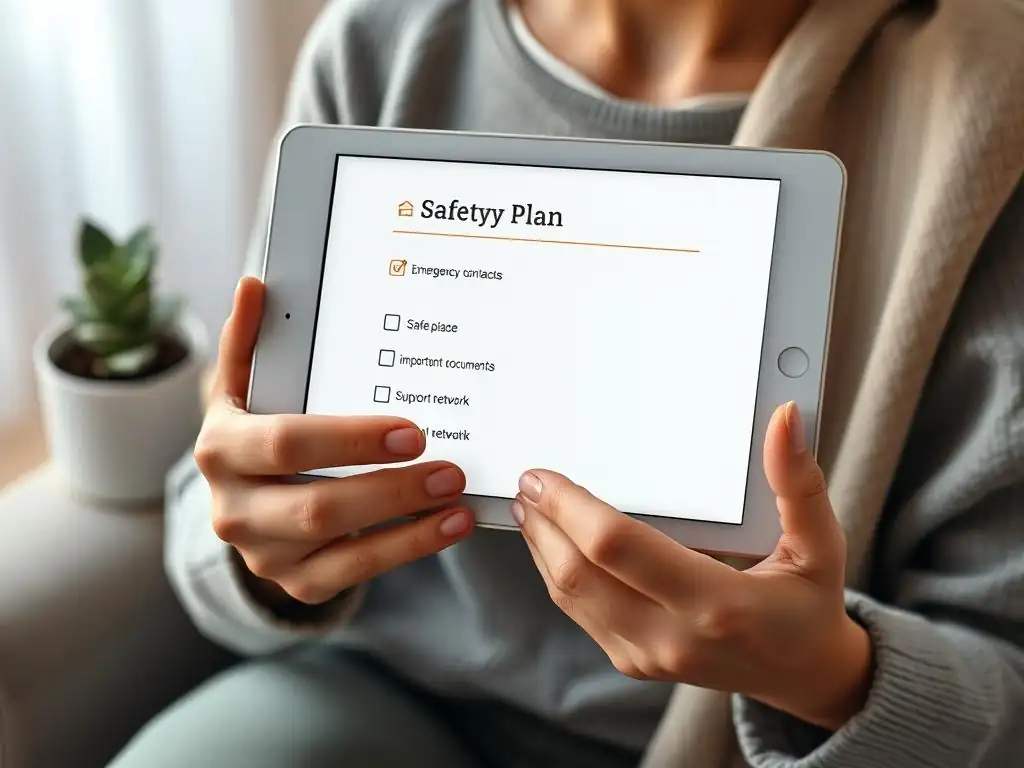
Digital Accessibility: Storing Your Safety Plan on Your Phone
Storing your safety plan digitally on your phone is one of the most practical ways to ensure safety plan accessibility, as most people carry their phones with them constantly. You can type out your plan and save it in a readily accessible format. Consider saving it as a note, a document, or even a screenshot.
The key is to place it where you can find it quickly, even when distressed. This might mean saving it in a prominent folder, pinning it to the top of a notes app, or even setting it as your phone's lock screen wallpaper (though be mindful of privacy if choosing the lock screen option).
For enhanced safety plan accessibility on your phone, explore features like emergency information screens available on many smartphones. These allow you to list emergency contacts and medical information that can be accessed even when the phone is locked. While a full safety plan might be too long for this, you could include key contacts or a note indicating where the full plan is stored ("See 'Safety Plan' note"). The goal is to minimize the steps required to access the plan during a crisis, transforming your phone into a portable safety plan accessibility tool.
Using Password-Protected Note Apps for Safety Plan Storage
Using a password-protected note app is an excellent method for storing your safety plan digitally while maintaining privacy. Many standard note applications (like Apple Notes, Google Keep, or Evernote) offer features to lock individual notes with a password or fingerprint/face ID. This allows you to store sensitive information like your safety plan securely. You can title the note something easily recognizable, like "My Safety Plan," and ensure it's simple to unlock and read when needed.
When using such an app, make sure you are familiar with the unlocking process, especially under stress. Practice accessing the protected note when you are calm. Consider using a password that is easy for you to remember but difficult for others to guess. The benefit of this method is that the entire detailed plan, including all steps, contacts, and resources, can be stored securely on your primary device, vastly improving safety plan accessibility on the go.
Leveraging Cloud Storage for Easy Access and Sharing with Trusted Contacts
Cloud storage services like Google Drive, Dropbox, or iCloud can also be effective for storing your safety plan, offering both accessibility and the option to easily share it with trusted individuals. You can save your safety plan as a document (like a PDF or Word file) and store it in a cloud folder. This allows you to access the plan from multiple devices (phone, tablet, computer) as long as you have internet access and your login credentials.
The sharing feature of cloud storage is particularly useful for safety planning. You can grant specific trusted friends, family members, or your therapist access to the document. This means if you are unable to access your plan yourself during a crisis, a trusted contact who has access can quickly retrieve it and assist you or inform emergency services. While reliance on internet access can be a limitation, using cloud storage in conjunction with other methods enhances the overall safety plan accessibility network.
Setting Up Emergency Contacts on Your Phone
Modern smartphones have specific features designed for emergency situations, which are invaluable for safety plan accessibility. Most phones allow you to designate certain contacts as "Emergency Contacts." These contacts can often be called directly from the lock screen without needing to unlock the phone fully. Including the key individuals from your safety plan's support network in your phone's emergency contacts list is a critical step.
Additionally, many phones allow you to add medical information, including emergency contacts, blood type, allergies, and even notes about mental health conditions or your safety plan location. This information is typically accessible via an "Emergency" button on the lock screen. Add a note here like "Safety Plan located in Notes app under 'My Safety Plan'" or "Contact [Trusted Person's Name] for Safety Plan." Utilizing these built-in phone features provides an immediate, lock-screen-accessible pathway to critical components of your safety plan, significantly boosting safety plan accessibility during urgent moments.
Physical Accessibility: Keeping a Hard Copy of Your Safety Plan
While digital accessibility is convenient, maintaining a physical hard copy of your safety plan is a crucial backup strategy. Technology can fail – batteries die, phones get lost or damaged, or internet access is unavailable. A physical copy is immune to these issues and can be immediately accessible regardless of technological status. Having a tangible document can also feel more grounding for some individuals during distress.
Print out your safety plan in a clear, easy-to-read format. Use a font size that is comfortable for you to read quickly, even when stressed. Consider laminating it or keeping it in a sturdy holder to protect it from wear and tear. This physical copy serves as a reliable failsafe, ensuring safety plan accessibility even in circumstances where digital methods are not possible, reinforcing the robust nature of your safety plan accessibility checklist.
The Benefits of a Physical Safety Plan in Case of Technology Failure
The primary benefit of a physical safety plan is its independence from technology. In a crisis, fumbling with a phone that has a low battery, a cracked screen, or requires navigating multiple menus can add to distress. A hard copy is immediately available to read. This is particularly important in situations where you might be away from power sources or in an area with poor signal.
Furthermore, for individuals who find technology overwhelming or struggle with digital literacy, a physical copy might be the most reliable format. It offers a simple, direct way to access critical information without needing any technical steps. Including a physical copy in your safety plan accessibility checklist provides a layer of redundancy that can be life-saving when digital options are not feasible.
Where to Store Your Physical Safety Plan for Quick Retrieval (e.g., Wallet, Car)
Strategic storage of your physical safety plan is key to its accessibility. It needs to be in a place you frequent and can access quickly and relatively privately. Common, effective locations include:
- Wallet or Purse: Keeping a folded or small version in your wallet or purse ensures it's with you whenever you leave the house.
- Car: If you spend a lot of time in your car, keep a copy in the glove compartment or a dedicated spot in the center console.
- Home: Have a copy in a consistent, easy-to-remember place at home, such as taped inside a medicine cabinet, on the refrigerator (perhaps discreetly), or in a specific drawer you can easily find.
The best location depends on your lifestyle and habits. The goal is to choose a spot that is both easily remembered and accessible during a moment of crisis, minimizing the search time. Including these specific storage locations in your safety plan accessibility checklist makes the plan actionable.
Optimizing Your Safety Plan for Quick Use: A Practical Checklist
Beyond just where you store it, the format and content of your safety plan significantly impact its usability during a crisis. The plan should be concise, clear, and easy to scan. Use bullet points, bold text, and clear headings. Avoid lengthy paragraphs or complex sentences. The objective is to make it possible to find the most crucial piece of information you need within seconds, not minutes.
Consider using a template that breaks down the plan into distinct sections: Warning Signs, Coping Strategies, People to Contact (for distraction), People to Contact (for help), Professionals/Services to Contact, and Environmental Safety. This structure helps you quickly navigate to the relevant section based on your current needs. Optimizing the plan's format is as important as optimizing its storage locations for true safety plan accessibility.
Safety Plan Accessibility Checklist: A Summary
Here is a summary checklist to ensure your safety plan is readily accessible and usable when you need it most:
- [ ] Is my safety plan written down or digitally stored?
- [ ] Have I identified my personal warning signs and listed them clearly?
- [ ] Have I listed specific coping strategies I can use independently?
- [ ] Have I listed specific people to contact for support, with their numbers?
- [ ] Have I listed professional and emergency contacts, with their numbers?
- [ ] Is a digital copy stored securely on my phone (e.g., protected note app)?
- [ ] Is the digital copy easily accessible from my phone's home screen or emergency settings?
- [ ] Is a digital copy stored in cloud storage and shared with trusted contacts (optional but recommended)?
- [ ] Do I have a physical hard copy of my safety plan?
- [ ] Is the physical copy stored in a consistent, easily remembered location (e.g., wallet, car, specific drawer)?
- [ ] Is the format of my safety plan clear, concise, and easy to read quickly?
- [ ] Have I reviewed and updated my plan recently (within the last 6-12 months)?
- [ ] Have I practiced accessing and using my safety plan?
- [ ] Have I discussed my safety plan with trusted individuals?
Confirming Key Contacts Are Up-to-Date
A critical item on any safety plan accessibility checklist is verifying that all contact information is current. Phone numbers change, people move, or relationships evolve. Before relying on your safety plan, take a few minutes to call or text the numbers listed for friends, family, and professionals to ensure they are still correct.
Similarly, check that the hours or procedures for crisis hotlines or local services haven't changed. While major hotlines like 988 are generally stable, local resources might update their information. An outdated phone number or contact detail can render a part of your safety plan useless in a crisis, undermining your efforts towards safety plan accessibility. Make confirming contacts a regular part of your safety plan review.
Ensuring Clarity and Simplicity in Your Safety Plan
The language and structure of your safety plan must be absolutely clear and simple. Avoid jargon or overly complex instructions. Remember that you will be accessing this plan during a time of significant emotional distress, when complex information is hard to process. Use short sentences, bullet points, and action-oriented language.
For example, instead of writing "Consider engaging in activities that promote relaxation," list "Listen to calming music," "Take 10 deep breaths," or "Go for a 15-minute walk." The more specific and simple the instructions, the easier it will be to follow them when your cognitive function is impaired. A clear and simple format is fundamental to effective safety plan accessibility.
Reviewing and Updating Your Safety Plan Regularly
A safety plan is not a static document; it's a living tool that should evolve with you. Your triggers might change, your coping strategies may become more or less effective, or the people in your support network might shift. Regularly reviewing your safety plan, ideally every 6-12 months or after a significant life event or period of difficulty, is essential.
During a review, check if your warning signs are still accurate, if your coping skills are still helpful, and if your contacts are still appropriate and willing to be on your plan. Update any outdated information and refine the strategies based on your recent experiences. This ongoing process of review and revision ensures that your safety plan remains relevant, effective, and optimized for safety plan accessibility whenever a crisis arises.
Practicing and Familiarizing Yourself with Your Safety Plan: Building Confidence
Having a safety plan is one thing; knowing how to use it instinctively during a crisis is another. Practicing with your safety plan when you are not in distress is crucial for building confidence and making its use feel more natural under pressure. Familiarize yourself with its contents and location so that accessing it becomes an automatic response to feeling warning signs.
Spend time reading through each step. Visualize yourself implementing the coping strategies or reaching out to contacts. The more familiar you are with the plan's flow and content, the less mental effort it will require to use it during a difficult moment. This practice significantly enhances your ability to utilize your safety plan accessibility strategies effectively.
Simulating Crisis Scenarios to Practice Using Your Safety Plan
One effective way to practice using your safety plan is to simulate low-level crisis scenarios. This doesn't mean intentionally triggering yourself, but rather setting aside time when you are feeling mildly stressed or overwhelmed and practicing the steps as if it were a more severe crisis. For instance, if you feel stressed about work, take out your safety plan and practice going through the first few steps: identify warning signs (e.g., tight chest, racing thoughts), then look at your coping strategies and perhaps practice one for a few minutes.
Practice accessing the plan from its storage locations – unlock your phone and find the note, or retrieve the physical copy from your wallet. Time yourself to see how quickly you can get to the relevant information. This simulation helps build muscle memory and reduces the cognitive load during a real crisis, making safety plan accessibility not just about location, but also about ingrained behavior.
Role-Playing with a Therapist or Trusted Friend
Role-playing scenarios with a therapist or a trusted, supportive friend can be incredibly beneficial. You can practice articulating your warning signs, asking for support from a contact, or explaining to someone how they can help you follow your plan. This practice in a safe environment helps reduce anxiety about reaching out and reinforces the steps outlined in your plan.
A therapist can provide guided role-playing, offering feedback and helping you refine your strategies for communicating your needs during a crisis. A trusted friend can help you practice calling someone on your list and asking for distraction or support. These practice sessions strengthen your comfort level with the plan and your support network, making your safety plan accessibility more reliable in real-world situations.
Your safety plan doesn't have to be a secret document. Sharing it with carefully chosen, trusted individuals is a powerful way to build a support network that can assist you during a crisis. These individuals could be family members, close friends, or a therapist. When others are aware of your plan, they can understand your needs during a difficult time and help you implement the steps you've outlined.
Sharing your plan also provides an external layer of support. If you are unable to access or utilize your plan yourself, a trusted contact who has a copy or is familiar with its contents can step in to help. This collaborative approach significantly enhances safety plan accessibility and provides an added layer of safety by involving others in your well-being.
Discussing Your Safety Plan with Family, Friends, and Therapists
Initiating a conversation about your safety plan requires courage, but it is a vital step in leveraging your support network. Choose a calm time and select individuals you deeply trust and who you know are supportive of your mental health. Explain what a safety plan is and how it helps you manage suicidal thoughts. Share the specific parts you feel comfortable with, such as your warning signs and the names of people you might reach out to.
For therapists, sharing your plan is standard practice and allows them to better support you. They can help you refine the plan and integrate it into your overall treatment. With friends and family, focus on explaining how they can help if you reach out or if they notice your warning signs. This open communication transforms your safety plan from a solitary tool into a shared strategy for safety, boosting safety plan accessibility through collaborative awareness.
How to Explain Your Safety Plan to Others
When explaining your safety plan to others, keep it clear and focused on how they can support you. You don't need to share every detail if you're not comfortable, but focus on the actionable parts that involve them. You might say something like, "I have a safety plan that helps me stay safe when I'm having a hard time. It includes steps I can take and people I can reach out to.
You are one of the people I trust most and would like to reach out to if I'm struggling. If I call or text you and say [mention a code word or phrase if you have one, or just explain you might be having a hard time], it means I need support. The plan lists specific things that help me, like [mention a simple strategy, e.g., talking about something distracting]."
You can also explain your warning signs so they can gently check in if they notice them. Provide them with the relevant contact information from your plan. Emphasize that sharing this is a sign of strength and trust, and that their willingness to listen and support you is incredibly valuable. This transparency is key to making your safety plan accessibility a shared effort.
Maintaining and Updating Your Safety Plan: A Continuous Process
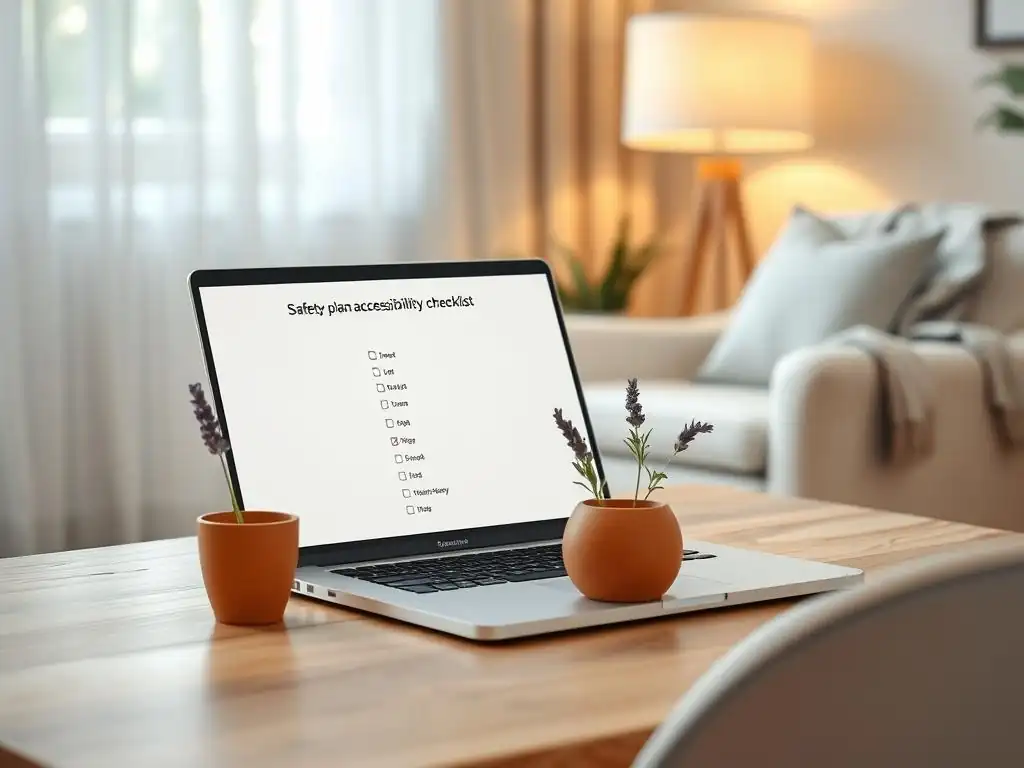
A safety plan is not a "set it and forget it" tool. Life circumstances change, coping mechanisms evolve, and your support network may shift. To ensure your safety plan remains effective and accessible, it requires regular maintenance and updating. Think of it like routine maintenance for a car – necessary to keep it running smoothly and reliably.
Making the commitment to regularly review and revise your safety plan is an investment in your long-term well-being. This proactive approach ensures that the strategies and resources listed are always relevant to your current situation, maximizing the plan's utility and safety plan accessibility when you need it most.
Regularly Reviewing and Revising Your Safety Plan
Schedule regular times to review your safety plan, perhaps every six months or annually, similar to a check-up. Pick a time when you are feeling stable and calm. Read through each section: Are the warning signs still accurate? Are the coping strategies still effective? Are the contact numbers correct? Are the professional resources up-to-date?
Consider what has happened in your life since the last review. Have there been new stressors or positive changes? How have your mental health needs evolved? Use this review to make necessary revisions. This might involve adding new coping skills you've learned, removing contacts who are no longer appropriate, or updating phone numbers. Consistent review is fundamental to maintaining safety plan accessibility and relevance.
Adapting Your Safety Plan as Your Needs Change
Your mental health journey is dynamic, and your safety plan should reflect that. What was helpful a year ago might not be as effective today. As you learn new coping skills in therapy, add them to your plan. If a particular trigger is no longer relevant, remove it. If you've moved to a new area, update local crisis resources.
Adapting your safety plan ensures it remains a personalized and powerful tool. For example, if you found that deep breathing wasn't as helpful as you hoped, but listening to a specific podcast series is, update that section. If a friend who was a key contact is no longer available, identify someone new to potentially add. This flexibility and willingness to adapt are crucial for long-term safety plan accessibility and effectiveness.
Overcoming Common Barriers to Safety Plan Accessibility
Even with a well-structured and properly stored safety plan, internal and external barriers can prevent its use during a crisis. Recognizing these potential obstacles is the first step in overcoming them. Common barriers include feelings of shame or embarrassment associated with suicidal thoughts, a lack of belief in the plan's effectiveness, or simply forgetting that the plan exists or where it is during intense distress.
Addressing these barriers often requires working with a therapist to process emotions and build confidence. It also reinforces the importance of the accessibility strategies discussed earlier – the easier the plan is to find and use, the less likely these barriers are to completely prevent its use. Proactively addressing these challenges is a key part of developing a truly functional safety plan accessibility checklist.
Addressing Stigma and Shame Associated with Suicidal Thoughts
Stigma surrounding mental health, particularly suicidal thoughts, can be a significant internal barrier to using a safety plan. Shame might make someone reluctant to access a plan that acknowledges their struggles, or hesitant to reach out to the contacts listed. This internal resistance can override even the best physical or digital safety plan accessibility measures.
Overcoming this involves self-compassion and, often, therapeutic support. Learning to view the safety plan as a tool for strength and self-care, rather than a mark of weakness, is crucial. Talking openly with a therapist or trusted support group about feelings of shame can help dismantle this barrier. Recognizing that seeking safety is a sign of resilience can empower you to reach for your plan when you need it, regardless of lingering societal or personal stigma.
Building Self-Efficacy in Using Your Safety Plan
Self-efficacy refers to your belief in your ability to succeed in specific situations or accomplish a task. Building self-efficacy in using your safety plan means increasing your confidence that you can and will use the plan effectively when experiencing suicidal thoughts. Low self-efficacy can lead to inaction during a crisis, even if the plan is readily accessible.
Practicing your safety plan, as discussed earlier, is the most effective way to build this self-efficacy. Each time you successfully practice a coping skill or simulate reaching out to a contact, you strengthen your belief in your ability to use the plan effectively. Celebrating small successes in managing distress using parts of your plan also reinforces this confidence. The more confident you feel in your ability to use the plan, the more likely you are to access and follow it during a critical moment, enhancing your safety plan accessibility from within.
Resources and Support for Creating and Maintaining Your Safety Plan
You don't have to create or maintain your safety plan alone. Numerous resources and support systems are available to help you develop a comprehensive, personalized, and accessible plan. Engaging with these resources can make the process less daunting and ensure your plan is as effective as possible.
Seeking professional guidance and utilizing crisis support services are vital steps in both developing and maintaining your safety plan, ensuring that your safety plan accessibility efforts are supported by expert advice and readily available help lines.
Finding a Therapist or Counselor
Working with a therapist or counselor is one of the most effective ways to create and refine your safety plan. Mental health professionals are trained to help you identify your warning signs and triggers, develop personalized coping strategies, and build a strong support network. They can guide you through the process of writing your plan and help you think through potential barriers to accessibility and use.
A therapist can also help you practice using your plan in session and address any underlying issues contributing to suicidal thoughts. They can assist you in adapting your plan over time as your needs change. If you don't currently have a therapist, resources like the Psychology Today directory, theFind a Therapist tool on the American Psychological Association website, or your insurance provider's directory can help you find one.
Crisis Hotlines and Support Services
Crisis hotlines and support services are not only resources to include in your safety plan but can also assist you in creating your plan. Many crisis lines have trained counselors who can walk you through the basic steps of developing a safety plan over the phone or via text. They can help you think clearly about your needs and resources during a difficult time.
Services like the 988 Suicide & Crisis Lifeline, the Crisis Text Line (text HOME to 741741), and local mental health crisis teams are available 24/7. Reaching out to them, even before a crisis becomes severe, can provide immediate support and guidance on safety planning. Utilizing these services enhances your access to immediate help and supports the ongoing development and accessibility of your safety plan.
Safety Plan Accessibility: A Key Component of Suicide Prevention
Making your safety plan easily accessible is not just a logistical step; it is a fundamental component of effective suicide prevention. A well-written plan, if it cannot be found or used in the critical moments of a crisis, loses its power. By focusing on accessibility – both physical, digital, and psychological – you transform the safety plan from a static document into a dynamic, usable tool for navigating distress and staying safe.
Prioritizing safety plan accessibility means considering the realistic conditions of a crisis and designing storage and format solutions that work under pressure. It involves practicing, sharing, and regularly updating the plan. This proactive approach empowers individuals to take control during their most vulnerable moments, significantly increasing the likelihood of connecting with coping strategies and support, and ultimately, choosing life. The safety plan accessibility checklist is more than just a list; it's a pathway to empowerment and resilience.
Empowering Yourself with a Readily Accessible Safety Plan
Having a readily accessible safety plan is an act of self-empowerment. It signifies taking proactive steps to care for your mental well-being and prepares you to face difficult emotions and thoughts with a pre-determined strategy. Knowing exactly what steps to take and who to contact reduces feelings of helplessness and uncertainty during a crisis.
By diligently working through the steps of creating and ensuring the accessibility of your safety plan, you build confidence in your ability to manage suicidal ideation. This process, supported by a safety plan accessibility checklist and potentially involving trusted individuals and professionals, puts agency back into your hands during moments when you might feel most out of control. Your accessible safety plan is a testament to your strength and commitment to your own safety and recovery.
Frequently Asked Questions
How does a Safety Plan Accessibility Checklist improve my mental well-being?
A Safety Plan Accessibility Checklist ensures you can quickly and easily access your safety plan during a mental health crisis. This reduces stress and increases the likelihood of following the plan effectively. It promotes self-management during difficult times.
What are the key elements of a Safety Plan Accessibility Checklist according to Mind Care Guide?
The checklist should include things like storing your plan digitally and physically, sharing it with trusted contacts, and ensuring it's easily understandable even when you're distressed. It also covers regular review and updates.
Why is it important to make my safety plan "accessible" rather than just having one?
Simply having a safety plan isn't enough; accessibility is crucial. If you can't quickly find and understand your plan in a crisis, it's ineffective. The checklist ensures immediate access.
Share your plan and checklist with trusted friends, family, or mental health professionals who can support you during a crisis. Ensuring they understand the plan is just as important.
How often should I review and update my Safety Plan Accessibility Checklist?
Regularly review and update your Safety Plan Accessibility Checklist, ideally every few months, or whenever there's a change in your life circumstances, medication, or support network. This ensures it remains relevant and effective.
Final Reflection: Accessibility is Not Just a Checklist, It's a Lifeline
The ease of accessing your safety plan in a crisis isn't just about convenience; it's the difference between survival and suffering. A well-crafted plan, meticulously detailed, is utterly useless if it remains locked away, buried under a pile of paperwork or lost in the digital ether when you need it most. This article highlighted the critical need for proactive planning and readily available access, emphasizing the importance of multiple backups and easily understood formats.
The impact of readily available safety plans extends far beyond the individual. It ripples outwards, affecting families, communities, and the very fabric of support systems. The peace of mind derived from knowing your plan is accessible is invaluable. The best laid plans of mice and men often go awry,
but with proactive accessibility measures, we can significantly mitigate the risk of those plans failing us when we need them most. This is a lesson that resonates deeply, reminding us that preparedness is not just a responsibility, but an act of self-care and empowerment.
Now, consider your own safety plan. Is it truly accessible? Do you have multiple copies, in various formats, readily available to you and your trusted contacts? Take a moment to review your plan, update it if necessary, and ensure its accessibility. Don't let a well-intentioned plan become a forgotten document. Your safety, your well-being, depends on it. Make the necessary adjustments today, and empower yourself with the knowledge that your lifeline is within easy reach.
Ready to Prioritize Your Safety?
Thanks for taking the time to learn about creating an easily accessible safety plan! We hope you gained valuable insights and feel more prepared. Now, let's turn that knowledge into action.
- Immediately review your safety plan: Take a few minutes right now to ensure all the details are up-to-date and easily reachable. Is it on your phone, in a visible spot, or both?
- Share your plan with a trusted friend or family member: Having someone else aware of your plan can make all the difference in an emergency.
- Consider adding a visual element to your plan: A simple image or color-coded system could make it even easier to quickly locate and understand during a stressful situation.
What small step can you take today to make your safety plan even more effective?