
The Strength Within: Nurturing Resilience in Refugee Children and Families

Welcome to Mind Care Guide, a space dedicated to understanding and nurturing mental well-being.
Are you looking for ways to support refugee children facing unimaginable challenges? This journey starts with understanding their unique needs and fostering resilience. Delve into our article, " The Strength Within: Nurturing Resilience in Refugee Children and Families," where we explore practical and compassionate strategies to help them heal and thrive. Discover how you can make a difference and learn more about the pathways to resilience, leaving you empowered to support these vulnerable children and families.
- The Strength Within: Nurturing Resilience in Syrian Refugee Children and Families in Jordan
- Understanding the Unique Challenges Faced by Syrian Refugee Children and Families in Jordan
- Building Resilience: Key Strategies for Syrian Refugee Children in Jordan
-
Supporting Syrian Refugee Families: Empowering Parents and Caregivers in Jordan
- Positive Discipline Techniques for Syrian Refugee Families Experiencing Stress
- Addressing Parental Grief and Trauma in Syrian Refugee Communities in Jordan
- Strengthening Family Communication and Cultural Preservation
- Accessing Cash Assistance and Food Security Programs for Syrian Refugee Families in Jordan
-
Resilience Strategies for Syrian Children: A Practical Guide for Caregivers in Jordan
- Identifying and Responding to Signs of PTSD in Syrian Refugee Children
- Implementing Trauma-Informed Practices in UNHCR-Supported Community Centers
- Utilizing Drama Therapy and Play Therapy to Promote Healing from War Trauma
- The "Healing Classrooms" Program: A Successful Resilience-Building Initiative in Jordanian Schools
- Promoting Cultural Understanding and Sensitivity in Mental Health Care for Syrian Refugees
- The Long-Term Benefits of Early Intervention and Resilience-Building for Syrian Children
- Resources and Support for Syrian Refugee Children and Families in Jordan
-
Frequently Asked Questions
- How does trauma impact refugee children's mental well-being?
- What are some effective resilience strategies for refugee children?
- How can families support refugee children in building resilience?
- What role do schools and communities play in fostering resilience in refugee children?
- Where can I find resources for supporting refugee children's mental health?
- Final Reflection: Cultivating Hope in the Face of Adversity
- Unleash Your Inner Strength: Supporting Refugee Children and Families
The Strength Within: Nurturing Resilience in Syrian Refugee Children and Families in Jordan
Navigating the complexities of displacement is an immense challenge, particularly for vulnerable populations like Syrian refugees who have sought safety in Jordan. Understanding how to foster strength and recovery in the face of adversity is crucial, highlighting the importance of effective refugee children resilience strategies. This article explores the specific hurdles faced by Syrian refugee children and families in Jordan and outlines key approaches to build and sustain their resilience, offering a comprehensive guide for caregivers and support providers.
Understanding the Unique Challenges Faced by Syrian Refugee Children and Families in Jordan
Syrian refugees in Jordan, estimated to be over 650,000 registered with UNHCR as of late 2023, face a unique set of challenges stemming from displacement, loss, and the difficult realities of life in exile. These challenges significantly impact their mental health and overall well-being, making the implementation of targeted refugee children resilience strategies essential. The prolonged nature of the crisis means that many children have spent their entire lives in displacement settings, never knowing a life outside of refugee camps or host communities in Jordan.
The psychological toll on Syrian families is profound, often involving exposure to violence, trauma, and separation from loved ones. Families struggle with the uncertainty of their future, limited access to resources, and the constant pressure of providing for their children in a foreign land. These compounding stressors create a complex environment where mental health issues can flourish, underscoring the urgent need for culturally sensitive and effective support systems designed to bolster resilience in this population.
The Impact of Displacement and Loss on Syrian Refugee Children's Mental Health
Displacement forces children to leave behind everything familiar – their homes, schools, friends, and sometimes even family members. This profound sense of loss and disruption can manifest in various ways, including symptoms of post-traumatic stress disorder (PTSD), anxiety, depression, and behavioral difficulties. Studies conducted in refugee settings in Jordan have indicated high prevalence rates of trauma-related symptoms among Syrian children.
For example, a report from 2018 suggested that a significant percentage of Syrian refugee children in Jordan showed signs of distress, with figures sometimes exceeding 40% reporting symptoms consistent with PTSD or depression, though exact figures vary by study and methodology. These experiences necessitate targeted refugee children resilience strategies focused on healing and emotional processing.
Children exposed to conflict and displacement may exhibit increased irritability, difficulty concentrating in school, nightmares, or withdrawal from social interactions. The constant state of alert associated with trauma can impair their ability to learn and form healthy attachments. The emotional burden is heavy, and without adequate support, these early traumatic experiences can have long-lasting effects on their psychological development and future well-being.
Language Barriers to Mental Health Support for Syrian Refugee Families in Jordan
While Arabic is the shared language, specific dialects and cultural nuances can sometimes create communication challenges between Syrian refugees and Jordanian service providers. More significantly, the specialized vocabulary used in mental health assessment and therapy can be difficult for individuals with limited formal education or those unfamiliar with psychological concepts. This linguistic gap can hinder effective communication during therapy sessions, making it difficult for refugees to fully express their experiences and needs.
Furthermore, many mental health resources and educational materials may not be readily available in dialects or formats that are easily understood by all members of the Syrian refugee community. This lack of accessible, culturally and linguistically appropriate information can prevent families from even seeking help, as they may not understand what mental health support entails or how it could benefit them. Bridging this gap is a critical component of effective refugee children resilience strategies.
Economic Hardship and Limited Opportunities Affecting Syrian Refugee Resilience in Jordan
Economic vulnerability is a major stressor for Syrian refugee families in Jordan. While some refugees live in camps like Za'atari and Azraq with more structured aid, the majority live in host communities across the country, often struggling to find legal employment.
The limited job opportunities and low wages available to refugees mean many families live below the poverty line, facing daily challenges related to housing, food security, and healthcare. As of 2022, estimates indicated that a large proportion of Syrian refugees in Jordan were living in poverty, with figures often cited around 70-80% for those outside camps, though this can fluctuate.
This pervasive economic insecurity creates a chronic stress environment for parents, which in turn impacts their children. Children may be forced to drop out of school to work or face malnutrition and health issues due to lack of resources. The constant worry about meeting basic needs leaves little room for focusing on psychological well-being, making it harder for families to implement positive coping mechanisms or access non-essential support services. Addressing economic stability is therefore intrinsically linked to fostering refugee children resilience strategies.
Building Resilience: Key Strategies for Syrian Refugee Children in Jordan
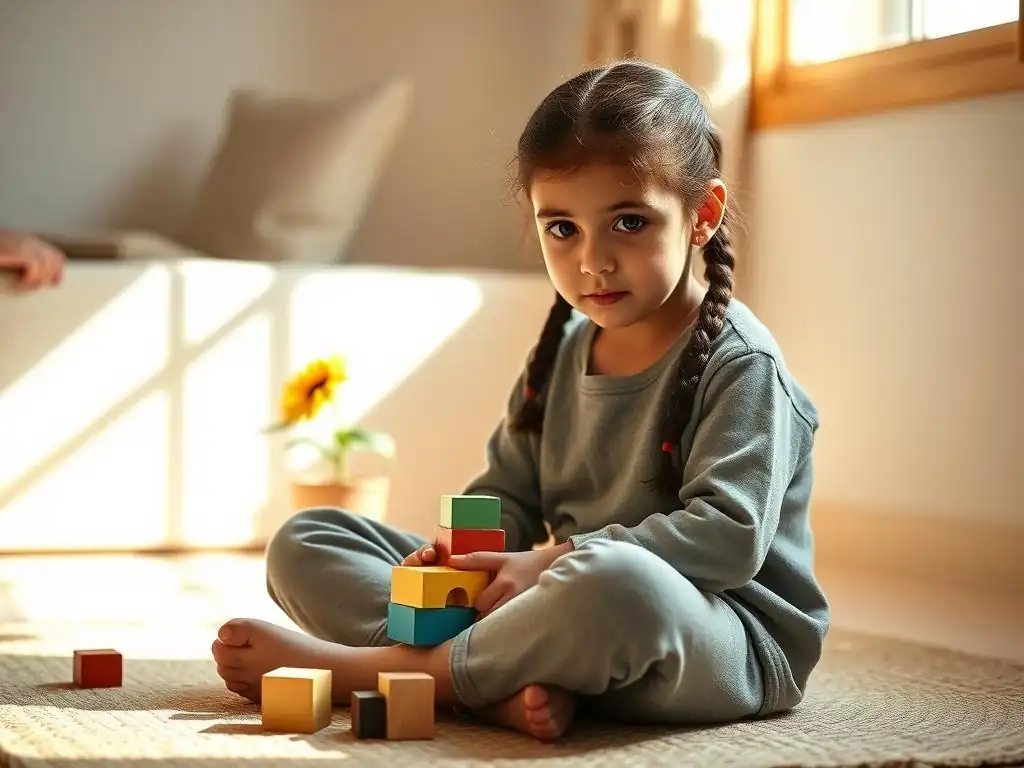
Building resilience in Syrian refugee children involves creating environments where they feel safe, supported, and empowered to process their experiences and develop healthy coping skills. These strategies must be multi-faceted, addressing their emotional, social, and educational needs. Focusing on resilience strategies for refugee children is not just about mitigating trauma, but about equipping them with the tools to thrive despite adversity.
Effective approaches often involve a combination of formal support systems, such as schools and community centers, and informal support networks, like family and peer groups. The goal is to help children regain a sense of normalcy, stability, and hope for the future, enabling them to tap into their inherent strength.
Creating Safe and Supportive Learning Environments in Jordanian Schools
Schools play a vital role in providing stability and routine for Syrian refugee children in Jordan. Creating safe, inclusive, and trauma-informed learning environments is paramount. This involves training teachers to recognize signs of trauma and distress, implementing positive classroom management techniques, and ensuring that schools are free from bullying and discrimination. As of 2023, UNHCR reported that over 130,000 Syrian refugee children were enrolled in public schools in Jordan, often attending in double shifts alongside Jordanian students.
Beyond academic instruction, schools can serve as hubs for psychosocial support. This might include providing access to school counselors trained in working with refugee populations, integrating social-emotional learning into the curriculum, and organizing extracurricular activities that promote positive peer interactions and a sense of belonging. These efforts directly contribute to strengthening refugee children resilience strategies by offering a predictable and nurturing space.
Promoting Emotional Literacy and Coping Mechanisms in Syrian Refugee Youth
Teaching children how to identify and express their emotions is a fundamental aspect of building resilience. Many refugee youth may struggle to articulate their feelings, especially those related to trauma. Programs that use age-appropriate methods like games, stories, and group discussions can help them develop emotional literacy. For instance, some NGO-led initiatives in Jordan have used structured psychosocial activities with groups of children, often focusing on themes of safety, loss, and hope, helping them to name and process their experiences.
Equipping youth with healthy coping mechanisms is also crucial. This includes teaching relaxation techniques, problem-solving skills, and positive self-talk. Encouraging activities like drawing, writing, or playing sports can provide outlets for stress and emotional expression. These practical skills are vital refugee children resilience strategies that children can use throughout their lives.
Integration with host community peers is essential for reducing feelings of isolation and building social support networks. While Syrian and Jordanian children often attend the same schools, social segregation can still occur due to cultural differences, language variations, or stigma. Initiatives that promote positive interaction and cultural exchange between Syrian and Jordanian youth can help break down barriers.
Joint sports teams, art projects, or community service activities can create opportunities for children to connect based on shared interests rather than national identity. Programs that educate both Syrian and Jordanian children about each other's cultures and experiences can foster empathy and understanding. Successful integration programs are key refugee children resilience strategies as they build a sense of belonging and reduce the stress associated with being an outsider.
The Importance of Art and Storytelling in Processing Trauma for Syrian Children
Art and storytelling provide powerful non-verbal avenues for children to process traumatic experiences. Drawing, painting, or sculpting can help children express emotions and memories that are too difficult or painful to put into words. These creative outlets allow them to externalize their internal struggles in a safe and controlled manner. For example, art therapy sessions in Za'atari camp have allowed children to depict their journeys, fears, and hopes through visual mediums.
Similarly, storytelling, whether through writing, puppets, or dramatic play, allows children to create narratives around their experiences. This can help them make sense of chaotic events, regain a sense of agency, and imagine positive future outcomes. Sharing stories in a supportive group setting can also validate their experiences and foster a sense of shared understanding among peers who have undergone similar hardships. These therapeutic approaches are valuable refugee children resilience strategies.
Supporting Syrian Refugee Families: Empowering Parents and Caregivers in Jordan
The resilience of children is deeply intertwined with the well-being and capacity of their parents and caregivers. Empowering Syrian refugee adults in Jordan with the skills and resources they need to cope with their own trauma and stress is fundamental to creating a supportive environment for their children. Support for families is a cornerstone of effective refugee children resilience strategies.
Programs aimed at parents often focus on providing psychosocial support, parenting guidance, and access to essential resources. By strengthening the family unit, these initiatives create a buffer against the negative impacts of displacement and enable parents to better support their children's emotional and psychological needs.
Positive Discipline Techniques for Syrian Refugee Families Experiencing Stress
Parenting under stress is incredibly challenging. Economic hardship, trauma, and displacement can lead to increased parental frustration and difficulty maintaining consistent, positive discipline. Programs that teach positive discipline techniques, such as setting clear expectations, using non-violent communication, and implementing consistent routines, can be highly beneficial. Workshops or group sessions led by trained facilitators can provide a safe space for parents to share challenges and learn new strategies.
These programs often emphasize the importance of patience, empathy, and understanding in parenting children who have experienced trauma. Teaching parents how to manage their own stress and regulate their emotions is also a crucial component, as parental well-being directly impacts their ability to parent effectively. Implementing these positive parenting approaches is a vital part of refugee children resilience strategies.
Addressing Parental Grief and Trauma in Syrian Refugee Communities in Jordan
Many Syrian refugee parents have experienced significant loss – of loved ones, homes, livelihoods, and their former way of life. Unresolved grief and trauma can impair their ability to function and care for their children. Providing mental health support specifically tailored for adults is essential. This might include individual counseling, group therapy sessions, or community-based psychosocial support initiatives.
Culturally sensitive approaches are necessary to address the stigma surrounding mental health within Syrian communities. Utilizing community leaders, religious figures, or trusted elders to promote mental health awareness and encourage help-seeking can be effective. Addressing parental trauma is not only crucial for the adults themselves but also a critical factor in fostering refugee children resilience strategies, as parental distress can significantly impact child outcomes.
Strengthening Family Communication and Cultural Preservation
Promoting open communication within families helps members support each other and navigate challenges together. Encouraging family discussions about their experiences, feelings, and hopes can strengthen bonds and create a sense of shared purpose. Simple activities like regular family meals or designated time for talking can make a difference.
Preserving cultural traditions, language, and identity is also important for maintaining a sense of continuity and belonging amidst displacement. Encouraging families to practice their customs, celebrate cultural holidays, and share stories from their homeland can provide comfort and reinforce their cultural heritage, which is a source of strength and resilience. These cultural practices are often intertwined with refugee children resilience strategies, providing a sense of stability and identity.
Accessing Cash Assistance and Food Security Programs for Syrian Refugee Families in Jordan
Economic stability is a critical foundation for family well-being and resilience. Access to cash assistance programs, such as those provided by UNHCR or other NGOs, helps families meet their basic needs for food, shelter, and healthcare. In 2023, UNHCR's cash assistance program in Jordan reached hundreds of thousands of vulnerable refugees, providing a crucial safety net.
Ensuring food security through programs like WFP's food vouchers or in-kind distributions reduces parental stress and improves children's health and nutritional status. When basic needs are met, families are better equipped to focus on their psychological well-being and implement positive coping strategies. Access to these vital resources is an essential element supporting refugee children resilience strategies at the household level.
Resilience Strategies for Syrian Children: A Practical Guide for Caregivers in Jordan
Caregivers, including parents, teachers, social workers, and community volunteers, play a direct role in implementing resilience strategies for Syrian children in Jordan. Providing practical guidance and training to these individuals is crucial for ensuring that children receive the support they need to heal and thrive. Understanding and applying effective refugee children resilience strategies is key for those working with this population.
This section offers practical approaches that caregivers can utilize in various settings, from homes and schools to community centers and camps. The focus is on trauma-informed care and activities that promote emotional processing and positive development.
Identifying and Responding to Signs of PTSD in Syrian Refugee Children
Caregivers should be trained to recognize the potential signs of PTSD and other trauma-related stress in children. These can vary by age but might include re-experiencing the trauma (e.g., nightmares, flashbacks), avoidance behaviors (e.g., withdrawing from activities, avoiding reminders of the trauma), negative changes in thoughts and mood (e.g., feeling detached, difficulty experiencing positive emotions), and hyperarousal (e.g., irritability, difficulty sleeping, being easily startled). While not all children exposed to trauma will develop PTSD, being aware of the signs allows for timely intervention.
Responding with patience, empathy, and consistency is crucial. Creating a safe and predictable environment helps children feel secure. Encouraging them to express their feelings through play, art, or talking when they are ready, without forcing them, is important. Referring children exhibiting persistent or severe symptoms to mental health professionals trained in refugee trauma is essential. Recognizing these signs is the first step in applying appropriate refugee children resilience strategies.
Implementing Trauma-Informed Practices in UNHCR-Supported Community Centers
Community centers supported by organizations like UNHCR in Jordan serve as vital spaces for psychosocial support and activities for refugees. Implementing trauma-informed practices within these centers means ensuring that staff understand the impact of trauma on behavior and interactions. This involves creating a welcoming and safe atmosphere, using sensitive communication, and avoiding practices that could be re-traumatizing.
Activities offered should be designed with trauma in mind, providing opportunities for children to feel a sense of control, predictability, and connection. This could include structured play groups, art therapy sessions, educational support, and recreational activities that promote positive peer relationships. Ensuring staff are trained in psychological first aid and basic counseling skills allows them to provide immediate support to children in distress. Integrating these practices is vital for effective refugee children resilience strategies within community settings.
Utilizing Drama Therapy and Play Therapy to Promote Healing from War Trauma
Drama therapy and play therapy are highly effective therapeutic modalities for children who have experienced trauma, particularly war trauma. Children often find it easier to process difficult experiences through symbolic play and creative expression rather than direct verbal communication. Play therapy allows children to use toys and play to act out their feelings and experiences in a safe environment with a trained therapist.
Drama therapy uses role-playing, improvisation, and storytelling to help children explore different emotions and perspectives related to their trauma. For example, a child might use puppets to re-enact a difficult event, allowing them to gain a sense of mastery over the experience. These approaches are particularly useful for children who have difficulty verbalizing their trauma and are powerful components of refugee children resilience strategies.
The "Healing Classrooms" Program: A Successful Resilience-Building Initiative in Jordanian Schools
The "Healing Classrooms" program, implemented by organizations like the International Rescue Committee (IRC) in partnership with the Ministry of Education in Jordanian schools hosting Syrian refugees, is a notable example of a successful resilience-building initiative. This program trains teachers in social-emotional learning techniques and provides resources to create supportive classroom environments.
The curriculum focuses on helping children manage their emotions, build positive relationships, and develop coping skills. It integrates psychosocial support activities into the regular school day, making it accessible to all children. Evaluations of such programs have shown positive impacts on children's well-being, reducing stress and improving their ability to learn and interact positively with peers. This program exemplifies effective refugee children resilience strategies integrated within the educational system.
Promoting Cultural Understanding and Sensitivity in Mental Health Care for Syrian Refugees
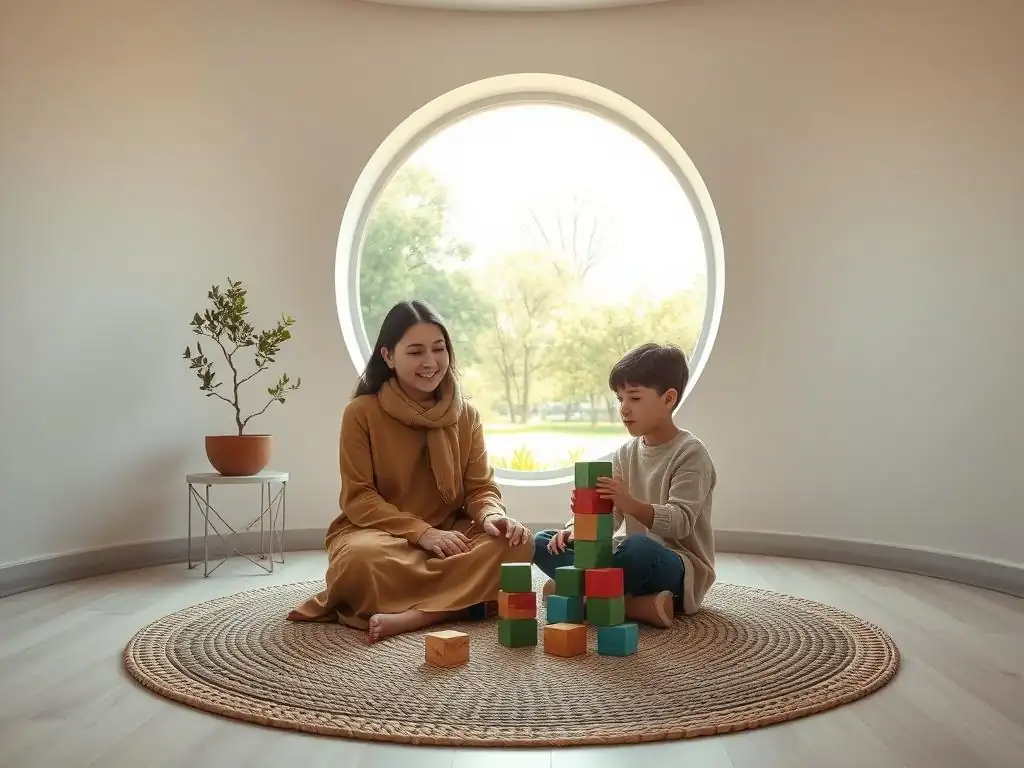
Providing effective mental health support to Syrian refugees in Jordan requires a deep understanding of their cultural background, beliefs, and practices. Culturally sensitive care ensures that interventions are relevant, acceptable, and effective for the community they serve. Promoting cultural understanding is paramount for successful refugee children resilience strategies.
This involves more than just language translation; it requires an awareness of cultural norms around mental health, family dynamics, and help-seeking behaviors. Building trust within the community is essential for encouraging individuals to access support services.
The Role of Arabic-Speaking Mental Health Professionals and Cultural Liaisons
Having mental health professionals who speak Arabic and are familiar with Syrian culture is crucial. Direct communication in a shared language facilitates trust and allows for a deeper understanding of a client's experiences and perspectives. Cultural liaisons, who may be members of the refugee community themselves, can play a vital role in bridging cultural gaps between service providers and refugees.
These liaisons can help explain cultural nuances, build rapport, and navigate logistical challenges. They can also help mental health professionals adapt their approaches to be more culturally appropriate. Their presence can significantly increase the accessibility and effectiveness of mental health services, thereby strengthening refugee children resilience strategies by ensuring families feel understood and comfortable seeking help.
Adapting Cognitive Behavioral Therapy (CBT) to Meet the Cultural Needs of Syrian Refugees
Cognitive Behavioral Therapy (CBT) is a widely used therapeutic approach, but it often needs adaptation to be culturally relevant for Syrian refugees. This might involve incorporating religious or spiritual beliefs into the therapy, using culturally appropriate examples and metaphors, and considering the collective nature of decision-making and family dynamics within Syrian culture.
Therapists may also need to be flexible in session structure and frequency to accommodate the practical challenges refugees face, such as transportation or childcare. Adapting evidence-based practices like CBT ensures that the interventions are not only clinically effective but also resonate with the lived experiences and values of the Syrian community, making them more impactful refugee children resilience strategies.
Addressing Stigma Surrounding Mental Health and Seeking Help in Syrian Communities
Stigma surrounding mental illness is a significant barrier to accessing care in many cultures, including within Syrian communities. Mental health issues may be misunderstood, attributed to spiritual causes, or seen as a sign of weakness. This stigma can prevent individuals from seeking help and lead to social isolation.
Community-based awareness campaigns that use culturally appropriate language and involve trusted community leaders can help reduce stigma. Sharing stories of recovery, highlighting the benefits of seeking help, and normalizing discussions about emotional well-being can encourage more people to access support services. Addressing this stigma is a fundamental step in enabling families to utilize available refugee children resilience strategies.
The Long-Term Benefits of Early Intervention and Resilience-Building for Syrian Children
Investing in early intervention and resilience-building programs for Syrian refugee children in Jordan has significant long-term benefits, not only for the children themselves but also for their families and the host community. These efforts are crucial for fostering sustainable refugee children resilience strategies.
By addressing the psychological impacts of trauma and displacement early on, these initiatives can prevent the development of chronic mental health issues, improve educational outcomes, and foster positive integration into society. The ripple effects of building resilience in children can extend for generations.
Preventing Long-Term Psychological Distress in Syrian Refugee Children
Traumatic experiences in childhood can have lasting effects on mental health if left unaddressed. Early access to psychosocial support and resilience-building programs can mitigate the negative impact of trauma, reducing the likelihood of developing conditions like chronic depression, anxiety disorders, or complex PTSD in adolescence and adulthood.
Providing children with coping skills and a supportive environment helps them process their experiences in a healthy way, laying the foundation for positive mental health trajectories. Early intervention is a proactive and cost-effective approach to preventing long-term psychological distress, making it a cornerstone of effective refugee children resilience strategies.
Fostering Educational Attainment and Future Opportunities for Syrian Youth
Mental health and educational success are closely linked. Children struggling with trauma-related symptoms often have difficulty concentrating, learning, and engaging in school. By addressing their psychological needs and building resilience, children are better able to benefit from educational opportunities.
Improved mental well-being can lead to better school attendance, academic performance, and social integration within the school environment. Educational attainment is crucial for Syrian youth to build a positive future for themselves and their families, providing pathways to higher education, vocational training, and eventually, meaningful employment, whether in Jordan, a resettlement country, or potentially back in Syria. Investing in education is a critical component of long-term refugee children resilience strategies.
Creating a More Hospitable and Supportive Environment for Syrian Refugees in Jordan
Efforts to build resilience in Syrian children and families contribute to creating a more positive and supportive environment for the entire refugee community in Jordan. When refugees feel supported, empowered, and hopeful, they are better able to contribute positively to their host communities.
Building resilience also fosters stronger social connections between refugees and Jordanians, reducing tensions and promoting peaceful coexistence. A community where refugees feel safe, respected, and have opportunities to thrive is beneficial for everyone. Focusing on refugee children resilience strategies ultimately helps build a more inclusive society.
Resources and Support for Syrian Refugee Children and Families in Jordan
Numerous organizations and initiatives in Jordan are dedicated to providing support and resources for Syrian refugee children and families, focusing on mental health and resilience building. Accessing these resources is key for families seeking support and for implementing effective refugee children resilience strategies.
This list provides examples of prominent organizations and types of support available, though the availability and scope of services can vary.
UNHCR Jordan, UNICEF Jordan, and International Rescue Committee (IRC)
- UNHCR Jordan: As the lead UN agency for refugees, UNHCR provides protection, assistance, and solutions for Syrian refugees in Jordan. Their work includes registration, provision of basic needs assistance (like cash aid), and coordination of protection services, including those related to child protection and psychosocial support. They work with numerous partners to implement programs on the ground.
- UNICEF Jordan: UNICEF focuses specifically on the rights and well-being of children. In Jordan, UNICEF runs programs related to education, child protection, health, nutrition, and water and sanitation for Syrian refugee children and vulnerable Jordanian children. They support non-formal education initiatives and psychosocial support programs in camps and host communities.
- International Rescue Committee (IRC): The IRC is a major international NGO providing humanitarian aid and development assistance. In Jordan, the IRC offers a range of services to Syrian refugees, including health care, protection services (especially for women and children), and programs focused on economic recovery and development. They are known for implementing psychosocial support and education programs like "Healing Classrooms."
List of Arabic-Speaking Psychologists and Psychiatrists in Amman Specializing in Refugee Trauma
Access to culturally and linguistically competent mental health professionals is vital. While a comprehensive, real-time list is difficult to maintain here, organizations like the Jordan Medical Association, the Jordan Psychiatric Association, or major hospitals in Amman (e.g., Specialty Hospital, Arab Medical Center) can sometimes provide referrals to Arabic-speaking mental health specialists. NGOs working in the mental health sector for refugees often maintain lists of trusted providers or have in-house staff.
Specific clinics or centers specializing in trauma might also be available, often supported by international aid. Note: A definitive, always-updated list of specific practitioners requires access to professional directories or direct contact with organizations on the ground.
Community-Based Support Groups and Mental Health Awareness Campaigns in Refugee Camps
In large refugee camps like Za'atari and Azraq, numerous community-based initiatives and support groups are often run by NGOs and community volunteers. These groups provide peer support, psychosocial activities, and a sense of community. Mental health awareness campaigns are also frequently conducted within the camps and host communities to educate refugees about mental well-being, reduce stigma, and inform them about available services. These grassroots efforts are fundamental in delivering accessible refugee children resilience strategies.
Frequently Asked Questions
How does trauma impact refugee children's mental well-being?
Trauma can significantly impact refugee children, leading to anxiety, depression, and PTSD. It disrupts their sense of safety and security, affecting their emotional and behavioral development.
What are some effective resilience strategies for refugee children?
Key strategies include creating safe and supportive environments, promoting cultural connection and identity, and providing access to mental health services. These help children process trauma and build coping mechanisms.
How can families support refugee children in building resilience?
Families can offer unconditional love and support, maintain cultural traditions, and seek professional help when needed. Open communication and a stable environment are crucial.
What role do schools and communities play in fostering resilience in refugee children?
Schools and communities can provide inclusive and welcoming environments, offer language support and tutoring, and connect families with resources and services. Reducing stigma and promoting understanding are essential.
Where can I find resources for supporting refugee children's mental health?
Organizations like the UNHCR, IRC, and local refugee resettlement agencies offer various resources. The Mind Care Guide also provides information and links to mental health professionals specializing in refugee trauma.
Final Reflection: Cultivating Hope in the Face of Adversity
The resilience of refugee children and families is not merely a survival mechanism; it is a testament to the enduring strength of the human spirit. Their journeys are filled with unimaginable hardship, yet amidst the chaos and uncertainty, they find ways to adapt, heal, and thrive. Understanding and supporting this inherent resilience is not just a humanitarian imperative, it's a crucial step towards building a more just and compassionate world.
Witnessing the unwavering determination of these families has profoundly impacted my understanding of human potential. Their capacity to rebuild their lives, to find joy in the face of immense loss, is both humbling and inspiring. The oak sleeps in the acorn; the bird waits in the egg; and in the highest vision of the soul a waking angel stirs. Dreams are the seedlings of realities.
This quote beautifully captures the hope that persists even in the darkest of times, a hope that we must actively nurture and support.
You, the reader, now hold the knowledge and understanding to make a difference. Consider how you can contribute to building a more supportive environment for refugee children and families. Whether it's through volunteering your time, advocating for policy changes, or simply extending a hand of compassion, your actions can help cultivate the seeds of resilience and foster a brighter future for these incredibly brave individuals. Let us all work together to ensure that their strength is not only recognized but also empowered.
Unleash Your Inner Strength: Supporting Refugee Children and Families
Thank you for taking the time to learn about the incredible resilience of refugee children and families. You've gained valuable insights into the challenges they face and the vital support they need. Now, let's turn that knowledge into action.
- Become a Champion of Change: Research and support organizations dedicated to assisting refugee children and families in your community. Find ways to volunteer your time or donate to reputable charities. This is the most direct way to make a difference.
- Share this powerful message:Spread awareness among your friends, family, and community by sharing this article on social media. Every shared story helps amplify the voices of those who need our help.
- Explore further learning:Deepen your understanding by exploring resources on trauma-informed care and effective support strategies for refugee populations. Knowledge is power, and continued education empowers you to act even more effectively.
What specific action will you take today to nurture resilience in the lives of refugee children and families?