
Sports Psychology Secrets: Beating Anxiety on the Field


Welcome to Mind Care Guide, a safe space for nurturing your mental well-being.
Feeling the pressure before the big game? We understand. Anxiety can be a formidable opponent, especially in sports. This week, we delve into Sports Psychology Secrets to help you conquer those pre-performance jitters. Discover proven sports anxiety management techniques that can unlock your true potential and bring joy back to the game. Ready to take control and perform at your best? Let's begin.
Sports Psychology Secrets: Beating Anxiety on the Field
- Understanding Sports Anxiety: A Psychological Perspective
- Sports Anxiety Management Techniques: Practical Strategies for Athletes
- Overcoming Pressure and Performance Anxiety in Sports
- Long-Term Strategies for Sports Anxiety Management
- Preventing Future Anxiety Episodes in Sports
- Addressing Severe Sports Anxiety
- Conclusion: Empowering Athletes to Thrive Under Pressure Through Sports Psychology
-
Frequently Asked Questions
- What is sports anxiety and how does it differ from regular stress?
- What are some common symptoms of sports anxiety?
- What role does a sports psychologist play in managing sports anxiety?
- What are some effective sports anxiety management techniques an athlete can use?
- How can coaches and parents support athletes struggling with sports anxiety?
- Final Reflection: Unlocking Peak Performance Through Mental Strength
- Unleash Your Inner Champion: Conquer Game Day Anxiety
Understanding Sports Anxiety: A Psychological Perspective
Defining Sports Anxiety and its Impact on Athletic Performance
Sports anxiety, often referred to as competitive anxiety, is a specific type of anxiety experienced by athletes in anticipation of, during, or after competitive events. It manifests as excessive worry, nervousness, and apprehension concerning performance outcomes, evaluation by others, and potential failure. This psychological state can significantly hinder an athlete's ability to perform at their peak.
For instance, studies have shown that elevated cognitive anxiety (worrying thoughts) can impair decision-making and reaction time, crucial components in sports like basketball or tennis. Somatic anxiety (physical symptoms like increased heart rate, sweating, muscle tension) can directly impact motor skills and coordination, potentially leading to errors or decreased physical capacity, such as reduced power output in weightlifting or slower sprint times in track and field. Effective sports anxiety management techniques are vital for athletes to mitigate these negative effects.
The impact of sports anxiety extends beyond immediate performance. Chronic anxiety can lead to burnout, decreased motivation, and even withdrawal from the sport altogether. Athletes who consistently experience high levels of anxiety may develop a fear of failure so strong that it overrides their passion for the game.
This can be particularly evident in individual sports where the athlete bears the sole responsibility for the outcome. For example, a gymnast might experience debilitating performance anxiety before a routine, leading to falls or deductions they wouldn't normally make. Implementing robust sports anxiety management techniques is crucial for athletes to not only perform better but also maintain their long-term engagement and enjoyment of their sport, fostering a healthier relationship with competition.
Differentiating Sports Anxiety from Normal Pre-Competition Arousal
It's important to distinguish between sports anxiety and normal pre-competition arousal, sometimes called 'optimal arousal' or 'the zone.' Arousal is a physiological and psychological state of being awake and reactive to stimuli. A moderate level of arousal before competition is natural and often beneficial, enhancing focus, energy, and readiness. This state is characterized by feeling energized, alert, and excited, which can translate into faster reaction times and increased physical readiness. For example, a sprinter might feel a surge of adrenaline before the starting gun, which helps them explode off the blocks. This is productive arousal, not debilitating anxiety.
Sports anxiety, in contrast, is characterized by excessive and uncontrollable worry, apprehension, and fear that interferes with performance. While arousal can manifest physically (e.g., increased heart rate), anxiety adds negative cognitive components like self-doubt ("What if I fail?") and catastrophic thinking ("Everyone will be disappointed").
Unlike helpful arousal, anxiety often leads to muscle tension that hinders smooth movement, impaired concentration due to distracting worries, and physical symptoms like nausea or trembling. A soccer player experiencing sports anxiety might miss an easy shot because their legs feel heavy and their mind is racing, a clear difference from the focused energy of optimal arousal. Recognizing this distinction is the first step in applying appropriate sports anxiety management techniques.
The Role of Psychological Skills Training in Addressing Anxiety in Athletes
Psychological Skills Training (PST) is a structured approach used by sports psychologists to teach athletes mental techniques aimed at improving performance and well-being. PST directly addresses sports anxiety by equipping athletes with specific tools to manage their thoughts, emotions, and physical responses in high-pressure situations. Core components of PST include goal setting, imagery, self-talk, and relaxation techniques.
Research consistently shows that athletes who engage in PST report lower levels of competitive anxiety and higher levels of confidence and performance. For instance, a study on collegiate swimmers found that a 10-week PST program significantly reduced somatic and cognitive anxiety scores compared to a control group.
The effectiveness of PST in managing sports anxiety management techniques lies in its proactive nature. Instead of just reacting to anxiety when it strikes, athletes learn to anticipate and prepare for challenging situations mentally. They develop a toolkit of strategies they can deploy before, during, and after competition.
This might involve using cue words to trigger positive self-talk, practicing visualization to mentally rehearse successful performance, or using controlled breathing to calm physiological arousal. By integrating these skills into their regular training, athletes build mental resilience, making them better equipped to handle the inevitable pressures of competition and reducing the likelihood of anxiety derailing their efforts.
Sports Anxiety Management Techniques: Practical Strategies for Athletes
Cognitive Restructuring: Changing Negative Thoughts for Peak Performance
Cognitive restructuring is a powerful sports anxiety management technique that focuses on identifying and changing irrational or negative thought patterns that contribute to anxiety. Athletes often fall into traps of negative self-talk, such as "I'm not good enough," or "I always mess up under pressure." These thoughts aren't objective facts but interpretations, and they significantly impact feelings and behavior. By learning to challenge the validity of these thoughts and replace them with more realistic and positive alternatives, athletes can reduce anxiety and improve their mental state before and during competition.
The process typically involves three steps: identifying the negative thought, challenging its accuracy or usefulness, and replacing it with a more balanced or positive thought. This technique is based on the principle that it's not the situation itself that causes anxiety, but our interpretation of it. For example, instead of thinking, "If I miss this shot, I'll lose the game and everyone will hate me," an athlete can learn to challenge this by asking, "Is it really true that one shot determines everything?
Have I made mistakes before and still performed well? What's a more realistic outcome?" This systematic approach helps dismantle anxiety-provoking thought loops.
Identifying and Challenging Negative Thoughts Related to Performance
The first step in cognitive restructuring is becoming aware of the negative thoughts that arise, particularly in high-pressure situations. Athletes can practice 'thought stopping' or simply noting down their thoughts in a training diary, especially after experiencing anxiety. Common negative performance thoughts include anticipating failure ("I'm going to choke"), worrying about judgment ("What will my coach/teammates/parents think if I fail? "), or dwelling on past mistakes ("Remember that time I missed that crucial play? ").
Once identified, these thoughts need to be challenged. This isn't about simply saying "be positive," but critically examining the evidence for and against the thought. Ask yourself: Is this thought based on facts or feelings? What's the worst realistic outcome, not the catastrophic one your anxiety presents? What would I tell a teammate who had this thought? For instance, if the thought is "I always mess up under pressure," challenge it by recalling times you performed well under pressure. This factual counter-evidence weakens the negative thought's hold.
Replacing Negative Thoughts with Positive and Realistic Self-Talk
After challenging a negative thought, the next step is to formulate a replacement that is more positive, realistic, and helpful. This replacement should be a statement that reinforces confidence, focuses on the process, or is simply a neutral, factual observation. For example, replacing "I'm going to choke" with "I've practiced this countless times, I trust my training" or "Focus on this play, one step at a time."
This new self-talk should be practiced regularly, both in training and during competition. It's important that the positive self-talk feels believable to the athlete; overly positive or unrealistic statements can feel inauthentic and ineffective. Instead of "I'm the best athlete in the world," a more effective statement might be "I am prepared for this challenge" or "I will give my best effort regardless of the outcome." Consistent practice makes this positive self-talk more automatic, serving as a powerful sports anxiety management technique.
Relaxation Techniques for Athletes: Calming the Mind and Body
Relaxation techniques are fundamental sports anxiety management techniques designed to reduce the physiological symptoms of anxiety, such as increased heart rate, muscle tension, and rapid breathing. By actively engaging in relaxation practices, athletes can counter the body's stress response, promoting a sense of calm and control. These techniques are particularly useful before or during competition when physical symptoms of anxiety are most pronounced.
Regular practice of relaxation techniques helps athletes become more aware of their body's state and better able to regulate it. This isn't just about feeling calm; it's about being able to perform motor skills smoothly, maintain focus, and make clear decisions unhindered by excessive physical tension. Techniques like deep breathing, progressive muscle relaxation, and visualization are widely used and can be adapted to fit specific sporting contexts and time constraints.
Deep Breathing Exercises for Immediate Anxiety Relief
Deep breathing, or diaphragmatic breathing, is one of the simplest yet most effective sports anxiety management techniques for immediate relief. When anxious, breathing becomes shallow and rapid, which can exacerbate physical symptoms. Deep breathing slows the heart rate, lowers blood pressure, and promotes a sense of calm by activating the parasympathetic nervous system.
A common method is the 4-7-8 technique: inhale deeply through your nose for a count of four, hold your breath for a count of seven, and exhale slowly through your mouth for a count of eight. Repeat this several times. Athletes can use this technique during breaks in play, before a crucial moment, or even while waiting for an event to start. Practicing deep breathing regularly, even when not anxious, makes it easier to access the calming effect when needed under pressure.
Progressive Muscle Relaxation for Reducing Tension
Progressive Muscle Relaxation (PMR) is a technique where you systematically tense and then release different muscle groups in the body. This process helps athletes become more aware of the difference between tension and relaxation and provides a method for releasing built-up physical tension, a common symptom of sports anxiety.
Starting with one part of the body (e.g., hands), you tense the muscles tightly for about 5-10 seconds, then release the tension completely, noticing the feeling of relaxation. You then move to the next muscle group (e.g., arms, shoulders, face, neck, back, stomach, legs, feet), repeating the tension-release cycle. A full PMR session can take 15-20 minutes, making it ideal for pre-competition preparation or post-training recovery, though shorter versions focusing on key muscle groups can be used during breaks. PMR is a valuable tool among sports anxiety management techniques for athletes struggling with physical symptoms.
Visualization Techniques for Enhanced Focus and Confidence
Visualization, or imagery, involves creating mental images of successful performance, desired outcomes, or calm states. This technique can be used to reduce anxiety by mentally rehearsing challenging situations, focusing on the process of execution, and building confidence by seeing oneself perform successfully.
Athletes can visualize themselves executing specific skills flawlessly, handling pressure with composure, or achieving their goals. It's important to engage all senses in the visualization – seeing the environment, hearing the sounds, feeling the movements, and experiencing the emotions of success. For instance, a basketball player might visualize sinking free throws with perfect form and feeling confident with each shot. Regular visualization helps desensitize athletes to anxiety triggers and reinforces positive mental pathways, serving as a powerful form of sports anxiety management techniques.
Mindfulness for Athletes: Staying Present and Reducing Worry
Mindfulness is a state of active, open attention on the present moment without judgment. For athletes, practicing mindfulness means bringing full awareness to their current experience – the sensations in their body, their thoughts, their emotions, and the environment – without getting caught up in worries about the past or future. This approach is a potent sports anxiety management technique because anxiety often stems from dwelling on past mistakes or anticipating future failures.
By focusing on the 'here and now,' athletes can reduce the mental clutter that fuels anxiety and improve concentration. It helps them observe their thoughts and feelings without being consumed by them, allowing for a more objective perspective. Mindfulness practices can be formal, like meditation, or informal, like bringing mindful awareness to a training session or even a simple activity like eating.
Practicing Mindfulness Meditation to Improve Focus
Formal mindfulness meditation involves setting aside time to intentionally focus on the present moment. This often involves focusing on the breath as an anchor, noticing when the mind wanders (which it inevitably will), and gently bringing the focus back to the breath without self-criticism.
Regular meditation practice, even for just 5-10 minutes daily, can train the brain to be less reactive to anxious thoughts and distractions. Athletes who meditate often report improved focus, reduced rumination on mistakes, and a greater ability to stay calm under pressure. This enhanced mental discipline is a direct benefit for managing sports anxiety.
Applying Mindfulness to Training and Competition
Mindfulness isn't just about sitting still; it can be integrated into the athlete's daily routine. During training, an athlete can practice mindfulness by focusing completely on the current drill, the feel of their body moving, or the sensations of effort, rather than letting their mind drift to worries about the upcoming game.
In competition, mindfulness helps athletes stay grounded in the present play or moment, rather than getting distracted by the score, the crowd, or past errors. If a mistake happens, a mindful athlete can acknowledge the thought or feeling ("Okay, I messed up that pass, and I feel frustrated") without dwelling on it, and then refocus their attention on the next play. This ability to quickly shift focus is a critical sports anxiety management technique for maintaining performance consistency.
Overcoming Pressure and Performance Anxiety in Sports
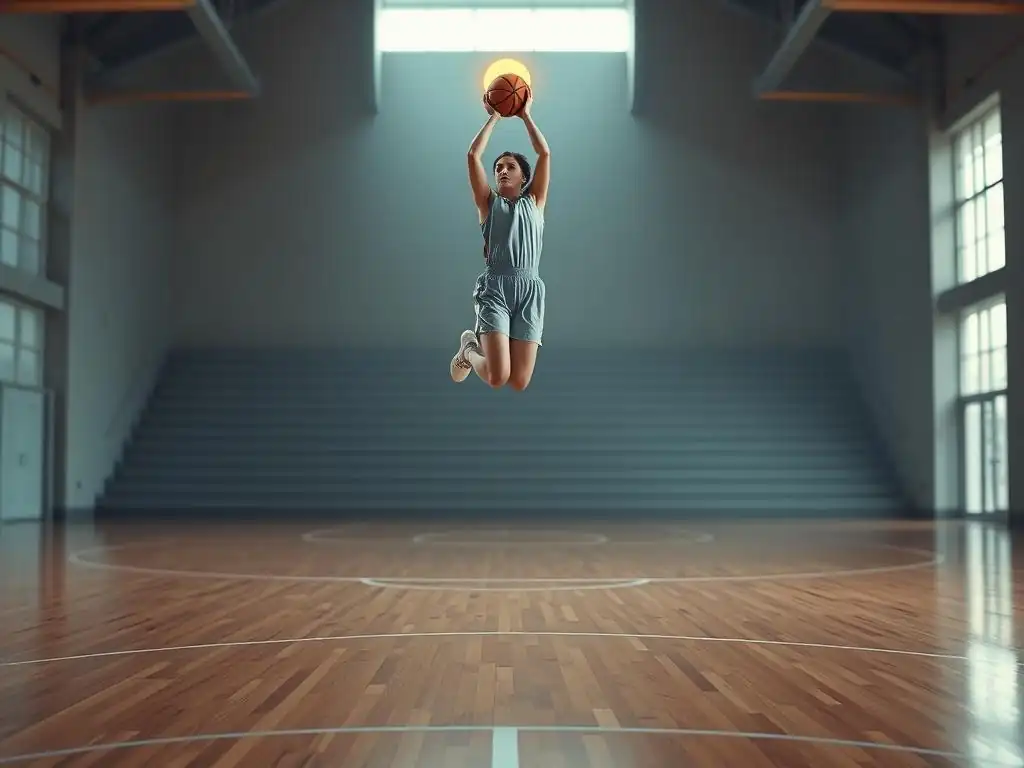
Identifying the Sources of Pressure in Athletic Environments
Pressure in sports can come from various sources, and understanding these is key to developing effective sports anxiety management techniques. Internal pressure often stems from high personal expectations, a strong desire to win, or fear of failure. An athlete might feel immense pressure simply because they want to succeed so badly. External pressure can originate from coaches, teammates, parents, spectators, media, or even the perceived expectations of their sport's history or status. For example, a high school quarterback might feel pressure from their town's expectation to win the state championship.
The perceived importance of the event also significantly contributes to pressure. A championship game, an Olympic qualifier, or even a regular-season game with significant implications can amplify feelings of pressure. The athlete's interpretation of these pressures determines whether they become motivating challenges or debilitating stressors leading to performance anxiety. Recognizing that pressure is multi-faceted allows athletes to target specific sources with tailored sports anxiety management techniques.
Developing Coping Mechanisms for Performance Anxiety
Coping mechanisms are strategies athletes use to deal with stressful situations and the resulting performance anxiety. Effective coping is about proactively managing the psychological and physiological responses to pressure. This involves developing a repertoire of techniques that can be deployed before, during, and after a stressful event.
These strategies aim to shift the athlete's focus from the overwhelming outcome to manageable aspects of the performance. They help reframe the situation, regulate emotions, and maintain control over one's actions despite feeling anxious. Learning and practicing these coping mechanisms is a vital part of building mental resilience and improving sports anxiety management techniques.
Goal Setting Strategies for Reducing Pressure
Setting effective goals is a powerful strategy to manage pressure. Instead of solely focusing on outcome goals (like winning a championship), athletes should also set process goals (focusing on the actions and behaviors needed to perform well, e.g., "maintain proper technique on every shot") and performance goals (focusing on achieving specific personal standards, e.g., "improve my first serve percentage to 70%").
Focusing on process and performance goals shifts the athlete's attention to controllable aspects of their performance, reducing the pressure associated with outcomes that are often influenced by factors outside their control (like opponents' performance). This approach provides clear, actionable steps and a sense of accomplishment independent of winning or losing, making goal setting a key sports anxiety management technique.
Focusing on Process Over Outcome
This strategy is closely linked to goal setting and involves deliberately shifting attention from the final score or result to the execution of the skills and strategies required to perform well. When athletes are overly focused on the outcome, they can become distracted, tense, and less adaptable.
By concentrating on the process – executing the game plan, maintaining form, focusing on the current play – athletes stay present and engaged in the task at hand. This reduces the mental space for anxious thoughts about winning or losing. For example, a golfer facing a difficult putt might focus solely on their grip, stance, and swing mechanics rather than the potential score. This focus on process is a fundamental principle behind many effective sports anxiety management techniques.
Building Confidence and Self-Efficacy in Sports
Confidence, or self-efficacy (the belief in one's ability to succeed in specific situations), is a critical buffer against sports anxiety. Athletes with high self-efficacy are more likely to approach challenging situations with a sense of capability rather than fear. Confidence isn't just innate; it can be systematically built and strengthened through various strategies.
Building confidence involves acknowledging past successes, focusing on personal improvement, and developing a strong belief in one's skills and preparation. It's about cultivating a robust internal sense of capability that can withstand external pressures and setbacks. Integrating confidence-building exercises is essential for comprehensive sports anxiety management techniques.
Positive Self-Talk and Affirmations
As discussed earlier, positive self-talk involves using encouraging and belief-reinforcing statements. Affirmations are positive statements that declare a desired state or quality as if it already exists, like "I am a strong and capable athlete" or "I perform my best under pressure."
Regularly using positive self-talk and affirmations, especially during training and before competition, helps to counter negative self-doubt and build a positive self-image. These statements should be repeated with conviction to strengthen their impact on the athlete's mindset, contributing significantly to effective sports anxiety management techniques.
Celebrating Small Victories and Progress
Confidence is built incrementally. Recognizing and celebrating small successes and improvements, not just major wins, reinforces the athlete's belief in their progress and capability. This could be mastering a new technique, achieving a personal best in training, successfully implementing a coping strategy during a practice game, or simply completing a challenging workout.
Acknowledging these smaller steps provides concrete evidence of improvement and competence, which fuels confidence. Keeping a training journal to track progress can be helpful. Focusing on the journey and celebrating milestones along the way builds resilience and a positive mindset, making athletes less susceptible to debilitating anxiety and enhancing their sports anxiety management techniques.
Long-Term Strategies for Sports Anxiety Management
Working with a Sports Psychologist or Mental Performance Consultant
For many athletes, particularly those experiencing significant or persistent sports anxiety, working with a qualified sports psychologist or mental performance consultant is one of the most effective long-term strategies. These professionals are trained to assess the specific nature of an athlete's anxiety, identify its root causes, and develop a personalized plan using evidence-based sports anxiety management techniques. They provide a structured, confidential environment for athletes to explore their challenges.
A sports psychologist can teach advanced psychological skills such as biofeedback, neurofeedback, deeper cognitive behavioral techniques, and process-oriented focus strategies tailored to the athlete's sport and individual needs. They can help athletes understand the relationship between their thoughts, feelings, and performance, and equip them with tools to regulate these responses consistently. This professional guidance is invaluable for athletes looking to not just cope with anxiety but truly master their mental game over the long term.
Developing a Personalized Anxiety Management Plan
Anxiety manifests differently in each athlete. Therefore, a "one-size-fits-all" approach is rarely sufficient for long-term sports anxiety management. Developing a personalized plan involves identifying the athlete's specific triggers, symptoms, and preferred coping styles, often in collaboration with a sports psychologist. This plan outlines which sports anxiety management techniques are most effective for that individual in different situations (e.g., before a game, during a tough moment in competition, after a mistake).
A personalized plan might include specific pre-competition routines incorporating deep breathing and visualization, cue words to use during stressful moments, strategies for challenging specific negative thoughts, and post-competition reflection practices. The plan should be dynamic, reviewed periodically, and adjusted based on the athlete's experiences and progress. Having a clear, individualized roadmap empowers the athlete and provides structure for consistent mental training.
Building a Supportive Network of Coaches, Teammates, and Family
An athlete's support system plays a crucial role in long-term mental well-being and sports anxiety management. Openly communicating with coaches, teammates, and family members about the challenges of sports anxiety can reduce feelings of isolation and provide valuable emotional support. Coaches can adjust their approach to be more supportive, teammates can offer understanding and encouragement, and family can provide a stable, non-judgmental environment outside of the sport.
Educating the support network about sports anxiety and the athlete's chosen sports anxiety management techniques can also be beneficial. For instance, a coach who understands an athlete uses a specific breathing technique before a free throw can provide space for them to do so without interruption. A supportive network helps normalize the experience of anxiety in sports, reduces the stigma, and provides practical and emotional resources that contribute to the athlete's resilience and ability to manage pressure effectively over their career.
Preventing Future Anxiety Episodes in Sports
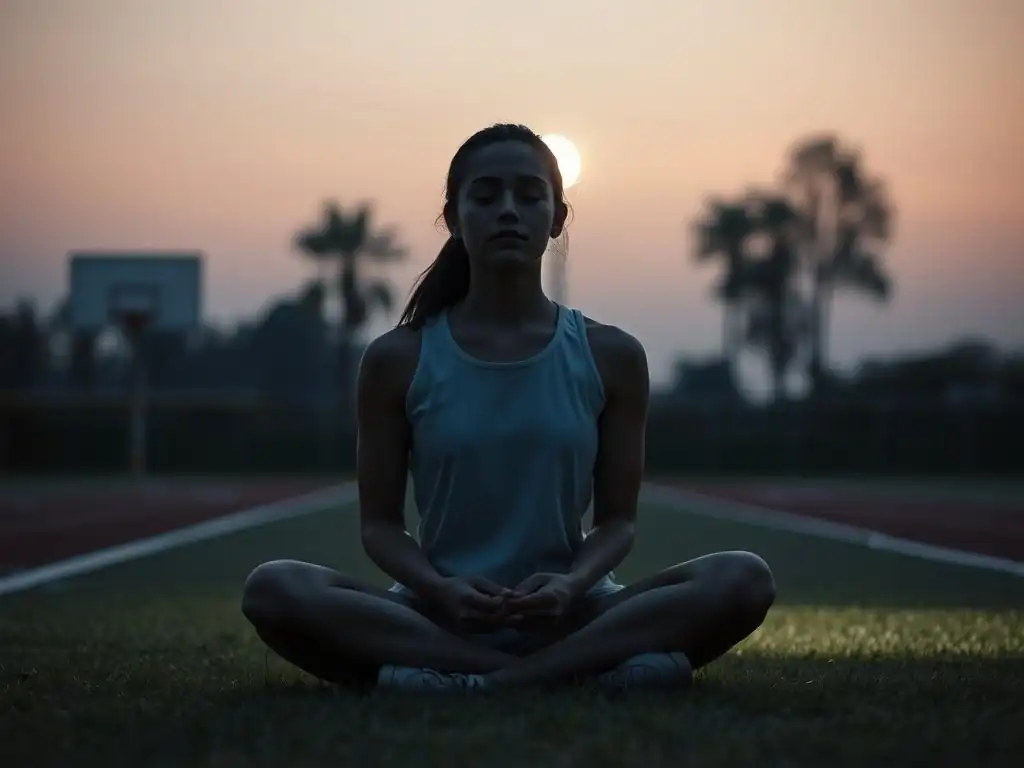
Maintaining a Healthy Lifestyle: Sleep, Nutrition, and Exercise
A healthy lifestyle forms the foundation for both physical and mental resilience, playing a significant role in preventing future sports anxiety episodes. Chronic sleep deprivation, poor nutrition, and inadequate recovery can all exacerbate stress and anxiety levels. Ensuring sufficient, quality sleep (often 7-9 hours for adults, more for young athletes) regulates mood, improves cognitive function, and enhances the body's ability to handle stress.
Proper nutrition provides the necessary energy and nutrients for optimal brain function and stress management. Avoiding excessive caffeine or sugar, which can trigger anxiety symptoms, is also important. Regular physical exercise, separate from sport-specific training, can also be a powerful stress reliever and mood enhancer. Prioritizing these fundamental aspects of health is a proactive sports anxiety management technique that builds a buffer against future challenges.
Regular Mental Health Check-ins and Self-Assessment
Just as athletes monitor their physical health and performance metrics, regular check-ins on mental well-being are essential for preventing anxiety. This involves taking time to reflect on stress levels, mood, sleep patterns, and how they are coping with pressure. Self-assessment tools or journaling can help identify early warning signs of rising anxiety before it becomes debilitating.
Periodically checking in with a sports psychologist or mental performance consultant, even when not experiencing acute anxiety, can also be beneficial. These check-ins can be used to fine-tune sports anxiety management techniques, address minor stressors before they escalate, and continue building mental skills. Proactive mental health maintenance is key to sustained performance and well-being.
Creating a Balanced Approach to Sports and Life
Integrating sports into a broader, balanced life is crucial for preventing burnout and chronic anxiety. Athletes who define themselves solely by their sport are more vulnerable to severe anxiety and identity crises if they face setbacks, injuries, or performance slumps. Maintaining interests outside of sports, nurturing relationships with non-athletic friends, pursuing education or hobbies, and ensuring adequate rest and recovery periods provide perspective and reduce the all-consuming pressure that can lead to anxiety.
A balanced life helps athletes see sport as an important, but not the only, part of who they are. This broader perspective can reduce the perceived catastrophe of poor performance and foster a healthier relationship with competition. Encouraging interests beyond the field is an often-overlooked but vital component of long-term sports anxiety management techniques.
Addressing Severe Sports Anxiety
Biofeedback for Physiological Regulation
For athletes experiencing severe sports anxiety, traditional sports anxiety management techniques may need to be supplemented with more advanced methods like biofeedback. Biofeedback is a technique where sensors are attached to the body to measure physiological responses such as heart rate, muscle tension, skin temperature, and brainwave activity. This real-time information is displayed to the athlete, allowing them to see how their body reacts to stress and anxiety.
With the guidance of a trained professional, athletes learn to consciously control these physiological responses. For example, they might see their heart rate increase when thinking about a stressful competition and then learn to use breathing or relaxation techniques to lower it while observing the data. Over time, the athlete learns to regulate these responses without the equipment, gaining greater control over the physical symptoms of severe anxiety.
Neurofeedback for Brainwave Optimization
Neurofeedback, a specific type of biofeedback, focuses on training brainwave activity. It measures brainwaves (like alpha, beta, theta) and provides real-time feedback to the athlete, often through visual or auditory cues. The goal is to help the athlete learn to shift their brainwave patterns towards states associated with calm focus and optimal performance.
For athletes with severe anxiety characterized by excessive rumination or inability to calm the mind, neurofeedback can help train the brain to reduce activity in areas associated with worry and increase activity in areas related to focus and relaxation. While requiring specialized equipment and training, neurofeedback offers a promising avenue for addressing the neurological underpinnings of severe sports anxiety, complementing other sports anxiety management techniques.
Referral to Mental Health Professionals
In some cases, severe sports anxiety may be intertwined with or indicative of broader mental health conditions such as Generalized Anxiety Disorder, Panic Disorder, or clinical depression. When sports anxiety is significantly impacting an athlete's daily life outside of sport, or when standard sports psychology interventions are not sufficient, referral to a clinical psychologist, psychiatrist, or other mental health professional is necessary.
These professionals can provide diagnosis and treatment for underlying conditions, which may include psychotherapy (like Cognitive Behavioral Therapy or Exposure Therapy) or medication if appropriate. Addressing severe anxiety requires a comprehensive approach, and collaborating with mental health experts ensures the athlete receives the full spectrum of care needed to recover and return to sport and life with improved well-being. This is a critical step when sports anxiety management techniques alone are not enough.
Conclusion: Empowering Athletes to Thrive Under Pressure Through Sports Psychology
Recap of Key Sports Anxiety Management Techniques
Navigating the pressures of competitive sports requires more than just physical talent; it demands mental fortitude and effective strategies for managing anxiety. We've explored a range of powerful sports anxiety management techniques, from understanding the psychological roots of competitive anxiety to implementing practical, evidence-based strategies. These include cognitive restructuring to challenge negative thoughts, relaxation techniques like deep breathing and progressive muscle relaxation to calm the body, and mindfulness practices to stay present and focused.
Furthermore, we've discussed how building confidence through positive self-talk and celebrating progress, developing personalized plans, and leveraging a strong support network are crucial long-term approaches. For severe cases, advanced techniques like biofeedback and neurofeedback, and seeking help from clinical mental health professionals, offer additional pathways to recovery and resilience. Mastering these techniques empowers athletes to not just cope with anxiety, but to use pressure as a catalyst for peak performance.
The Importance of Mental Resilience in Achieving Athletic Success
Mental resilience is the ability to bounce back from setbacks, adapt to challenges, and maintain focus and composure under pressure. It is arguably as important as physical conditioning for achieving sustained athletic success. Sports anxiety management techniques are not just about reducing negative feelings; they are about building this core mental resilience. By learning to manage anxiety, athletes develop the capacity to handle adversity, learn from mistakes without being paralyzed by them, and maintain motivation through tough times.
Athletes who cultivate mental resilience are better equipped to face intense competition, recover from injuries, handle periods of poor performance, and navigate the ups and downs inherent in a sporting career. This inner strength allows them to consistently apply their physical skills and strategic knowledge, ultimately unlocking their full potential and thriving in high-stakes environments. Resilience is the ultimate goal of effective sports anxiety management techniques.
Encouragement for Athletes to Prioritize Their Mental Well-being
Finally, it is crucial for athletes to view their mental well-being with the same importance as their physical training. Seeking support for sports anxiety or any mental health challenge is a sign of strength, not weakness. The skills learned through sports psychology and the application of sports anxiety management techniques are not just beneficial for performance; they contribute to overall life skills and well-being that extend far beyond the playing field.
Athletes are encouraged to be proactive in their mental training, practice these techniques consistently, and reach out for help when needed. Prioritizing mental health allows athletes to enjoy their sport more fully, build healthier relationships with themselves and others, and develop into more well-rounded individuals. By embracing sports psychology and effective sports anxiety management techniques, athletes can build a foundation for success and fulfillment in both their athletic pursuits and their lives.
Frequently Asked Questions
What is sports anxiety and how does it differ from regular stress?
Sports anxiety is a specific type of anxiety triggered by performance pressure in sports. It differs from regular stress as it's directly tied to athletic competition and fear of failure.
What are some common symptoms of sports anxiety?
Common symptoms include increased heart rate, muscle tension, and negative self-talk. Athletes may also experience difficulty concentrating and sleep disturbances before or during competitions.
What role does a sports psychologist play in managing sports anxiety?
A sports psychologist provides athletes with mental skills training to manage anxiety. They help develop coping mechanisms and build confidence to improve performance.
What are some effective sports anxiety management techniques an athlete can use?
Effective techniques include deep breathing exercises, visualization, and positive self-talk. Practicing mindfulness and focusing on the present moment can also be helpful.
How can coaches and parents support athletes struggling with sports anxiety?
Coaches and parents can foster a supportive and positive environment, emphasizing effort over results. They should encourage athletes to seek professional help if anxiety is persistent or debilitating.
Final Reflection: Unlocking Peak Performance Through Mental Strength
The strategies outlined in this article—from mindfulness techniques to cognitive restructuring—aren't just theoretical exercises; they are vital tools for athletes striving for peak performance in today's intensely competitive world. The pressure to succeed, both internally and externally driven, can be crippling, but understanding and managing sports anxiety is no longer a luxury, but a necessity for achieving one's full potential.
The impact of mental fortitude on athletic success is undeniable, shaping not only individual outcomes but also the overall culture of sport. We've seen firsthand how athletes who master their mental game can overcome seemingly insurmountable odds, transforming setbacks into opportunities for growth. The mind is the battlefield. Victory is won or lost there before the first shot is fired.
This quote encapsulates the profound truth that true athletic excellence transcends physical prowess; it demands a deep understanding and mastery of the inner game. My own experiences, both as an athlete and a coach, have underscored the critical role of mental training in achieving lasting success and fulfillment.
Now, it's your turn. Consider the techniques discussed—mindfulness, visualization, positive self-talk, and cognitive restructuring—and identify which resonate most with your personal challenges. Experiment with these tools, adapt them to your unique circumstances, and witness the transformative power of a well-trained mind. Don't just aim to win; aim to cultivate a resilient, confident, and empowered self, both on and off the field. The journey to mastering sports anxiety is a continuous process of self-discovery and growth—a journey that will ultimately lead you to unlock your true potential.
Unleash Your Inner Champion: Conquer Game Day Anxiety
Thanks for diving into the world of sports psychology with us! We hope you gained valuable insights into managing anxiety and boosting your performance. Now it's time to put that knowledge into action.
- Prioritize your pre-game routine: Develop a personalized ritual that calms your nerves and focuses your energy. This could be anything from listening to specific music to performing a short meditation. Make it a non-negotiable part of your game day preparation.
- Visualize success: Spend a few minutes each day visualizing yourself performing flawlessly, feeling confident and in control. This mental rehearsal can significantly reduce anxiety and boost your self-belief.
- Share your experience: Tell us about your favorite anxiety-busting technique in the comments below! Let's build a supportive community of athletes who are mastering their mental game.
What small step can you take today to improve your mental game and reduce anxiety before your next competition?