
Couples Counseling, Virtually: Can Online Therapy Help Relationships?

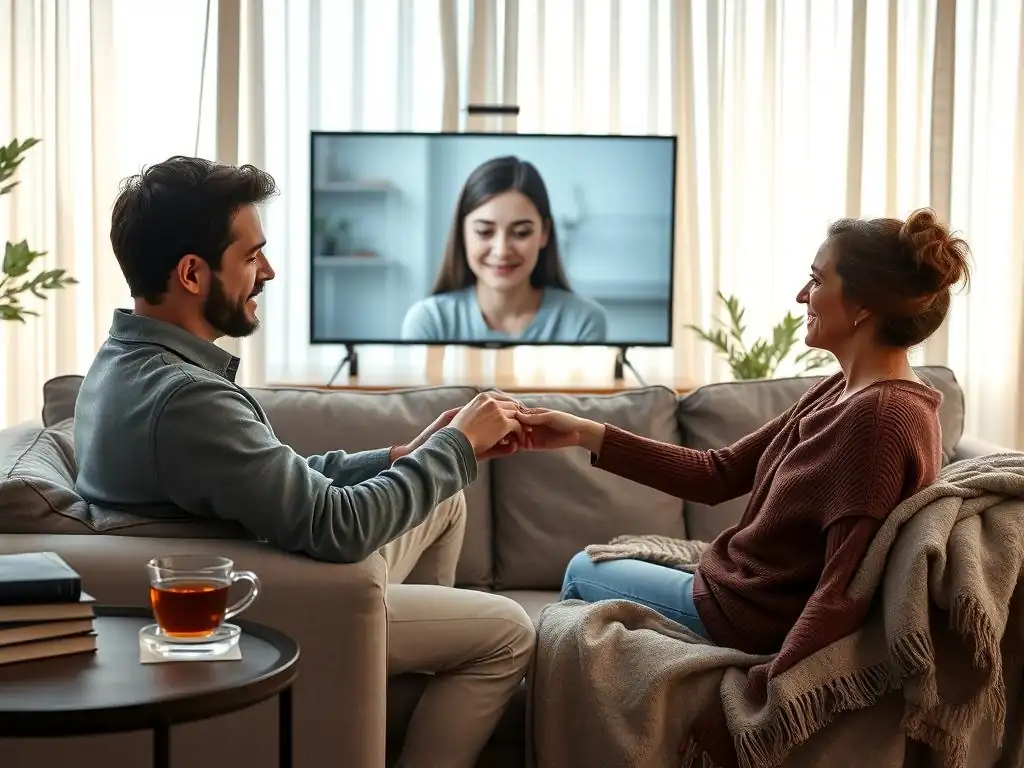
Welcome to Mind Care Guide, a space dedicated to nurturing your mental well-being. Navigating relationships can be tough, and sometimes you need a little extra help. But what if that help was just a click away? Have you ever wondered if online therapy could actually benefit your relationship? Dive into our insightful exploration of online couples counseling benefits couples and discover how technology is changing the landscape of relationship support, potentially offering a more accessible and convenient path to connection. Let's explore together.
- Online Couples Counseling: Strengthening Relationships Virtually - A Mind Care Guide
- Understanding Online Couples Therapy
- Benefits of Online Couples Counseling for Couples
- Common Relationship Issues Addressed in Online Couples Therapy
- Choosing the Right Online Couples Counselor or Platform
- Preparing for Your First Online Couples Counseling Session
- Maximizing the Effectiveness of Online Couples Therapy
- Potential Drawbacks of Online Couples Counseling
- Is Online Couples Counseling Right for Your Relationship?
- Finding Affordable Online Couples Counseling Options
- The Future of Online Couples Therapy: Trends and Innovations
-
Frequently Asked Questions
- How effective is online couples counseling compared to in-person sessions?
- What are the primary benefits of online couples counseling for couples?
- What types of relationship issues can be addressed through online couples counseling?
- Is online couples counseling secure and private?
- How can I find a qualified online couples counselor?
- Final Reflection: Bridging the Distance, Strengthening Bonds
- Unlock Your Relationship's Potential: Take the Next Step
Online Couples Counseling: Strengthening Relationships Virtually - A Mind Care Guide
Navigating the complexities of a relationship can be challenging, and sometimes couples need support to overcome obstacles and grow together. Traditionally, this support came exclusively from in-person counseling sessions. However, the landscape of mental healthcare has evolved dramatically, with online options becoming increasingly prevalent and effective. Virtual couples counseling offers a flexible and accessible way for partners to address issues and strengthen their bond from the comfort of their own space. This guide explores how online couples counseling benefits couples and provides insights into its effectiveness, advantages, and how to get started.
Understanding Online Couples Therapy
Online couples therapy, also known as virtual relationship counseling or teletherapy for couples, is a form of psychotherapy where partners meet with a licensed therapist remotely over the internet. Instead of sitting in a physical office, sessions are conducted through secure video conferencing platforms, phone calls, or even chat services. This digital approach allows couples to access professional help regardless of their location, busy schedules, or physical limitations, making therapy more convenient and less intimidating for many.
What is Virtual Couples Counseling?
Virtual couples counseling involves a licensed therapist facilitating communication and therapeutic interventions between two partners via digital means. These sessions typically mirror the structure and content of in-person therapy, focusing on identifying relationship patterns, improving communication, resolving conflicts, and building intimacy. The format can vary, with some platforms offering scheduled video calls similar to traditional appointments, while others may include asynchronous messaging or phone sessions to provide more flexibility.
The core goal remains the same: to help couples understand each other better, develop healthier ways of interacting, and strengthen their connection. Therapists utilize various evidence-based approaches, such as Emotionally Focused Therapy (EFT), Gottman Method, or Cognitive Behavioral Therapy (CBT), adapted for the online environment. The technology acts as a bridge, allowing the therapeutic process to unfold effectively, enabling couples to work on their relationship challenges from anywhere with an internet connection.
The Growing Popularity of Online Relationship Therapy
The adoption of online relationship therapy has seen a significant surge in recent years, accelerated partly by global events that necessitated remote interactions. Before 2020, teletherapy was a niche option, but it quickly became a mainstream method for accessing mental health services, including couples counseling. This shift demonstrated the viability and convenience of virtual sessions, leading more couples and therapists to embrace the format.
Reports indicate that the demand for online therapy services, including couples counseling, has increased dramatically. For instance, some surveys suggest a rise in teletherapy utilization by over 300% since early 2020. This growth is driven by factors like improved accessibility, reduced travel time, and the ability to find therapists specializing in specific issues regardless of geographic location. The trend highlights how online couples counseling benefits couples by making professional support more readily available than ever before.
Is Online Couples Counseling Effective? Exploring the Evidence
A common question is whether online couples counseling is as effective as traditional in-person therapy. While research is still evolving as the field grows, existing studies and clinical experience suggest that for many couples and issues, virtual counseling can be highly effective. Numerous studies on teletherapy for various mental health conditions have found outcomes comparable to face-to-face sessions, and this appears to extend to relationship therapy as well.
Research specifically looking at online couples counseling indicates positive results in areas like communication improvement, conflict resolution, and overall relationship satisfaction. For example, some studies have shown that couples participating in online EFT sessions experienced similar levels of improvement in relationship distress as those in person. While complex issues like severe domestic violence or active addiction may require in-person intervention or specialized online approaches, for a wide range of common relationship challenges, online couples counseling benefits couples by providing a convenient yet impactful therapeutic experience.
Benefits of Online Couples Counseling for Couples
The advantages of opting for online couples counseling are numerous and directly contribute to its growing appeal. These benefits address many of the common barriers that prevent couples from seeking or consistently attending traditional therapy. By leveraging technology, virtual counseling makes the process more manageable and integrated into daily life.
Improved Communication Skills Through Virtual Sessions
One of the primary goals of couples counseling is enhancing communication, and online platforms can uniquely support this. Therapists can use digital tools like screen sharing to present exercises or diagrams, or utilize chat functions for partners to send messages or thoughts in real-time during a session, which can be reviewed later. The visual aspect of video calls allows therapists to observe non-verbal cues, much like in person, while the ability to record sessions (with consent) can provide valuable material for review and practice between appointments.
Furthermore, the structured environment of an online session, often conducted from a familiar space, can help couples feel more relaxed and open to expressing themselves honestly. Therapists guide conversations, teach active listening techniques, and help partners practice new ways of communicating in a safe, virtual setting. These skills learned online can then be more easily applied to everyday interactions, showing how online couples counseling benefits couples by directly impacting their day-to-day communication patterns.
Increased Convenience and Accessibility of Online Therapy for Couples
Convenience is perhaps the most cited benefit of online couples counseling. Couples no longer need to coordinate schedules around travel time to a therapist's office, find childcare, or take significant time off work. Sessions can often be scheduled during lunch breaks, in the evening after children are asleep, or even when partners are in different locations, which is particularly helpful for long-distance relationships or those with demanding travel schedules.
This increased accessibility also means couples can find a therapist who specializes in their specific needs, even if that therapist is located across the country. For instance, a couple dealing with infertility issues might connect with a therapist who has extensive experience in that area, regardless of local availability. This expanded pool of potential therapists ensures a better match, and the ease of scheduling makes consistent attendance more likely, significantly demonstrating how online couples counseling benefits couples by removing logistical hurdles.
Reduced Costs Associated with Traditional In-Person Couples Counseling
While the session fee for online counseling might be comparable to in-person therapy in some cases, the overall cost is often reduced when considering associated expenses. Couples save money on transportation, such as gas, parking fees, or public transit fares. If childcare is a barrier to attending in-person sessions, the ability to have therapy at home eliminates or reduces this cost.
Moreover, some online therapy platforms may offer subscription models or tiered pricing that can be more budget-friendly than traditional per-session fees, although this varies widely. The efficiency gained from eliminating travel time also translates to saving valuable time, which has an economic value. These combined savings highlight another way online couples counseling benefits couples, making professional support more financially feasible for many.
Enhanced Comfort and Safety in the Online Environment
Participating in therapy from a familiar environment, such as your home, can significantly enhance comfort levels. Being in a personal space can help individuals feel more relaxed, less anxious, and more willing to open up about sensitive topics. This sense of safety can be particularly beneficial when discussing difficult or emotionally charged issues within the relationship.
For couples who might feel hesitant or anxious about walking into a therapist's office or being seen seeking help, the privacy of online sessions is a major advantage. The discreet nature of logging into a virtual session from home can alleviate these concerns. This increased comfort and perceived safety can foster deeper engagement in the therapeutic process, demonstrating how online couples counseling benefits couples by creating a more conducive environment for vulnerability and healing.
Common Relationship Issues Addressed in Online Couples Therapy

Online couples therapy is versatile enough to address a wide array of common relationship challenges, utilizing adapted techniques to fit the virtual format. Therapists are skilled at guiding conversations and interventions regardless of whether the couple is in the same room or miles apart.
Communication Breakdown and Conflict Resolution Online
One of the most frequent reasons couples seek therapy is communication breakdown. Online platforms provide an excellent setting to practice active listening, assertive communication, and de-escalation techniques. Therapists can use the screen to visually present communication models or exercises, and partners can use the chat function to jot down thoughts or questions without interrupting the other person, which can be a structured way to manage intense emotions during conflict discussions.
Therapists can guide couples through structured conflict resolution exercises virtually, helping them identify negative interaction patterns and practice healthier responses. For example, a therapist might observe a couple's communication pattern during a simulated disagreement and provide real-time feedback and coaching. The ability to participate in these exercises from a comfortable space can make couples more receptive to learning and implementing new communication strategies, illustrating how online couples counseling benefits couples by directly improving their ability to talk and resolve disagreements effectively.
Addressing Infidelity and Trust Issues in Virtual Therapy
Navigating the aftermath of infidelity or dealing with ongoing trust issues is incredibly painful and complex. While challenging in any format, online therapy can provide a safe space for couples to begin processing these deep wounds. The therapist can facilitate difficult conversations about betrayal, hurt, and forgiveness, helping both partners express their feelings and understand each other's perspectives.
In a virtual setting, the therapist can carefully manage the pace of these sensitive discussions, ensuring both partners feel heard and safe. Techniques used might include individual check-ins within the couples' package or specific exercises designed to rebuild trust, adapted for the online environment. While the intensity of emotion is real, the virtual format can sometimes offer a slight buffer, allowing for raw emotions to be expressed while maintaining a sense of control within the session, showing how online couples counseling benefits couples even through the most difficult challenges.
Financial issues are a leading cause of relationship conflict. Disagreements about spending, saving, debt, or differing financial values can create significant tension. Online couples counseling provides a neutral space to discuss these sensitive topics openly and honestly. Therapists can help couples identify the root causes of their financial disagreements, which often stem from different beliefs, fears, or communication styles rather than just the numbers themselves.
In an online session, couples can collaboratively work with the therapist to create a shared financial plan, set goals, and establish healthy ways of discussing money. The therapist can help partners understand each other's financial perspectives and develop strategies for managing finances as a team. They might use screen sharing to look at budgets or financial planning tools together, making the process practical and collaborative. This practical support in managing financial stress is another way online couples counseling benefits couples by addressing a common source of conflict.
Managing Intimacy and Sexual Issues Through Online Counseling
Intimacy and sexual health are vital components of a healthy relationship, and issues in this area are common. Couples may struggle with mismatched libidos, difficulties initiating sex, recovering from sexual trauma, or simply feeling disconnected intimately. Discussing these topics can be particularly awkward or embarrassing in person for some couples.
The privacy and comfort of an online setting can make it easier for couples to open up about sensitive intimacy and sexual concerns. Therapists trained in sex therapy or relationship counseling can guide these discussions respectfully and empathetically. While physical intimacy cannot be addressed directly in a virtual session, therapists can help couples improve communication about sex, explore underlying emotional or psychological barriers, and assign exercises or "homework" to be practiced between sessions. This ability to foster open dialogue about sensitive topics highlights how online couples counseling benefits couples seeking help with their intimate connection.
Choosing the Right Online Couples Counselor or Platform
Selecting the right therapist and platform is crucial for a positive and effective online counseling experience. There are many options available, each with different features, pricing structures, and therapist networks. Taking the time to research and evaluate potential choices will increase the likelihood of finding a good fit for your relationship needs.
Evaluating Therapist Credentials and Experience in Online Therapy
When searching for an online couples counselor, it's essential to verify their credentials. Look for licensed mental health professionals, such as Licensed Marriage and Family Therapists (LMFTs), Licensed Professional Counselors (LPCs), Licensed Clinical Social Workers (LCSWs), or psychologists (PsyD, PhD). Ensure they are licensed in the state or jurisdiction where you reside, as licensing requirements vary.
Beyond basic licensing, inquire about their specific experience working with couples and their training in online therapy delivery. Ask about the therapeutic modalities they use (e.g., Gottman Method, EFT) and how they adapt these approaches for the virtual environment. A therapist with specialized training in couples counseling and experience conducting sessions online is better equipped to navigate the unique dynamics of virtual relationship therapy. This due diligence helps ensure that the online couples counseling benefits couples by providing qualified and experienced support.
Considering Platform Features and Security for Virtual Counseling
The platform used for online counseling is more than just a video chat tool; it should be secure and user-friendly. Look for platforms that are HIPAA-compliant (in the United States) or adhere to equivalent privacy regulations in other regions to ensure your sessions and personal information are protected. Security features like end-to-end encryption are important.
Consider the platform's features: Is it easy to schedule sessions? Does it offer video, phone, and chat options? Is there a secure portal for messaging your therapist or accessing resources between sessions? Does it have features that support couples work, such as the ability for partners to join from different locations? A reliable and intuitive platform contributes to a smooth therapeutic experience, ensuring that accessing online couples counseling benefits couples through ease of use and privacy.
Reading Reviews and Testimonials of Online Couples Counseling Services
Gathering feedback from other users can provide valuable insights into the effectiveness and quality of online couples counseling services and individual therapists. Many online therapy platforms feature client testimonials or reviews on their websites. Additionally, third-party review sites or forums can offer a broader perspective, although it's important to approach these with a critical eye.
Look for patterns in reviews regarding therapist responsiveness, the platform's reliability, ease of use, and whether couples felt the therapy was helpful in addressing their specific issues. While individual experiences vary, consistent positive feedback about a platform or therapist's ability to facilitate effective couples work online can be a good indicator. Reading about others' experiences can help you gauge whether a particular service is likely to offer the online couples counseling benefits couples are seeking.
Key Questions to Ask Potential Online Therapists
Before committing to a therapist or platform, it's wise to schedule a brief consultation or ask specific questions to ensure they are a good fit. Most therapists offer a free initial consultation call.
Here are some key questions to consider:
- What is your experience working with couples online?
- What therapeutic approaches do you use, and how do you adapt them for virtual sessions?
- How do you handle technical issues during a session?
- What is your policy on communication between sessions?
- How do you ensure the confidentiality and privacy of our sessions?
- What is your fee structure, and do you offer sliding scale options or work with insurance?
- What are the typical outcomes you see for couples working on issues like ours?
Asking these questions helps clarify expectations, assess the therapist's expertise in online couples work, and determine if their approach aligns with your needs, ensuring you find a therapist who can provide the online couples counseling benefits couples are looking for.
Preparing for Your First Online Couples Counseling Session
Once you've chosen a therapist and platform, a little preparation can help ensure your first online session is productive and comfortable. Thinking ahead about logistical and emotional aspects can ease any initial anxiety and allow you to focus on the therapeutic work.
Setting Realistic Expectations for Virtual Therapy
It's important to approach online couples counseling with realistic expectations. Therapy is a process that takes time, effort, and commitment from both partners. While the first session is a chance to get to know the therapist and discuss your goals, it's unlikely to solve all your problems immediately.
Understand that the therapist's role is to guide and facilitate, not to take sides or provide quick fixes. Be prepared to discuss difficult topics and potentially hear feedback that is challenging. Setting realistic expectations about the pace and nature of therapy helps manage frustration and encourages perseverance, which is key to realizing how online couples counseling benefits couples over the long term.
Creating a Comfortable and Private Environment for Sessions
To maximize the effectiveness of your online sessions, choose a quiet, private space where you and your partner (if you are in the same location) will not be interrupted. Ensure the space is comfortable and free from distractions like pets, children, or television. If you are in different locations, make sure each of you has a similar private setup.
Using headphones can significantly improve audio quality and privacy, preventing others from overhearing your conversation and helping you focus. Inform other household members that you need uninterrupted time. Creating a dedicated, private space helps foster the necessary focus and vulnerability for effective therapeutic work, contributing to how online couples counseling benefits couples by providing a conducive setting.
Technology Requirements and Setup for Online Counseling
Before your first session, test your technology to ensure everything works smoothly. You will need a reliable internet connection, a computer, tablet, or smartphone with a camera and microphone, and potentially headphones.
- [ ] Check your internet speed to ensure it's sufficient for video calls.
- [ ] Download and test the required platform software or app in advance.
- [ ] Ensure your device is fully charged or plugged in.
- [ ] Test your camera and microphone to make sure they are working correctly.
- [ ] Close unnecessary applications that might slow down your device or internet connection.
Addressing potential technical issues beforehand minimizes disruptions during the session, allowing you to focus on your relationship rather than troubleshooting. A smooth technical experience is foundational to how online couples counseling benefits couples by enabling uninterrupted therapeutic flow.
Maximizing the Effectiveness of Online Couples Therapy
Simply attending online sessions is a good start, but actively engaging in the process is what truly leads to positive change. The work extends beyond the scheduled appointment time and requires commitment from both partners.
Active Participation and Open Communication During Sessions
For online couples counseling to be effective, both partners must actively participate and communicate openly and honestly during sessions. This means sharing your thoughts, feelings, and perspectives, even when it's difficult. Avoid holding back or minimizing issues.
Listen attentively when your partner and the therapist are speaking. Ask questions if you don't understand something. Engage fully in exercises or discussions facilitated by the therapist. The more engaged you are, the more insights you will gain and the more progress you are likely to make. Active engagement is crucial for experiencing how online couples counseling benefits couples by creating a dynamic and productive therapeutic space.
Completing Assigned Exercises and Homework Between Sessions
Therapists often assign "homework" or exercises to be completed between sessions. These tasks are designed to help you practice new skills, gain deeper insights, or continue important conversations outside of the therapy hour. Examples might include practicing active listening, scheduling dedicated time for connection, journaling about feelings, or working through specific communication prompts.
Completing these assignments is vital for reinforcing what you learn in therapy and applying it to your daily life. It demonstrates commitment to the process and accelerates progress. Think of these exercises as opportunities to build new, healthier relationship habits. Consistently doing the work between sessions significantly enhances how online couples counseling benefits couples by translating therapeutic concepts into real-world change.
Practicing Skills Learned in Therapy in Daily Life
The ultimate goal of couples counseling is to improve your relationship outside of the therapy room. This requires consciously practicing the skills and strategies you learn during sessions in your everyday interactions. Whether it's using "I feel" statements instead of blame, managing conflict more constructively, or intentionally showing appreciation, consistency is key.
Make a conscious effort to integrate new behaviors into your routine. Discuss with your partner how you can support each other in practicing these skills. Relapses into old patterns are normal, but recognizing them and returning to the new techniques is part of the learning process. The application of learned skills in daily life is where the lasting impact of online couples counseling benefits couples is truly realized.
Potential Drawbacks of Online Couples Counseling

While online couples counseling offers significant advantages, it's also important to be aware of potential challenges. Understanding these drawbacks can help you decide if virtual therapy is the right fit and prepare for potential hurdles.
Technical Difficulties and Internet Connectivity Issues
One of the most common frustrations with online therapy is the potential for technical problems. A poor internet connection can lead to frozen screens, dropped calls, or distorted audio, disrupting the flow of a session. These interruptions can be frustrating and detract from the therapeutic experience, potentially making it harder to maintain focus or emotional intensity.
While therapists and platforms often have protocols for handling technical issues, they can still occur. Ensuring you have reliable equipment and a stable connection helps mitigate this risk, but it's not always entirely preventable. These technical glitches are a potential limitation to consider when evaluating how online couples counseling benefits couples compared to the reliability of an in-person setting.
Difficulty Establishing a Strong Therapeutic Connection Online
For some individuals and couples, establishing a deep, trusting rapport with a therapist might feel more challenging through a screen than in person. Non-verbal cues, subtle body language, and the overall energy exchange in a room can be slightly different or harder to perceive in a virtual format.
Building the therapeutic alliance is crucial for successful therapy. While many therapists are highly skilled at creating a strong connection online, some couples might find it takes longer or feels less intuitive than a face-to-face interaction. This potential difficulty in rapport building is a valid concern when considering if online couples counseling benefits couples seeking a very tactile or in-person connection.
Limitations in Addressing Complex Trauma or Abuse Situations
While online therapy is effective for a wide range of issues, there are some situations where in-person therapy or specialized services may be more appropriate. For instance, in cases involving active domestic violence, online sessions can potentially put one partner at risk if the abuser is present or nearby. Safety planning and intervention in these situations often require the immediate, controlled environment of an in-person setting.
Similarly, complex trauma, severe mental health conditions requiring intensive support, or situations where a client is in immediate crisis might be better served by local, in-person resources or a higher level of care. While online therapists can provide valuable support and referrals, it's important to recognize that online couples counseling benefits couples most effectively when dealing with issues that can be safely and adequately addressed within the virtual format. Therapists are trained to assess when a higher level of care or different format is needed.
Is Online Couples Counseling Right for Your Relationship?
Deciding whether online couples counseling is the best path forward involves considering your specific relationship dynamics, individual preferences, and practical circumstances. It's not a one-size-fits-all solution, but for many, it offers a highly effective route to improving their partnership.
Assessing Your Relationship Needs and Goals
Start by discussing with your partner what you hope to achieve through counseling. What are the main challenges you face? What positive changes would you like to see in your communication, connection, or conflict resolution? Understanding your shared goals will help you determine if the types of issues addressed in online therapy align with your needs.
Consider the severity and nature of your relationship difficulties. For common issues like communication ruts, minor conflicts, or adjusting to life transitions, online therapy is often well-suited. If there are issues like active addiction, severe mental illness impacting the relationship, or safety concerns, discuss these openly with potential therapists, as they may recommend a different approach or level of care. A clear understanding of your needs helps determine if online couples counseling benefits couples facing your specific circumstances.
Considering Your Comfort Level with Technology
Your comfort level with using technology for sensitive conversations is another important factor. While platforms are designed to be user-friendly, you will need to be comfortable with video calls and potentially using online portals for communication or resources. If you or your partner are highly uncomfortable with technology, it could be a barrier to engagement.
Think about whether the potential benefits of convenience and accessibility outweigh any discomfort with the virtual format. Many people become more comfortable with online therapy after the first session or two. However, if the technology itself causes significant stress or distraction, it might hinder the therapeutic process. Your ease with the medium influences how well online couples counseling benefits couples in practice.
Exploring Alternatives to Online Couples Counseling
Online therapy is a powerful tool, but it's not the only option. Consider alternatives if online counseling doesn't feel like the right fit after weighing the pros and cons.
Alternatives include:
- Traditional in-person couples counseling
- Couples workshops or retreats
- Self-help books or online courses designed for couples
- Individual therapy (sometimes addressing personal issues can positively impact the relationship)
- Support groups for specific relationship challenges (e.g., parenting stress, infidelity recovery)
Discussing these options with your partner and potentially consulting with a therapist (many offer free consultations to discuss options) can help you make an informed decision about the best way to seek support for your relationship. Finding the right support method is key to ensuring that online couples counseling benefits couples who are a good match for the service, while others find help elsewhere.
Finding Affordable Online Couples Counseling Options
Cost can be a significant concern when seeking therapy. Fortunately, there are several avenues to explore that can make online couples counseling more affordable and accessible.
Information on Insurance Coverage for Online Therapy
Insurance coverage for online therapy has expanded significantly in recent years. Many health insurance plans now cover teletherapy services, often at the same rate as in-person visits. However, coverage for couples counseling specifically can vary, as it's sometimes viewed differently than individual therapy.
Contact your insurance provider directly to inquire about your benefits. Ask specific questions like:
- Does my plan cover mental health services via telehealth?
- Is couples counseling covered, and is there a specific CPT code required (e.g., 90847 for conjoint psychotherapy)?
- What is my deductible, co-pay, or co-insurance for these services?
- Are there specific in-network online therapy platforms or therapists I must use?
Understanding your insurance benefits is a crucial step in making online couples counseling financially manageable and realizing how online couples counseling benefits couples by potentially reducing out-of-pocket expenses.
Exploring Sliding Scale Fees and Payment Plans
Many therapists and online platforms offer sliding scale fees based on income to make therapy more accessible. Don't hesitate to ask potential therapists if they offer a sliding scale or reduced rates for clients with financial constraints.
Some platforms also offer subscription plans that can sometimes be more cost-effective than paying per session, especially if you anticipate needing ongoing support. Payment plans or installment options might also be available. Discussing financial options upfront with a therapist or platform representative can help you budget for therapy and ensure that online couples counseling benefits couples from various economic backgrounds.
Utilizing Employee Assistance Programs (EAPs) for Counseling
If you or your partner are employed, check if your employer offers an Employee Assistance Program (EAP). EAPs are benefit programs that often provide a limited number of free counseling sessions (typically 3-6 sessions) to employees and their household members.
EAP services often include couples counseling and are increasingly offered via telehealth. Utilizing your EAP can be a great way to access initial support, address specific issues, or determine if couples counseling is helpful before committing to longer-term therapy. Checking your EAP benefits is a practical step that can demonstrate how online couples counseling benefits couples by providing free or low-cost initial access to professional help.
The Future of Online Couples Therapy: Trends and Innovations
The field of online mental health is continuously evolving, and the future of online couples therapy is likely to see further integration of technology and expanded access.
Increased Use of AI and Technology in Relationship Counseling
While human connection remains central to therapy, artificial intelligence and other technologies are beginning to play a supportive role. This could include AI-powered tools for analyzing communication patterns (with consent), providing automated check-ins or skill-building exercises between sessions, or matching couples with the most suitable therapists based on their needs and preferences.
AI might also assist therapists in tracking client progress or identifying specific interaction patterns to focus on during sessions. However, it's crucial that these technologies are used ethically and securely, always complementing rather than replacing the essential human element of the therapeutic relationship. The integration of smart tech is poised to enhance how online couples counseling benefits couples by offering more data-driven insights and supplementary support.
Expanding Access to Mental Healthcare Through Virtual Platforms
The reach of online couples therapy is expected to expand further, particularly in underserved areas or for populations facing significant barriers to accessing traditional care. As licensing regulations become more standardized across regions and reimbursement from insurance providers becomes more consistent, virtual platforms will likely connect even more couples with the support they need, regardless of location.
This expansion could involve more culturally competent care being accessible online, reaching couples in rural areas, or providing support for specific communities. The inherent accessibility of online platforms is a powerful force for democratizing access to mental healthcare, profoundly impacting how online couples counseling benefits couples globally by breaking down geographical barriers.
Personalized Therapy Approaches Through Data Analysis
As online platforms collect more data (anonymized and with strict privacy protocols), there's potential for developing more personalized and data-driven therapeutic approaches. Analyzing patterns across many couples can inform best practices, refine therapeutic techniques used online, and potentially lead to more tailored interventions based on a couple's specific issues and progress.
This could mean using data to identify which types of interventions are most effective for particular challenges (e.g., communication vs. trust issues) or tailoring homework assignments based on a couple's engagement and progress. The ability to analyze outcomes can lead to more effective and efficient therapy, further solidifying how online couples counseling benefits couples by offering increasingly targeted and evidence-based support.
Frequently Asked Questions
How effective is online couples counseling compared to in-person sessions?
Studies suggest online couples counseling can be just as effective as in-person therapy. It offers convenience and accessibility, making it easier for couples to attend sessions.
What are the primary benefits of online couples counseling for couples?
Online couples counseling offers greater accessibility, reduced travel time, and often lower costs compared to traditional therapy. It can also provide a sense of comfort for some couples in their own environment.
What types of relationship issues can be addressed through online couples counseling?
Online therapy can address a wide range of issues, including communication problems, conflict resolution, infidelity, and challenges related to intimacy and emotional connection.
Is online couples counseling secure and private?
Reputable online platforms prioritize data security and privacy, using encrypted communication channels. It's crucial to choose a licensed therapist and a platform that adheres to HIPAA compliance (or equivalent standards).
How can I find a qualified online couples counselor?
Look for licensed therapists specializing in couples therapy who have experience working online. Check their credentials, read reviews, and ensure they are a good fit for your specific needs and relationship dynamics.
Final Reflection: Bridging the Distance, Strengthening Bonds
The accessibility of online couples counseling is revolutionizing relationship support, offering a lifeline to couples who might otherwise struggle to access vital help. This readily available resource is dismantling geographical barriers and challenging traditional stigmas surrounding therapy, making professional guidance more attainable than ever before. The convenience and flexibility offered by virtual sessions are proving invaluable in today's fast-paced world.
The shift towards online therapy has profoundly impacted the landscape of relationship support, offering a more inclusive and accessible approach. It's remarkable to witness how technology is fostering stronger connections, not just within couples, but also between couples and their therapists. This increased accessibility allows for a more diverse representation of voices and experiences within the therapeutic space. The greatest discovery of all time is that a person can change his future by merely changing his attitude.
– Oprah Winfrey. This sentiment rings true for couples navigating challenges; with the right support, even seemingly insurmountable obstacles can be overcome.
Consider the potential within your own relationship. Are you facing challenges that feel insurmountable? Online couples counseling offers a safe, confidential, and convenient space to explore these challenges and build a stronger, more resilient bond. Don't let distance or scheduling conflicts prevent you from investing in the health and happiness of your partnership. Take the first step towards a brighter future; explore the benefits of online couples counseling today.
Unlock Your Relationship's Potential: Take the Next Step
Thanks for taking the time to explore the world of virtual couples counseling! We hope this article shed light on how online therapy can strengthen your bond. Now it's time to turn insights into action.
- Schedule a free consultation: Many therapists offer brief introductory calls to discuss your needs and see if they're a good fit. This is the most direct way to start improving your relationship.
- Explore relationship-building exercises: Try implementing some of the techniques mentioned in the article to foster deeper connection and communication. Even small steps make a difference!
- Share this article: Help other couples discover the benefits of virtual counseling by sharing this article with someone who could benefit.
Ready to invest in a healthier, happier relationship? What's one small step you can take today to nurture your connection?