
Creating a Comfort Zone: Gift Ideas for a Safe Space During Depression

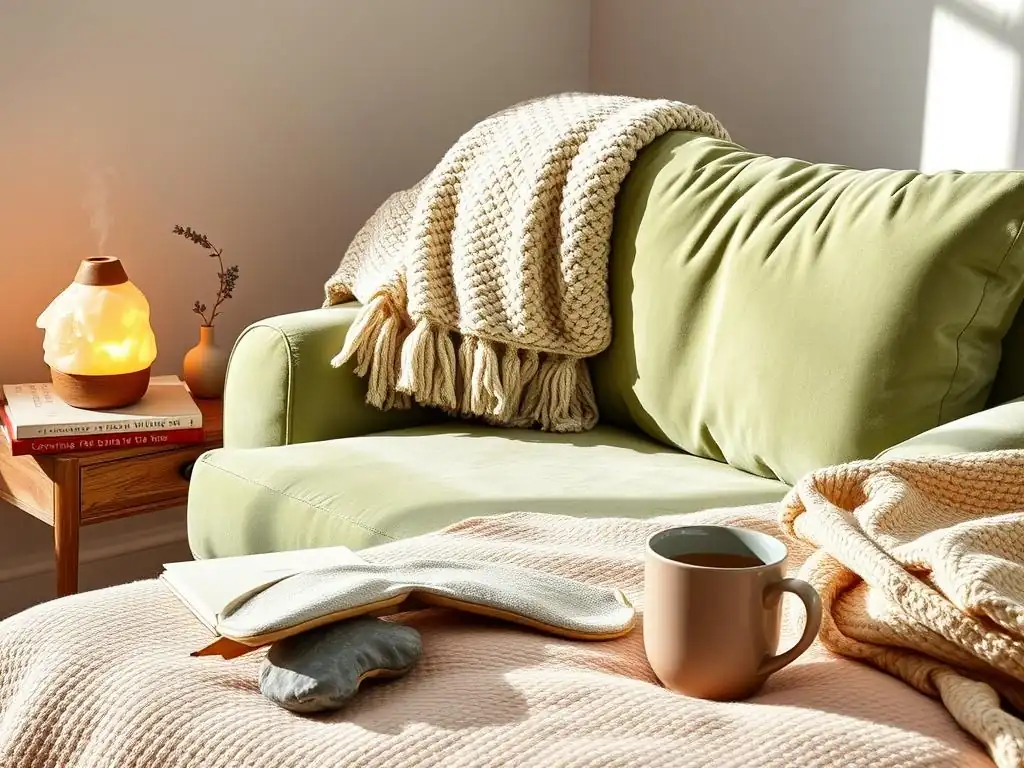
Welcome to Mind Care Guide, a sanctuary dedicated to nurturing your mental well-being. Feeling overwhelmed or simply seeking a sense of peace? You're in the right place. Explore our resources and discover practical strategies to navigate life's challenges. Today, we're diving deep into creating a safe depression space, offering comforting gift ideas that can transform your environment into a haven of healing. Curious how a thoughtfully curated space can ease the burden of depression? Let's begin...
Creating a Comfort Zone: Gift Ideas for a Safe Space During Depression
- Understanding the Need for a Safe Depression Space
- Key Considerations When Choosing Gifts for a Safe Depression Space
- Building a Safe Haven: Essential Gift Ideas for Depression
- Building a Safe Depression Space: Integrating Gifts into a Routine
- Where to Buy Safe Space Gifts: Recommended Retailers and Brands
- Conclusion: Fostering Mental Well-being Through Thoughtful Gifts
-
Frequently Asked Questions
- What is a "safe space" in the context of depression?
- Why is creating a safe space important for mental well-being, especially during depression?
- What are some examples of gifts that can contribute to creating a safe depression space?
- How can I personalize a safe space to make it more effective for someone struggling with depression?
- Beyond physical items, what else is crucial for maintaining a safe depression space?
- Final Reflection: Cultivating Sanctuaries of Self-Care
- Unleash Your Inner Comfort Curator: Craft a Sanctuary of Calm
Understanding the Need for a Safe Depression Space
Why Creating a Safe Space is Crucial for Mental Well-being
For individuals navigating the complexities of depression, the external world can often feel overwhelming, unpredictable, and even hostile. Creating a safe depression space is not a luxury, but a vital component of managing symptoms and fostering resilience. This dedicated area serves as a personal sanctuary, a refuge where one can retreat from stressors, process emotions without judgment, and simply be without the pressure to perform or conform. Research consistently shows that having a sense of control over one's environment, even in small ways, can significantly impact mood and anxiety levels for those experiencing mental health challenges.
This personal haven provides a sense of security and stability that is often elusive during depressive episodes. It's a place designed purely for comfort and healing, free from triggers or reminders of difficulties. By intentionally curating this space, individuals can actively participate in their own well-being, establishing a foundation for self-care practices. The act of creating a safe depression space is itself empowering, offering a tangible way to exert control and build a personal fortress against the emotional storm.
The Role of Comfort in Managing Depressive Symptoms
Comfort plays a profound role in mitigating the often debilitating symptoms of depression, such as pervasive sadness, lack of energy, and difficulty concentrating. Physical comfort, like soft textures, gentle warmth, and calming sounds, can provide immediate relief and ground an individual in the present moment when their mind is racing or feeling numb. These sensory inputs can counteract the physical manifestations of stress and anxiety that frequently accompany depression, such as muscle tension or restlessness.
Beyond the physical, comfort contributes to emotional regulation. A comfortable environment signals safety to the nervous system, which can help reduce the heightened state of alert often experienced by those with depression. By surrounding oneself with comforting items and sensations, it becomes easier to relax, practice mindfulness, or simply rest without feeling agitated. This nurturing environment supports the emotional healing process, making the journey towards recovery feel less daunting and more manageable.
Key Considerations When Choosing Gifts for a Safe Depression Space
Prioritizing Comfort and Sensory Experiences
When selecting gifts aimed at helping someone create a safe depression space, the primary focus should be on items that enhance comfort and provide positive sensory experiences. Think about touch, sight, sound, and smell – how can these senses be soothed and uplifted? Soft blankets, gentle lighting, calming aromas, and peaceful sounds can all contribute significantly to a feeling of security and relaxation. The goal is to engage the senses in a way that reduces stress and promotes a sense of calm, counteracting the sensory overload or numbness that depression can sometimes induce.
Consider the texture of fabrics, the warmth of light, the subtlety of scents, and the pleasantness of sounds. Plush materials, warm white or amber lights, natural or therapeutic essential oils like lavender or chamomile, and ambient noise like gentle rain or white noise can all be incredibly comforting. These elements work together to build an environment that feels safe, nurturing, and conducive to rest and emotional processing. Prioritizing these sensory aspects is key to effectively creating a safe depression space.
Avoiding Potential Triggers: What to Consider Before Buying
Equally important as prioritizing comfort is being mindful of potential triggers. What might be soothing to one person could be distressing to another. Strong perfumes, bright or flickering lights, loud or unpredictable sounds, or certain textures could inadvertently cause anxiety or discomfort. It's crucial to have some understanding of the individual's sensitivities and preferences before purchasing gifts intended for their safe space.
For example, while aromatherapy is often beneficial, some scents might trigger headaches or negative associations for certain individuals. Similarly, certain types of lighting could exacerbate light sensitivity. If unsure, opt for neutral or universally calming options, or choose items with adjustable settings (like dimmable lights or sound machines with various sound profiles). Open communication (if appropriate and comfortable) or subtle observation of their existing preferences can help avoid inadvertently introducing triggers into their personal sanctuary.
Personalizing the Safe Space: Reflecting Individual Needs and Preferences
The most effective way of creating a safe depression space is by tailoring it specifically to the individual's unique needs, tastes, and preferences. A gift that resonates deeply on a personal level will be far more impactful than a generic item. Consider their favorite colors, textures they find comforting, smells they enjoy, or activities that help them relax. Does bright and cheerful feel more comforting, or muted and serene? Do they prefer silence or gentle background noise?
Personalization can range from choosing items in their favorite color palette to selecting a weighted blanket of the appropriate weight for their body size (typically 10-12% of body weight) or an essential oil scent they have mentioned enjoying. Thinking about the activities they might engage in within their safe space – reading, journaling, listening to music, meditating – can also guide gift selection. A personalized approach ensures that the gifts truly contribute to building a space that feels uniquely theirs and genuinely supportive.
Building a Safe Haven: Essential Gift Ideas for Depression

Sensory Soothers: Creating a Calming Atmosphere
Sensory soothing items are fundamental when creating a safe depression space. These gifts directly engage the senses to promote relaxation and reduce feelings of overwhelm or anxiety. The goal is to introduce calming stimuli that help ground the individual and create a peaceful atmosphere conducive to healing and rest.
Weighted Blankets: The Science of Deep Pressure Stimulation and Anxiety Relief (e.g., Quility Weighted Blanket)
Weighted blankets apply gentle, even pressure across the body, a technique known as deep pressure stimulation (DPS). This type of tactile input is thought to stimulate the parasympathetic nervous system, which is responsible for rest and relaxation. Studies and user reports suggest that DPS can help reduce cortisol (the stress hormone) levels while potentially increasing serotonin and melatonin production, neurotransmitters associated with mood and sleep.
Adult weighted blankets typically range from 10 to 25 pounds, with the recommendation often being around 10-12% of the user's body weight for optimal effect. Brands like Quility offer various sizes and weights designed to provide this comforting pressure. Users often report feeling a sense of being hugged or swaddled, which can significantly alleviate feelings of anxiety, restlessness, and even insomnia often associated with depression. This physical sensation of being grounded can be a powerful tool in creating a safe depression space.
Aromatherapy Diffusers and Essential Oils: Soothing Scents for Mental Wellness (e.g., Lavender, Chamomile, Frankincense - Vitruvi Stone Diffuser)
Aromatherapy utilizes the power of scent to influence mood and well-being. Essential oils, derived from plants, contain aromatic compounds that can affect the limbic system in the brain, which is involved in emotions and memory. Diffusing certain essential oils can help create a calming and inviting atmosphere within a safe space.
Popular choices for promoting relaxation and reducing anxiety include lavender, known for its calming properties; chamomile, often used to promote sleep and reduce nervousness; and frankincense, sometimes used for grounding and meditative practices. A stylish diffuser, such as the Vitruvi Stone Diffuser, can disperse these scents gently throughout the space. When selecting oils, ensuring they are pure and high-quality is important. A few drops can transform the ambiance, making the safe space feel more tranquil and supportive.
Calming Sound Machines: Blocking Out Stress and Promoting Relaxation (e.g., Marpac Dohm Classic White Noise Machine)
Unwanted noise can be a significant source of stress and distraction, especially when experiencing depression. A calming sound machine provides consistent, soothing background noise that can help block out jarring sounds and create a more peaceful auditory environment. White noise, pink noise, or natural sounds like rain or ocean waves can help quiet a restless mind and promote relaxation or sleep.
The Marpac Dohm Classic is a well-known example of a white noise machine that uses a real fan to create a natural, ambient sound without looping. Other machines offer a variety of soundscapes, from nature sounds to gentle music. Having control over the sound environment is a key aspect of creating a safe depression space, allowing the individual to tune out external disturbances and focus inward or simply rest undisturbed.
Comforting Companions: Plush Toys and Emotional Support
Sometimes, the simple presence of a comforting object can provide significant emotional support. Plush items offer tactile comfort and a sense of companionship, which can be particularly helpful during periods of isolation or loneliness often experienced with depression.
Weighted Stuffed Animals: Providing Comfort and Reducing Anxiety (e.g., Warmies French Lavender Scented Plush Animals)
Weighted stuffed animals combine the benefits of deep pressure stimulation with the comfort of a soft, huggable object. Similar to weighted blankets, the added weight provides proprioceptive input, which can have a calming effect on the nervous system. These companions offer a tangible source of comfort and can be held close, providing a sense of security and reducing feelings of anxiety.
Brands like Warmies offer plush animals that are not only weighted but can also be gently heated and are often scented with calming French lavender. This multi-sensory approach enhances their comforting effect. For someone struggling with depression, having a soft, warm, and slightly heavy friend to hold can offer quiet reassurance and a simple, non-judgmental presence in their safe space.
Emotional Support Pillows: Offering a Huggable and Reassuring Presence (Snuggle-Pedic Body Pillow)
An emotional support pillow, particularly a large body pillow, can serve as a comforting physical presence. These pillows offer something substantial to hug, lean on, or simply snuggle with, providing a sense of physical comfort and reducing feelings of emptiness or loneliness. They can also improve sleep posture, contributing to better rest, which is often disrupted during depressive episodes.
A high-quality body pillow, such as the Snuggle-Pedic Body Pillow, conforms to the body and provides supportive comfort. Having a large, soft pillow available in a safe space offers a constant source of physical comfort and can act as a stand-in for physical affection when needed. It's a simple yet effective tool for enhancing the feeling of being nurtured and secure within their personal haven.
Engaging Distractions: Activities to Shift Focus and Improve Mood
While rest and relaxation are crucial, having engaging activities available in a safe space can help shift focus away from negative thought patterns and provide a sense of accomplishment or gentle stimulation. These activities should be low-pressure and enjoyable, offering a positive distraction without requiring significant energy or concentration.
Adult Coloring Books and Art Supplies: Creative Outlets for Stress Relief (e.g., Secret Garden Coloring Book, Prismacolor Premier Colored Pencils)
Coloring and other simple art forms can be incredibly therapeutic. They engage the creative part of the brain and require just enough focus to be distracting without being overwhelming. The repetitive motion of coloring can be meditative, helping to calm a restless mind. Unlike more complex art projects, coloring books offer structure and a guaranteed pleasant outcome, which can be encouraging during periods of low motivation.
Popular choices like the "Secret Garden" coloring book provide intricate designs that can occupy the mind for short or long periods. Pairing a coloring book with a set of quality art supplies, such as Prismacolor Premier Colored Pencils known for their vibrant colors and smooth application, enhances the experience. Having these supplies readily available in the safe space provides an accessible and non-intimidating creative outlet.
Mindfulness Journals: Guiding Reflection and Promoting Self-Awareness (e.g., The 6-Minute Diary)
Journaling can be a powerful tool for processing emotions, tracking moods, and practicing gratitude or mindfulness. For someone creating a safe depression space, a mindfulness journal offers a structured way to engage in self-reflection without the pressure of writing extensive entries. Journals with prompts can be particularly helpful when motivation or clarity is low.
"The 6-Minute Diary," for instance, uses a simple, guided format requiring only a few minutes each day to focus on gratitude, affirmations, and daily experiences. This low-commitment approach makes it accessible even on difficult days. Keeping a journal in the safe space provides an opportunity for quiet introspection and a tangible record of thoughts and feelings, contributing to self-awareness and potentially identifying patterns.
Puzzle Games: Engaging the Mind and Reducing Negative Thoughts (e.g., Ravensburger Puzzles, KenKen Puzzle Books)
Engaging in puzzle games can provide a welcome distraction from rumination and negative thought loops. Puzzles require focus and problem-solving skills, redirecting mental energy towards a solvable task. Completing a puzzle, whether a jigsaw or a logic puzzle, offers a sense of accomplishment, which can provide a small but meaningful boost in mood.
High-quality jigsaw puzzles from brands like Ravensburger offer satisfying challenges and beautiful imagery. For those who prefer logic, KenKen puzzle books provide numerical challenges that engage the brain in a different way. Having a puzzle readily available in the safe space provides an engaging yet low-stakes activity that can help break cycles of negative thinking and offer a sense of productive focus.
Creating a Relaxing Ambiance: Gifts for a Serene Environment
The overall ambiance of a safe space significantly impacts its effectiveness. Gifts that contribute to a calming visual environment, provide warmth, and even improve air quality can enhance the feeling of peace and security.
Himalayan Salt Lamps: Gentle Lighting and Potential Air Purifying Benefits (Crystal Allies Gallery Salt Lamp)
Himalayan salt lamps emit a warm, soft, amber glow that creates a soothing visual atmosphere. The gentle light is far less harsh than overhead lighting and can be particularly comforting in the evening or during times of sensitivity to bright lights. While scientific evidence for their air purifying abilities is limited, many users report a sense of well-being and tranquility associated with their presence.
A lamp from a reputable source like Crystal Allies Gallery ensures a genuine Himalayan salt lamp. Placing one in the safe space adds a warm, ambient light source that contributes significantly to a feeling of calm and coziness, making the space feel more inviting and peaceful.
Cozy Throw Blankets: Providing Warmth and Comfort (e.g., Bedsure Sherpa Fleece Blanket)
A soft, warm throw blanket is a simple yet essential element for creating a cozy and safe depression space. Wrapping up in a comfortable blanket provides physical warmth and a sense of being swaddled or protected. This physical comfort can be incredibly grounding and soothing, especially during moments of anxiety or emotional distress.
Blankets made from materials like Sherpa fleece, such as those offered by Bedsure, are known for their softness and warmth. Having one or more exceptionally soft and inviting blankets readily available in the safe space encourages relaxation and provides a tangible source of comfort whenever needed.
Indoor Plants: Bringing Nature Indoors and Improving Air Quality (e.g., ZZ Plant, Peace Lily)
Introducing indoor plants can bring a touch of nature into the safe space, which has been shown to have positive effects on mood and stress levels. The presence of greenery can create a more serene and vibrant atmosphere. Additionally, some plants are known for their air-purifying qualities, potentially contributing to a healthier indoor environment.
Low-maintenance plants like the ZZ Plant or Peace Lily are excellent choices, as they are relatively forgiving and don't require extensive care, which is important when energy levels may be low. Placing a few small, easy-to-care-for plants in the safe space can subtly enhance the environment, making it feel more alive and peaceful.
Building a Safe Depression Space: Integrating Gifts into a Routine
Establishing a Consistent Routine: Using Gifts to Promote Self-Care
Having a safe depression space filled with comforting items is most beneficial when integrated into a consistent self-care routine. Encourage the use of the space and its contents at specific times or during certain moods. For example, using the weighted blanket for 20 minutes each evening before bed, or spending 10 minutes coloring or journaling in the space each morning. Consistency helps build habits and signals to the brain that this space is for rest and healing.
The gifts themselves can act as prompts for self-care activities. Seeing the aromatherapy diffuser might encourage a moment of mindful breathing, or the presence of the puzzle might inspire a short, focused activity. By making the safe space a regular part of the day or week, it becomes a reliable resource for managing symptoms and fostering emotional well-being.
Creating a Dedicated Space: Designating a Specific Area for Relaxation
The concept of creating a safe depression space is most effective when it is a physically designated area, however small. It doesn't need to be an entire room; it could be a comfortable chair in a quiet corner, a specific spot on a sofa piled with pillows, or even just a carefully curated bedside table setup. The key is that this area is intentionally set aside for relaxation, comfort, and self-care.
This designation helps train the mind to associate the space with peace and safety. By keeping work, stressors, or clutter out of this specific zone, its purpose as a sanctuary is reinforced. The gifts chosen should fit naturally into this designated area, making it easy to access and utilize them whenever the need arises for comfort or retreat.
Seeking Professional Guidance: Combining Gifts with Therapy and Support
While gifts for a safe space can provide significant comfort and support, it is crucial to remember that they are complementary tools, not substitutes for professional medical or psychological help. Creating a safe depression space is an excellent self-care strategy, but it should ideally be used in conjunction with therapy, medication (if prescribed), and the guidance of mental health professionals.
Encourage the individual to speak with their therapist or doctor about how creating a safe depression space and using these comfort items can fit into their overall treatment plan. A therapist might offer specific techniques or strategies for utilizing the space and gifts effectively to manage particular symptoms or triggers. Combining the benefits of a comforting environment with professional support offers the most comprehensive approach to navigating depression.
Where to Buy Safe Space Gifts: Recommended Retailers and Brands
Online Marketplaces: Amazon, Etsy, and Specialized Mental Wellness Stores
Online platforms offer a vast selection of items suitable for creating a safe depression space. Amazon provides a wide range of products, from weighted blankets (like Quility) and sound machines (like Marpac) to art supplies (like Prismacolor) and cozy blankets (like Bedsure). Etsy is excellent for finding unique, handmade, or personalized items, such as custom-scented candles, handcrafted journals, or artisan-made comfort objects.
Additionally, several online retailers specialize specifically in mental wellness products, curating items designed to support emotional health, relaxation, and self-care. Exploring these specialized stores can lead to discovering innovative or particularly thoughtful gifts tailored to the needs of someone building a safe space.
Local Boutiques and Specialty Shops: Finding Unique and Personalized Items
Shopping locally at boutiques, gift shops, or specialty stores (like those focusing on home goods, aromatherapy, or art supplies) can also yield wonderful finds for a safe space. These shops often carry unique items not found online and offer the chance to see and feel products in person before purchasing.
Local bookstores might have a curated selection of mindfulness journals or adult coloring books. Home goods stores could offer exceptionally soft blankets, comfortable pillows (like the Snuggle-Pedic type), or ambient lighting options. Supporting local businesses can also add a personal touch to the gift-giving process and help uncover truly special items that contribute to creating a safe depression space.
Conclusion: Fostering Mental Well-being Through Thoughtful Gifts
The Importance of Personalized Safe Spaces in Managing Depression
Creating a safe depression space is a powerful strategy for managing the daily challenges of living with depression. It's about intentionally designing an environment that nurtures the individual, reduces stress, and provides a reliable refuge. The gifts discussed are not just material objects; they are tools and invitations to prioritize self-care, find moments of peace, and feel a sense of security during difficult times. The most impactful safe spaces are deeply personal, reflecting the individual's specific needs, sensitivities, and preferences.
Empowering Individuals to Create Their Own Comfort Zones
Ultimately, the act of creating a safe depression space is an empowering one. It shifts the focus from feeling helpless against the symptoms of depression to taking proactive steps towards well-being. By providing thoughtful gifts, friends and loved ones can support this process, offering tangible resources that help build this personal sanctuary. These gifts encourage the individual to engage in self-soothing activities, practice mindfulness, and cultivate a sense of control over their immediate environment, fostering resilience and supporting their journey towards recovery and greater mental well-being.
Frequently Asked Questions
What is a "safe space" in the context of depression?
A safe space is a physical or mental environment where someone experiencing depression feels secure, supported, and free from judgment. It allows for emotional expression and self-care without fear of triggering negative feelings.
Why is creating a safe space important for mental well-being, especially during depression?
Creating a safe space is vital because it offers a sense of control and stability amidst the chaos of depression. It provides a refuge for emotional regulation and self-soothing, fostering a sense of hope and resilience.
What are some examples of gifts that can contribute to creating a safe depression space?
Gifts that promote relaxation, comfort, and sensory soothing, such as weighted blankets, aromatherapy diffusers, and calming teas, can significantly contribute to a safe space. Items that encourage self-expression and creativity, like journals or art supplies, are also beneficial.
How can I personalize a safe space to make it more effective for someone struggling with depression?
Personalization involves incorporating elements that resonate with the individual's personal preferences and sensory needs. Consider their favorite colors, textures, scents, and activities to create a truly comforting and supportive environment.
Beyond physical items, what else is crucial for maintaining a safe depression space?
Beyond physical items, emotional support and understanding are essential. Ensure the individual feels heard, validated, and loved, and that they know they can access professional help when needed.
Final Reflection: Cultivating Sanctuaries of Self-Care
The pursuit of a safe and comfortable space is not a luxury, but a vital necessity, especially when navigating the complexities of depression. Creating such a haven, a refuge from the storm of negative thoughts and feelings, is an act of radical self-compassion, a powerful tool in the journey towards healing and well-being. This isn't about escaping reality, but about building a foundation of strength from which to face it.
The impact of carefully curated environments on mental health is undeniable. The simple act of surrounding oneself with comforting objects, calming scents, and soothing textures can significantly influence mood and emotional regulation. The details of our lives are not mere details. They make up the sum of our lives.
– William Morris. This quote perfectly encapsulates the importance of paying attention to the seemingly small things that contribute to a sense of peace and security, especially when battling depression. The creation of a safe space is a deeply personal journey, a testament to the power of self-awareness and the commitment to prioritize mental wellness.
Now, consider your own life. What small changes could you implement to create a more comforting and supportive environment for yourself? What textures, scents, or objects bring you a sense of calm and security? Take a moment to reflect on this, and begin to build your own sanctuary, one thoughtful addition at a time. Remember, creating a safe space is an ongoing process, a testament to your commitment to your own well-being. Embrace the journey, and allow yourself the comfort and care you deserve.
Unleash Your Inner Comfort Curator: Craft a Sanctuary of Calm
Thanks for taking the time to explore ways to create a comforting space during challenging times. We hope you found practical ideas to nurture your well-being. Now, it's time to put those ideas into action!
- Prioritize one small change today: Choose a single item from the article – a cozy blanket, a calming scent, a favorite book – and incorporate it into your space. Even a tiny shift can make a big difference.
- Share your sanctuary secrets: Let’s build a supportive community! Share your favorite comfort-creating item or tip in the comments below. Inspire others to find their own havens.
- Explore sensory exploration: Spend 10 minutes mindfully engaging with one of your senses (sight, sound, smell, touch, taste). Notice the details and how they make you feel.
What small step will you take today to cultivate a more peaceful and comforting space for yourself?