
How Different Religions Approach Mental Health and Healing


Welcome to Mind Care Guide, a safe space where your mental well-being takes center stage. Feeling overwhelmed or lost in navigating the intersection of faith and mental health? This is where your journey begins. Our guide, " How Different Religions Approach Mental Health and Healing," delves into the diverse perspectives and resources offered by various faiths, providing insights that might just be the key to unlocking a deeper understanding and path towards holistic healing. Curious to learn more?
How Different Religions Approach Mental Health and Healing
- Understanding Religious Perspectives on Mental Wellbeing
- Religious Mental Health Perspectives: A Comparative Analysis
- Christianity and Mental Health: Finding Solace in Faith
- Islam and Mental Wellbeing: Guidance from the Quran and Sunnah
- Judaism and Mental Health: A Holistic Approach
- Buddhism and Mental Health: Cultivating Mindfulness and Inner Peace
- Hinduism and Mental Wellbeing: Integrating Spirituality and Health
- Comparing and Contrasting Religious Approaches to Mental Health
- Practical Applications: Integrating Faith into Mental Health Care
- Resources for Faith-Based Mental Health Support
- Navigating the Complexities of Religion and Mental Health
- Conclusion: The Power of Faith in Mental Wellbeing
-
Frequently Asked Questions
- What are some general differences in how major religions view mental health?
- How can faith communities support individuals struggling with mental health issues?
- Does religious practice always have a positive impact on mental health?
- What role do religious leaders play in addressing mental health concerns?
- Where can I find mental health professionals who understand and respect my religious beliefs?
- Final Reflection: Weaving Faith and Wellbeing
- Unlock Your Inner Peace: Explore Paths to Wellbeing
Understanding Religious Perspectives on Mental Wellbeing
Exploring the Intersection of Faith and Mental Health
Religious belief systems often provide individuals with a framework for understanding existence, suffering, and healing. This intersection of faith and mental health is profound, offering not just coping mechanisms but also a sense of purpose and community that can be vital for psychological wellbeing. Many people find that their religious or spiritual practices provide comfort during difficult times, helping them navigate stress, grief, and mental health challenges. These religious mental health perspectives can influence how individuals perceive their struggles, seek help, and experience recovery.
Moreover, faith traditions frequently have established rituals, practices, and community structures designed to support members through various life crises. From prayer and meditation to communal gatherings and pastoral counseling, these elements can act as protective factors against mental distress. The specific ways in which faith intersects with mental health vary greatly depending on the tradition, but the fundamental connection between spiritual belief and psychological state is a recurring theme across many diverse cultures and histories.
Why Religious Beliefs Matter in Mental Health Support
Religious beliefs play a significant role in mental health support because they shape an individual's worldview, values, and social network. For many, faith is not merely an abstract concept but a lived reality that influences daily decisions, including how they approach personal suffering and illness. Understanding these religious mental health perspectives is crucial for providing culturally competent and effective support. A person's faith community might be their primary source of social support, offering practical help, emotional comfort, and a sense of belonging that reduces feelings of isolation often associated with mental health conditions.
Ignoring or dismissing a person's religious beliefs in the context of mental health care can lead to mistrust and ineffective interventions. Research has consistently shown a correlation between religious involvement and positive mental health outcomes for some individuals, including lower rates of depression and anxiety, and increased resilience. While correlation does not equal causation, it highlights the potential benefits of integrating faith-based approaches into broader mental health strategies, respecting the individual's spiritual path as part of their overall healing journey.
Religious Mental Health Perspectives: A Comparative Analysis
Examining Diverse Faith-Based Approaches to Psychological Wellbeing
Examining diverse faith-based approaches reveals a spectrum of religious mental health perspectives, each with unique insights into psychological wellbeing. While Abrahamic religions like Christianity, Islam, and Judaism often emphasize the role of God, divine will, and community support, Eastern traditions such as Buddhism and Hinduism tend to focus more on inner transformation, mindfulness, and the interconnectedness of mind and body. Despite these differences, many traditions share common ground in promoting virtues like patience, compassion, forgiveness, and gratitude, which are widely recognized as beneficial for mental health.
For instance, within Christianity, pastoral counseling and reliance on scripture offer guidance, while in Islam, dhikr (remembrance of God) and seeking knowledge are seen as paths to inner peace. Judaism emphasizes the importance of community and acts of charity ( tzedakah) for individual and collective wellbeing. Buddhist practices like meditation aim to cultivate awareness and reduce suffering by understanding the nature of the mind.
Hinduism integrates practices like Yoga and Ayurveda, viewing mental and physical health as interconnected aspects of spiritual life. Understanding these varied religious mental health perspectives is key to appreciating the rich tapestry of human coping and healing strategies.
Key Differences in Religious Views on Mental Illness
Key differences exist in how various religious traditions view the causes and nature of mental illness, which significantly impacts religious mental health perspectives. Historically, some traditions or interpretations within them have attributed mental illness to spiritual causes, such as demonic possession or divine punishment, although modern interpretations across most major faiths largely align with medical understanding while still incorporating spiritual dimensions. For example, while some historical Christian views linked mental distress to sin, contemporary Christian perspectives often emphasize compassion, pastoral care, and seeing mental illness as a health issue requiring medical and spiritual support.
Similarly, within Islam, while some cultural beliefs might attribute certain conditions to jinn (spirits), mainstream Islamic teachings emphasize seeking medical treatment and view illness, including mental illness, as a test from God that can be overcome with faith, patience, and seeking help. Judaism has a long tradition of valuing physical and mental health, often viewing illness as a disruption to be addressed through both medical means and spiritual reflection. Buddhism sees mental suffering as stemming from attachment and ignorance, addressed through practices like meditation and ethical living, rather than external spiritual forces.
Hinduism also incorporates spiritual causation (like karma) but strongly advocates for practical remedies, including Ayurvedic medicine and psychological practices. These varied views highlight the need for sensitivity when discussing mental health within different religious contexts.
Christianity and Mental Health: Finding Solace in Faith
Christian Beliefs about Suffering and Healing
Christian beliefs about suffering often provide a framework for understanding mental distress. The concept of suffering is frequently viewed as a part of the human condition, sometimes seen through the lens of Christ's own suffering, which can offer a sense of solidarity and purpose in hardship. The Bible contains numerous accounts of individuals experiencing profound emotional distress, offering narratives of hope, lament, and eventual restoration. This perspective can help individuals contextualize their mental health struggles, seeing them not necessarily as a personal failure but as challenges to be navigated with faith and support.
Healing, in the Christian context, is often understood as encompassing physical, emotional, and spiritual dimensions. While medical intervention is widely accepted and encouraged, prayer, anointing of the sick, and reliance on God's grace are also central to the healing process for many believers. Churches often serve as places of refuge and support, offering pastoral counseling, support groups, and a community that shares burdens. These religious mental health perspectives within Christianity emphasize hope, redemption, and the belief in a loving God who offers strength and comfort.
The Role of Prayer and Community in Christian Mental Health Support
Prayer is a cornerstone of Christian life and plays a significant role in mental health support for many believers. It is seen as a direct line of communication with God, offering an avenue for expressing fears, anxieties, and hopes, and seeking comfort and guidance. Praying alone or communally can reduce feelings of isolation and provide a sense of peace and surrender. Studies have indicated that individuals who engage in regular prayer may report lower levels of stress and higher levels of life satisfaction.
The Christian community, often centered around the local church, is another vital source of mental health support. Churches provide social networks, offering practical help, emotional support, and a sense of belonging. Pastors and church leaders are often the first point of contact for individuals in distress, providing initial counseling and support. Many churches also run specific ministries focused on care and support, including groups for those struggling with depression, anxiety, addiction, or grief, demonstrating the practical application of Christian religious mental health perspectives in action.
Addressing Stigma Within Christian Communities Regarding Mental Illness
Despite the potential for support, stigma regarding mental illness exists within some Christian communities, mirroring societal attitudes. Historically, some interpretations have linked mental illness to lack of faith, sin, or spiritual weakness, creating barriers for individuals seeking help. Addressing this stigma is crucial for fostering a truly supportive environment. Many Christian leaders and organizations are actively working to combat these misconceptions, promoting education about mental health as a legitimate health issue.
Initiatives include sermons and workshops on mental health, training clergy in mental health first aid, and openly discussing personal experiences with mental illness from the pulpit. These efforts aim to create a culture of acceptance, compassion, and understanding, encouraging individuals to seek both professional medical help and spiritual support without fear of judgment. By emphasizing Christ's message of love and healing for all, these communities are working to align their practices with the empathetic core of Christian religious mental health perspectives.
Islam and Mental Wellbeing: Guidance from the Quran and Sunnah
Islamic Teachings on Mental Strength and Resilience
Islamic teachings provide a strong foundation for developing mental strength and resilience, key aspects of religious mental health perspectives in this tradition. The Quran and Sunnah (the teachings and practices of Prophet Muhammad) emphasize the importance of sabr (patience and perseverance) in the face of adversity, viewing trials as tests from Allah (God) that can purify and strengthen the believer. This perspective encourages individuals to endure difficulties with grace and reliance on divine support.
Furthermore, Islam promotes practices like dhikr (remembrance of Allah) and regular prayer ( Salah), which serve as spiritual anchors, providing moments of peace, focus, and connection amidst daily challenges. The concept of tawakkul (trust in Allah) encourages individuals to do their best in any situation and then rely on Allah for the outcome, reducing anxiety and stress. These teachings foster a proactive yet trusting approach to life's difficulties, building internal resilience grounded in faith.
Seeking Help and Support within the Muslim Community for Mental Health
Seeking help and support is encouraged within the Muslim community, reflecting the communal aspect of Islamic religious mental health perspectives. While there may be cultural barriers or stigma in some communities, core Islamic teachings emphasize seeking knowledge and remedies for ailments, whether physical or mental. The Prophet Muhammad himself encouraged seeking medical treatment. Muslim individuals are encouraged to turn to family, friends, and trusted community members, including imams or religious scholars, for support and guidance.
Muslim-majority countries and communities globally are increasingly developing faith-sensitive mental health services, including counseling that incorporates Islamic principles. Mosques often serve as community hubs where individuals can find social support and spiritual counsel. Organizations are working to train imams and community leaders to recognize signs of mental distress and guide individuals towards appropriate care, integrating spiritual and clinical support.
Addressing Misconceptions About Mental Health in Islamic Contexts
Addressing misconceptions about mental health is an ongoing effort within Muslim communities to improve religious mental health perspectives. Historically or culturally, mental illness has sometimes been misunderstood as a result of weak faith, spiritual weakness, or the influence of jinn. These misconceptions can prevent individuals from seeking necessary professional help. Educational initiatives are vital to counter these harmful beliefs.
Scholars and mental health professionals are collaborating to disseminate accurate information, clarifying that mental illness is a health condition treatable with medical and psychological interventions, fully compatible with Islamic faith. They emphasize that seeking treatment is an act of following the Prophet's example and is not a sign of weak faith. Campaigns utilize mosques, Islamic schools, and social media to raise awareness, reduce stigma, and promote a more informed and compassionate understanding of mental health within the Ummah (global Muslim community).
Judaism and Mental Health: A Holistic Approach

Jewish Perspectives on the Mind-Body Connection
Jewish tradition holds a holistic view of the individual, emphasizing a strong connection between the mind, body, and soul. This perspective is foundational to Jewish religious mental health perspectives, viewing physical and mental health as intertwined and essential for serving God and living a fulfilling life. The concept of nefesh (soul or life force) highlights the integrated nature of human existence.
Ancient Jewish texts, such as the Talmud, contain discussions related to emotional states, stress, and the importance of rest and moderation for wellbeing. The principle of pikuach nefesh (saving a life) overrides almost all other religious laws, underscoring the supreme value placed on preserving life and health, including mental health. This principle provides a strong religious basis for seeking any necessary medical or psychological intervention.
Community ( Kehillah) plays a central role in Jewish life and is a crucial element of Jewish religious mental health perspectives. The emphasis on collective responsibility and mutual support means that individuals are not expected to face challenges alone. Synagogues, community centers, and extended family networks provide robust social support systems. Participating in communal rituals, holidays, and life cycle events strengthens social bonds and provides a sense of belonging and continuity.
Acts of gemilut chasadim (acts of loving-kindness) are fundamental to Jewish practice, encouraging members to support one another through difficult times. Visiting the sick ( bikur cholim), comforting mourners ( nichum avelim), and providing support to those in need are integral parts of community life that directly contribute to individual and collective mental wellbeing. This strong communal fabric acts as a significant protective factor against isolation and despair.
Jewish Practices for Promoting Mental Wellbeing and Healing
Jewish practices offer various avenues for promoting mental wellbeing and healing. Observances such as Shabbat (the Sabbath) provide a mandatory weekly respite from work and daily pressures, offering time for rest, family, community, and spiritual reflection – a practice widely recognized for its mental health benefits. Prayer, both communal and individual, offers a means of expressing emotions, seeking comfort, and connecting with the divine.
Studying sacred texts ( Torah study) can provide intellectual engagement, ethical guidance, and a sense of purpose. Engaging in tzedakah (charity and justice) and tikkun olam (repairing the world) through social action provides opportunities to focus outwards, contributing to a sense of meaning and reducing self-absorption. These diverse practices, embedded in Jewish tradition, collectively support a holistic approach to mental health and resilience.
Buddhism and Mental Health: Cultivating Mindfulness and Inner Peace
Buddhist Principles of Suffering, Impermanence, and Non-Attachment
Buddhist principles offer profound insights into the nature of suffering ( dukkha), impermanence ( anicca), and non-attachment ( anattā), which are central to Buddhist religious mental health perspectives. The First Noble Truth states that life involves suffering, acknowledging its universality. This doesn't imply pessimism but rather a realistic understanding that pain, loss, and dissatisfaction are inherent parts of existence. Mental health challenges are often viewed through this lens – as forms of suffering arising from various causes.
Understanding impermanence helps individuals cope with change and loss, recognizing that all things, including difficult emotions and circumstances, are temporary. The concept of non-attachment encourages letting go of clinging to desires, outcomes, or even identities that are sources of suffering. By cultivating awareness of these principles, individuals can develop a greater capacity to accept reality as it is, reducing the mental anguish caused by resistance to change and attachment.
Meditation and Mindfulness Practices for Mental Health in Buddhism
Meditation and mindfulness are core practices in Buddhism and are increasingly recognized globally for their significant benefits to mental health. Mindfulness meditation involves paying non-judgmental attention to the present moment – thoughts, feelings, bodily sensations, and the surrounding environment. This practice helps individuals become more aware of their mental patterns, observe difficult emotions without being overwhelmed by them, and develop a sense of calm and clarity.
Specific Buddhist meditation techniques, such as Vipassanā (insight meditation) and loving-kindness meditation ( Metta), are used to cultivate awareness, compassion, and emotional regulation. Regular meditation practice has been shown in numerous studies to reduce symptoms of anxiety and depression, improve focus, and enhance overall psychological wellbeing. These practices are practical applications of Buddhist religious mental health perspectives aimed at training the mind to reduce suffering.
Buddhist Perspectives on Overcoming Mental and Emotional Challenges
Buddhist perspectives on overcoming mental and emotional challenges focus on inner transformation and ethical living guided by the Eightfold Path. Rather than seeing mental distress as an illness to be simply eradicated (though seeking medical help is compatible), it is often viewed as an opportunity for spiritual growth and deeper insight into the nature of the mind. Practices like ethical conduct ( sila), mental discipline ( samadhi), and wisdom ( panna) are pathways to liberation from suffering.
The development of qualities like compassion ( karuna) and equanimity ( upekkha) through meditation and daily life helps individuals relate to their own suffering and the suffering of others with greater kindness and less reactivity. By understanding the roots of suffering in attachment and aversion, individuals can work towards skillfully navigating difficult emotions and cultivating states of mind conducive to peace and wellbeing. This approach offers a path towards not just managing symptoms but addressing the underlying causes of psychological distress.
Hinduism and Mental Wellbeing: Integrating Spirituality and Health
Hindu Concepts of Karma, Dharma, and Rebirth in Relation to Mental Health
Hinduism offers a complex philosophical framework incorporating concepts like Karma, Dharma, and Rebirth, which influence Hindu religious mental health perspectives. Karma, the principle of cause and effect, suggests that current experiences, including mental states, may be influenced by past actions. While this can sometimes be misinterpreted in ways that blame the individual, a more compassionate understanding emphasizes that present actions can shape future outcomes, empowering individuals to make positive changes for their mental wellbeing.
Dharma refers to one's duty, purpose, and righteous conduct. Living in accordance with one's Dharma, which includes caring for one's health and fulfilling responsibilities, is seen as contributing to spiritual progress and mental peace. The cycle of Rebirth ( Samsara) and the goal of liberation ( Moksha) provide a long-term perspective on suffering, encouraging resilience and the pursuit of practices that lead to spiritual and psychological freedom. These concepts provide a backdrop against which life's challenges, including mental health issues, are understood.
Yoga, Meditation, and Ayurvedic Practices for Mental Wellbeing in Hinduism
Yoga, meditation, and Ayurvedic practices are integral to Hinduism and widely utilized for promoting mental wellbeing. Yoga, encompassing physical postures ( asanas), breathing exercises ( pranayama), and meditation, is viewed as a path to uniting the mind, body, and spirit. Regular practice is known to reduce stress, anxiety, and depression by calming the nervous system and improving physical health, which is seen as interconnected with mental state.
Meditation ( Dhyana) in Hinduism aims to quiet the mind, achieve inner stillness, and connect with the divine or the true self. Various forms exist, from mantra meditation to mindful observation, all contributing to mental clarity and emotional regulation. Ayurveda, the traditional Indian system of medicine, takes a holistic approach to health, including mental health. It emphasizes balancing the body's energies ( doshas) through diet, lifestyle, herbal remedies, and therapies, recognizing that mental imbalances can stem from physical or energetic disruptions. These practices are practical applications of Hindu religious mental health perspectives focused on holistic balance.
Exploring the Role of Deities and Rituals in Hindu Healing Practices
In Hindu healing practices, the role of deities and rituals is significant in providing comfort, hope, and a sense of divine connection for those facing mental health challenges. Devotion ( Bhakti) to specific deities, such as Shiva (the transformer), Vishnu (the preserver), or the Divine Mother (various forms like Durga or Kali, representing power and protection), can provide individuals with a focal point for prayer and seeking blessings for healing and strength.
Rituals ( pujas), chanting mantras, and visiting temples offer structured ways for individuals to express their devotion, seek solace, and feel connected to the divine and their community. These practices can create a sense of peace, reduce feelings of powerlessness, and instill hope. While not a substitute for professional medical care, these spiritual practices are an important part of the coping and healing process for many Hindus, offering a spiritual dimension to their religious mental health perspectives.
Comparing and Contrasting Religious Approaches to Mental Health
Common Themes in Faith-Based Mental Health Support
Despite their diverse theological foundations, various religious traditions share common themes in their approaches to mental health support. A universal theme is the importance of community and social support. Across Christianity, Islam, Judaism, Buddhism, and Hinduism, belonging to a faith community provides individuals with a network of support, reducing isolation and offering practical and emotional assistance during difficult times. This communal aspect is a powerful protective factor.
Another common theme is the role of spiritual practices, such as prayer, meditation, and ritual, in fostering inner peace, resilience, and coping. These practices offer individuals ways to manage stress, find meaning in suffering, and connect with something larger than themselves. Furthermore, many traditions emphasize virtues like compassion, patience, forgiveness, and gratitude, which are universally beneficial for psychological wellbeing and form the ethical basis of many religious mental health perspectives.
Unique Strengths and Weaknesses of Different Religious Systems for Mental Health
Each religious system brings unique strengths and potential weaknesses to the domain of mental health. Christianity's emphasis on grace, forgiveness, and the suffering of Christ can offer profound comfort and a path to redemption for those struggling with guilt or despair. However, potential weaknesses can include historical or cultural stigma linking mental illness to sin. Islam's focus on patience ( sabr) and trust in Allah ( tawakkul) fosters resilience, but cultural stigma and lack of accessible, faith-sensitive services can be challenges.
Judaism's strong emphasis on community and the value of life ( pikuach nefesh) provides robust social support and a religious imperative to seek help. However, the intensity of communal life can sometimes lead to social pressures. Buddhism's focus on mindfulness and understanding suffering offers powerful tools for inner work and acceptance. A potential challenge could be the misinterpretation that mental distress is solely a result of personal spiritual failing rather than a complex interplay of factors.
Hinduism's holistic view and practices like Yoga and Ayurveda offer integrated mind-body approaches. Challenges can include complex beliefs around karma potentially leading to fatalism or difficulty accessing culturally sensitive care. Understanding these nuances is vital for effective religious mental health perspectives in practice.
Practical Applications: Integrating Faith into Mental Health Care
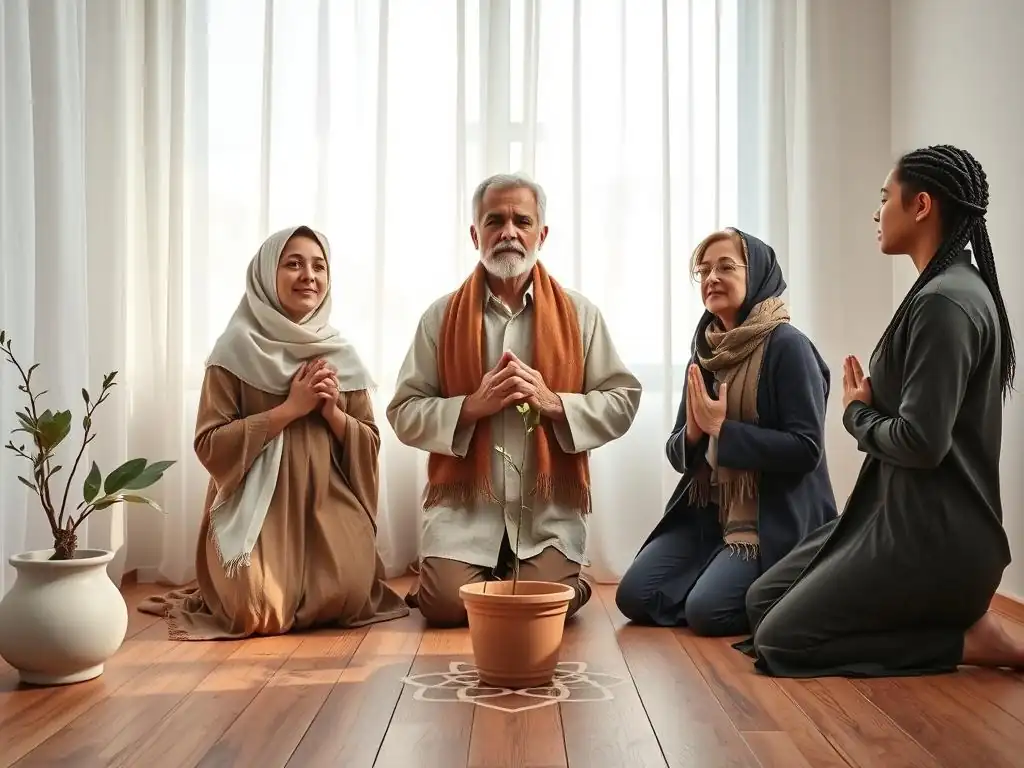
How Mental Health Professionals Can Respect and Incorporate Religious Beliefs
Mental health professionals can significantly enhance the effectiveness of care by respecting and incorporating clients' religious beliefs. This begins with cultural humility – acknowledging that one does not fully understand another's faith but is willing to learn. Professionals should inquire about a client's religious or spiritual background, asking how faith impacts their understanding of their struggles and what role they would like it to play in their treatment.
Incorporating religious beliefs might involve using religious language or concepts that resonate with the client, exploring religious coping mechanisms they find helpful (like prayer or scripture), or collaborating with faith leaders if the client desires. It's crucial to differentiate between healthy religious coping and potentially harmful beliefs that might exacerbate distress (e.g., viewing illness as punishment). The goal is to integrate faith as a source of strength and support, aligning therapeutic goals with the client's religious mental health perspectives.
Case Study: Integrating Christian Prayer into Cognitive Behavioral Therapy for Depression
Consider a case study of a 45-year-old Christian woman experiencing depression. She finds traditional Cognitive Behavioral Therapy (CBT) helpful in identifying negative thought patterns but feels a disconnect because her faith is central to her life and coping. An empathetic therapist, respecting her religious mental health perspectives, might integrate prayer into her CBT sessions.
For example, when challenging negative automatic thoughts (e.g., "I am worthless"), the therapist could help her identify counter-statements grounded in her faith, such as biblical verses about God's love or inherent worth. The therapist might suggest incorporating prayer as a coping mechanism when she feels overwhelmed, reframing it as a form of mindfulness or seeking divine support. They could explore how her faith community can provide social support. This integration leverages her existing spiritual resources, making the therapy more relevant and empowering, leading to improved engagement and potentially better outcomes than a purely secular approach.
Resources for Faith-Based Mental Health Support
List of Organizations Offering Christian, Islamic, Jewish, Buddhist, and Hindu Mental Health Services
Numerous organizations exist worldwide that offer mental health services specifically tailored to different faith communities, recognizing the importance of religious mental health perspectives. These organizations often provide counseling from practitioners who understand the specific beliefs and cultural nuances of the faith, support groups rooted in religious principles, and educational resources.
Examples include Christian counseling centers, Islamic social services offering mental health support, Jewish community service agencies with mental health programs, Buddhist meditation centers offering guidance for emotional difficulties, and Hindu organizations promoting wellbeing through traditional practices and counseling. These groups serve as valuable bridges between faith and professional care.
Books and Articles on Christian, Islamic, Jewish, Buddhist, and Hindu Perspectives on Mental Health
A growing body of literature explores the intersection of faith and mental health across various traditions. Books and articles delve into Christian pastoral care, Islamic psychology, Jewish approaches to suffering and healing, Buddhist psychology and mindfulness applications, and Hindu philosophies on mind-body health.
These resources offer insights into how specific religious texts, traditions, and practices inform religious mental health perspectives. They can be valuable for individuals seeking to understand their own experiences through the lens of their faith, for faith leaders seeking to better support their congregations, and for mental health professionals aiming to provide culturally and religiously sensitive care.
Addressing Potential Conflicts Between Religious Beliefs and Modern Mental Health Practices
Navigating the complexities of religion and mental health requires addressing potential conflicts that may arise between specific religious beliefs and modern mental health practices. While many faith traditions are compatible with and even supportive of seeking professional help, certain interpretations or cultural beliefs can create barriers. For instance, a belief that mental illness is solely a spiritual problem or a result of personal sin can lead individuals to rely only on spiritual interventions and reject necessary medical or psychological treatment.
Conversely, some individuals may encounter mental health professionals who lack understanding or respect for their religious beliefs, leading to mistrust and disengagement from care. Open communication, cultural competence training for professionals, and dialogue within faith communities are essential to bridge these gaps. It's crucial to emphasize that seeking help for a treatable health condition is not a sign of weak faith and that effective care often integrates both medical/psychological and spiritual dimensions, honoring the individual's religious mental health perspectives.
Promoting Inclusivity and Understanding in Faith-Based Mental Health Support
Promoting inclusivity and understanding is vital within faith-based mental health support. This involves creating environments where individuals feel safe to discuss their struggles without fear of judgment or stigma, regardless of the specific nature of their mental health challenge or their level of religious observance. It requires faith leaders and community members to educate themselves about mental illness, viewing it with compassion and empathy rather than moral condemnation.
Inclusivity also means recognizing the diversity within each faith tradition and respecting individual paths to healing. It involves collaborating with mental health professionals, training religious leaders, and developing resources that are both clinically sound and theologically sensitive. By fostering open dialogue and mutual respect between faith communities and mental health providers, the potential for faith to be a powerful force for healing and support can be fully realized, enhancing religious mental health perspectives for the benefit of all.
Conclusion: The Power of Faith in Mental Wellbeing
The exploration of how different religions approach mental health reveals the significant and multifaceted role that faith can play in psychological wellbeing. Across diverse traditions, religious mental health perspectives offer frameworks for understanding suffering, sources of resilience, and pathways to healing. From the communal support found in Christianity, Islam, and Judaism, to the inner cultivation emphasized in Buddhism and Hinduism, faith traditions provide millions with vital resources for navigating life's challenges.
While potential for stigma exists, ongoing efforts within these communities, often in collaboration with mental health professionals, are working to dismantle barriers and promote a more compassionate and informed approach. By recognizing and respecting the power of faith, both individuals and healthcare systems can better harness the potential of religious and spiritual beliefs as integral components of comprehensive mental health support and healing journeys.
Frequently Asked Questions
What are some general differences in how major religions view mental health?
Different religions often have varying perspectives. Some emphasize spiritual practices like prayer and meditation as primary healing tools, while others integrate faith with modern therapeutic approaches. The emphasis on sin, forgiveness, and community also differs.
How can faith communities support individuals struggling with mental health issues?
Faith communities can provide crucial social support, reduce stigma, and offer resources. They can also connect individuals with mental health professionals who understand and respect their religious beliefs.
Does religious practice always have a positive impact on mental health?
Not always. While often beneficial, unhealthy religious beliefs or practices (like excessive guilt or isolation) can negatively impact mental well-being. It's crucial to find a balanced and healthy approach.
What role do religious leaders play in addressing mental health concerns?
Religious leaders can be important first points of contact for individuals seeking help. They can provide counseling, guidance, and referrals to qualified mental health professionals, acting as trusted sources of support.
Where can I find mental health professionals who understand and respect my religious beliefs?
Many directories list therapists who specialize in integrating faith and therapy. Look for professionals who are culturally competent and explicitly state their willingness to work within your religious framework.
Final Reflection: Weaving Faith and Wellbeing
The intersection of faith and mental health is no longer a niche discussion; it's a crucial conversation impacting millions globally. The increasing recognition of mental health challenges, coupled with the enduring power of religious belief, necessitates a deeper understanding of how different faiths approach healing and wellbeing. This exploration has highlighted the diverse, and sometimes contradictory, perspectives on mental illness, treatment, and the role of spirituality in recovery.
This journey through various religious approaches to mental health has profoundly impacted my understanding of the complex interplay between faith and personal experience. The sheer variety of perspectives—from the integration of prayer and ritual in some traditions to the stigma and shame associated with mental illness in others—underscores the urgent need for culturally sensitive and inclusive mental healthcare. The cure for boredom is curiosity. There is no cure for curiosity.
- Dorothy Parker. This quote resonates deeply, as curiosity about different faith perspectives has opened my eyes to the richness and complexity of human experience and the diverse pathways to healing.
Now, consider your own beliefs and experiences. How does your faith, or lack thereof, inform your understanding of mental health? What resources and support systems are available to you, and how can you actively cultivate a holistic approach to wellbeing that integrates your spiritual and emotional needs? Let this exploration be a catalyst for self-reflection and a commitment to fostering compassion and understanding in the ongoing dialogue surrounding faith and mental health.
Unlock Your Inner Peace: Explore Paths to Wellbeing
Thanks for taking the time to learn about the diverse approaches to mental health and healing across different religions. We hope this article provided valuable insights into the rich tapestry of spiritual practices supporting well-being. Now, it's time to take action!
- Deepen your understanding: Explore one spiritual practice mentioned that resonates with you. Research its core principles and practices further. This could involve reading a book, listening to a podcast, or attending a relevant online workshop.
- Connect with a community: Find a local group or online forum that shares similar beliefs and practices. Sharing your experiences can be incredibly supportive and enriching.
- Share your insights: Let's build a community of understanding around mental wellness. Share this article with someone who you think might find it helpful. What unique perspective did you gain from learning about different religious approaches to healing?
What spiritual practice are you most curious to explore further, and why?