
Single Women and Mental Health: Unique Pressures and Strengths


Welcome to Mind Care Guide, a space dedicated to nurturing your mental well-being.
Ever wondered about the unique pressures and hidden strengths that shape the mental health of single women? You're not alone. Our latest article, "Navigating Single Woman Mental Health", delves into this crucial topic, offering insights and resources to help you understand and thrive. Discover the support you deserve. Let's begin this journey together.
Navigating Single Woman Mental Health: Unique Pressures and Strengths
- Understanding the Mental Health Landscape for Single Women
- Specific Mental Health Challenges for Single Women
- Building Resilience and Mental Strength as a Single Woman
- Strategies for Improving Single Women's Mental Health
- Resources and Support for Single Women's Mental Health
- Thriving as a Single Woman: A Positive Mental Health Outlook
-
Frequently Asked Questions
- What are some of the unique pressures that single women often face that can impact their mental health?
- How can single women leverage their strengths to improve their mental well-being?
- What are some practical strategies single women can use to combat feelings of loneliness or isolation?
- Where can single women find resources specifically tailored to address their mental health needs?
- How can single women effectively manage the stress associated with financial independence and career advancement?
- Final Reflection: Embracing Resilience in Singleness
- Unlock Your Inner Strength: Nurture Your Wellbeing
Understanding the Mental Health Landscape for Single Women
The Societal Pressures Faced by Unmarried Women
Single women often encounter distinct societal pressures that can significantly impact their mental well-being. These pressures frequently stem from traditional expectations surrounding marriage, family formation, and a woman's role within society. For instance, the persistent questioning about relationship status or the assumption that singlehood is merely a temporary state before finding a partner can create feelings of inadequacy or being "left behind." This constant scrutiny, sometimes subtle and other times overt, contributes to a background hum of stress and anxiety as single women navigate their daily lives.
Furthermore, the narrative often presented in media and popular culture can reinforce the idea that a woman's happiness and fulfillment are contingent upon being in a romantic relationship or starting a family. This can lead to internal conflict for single women who may feel perfectly content and fulfilled in their lives yet are made to feel as though something is missing.
The pressure to conform to these external benchmarks, whether from family, friends, or society at large, adds another layer of complexity to navigating single woman mental health, requiring resilience and a strong sense of self-worth to counteract these external forces.
Mental Health Statistics: Single vs. Married Women
While comprehensive, up-to-the-minute global statistics specifically comparing the mental health of single versus married women are complex and vary by region and demographic, general trends from numerous studies indicate nuanced differences. Some research suggests that single women may report higher levels of certain stressors compared to their married counterparts, such as financial instability or social isolation, which can correlate with increased risks of anxiety or depression.
For example, data from some Western countries has shown that while married individuals across genders often report slightly higher levels of happiness on average, this difference is not universal and is heavily influenced by the quality of the marriage and the individual's circumstances.
Conversely, other studies highlight that single women may exhibit higher levels of autonomy, stronger social networks outside of a spousal relationship, and greater personal growth, factors that are protective of mental health. Research published in journals focusing on family studies has pointed out that unmarried women often invest more in friendships and personal development, potentially buffering against some mental health challenges. Therefore, while navigating single woman mental health might involve confronting specific risk factors, it's crucial to recognize that singlehood also presents unique opportunities for building resilience and fostering well-being, challenging simplistic comparisons based solely on marital status.
Addressing the Stigma Surrounding Singlehood and Mental Well-being
The stigma associated with being single, particularly for women, can be a significant barrier to positive mental health. This stigma often manifests as pity, judgment, or the assumption that a single woman is somehow incomplete or undesirable. Such attitudes can lead to feelings of shame, isolation, and internalizing negative beliefs about one's own worth. Navigating single woman mental health requires actively challenging these ingrained societal biases and fostering a narrative that celebrates independence and self-sufficiency rather than pathologizing single status.
Combating this stigma involves both individual effort and broader societal shifts. On a personal level, it means single women recognizing and rejecting negative stereotypes, focusing on their achievements and fulfilling relationships outside of romance. Societally, it requires promoting diverse portrayals of single individuals in media, challenging outdated norms in conversations, and recognizing the validity and richness of lives lived outside of traditional partnership structures. Addressing this stigma is vital for creating an environment where single women feel empowered to discuss their mental health challenges openly and seek support without fear of judgment.
Specific Mental Health Challenges for Single Women
Loneliness is a pervasive challenge that many single women report experiencing, though it's important to distinguish between being alone and feeling lonely. While some single women thrive on solitude, others may struggle with a lack of consistent companionship or the absence of a primary intimate partner with whom to share life's ups and downs. This can be particularly acute during holidays, family events, or simply navigating daily life without a built-in support system often assumed within a partnership. The feeling of being disconnected, even when surrounded by others, is a significant factor in navigating single woman mental health.
Research consistently links chronic loneliness to increased risks of depression, anxiety, and even physical health issues. For single women, the societal emphasis on coupling can exacerbate these feelings, making loneliness feel like a personal failure rather than a common human experience. Building robust social networks and finding meaningful connections become paramount strategies for mitigating the impact of isolation and fostering a sense of belonging, which is crucial for emotional well-being.
Financial Strain and its Impact on Mental Health
Financial security is a significant factor in overall well-being, and single women often face unique financial pressures that can contribute to mental health challenges. Without a partner to share expenses like rent, mortgages, or daily living costs, the entire financial burden rests solely on their shoulders. This can lead to increased stress, anxiety about the future, and feelings of precariousness, especially in economies with high costs of living and stagnant wages. Data from government reports in several countries indicates that female-headed households, which include many single women, are disproportionately likely to experience financial hardship compared to coupled households.
Furthermore, the gender pay gap, although slowly narrowing in some areas, still means that women, on average, earn less than men. This disparity directly impacts a single woman's ability to save, invest, and build financial resilience, compounding the stress of managing finances alone. Navigating single woman mental health often involves navigating this financial landscape, requiring careful budgeting, planning, and sometimes seeking financial literacy resources to alleviate stress related to money concerns.
Career Pressures and Work-Life Balance Challenges for Single Women
Single women in the workforce often face distinct career pressures and challenges in achieving work-life balance. While coupled individuals may have a partner to share household responsibilities or provide emotional support after a demanding day, single women typically manage all aspects of their personal lives alongside their professional obligations. This can mean juggling demanding jobs with errands, appointments, household chores, and caring for elderly parents or other family members, often without a co-pilot. The mental load associated with managing these multiple spheres single-handedly can be immense.
Studies on workplace stress indicate that the feeling of being constantly "on" and having limited time for rest or personal pursuits significantly contributes to burnout, anxiety, and depression. For single women, the pressure to succeed professionally might be heightened as their career is often their primary source of financial security and personal identity. Navigating single woman mental health in this context requires conscious effort to set boundaries, prioritize rest, and advocate for flexible work arrangements where possible to prevent exhaustion and protect mental well-being.
Dating App Fatigue and its Effects on Self-Esteem
In the modern landscape, dating apps have become a common way to seek connection, but for many single women, they can contribute to significant mental health strain, often termed "dating app fatigue." The constant swiping, superficial interactions, ghosting, and potential for rejection can take a toll on self-esteem and emotional resilience. Spending hours curating profiles and engaging in conversations that lead nowhere can feel like a draining and unrewarding cycle, leading to feelings of frustration, disappointment, and even cynicism about finding a meaningful connection.
The curated nature of dating apps can also lead to unfavorable comparisons and unrealistic expectations, impacting body image and self-worth. The pressure to present a perfect, idealized version of oneself, coupled with the often transactional nature of online dating, can erode a single woman's confidence. Navigating single woman mental health in the digital dating age requires developing strategies to manage expectations, take breaks from apps, and remember that online interactions are not a reflection of one's intrinsic value.
Managing Expectations and Societal Judgments: Mental Load
Single women frequently carry a significant mental load related to managing external expectations and societal judgments. This goes beyond the practical tasks of managing a household alone; it encompasses the emotional labor of constantly fielding questions about their relationship status, defending their choices, or feeling obligated to explain their life path. There's often an unspoken pressure to appear happy, successful, and well-adjusted despite the unique challenges they face, adding another layer of stress.
This mental burden is exacerbated by unsolicited advice or pity from well-meaning (and sometimes not-so-well-meaning) individuals who cannot comprehend a fulfilling life outside of traditional coupledom. The effort required to navigate these social interactions, manage the emotional impact of judgment, and maintain a positive self-image while navigating single woman mental health is substantial. It demands significant emotional energy and resilience to tune out the noise and live authentically according to one's own values and desires.
Building Resilience and Mental Strength as a Single Woman
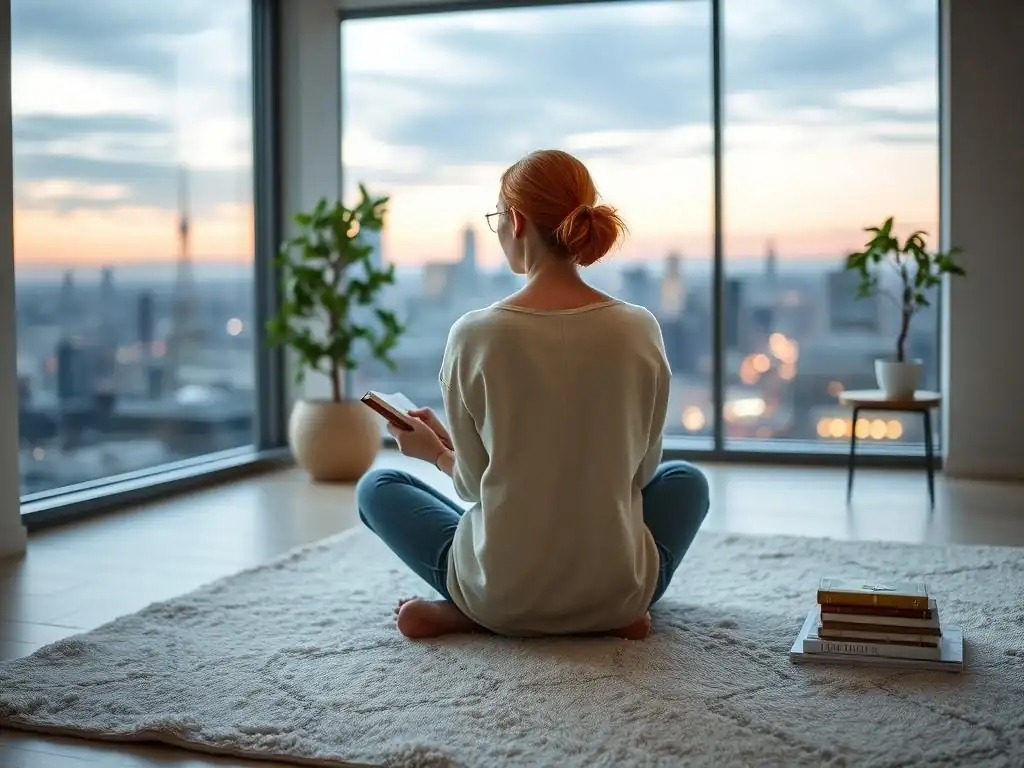
One of the most powerful strategies for navigating single woman mental health is the intentional cultivation of strong social connections and support networks. While a romantic partner can be a source of support, friendships, family ties, and community connections offer diverse forms of emotional, practical, and social buffering against stress and loneliness. Studies have repeatedly shown that individuals with robust social support systems have better mental health outcomes, reporting lower rates of depression and anxiety.
For single women, actively nurturing these relationships is not just a leisure activity but a vital component of well-being. This might involve scheduling regular calls with friends, joining clubs or groups based on shared interests, participating in community events, or establishing reciprocal support systems with other single individuals who understand similar challenges. Investing time and energy in these non-romantic relationships creates a safety net and a sense of belonging that is independent of relationship status.
Prioritizing Self-Care and Mental Wellness Activities
Prioritizing self-care is non-negotiable for navigating single woman mental health effectively. Self-care goes beyond spa days; it involves conscious decisions to protect one's energy, health, and emotional state. This includes ensuring adequate sleep, eating nutritious food, engaging in regular physical activity (even a simple walk), and scheduling time for rest and relaxation. For single women managing busy lives, setting aside dedicated time for these activities can feel challenging but is essential to prevent burnout.
Mental wellness activities are equally important. This might involve practicing mindfulness, journaling, engaging in hobbies, spending time in nature, or simply allowing oneself permission to do nothing without guilt. These practices help in managing stress, processing emotions, and maintaining a sense of inner peace. Making self-care a priority communicates to oneself that their well-being is valuable and deserving of attention, strengthening mental resilience.
Setting Healthy Boundaries in Relationships and Dating
Setting healthy boundaries is crucial for protecting mental health, especially when navigating relationships and the dating world as a single woman. This involves clearly defining what is acceptable and unacceptable behavior from others, whether they are friends, family, colleagues, or potential romantic partners. For instance, saying no to requests that overextend one's time or energy, limiting contact with people who are consistently negative or critical, and communicating needs directly are all forms of boundary setting.
In the context of dating, healthy boundaries are vital for maintaining self-respect and emotional safety. This could mean deciding not to respond to disrespectful messages, refusing to compromise on core values, taking breaks from dating when needed, or clearly communicating expectations. Establishing and enforcing these boundaries helps single women maintain control over their lives and interactions, reducing stress and protecting their emotional well-being from external pressures and negative influences.
Developing Financial Independence and Security
While financial challenges can be a source of stress, actively working towards financial independence and security is a powerful strategy for building resilience and improving mental health for single women. Gaining control over one's finances reduces anxiety about the future and provides a greater sense of stability and autonomy. This involves creating a budget, tracking expenses, building an emergency fund (aiming for three to six months of living expenses is a common goal), and paying down debt.
Educating oneself about personal finance, saving for retirement, and potentially investing are also steps towards long-term security. Many resources, including free online courses and workshops, are available to help women improve their financial literacy. Achieving financial competence and building a cushion provides peace of mind and empowers single women, allowing them to make life choices from a position of strength rather than necessity, significantly boosting confidence and reducing stress related to navigating single woman mental health.
Embracing Singlehood and Finding Joy in Independence
Embracing singlehood as a valid and fulfilling life choice is a fundamental aspect of building mental strength for single women. Rather than viewing singlehood as a temporary state or a waiting period, reframing it as an opportunity for self-discovery, personal growth, and pursuing passions can dramatically shift one's perspective and improve well-being. This involves actively challenging internalized societal norms that equate happiness solely with partnership.
Finding joy in independence means appreciating the freedom and autonomy that singlehood often affords. It's the freedom to make decisions about one's home, time, finances, and social life without needing to compromise or consult with a partner. It's an opportunity to delve deeply into hobbies, travel, build a career, and cultivate meaningful relationships across a broad spectrum. Embracing this independence fosters a strong sense of self and purpose, which are cornerstones of positive mental health when navigating single woman mental health.
Strategies for Improving Single Women's Mental Health
Seeking Professional Mental Health Support: Therapy and Counseling Options
Seeking professional mental health support is a courageous and effective strategy for single women facing mental health challenges. Therapists and counselors provide a safe, confidential space to explore feelings, understand challenges like loneliness or societal pressure, and develop coping mechanisms. Cognitive Behavioral Therapy (CBT), Dialectical Behavior Therapy (DBT), or simply talk therapy can be invaluable tools for processing experiences, challenging negative thought patterns, and building emotional resilience.
Accessing support might involve individual therapy sessions, group therapy focused on specific issues (like anxiety, depression, or relationship patterns), or counseling specifically tailored to life transitions or identity exploration. Many mental health professionals offer sliding scale fees or work with insurance, making support more accessible. Recognizing the need for help and taking the step to seek professional guidance is a sign of strength and a proactive approach to navigating single woman mental health.
Mindfulness and Meditation Practices for Stress Reduction
Incorporating mindfulness and meditation into a daily routine can significantly improve mental health for single women by reducing stress and increasing emotional regulation. Mindfulness involves paying attention to the present moment without judgment, which can help interrupt cycles of worry about the future or rumination about the past. Simple practices like mindful breathing, body scans, or mindful walking can be done anywhere, anytime.
Meditation, whether guided or unguided, offers a way to calm the nervous system, reduce cortisol levels (the stress hormone), and cultivate a sense of inner peace. Even just 5-10 minutes of daily practice has been shown in studies to improve mood, reduce anxiety, and enhance overall well-being. These practices provide single women with tools to ground themselves during stressful periods and foster a greater sense of calm and clarity while navigating single woman mental health.
Exercise and Physical Activity for Mood Enhancement
Regular exercise and physical activity are powerful natural mood enhancers and stress relievers, making them essential strategies for improving single women's mental health. Physical activity releases endorphins, which have mood-boosting effects and can help alleviate symptoms of depression and anxiety. Engaging in exercise also provides a sense of accomplishment and can improve sleep quality, which is vital for mental well-being.
Finding an activity that is enjoyable is key to maintaining consistency. This could be anything from dancing, yoga, running, swimming, hiking, or joining a fitness class. The social aspect of group fitness or exercising with a friend can also provide valuable connection. Making time for physical activity is an investment in both physical and mental health, offering a reliable way to manage stress and boost mood when navigating single woman mental health.
Creative Outlets and Hobbies for Emotional Expression
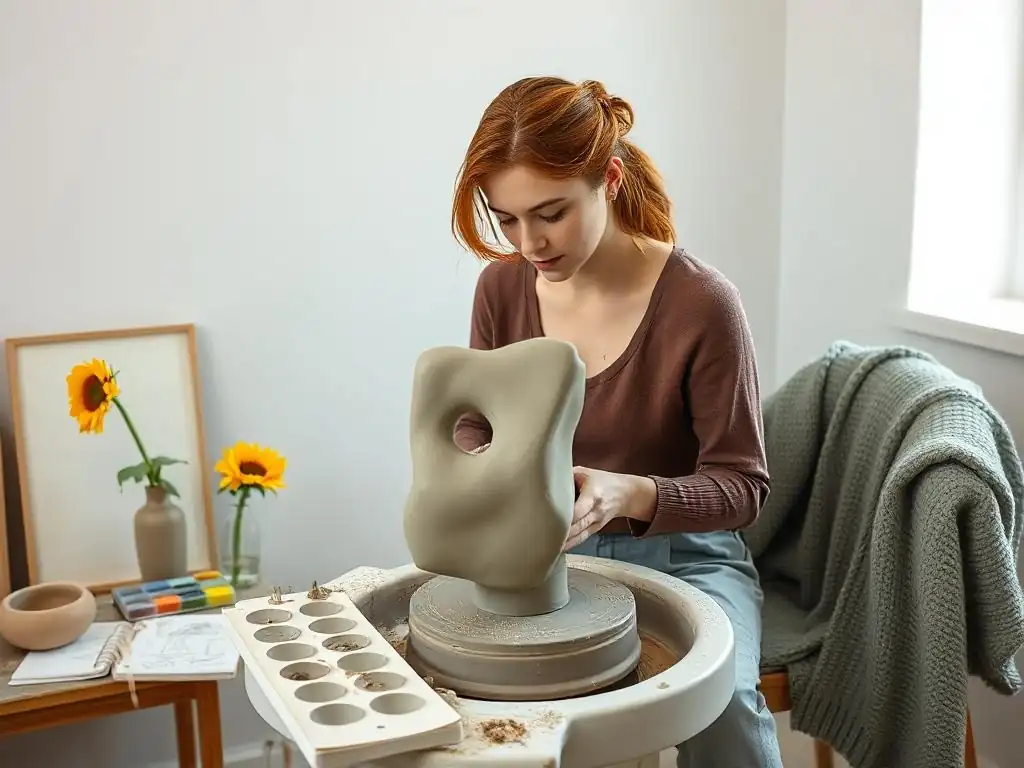
Engaging in creative outlets and hobbies provides single women with valuable avenues for emotional expression, stress relief, and personal fulfillment, all of which contribute positively to mental health. Activities like painting, writing, playing music, crafting, gardening, or cooking allow for self-expression and provide a sense of flow and enjoyment that can be deeply restorative. These activities offer a break from daily pressures and a space to explore one's inner world.
Hobbies also provide opportunities for learning new skills, connecting with others who share similar interests, and building a sense of mastery and accomplishment. Whether it's joining a writing group, taking a pottery class, or simply dedicating time each week to a personal project, these activities enrich life and provide a sense of purpose beyond work or relationships. Nurturing these creative sides is a vital part of navigating single woman mental health and fostering a rich inner life.
Building a Strong Sense of Purpose and Meaning
Building a strong sense of purpose and meaning is fundamental to long-term mental well-being, especially for single women who may face societal narratives suggesting their lives are less meaningful without a partner or children. Purpose can be found in various areas: contributing to one's community, pursuing a passionate career, dedicating time to a cause, nurturing deep friendships, or committing to personal growth and learning.
Identifying and pursuing activities and values that feel personally significant provides direction and motivation. Volunteering, mentoring, engaging in activism, or pursuing advanced education are just a few examples of how single women can build a life rich in meaning. Focusing on purpose shifts the focus from what might be perceived as "missing" to the abundance of opportunities for contribution and fulfillment, empowering single women as they navigate their mental health journey.
Resources and Support for Single Women's Mental Health
Online Communities and Support Groups
Online communities and support groups offer accessible and convenient resources for single women navigating mental health challenges. Platforms like Reddit, Facebook groups, or dedicated forums provide spaces where women can connect with others who share similar experiences, challenges, and triumphs. These groups can offer validation, practical advice, and emotional support from peers who truly understand the unique pressures and joys of single life.
Participating in these communities can help combat feelings of isolation and provide a sense of belonging. Sharing experiences and hearing from others can normalize feelings and offer new perspectives. However, it's important to choose well-moderated groups and prioritize personal safety and privacy when engaging online. These digital spaces can be powerful tools for building connections and finding support when navigating single woman mental health.
Mental Health Organizations and Helplines
Numerous national and local mental health organizations offer valuable resources, information, and support for anyone struggling with mental health, including single women. Organizations like the National Alliance on Mental Illness (NAMI) or Mental Health America (MHA) in the US, or similar bodies internationally, provide educational materials, local support group listings, and advocacy.
Helplines, such as crisis hotlines or warm lines, offer immediate support for those in distress or simply needing someone to talk to. These services are typically free, confidential, and available 24/7. Having a list of relevant organizations and helpline numbers readily available can be crucial for accessing help during difficult times and is an essential part of navigating single woman mental health proactively.
Books and Articles on Singlehood and Well-being
A wealth of literature, including books and articles, specifically addresses singlehood, female independence, and mental well-being. Reading personal essays, research-based books on the psychology of single life, or articles offering practical advice can provide validation, inspiration, and strategies for thriving. Authors and researchers specializing in single studies often challenge negative stereotypes and present empowering perspectives on living a fulfilling life outside of traditional partnership.
Exploring these resources can help single women feel understood, less alone, and equipped with knowledge and tools to navigate societal pressures and build a life aligned with their own values. From memoirs celebrating single adventures to psychological analyses of relationship dynamics, these materials offer diverse insights that support navigating single woman mental health and embracing independence.
Thriving as a Single Woman: A Positive Mental Health Outlook
Reframing Singlehood as a Choice and an Opportunity
Reframing singlehood from a perceived deficit or temporary state to a valid choice and a rich opportunity is key to fostering a positive mental health outlook. This involves consciously shifting perspective away from societal narratives that prioritize partnership above all else. For many women, singlehood is not a passive state but an active choice that aligns with personal values, career goals, or a desire for autonomy.
Viewing singlehood as an opportunity highlights the unique freedoms it offers: the freedom to structure one's time, pursue personal interests without compromise, make independent financial decisions, and build diverse relationships. This perspective empowers single women, granting them agency over their lives and fostering a sense of control and self-determination, which are foundational for navigating single woman mental health positively.
Celebrating Independence and Self-Discovery
Actively celebrating independence and embracing the journey of self-discovery are vital for thriving as a single woman. Independence isn't just about managing logistics alone; it's about cultivating self-reliance, trusting one's own judgment, and finding joy in one's own company. This can involve solo travel, pursuing personal projects, or simply enjoying quiet time without feeling the need to be constantly entertained or accompanied.
Singlehood often provides ample space and time for introspection and self-discovery. Without the dynamics and compromises inherent in a partnership, women have the freedom to explore their identities, values, and desires more fully. Celebrating these aspects of single life reinforces a positive self-image and builds confidence, contributing significantly to a resilient and positive approach to navigating single woman mental health.
Building a Fulfilling and Meaningful Life
Ultimately, thriving as a single woman involves building a life that is personally fulfilling and meaningful, regardless of relationship status. This means defining success and happiness on one's own terms, rather than adhering to external benchmarks. A fulfilling life can be built through a combination of career achievements, deep friendships, family connections, community involvement, creative pursuits, travel, and personal growth.
Focusing on creating a rich, multi-faceted life ensures that happiness is not dependent on a single source, such as a romantic partner. By investing in various areas of life that bring joy and purpose, single women build a strong foundation for well-being. This holistic approach is central to navigating single woman mental health and cultivating lasting happiness and contentment.
Overcoming Challenges and Embracing a Positive Future
Overcoming the unique challenges faced by single women and embracing a positive future requires resilience, self-compassion, and a proactive approach to mental well-being. It involves acknowledging the pressures and difficulties while simultaneously recognizing and leveraging the strengths and opportunities that singlehood presents. This journey is about building a life that feels authentic and joyful.
Embracing a positive future means believing in one's ability to create happiness and fulfillment, regardless of relationship status. It involves setting goals, nurturing supportive relationships, prioritizing self-care, and seeking help when needed. Navigating single woman mental health is an ongoing process, but with the right strategies and mindset, single women can not only cope with challenges but truly thrive, building lives rich in meaning, connection, and joy.
Frequently Asked Questions
What are some of the unique pressures that single women often face that can impact their mental health?
Single women may experience pressures related to societal expectations regarding relationships and family, financial independence, and a perceived lack of social support compared to those in partnered relationships.
How can single women leverage their strengths to improve their mental well-being?
Single women can focus on their independence and autonomy, cultivate strong social connections with friends and family, and pursue personal growth and fulfillment through hobbies and career goals.
What are some practical strategies single women can use to combat feelings of loneliness or isolation?
Actively engaging in social activities, joining groups with shared interests, and seeking out volunteer opportunities can help build connections and combat feelings of isolation. Focusing on self-care is also crucial.
Where can single women find resources specifically tailored to address their mental health needs?
Resources can include online communities, support groups designed for single individuals, therapists specializing in women's issues, and websites like Mind Care Guide offering information on mental well-being.
How can single women effectively manage the stress associated with financial independence and career advancement?
Creating a budget and financial plan, seeking mentorship opportunities, and practicing stress-reducing techniques such as mindfulness or exercise can help manage financial and career-related stress.
Final Reflection: Embracing Resilience in Singleness
The unique pressures faced by single women in today's society are undeniable, yet their resilience and strength in navigating these challenges are equally profound. This article has explored the multifaceted nature of mental health within the context of singlehood, highlighting the societal expectations, financial burdens, and emotional complexities that can significantly impact well-being. However, it's crucial to remember that these pressures are not insurmountable; they are opportunities for growth, self-discovery, and the forging of remarkable inner strength.
The journey of a single woman is often a tapestry woven with threads of independence, self-reliance, and a profound understanding of self. This journey, while sometimes fraught with difficulty, ultimately shapes a unique perspective and resilience that is both admirable and inspiring. The single woman is a powerful force, capable of creating her own happiness and defining her own success on her own terms.
This quote, while not from a specific source, encapsulates the spirit of empowerment and self-determination that many single women embody. The societal narratives surrounding singlehood need to shift from deficit-based framing to one that celebrates the agency and strength found within this life path.
Now, consider your own life. Are you a single woman navigating these complexities? Or do you know someone who is? Take a moment to reflect on the strength and resilience you or they possess.
Recognize the challenges, but also celebrate the triumphs, the independence, and the unique opportunities that come with choosing, or finding yourself in, a life of singlehood. Let this article serve as a reminder that you are not alone, and that your journey, however unique, is one of immense value and potential. Embrace your strength, nurture your well-being, and continue to build a life filled with purpose, joy, and self-love.
Unlock Your Inner Strength: Nurture Your Wellbeing
Thanks for taking the time to explore the unique mental health landscape for single women with Mind Care Guide. We hope you found valuable insights and encouragement within this article. Now, it's time to put that knowledge into action!
- Prioritize self-care this week: Schedule one activity – even just 15 minutes – that nourishes your mind, body, and soul. This could be a relaxing bath, a walk in nature, or simply enjoying a good book.
- Connect with a supportive community: Share your thoughts and experiences (anonymously if you prefer) in the comments below. Let's build a space of understanding and mutual support.
- Challenge a limiting belief: Identify one negative thought pattern about singlehood and actively challenge it. Replace it with a more empowering and positive affirmation.
Ready to embark on this journey of self-discovery and well-being? What small step will you take today to prioritize your mental health?