
Diagnosing Separation Anxiety: A Guide for All Ages


Welcome to Mind Care Guide, your sanctuary for understanding and nurturing mental well-being.
Feeling uncertain about a loved one's distress when separated? It's natural to worry. Our comprehensive guide, " Separation Anxiety Diagnosis Symptoms Guide," offers compassionate insights into recognizing the signs of separation anxiety across all ages. Delve in to learn more, find support, and empower yourself with knowledge. Let's navigate this journey together.
Diagnosing Separation Anxiety: A Guide for All Ages - Mind Care Guide
- Understanding Separation Anxiety: A Comprehensive Guide
- Separation Anxiety Diagnosis Symptoms Guide: Identifying the Signs
- Separation Anxiety Diagnosis: A Step-by-Step Process
- Diagnosing Separation Anxiety: Using the DSM-5 Criteria
- Differentiating Separation Anxiety from Other Anxiety Disorders
- Seeking Professional Help: Finding a Qualified Mental Health Professional
- Treatment Options After a Separation Anxiety Diagnosis
- Supporting Someone with a Separation Anxiety Diagnosis
- Long-Term Management of Separation Anxiety: Building Resilience
- Resources for Separation Anxiety Support
-
Frequently Asked Questions
- What are the key symptoms that might indicate separation anxiety in adults?
- How is separation anxiety diagnosed according to the Mind Care Guide?
- Is separation anxiety only a childhood disorder, or can it affect adults too, according to the Separation Anxiety Diagnosis Symptoms Guide?
- What resources does the Mind Care Guide recommend for individuals struggling with separation anxiety?
- What is the difference between normal anxiety about separation and separation anxiety disorder?
- Final Reflection: Understanding and Overcoming Separation Anxiety
- Unlock Your Pet's Confidence: Next Steps to a Happier Home
Understanding Separation Anxiety: A Comprehensive Guide
What is Separation Anxiety Disorder (SAD)? Defining the Core Issue
Separation Anxiety Disorder (SAD) is a mental health condition characterized by excessive fear or anxiety concerning separation from home or from those to whom the individual is attached. This anxiety is beyond what is expected for the person's developmental level and causes significant distress or impairment in social, academic, occupational, or other important areas of functioning. While commonly associated with childhood, SAD can also affect adolescents and adults, presenting with similar underlying fears but manifesting in different life contexts. It's crucial to understand this core definition when seeking a separation anxiety diagnosis symptoms guide.
Unlike typical homesickness or brief worry when a loved one leaves, SAD involves intense, persistent anxiety that disrupts daily life. The fear is often centered around potential harm befalling the attached figure or the individual themselves during separation, leading to an unwillingness to be alone, reluctance to sleep away from home, or excessive worry about losing the attachment figure. Recognizing this distinction is a key part of understanding the separation anxiety diagnosis symptoms guide for any age group.
Separation Anxiety vs. Normal Separation Fears: Recognizing the Difference
Normal separation fears are a natural part of development, particularly in infancy and early childhood. A baby crying when a parent leaves the room or a toddler having a brief tantrum at daycare drop-off are common and typically resolve as the child matures and develops coping skills. These fears are usually transient and do not cause significant, long-term impairment in functioning. They are a healthy sign of attachment.
In contrast, Separation Anxiety Disorder involves distress that is disproportionate to the developmental level and the actual situation. The anxiety is persistent, often lasting for months, and leads to avoidance behaviors or significant distress that interferes with school, work, or social activities. For example, a child with SAD might refuse to go to school for weeks, or an adult might struggle to maintain relationships or employment due to intense worry when apart from a partner. Understanding this severity and persistence is vital when using a separation anxiety diagnosis symptoms guide.
Separation Anxiety Diagnosis Symptoms Guide: Identifying the Signs
Separation Anxiety Symptoms in Children: Key Indicators to Watch For
Identifying separation anxiety symptoms in children involves observing their behavior and emotional responses when faced with separation. These symptoms are typically present for at least four weeks and cause significant distress or impairment. A comprehensive separation anxiety diagnosis symptoms guide for children often highlights specific fears and behaviors that are excessive for their age.
Key indicators include recurrent excessive distress when anticipating or experiencing separation from home or major attachment figures, persistent and excessive worry about losing major attachment figures or about possible harm to them, such as illness, injury, disasters, or death. Children may also exhibit persistent and excessive worry about experiencing an untoward event (e.g., getting lost, being kidnapped) that causes separation from a major attachment figure.
Common Childhood Separation Anxiety Triggers: School, Bedtime, Parental Absence
Certain situations commonly trigger separation anxiety symptoms in children. School is a primary trigger, leading to school refusal or difficulty staying in class. This isn't just a dislike of school but intense fear related to being away from home or parents. Approximately 75% of children with SAD exhibit school refusal at some point.
Bedtime can also be challenging, with children insisting on sleeping near a parent or refusing to sleep alone. Travel or visits away from home (like sleepovers) are often avoided entirely. Any situation requiring separation from the primary caregiver, even for a short period, can trigger significant distress, highlighting the need for a detailed separation anxiety diagnosis symptoms guide.
Behavioral Signs of Separation Anxiety in Kids: Clinging, Tantrums, Refusal to Attend School
The behavioral manifestations of separation anxiety in children can be varied and intense. Clinging to parents, following them around the house, and refusing to play alone are common. Tantrums, crying, screaming, or freezing up when separation is imminent are also frequent.
Refusal to attend school or difficulty staying at school is a hallmark sign, often accompanied by physical complaints like stomachaches or headaches just before school. Children might also demand constant contact with parents when apart (e.g., frequent phone calls) or have difficulty sleeping alone, sometimes insisting on sleeping in a parent's bed. These behaviors, when persistent and excessive, are critical points in a separation anxiety diagnosis symptoms guide for pediatric cases.
Separation Anxiety Symptoms in Adults: Recognizing the Adult Manifestation
Separation Anxiety Disorder in adults was officially recognized in the DSM-5, acknowledging that it's not solely a childhood condition. Adult separation anxiety symptoms can be more complex, often intertwined with relationship dynamics and impacting work or social life. A separation anxiety diagnosis symptoms guide for adults focuses on how these fears manifest in adult responsibilities and relationships.
Symptoms in adults include recurrent excessive distress when anticipating or experiencing separation from home or major attachment figures (often a partner or adult child), persistent and excessive worry about losing major attachment figures, or about possible harm to them. Adults may also worry excessively about experiencing an untoward event (e.g., an accident, illness) that separates them from a major attachment figure. This distress is often present for at least six months.
Adult Separation Anxiety: Relationship Dynamics and Attachment Styles
Adult separation anxiety significantly impacts relationships. Individuals may struggle with independence within relationships, exhibiting excessive reliance on their partner, difficulty being alone, or constantly needing reassurance of the partner's whereabouts and safety.
This can stem from or be related to insecure attachment styles developed in childhood. The fear of abandonment or harm to a loved one can lead to controlling behaviors, intense jealousy, or difficulty with normal periods of separation like business trips or social outings. Understanding these dynamics is crucial when applying a separation anxiety diagnosis symptoms guide to adults.
Physical Symptoms of Separation Anxiety in Adults: Headaches, Stomachaches, Panic Attacks
Like children, adults with separation anxiety can experience physical symptoms triggered by anticipated or actual separation. These are often stress-related and can include headaches, stomachaches, nausea, or muscle tension.
More severe physical manifestations can include panic attacks when faced with separation. These attacks involve intense fear accompanied by symptoms like racing heart, shortness of breath, dizziness, shaking, and a feeling of losing control or impending doom. Recognizing these physical signs is an important part of a comprehensive separation anxiety diagnosis symptoms guide for adults.
Separation Anxiety Diagnosis: A Step-by-Step Process
Initial Assessment: Gathering Information about Separation Anxiety
The initial step in obtaining a separation anxiety diagnosis involves a thorough assessment to gather information about the individual's history, symptoms, and the impact of these symptoms on their life. This process is crucial for understanding the full scope of the potential disorder and forms the foundation of the separation anxiety diagnosis symptoms guide application.
For children, this often involves interviews with parents or caregivers, as they are the primary observers of the child's behavior and fears. For adults, it includes self-reporting and potentially interviews with partners or family members. The goal is to build a detailed picture of the anxiety, its triggers, duration, and severity.
Parent/Caregiver Interviews: Essential for Child Separation Anxiety Diagnosis
Interviews with parents or caregivers are indispensable when assessing a child for separation anxiety. Parents can provide detailed accounts of the child's behavior at home, school refusal issues, sleep difficulties, and reactions to separation. They can describe the history of the symptoms, when they started, and how they have progressed.
Information gathered includes specific fears the child expresses about separation, the intensity and frequency of distress, avoidance behaviors, and any physical complaints. Parents can also shed light on family history of anxiety or related conditions, which can be relevant to the separation anxiety diagnosis symptoms guide process.
Self-Reporting Questionnaires for Adults: Beck Anxiety Inventory (BAI), Adult Separation Anxiety Questionnaire (ASA-27)
For adults, self-reporting questionnaires are valuable tools in the initial assessment phase. Instruments like the Beck Anxiety Inventory (BAI) can help gauge the severity of general anxiety symptoms. More specific to separation anxiety is the Adult Separation Anxiety Questionnaire (ASA-27).
The ASA-27 consists of 27 items assessing various aspects of separation anxiety in adults, such as fear of being alone, worry about loved ones' safety, and difficulty sleeping without a partner nearby. These questionnaires provide standardized measures that help clinicians evaluate the presence and severity of symptoms, contributing to a more objective separation anxiety diagnosis symptoms guide application.
Psychological Evaluation: Assessing the Severity of Separation Anxiety
Following the initial assessment, a psychological evaluation is conducted by a qualified mental health professional. This involves a clinical interview and potentially the use of standardized psychological tests to assess the severity of the anxiety, explore underlying issues, and confirm the separation anxiety diagnosis symptoms guide findings.
The evaluation aims to understand the individual's internal experience of anxiety, their thought patterns related to separation, and how the symptoms are impacting their daily functioning across different environments – school, work, social life, and family.
Clinical Interview: Exploring the History and Impact of Separation Anxiety
The clinical interview is a core component of the psychological evaluation. The therapist will ask detailed questions about the onset, duration, and intensity of separation anxiety symptoms. They will explore specific fears, triggers, and coping mechanisms the individual currently uses.
For adults, the interview will delve into relationship history, attachment patterns, and how the anxiety affects their personal and professional life. For children, the interview may involve talking to the child directly (depending on age and comfort level) as well as gathering more in-depth information from parents about the child's emotional world and behaviors. This comprehensive history helps solidify the separation anxiety diagnosis symptoms guide assessment.
Ruling Out Other Conditions: Differential Diagnosis for Anxiety Disorders
A crucial part of the diagnostic process is ruling out other conditions that might present with similar symptoms. This is known as differential diagnosis. Anxiety disorders often overlap in symptoms, and it's vital to distinguish SAD from conditions like Generalized Anxiety Disorder (GAD), Social Anxiety Disorder, Panic Disorder, or even conditions like agoraphobia or adjustment disorder.
For instance, a child refusing school might have SAD, but it could also be social anxiety, a specific phobia (like fear of the school itself), or related to bullying. An adult avoiding being alone could have SAD, but it might also be part of a panic disorder with agoraphobia. A thorough differential diagnosis ensures the most accurate separation anxiety diagnosis symptoms guide application and leads to appropriate treatment.
Diagnosing Separation Anxiety: Using the DSM-5 Criteria

Understanding the DSM-5 Criteria for Separation Anxiety Disorder
The official diagnosis of Separation Anxiety Disorder is made based on the criteria outlined in the Diagnostic and Statistical Manual of Mental Disorders, Fifth Edition (DSM-5). The DSM-5 provides specific guidelines regarding the number, type, duration, and impact of symptoms required for a diagnosis. Familiarity with these criteria is essential for anyone using a separation anxiety diagnosis symptoms guide.
The criteria list symptoms such as recurrent excessive distress upon separation, persistent worry about harm to attachment figures or self, reluctance to go out due to separation fears, reluctance to be alone, refusal to sleep away from home, repeated nightmares about separation, and repeated physical symptoms (e.g., headaches, nausea, vomiting) when separation occurs.
Meeting the Diagnostic Threshold: Frequency, Duration, and Impact
To meet the DSM-5 diagnostic threshold for SAD, the symptoms must not only be present but also meet specific criteria regarding frequency, duration, and impact. For children and adolescents, the symptoms must persist for at least four weeks. For adults, the symptoms must persist for at least six months.
Crucially, the anxiety, worry, or avoidance must cause clinically significant distress or impairment in social, academic, occupational, or other important areas of functioning. This means the symptoms are severe enough to interfere with daily life, preventing the individual from participating in activities appropriate for their age or role. Simply experiencing occasional worry when separated does not meet the criteria for a separation anxiety diagnosis symptoms guide classification of SAD.
Differentiating Separation Anxiety from Other Anxiety Disorders
Separation Anxiety vs. Generalized Anxiety Disorder (GAD): Key Differences
While both Separation Anxiety Disorder and Generalized Anxiety Disorder involve excessive worry, the focus of the worry differs significantly. In SAD, the central fear revolves around separation from specific attachment figures or home, and potential harm befalling them or oneself during separation.
In contrast, GAD involves excessive worry about a wide range of everyday issues and events, such as work performance, finances, health, or minor matters. The worry is generalized and not tied specifically to separation. While a person with GAD might worry about a loved one, it's usually part of a broader pattern of worrying about many things, not just separation. This distinction is critical in applying the separation anxiety diagnosis symptoms guide correctly.
Both Separation Anxiety Disorder and Social Anxiety Disorder (also abbreviated as SAD, which can be confusing) involve anxiety and avoidance, but the source of the fear is different. Social Anxiety Disorder involves fear of social situations where one might be scrutinized, judged, or embarrassed by others. Avoidance is centered on social interactions or performance situations.
Separation Anxiety Disorder, however, is focused on the fear of being separated from attachment figures. While a child with SAD might refuse school, the underlying fear is being away from parents, not necessarily interacting with peers or teachers. An adult with SAD might avoid going out alone, not because of fear of social interaction, but because of fear related to being separated from their partner. Understanding this specific fear focus is key to using a separation anxiety diagnosis symptoms guide.
Comorbidity: Separation Anxiety and Other Mental Health Conditions
It is common for Separation Anxiety Disorder to occur alongside other mental health conditions. This is known as comorbidity. Other anxiety disorders, such as Generalized Anxiety Disorder, Social Anxiety Disorder, or Panic Disorder, frequently co-occur with SAD.
Additionally, SAD can be comorbid with depressive disorders, oppositional defiant disorder, or specific phobias. In adults, it may also co-occur with personality disorders or substance use disorders. When applying a separation anxiety diagnosis symptoms guide, clinicians must assess for these co-occurring conditions, as they can influence the presentation of symptoms and the overall treatment plan. Approximately 50% of individuals with SAD have at least one other anxiety disorder.
Seeking Professional Help: Finding a Qualified Mental Health Professional
When to Seek Professional Help for Separation Anxiety: A Guide
Knowing when to seek professional help is crucial. If separation-related fears and anxieties are persistent, intense, and causing significant distress or impairment in daily life – interfering with school, work, social activities, or family functioning – it is time to consult a mental health professional.
For children, this might look like chronic school refusal, inability to participate in age-appropriate activities away from parents, or significant physical symptoms related to separation. For adults, it could be difficulty maintaining relationships, inability to work outside the home, or frequent panic attacks related to separation. A professional can provide an accurate separation anxiety diagnosis symptoms guide assessment and recommend appropriate treatment.
Several types of mental health professionals are qualified to diagnose and treat Separation Anxiety Disorder. These include licensed psychologists, psychiatrists, licensed clinical social workers (LCSWs), and licensed professional counselors (LPCs).
Psychologists and LCSWs often provide therapy, such as Cognitive Behavioral Therapy (CBT) or exposure therapy, which are frontline treatments for SAD. Psychiatrists can also provide therapy but are primarily focused on medication management if necessary. The choice of professional may depend on the severity of symptoms and whether medication is being considered alongside therapy, guided by the separation anxiety diagnosis symptoms guide assessment.
Preparing for a Separation Anxiety Diagnosis Appointment: What to Expect
Preparing for an appointment can help ensure you provide the most relevant information for a separation anxiety diagnosis symptoms guide assessment.
- [ ] Make a list of specific symptoms observed, including when they started, how often they occur, and how intense they are.
- [ ] Note down specific triggers for the anxiety (e.g., school, bedtime, partner leaving).
- [ ] Describe how the symptoms impact daily life (school attendance, work, social activities, sleep, physical health).
- [ ] Gather information about family history of anxiety or other mental health conditions.
- [ ] For a child, parents should be prepared to discuss developmental history and any significant life events (e.g., moving, illness).
- [ ] Be ready to answer questions about physical health and any medications being taken.
The professional will likely conduct an in-depth interview and may use questionnaires or other assessment tools to gather information and apply the separation anxiety diagnosis symptoms guide criteria.
Treatment Options After a Separation Anxiety Diagnosis
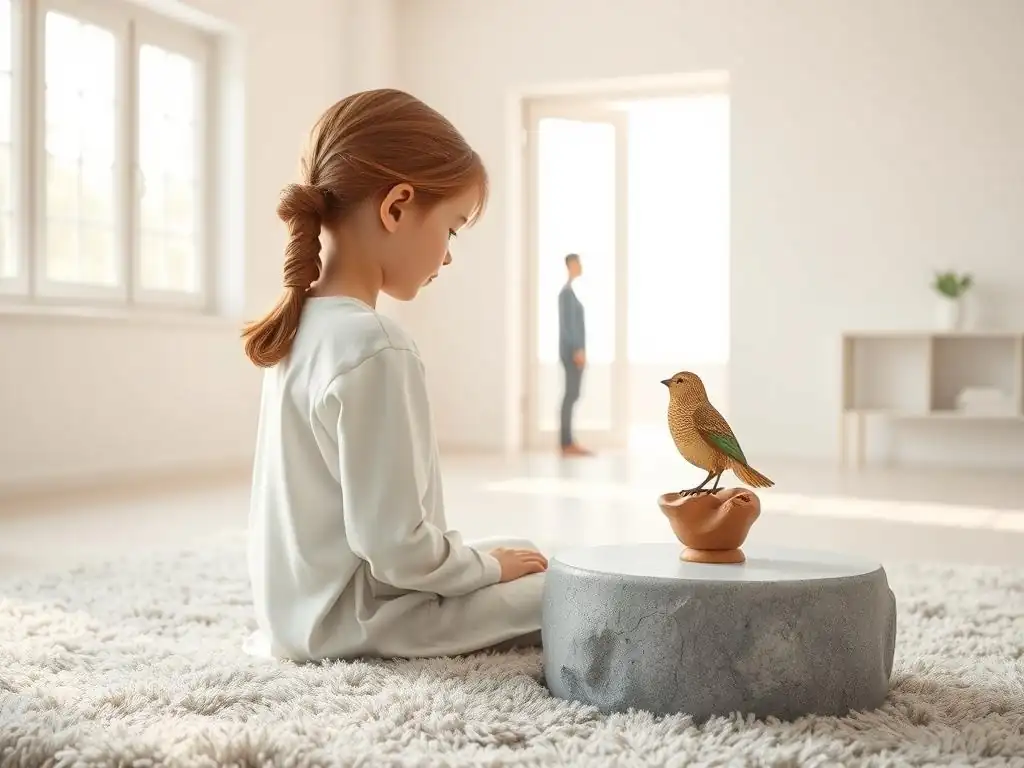
Therapy for Separation Anxiety: Cognitive Behavioral Therapy (CBT), Exposure Therapy
Therapy is the primary and most effective treatment for Separation Anxiety Disorder for both children and adults. Cognitive Behavioral Therapy (CBT) is widely used and helps individuals identify and challenge the anxious thoughts associated with separation. It teaches coping strategies and relaxation techniques.
Exposure therapy, often a component of CBT, involves gradually exposing the individual to situations that trigger their separation anxiety in a safe and controlled environment. For a child, this might start with short periods away from parents and gradually increase the duration or distance. For an adult, it might involve spending short periods alone at home. This systematic desensitization helps reduce the fear response over time, guided by the separation anxiety diagnosis symptoms guide understanding.
Medication for Separation Anxiety: When and How it's Used
Medication is not typically the first-line treatment for Separation Anxiety Disorder, especially in children. However, it may be considered in more severe cases, when therapy alone is not sufficiently effective, or when SAD is comorbid with other conditions like depression or panic disorder.
Selective Serotonin Reuptake Inhibitors (SSRIs) are the most commonly prescribed type of medication for anxiety disorders, including SAD. They work by affecting neurotransmitter levels in the brain. Medication is usually used in conjunction with therapy, not as a standalone treatment, and is prescribed and monitored by a psychiatrist or medical doctor experienced in treating mental health conditions. The decision to use medication is based on a comprehensive separation anxiety diagnosis symptoms guide assessment and the individual's specific needs.
Lifestyle Changes to Manage Separation Anxiety: Regular Exercise, Mindfulness, Sleep Hygiene
Alongside therapy and potentially medication, certain lifestyle changes can significantly help manage separation anxiety symptoms. Regular physical exercise is known to reduce anxiety and improve mood. Aiming for at least 30 minutes of moderate exercise most days of the week can be beneficial.
Mindfulness techniques, such as meditation, deep breathing exercises, and yoga, can help individuals stay present and manage anxious thoughts and physical symptoms. Establishing good sleep hygiene – maintaining a consistent sleep schedule, creating a relaxing bedtime routine, and ensuring the bedroom is conducive to sleep – is also important, as anxiety can disrupt sleep patterns. These strategies complement the formal treatment following a separation anxiety diagnosis symptoms guide.
Supporting Someone with a Separation Anxiety Diagnosis
Tips for Parents of Children with Separation Anxiety: Gradual Exposure, Positive Reinforcement
Supporting a child with a separation anxiety diagnosis requires patience, understanding, and a consistent approach. Gradual exposure is key; avoid sudden, prolonged separations if possible. Start with very short periods of separation in a familiar environment and gradually increase the time and distance as the child becomes more comfortable.
Positive reinforcement is essential. Praise and reward the child for brave behavior, even small steps like tolerating a few minutes alone or saying goodbye without excessive distress. Maintain a calm and confident demeanor during goodbyes. Avoid lengthy, tearful farewells, which can increase the child's anxiety. Collaborate with the child's school to implement strategies there as well.
Supporting Adults with Separation Anxiety: Understanding and Compassion
Supporting an adult with separation anxiety also requires understanding and compassion. Recognize that their fears are real and distressing, even if they seem irrational. Avoid dismissing their feelings or telling them to "just get over it."
Encourage them to seek and engage in professional treatment, whether it's therapy, medication, or both. Be patient with the process, as overcoming SAD takes time. Encourage gradual steps towards independence and tolerating separation, offering support without enabling avoidance behaviors. Open communication about their fears and progress is vital.
Long-Term Management of Separation Anxiety: Building Resilience
Coping Strategies for Separation Anxiety: Developing Healthy Mechanisms
Long-term management of separation anxiety focuses on building resilience and developing healthy coping mechanisms. This involves teaching individuals how to tolerate distress, challenge anxious thoughts, and manage physical symptoms when separation occurs.
Coping strategies learned in therapy, such as cognitive restructuring (identifying and changing negative thought patterns), relaxation techniques (deep breathing, progressive muscle relaxation), and problem-solving skills, are crucial. Developing a "separation plan" or routine for goodbyes can also provide a sense of control and predictability.
Building Independence and Self-Esteem: Fostering Resilience
Building independence is a critical aspect of long-term recovery from Separation Anxiety Disorder. This involves gradually increasing the individual's comfort with being alone or separated from attachment figures. For children, this might mean encouraging playdates away from home or participating in extracurricular activities. For adults, it could involve pursuing hobbies independently, traveling for work, or simply spending time alone at home without constant contact with a partner.
Fostering self-esteem is also important, as individuals with SAD may develop a reliance on others that impacts their sense of self-worth. Encouraging mastery experiences, celebrating small successes in tolerating separation, and focusing on personal strengths can help build confidence and resilience against future anxiety related to separation, reinforcing the lessons learned from the separation anxiety diagnosis symptoms guide.
Resources for Separation Anxiety Support
Books and Websites on Separation Anxiety
Numerous resources are available for individuals and families seeking more information and support regarding Separation Anxiety Disorder. Books written by mental health professionals offer detailed insights into understanding and managing the disorder for both children and adults.
Reputable websites of mental health organizations often provide articles, fact sheets, and guides on separation anxiety, including detailed explanations of the separation anxiety diagnosis symptoms guide, treatment options, and coping strategies. Searching for resources specifically tailored to SAD in children or adults can provide targeted support.
Support Groups for Individuals with Separation Anxiety and Their Families.
Support groups offer a valuable source of connection, understanding, and shared experience for those affected by Separation Anxiety Disorder. Peer support groups allow individuals with SAD to connect with others facing similar challenges, reducing feelings of isolation and offering practical advice.
Support groups for parents or family members of individuals with SAD can provide a space to share experiences, learn coping strategies, and gain support from others navigating similar situations. These groups can be found locally or online through various mental health organizations, complementing the information gained from a separation anxiety diagnosis symptoms guide.
Frequently Asked Questions
What are the key symptoms that might indicate separation anxiety in adults?
Adult separation anxiety can manifest as excessive worry about losing loved ones, reluctance to leave home, and physical symptoms like panic attacks when separated. These feelings are disproportionate to the situation.
How is separation anxiety diagnosed according to the Mind Care Guide?
A mental health professional typically makes a diagnosis based on criteria outlined in the DSM-5, considering the duration, frequency, and intensity of symptoms. They'll also rule out other possible causes.
Is separation anxiety only a childhood disorder, or can it affect adults too, according to the Separation Anxiety Diagnosis Symptoms Guide?
While commonly associated with children, separation anxiety can persist into adulthood or even emerge for the first time. Factors like stressful life events can trigger it.
What resources does the Mind Care Guide recommend for individuals struggling with separation anxiety?
The guide suggests therapy (like CBT), support groups, and self-help strategies such as relaxation techniques and mindfulness exercises. Connecting with others is also crucial.
What is the difference between normal anxiety about separation and separation anxiety disorder?
Normal anxiety is temporary and manageable, while separation anxiety disorder involves persistent, excessive, and debilitating fear and distress that significantly impacts daily life. It causes significant impairment.
Final Reflection: Understanding and Overcoming Separation Anxiety
The pervasive nature of separation anxiety, affecting individuals across the lifespan, demands our continued attention and understanding. Its impact extends far beyond childhood tantrums, significantly influencing adult relationships, career success, and overall well-being. Ignoring its subtle signs can lead to years of unnecessary struggle, highlighting the critical need for early identification and intervention.
The journey of understanding separation anxiety is a deeply personal one, mirroring our own experiences with attachment and independence. It's a testament to the complex interplay between our innate needs for security and our drive for autonomy. The most important thing a father can do for his children is to love their mother.
This quote, while seemingly focused on family dynamics, speaks to the foundational role secure attachments play in mitigating separation anxiety throughout life. The ripple effect of healthy attachment styles, or the lack thereof, is profoundly felt across generations, shaping our responses to loss, change, and distance.
Now, consider your own experiences. Have you ever felt the pang of separation anxiety, whether as a child clinging to a parent or as an adult grappling with long-distance relationships or career transitions? Take a moment to reflect on the root causes of your anxieties and explore the tools and strategies discussed in this guide.
By understanding the nuances of separation anxiety and actively seeking support when needed, you can cultivate resilience and build healthier, more fulfilling connections with yourself and the world around you. The journey to overcoming separation anxiety is not a solitary one; embrace the support available and embark on a path towards greater emotional well-being.
Unlock Your Pet's Confidence: Next Steps to a Happier Home
Thanks for taking the time to learn about separation anxiety! We hope this guide provided valuable insights into understanding and addressing this common challenge. Now, let's put that knowledge into action.
- Develop a personalized separation anxiety plan: Based on what you've learned, create a step-by-step plan tailored to your pet's unique needs. Consider incorporating strategies like gradual desensitization, puzzle toys, and pheromone diffusers. This is the most impactful step you can take today.
- Join our online community: Connect with other pet owners facing similar situations. Share your experiences, ask questions, and offer support in our online forum (we'll add a link later!). It’s a great way to receive additional tips and tricks!
- Share this guide: Help other pet owners find the support they need by sharing this article with friends, family, or on your favorite social media platforms.
Ready to start building a more confident and relaxed life for your furry friend? What's the first step you'll take to implement a plan?