
Packing Guide for Your DeStressing Yoga Retreat

Welcome to Mind Care Guide.
Feeling overwhelmed by the thought of packing for your upcoming yoga retreat? We understand. Taking that step towards self-care is amazing, but the preparation can feel stressful. Let's ease your mind. Our DeStress Yoga Retreat Packing guide is designed to help you pack light, pack right, and arrive ready to fully embrace the tranquility you deserve. Ready to unpack the secrets to a stress-free packing experience? Let's begin...
Packing Guide for Your DeStress Yoga Retreat: What to Bring for Ultimate Relaxation
- Preparing for Your Yoga Retreat: The Ultimate Packing List for De-Stressing
- Clothing Essentials for a Relaxing Yoga Retreat
- Yoga Accessories and Gear for Enhanced Practice
- Wellness and Self-Care Essentials for a DeStress Yoga Retreat
- Health and Safety Items for Your Yoga Retreat
- Tech and Entertainment for Your Downtime (Optional)
- Travel Documents and Miscellaneous Items
- Post-Retreat: Unpacking and Integrating Your Experiences
-
Frequently Asked Questions
- What are the essential clothing items to pack for a DeStress Yoga Retreat?
- Should I bring my own yoga mat to a DeStress Yoga Retreat?
- What kind of toiletries should I include in my DeStress Yoga Retreat packing list?
- Are there any specific books or journals recommended for a DeStress Yoga Retreat?
- What else besides clothes and toiletries should I pack for a DeStress Yoga Retreat?
- Final Reflection: Unpacking the Power of Presence at Your Yoga Retreat
- Unwind and Embrace Your Yoga Journey!
Preparing for Your Yoga Retreat: The Ultimate Packing List for De-Stressing
Why Proper Packing is Crucial for a DeStress Yoga Retreat Experience
Embarking on a de-stress yoga retreat is a profound opportunity to disconnect from daily pressures and reconnect with your inner peace. However, arriving unprepared can inadvertently add stress, undermining the very purpose of your journey. A well-thought-out packing list ensures you have everything you need to feel comfortable, supported, and fully present throughout your retreat experience. This isn't just about throwing clothes in a bag; it's about curating items that will enhance your relaxation, support your practice, and handle practical needs, allowing you to truly surrender to the calming environment and activities designed for stress reduction.
Effective packing for a de-stress yoga retreat means anticipating your needs in a new environment. For instance, if your retreat is in a tropical setting, packing lightweight, breathable clothing and natural insect repellent is essential for physical comfort, which directly impacts your mental state. Conversely, a retreat in a cooler climate requires layers to stay warm and cozy during meditation or quiet reflection.
Taking the time to prepare your de-stress yoga retreat packing list is an act of self-care, minimizing potential anxieties about forgotten items and maximizing your ability to immerse yourself in the retreat's restorative atmosphere. Studies on travel stress indicate that feeling prepared significantly reduces pre-trip anxiety, setting a positive tone before you even arrive.
Understanding Your Retreat's Specific Needs
Before you begin packing, thoroughly review the details provided by your retreat center. Retreats vary greatly in location, climate, facilities, and the specific activities offered. For example, some yoga retreats might be rustic with limited amenities, requiring you to bring your own towels or toiletries, while others are luxury resorts providing everything. Understanding these specifics is key to creating an effective de-stress yoga retreat packing list tailored to your particular experience. Consider the schedule – are there specific workshops requiring different attire? Is there access to a pool, hot springs, or hiking trails?
Pay close attention to the climate and predicted weather for the duration of your stay. Even in typically warm destinations, evenings can be cool, especially for outdoor meditations or walks. Check if the retreat provides yoga mats and props, or if bringing your own is recommended or required.
Some retreats might have a specific dress code for meals or ceremonies. Knowing these details upfront prevents overpacking unnecessary items and ensures you have the essentials needed for comfort and participation, making your de-stress yoga retreat packing efficient and purposeful. For instance, a retreat focused on deep meditation might suggest bringing extra layers or a shawl for sitting comfortably for extended periods, a detail easily overlooked in general travel packing.
Clothing Essentials for a Relaxing Yoga Retreat
Yoga Apparel for Comfort and Flexibility: Finding the Right Fit
Choosing the right yoga apparel is fundamental for a comfortable and effective practice during your de-stress yoga retreat. The focus should be on flexibility, breathability, and comfort, allowing you to move freely through poses without restriction or distraction. Avoid clothing that is too tight, too loose, or made of itchy fabrics. Look for materials like organic cotton, bamboo, or synthetic blends designed to wick away moisture, keeping you dry and comfortable even during more active sessions. Bringing a few versatile sets means you'll always have clean, comfortable options ready for your practice sessions.
The fit of your yoga clothing significantly impacts your ability to focus. Pants that ride up or a top that constantly needs adjusting can pull you out of the present moment. Opt for items that stay in place during various movements, including inversions or forward folds. Consider the environment – lighter fabrics for warm climates, slightly thicker or layered options for cooler settings or evening practices. Packing 2-3 sets of comfortable yoga attire is generally sufficient for a week-long retreat, allowing for washing if facilities are available, or simply rotating through your options.
Must-Have Yoga Pants and Leggings
Yoga pants and leggings are cornerstone items for your de-stress yoga retreat packing. Look for options with a comfortable, non-binding waistband that stays put. Materials like spandex blends (often 10-20% spandex mixed with nylon, polyester, or cotton) offer excellent stretch and recovery. For a relaxed fit, consider flowy yoga pants made from bamboo or modal, which drape beautifully and feel soft against the skin, ideal for gentle practices or restorative sessions.
Aim for at least two pairs of your preferred style. A basic black or neutral pair is versatile, while a second pair in a different color or pattern can add a touch of personal style. Ensure they allow for a full range of motion – check if you can comfortably squat, lunge, and fold without restriction. Some popular styles include high-waisted leggings for core support or bootcut pants for a more relaxed feel.
Supportive and Breathable Yoga Tops
Your yoga tops should provide adequate coverage and support while allowing your skin to breathe. For women, supportive sports bras or built-in bra tops are crucial, especially for more dynamic yoga styles. Look for tops made from moisture-wicking fabrics to manage sweat effectively. Tank tops, short-sleeved tops, and long-sleeved tops can all be useful depending on the climate and personal preference.
Packing a mix of styles offers flexibility. A couple of fitted tank tops are great for active practices, while a looser, more breathable t-shirt or long-sleeved top might be preferred for slower flows, meditation, or cooler mornings. Ensure the tops are long enough not to ride up during inversions and allow for comfortable arm movements. Three to four yoga tops should suffice for a week-long retreat, providing options for layering.
Comfortable Loungewear for Downtime and Meditation
Beyond your yoga practice, comfortable loungewear is essential for maximizing relaxation during your de-stress yoga retreat. This clothing is for moments of rest, reading, journaling, meals, and meditation sessions outside of active practice. The focus here is purely on comfort and ease, allowing you to fully unwind and feel at home in your temporary space. Think soft fabrics, relaxed fits, and cozy layers.
Having dedicated loungewear helps differentiate between practice time and downtime, signaling to your body and mind that it's time to relax. A study on clothing psychology suggests that comfortable, soft clothing can contribute to feelings of safety and relaxation. Packing clothing specifically for lounging ensures you're not spending your rest periods in potentially damp yoga clothes or restrictive travel attire, further enhancing the restorative aspect of your retreat.
Cozy Sweaters and Hoodies
Even in warm climates, evenings can get cool, and indoor spaces might be air-conditioned. A cozy sweater, cardigan, or hoodie is a must-have for layering during your de-stress yoga retreat. These are perfect for wearing to and from yoga classes, during evening meditations, or simply while relaxing with a book.
Choose soft, warm materials like fleece, cotton blends, or wool depending on the climate. A versatile color that matches your other loungewear makes packing easier. One or two cozy layers should be sufficient, providing warmth and comfort when needed, helping you feel snug and secure.
Relaxing Pajamas and Sleepwear: Enhancing Your Sleep Quality
Quality sleep is a cornerstone of stress reduction and well-being, and comfortable sleepwear plays a role in achieving it. Pack soft, breathable pajamas or sleepwear that makes you feel comfortable and ready to rest. Avoid anything constricting or made of synthetic materials that might cause overheating.
Opt for natural fibers like cotton, bamboo, or silk if preferred. Packing dedicated sleepwear helps establish a bedtime routine, signaling to your body that it's time to wind down. Two sets of pajamas or sleepwear should be adequate for a week-long retreat, ensuring you always have a fresh option available for a restful night's sleep.
Swimwear for Poolside Relaxation and Water Activities (If Applicable)
Many yoga retreats offer access to pools, beaches, or natural bodies of water, providing opportunities for relaxation and recreation outside of scheduled activities. If your de-stress yoga retreat includes such amenities or is located near water, don't forget to pack swimwear.
Whether it's lounging by the pool, taking a refreshing dip after a yoga session, or participating in water-based activities like paddleboard yoga (if offered), comfortable and functional swimwear is necessary. Pack at least one swimsuit; two might be useful to allow one to dry while you wear the other.
Stylish and Functional Swimsuits
Choose swimwear that makes you feel comfortable and confident. Functionality is key if you plan on being active in the water – ensure straps are secure and the fit allows for movement. Quick-drying materials are also a plus.
Consider the style based on your personal preference and the retreat environment. A comfortable one-piece or a supportive bikini are both great options. Remember to pack a cover-up as well, such as a sarong, kaftan, or lightweight shorts and top, for transitioning to and from the water.
Yoga Accessories and Gear for Enhanced Practice
Your Own Yoga Mat: Bringing Familiarity and Comfort
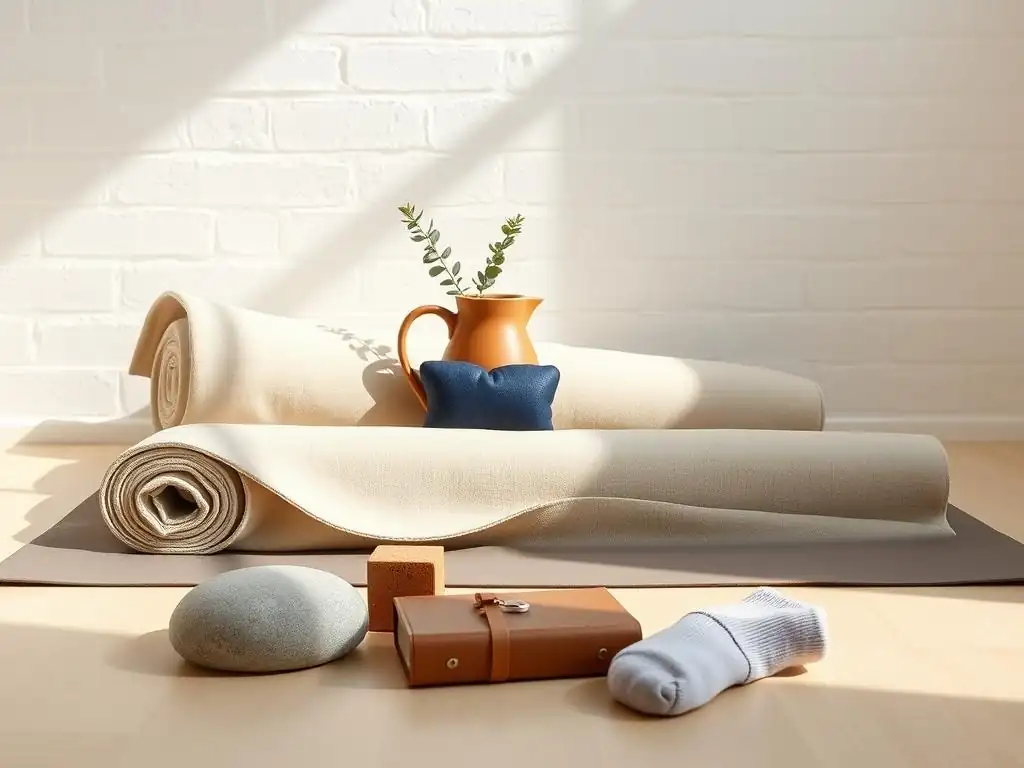
While many retreats provide yoga mats, bringing your own can significantly enhance your de-stress yoga retreat experience. Your personal mat is familiar, clean, and broken in to your liking, providing a consistent surface for your practice regardless of the retreat location or the condition of communal mats. This familiarity can be grounding and comforting in a new environment, helping you settle into your practice more easily.
Travel yoga mats are designed to be lighter and more portable than standard mats, often folding or rolling compactly. They typically weigh between 2 to 4 pounds, compared to standard mats which can weigh 5-8 pounds or more. While thinner than regular mats (often 1-2mm vs. 4-6mm), they still provide a clean surface and some grip, and can be layered over a provided mat for extra cushioning if needed.
Top-Rated Yoga Mats for Travel
When selecting a travel mat for your de-stress yoga retreat packing, consider durability, weight, grip, and material. Natural rubber mats offer excellent grip but can be heavier. PVC mats are durable and lightweight but less eco-friendly. TPE mats are a good balance of weight and eco-friendliness.
Look for mats specifically marketed as "travel" or "foldable." Brands like Manduka, Liforme, and JadeYoga offer popular travel versions of their mats. Read reviews focusing on portability and grip, as a slippery mat can be distracting and potentially unsafe during practice.
Yoga Blocks and Straps: Supporting Your Poses and Flexibility
Yoga blocks and straps are invaluable props that can deepen your practice, make poses more accessible, and aid in stretching and flexibility. While retreats often have communal props, bringing your own lightweight versions ensures availability and personal hygiene, particularly important for close-contact items.
These props are not just for beginners; experienced practitioners use them to refine alignment, explore deeper variations, and support restorative poses. For example, a block can support your head in a forward fold or your hips in seated poses, while a strap can help you reach limbs in stretches. Having your own props readily available encourages consistent and supported practice during your de-stress yoga retreat.
Essential Yoga Props
A standard yoga block is typically made of foam, cork, or wood. For travel, lightweight foam blocks are the easiest to pack. They usually measure around 9" x 6" x 4" and weigh just a few ounces. Packing one or two lightweight foam blocks is highly recommended.
A yoga strap is usually made of cotton or polyester and comes with a buckle for creating loops. A standard length is 6 to 8 feet. Straps are very lightweight and can be easily rolled or folded into your suitcase. One strap is usually sufficient. Bringing these simple props can significantly enhance your comfort and progress during your de-stress yoga retreat sessions.
Meditation Cushion or Zafu: Creating a Comfortable Meditation Space
Meditation is a core component of many de-stress yoga retreats, and sitting comfortably is crucial for sustained focus and relaxation. While cushions might be provided, bringing your own meditation cushion (zafu) or bolster can offer familiar support tailored to your body, making it easier to maintain good posture and ease during seated meditation sessions.
A dedicated meditation cushion elevates your hips, allowing your knees to rest below them and your spine to lengthen naturally. This reduces pressure on the hips and lower back, preventing discomfort that can distract from your meditation. For a de-stress yoga retreat focused on finding inner calm, eliminating physical distractions during meditation is paramount.
Finding the Right Meditation Cushion
Travel-friendly meditation cushions are available, often smaller or inflatable for easier packing. However, even a small, firm cushion or a rolled-up blanket provided by the retreat, combined with a personal lightweight option, can make a difference. A buckwheat-filled zafu conforms well to the body but can be heavy (3-6 lbs). Kapok-filled cushions are lighter (1-2 lbs) but firmer.
If packing a full zafu isn't feasible, consider a small, firm travel pillow or a dense, foldable cushion specifically designed for meditation on the go. Alternatively, plan to utilize the retreat's blankets or bolsters and supplement with your own small, firm item like a folded towel if needed, prioritizing comfort for your seated practice.
Wellness and Self-Care Essentials for a DeStress Yoga Retreat
Essential Oils for Relaxation and Mindfulness
Aromatherapy can be a powerful tool for enhancing relaxation and promoting mindfulness during your de-stress yoga retreat. Certain essential oils are known for their calming, grounding, or uplifting properties, which can support your meditation, yoga practice, or simply create a peaceful atmosphere in your room. Packing a small selection of your favorite therapeutic-grade oils can significantly contribute to your sense of well-being and help anchor you in the present moment.
Using essential oils during your retreat can help you create personal rituals around relaxation. A drop of lavender on your pillow before sleep, a few drops of frankincense diffused during meditation, or a blend applied to pulse points before a yoga session can deepen your experience. This intentional use of scent acts as a gentle reminder to breathe deeply and connect with your senses, reinforcing the de-stressing goals of the retreat.
Best Essential Oils for Yoga and Meditation: Lavender, Frankincense, and Sandalwood
Several essential oils are particularly well-suited for a de-stress yoga retreat packing list due to their scientifically recognized properties. Lavender is widely known for its calming and sleep-promoting effects; studies show it can reduce anxiety levels. Frankincense is grounding and centering, often used to deepen meditation and promote feelings of peace. Sandalwood is also deeply calming and promotes mental clarity, ideal for focus during practice.
Other beneficial oils include Bergamot for uplifting mood, Chamomile for soothing, and Vetiver for grounding. Pack small, leak-proof bottles (typically 5ml or 10ml) of 2-3 oils that resonate with you. Ensure they are pure, therapeutic-grade oils for the best results.
Diffusers and Aromatherapy Accessories: Creating a Calming Environment
To effectively use essential oils in your room, consider packing a small, portable diffuser. Mini ultrasonic diffusers are lightweight (often under 0.5 lbs) and run on USB power, making them convenient for travel. They disperse a fine mist of water and essential oil into the air, creating a gentle aroma.
Alternatively, you can use simpler methods like a passive diffuser (a small piece of porous material) or simply placing a few drops on a tissue, cotton ball, or your yoga mat before practice. A rollerball blend of essential oils diluted in a carrier oil (like fractionated coconut oil) is also easy to apply directly to pulse points or temples for personal aromatherapy throughout the day.
Skincare and Sun Protection: Protecting Your Skin During Outdoor Activities
Depending on the location and activities of your de-stress yoga retreat, you may spend significant time outdoors. Protecting your skin from the sun and environmental elements is crucial for comfort and health. Sunburn or irritated skin can be a major distraction and discomfort, detracting from your ability to relax and focus on your wellness journey.
Pack a few essential skincare items tailored to your needs and the retreat environment. This includes gentle cleansers, moisturizers, and critically, sun protection. Keeping your skin healthy and comfortable allows you to fully enjoy any outdoor yoga sessions, nature walks, or simply relaxing in the sun.
Natural Sunscreen and After-Sun Care
Choose a broad-spectrum sunscreen with an SPF of at least 30. Look for mineral-based sunscreens containing zinc oxide or titanium dioxide if you prefer natural options; these often cause less irritation and are more environmentally friendly for use near water. Pack enough for daily application, especially if the retreat is in a sunny or high-altitude location.
After-sun care, such as aloe vera gel or a soothing lotion, is also important to hydrate skin and alleviate any mild sun exposure. Even on cloudy days, UV rays can penetrate, so consistent sun protection is key to maintaining comfort and focusing on your de-stress yoga retreat experience.
Sleep Aids and Relaxation Tools: Promoting Restful Sleep
Restful sleep is vital for stress recovery and overall well-being, making it a key component of any de-stress yoga retreat. While the retreat environment is designed to be peaceful, being in a new place can sometimes disrupt sleep patterns. Packing a few simple sleep aids and relaxation tools can help you drift off more easily and achieve deeper rest, maximizing the restorative benefits of your time away.
These tools can help create a familiar and calming sleep environment, blocking out minor disturbances and signaling to your body that it's time to rest. Prioritizing sleep means you'll be more refreshed and present for your yoga sessions, meditations, and other retreat activities, fully embracing the de-stressing opportunities.
Sleep Masks and Earplugs: Blocking Out Distractions for Deeper Sleep
A comfortable sleep mask can block out ambient light, which is crucial for melatonin production and deep sleep, especially if your room isn't completely dark or you're sensitive to morning light. Choose a soft, padded mask that doesn't put pressure on your eyes.
Earplugs are invaluable for blocking out noise distractions, whether it's fellow retreat goers, unfamiliar sounds, or early morning nature noises. Foam earplugs are inexpensive and effective, or you might prefer reusable silicone or wax plugs. Packing both a sleep mask and earplugs is a simple yet effective strategy for ensuring uninterrupted sleep during your de-stress yoga retreat.
Magnesium Supplements: Promoting Relaxation and Sleep Quality
Magnesium is a mineral known for its role in muscle relaxation and nervous system regulation. Many people are deficient in magnesium, which can impact sleep quality and increase feelings of stress. Taking a magnesium supplement before bed can help calm the nervous system and promote deeper, more restful sleep.
Magnesium glycinate or magnesium citrate are commonly recommended forms for relaxation and sleep. A typical dose ranges from 200mg to 400mg taken 30-60 minutes before bedtime. Consult with a healthcare professional before starting any new supplement, but for many, magnesium can be a gentle and effective addition to their de-stress yoga retreat packing list to support sleep and relaxation.
Health and Safety Items for Your Yoga Retreat
First-Aid Kit Essentials: Being Prepared for Minor Injuries
Even in a serene retreat setting, minor scrapes, headaches, or digestive issues can arise. Having a basic first-aid kit on hand allows you to quickly address these small ailments, preventing them from escalating and disrupting your relaxation. Being prepared provides peace of mind, a key element in reducing stress.
Packing a small, personal first-aid kit means you don't have to rely solely on the retreat staff for minor needs, offering independence and immediate relief. This preparedness contributes to a feeling of security, allowing you to focus on your wellness journey without unnecessary worry about small health hiccups.
Travel-Sized First-Aid Kit: Including Band-Aids, Antiseptic Wipes, and Pain Relievers
Assemble a compact first-aid kit for your de-stress yoga retreat packing. Include essentials like various sizes of adhesive bandages (Band-Aids), antiseptic wipes or spray for cleaning cuts, and antibiotic ointment.
Also pack over-the-counter pain relievers such as ibuprofen or acetaminophen for headaches or muscle soreness, and medication for digestive upset like antacids or anti-diarrhea pills. Consider adding blister pads if you plan on hiking, and hydrocortisone cream for insect bites or minor skin irritations. A small kit weighing under a pound can cover most minor issues.
Medications and Prescriptions: Ensuring You Have What You Need
If you take any prescription medications or require specific over-the-counter medications regularly (e.g., allergy medication, motion sickness remedies), ensure you pack an adequate supply for the entire duration of your de-stress yoga retreat, plus a little extra buffer in case of travel delays.
Keep medications in their original containers with clear labeling, especially if traveling internationally. If you have allergies (food, insect bites, etc. ), pack any necessary treatments like an EpiPen if prescribed. Having your essential medications readily accessible is critical for your health and peace of mind.
Insect Repellent: Protecting Yourself from Mosquitoes and Other Bugs (If Applicable)
Depending on the retreat's location and the time of year, insects like mosquitoes, ticks, or biting flies can be a nuisance and pose health risks. Packing insect repellent is a practical step to ensure you can comfortably enjoy outdoor activities and evenings without constant annoyance or worry about bites.
Insect bites can cause itching, discomfort, and in some regions, transmit diseases. Using repellent allows you to fully immerse yourself in nature walks, outdoor meditations, or simply sitting outside, enhancing your overall de-stress yoga retreat experience by minimizing irritations.
DEET-Free Insect Repellents
For a more natural approach during your de-stress yoga retreat, consider DEET-free insect repellents. Options containing oil of lemon eucalyptus (OLE) or PMD (p-menthane-3,8-diol) are recommended by the CDC as effective alternatives to DEET, offering protection comparable to low concentrations of DEET for several hours.
Other natural options include repellents with picaridin or essential oils like citronella, permethrin (for treating clothing/gear, not skin), or IR3535. Choose a repellent that is effective for the types of insects prevalent at your retreat location and apply according to instructions, especially before spending time outdoors.
Tech and Entertainment for Your Downtime (Optional)
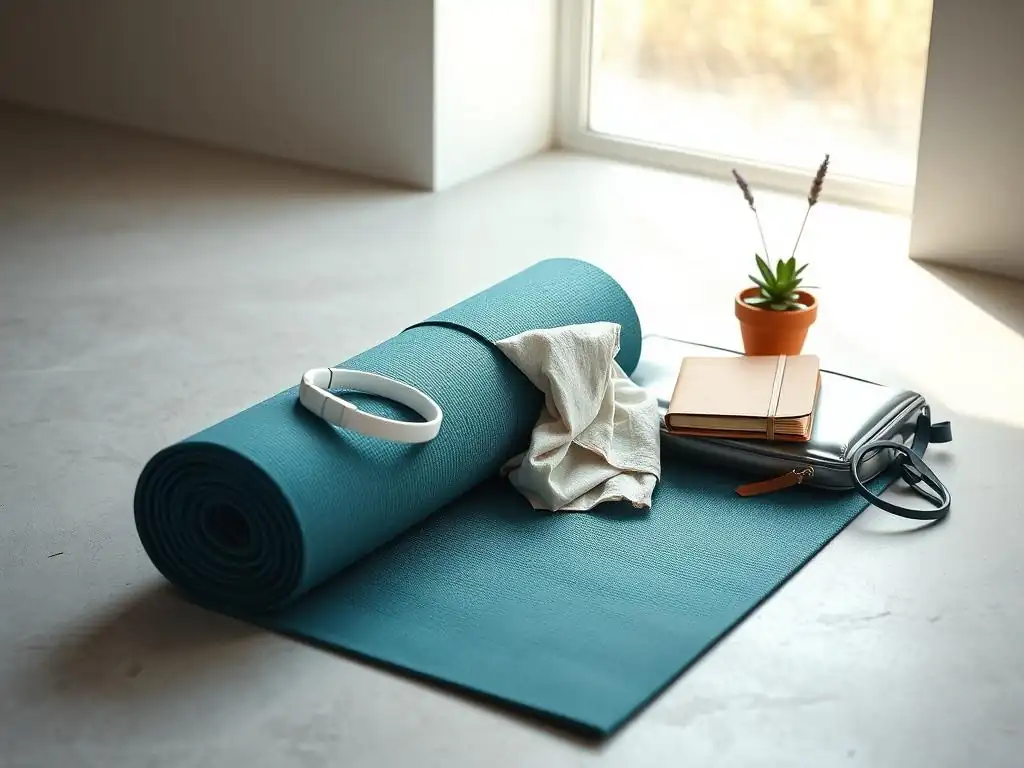
While a de-stress yoga retreat is about disconnecting, some tech and entertainment items can enhance your downtime and personal relaxation, provided they are used mindfully. The goal is to support your relaxation and reflection, not recreate the distractions of daily life.
Consider items that facilitate quiet enjoyment or personal reflection. These are optional additions to your de-stress yoga retreat packing list, intended to be used sparingly and intentionally during dedicated free time, rather than during scheduled activities or social hours.
Noise-Canceling Headphones: Creating a Peaceful Environment
Noise-canceling headphones can be invaluable for creating a personal bubble of peace during travel to and from the retreat, or during quiet moments in your room. They can help block out ambient noise, allowing you to listen to calming music, guided meditations, or simply enjoy silence.
These headphones can also be useful if your accommodation is not completely quiet, helping you to relax or sleep more easily. High-quality noise-canceling headphones can reduce ambient noise by a significant decibel level, creating a tranquil auditory space essential for de-stressing.
Top Noise-Canceling Headphones for Travel
Look for lightweight, comfortable noise-canceling headphones suitable for travel. Both over-ear and in-ear options are available. Popular brands known for effective noise cancellation include Bose, Sony, and Apple.
Consider battery life, comfort for extended wear, and portability when making your choice. While an investment, good noise-canceling headphones can significantly improve your travel experience and provide moments of quiet sanctuary during your de-stress yoga retreat.
E-Reader or Books: Enjoying Some Quiet Reading Time
Reading is a wonderful way to relax and unwind. Pack an e-reader or a physical book (or two) for downtime between sessions, before bed, or during travel. Choose material that is calming, inspiring, or simply enjoyable – avoid anything too stimulating or related to work.
An e-reader can hold many books in a lightweight device, making it convenient for travel. Physical books offer a screen-free option, which some may prefer for complete digital disconnection during their de-stress yoga retreat.
Journal and Pen: Reflecting on Your Experiences
A journal and pen are essential tools for processing your experiences, thoughts, and emotions during your de-stress yoga retreat. Journaling can help you gain clarity, track insights from your yoga and meditation practices, and reflect on your journey towards stress reduction.
Dedicate time each day to write down your reflections. This practice can deepen the impact of the retreat, helping you to integrate your experiences and insights. Choose a journal that feels personal and inviting to write in, making this act of self-reflection a comforting ritual.
Travel Documents and Miscellaneous Items
Passport and Visa (If Applicable)
If your de-stress yoga retreat is in a foreign country, ensuring your passport is valid and packing any required visas is the most critical step. Check the expiration date of your passport well in advance (many countries require validity for at least six months beyond your travel dates) and research visa requirements for your destination country based on your nationality.
Keep your passport and visa documents secure and easily accessible during travel. Make photocopies or take photos of these documents and store them separately, or leave copies with a trusted person at home, as a backup in case the originals are lost or stolen.
Travel Insurance Information
Travel insurance is highly recommended for any trip, including a de-stress yoga retreat. It can cover unexpected events such as trip cancellation, medical emergencies, lost luggage, or travel delays. Pack a copy of your insurance policy details, including policy numbers and contact information for the insurance provider.
Knowing you have coverage for potential issues can provide significant peace of mind, allowing you to relax and enjoy your retreat without worrying about unforeseen circumstances. Store this information securely but accessibly.
Reusable Water Bottle and Tote Bag: Staying Hydrated and Eco-Friendly
Staying hydrated is crucial for physical and mental well-being, especially with increased physical activity like yoga and potentially different climates. Pack a reusable water bottle to fill up throughout the day, many retreats offer filtered water stations. This is both environmentally friendly and ensures you always have water readily available.
A collapsible or lightweight reusable tote bag is also very useful. You can use it to carry your yoga mat and props to class, bring essentials to the pool or beach, carry groceries if needed, or transport souvenirs. These simple items contribute to comfort, convenience, and sustainability during your de-stress yoga retreat.
Post-Retreat: Unpacking and Integrating Your Experiences
Reflecting on Your DeStress Yoga Retreat Journey
Your de-stress yoga retreat doesn't truly end when you leave the physical location. The process of unpacking, both literally and figuratively, is an opportunity to reflect on your journey and integrate the lessons learned into your daily life. As you unpack your de-stress yoga retreat packing items, take a moment with each item – perhaps the journal where you wrote your insights, the essential oils that calmed you, or the cozy sweater you wore during meditation.
Consider how these items supported your relaxation and growth. Review your journal entries and reflect on the shifts in perspective or feelings of peace you experienced. This conscious reflection helps solidify the benefits of the retreat and brings mindful closure to the experience, preparing you to carry the sense of calm forward.
Continuing Your Wellness Practices at Home
The ultimate goal of a de-stress yoga retreat is to equip you with tools and inspiration to continue your wellness journey beyond the retreat bubble. Your de-stress yoga retreat packing list included items intended to support practices like yoga, meditation, and self-care. Now is the time to put them to use in your home environment.
Set up a dedicated space for your yoga mat and props to continue a regular practice. Use your meditation cushion for daily sitting. Incorporate the essential oils into your evening routine or before home practice. Continue journaling to track your progress and maintain self-awareness. By utilizing the items you packed, you create continuity between the retreat experience and your everyday life, helping to sustain the stress-reducing benefits long after you've unpacked your suitcase.
Frequently Asked Questions
What are the essential clothing items to pack for a DeStress Yoga Retreat?
Pack comfortable, breathable clothing suitable for yoga and relaxation. Consider layers for varying temperatures and include swimwear if there's a pool or beach.
Should I bring my own yoga mat to a DeStress Yoga Retreat?
While many retreats provide mats, bringing your own ensures familiar comfort and hygiene. Also, it's a familiar tool to help you relax.
What kind of toiletries should I include in my DeStress Yoga Retreat packing list?
Focus on eco-friendly and travel-sized toiletries to minimize environmental impact and space. Don't forget essentials like sunscreen, insect repellent, and personal medications.
Are there any specific books or journals recommended for a DeStress Yoga Retreat?
Bring reading material that promotes relaxation and mindfulness, such as meditation guides or inspiring novels. A journal is helpful for reflecting on your experiences.
What else besides clothes and toiletries should I pack for a DeStress Yoga Retreat?
Consider bringing a reusable water bottle, a comfortable eye mask for better sleep, and any personal items that promote comfort and relaxation, like a favorite tea.
Final Reflection: Unpacking the Power of Presence at Your Yoga Retreat
The pursuit of mindful relaxation is more crucial than ever in our fast-paced world. The ability to disconnect, truly disconnect, from the constant barrage of notifications and demands is a precious commodity, and a de-stressing yoga retreat offers a powerful pathway to reclaim it. This packing guide aimed to equip you with the tools to fully immerse yourself in this transformative experience, ensuring that nothing stands between you and the peace you seek.
The impact of prioritizing mental and physical well-being is profoundly felt, not just on an individual level, but across our increasingly interconnected society. We are witnessing a growing recognition of the importance of self-care, a shift towards valuing inner peace over external achievements. The time to relax is when you don't have time for it.
– Sydney J. Harris. This quote highlights the paradoxical nature of rest; it's often in our busiest moments that we need it most. This retreat, and the careful preparation it entails, is a conscious act of self-compassion, a rebellion against the relentless demands of modern life.
Now, consider your own journey towards mindful relaxation. What steps can you take, beyond the practical packing list, to cultivate a deeper sense of presence and peace, not just during your retreat, but in your everyday life? This packing guide is not just a list of items; it's a roadmap to a more mindful you. Embrace the opportunity to disconnect, to breathe deeply, and to reconnect with your inner self. The journey to serenity begins with a single, well-packed bag.
Unwind and Embrace Your Yoga Journey!
Thanks for taking the time to explore our packing guide for your upcoming yoga retreat! We hope you've found the tips helpful in preparing for a truly rejuvenating experience. Now it's time to turn those preparations into blissful reality.
- Prioritize your comfort: Pack your favorite yoga attire, a cozy blanket, and anything else that makes you feel relaxed and ready to unwind. This is your chance to fully immerse yourself in the retreat.
- Share your excitement: Tell your friends and family about your upcoming yoga journey! Inspire them to prioritize their well-being and maybe even join you on your next adventure.
- Start your pre-retreat mindfulness practice: Begin incorporating a short daily meditation or mindfulness exercise into your routine to maximize the benefits of the retreat. Even five minutes a day can make a difference!
Ready to transform your mindset and embrace a more peaceful you? What small step will you take today to prepare for your rejuvenating yoga retreat?