
Fueling Calm: The Impact of Diet and Exercise on Panic.


Welcome to Mind Care Guide, your trusted companion on the journey to mental well-being.
Feeling overwhelmed by panic? You're not alone. We understand the grip anxiety can have, and we're here to offer support. This article, "Fueling Calm: The Impact of Diet exercise panic relief," explores how simple lifestyle changes can make a profound difference. Ready to discover practical strategies to reclaim your peace of mind? Let's dive in and unlock the power within you to manage anxiety and live a fuller, more balanced life.
- Fueling Calm: How Diet and Exercise Impact Panic Attacks
- Understanding the Diet-Panic Connection
- Exercise as a Natural Panic Relief Strategy
- Diet and Exercise for Panic Relief: A Combined Approach
- Specific Foods and Supplements for Panic Reduction
- Lifestyle Changes Complementing Diet and Exercise for Panic
- Overcoming Challenges in Implementing Diet and Exercise Changes
- Long-Term Benefits of Diet and Exercise for Panic Disorder
- Resources for Further Support in Managing Panic
-
Frequently Asked Questions
- What role does diet play in managing panic attacks?
- How does exercise help alleviate panic symptoms?
- What types of exercises are most effective for panic relief?
- Can dietary changes and exercise completely eliminate panic attacks?
- How long does it take to see the benefits of diet and exercise on panic relief?
- Final Reflection: Cultivating Inner Peace Through Mindful Movement and Nourishment
- Unleash Your Inner Calm: Start Your Journey Today
Fueling Calm: How Diet and Exercise Impact Panic Attacks
Holistic Approach to Panic Disorder Management
Managing panic disorder often involves a multifaceted approach that extends beyond medication and therapy. While professional guidance is crucial, lifestyle factors play a significant role in influencing the frequency and intensity of panic attacks. A holistic strategy recognizes the interconnectedness of mind and body, acknowledging that what we consume and how we move can profoundly affect our nervous system's reactivity. Integrating supportive elements like mindful eating and regular physical activity can empower individuals to build resilience against panic symptoms.
This comprehensive perspective emphasizes building a foundation of well-being that naturally reduces vulnerability to panic. It's about creating an internal environment that fosters calm rather than anxiety. By addressing underlying physical contributors and enhancing the body's natural stress response mechanisms through diet and exercise, individuals can find significant improvements in their ability to manage panic and regain a sense of control over their lives. This approach complements traditional treatments, offering powerful tools for daily symptom management and long-term stability.
Understanding the Diet-Panic Connection
Panic Attacks and Nutritional Deficiencies: The Magnesium Connection
Research has explored potential links between certain nutritional deficiencies and increased susceptibility to anxiety and panic symptoms. One mineral frequently highlighted in this context is magnesium. Magnesium is a vital cofactor in numerous biochemical reactions within the body, including those related to nerve function and stress response. It plays a role in regulating neurotransmitters that calm the nervous system, such as GABA (gamma-aminobutyric acid).
Studies, though not always conclusive on direct causation, suggest that individuals with lower magnesium levels might be more prone to experiencing anxiety and stress. For example, some observational studies have noted a correlation between dietary magnesium intake and self-reported anxiety levels. While more research is needed to definitively establish magnesium deficiency as a direct cause of panic attacks, ensuring adequate intake through diet is a common recommendation for supporting overall nervous system health and potentially aiding in panic relief.
The Role of Blood Sugar in Panic Symptoms: Avoiding Hypoglycemia
Fluctuations in blood sugar levels can significantly impact mood and anxiety, sometimes mimicking or triggering panic symptoms. When blood sugar drops too low, a condition known as hypoglycemia, the body releases stress hormones like adrenaline and cortisol to try and raise glucose levels. These hormones are the same ones involved in the "fight or flight" response, which is central to a panic attack. Symptoms of hypoglycemia, such as shakiness, rapid heartbeat, sweating, dizziness, and confusion, can feel very similar to the onset of a panic attack, potentially initiating a full-blown episode in susceptible individuals.
Maintaining stable blood sugar levels throughout the day is therefore a key dietary strategy for managing panic. This involves consuming balanced meals and snacks that include complex carbohydrates, protein, and healthy fats, which are digested slowly and release glucose into the bloodstream gradually. Avoiding prolonged periods without eating and limiting the intake of refined sugars and processed foods that cause rapid spikes and crashes in blood sugar can help prevent the physiological cascade that might lead to anxiety and panic symptoms.
How Food Sensitivities Can Trigger Anxiety and Panic: Gluten and Dairy
For some individuals, certain food sensitivities or intolerances can contribute to systemic inflammation and trigger adverse reactions that manifest as psychological symptoms, including anxiety and panic. While not universally applicable, specific sensitivities like those to gluten or dairy have been anecdotally linked to mood disturbances in some people. The mechanisms are complex and can involve gut-brain axis interactions, inflammatory responses, or even effects on nutrient absorption.
For example, in individuals with non-celiac gluten sensitivity or irritable bowel syndrome (IBS) where certain foods trigger symptoms, the chronic discomfort and physiological stress can heighten overall anxiety levels. While definitive large-scale studies directly linking common food sensitivities like gluten or dairy alone to panic attacks are limited, an elimination diet under professional guidance is sometimes explored to identify potential triggers that might be contributing to a person's overall anxiety load and impacting their panic symptom frequency. It's crucial to approach this with caution and professional support to avoid nutritional deficiencies.
Exercise as a Natural Panic Relief Strategy
The Science Behind Exercise and Anxiety Reduction: Endorphins and Neurotransmitters
Regular physical activity is a powerful tool for managing anxiety and reducing the frequency and intensity of panic attacks, supported by significant scientific evidence. One key mechanism involves the release of endorphins, often referred to as the body's natural painkillers and mood elevators. These neurochemicals produce feelings of well-being and can create a sense of euphoria, effectively counteracting feelings of stress and anxiety.
Furthermore, exercise influences other neurotransmitters implicated in mood regulation, including serotonin, dopamine, and norepinephrine. It helps regulate the body's stress hormones, such as cortisol and adrenaline, reducing their baseline levels over time and dampening the intensity of the physiological stress response. Consistent physical activity also improves sleep quality and reduces muscle tension, both of which are common symptoms associated with anxiety and panic, contributing to a calmer overall state.
Best Types of Exercise for Managing Panic Disorder: Aerobic and Mind-Body Practices
While almost any form of exercise offers benefits for mental health, certain types may be particularly effective for managing panic disorder. Aerobic exercises, such as brisk walking, running, swimming, or cycling, are excellent choices because they elevate heart rate consistently and promote the release of endorphins. Aiming for moderate intensity, where you can still talk but not sing, for sessions of 30 minutes or more most days of the week is often recommended.
In addition to aerobic activity, mind-body practices like yoga, Tai Chi, and Qigong can be highly beneficial. These disciplines combine gentle movement with breath control and mindfulness, helping to ground individuals in the present moment and reduce the focus on anxious thoughts or physical sensations. Practices that emphasize controlled breathing, like certain yoga poses or specific Tai Chi movements, can be particularly helpful as dysregulated breathing is a common feature of panic attacks.
Creating a Sustainable Exercise Routine for Panic Relief: Start Small and Be Consistent
Building a sustainable exercise routine for panic relief requires a realistic and gradual approach. The goal isn't to become a competitive athlete overnight, but to incorporate regular physical activity into your lifestyle in a way that feels manageable and enjoyable. Begin with small, achievable goals, such as a 10-15 minute walk a few times a week. As you build consistency, gradually increase the duration and intensity.
Finding activities you genuinely enjoy is crucial for long-term adherence. If you dislike running, try dancing, hiking, or joining a recreational sports team. Varying your activities can also help maintain interest. Consistency is more important than intensity; even short, regular bursts of activity are beneficial. Schedule your exercise like any other important appointment and be patient with yourself – some days will be easier than others, but the cumulative effect of regular movement on reducing the frequency of panic attacks is significant.
Diet and Exercise for Panic Relief: A Combined Approach

The Synergistic Effects of Nutrition and Physical Activity on Panic: A Holistic Strategy
Combining thoughtful dietary choices with regular exercise creates a powerful synergy for managing panic disorder that is often more effective than focusing on either factor alone. While proper nutrition provides the body with the necessary building blocks and energy to function optimally, including supporting neurotransmitter production and regulating blood sugar, exercise helps to regulate the stress response system, reduce muscle tension, and improve mood through endorphin release. Together, they address both the physiological and psychological components that contribute to panic vulnerability.
Adopting a combined diet and exercise panic relief strategy fosters overall physical and mental resilience. A nutrient-dense diet supports sustained energy levels needed for exercise, while exercise can improve digestion and nutrient absorption. This integrated approach helps create a stable internal environment, reducing the likelihood of physiological triggers for panic (like blood sugar crashes) and building the body's capacity to cope with stress more effectively. It's a proactive way to manage symptoms and improve quality of life.
Sample Meal Plan for Managing Panic Symptoms: Focus on Whole Foods and Balanced Meals
A sample meal plan focused on managing panic symptoms would prioritize whole, unprocessed foods rich in nutrients that support mental health. This includes plenty of fruits, vegetables, lean proteins, healthy fats, and complex carbohydrates. A typical day might look like this:
- Breakfast: Oatmeal topped with berries, nuts, and seeds (provides complex carbs, fiber, healthy fats, and magnesium). Alternatively, scrambled eggs with spinach and whole-wheat toast.
- Lunch: Large salad with leafy greens, grilled chicken or beans, avocado, and olive oil dressing (provides vitamins, minerals, protein, and healthy fats). Or, lentil soup with a side of whole-grain bread.
- Snack: A handful of almonds and an apple (healthy fats, fiber, and sustained energy). Or, Greek yogurt with a few berries (protein and probiotics).
- Dinner: Baked salmon with roasted broccoli and quinoa (Omega-3s, lean protein, and complex carbs). Or, chicken and vegetable stir-fry with brown rice.
- Hydration: Drink plenty of water throughout the day. Limit caffeine and alcohol, which can trigger anxiety in some individuals.
This structure emphasizes balanced meals that prevent blood sugar spikes and crashes, provide steady energy, and supply essential nutrients known to support nervous system health and contribute to diet exercise panic relief.
Exercise Plan for Reducing Panic Attack Frequency: Gradual Progression and Enjoyable Activities
An effective exercise plan for reducing panic attack frequency should be sustainable, enjoyable, and include a mix of activity types. Here is a sample weekly structure with gradual progression:
- Week 1-2: 3-4 sessions of 15-20 minutes of brisk walking. Focus on consistency. Add 5 minutes of gentle stretching or yoga poses daily.
- Week 3-4: Increase brisk walking to 25-30 minutes, 4-5 times a week. Introduce one session of light strength training using bodyweight or resistance bands. Continue daily stretching/yoga.
- Week 5-6: Maintain 30-minute brisk walks 4-5 times a week. Increase strength training to two sessions. Consider adding one session of a more vigorous activity you enjoy, like dancing or swimming, for 20 minutes. Continue daily stretching/yoga, perhaps adding a short mindfulness meditation.
The key is to listen to your body, avoid overexertion, and find activities that you look forward to. Consistency is paramount for long-term diet exercise panic relief effects. Gradually increasing the duration and intensity allows your body and mind to adapt, making the routine sustainable.
Specific Foods and Supplements for Panic Reduction
Foods That Can Help Calm Panic: Leafy Greens, Fatty Fish, and Probiotic-Rich Foods
Incorporating specific foods known for their calming properties and nutritional benefits can be a helpful part of a diet exercise panic relief strategy. Leafy green vegetables like spinach and kale are rich in magnesium, a mineral linked to reduced anxiety, and also provide B vitamins which are important for nervous system function. Fatty fish such as salmon, mackerel, and sardines are excellent sources of Omega-3 fatty acids, particularly EPA and DHA, which have been studied for their anti-inflammatory properties and potential positive effects on mood and anxiety.
Foods rich in probiotics, like yogurt with live active cultures, kefir, sauerkraut, and kimchi, support gut health, which is increasingly understood to influence mental well-being through the gut-brain axis. Consuming complex carbohydrates like whole grains, oats, and legumes helps maintain stable blood sugar and provides sustained energy. Including sources of lean protein like chicken, turkey, and beans can support neurotransmitter production. Combining these foods within a balanced diet provides a nutritional foundation for reducing anxiety and supporting panic relief.
Supplements for Supporting Anxiety and Panic Relief [Consult a Doctor Before Taking Supplements]: Magnesium, Vitamin D, and Omega-3 Fatty Acids
While a nutrient-rich diet is the primary source of vitamins and minerals, certain supplements are sometimes considered to support anxiety and panic relief, always under the guidance of a healthcare professional. Magnesium is often recommended due to its role in nervous system regulation; forms like magnesium glycinate or citrate are commonly used. Evidence suggests a potential link between low Vitamin D levels and increased anxiety or depression symptoms. Supplementation may be considered, especially in individuals with limited sun exposure or dietary intake, but blood levels should ideally be checked first.
Omega-3 fatty acids, particularly EPA and DHA found in fish oil, are another area of interest. Some studies indicate that Omega-3 supplementation may help reduce symptoms of anxiety and depression, possibly due to their anti-inflammatory effects and role in brain function. Other supplements sometimes discussed include L-theanine (an amino acid found in green tea) and certain B vitamins. However, it is crucial to reiterate that supplements are not a substitute for professional medical advice or treatment and should only be taken after consulting with a doctor, especially if you are taking other medications.
Lifestyle Changes Complementing Diet and Exercise for Panic
The Importance of Sleep Hygiene in Panic Management: Prioritizing Rest and Routine
Adequate and quality sleep is fundamental to overall mental and physical health and plays a critical role in managing anxiety and reducing vulnerability to panic attacks. Sleep deprivation can disrupt hormone balance, increase stress reactivity, and impair cognitive function, all of which can heighten anxiety levels and make panic episodes more likely or severe. Prioritizing sleep hygiene is an essential component of a comprehensive strategy for diet exercise panic relief.
Establishing a consistent sleep schedule, going to bed and waking up at roughly the same time each day, even on weekends, helps regulate the body's internal clock. Creating a relaxing bedtime routine, ensuring your bedroom is dark, quiet, and cool, and avoiding screens, caffeine, and heavy meals close to bedtime can significantly improve sleep quality. Treating sleep as a non-negotiable priority supports emotional regulation and builds resilience against the triggers of panic.
Stress Management Techniques for Anxiety and Panic: Deep Breathing and Progressive Muscle Relaxation
Effective stress management techniques are crucial complements to diet and exercise for panic relief. Learning how to activate the body's relaxation response can interrupt the cycle of anxiety and prevent the escalation of panic symptoms. Deep breathing exercises are particularly helpful, as they directly counteract the shallow, rapid breathing often associated with anxiety and panic. Techniques like diaphragmatic breathing (breathing deeply into your belly) can help slow heart rate and calm the nervous system.
Progressive muscle relaxation is another valuable technique. It involves systematically tensing and then releasing different muscle groups in the body. This practice not only helps release physical tension often held during stress but also increases awareness of the difference between tension and relaxation, allowing you to recognize and address physical signs of anxiety earlier. Regularly practicing these techniques, even when not feeling anxious, builds a skill set that can be deployed effectively during moments of heightened stress or the onset of panic.
The Role of Mindfulness and Meditation in Panic Relief: Cultivating Present Moment Awareness
Mindfulness and meditation practices are powerful tools for cultivating present moment awareness, which can significantly aid in managing the fear and catastrophic thinking associated with panic attacks. Mindfulness involves paying attention to your thoughts, feelings, and bodily sensations without judgment. This practice helps individuals observe anxious thoughts or physical symptoms (like a racing heart) from a distance, rather than being overwhelmed by them.
Regular meditation, even for just a few minutes daily, can train the mind to become less reactive to internal and external stressors. It helps to create space between a trigger and your reaction, making it possible to choose a calmer response instead of automatically spiraling into panic. By learning to anchor yourself in the present moment through breath or sensory awareness, you can reduce rumination about past worries or future fears that often fuel anxiety and improve your ability to cope with challenging sensations during a panic episode, enhancing overall diet exercise panic relief efforts.
Overcoming Challenges in Implementing Diet and Exercise Changes
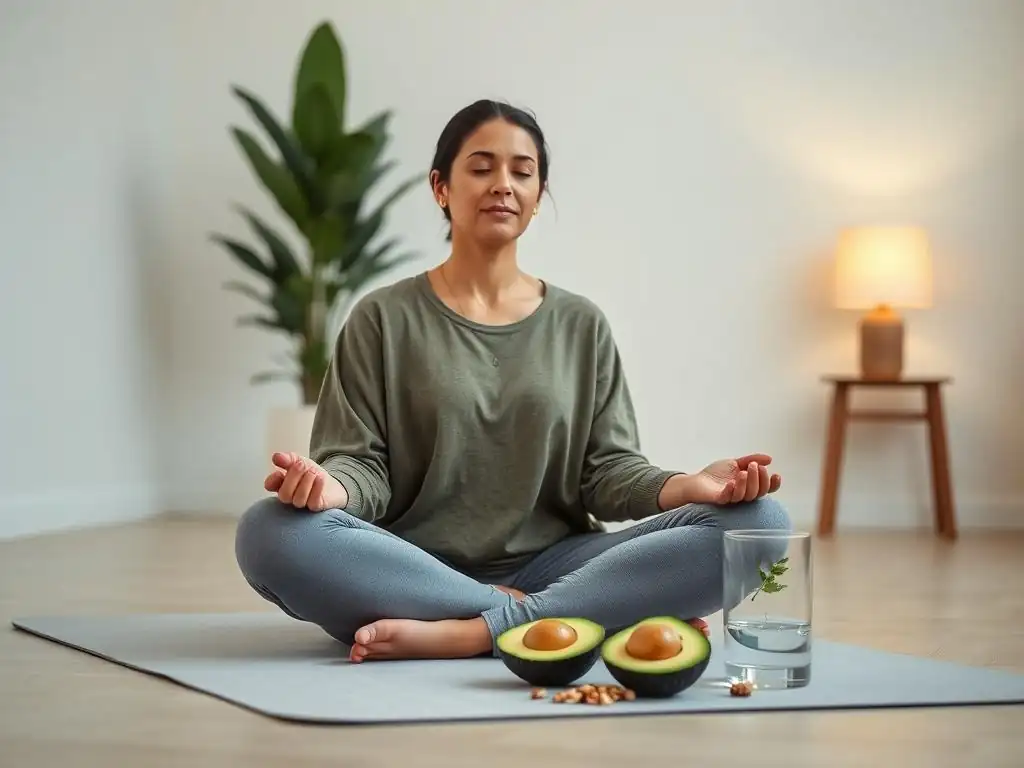
Addressing Barriers to Healthy Eating and Exercise: Planning and Support Systems
Implementing significant changes to diet and exercise habits can be challenging, especially when also managing a condition like panic disorder. Common barriers include lack of time, low motivation, cost of healthy foods, difficulty accessing exercise facilities, and feeling overwhelmed. Addressing these requires practical strategies and support. Planning meals for the week can save time and money, reducing reliance on less healthy, convenient options. Simple home workouts or incorporating physical activity into daily routines (like taking stairs) can overcome time constraints and gym access issues.
Building a support system is also vital. Share your goals with supportive friends or family members who can offer encouragement or even join you in healthy activities. Consider working with a nutritionist or therapist who specializes in anxiety to develop personalized strategies and address psychological barriers like fear of exercise triggering panic. Recognizing that setbacks are normal and focusing on progress rather than perfection is key to maintaining motivation and successfully integrating these changes for diet exercise panic relief.
Staying Motivated and Consistent with Your Panic Management Plan: Setting Realistic Goals and Celebrating Progress
Maintaining motivation and consistency with diet and exercise for panic relief is an ongoing process. It's easy to get discouraged if results aren't immediate or if you experience setbacks. Setting realistic, achievable goals is fundamental. Instead of aiming to eliminate panic attacks entirely overnight, focus on smaller steps, like incorporating one new healthy meal per week or exercising for 15 minutes three times a week. Celebrate these small victories to build momentum and positive reinforcement.
Tracking your progress, whether through a journal, app, or simple checklist, can provide a visual reminder of how far you've come and highlight the positive impact these changes are having on your anxiety levels and panic frequency. Connect your actions directly to your goal of feeling calmer and more in control. Remind yourself why you started – the desire for reduced panic and improved well-being. Finding activities you enjoy, varying your routine, and being flexible will also help prevent burnout and keep you engaged in your long-term diet exercise panic relief plan.
Long-Term Benefits of Diet and Exercise for Panic Disorder
Reduced Reliance on Medication Through Lifestyle Changes [Always Consult Your Doctor Before Changing Medications]: A Potential Path to Independence
While medication can be a crucial and effective part of managing panic disorder for many individuals, adopting healthy lifestyle changes like diet and exercise can potentially lead to reduced reliance on pharmacological interventions over time. By addressing underlying physiological vulnerabilities and building natural coping mechanisms, these strategies can decrease the frequency and severity of panic attacks, thereby potentially lowering the need for rescue medications or supporting a doctor-supervised reduction in maintenance drug dosages.
- Improved stress resilience reduces the likelihood of panic triggers.
- Enhanced mood regulation through exercise and nutrition stabilizes emotional states.
- Better sleep and reduced physical tension alleviate common anxiety symptoms.
It is absolutely essential that any decision regarding medication changes is made in close consultation with and under the supervision of a qualified medical doctor. Abruptly stopping or altering medication can be dangerous. However, for some, integrating diet and exercise for panic relief can be a powerful step towards feeling more independent in managing their condition, complementing medical treatment effectively.
Improved Overall Well-being and Quality of Life: Enhanced Resilience and Self-Efficacy
Beyond the direct impact on panic symptoms, consistently incorporating healthy diet and exercise into your life yields significant improvements in overall well-being and quality of life. Physical activity boosts energy levels, improves physical health markers (like cardiovascular health), and enhances sleep. A balanced diet provides the body with the fuel it needs to thrive, supporting stable mood and cognitive function.
These lifestyle changes build a sense of enhanced resilience – the ability to bounce back from stressors. Successfully implementing and maintaining a diet exercise panic relief plan fosters a greater sense of self-efficacy, the belief in your own ability to manage challenges and achieve goals. This empowerment can reduce the feeling of helplessness that often accompanies panic disorder, leading to increased confidence, greater participation in activities previously avoided due to fear, and a generally more fulfilling life.
Resources for Further Support in Managing Panic
Connecting with others who understand the challenges of managing panic disorder can be incredibly validating and supportive. Online support groups and communities provide platforms for individuals to share their experiences, coping strategies, and encouragement. These forums offer a sense of belonging and reduce feelings of isolation, which can be common for those dealing with panic attacks.
Participating in these groups allows you to learn from others who are also navigating their journey towards diet exercise panic relief and other management techniques. You can find practical tips, emotional support, and a reminder that you are not alone. Many reputable mental health organizations host or recommend online communities specifically for anxiety and panic disorder, offering a safe and moderated environment for connection.
Finding a Qualified Therapist or Counselor [Link to Therapist Finder if available]: Professional Guidance and Support
While diet and exercise are powerful tools, professional guidance from a qualified therapist or counselor is often an essential component of effective panic disorder management. Therapists can provide evidence-based treatments such as Cognitive Behavioral Therapy (CBT) or Exposure Therapy, which help individuals understand the roots of their panic, challenge anxious thought patterns, and gradually confront feared situations or sensations.
A therapist can also help you develop personalized coping strategies, work through underlying issues contributing to anxiety, and provide support in implementing lifestyle changes like diet and exercise. They can assist in addressing barriers to change and developing a comprehensive plan tailored to your specific needs and experiences. Seeking professional support is a sign of strength and a proactive step towards long-term recovery and improved quality of life.
Frequently Asked Questions
What role does diet play in managing panic attacks?
A healthy diet provides essential nutrients that support brain function and regulate mood. Avoiding processed foods, excessive caffeine, and alcohol can significantly reduce the frequency and intensity of panic attacks.
How does exercise help alleviate panic symptoms?
Regular physical activity releases endorphins, which have mood-boosting effects. Exercise can also help reduce stress and anxiety levels, making individuals more resilient to panic triggers.
What types of exercises are most effective for panic relief?
Aerobic exercises like running, swimming, and cycling are highly beneficial. Additionally, mindfulness-based exercises such as yoga and tai chi can promote relaxation and reduce anxiety.
Can dietary changes and exercise completely eliminate panic attacks?
While diet and exercise can significantly reduce the frequency and severity of panic attacks, they are often most effective when used in conjunction with professional therapy and/or medication. They are valuable complementary strategies, not always a complete cure.
How long does it take to see the benefits of diet and exercise on panic relief?
The timeline varies, but many people experience noticeable improvements within a few weeks of consistently adopting a healthy diet and exercise routine. Consistency is key for long-term benefits.
Final Reflection: Cultivating Inner Peace Through Mindful Movement and Nourishment
The inextricable link between diet, exercise, and panic relief is not merely a suggestion; it's a powerful tool readily available to anyone struggling with anxiety. Understanding this connection empowers us to take proactive steps towards managing panic and cultivating a more peaceful existence. This isn't about achieving perfection, but about building sustainable habits that nurture both our physical and mental well-being.
The ongoing impact of prioritizing mindful movement and healthy eating extends far beyond the immediate relief from panic symptoms. It fosters a deeper sense of self-awareness, allowing us to recognize and respond to our body's signals before anxiety escalates. This journey of self-discovery is deeply personal, and its rewards are immeasurable. The body achieves what the mind believes.
– Napoleon Hill. This quote encapsulates the power of our mindset in conjunction with physical action to overcome challenges like panic. It's a testament to the mind-body connection and the transformative potential of consistent, healthy choices.
Now, consider your own relationship with food and exercise. How can you integrate even small, incremental changes into your daily routine to support your mental and emotional health? Perhaps it's a short walk in nature, a mindful meal without distractions, or simply prioritizing sleep. Start small, be consistent, and celebrate your progress. Remember, the journey towards calm is a personal one, and every step you take, no matter how small, contributes to a more peaceful and fulfilling life. Embrace the power within you to cultivate your own inner sanctuary.
Unleash Your Inner Calm: Start Your Journey Today
Thank you for taking the time to explore the powerful connection between diet, exercise, and managing panic. We hope you gained valuable insights into creating a healthier, more peaceful you. Now it's time to put that knowledge into action!
- Prioritize one small dietary change: This week, focus on adding one serving of calming foods like leafy greens or berries to your daily routine. See how even a small shift can make a difference.
- Schedule a mindful movement session: Even 10 minutes of gentle stretching or a short walk can significantly reduce stress. Experiment with different types of movement to find what works best for you.
- Share your experience: Tell us in the comments below what calming techniques resonate most with you. Let's build a supportive community together!
What small step will you take today to cultivate more calm in your life?