
Needle Phobia Help: Managing Trypanophobia (Fear of Needles)


Welcome to Mind Care Guide, a safe space dedicated to nurturing your mental well-being. Are you struggling with the overwhelming anxiety triggered by needles? You're not alone. Understanding and overcoming trypanophobia is possible, and we're here to guide you. Explore this article to discover the trypanophobia treatment options available now and begin your journey towards a calmer, more confident you. Curious about how you can manage your fear? Read on to find out.
Needle Phobia Help: Managing Trypanophobia (Fear of Needles)
- Understanding Trypanophobia: The Fear of Needles Explained
- Causes and Risk Factors of Needle Phobia
- Recognizing the Symptoms of Needle Phobia
- Effective Trypanophobia Treatment Options Available Now
- Self-Help Strategies for Overcoming Needle Fear
- Supporting Someone with Trypanophobia
- The Importance of Addressing Needle Phobia: Why Treatment Matters
-
Frequently Asked Questions
- What exactly is trypanophobia, and how common is it?
- What are some common symptoms experienced by individuals with trypanophobia?
- What Trypanophobia treatment options available now are considered effective for managing this phobia?
- Can a general practitioner provide assistance, or should I seek a specialist for Trypanophobia treatment options available now?
- Are there any self-help strategies that can be used alongside professional Trypanophobia treatment options available now?
- Final Reflection: Conquering the Needle: Hope and Healing for Trypanophobia
- Conquer Your Needle Fear: Take the First Step Today!
Understanding Trypanophobia: The Fear of Needles Explained
Trypanophobia, commonly known as the fear of needles, is a specific phobia characterized by an intense, irrational fear of medical procedures involving injections or hypodermic needles. While it's normal to feel a little anxious about needles, especially if you've had a painful experience, trypanophobia goes far beyond this mild discomfort. It's a debilitating condition that can significantly impact a person's ability to seek necessary medical care, ranging from routine vaccinations and blood tests to essential life-saving treatments. Understanding the nature of this phobia is the first step toward finding effective Trypanophobia treatment options.
What is Trypanophobia? Defining Needle Phobia
Trypanophobia is classified within the Diagnostic and Statistical Manual of Mental Disorders (DSM-5) as a specific phobia, subtype "blood-injection-injury." Unlike many other phobias that trigger a fight-or-flight response, trypanophobia often causes a vasovagal response, leading to a sudden drop in heart rate and blood pressure, which can result in fainting. This physiological reaction is often triggered by the sight or anticipation of needles, blood, or injury.
Estimates regarding the prevalence of trypanophobia vary, but it is considered one of the most common specific phobias, potentially affecting millions of people worldwide. Some studies suggest that approximately 10% of the population experiences significant anxiety related to needles, while a smaller percentage meets the criteria for a clinical phobia. This intense fear is not simply a dislike; it's a powerful emotional and physical reaction that can cause severe distress and lead to avoidance behaviors.
The Psychological Impact of Needle Fear
The psychological impact of trypanophobia extends far beyond the immediate moment of a medical procedure. Individuals with this phobia often experience significant anticipatory anxiety for days or even weeks leading up to a scheduled injection or blood draw. This dread can consume their thoughts, cause sleepless nights, and lead to increased irritability and stress in their daily lives.
Moreover, the fear can create feelings of shame or embarrassment, as individuals may feel their fear is irrational or childish, despite being unable to control it. This can lead to social isolation or difficulty discussing their fears openly, even with healthcare providers. The constant worry about potential future medical needs and the associated anxiety can severely diminish an individual's overall quality of life, making finding effective Trypanophobia treatment options crucial.
Differentiating Trypanophobia from General Needle Anxiety
It's important to distinguish between general anxiety about needles and clinical trypanophobia. Mild anxiety or discomfort regarding injections is quite common and usually manageable with simple coping strategies like distraction or deep breathing. This type of anxiety doesn't typically lead to avoidance of necessary medical care.
Trypanophobia, however, is characterized by a persistent, excessive, and unreasonable fear that causes significant distress or impairment in social, occupational, or other important areas of functioning. A person with trypanophobia may actively avoid doctors' appointments, vaccinations, or necessary medical tests, even when they understand the potential health risks of doing so. The intensity of the fear and its impact on behavior are key differentiators, highlighting the need for professional intervention and exploring available Trypanophobia treatment options.
Causes and Risk Factors of Needle Phobia
Understanding the roots of trypanophobia can shed light on why this specific fear develops in certain individuals. Like many phobias, it's often a complex interplay of genetic, environmental, and psychological factors. Identifying these causes helps in tailoring the most effective Trypanophobia treatment options.
Genetic Predisposition and Learned Behaviors
There appears to be a genetic component to blood-injection-injury phobia, including trypanophobia. Studies have shown that individuals with a family history of this type of phobia or a history of fainting in response to medical stimuli are at a higher risk of developing trypanophobia themselves. This suggests a hereditary vulnerability to the physiological response (vasovagal syncope) often associated with needle fear.
Beyond genetics, learned behaviors play a significant role. A child who observes a parent or caregiver exhibiting extreme fear or distress during an injection may learn to associate needles with danger or pain. Similarly, hearing frightening stories about needles or medical procedures can instill a fear response, even without direct personal experience. This observational learning is a common pathway for phobia development.
Traumatic Experiences and Needle Phobia Development
A direct negative or traumatic experience involving needles is a very common cause of trypanophobia. This could be a particularly painful injection, a difficult blood draw requiring multiple attempts, a medical procedure involving needles that was frightening or resulted in complications, or even witnessing someone else have a traumatic experience.
For example, a child who had a deeply painful vaccination experience or an adult who endured a complicated or unsuccessful IV insertion might develop a strong, lasting association between needles and severe pain or trauma. This single event can trigger the development of the phobia, making the thought or sight of a needle intensely fear-inducing. Addressing these past experiences is a key component of many Trypanophobia treatment options.
The Role of Anxiety Sensitivity in Trypanophobia
Anxiety sensitivity, which is the fear of anxiety-related sensations (like a racing heart or dizziness) because they are perceived as harmful, can also contribute to the development and maintenance of trypanophobia. Individuals high in anxiety sensitivity may become excessively worried about the physical symptoms they anticipate experiencing when faced with a needle, such as feeling faint or dizzy.
This fear of the physical reaction itself can amplify the overall anxiety surrounding the needle. For someone prone to the vasovagal response (fainting), the fear of fainting in a public or medical setting can become a significant driver of their phobia and avoidance behavior. Addressing anxiety sensitivity is often part of comprehensive Trypanophobia treatment options.
Recognizing the Symptoms of Needle Phobia
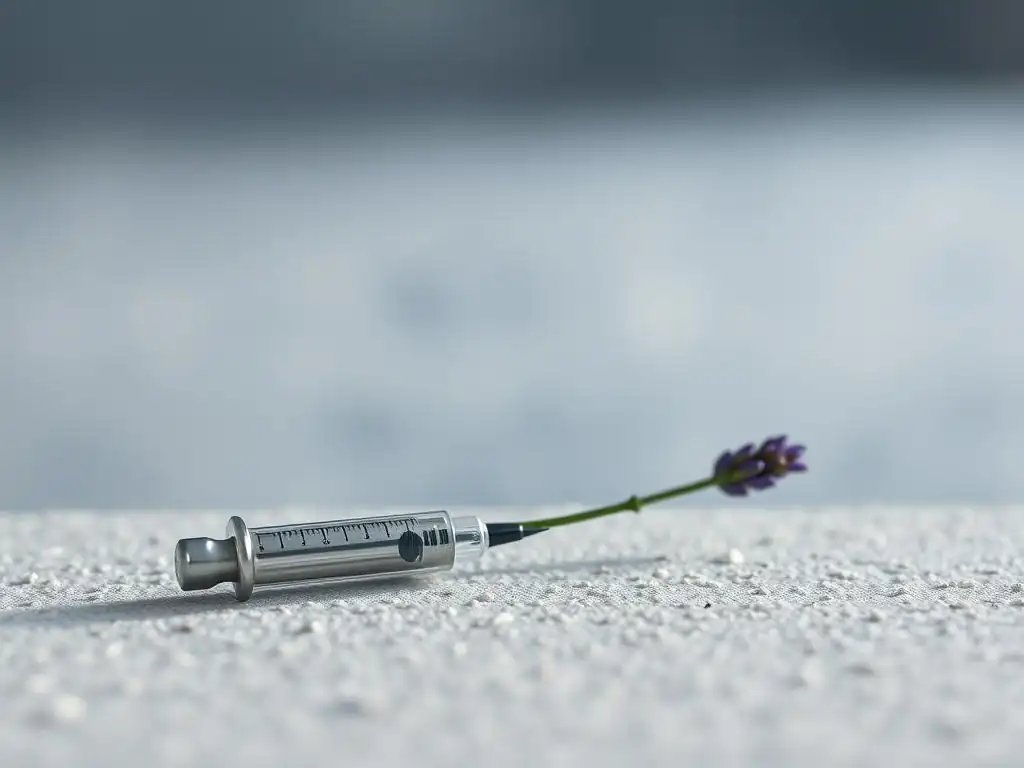
Recognizing the symptoms of trypanophobia is crucial for both individuals experiencing the fear and those supporting them. Symptoms can manifest physically, psychologically, and behaviorally, and they can differ slightly between children and adults. Identifying these signs is the first step towards seeking appropriate Trypanophobia treatment options.
Physical Symptoms of Needle Fear: A Detailed Look
The physical symptoms of trypanophobia are often pronounced and can be quite distressing. Unlike the typical fight-or-flight response, a hallmark of blood-injection-injury phobia is the vasovagal reaction. This involves an initial brief increase in heart rate and blood pressure, followed by a sudden and dramatic drop.
Common physical symptoms include:
- Rapid heartbeat initially, followed by a significant slowing.
- Sudden drop in blood pressure.
- Dizziness, lightheadedness, or feeling faint.
- Nausea or stomach upset.
- Sweating or clamminess.
- Trembling or shaking.
- Pallor (pale skin).
- Shortness of breath.
- Feeling cold or chilled.
- Actual fainting (syncope).
These physical reactions can be terrifying for the individual and reinforce the fear, creating a vicious cycle that effective Trypanophobia treatment options aim to break.
Psychological Symptoms: Anxiety, Panic, and Avoidance
Alongside the physical manifestations, trypanophobia involves significant psychological distress. The most prominent symptom is intense anxiety or panic when confronted with the sight or thought of needles. This anxiety is disproportionate to the actual danger posed by the needle.
Psychological symptoms include:
- Intense fear or dread of needles and injections.
- Overwhelming anxiety leading up to medical appointments.
- Thoughts of potential pain, injury, or complications.
- Feeling a loss of control.
- Panic attacks characterized by intense fear, rapid heart rate, difficulty breathing, and a sense of impending doom.
- Constant worry about needing injections in the future.
- Strong urge to escape or avoid situations involving needles.
This psychological burden can be constant, significantly impacting mental well-being and making the prospect of seeking medical help daunting. Addressing these psychological components is fundamental to successful Trypanophobia treatment options.
Identifying Trypanophobia in Children and Adults
Trypanophobia can present differently depending on age. In children, symptoms are often more overt and behavioral. A child might:
- Cry uncontrollably or scream.
- Become physically resistant or try to run away.
- Hide behind a parent or object.
- Freeze or become rigid.
- Talk about not wanting to go to the doctor or nurse.
Adults, while also experiencing intense fear, may be better at masking their distress or rationalizing their avoidance. They might:
- Make excuses to postpone or cancel medical appointments.
- Become agitated or irritable when discussing upcoming procedures.
- Appear visibly nervous, pale, or sweaty in a medical setting.
- Express intense worry about the procedure beforehand.
- Report feeling faint or dizzy during past procedures.
Recognizing these signs in oneself or others is the critical first step toward acknowledging the phobia and exploring the range of effective Trypanophobia treatment options available.
Effective Trypanophobia Treatment Options Available Now
Fortunately, trypanophobia is a highly treatable condition. Various therapeutic approaches and strategies have proven effective in helping individuals manage and overcome their fear of needles. Exploring these Trypanophobia treatment options can lead to significant improvements in a person's ability to access necessary healthcare and improve their quality of life.
Cognitive Behavioral Therapy (CBT) for Needle Phobia
Cognitive Behavioral Therapy (CBT) is widely considered one of the most effective Trypanophobia treatment options. It is a goal-oriented therapy that helps individuals identify and challenge negative thought patterns and behaviors associated with their fear. A typical course of CBT for a specific phobia might involve weekly sessions over several weeks or months, though significant progress can often be seen relatively quickly.
CBT operates on the principle that our thoughts, feelings, and behaviors are interconnected. By changing negative thought patterns (cognitions) and avoidance behaviors, individuals can reduce their fear response. For trypanophobia, CBT helps people understand that their fear is often based on exaggerated perceptions of danger rather than reality.
How CBT Addresses Negative Thoughts and Behaviors
CBT for trypanophobia specifically targets irrational beliefs such as "Needles are inherently dangerous," "I will definitely faint and hurt myself," or "The pain will be unbearable." Therapists work with individuals to examine the evidence for and against these thoughts and replace them with more realistic and balanced perspectives, like "Needles are safe medical tools when used by professionals" or "While there might be a brief pinch, the pain is temporary and manageable."
In addition to challenging thoughts, CBT addresses avoidance behaviors. Avoiding needles reinforces the phobia by preventing the individual from learning that their feared outcome (e.g., fainting, extreme pain) may not occur or is manageable. CBT encourages gradual exposure to the feared stimulus in a controlled and safe environment, a key component often referred to as exposure therapy.
Exposure Therapy: Gradually Facing Your Fear of Needles
Exposure therapy is a core element of CBT and is particularly effective for specific phobias like trypanophobia. It involves gradually exposing the individual to the feared object or situation in a systematic way, allowing them to confront their anxiety in a safe environment and learn that they can tolerate it without experiencing the catastrophic outcomes they anticipate.
Exposure typically follows a hierarchy, starting with less anxiety-provoking stimuli and moving toward more challenging ones. For needle phobia, this might begin with looking at pictures of needles, then watching videos of injections, holding a syringe, being in the same room as a needle, having a needle placed near the skin, and finally, receiving an actual injection or blood draw. With each step, the individual stays in the situation until their anxiety naturally decreases, a process called habituation. This repeated exposure helps desensitize the fear response and is a highly successful Trypanophobia treatment option.
Relaxation Techniques for Managing Needle Anxiety
Learning and practicing relaxation techniques is another valuable component of managing needle-related anxiety, often used in conjunction with therapeutic approaches like CBT. These techniques can help calm the nervous system, reduce physical symptoms of anxiety, and provide a sense of control during potentially stressful situations like receiving an injection.
Regular practice of these techniques outside of anxiety-provoking situations makes them more effective when needed. They serve as practical tools that individuals can use immediately before or during a medical procedure to help mitigate their fear response.
Deep Breathing Exercises for Calmness
Simple deep breathing exercises can have a profound impact on reducing anxiety and preventing the hyperventilation that sometimes accompanies panic. Techniques like diaphragmatic breathing (belly breathing) help activate the body's relaxation response.
A common method is the 4-7-8 technique:
- Exhale completely through your mouth, making a whoosh sound.
- Close your mouth and inhale quietly through your nose to a mental count of 4.
- Hold your breath for a count of 7.
- Exhale completely through your mouth, making a whoosh sound, for a count of 8.
- Repeat this cycle several times.
Practicing deep, slow breaths can help regulate heart rate and blood pressure, counteracting some of the physiological symptoms of fear.
Progressive Muscle Relaxation (PMR) Techniques
Progressive Muscle Relaxation (PMR) involves tensing and then releasing different muscle groups in the body. This process helps individuals become more aware of physical tension and teaches them how to release it, promoting overall relaxation.
The technique typically involves systematically moving through the body, from the toes to the head, tensing each muscle group for about 5-10 seconds and then releasing the tension completely for 20-30 seconds, noticing the difference between tension and relaxation. This can be particularly helpful in reducing the physical rigidity and trembling that sometimes accompany needle phobia.
Mindfulness Meditation for Reducing Anxiety
Mindfulness meditation involves focusing on the present moment without judgment. For someone with trypanophobia, this can mean acknowledging the feelings of anxiety or fear as they arise without getting swept away by them.
Practicing mindfulness regularly can help individuals develop a greater capacity to observe their thoughts and physical sensations without reacting intensely. During a medical procedure, mindfulness can help ground the individual in the present reality (the feel of the chair, the sounds in the room) rather than getting lost in fearful thoughts about the future or past negative experiences. While not a direct Trypanophobia treatment option on its own, it is a powerful coping mechanism.
Medication Options for Severe Trypanophobia
For some individuals with severe trypanophobia, medication may be considered as an adjunct to therapy, particularly for specific, unavoidable situations like essential medical procedures. Medication is typically not the primary Trypanophobia treatment option but can be a temporary aid.
Medication should always be discussed with a qualified healthcare professional who can assess the individual's specific needs, medical history, and potential risks and benefits.
Anti-Anxiety Medications: Benefits and Risks
Anti-anxiety medications, such as benzodiazepines (e.g., lorazepam, alprazolam), are sometimes prescribed for short-term, situational use to help manage acute panic and anxiety immediately before a procedure. They work by depressing the central nervous system, reducing feelings of fear and tension. Beta-blockers (e.g., propranolol) might also be used to block the physical symptoms of anxiety, like a racing heart or trembling.
The benefit of these medications is that they can significantly reduce anxiety levels, making it possible for someone with severe trypanophobia to undergo a necessary medical procedure. However, they come with risks, including side effects like drowsiness or dizziness, and the potential for dependence with regular use. Benzodiazepines, in particular, are generally only recommended for very infrequent use due to addiction potential.
When to Consider Medication for Needle Phobia
Medication is usually considered when trypanophobia is so severe that it prevents an individual from receiving essential medical care (like necessary vaccinations, diagnostic tests, or critical treatments) despite efforts with behavioral therapies. It's typically a last resort or a temporary bridge while the individual is actively engaged in therapy like CBT or exposure therapy.
The decision to use medication should be made collaboratively between the patient and their doctor or a mental health professional specializing in anxiety disorders. It's crucial to have a clear plan for how and when the medication will be used and to understand that it addresses the symptoms of anxiety rather than the underlying phobia itself. It is one of several potential Trypanophobia treatment options.
Alternative Therapies and Coping Mechanisms
Beyond traditional therapy and medication, some individuals find relief or supplementary support from alternative therapies and simple coping mechanisms. While not always standalone Trypanophobia treatment options, they can be valuable tools in managing anxiety.
These approaches often focus on mind-body connection or distraction techniques to help individuals feel more in control or less focused on the needle itself.
Hypnotherapy for Needle Phobia Relief
Hypnotherapy involves using guided relaxation and focused attention to achieve a heightened state of awareness, sometimes called a trance. In this state, individuals may be more open to suggestions that can help change their perceptions or behaviors related to needles.
A hypnotherapist might use techniques to help the individual reframe past negative experiences, associate needles with calmness rather than fear, or visualize successfully undergoing a procedure without anxiety. While scientific evidence for hypnotherapy as a primary phobia treatment is less robust than for CBT, some individuals report finding it helpful in reducing anxiety and changing their subconscious reaction to needles.
Acupuncture and Acupressure for Anxiety Reduction
Acupuncture, which involves inserting thin needles into specific points on the body, and acupressure, which uses pressure on these points, are traditional Chinese medicine techniques sometimes used to help reduce general anxiety and promote relaxation.
While not specific Trypanophobia treatment options, the theory is that stimulating certain points can help balance the body's energy flow and reduce stress hormones. Some individuals find that receiving acupuncture or acupressure treatments can help lower their baseline anxiety levels, potentially making it easier to cope with needle-related fears when they arise. However, acupuncture itself involves needles, which may not be suitable for everyone with this phobia.
Distraction Techniques During Injections
Simple distraction is a surprisingly effective coping mechanism, particularly for mild to moderate needle anxiety or as a supplementary strategy during a procedure. By focusing attention away from the needle and the injection process, individuals can reduce their awareness of potential discomfort or fear.
Effective distraction techniques include:
- Engaging in conversation with the healthcare professional or a companion.
- Looking away from the needle.
- Listening to music or watching a video on a phone.
- Playing a game or reading a book.
- Focusing intensely on a specific object in the room.
- Counting or reciting something.
These techniques don't eliminate the fear but can make the experience significantly more bearable by shifting focus. They are practical tools to use alongside more structured Trypanophobia treatment options.
Self-Help Strategies for Overcoming Needle Fear

While professional help is highly recommended for clinical trypanophobia, there are numerous self-help strategies that individuals can employ to manage their fear and prepare for medical procedures. These strategies empower individuals to take an active role in their journey toward overcoming needle fear and complement professional Trypanophobia treatment options.
Preparing for Injections: A Step-by-Step Guide
Being prepared can significantly reduce anxiety. Creating a personal preparation plan can help individuals feel more in control.
Here is a task list for preparing for an injection:
- [ ] Schedule the appointment for a time when you feel most relaxed (e.g., not rushed).
- [ ] Get adequate sleep the night before.
- [ ] Eat a meal and stay well-hydrated before the appointment (this can help prevent fainting).
- [ ] Wear loose clothing that allows easy access to the injection site.
- [ ] If possible, bring a trusted friend or family member for support.
- [ ] Plan a pleasant activity for immediately after the appointment as a reward.
- [ ] Practice relaxation techniques (deep breathing, PMR) in the hours leading up to the appointment.
- [ ] Review coping statements or positive affirmations.
Following these steps can create a calmer experience and reinforce positive associations with successfully navigating the situation.
Communicating Your Fears to Healthcare Professionals
Open and honest communication with healthcare providers is one of the most important self-help strategies. Nurses and doctors are accustomed to patients having anxiety about needles and are trained to help.
Tell the healthcare professional about your trypanophobia before the procedure begins. You can say something like, "I have a significant fear of needles, and I sometimes feel faint. Could we go slowly?" or "I have trypanophobia, and I'd appreciate it if you could tell me exactly what you're doing or distract me."
Healthcare professionals can then take steps to make the experience easier, such as:
- Using a smaller needle if appropriate.
- Having you lie down during the procedure (to prevent injury if you faint).
- Using topical numbing cream if available.
- Engaging in conversation or providing distraction.
- Giving you privacy if needed.
- Allowing time to recover afterwards.
Many healthcare providers are empathetic and willing to adjust their approach to accommodate your fear, making the procedure less daunting.
Creating a Supportive Environment During Medical Procedures
The physical and social environment during an injection can impact anxiety levels. Taking steps to make the setting as comfortable and supportive as possible is beneficial.
If permitted, bring a supportive person with you. Their presence can provide comfort and reassurance. You can also ask to lie down during the injection, which can help prevent the vasovagal response and protect you if you do feel faint. Some clinics have specific rooms or chairs designed for individuals prone to fainting.
Focusing on elements of the environment that are calming, such as looking at a picture on the wall, listening to quiet music, or focusing on the texture of the chair, can also serve as a form of distraction and grounding. Creating this supportive bubble around the procedure is a practical coping mechanism.
Positive Self-Talk and Visualization Techniques
Challenging negative thoughts with positive self-talk and using visualization are powerful cognitive self-help tools. Instead of dwelling on catastrophic outcomes, consciously replace those thoughts with realistic, positive statements.
Examples of positive self-talk:
This will be over quickly.
It's just a brief pinch, and I can handle it.
I am safe, and the healthcare professional is skilled.
This is important for my health, and I am brave for facing it.
I have gotten through this before, and I can do it again.
Visualization involves mentally rehearsing the procedure going smoothly and calmly. Picture yourself arriving at the clinic, feeling relaxed, the injection happening quickly and without excessive pain or fainting, and leaving feeling proud of yourself. Repeatedly visualizing a positive outcome can help reduce anticipatory anxiety and build confidence. These techniques are often taught as part of professional Trypanophobia treatment options like CBT.
Supporting Someone with Trypanophobia
Witnessing a loved one struggle with trypanophobia can be challenging, especially when their fear prevents them from getting necessary medical care. Providing support requires understanding, patience, and practical assistance. Encouraging them to explore Trypanophobia treatment options is key.
Understanding and Empathy: Key to Helping Loved Ones
The most important thing is to approach the situation with empathy and avoid minimizing their fear. Phrases like "Just tough it out" or "It's not that bad" are unhelpful and can make the person feel misunderstood or ashamed.
Recognize that their fear is real and intense, even if it seems irrational to you. Listen without judgment and validate their feelings. Let them know you understand that this is a genuine phobia, not just a minor inconvenience. Your understanding provides a safe space for them to express their anxiety and makes them more likely to seek or accept help.
Practical Tips for Assisting During Medical Appointments
Offering practical support can make a significant difference. This could involve helping them:
- Schedule the appointment for a time that works best for them.
- Remind them of their self-help strategies (hydration, meal, relaxation practice).
- Drive them to and from the appointment.
- Accompany them into the treatment room if they wish.
- Sit with them and provide distraction (talk, hold their hand, play music) during the procedure.
- Stay with them for a few minutes afterward if they feel dizzy or need to recover.
- Help them celebrate successfully getting through the appointment.
Being present and actively supportive can provide a sense of security and reduce feelings of isolation during a stressful time.
Encouraging Professional Treatment for Needle Phobia
While self-help and support are valuable, for clinical trypanophobia, professional Trypanophobia treatment options are often necessary for significant improvement. Gently encourage your loved one to seek help from a therapist specializing in anxiety disorders or phobias.
You can offer to help them research therapists, make initial calls, or even accompany them to the first appointment. Frame it as an opportunity to gain tools and strategies to overcome the fear, not as a sign of weakness. Highlighting the benefits of treatment – being able to get vaccinations, blood tests, and medical care without debilitating fear – can be a strong motivator.
The Importance of Addressing Needle Phobia: Why Treatment Matters
Ignoring or trying to "power through" severe trypanophobia can have serious consequences for an individual's health and well-being. Actively seeking and engaging with Trypanophobia treatment options is not just about reducing anxiety; it's about protecting long-term health and reclaiming control.
Avoiding Medical Care: The Consequences of Untreated Trypanophobia
The most significant consequence of untreated trypanophobia is the avoidance of necessary medical interventions. This can lead to:
- Skipping essential vaccinations (e.g., flu shots, travel vaccines), increasing vulnerability to preventable diseases.
- Delaying or avoiding crucial diagnostic blood tests, potentially missing early signs of serious health conditions.
- Refusing or postponing necessary medical treatments that require injections or IVs (e.g., chemotherapy, certain medications, surgical procedures).
- Avoiding dental care, as some procedures involve injections.
- Experiencing increased health risks due to lack of routine check-ups and screenings.
This avoidance behavior puts individuals at unnecessary risk and can have severe, long-term health implications.
Improving Quality of Life Through Needle Phobia Treatment
Successfully addressing trypanophobia through effective Trypanophobia treatment options can dramatically improve an individual's quality of life. Freedom from the constant dread and anxiety associated with potential medical procedures is liberating.
Imagine being able to schedule a doctor's appointment without weeks of anticipatory stress, or being able to travel to countries requiring specific vaccinations without debilitating fear. Overcoming this phobia removes a significant barrier to living a full and healthy life.
Empowering Individuals to Take Control of Their Health
Ultimately, seeking Trypanophobia treatment options empowers individuals to take control of their health. Instead of being dictated by their fear, they gain the tools and confidence to face medical situations when needed.
Learning to manage needle anxiety allows individuals to make health decisions based on medical necessity rather than phobic avoidance. This ability to access care when needed is fundamental to maintaining good health and overall well-being. Investing in treatment for trypanophobia is an investment in a healthier, less restricted future.
Frequently Asked Questions
What exactly is trypanophobia, and how common is it?
Trypanophobia is the extreme fear of needles or medical procedures involving injections. While prevalence varies, studies suggest it affects a significant portion of the population, potentially impacting healthcare adherence.
What are some common symptoms experienced by individuals with trypanophobia?
Symptoms can range from mild anxiety to panic attacks, including increased heart rate, sweating, and even fainting at the sight or thought of needles. Some individuals may also experience avoidance behaviors.
What Trypanophobia treatment options available now are considered effective for managing this phobia?
Several treatment options exist, including cognitive-behavioral therapy (CBT), exposure therapy, and applied tension techniques. Medication may also be used in some cases to manage anxiety.
Can a general practitioner provide assistance, or should I seek a specialist for Trypanophobia treatment options available now?
While a general practitioner can offer initial support and referrals, a mental health professional specializing in anxiety disorders is often best equipped to provide effective Trypanophobia treatment options available now.
Are there any self-help strategies that can be used alongside professional Trypanophobia treatment options available now?
Yes, techniques like deep breathing exercises, mindfulness meditation, and distraction methods can help manage anxiety during needle-related situations, complementing professional Trypanophobia treatment options available now.
Final Reflection: Conquering the Needle: Hope and Healing for Trypanophobia
The fear of needles, trypanophobia, affects millions, impacting not only healthcare access but also overall well-being. This pervasive anxiety is far more than a simple dislike; it's a debilitating condition that demands understanding and effective treatment. The options explored in this article – from cognitive behavioral therapy to virtual reality exposure therapy and medication – represent a significant step forward in providing accessible and effective care. The future of trypanophobia treatment is bright, promising relief for those who have long suffered in silence.
The journey to overcome trypanophobia is deeply personal, a testament to the resilience of the human spirit. It's a battle fought not just against a fear, but against societal expectations and the often-unseen burden of anxiety. The greatest glory in living lies not in never falling, but in rising every time we fall.
This quote, while not directly about trypanophobia, perfectly encapsulates the spirit of overcoming this fear. The ongoing research and development of new techniques highlight a growing awareness and commitment to supporting those who live with this condition.
You, the reader, now hold the key to your own journey. Take the time to reflect on the information presented, to identify the treatment options that resonate most with your personal needs and circumstances. Don't let trypanophobia define you; instead, let it be a catalyst for self-discovery and empowerment. Reach out for help, explore the resources available, and begin your path towards a life free from the crippling fear of needles. Your journey to healing starts now.
Conquer Your Needle Fear: Take the First Step Today!
Thanks for taking the time to learn more about managing trypanophobia. We hope this article equipped you with valuable strategies to overcome your fear of needles. Now it's time to put that knowledge into action!
Here are a few ways to build on what you've learned:
- Start with small, manageable steps: Begin practicing relaxation techniques like deep breathing or visualization daily. Even small wins build confidence!
- Consider seeking professional guidance:Explore options for therapy or hypnotherapy specialized in managing phobias. A supportive professional can guide you through personalized strategies.
- Share your progress and inspire others:Join an online support group or share your experiences with a trusted friend or family member. Building a supportive community can make a big difference.
Ready to face your fear head-on and reclaim your control? What's one small step you can take this week to ease your needle phobia?