
Fear of Clowns: Exploring Coulrophobia and How to Cope


Welcome to Mind Care Guide.
Do you find yourself experiencing a wave of unease, or even outright panic, at the mere sight of a clown? You're not alone. Many struggle with coulrophobia, the intense and often debilitating fear of clowns. It's okay to feel this way. This guide offers a compassionate and practical approach to dealing with coulrophobia effectively, offering insights and strategies to help you understand and manage your anxiety. Curious to learn more and reclaim your peace of mind? Let's begin.
- Understanding Glossophobia: The Fear of Public Speaking
- Identifying the Root Causes of Glossophobia
- Symptoms and Manifestations of Glossophobia
- Diagnosing Glossophobia: When to Seek Professional Help
- Dealing with Glossophobia Effectively: Strategies for Coping
- Practical Tips for Managing Glossophobia in Daily Life
- Helping Students Overcome Their Fear of Public Speaking
- The Benefits of Public Speaking: Reframing the Narrative
- Resources for Individuals with Glossophobia
- Conclusion: Embracing Public Speaking and Enhancing Communication Skills
-
Frequently Asked Questions
- What exactly is coulrophobia, and how common is it?
- What are the primary causes or triggers of coulrophobia?
- What are some common symptoms experienced by individuals with coulrophobia?
- What are some practical coping strategies for managing coulrophobia in everyday life?
- When should someone with coulrophobia seek professional help?
- Final Reflection: Confronting Our Inner Fears, One Clown at a Time
- Conquer Your Fear: Take Control of Coulrophobia Today!
Understanding Glossophobia: The Fear of Public Speaking
Defining Glossophobia: What is the Fear of Public Speaking?
Glossophobia is defined as an intense, persistent, and often debilitating fear of public speaking. It is a specific phobia that falls under the umbrella of anxiety disorders. Individuals experiencing glossophobia face significant distress when faced with the prospect of speaking in front of an audience, whether it's a small group in a meeting or a large crowd at an event. This fear is more than just nervousness; it's a profound anxiety that can trigger physical and psychological symptoms, making the act of speaking publicly feel overwhelming or even impossible.
This phobia is characterized by an irrational fear that is disproportionate to the actual threat posed by public speaking. People with glossophobia often anticipate negative outcomes, such as humiliation, judgment, or failure, even when they are well-prepared. The mere thought of having to speak can induce significant anxiety, leading to avoidance behaviors that can impact academic, professional, and social life.
Prevalence of Glossophobia: How Common Is It?
The fear of public speaking is remarkably common, often cited as one of the most prevalent fears in many populations. While precise figures vary depending on the study and definition used, estimates suggest that glossophobia or significant public speaking anxiety affects a large percentage of the population. Some surveys indicate that up to 75% of people experience some level of anxiety about public speaking, with a significant portion meeting the criteria for a specific phobia or experiencing severe distress.
This widespread prevalence highlights that while the fear is intense for the individual, they are far from alone in experiencing it. Studies have shown that this fear can rank higher than fears of death, heights, or spiders in some surveys, illustrating its significant impact on daily life and potential for avoidance. Understanding its commonality can be an important first step for individuals grappling with this fear, helping to normalize their experience and reduce feelings of isolation.
Differentiating Glossophobia from General Shyness
While shyness involves a general discomfort in social situations and can include reticence in speaking up, glossophobia is specifically centered around the act of public speaking. Shyness is a personality trait or a mild form of social anxiety, often characterized by inhibition and avoidance of social interaction, but it doesn't necessarily involve an intense, panic-inducing fear triggered solely by the prospect of speaking to a group. A shy person might feel uncomfortable at a party but could still manage to give a presentation if required.
Glossophobia, on the other hand, is a targeted fear. An individual with glossophobia might be perfectly comfortable in one-on-one conversations or small social gatherings but experience extreme anxiety when faced with a formal speaking engagement. The core distinction lies in the specificity and intensity of the fear response, which is disproportionately high compared to the actual risk involved and is specifically tied to performing in front of others.
Identifying the Root Causes of Glossophobia
Past Negative Experiences and Public Speaking Mishaps
One significant contributor to the development of glossophobia is prior negative experiences with public speaking. A single embarrassing moment, a critical teacher, laughter from the audience, or forgetting one's lines during a presentation can leave a lasting psychological scar. These past mishaps create a strong association between public speaking and negative outcomes, reinforcing the belief that future attempts will also result in failure or humiliation.
These initial negative experiences can trigger a cycle of avoidance. By avoiding public speaking opportunities, the individual prevents themselves from having positive experiences that could counteract the negative ones. This avoidance also prevents them from developing coping skills and building confidence, further solidifying the phobia. The memory of past failures becomes a self-fulfilling prophecy, fueling anxiety about anticipated future failures.
Glossophobia is often closely linked to social anxiety disorder (SAD), although they are distinct conditions. Individuals with SAD have a broader fear of social situations where they might be scrutinized or judged by others. Public speaking is a prime example of such a situation, making it a common trigger for those with social anxiety. The fear stems from a deep-seated concern about negative evaluation, rejection, or appearing foolish in front of peers.
Self-perception plays a critical role here. People prone to glossophobia often have a negative self-image regarding their speaking abilities or feel overly exposed and vulnerable when standing before others. They may believe they are not articulate enough, interesting enough, or capable of holding an audience's attention. This negative self-talk and distorted self-perception amplify the anxiety and make the prospect of public speaking feel like an insurmountable challenge.
Psychological Factors Contributing to Glossophobia
Beyond past experiences and social anxiety, several psychological factors can contribute to glossophobia. Cognitive distortions, such as catastrophizing (believing the worst possible outcome will occur) or mind-reading (assuming the audience is thinking negatively), are common. Individuals might anticipate forgetting everything, being unable to speak, or being openly mocked, even if these outcomes are highly improbable.
Perfectionism is another contributing factor. The pressure to deliver a flawless performance can be overwhelming, and the fear of making any mistake can paralyze an individual. A strong need for approval and a fear of judgment also play significant roles. The individual may feel their self-worth is on the line, making public speaking feel like a high-stakes test they are destined to fail. These intertwined psychological patterns create fertile ground for the development and maintenance of glossophobia.
Symptoms and Manifestations of Glossophobia
Physical Symptoms of Speech Anxiety
When faced with the prospect of public speaking, individuals with glossophobia often experience a range of intense physical symptoms, characteristic of the body's fight-or-flight response. These symptoms can manifest before, during, or even after the speaking engagement. Common physical reactions include a racing heart or palpitations, shortness of breath, rapid and shallow breathing, and trembling or shaking, particularly in the hands or voice.
Other physical manifestations can include excessive sweating, dry mouth, dizziness or lightheadedness, and muscle tension. Some individuals may experience gastrointestinal distress, such as nausea or butterflies in the stomach. These physical symptoms can be incredibly disruptive and further fuel the anxiety, as the individual becomes acutely aware of their body's reactions and fears these signs of nervousness are obvious to the audience.
Psychological Symptoms Associated with Glossophobia
The psychological symptoms of glossophobia are equally distressing and often involve a cycle of anxious thoughts and fears. Intense worry and dread leading up to the speaking event are common, sometimes starting days or even weeks in advance. During the speech, individuals may experience feelings of panic, a sense of losing control, or an overwhelming urge to escape the situation.
Cognitive symptoms include difficulty concentrating, memory blanks (forgetting what they planned to say), and negative self-talk. They might engage in catastrophic thinking, imagining the worst possible scenarios unfolding. The fear of being judged, criticized, or humiliated is central to the psychological experience. After the speech, individuals may ruminate on perceived mistakes, reinforcing their negative beliefs about their speaking abilities.
Recognizing Glossophobia in Professionals and Students
Glossophobia can significantly impact individuals across all walks of life, including professionals and students. In professional settings, it can hinder career advancement, preventing individuals from speaking up in meetings, delivering presentations, or networking effectively. A professional might avoid leadership roles that require public addresses or pass up opportunities to share their expertise at conferences, potentially limiting their influence and visibility within their field.
For students, glossophobia can make classroom participation terrifying and presenting projects a major source of distress. It can impact grades and overall academic experience. Students might avoid courses that require presentations or struggle significantly in classes where public speaking is a component. Recognizing glossophobia in these contexts is crucial, as it's not merely stage fright but a clinical anxiety that requires understanding and support to overcome.
Diagnosing Glossophobia: When to Seek Professional Help

While glossophobia is a specific phobia, it is often closely related to Social Anxiety Disorder (SAD), also known as Social Phobia. According to the Diagnostic and Statistical Manual of Mental Disorders (DSM-5), SAD is characterized by a marked fear or anxiety about one or more social situations in which the individual is exposed to possible scrutiny by others. This includes social interactions, being observed (like eating or drinking), and performing in front of others (like giving a speech). The fear is that the individual will act in a way or show anxiety symptoms that will be negatively evaluated.
For a diagnosis of SAD, the fear or anxiety must be persistent, lasting typically for 6 months or more, and cause clinically significant distress or impairment in social, occupational, or other important areas of functioning. If the fear is restricted to speaking or performing in front of an audience, it may be diagnosed as SAD "performance only" subtype, which directly relates to glossophobia. A mental health professional will assess the intensity, duration, and impact of the fear to make a diagnosis.
Self-Assessment Tools for Speech Anxiety: The Personal Report of Communication Apprehension (PRCA-24)
While not a substitute for professional diagnosis, self-assessment tools can help individuals gauge the severity of their speech anxiety. One widely used tool is the Personal Report of Communication Apprehension (PRCA-24), developed by Dr. James McCroskey. This questionnaire consists of 24 statements that individuals rate on a Likert scale (e.g., from strongly agree to strongly disagree). It measures apprehension across different communication contexts, including public speaking.
The PRCA-24 provides a score that indicates the level of communication apprehension. Higher scores suggest greater fear or anxiety about public speaking and other forms of communication. While taking such a test can offer valuable insight into one's feelings about public speaking, it's important to interpret the results as a self-evaluation rather than a formal diagnosis. It can, however, be a useful starting point for deciding whether to seek professional help.
The Importance of Consulting a Speech-Language Pathologist or Therapist
If the fear of public speaking is significantly impacting your life – hindering your education, career, or social interactions – it is important to consult a qualified professional. Mental health therapists, psychologists, or psychiatrists are equipped to diagnose anxiety disorders, including specific phobias like glossophobia or SAD (performance only). They can conduct a thorough assessment to understand the nature and severity of your fear and rule out other potential issues.
Additionally, a speech-language pathologist (SLP) might be a valuable resource, particularly if the fear is linked to concerns about articulation, fluency, or voice quality. While SLPs primarily address communication disorders, some have expertise in helping individuals overcome anxiety related to speaking, focusing on practical techniques for voice control, pacing, and delivery. Collaborating with a therapist who addresses the underlying anxiety and an SLP who focuses on speaking mechanics can provide a comprehensive approach to managing glossophobia.
Dealing with Glossophobia Effectively: Strategies for Coping
Cognitive Behavioral Therapy (CBT) for Glossophobia
Cognitive Behavioral Therapy (CBT) is one of the most effective therapeutic approaches for dealing with glossophobia effectively. CBT works by helping individuals identify and challenge the negative thought patterns and beliefs that contribute to their fear. A therapist helps the individual recognize irrational fears, such as "If I make a mistake, everyone will think I'm incompetent," and replace them with more realistic and balanced thoughts, like "It's okay to make a mistake; everyone does, and the audience is likely supportive."
The behavioral component of CBT involves gradually exposing the individual to public speaking situations in a controlled and supportive environment. This might start with speaking in front of just the therapist, then a small group, and slowly progressing to larger audiences. Through these exposures, the individual learns that their feared outcomes rarely happen and that they can tolerate the anxiety and still perform. This process helps desensitize the individual to the fear triggers and build confidence through successful experiences.
Systematic Desensitization for Overcoming Speech Anxiety
Systematic desensitization is a specific type of exposure therapy often used in conjunction with CBT to help individuals overcome phobias, including speech anxiety. This technique involves three main steps. First, the individual is taught relaxation techniques, such as deep breathing or progressive muscle relaxation. Second, a hierarchy of fear-provoking situations related to public speaking is created, starting from the least anxiety-inducing (e.g., thinking about giving a speech) to the most anxiety-inducing (e.g., giving a speech to a large audience).
Third, the individual gradually confronts each item on the hierarchy while practicing the relaxation techniques. They only move to the next level when they can remain relaxed at the current level. The goal is to replace the fear response with a relaxation response. By repeatedly pairing the feared situation with relaxation, the intensity of the anxiety diminishes over time, allowing the individual to tolerate and eventually feel more comfortable in public speaking scenarios.
Learning and utilizing relaxation techniques can be a powerful tool for managing the physical and psychological symptoms of glossophobia both before and during a speaking engagement. These techniques help calm the nervous system, reduce muscle tension, and clear the mind, making it easier to focus on the task at hand rather than the anxiety. Regular practice of these techniques can lower overall anxiety levels and provide immediate relief when feeling overwhelmed.
Integrating relaxation practices into your routine, not just before a speech, can also build resilience against anxiety. Simple techniques like mindfulness meditation, gentle stretching, or listening to calming music can contribute to a more relaxed state of being. Having a repertoire of techniques allows individuals to choose what works best for them in different situations, providing a sense of control over their anxiety response.
Diaphragmatic Breathing Exercises for Glossophobia
Diaphragmatic breathing, also known as deep belly breathing, is a fundamental relaxation technique that can significantly reduce the physical symptoms of anxiety, such as rapid heart rate and shortness of breath. This technique involves breathing deeply into the abdomen rather than shallowly into the chest. To practice, sit or lie down comfortably, place one hand on your chest and the other on your abdomen.
Inhale slowly through your nose, feeling your abdomen expand while your chest remains relatively still. Exhale slowly through your mouth, gently contracting your abdominal muscles to push the air out. Focus on slow, steady breaths. Practicing this for a few minutes before a speech can help slow your heart rate, calm your nerves, and ensure you have adequate breath support for speaking clearly and confidently. Regular practice outside of stressful situations makes it easier to employ when anxiety strikes.
Visualization Techniques for Calming Nerves Before a Speech
Visualization is another effective technique for managing anxiety by using mental imagery to create a sense of calm and success. Before a speech, find a quiet place and close your eyes. Imagine yourself successfully delivering your presentation – visualize yourself feeling confident, speaking clearly, engaging the audience, and receiving positive feedback. Focus on sensory details: the feeling of standing confidently, the sound of your clear voice, the positive expressions on faces in the audience.
Alternatively, you can visualize a calming place, such as a peaceful beach or a quiet forest. Immerse yourself in this scene, focusing on the sights, sounds, and feelings associated with it. This helps distract your mind from anxious thoughts and promotes a state of relaxation. Regularly practicing positive visualization can help reprogram your mind to associate public speaking with positive outcomes and reduce the intensity of the fear response.
Speech Training and Practice for Improved Confidence
One of the most practical ways of dealing with glossophobia effectively is through systematic speech training and practice. Lack of preparation and unfamiliarity with the material are significant contributors to anxiety. By thoroughly researching the topic, organizing your thoughts logically, and creating clear notes or slides, you reduce the uncertainty that fuels fear. Knowing your material inside and out builds a strong foundation of confidence.
Beyond preparation, extensive practice is key. Rehearse your speech multiple times, preferably in conditions that simulate the actual speaking environment. Practice in front of a mirror, record yourself and watch it back (as uncomfortable as that might be initially), and practice in front of supportive friends or family. The more you practice, the more comfortable you become with the flow of your speech, your delivery, and managing your nerves. This familiarity reduces the fear of the unknown and allows you to focus on connecting with your audience.
The Role of Toastmasters International in Managing Glossophobia
Organizations like Toastmasters International provide a structured and supportive environment specifically designed to help individuals improve their public speaking and leadership skills, making them an excellent resource for dealing with glossophobia effectively. Toastmasters clubs offer regular meetings where members practice giving speeches in a low-pressure setting. Members receive constructive feedback from peers, helping them identify areas for improvement and celebrate successes.
Joining a Toastmasters club allows individuals to gradually increase their comfort level with public speaking through repeated exposure and positive reinforcement. The program includes structured projects that guide members through different aspects of speech preparation and delivery. The supportive community aspect is also crucial, as members share their experiences and encourage each other, reducing feelings of isolation related to the fear of public speaking.
Practical Tips for Managing Glossophobia in Daily Life
Preparation Strategies for Effective Public Speaking
Effective preparation is the cornerstone of managing glossophobia. Start preparing well in advance to avoid last-minute panic. Understand your audience and tailor your message to their interests and knowledge level. Structure your speech logically with a clear introduction, body, and conclusion. Use visual aids strategically to enhance your message, not distract from it.
Know your opening and closing lines perfectly, as these are often the most nerve-wracking parts. Time yourself during practice to ensure you stay within the allocated time. Visit the speaking venue beforehand if possible to familiarize yourself with the space. Having a solid plan and being thoroughly prepared significantly reduces anxiety by increasing your sense of control over the situation.
Coping Mechanisms During a Speech or Presentation
Even with preparation, anxiety may surface during a speech. Have coping mechanisms ready. If you feel your heart racing, pause for a moment, take a slow, deep breath, and exhale slowly. If your hands are shaking, grip the podium lightly or place your notes on a surface. If you momentarily forget something, it's okay to pause, consult your notes, or simply take a sip of water to collect your thoughts.
Focus on your message, not your fear. Remind yourself why you are giving this speech and the value you are providing to the audience. Engage with your audience by making eye contact (focusing on foreheads or friendly faces if direct eye contact is too intimidating initially). Remember that the audience is generally supportive and wants you to succeed. Allow yourself to be human; a small stumble is rarely as noticeable to others as it is to you.
Seeking Feedback and Continuous Improvement
After giving a speech, seek constructive feedback. Ask trusted friends, colleagues, or mentors for their honest opinions on your delivery, content, and areas for improvement. Be open to criticism, viewing it as an opportunity to learn and grow, not as confirmation of your fears. Focus on specific aspects, such as pacing, clarity, or body language.
Use the feedback to refine your skills for your next speaking opportunity. Public speaking is a skill that improves with practice and conscious effort. Don't let one less-than-perfect experience deter you. Each speaking opportunity, regardless of how it feels at the moment, is a chance to practice, learn, and become more comfortable. Continuous improvement is key to building long-term confidence in public speaking.
Helping Students Overcome Their Fear of Public Speaking
Creating Supportive Classroom Environments
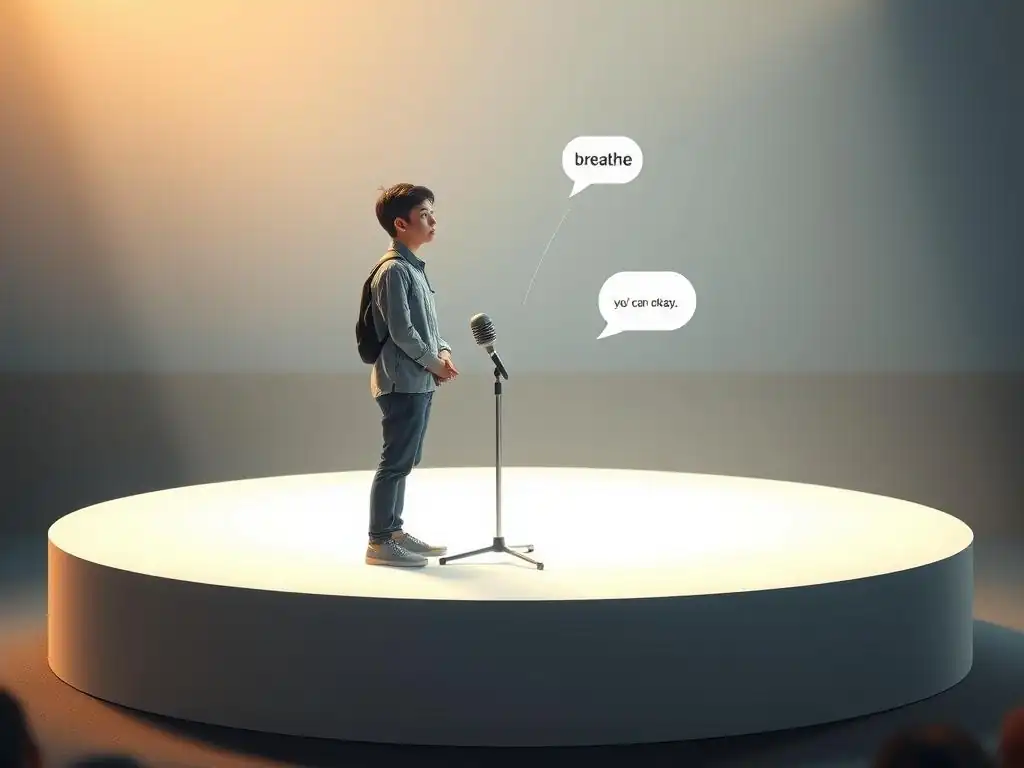
Educators play a vital role in helping students overcome glossophobia by creating supportive and low-stakes classroom environments. This involves fostering a sense of psychological safety where students feel comfortable taking risks without fear of harsh judgment or ridicule from peers or the teacher. Establishing clear expectations for presentations and providing rubrics can reduce anxiety about evaluation.
Encouraging a culture of positive and constructive feedback among students is essential. Teachers can model how to provide helpful suggestions rather than just criticism. Allowing students to practice in small groups before presenting to the whole class, or offering alternative presentation formats (like pre-recorded videos initially), can also ease the pressure and build confidence gradually. Celebrating effort and progress, not just perfection, is key.
Incorporating Public Speaking Activities Gradually
Introducing public speaking activities gradually can help students build comfort over time. Start with very low-stakes activities, such as sharing a personal item, reading a short passage aloud, or participating in small group discussions. Progress to slightly more involved tasks, like presenting a single slide or giving a brief summary of a topic.
Avoid high-stakes, lengthy presentations early on, especially for students who exhibit significant anxiety. Break down larger projects into smaller, manageable speaking components. Providing opportunities for informal speaking, like leading a discussion or asking questions, can also help students get used to speaking in front of others without the formality of a presentation. The goal is repeated, positive exposure to build familiarity and reduce the novelty and fear associated with speaking.
Positive Reinforcement and Constructive Criticism for Students
Providing positive reinforcement is crucial for students struggling with glossophobia. Acknowledge and praise their effort for even attempting to speak, regardless of the outcome. Highlight specific things they did well, no matter how small, such as making eye contact, speaking clearly for a moment, or having well-organized notes. Positive feedback reinforces brave behavior and builds confidence.
When offering criticism, ensure it is constructive and specific. Focus on behaviors that can be changed (e.g., "Try pausing here for emphasis" or "Ensure you are loud enough for everyone to hear") rather than personal traits. Frame criticism as suggestions for improvement, emphasizing that public speaking is a skill that develops with practice. Avoid harsh or public criticism, which can be deeply damaging to a student's confidence and exacerbate their fear.
The Benefits of Public Speaking: Reframing the Narrative
Exploring the Importance of Communication Skills
Overcoming glossophobia is not just about eliminating a fear; it's about unlocking the significant benefits that effective public speaking and communication skills offer. In virtually every aspect of life – academic, professional, and personal – the ability to articulate your thoughts, share ideas, and connect with others is invaluable. Strong communication skills are essential for leadership, negotiation, teaching, sales, and even building meaningful relationships.
Developing comfort with public speaking enhances your ability to influence others, advocate for yourself or causes you believe in, and share your unique perspective with the world. It builds confidence not just in speaking situations but in broader social interactions. Recognizing the importance of communication skills can provide powerful motivation to confront and manage the fear of public speaking.
Shift the focus from performance anxiety to the purpose of the communication. Instead of dwelling on how you are being perceived, concentrate on the message you want to convey and the value it holds for your audience. Public speaking is an opportunity to share your knowledge, insights, passions, or experiences with others, potentially informing, inspiring, or persuading them.
When you focus on the content and your audience's needs, the spotlight shifts away from your internal anxiety. Think about the positive impact your message can have. This reframing helps transform public speaking from a daunting performance into a meaningful interaction, making the experience less about personal vulnerability and more about connecting through shared ideas.
Separating Performance Anxiety from the Value of the Message
It's helpful to separate the anxiety you feel (performance anxiety) from the inherent value of what you have to say. Your nervousness does not diminish the importance or quality of your message. The audience is primarily there to hear about your topic, not to critique your every gesture or tremor. Understanding this distinction can alleviate some of the pressure.
Even if you feel nervous, you can still deliver a valuable and impactful presentation. Many experienced speakers still feel some level of nervousness before speaking, but they have learned to manage it and focus on their content. By focusing on delivering your message clearly and passionately, you can often engage the audience and make a positive impression, even if you don't feel perfectly calm. The message is often more memorable than the momentary signs of nerves.
Resources for Individuals with Glossophobia
Online Support Groups and Communities for Speech Anxiety
Finding support from others who understand the challenges of glossophobia can be incredibly validating and helpful. Numerous online forums, social media groups, and dedicated websites host communities where individuals can share their experiences, offer advice, and provide encouragement to one another. These platforms offer a safe space to discuss fears, strategies, and progress without the pressure of face-to-face interaction.
Examples of such communities can often be found through mental health organizations or by searching for terms like "public speaking anxiety support group" or "glossophobia forum." While not a substitute for professional help, connecting with peers can reduce feelings of isolation and provide practical tips and emotional support from people who are actively dealing with similar challenges.
Books and Articles About Public Speaking and Overcoming Fear
A wealth of literature exists on the topics of public speaking, communication skills, and overcoming anxiety. Reading books and articles can provide valuable insights into the nature of glossophobia, effective strategies for managing it, and techniques for improving speaking skills. Authors like Dale Carnegie ("How to Win Friends and Influence People," which includes principles applicable to public speaking) or books specifically focused on communication apprehension can offer practical guidance.
Exploring resources that explain the psychology behind fear and anxiety can also be empowering, helping individuals understand their reactions and how to work through them. Many books offer step-by-step guides for preparing and delivering presentations, focusing on building confidence and reducing nervousness through proven methods.
Speech Coaches and Therapists Specializing in Anxiety Management
For more personalized and intensive support, consulting professionals is highly recommended. Therapists specializing in anxiety disorders can provide evidence-based treatments like CBT or systematic desensitization tailored to your specific needs. They can help you uncover the root causes of your fear, challenge negative thought patterns, and develop effective coping mechanisms.
Speech coaches, while not mental health professionals, can offer practical training in delivery, voice projection, body language, and structuring presentations. Some coaches specifically work with individuals who have public speaking anxiety, focusing on building confidence through skill development and practice. Combining therapeutic support for the anxiety with practical coaching for the speaking skills can be a very effective approach for dealing with glossophobia effectively.
Conclusion: Embracing Public Speaking and Enhancing Communication Skills
Overcoming glossophobia is a journey, not a destination, and it is a journey that many individuals successfully navigate. While the fear of public speaking is common and can feel overwhelming, it is a highly treatable condition. By understanding the nature of the fear, identifying its potential causes, and employing evidence-based strategies such as CBT, systematic desensitization, relaxation techniques, and consistent practice, individuals can significantly reduce their anxiety and build confidence.
Embracing public speaking means recognizing its value as a crucial communication skill and an opportunity to share your voice and ideas with the world. It involves reframing the narrative from one of dreaded performance to one of valuable connection and contribution. With the right tools, support, and a willingness to take gradual steps outside your comfort zone, dealing with glossophobia effectively is achievable, opening doors to enhanced personal, academic, and professional growth.
Frequently Asked Questions
What exactly is coulrophobia, and how common is it?
Coulrophobia is the irrational and persistent fear of clowns. While difficult to pinpoint exact numbers, it's considered relatively common, affecting both children and adults, and can range from mild unease to severe anxiety.
What are the primary causes or triggers of coulrophobia?
Several factors can contribute, including negative childhood experiences involving clowns, the unpredictable nature of clown makeup and behavior, and the portrayal of clowns in horror movies and media, leading to learned fear responses.
What are some common symptoms experienced by individuals with coulrophobia?
Symptoms can vary but often include anxiety, panic attacks, rapid heartbeat, sweating, trembling, nausea, and an overwhelming urge to avoid clowns or situations where they might be present.
What are some practical coping strategies for managing coulrophobia in everyday life?
Strategies include exposure therapy (gradual desensitization), cognitive behavioral therapy (CBT) to challenge negative thoughts, and relaxation techniques like deep breathing to manage anxiety when encountering clown imagery.
When should someone with coulrophobia seek professional help?
If the fear significantly impacts daily life, causes significant distress or avoidance, or prevents you from participating in activities you enjoy, seeking professional help from a therapist or counselor is recommended.
Final Reflection: Confronting Our Inner Fears, One Clown at a Time
The unsettling image of a clown, once a symbol of childhood joy, has become, for many, a source of intense anxiety. Coulrophobia, the fear of clowns, is far more prevalent than many realize, impacting daily life for countless individuals. This article has explored the roots of this phobia, from evolutionary responses to learned associations, and offered practical coping mechanisms to navigate this often-unacknowledged struggle.
The pervasive nature of coulrophobia highlights a larger societal truth: our fears, however seemingly irrational, hold significant power over our lives. They shape our choices, limit our experiences, and can even dictate our sense of well-being. Understanding the psychology behind coulrophobia, therefore, offers a valuable lens through which to examine the broader human experience of fear and anxiety. The only thing we have to fear is fear itself,
– Franklin D. Roosevelt. This quote, while addressing a different context, speaks to the importance of confronting our anxieties, rather than allowing them to control us.
You now possess a deeper understanding of coulrophobia and the tools to manage it. Consider the ways in which your own fears, big or small, might be limiting you. Take a moment to reflect on the strategies discussed – gradual exposure, cognitive behavioral therapy, and self-compassion – and identify which might be most beneficial in your own journey towards conquering your anxieties. Remember, facing your fears, even those as seemingly trivial as a painted smile, is a testament to your strength and resilience. Begin your journey towards a more fearless and fulfilling life, one step at a time.
Conquer Your Fear: Take Control of Coulrophobia Today!
Thanks for taking the time to explore the fascinating (and sometimes frightening!) world of coulrophobia with us. We hope you gained valuable insights into understanding and managing your fear of clowns. Now it's time to put that knowledge into action!
- Start small: Identify one clown-related trigger (a picture, a cartoon, etc.) and practice exposure techniques. Even a few minutes of controlled exposure can make a difference.
- Share your story: Connect with others in online support groups – you might be surprised by how many people share similar experiences. Knowing you're not alone is a powerful first step.
- Challenge your thoughts: Next time you encounter a clown-related trigger, actively challenge the negative thoughts that arise. Replace them with more realistic and balanced perspectives.
Ready to take the next step toward a life less limited by coulrophobia? What's one small step you can take this week to confront your fear?