
Fear of Heights Treatment: StepbyStep Approaches

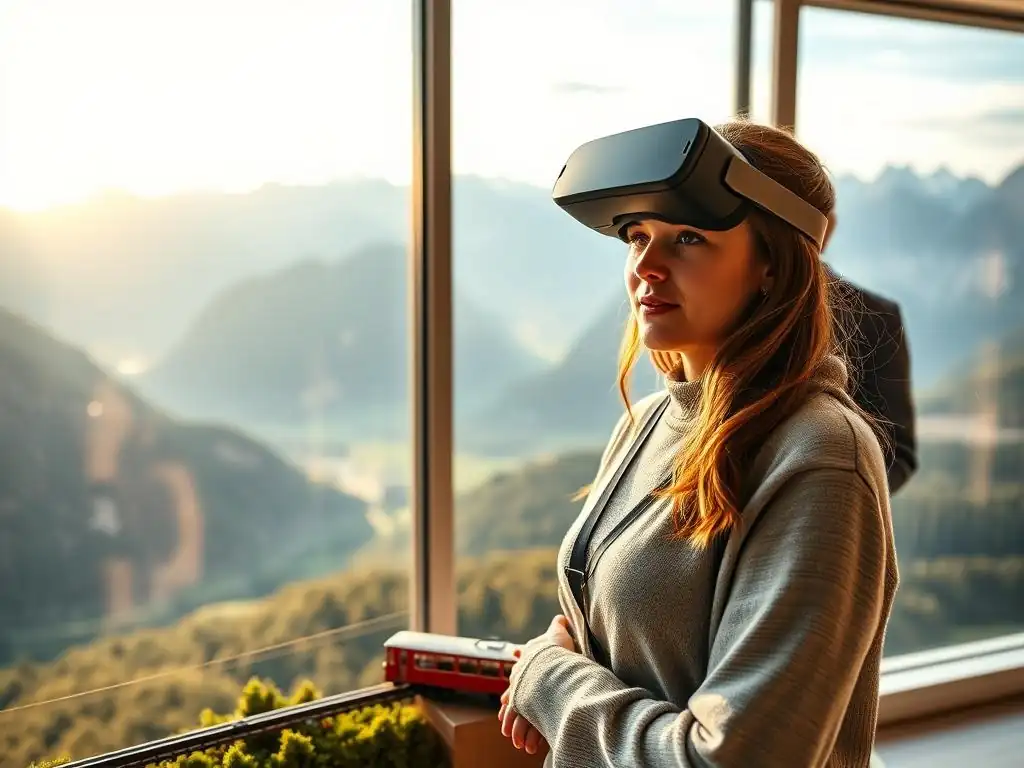
Welcome to Mind Care Guide, a safe space dedicated to nurturing your mental well-being. Feeling overwhelmed by the world above? You're not alone. Many experience a crippling fear of heights, but effective solutions exist. Ready to take the first step towards reclaiming your freedom? Our comprehensive guide, " Overcoming Fear Heights Treatment: Step-by-Step Approaches," provides actionable strategies and support to help you conquer your acrophobia. Explore practical techniques and discover a path towards a more confident you.
Overcoming Acrophobia: A Comprehensive Guide to Treatment and Management
- Understanding Acrophobia
- Step 1: Self-Assessment and Trigger Identification
- Step 2: Gradual Exposure Therapy
- Step 3: Cognitive Restructuring
- Step 4: Relaxation Techniques
- Step 5: Seeking Professional Help
- Maintaining Progress and Preventing Relapse
-
Frequently Asked Questions
- What is the most effective treatment for fear of heights (acrophobia), and how long does it typically take to see results?
- Can medication be used to treat fear of heights, and if so, what types of medications are typically prescribed?
- What are some self-help techniques that individuals can use to manage their fear of heights at home?
- How does exposure therapy work in the treatment of fear of heights, and what are the potential risks involved?
- Where can I find professional help for overcoming my fear of heights, and what are the qualifications I should look for in a therapist?
- Final Reflection: Scaling the Heights of Courage
- Conquer Your Fear: Take the Next Step Towards Freedom
Understanding Acrophobia
Defining Acrophobia and its Impact
Acrophobia is defined as an intense, irrational fear of heights. Unlike a normal feeling of caution or unease when in a high place, acrophobia is a specific phobia that triggers significant anxiety and often leads to avoidance behaviors.
This fear can be debilitating, severely restricting a person's activities, travel options, and even daily routines, such as visiting friends who live on higher floors or using escalators in shopping malls. The impact extends beyond the immediate fear; it can affect social life, career opportunities (e.g., jobs requiring travel or working at heights), and overall quality of life, making effective overcoming fear heights treatment crucial for those affected.
This condition is classified under anxiety disorders in diagnostic manuals like the DSM-5. While precise prevalence figures vary, studies suggest that specific phobias, including acrophobia, affect a significant portion of the population, potentially impacting millions worldwide at some point in their lives. The severity can range from mild discomfort to full-blown panic attacks triggered by even the thought of heights. The distress is disproportionate to the actual danger posed by the height, highlighting the irrational nature of the phobia. Therefore, understanding its definition and widespread impact is the first step towards managing and treating acrophobia effectively.
Common Symptoms: Physical and Psychological Manifestations
The symptoms of acrophobia can be intense and varied, encompassing both physical and psychological reactions. Physically, individuals might experience a rapid heartbeat, shortness of breath, sweating, trembling, dizziness, nausea, or a churning stomach. Some report feeling lightheaded or having a strong urge to grasp onto something stable or immediately descend. These physical sensations are often the body's fight-or-flight response kicking in due to the perceived threat of height.
Psychologically, the symptoms include intense fear, panic, and a feeling of losing control. Thoughts might race, focusing on catastrophic outcomes like falling or being unable to escape the high location. There's often a strong urge to avoid heights altogether, which can lead to significant limitations in daily life. The anticipation of being in a high place can also trigger anxiety, sometimes days or weeks in advance, demonstrating the pervasive nature of this phobia and the need for structured approaches to overcoming fear heights treatment.
Differentiating Acrophobia from Normal Height Sensitivity
It's important to distinguish between acrophobia and a normal, healthy caution around heights. A typical person might feel a slight unease or increased awareness when standing on a high ledge, recognizing the potential danger of falling. This is a natural survival instinct. They can usually manage this feeling and function normally, even if they prefer not to linger in high places.
Acrophobia, however, involves an excessive, irrational fear that is out of proportion to the actual risk. The individual experiences intense panic or anxiety, often accompanied by strong physical symptoms, even in situations that are perfectly safe, such as standing behind a secure railing or looking out a high window. The fear is debilitating and leads to significant avoidance. Recognizing this distinction is key to identifying the need for specific therapeutic interventions aimed at overcoming fear heights treatment, rather than simply managing a mild discomfort.
Step 1: Self-Assessment and Trigger Identification
Evaluating Acrophobia Severity and Specific Triggers
The initial step in overcoming fear heights treatment is a thorough self-assessment to understand the nature and severity of your acrophobia. This involves honestly evaluating how intensely you react to different height-related situations. Do you feel mild anxiety, or does it escalate to full-blown panic attacks? How significantly does the fear interfere with your daily life, work, or social activities? Some people might only fear open heights like cliffs or balconies, while others might be triggered by glass elevators, escalators, or even looking down from a few steps.
Identifying your specific triggers is crucial. Try to pinpoint exactly what situations or even thoughts provoke your fear. Is it the feeling of lack of control, the visual perception of distance, the sensation of instability, or perhaps a past negative experience? Creating a list of these triggers, from least to most anxiety-provoking, will form the foundation for subsequent treatment steps, particularly exposure therapy. Understanding the nuances of your fear is vital for tailoring an effective strategy for managing and treating acrophobia.
A practical tool for self-assessment is maintaining an anxiety journal specifically focused on height-related experiences. Whenever you encounter a situation involving heights, or even anticipate one, make a note of it. Record the date, time, the specific situation (e.g., "stood on a ladder to change a lightbulb," "looked out the window on the 5th floor," "saw a photo of a mountain cliff"), and rate your anxiety level on a scale (e.g., 0-10).
Additionally, jot down the physical symptoms you experienced (e.g., pounding heart, dizziness), the negative thoughts that went through your mind ("I'm going to fall," "I can't handle this"), and the behaviors you engaged in (e.g., quickly looked away, froze, immediately left the situation, avoided the situation entirely). Over time, this journal will reveal patterns, highlight your most significant triggers, and provide objective data on the severity and frequency of your acrophobic reactions, offering valuable insights for your journey towards overcoming fear heights treatment.
Exploring Potential Root Causes of Acrophobia
While not always necessary for effective treatment, exploring potential root causes can sometimes provide helpful context. For some individuals, acrophobia might stem from a direct traumatic experience involving heights, such as a fall or witnessing someone else fall. For others, it could be learned behavior, perhaps observing a parent or caregiver express intense fear of heights.
In many cases, however, there may be no single identifiable cause. Acrophobia can develop seemingly out of the blue or be linked to a general predisposition towards anxiety. It's important not to get stuck trying to find a definitive origin, as effective overcoming fear heights treatment, particularly behavioral therapies, often focuses more on changing the current fear response than on uncovering the historical root. However, understanding potential influences can sometimes be a helpful part of the therapeutic process.
Step 2: Gradual Exposure Therapy

Understanding Exposure Therapy for Acrophobia
Exposure therapy is widely considered one of the most effective psychological treatments for specific phobias like acrophobia. The core principle is simple but powerful: by gradually and safely confronting the feared situation, the individual learns that their feared outcome does not occur and that the anxiety response naturally decreases over time. It's about desensitizing the fear response through controlled, repeated exposure. For overcoming fear heights treatment, this means systematically exposing yourself to heights in a way that you can manage, starting small and building up.
This therapeutic approach is based on the principles of classical conditioning and habituation. When you repeatedly encounter the feared stimulus (heights) without experiencing the predicted danger, the association between heights and panic weakens. Furthermore, by staying in the situation long enough for the initial surge of anxiety to subside, you learn that you can tolerate the discomfort and that the anxiety is temporary and manageable. This process is key to breaking the cycle of fear and avoidance that characterizes acrophobia.
Creating a Fear Hierarchy: Ranking Anxiety-Provoking Situations
A critical component of exposure therapy for acrophobia is developing a fear hierarchy. Using the information gathered from your self-assessment and anxiety journal, you create a list of height-related situations, ranking them from the least anxiety-provoking to the most terrifying. This hierarchy serves as a roadmap for your gradual exposure process.
For example, a hierarchy might start with looking at a photograph of a tall building (level 10 anxiety on a scale of 0-100), then progress to standing on a step stool (level 20), using a low ladder (level 30), looking out a second-story window (level 40), going up to the fifth floor in a building via stairs (level 50), looking down from a balcony on the third floor (level 60), using a glass elevator to the tenth floor (level 70), crossing a pedestrian bridge over a road (level 80), standing near the railing of a high-rise observation deck (level 90), and finally, perhaps, walking on a suspension bridge (level 100).
This structured approach ensures that each step in overcoming fear heights treatment is manageable.
Initial Steps: Relaxation Techniques at Low Heights
Before even attempting to confront moderately anxiety-provoking situations, it's beneficial to practice relaxation techniques while in low-level height situations or even just imagining them. This helps build a sense of control and associate heights with a state of calm rather than panic. Start with the very bottom of your fear hierarchy – perhaps just thinking about a low height or standing on a very stable chair.
While in this low-anxiety situation, practice deep breathing, progressive muscle relaxation, or mindfulness. The goal is to remain in the situation until your anxiety level decreases significantly, ideally by 50% or more, or until you feel completely calm. This initial phase helps you build confidence in your ability to manage anxiety and demonstrates that you can tolerate being in a height-related context without the need to escape immediately. This foundation is essential for progressing through the steps of overcoming fear heights treatment.
Gradual Progression: Increasing Elevation and Challenge
Once you can comfortably handle the lowest items on your fear hierarchy with minimal anxiety, you gradually move up to the next level. The key is gradual. Do not rush the process. Spend sufficient time at each level, repeating the exposure until your anxiety significantly diminishes before moving to the next. For instance, if looking out a second-story window was level 40, practice this multiple times over several sessions until your anxiety rating consistently drops to 20 or below.
As you increase the elevation or the challenge of the height-related situation, continue to practice your relaxation techniques and observe your anxiety levels. Stay in the situation long enough for habituation to occur – the natural decrease in anxiety that happens with prolonged exposure. This might take several minutes or even longer initially. Patience and persistence are vital for this phase of overcoming fear heights treatment. Celebrate small victories as you successfully navigate each level of your hierarchy.
Virtual Reality Exposure Therapy (VRET)
Virtual Reality Exposure Therapy (VRET) has emerged as a promising and increasingly accessible tool for overcoming fear heights treatment. VRET uses immersive virtual environments to simulate height-related scenarios, such as standing on virtual balconies, crossing virtual bridges, or riding in virtual glass elevators. This allows individuals to experience realistic height sensations in a controlled and safe setting, often within a therapist's office.
VRET offers several advantages. It allows for easy manipulation of the environment, enabling therapists to precisely control the level of exposure. It can also be more convenient and less costly than arranging real-life exposures, especially for high or distant locations. Research has shown VRET to be as effective as in-vivo (real-life) exposure therapy for treating acrophobia in many cases. It provides a valuable stepping stone or alternative, allowing individuals to practice coping skills and experience habituation before or in conjunction with real-world exposures.
Step 3: Cognitive Restructuring
Identifying Negative Thoughts and Beliefs
Cognitive restructuring is a core technique in Cognitive Behavioral Therapy (CBT) and is highly effective when combined with exposure therapy for overcoming fear heights treatment. This step focuses on identifying and changing the unhelpful and often catastrophic thought patterns associated with acrophobia. These thoughts are usually automatic and can include beliefs like "The railing isn't safe," "I'm going to lose my balance and fall," "I'll have a panic attack and won't be able to cope," or "If I look down, something terrible will happen."
These negative thoughts fuel the fear and avoidance cycle. They are often distortions of reality, overestimating the danger and underestimating one's ability to cope. By bringing these thoughts into conscious awareness, you can begin to examine their validity and challenge their accuracy. This process is essential because simply exposing yourself to heights without addressing the underlying fearful cognitions might be less effective.
Challenging and Reframing Anxious Cognitions
Once you've identified your specific negative thoughts related to heights, the next step is to actively challenge them. Ask yourself questions like: "What is the actual evidence that this thought is true?" "What is the probability of my feared outcome actually happening in this safe situation?" "Am I underestimating my ability to handle this?" "What would I tell a friend who had this same thought?"
For example, if your thought is "I'm going to fall off this balcony," challenge it by considering the safety features (sturdy railing, building codes). What is the statistical likelihood of falling from a secure, standard balcony? Extremely low. If your thought is "I can't handle the panic," remind yourself of times you've successfully managed anxiety in other situations or practiced relaxation techniques. This systematic challenging helps to weaken the hold of these irrational fears. Reframing involves consciously creating alternative, more realistic, and balanced thoughts.
Replacing Fearful Thoughts with Realistic Affirmations
After challenging the negative thoughts, actively work on replacing them with more realistic and helpful affirmations. These aren't simply positive platitudes, but statements grounded in reality and your growing ability to cope. Instead of thinking "I will fall," replace it with "I am safe; the structure is stable and designed for safety." Instead of "I can't handle this anxiety," affirm "Anxiety is uncomfortable, but it is temporary, and I have tools (like deep breathing) to manage it."
Practice repeating these realistic affirmations to yourself when you are in height-related situations or when anticipating them. This helps to rewire your brain's automatic response. Over time, with consistent practice alongside exposure, these new, more rational thought patterns will become more automatic, significantly reducing the psychological distress associated with heights and solidifying your progress in overcoming fear heights treatment.
Step 4: Relaxation Techniques

Deep Breathing Exercises for Anxiety Reduction
Learning and utilizing relaxation techniques is a crucial component of overcoming fear heights treatment, complementing both exposure and cognitive restructuring. Deep breathing is one of the most accessible and effective methods for calming the nervous system when anxiety strikes. When we are anxious, our breathing tends to become shallow and rapid. Consciously slowing and deepening the breath signals to the body that it is safe, counteracting the fight-or-flight response.
A simple technique is diaphragmatic breathing: Sit or lie comfortably, place one hand on your chest and the other on your abdomen. Inhale slowly and deeply through your nose, feeling your abdomen rise while your chest remains relatively still. Exhale slowly through your mouth, letting your abdomen fall. Practice this for several minutes daily, not just when you are anxious, so it becomes a natural response. When facing a height-related trigger, use this technique to manage the immediate physical sensations of fear.
Progressive Muscle Relaxation (PMR)
Progressive Muscle Relaxation (PMR) is another valuable technique for reducing the physical tension that often accompanies acrophobia. PMR involves systematically tensing and then releasing different muscle groups in the body. By first tensing a muscle group (e.g., clenching your fist) for a few seconds and then releasing it completely, you become more aware of the contrast between tension and relaxation.
Practicing PMR regularly helps you recognize where you hold tension in your body and provides a method for releasing it. This can be particularly helpful when feeling physically frozen or tense in a height-related situation. Like deep breathing, consistent practice outside of anxious moments makes it a more effective tool when you need it most during your journey towards overcoming fear heights treatment.
Mindfulness Meditation for Present Moment Awareness
Mindfulness meditation involves focusing your attention on the present moment without judgment. For someone with acrophobia, anxious thoughts often jump to future catastrophic scenarios ("What if I fall?"). Mindfulness helps ground you in the here and now, observing your thoughts and physical sensations without getting carried away by them.
When practicing mindfulness in a height-related situation (during a controlled exposure, for example), you can focus on your breath, the sensations in your body, or the sights and sounds around you. Acknowledge the anxious thoughts without dwelling on them; simply observe them as thoughts, not necessarily as reality. This practice helps to reduce the power of fear-driven thoughts and increases your ability to tolerate discomfort, fostering a sense of presence and control essential for effective overcoming fear heights treatment.
Step 5: Seeking Professional Help
Identifying When Professional Intervention is Necessary
While self-help strategies can be beneficial for mild fears, professional intervention is often necessary for significant acrophobia that causes substantial distress or impairment in daily life. If your fear of heights is severe enough to limit your activities (e.g., you avoid jobs, social events, or travel involving heights), causes frequent panic attacks, or significantly impacts your emotional well-being, it is time to seek help from a qualified mental health professional.
Attempting to force yourself into high situations without proper guidance can sometimes worsen the phobia. A therapist specializing in anxiety disorders can provide a structured, safe, and evidence-based approach tailored to your specific needs, guiding you effectively through the process of overcoming fear heights treatment. Don't hesitate to seek support if acrophobia is holding you back from living a full life.
Types of Therapy: CBT, Exposure Therapy, and Others
Several therapeutic approaches have proven effective in treating specific phobias like acrophobia. Cognitive Behavioral Therapy (CBT) is a broad term that often encompasses both cognitive restructuring (changing negative thoughts) and behavioral techniques like exposure therapy. As discussed, exposure therapy is considered the gold standard for phobias, involving gradual, systematic exposure to the feared stimulus.
Other therapeutic modalities might also be incorporated. Applied Tension, for instance, can be helpful for individuals who experience fainting or dizziness related to their phobia, as it involves tensing muscles to raise blood pressure. Acceptance and Commitment Therapy (ACT) might focus on accepting anxious feelings while committing to living a life not dictated by fear. A therapist will assess your specific situation and recommend the most appropriate combination of therapies for your overcoming fear heights treatment plan.
Finding a Qualified Mental Health Professional
Finding the right mental health professional is a crucial step. Look for licensed therapists, psychologists, or psychiatrists who have experience and expertise in treating anxiety disorders and specific phobias. Credentials such as LCSW (Licensed Clinical Social Worker), LMFT (Licensed Marriage and Family Therapist), LPC (Licensed Professional Counselor), or licensed Psychologist are good indicators.
You can find professionals through recommendations from your doctor, mental health directories online (like those from professional psychological associations), or through your insurance provider's network. Don't be afraid to ask potential therapists about their experience with acrophobia or specific phobias and their primary treatment approaches (e.g., "Do you use exposure therapy?"). A good therapeutic relationship is important, so finding someone you feel comfortable with is key to successful overcoming fear heights treatment.
Maintaining Progress and Preventing Relapse
Continuing Exposure Exercises
Overcoming acrophobia is often an ongoing process that requires continued effort to maintain progress and prevent relapse. A key strategy is to continue engaging in occasional, planned exposure exercises even after completing a formal course of therapy. This doesn't mean constantly seeking out terrifying heights, but rather periodically putting yourself in mildly challenging height situations that were once difficult, such as using an escalator, walking across a pedestrian bridge, or visiting a friend's apartment on a higher floor.
Think of it like maintaining physical fitness; you need to keep exercising to stay in shape. These periodic exposures reinforce the learned safety signals, prevent the fear from creeping back, and keep your coping skills sharp. Incorporating height-related activities into your life where appropriate is a natural way to ensure long-term success in overcoming fear heights treatment.
Regular Practice of Relaxation Techniques
Just as continued exposure is important, regularly practicing the relaxation techniques you learned is vital for managing any residual anxiety and preventing a full-blown return of the phobia. Make deep breathing, progressive muscle relaxation, or mindfulness meditation a regular part of your routine, not just something you do when feeling anxious.
Daily practice, even for just a few minutes, strengthens your ability to activate the body's relaxation response quickly and effectively. This makes these tools readily available should you encounter an unexpected trigger or feel anxiety levels starting to rise in a height situation. Consistent self-care through relaxation techniques is a powerful maintenance strategy for overcoming fear heights treatment.
Building a Support System
Having a strong support system can make a significant difference in maintaining progress and navigating any challenges that arise after formal treatment. This system can include understanding family members, supportive friends, or even support groups for individuals with anxiety disorders. Share your progress and challenges with trusted individuals who can offer encouragement and understanding.
Sometimes, having a supportive person accompany you during a planned exposure exercise can provide extra confidence, as long as they understand their role is to be present and supportive, not to rescue you from the situation prematurely. Building and nurturing these connections provides emotional resilience, which is invaluable for long-term success in overcoming fear heights treatment and overall mental well-being.
Frequently Asked Questions
What is the most effective treatment for fear of heights (acrophobia), and how long does it typically take to see results?
The most effective treatment often involves Cognitive Behavioral Therapy (CBT) with exposure therapy. The duration of treatment varies, but many individuals experience significant improvement within several weeks to months.
Can medication be used to treat fear of heights, and if so, what types of medications are typically prescribed?
While medication isn't a primary treatment, it can sometimes be used to manage anxiety symptoms associated with fear of heights. Common medications include anti-anxiety drugs or beta-blockers.
What are some self-help techniques that individuals can use to manage their fear of heights at home?
Self-help techniques include relaxation exercises, such as deep breathing and meditation, and gradually exposing yourself to heights in a controlled and safe environment.
How does exposure therapy work in the treatment of fear of heights, and what are the potential risks involved?
Exposure therapy involves gradually confronting your fear of heights in a safe and controlled manner. Potential risks are temporary anxiety or discomfort, but a therapist helps manage these feelings.
Where can I find professional help for overcoming my fear of heights, and what are the qualifications I should look for in a therapist?
You can find help through therapists, psychologists, or psychiatrists specializing in anxiety disorders. Look for professionals with experience in CBT and exposure therapy, and ensure they are licensed and qualified.
Final Reflection: Scaling the Heights of Courage
The fear of heights, or acrophobia, is far more prevalent than many realize, impacting daily life for countless individuals. This pervasive fear, often dismissed as a minor quirk, can significantly limit personal growth and opportunities, hindering everything from enjoying outdoor activities to pursuing career aspirations. Understanding the multifaceted nature of this phobia, as explored in this article, is the crucial first step towards conquering it.
The journey to overcome acrophobia is not merely about conquering a physical fear; it's about reclaiming a sense of freedom and self-mastery. The step-by-step approaches outlined here—from cognitive behavioral therapy to exposure therapy—demonstrate the power of personalized treatment and the importance of gradual desensitization. As Viktor Frankl wisely stated, >“Between stimulus and response there is a space.
In that space is our power to choose our response. In our response lies our growth and our freedom.” This quote perfectly encapsulates the essence of overcoming acrophobia: it's about harnessing the power within to choose a response of courage and resilience, rather than succumbing to fear.
You now possess the knowledge to begin your own ascent. Consider which therapeutic approach resonates most with you, and don't hesitate to seek professional guidance if needed. Remember, the journey may have its challenges, but the view from the summit—a life unburdened by the limitations of fear—is worth every step. Take that first step towards a more expansive and fulfilling life, free from the constraints of acrophobia. Your courage awaits.
Conquer Your Fear: Take the Next Step Towards Freedom
Thanks for taking the time to explore practical strategies for overcoming your fear of heights. We hope you found valuable insights that can empower you on your journey. Now it's time to put that knowledge into action!
- Prioritize one specific exposure technique: Whether it's visualizing calming scenarios, gradually increasing your exposure to heights using virtual reality, or seeking professional guidance, commit to a single method this week and see how it impacts your anxiety.
- Share your experience: Connect with others who understand. Consider joining an online support group or even simply discussing your progress with a trusted friend or family member – it can make a world of difference.
- Track your progress: Keep a simple journal to document your experiences, noting both challenges and victories. This reflective practice can enhance your self-awareness and reinforce your positive steps.
Ready to take that first step towards a more fearless future? What small, manageable action can you take today to build your confidence and overcome your fear of heights?