
Beyond the Fear: Recognizing the Physical Sensations of a Panic Attack.


Welcome to Mind Care Guide.
Ever felt like your body is betraying you during moments of intense anxiety? You're not alone. This is a safe space to understand and navigate the complexities of mental well-being. Dive into our guide, "Beyond the Fear: Recognizing the Physical Sensations of a Panic Attack," where we unravel the often-unseen physical symptoms associated with panic attacks. Understanding these sensations is the first step towards reclaiming control. Curious to learn more and empower yourself? Let's begin.
- Mind Care Guide: Recognizing the Physical Sensations of a Panic Attack - A Comprehensive Guide
- The Spectrum of Physical Sensations During a Panic Attack
- Differentiating Panic Attack Symptoms from Other Medical Conditions
- Identifying Panic Attack Triggers
- Coping Strategies for Managing Physical Sensations During a Panic Attack
- Long-Term Strategies for Reducing Panic Attack Frequency and Severity
- Seeking Professional Help for Panic Disorder and Anxiety
- Beyond Physical Sensations: Addressing the Psychological Component of Panic
-
Frequently Asked Questions
- What are some common physical sensations experienced during a panic attack?
- How can I differentiate between panic attack physical sensations and a heart attack?
- What is the reason behind the overwhelming physical sensations during a panic attack?
- Are there any techniques to manage the physical sensations of a panic attack?
- Where can I find additional resources and support for dealing with panic attacks?
- Final Reflection: Understanding the Body's Panic Language
- Unveil Your Inner Calm: Mastering Panic Attacks
Mind Care Guide: Recognizing the Physical Sensations of a Panic Attack - A Comprehensive Guide
Defining Panic Attacks: More Than Just Fear
A panic attack is an abrupt surge of intense fear or discomfort that reaches a peak within minutes, during which time four or more specific physical and cognitive symptoms occur. While the psychological component of overwhelming fear or dread is central, it's the sudden and often terrifying physical sensations that frequently drive individuals to believe they are experiencing a medical emergency, such as a heart attack or stroke. This intense somatic distress is a hallmark of the experience, making a panic attack physical sensations guide crucial for understanding and managing these episodes.
Crucially, a panic attack is not simply feeling stressed or anxious; it's a distinct, acute episode characterized by a rapid onset and peak of severe symptoms. The experience is highly personal, but the core diagnostic criteria, as outlined in resources like the DSM-5, consistently list a range of physical manifestations alongside the psychological fear. For someone unfamiliar with these symptoms, the sudden onset of physical distress can be profoundly disorienting and frightening, reinforcing the need for clear information on the panic attack physical sensations guide.
The Role of Anxiety in Triggering Panic Attacks
Anxiety, in its general sense, is a feeling of worry, nervousness, or unease, typically about an imminent event or something with an uncertain outcome. It's a natural human response to stress and potential danger. However, chronic or heightened anxiety can prime the body's fight-or-flight response, making it more susceptible to being triggered into the extreme state of a panic attack. While panic attacks can occur seemingly out of the blue, they are often rooted in an underlying anxiety vulnerability.
The physiological mechanisms behind anxiety and panic are closely linked. Both involve the activation of the sympathetic nervous system, leading to the release of stress hormones like adrenaline and cortisol. In a panic attack, this response is exaggerated and occurs disproportionately to the actual threat level. Understanding this connection is vital; while not all anxiety leads to panic attacks, managing underlying anxiety is a key strategy in reducing the frequency and severity of panic episodes and better navigating the intense panic attack physical sensations guide.
Panic Disorder: When Panic Attacks Become a Recurring Problem
Experiencing one or two panic attacks does not necessarily mean someone has Panic Disorder. Panic Disorder is diagnosed when an individual experiences recurrent, unexpected panic attacks and has persistent concern or worry about having additional attacks or about the implications or consequences of the attack (e.g., losing control, having a heart attack, "going crazy"). There is also often a significant change in behavior related to the attacks, such as avoiding situations where panic attacks have occurred or might occur.
Approximately 2-3% of the U.S. population experiences Panic Disorder in a given year, and roughly 5% will experience it at some point in their lives. It typically begins in late adolescence or early adulthood. The fear of the next attack, often called "anticipatory anxiety," can be debilitating, leading individuals to restrict their activities significantly. This highlights why a comprehensive understanding, including a detailed panic attack physical sensations guide, is essential for those living with this challenging condition.
The Spectrum of Physical Sensations During a Panic Attack
Common Panic Attack Physical Symptoms: A Detailed Overview
Panic attacks are characterized by a cluster of symptoms, with several physical manifestations being particularly common and distressing. These symptoms arise from the body's intense fight-or-flight response, preparing it for immediate action against perceived danger. While terrifying, these physical responses are generally not harmful, though they feel profoundly uncomfortable and alarming. Understanding these common panic attack physical sensations guide can help demystify the experience.
The sudden onset of these physical signs is what often leads individuals to seek emergency medical care. Recognizing that these intense bodily changes are part of a panic attack, rather than a life-threatening illness, is a critical step in managing the condition. This section provides a detailed overview of the most frequently reported physical symptoms, offering a panic attack physical sensations guide to what many individuals experience.
Heart Palpitations and Increased Heart Rate During Panic
One of the most frequently reported physical sensations during a panic attack is a dramatic change in heart activity. This can manifest as palpitations (a feeling of the heart pounding, fluttering, or skipping beats) or a significant increase in heart rate (tachycardia). The heart rate can jump from a normal resting rate, say around 60-80 beats per minute, to over 120 or even 150 beats per minute within moments. This rapid acceleration is a direct result of adrenaline flooding the bloodstream.
The experience of a racing heart can be incredibly frightening, often leading individuals to fear they are having a heart attack. While the sensation is intense and uncomfortable, for individuals without underlying heart conditions, this rapid heartbeat is a temporary, albeit alarming, physiological response to the perceived threat. It's a key component of the panic attack physical sensations guide and a symptom that often triggers the cycle of fear.
Shortness of Breath and Hyperventilation: The Breathing Connection
Difficulty breathing, or dyspnea, is another core physical symptom. This can range from feeling like you can't get enough air to outright hyperventilation (breathing too quickly or deeply). Hyperventilation can lead to a decrease in carbon dioxide levels in the blood, which in turn can cause other symptoms like dizziness and tingling. The sensation of not being able to breathe is inherently terrifying, triggering primal fear responses.
This breathing difficulty is often linked to the body's preparation for physical exertion during the fight-or-flight response. While the body is demanding more oxygen, the rapid, shallow breathing of hyperventilation can actually make the individual feel more deprived of air, creating a vicious cycle of panic. Understanding this mechanism is a vital part of any panic attack physical sensations guide.
Chest Pain and Discomfort: Ruling Out Other Causes
Chest pain or discomfort is a particularly alarming symptom because it so closely mimics signs of a heart attack. Individuals experiencing panic attacks often describe pressure, tightness, or a sharp pain in the chest. This pain can sometimes radiate to the arm or jaw, further increasing the fear of a cardiac event. It's reported by a significant percentage of panic attack sufferers, perhaps 20-30% or more in some studies, though precise figures vary.
While chest pain during a panic attack is generally benign and related to muscle tension or changes in blood flow and breathing patterns, it is crucial to emphasize that any new or severe chest pain should be evaluated by a medical professional to rule out potentially life-threatening causes, such as heart conditions. This symptom highlights the importance of a proper medical diagnosis, as discussed later in this panic attack physical sensations guide.
Dizziness, Lightheadedness, and Feeling Faint
Feeling dizzy, lightheaded, or as if one might faint is a common and unsettling symptom of panic. This sensation can be caused by hyperventilation leading to reduced blood flow to the brain, or simply by the intense physiological arousal of the fight-or-flight response. It can make individuals feel disoriented and unstable, adding to the feeling of losing control.
This symptom can be particularly disruptive, making it difficult to stand or walk steadily. The fear of fainting in public can contribute to avoidance behaviors, such as avoiding crowds or open spaces (agoraphobia), which are often associated with Panic Disorder. Acknowledging this symptom is essential in a comprehensive panic attack physical sensations guide.
Sweating, Trembling, and Shaking: The Body's Stress Response
Increased sweating (diaphoresis) and trembling or shaking are visible signs of the body's heightened state of arousal during a panic attack. Sweating is a way for the body to cool down during perceived exertion, and trembling is a side effect of the muscle tension and adrenaline surge. These physical manifestations are involuntary and can be quite pronounced.
These symptoms can be embarrassing or alarming, especially if experienced in public. They are direct indicators that the sympathetic nervous system is in overdrive, preparing the body for strenuous activity. Including these in a panic attack physical sensations guide helps individuals understand that these are typical, though uncomfortable, responses.
Numbness or Tingling Sensations (Paresthesia) in Panic Attacks
Many people experiencing panic attacks report paresthesia, which is a sensation of numbness or tingling, often in the extremities like the fingers, toes, or around the mouth. This symptom is frequently linked to hyperventilation, as changes in blood gas levels can affect nerve function. It's a peculiar and often frightening sensation that adds to the overall feeling of bodily distress.
While strange and uncomfortable, paresthesia is a temporary and harmless consequence of the physiological changes occurring during the panic attack. It's another physical sign that the body's chemistry is temporarily altered by the intense stress response. Recognizing this as a potential symptom is important for a complete panic attack physical sensations guide.
Stomach Problems: Nausea, Abdominal Distress, and Diarrhea
The digestive system is highly sensitive to stress and anxiety, and panic attacks can trigger various gastrointestinal symptoms. Nausea is common, sometimes to the point of feeling like one might vomit. Abdominal pain or discomfort, cramping, and even sudden urges for bowel movements or diarrhea can also occur. These symptoms are related to the redirection of blood flow away from the digestive system and changes in gut motility due to the fight-or-flight response.
These digestive issues can add another layer of discomfort and embarrassment to the panic attack experience. They underscore how widespread the physiological impact of panic can be, affecting multiple bodily systems. Acknowledging these less frequently discussed but still real symptoms is important in a thorough panic attack physical sensations guide.
Feeling Hot or Cold: Temperature Fluctuations During Panic
Sudden sensations of feeling hot or cold, sometimes described as hot flashes or chills, can also occur during a panic attack. These temperature fluctuations are related to changes in blood flow and the body's metabolic rate as it prepares for action. The feeling can be intense and sudden, adding to the disorienting nature of the experience.
These thermoregulatory changes are another example of the body's complex physiological response to extreme stress. While not as commonly discussed as heart palpitations or shortness of breath, they are a real physical sensation reported by many individuals. Including these fluctuations provides a more complete panic attack physical sensations guide.
Less Common, But Real, Panic Attack Physical Symptoms
While the symptoms listed above are the most prevalent, panic attacks can manifest with a broader range of physical sensations. These less common symptoms can be just as distressing and confusing for the individual experiencing them. Recognizing that panic can present in varied ways is crucial for both self-understanding and effective diagnosis.
These rarer physical manifestations further emphasize the powerful connection between the mind and body during extreme stress. They highlight the unpredictable nature of panic attacks and the importance of a comprehensive understanding beyond the typical symptom list. This expanded perspective is valuable for anyone seeking a complete panic attack physical sensations guide.
Derealization and Depersonalization During Panic Attacks
Although often categorized as cognitive or perceptual symptoms rather than purely physical, derealization and depersonalization have a strong bodily component in how they are experienced. Derealization is a feeling that the world around you is unreal, detached, or dreamlike. Depersonalization is a feeling of being detached from your own body or thoughts, as if you are an outside observer of yourself. These dissociative states can be incredibly unsettling and frightening.
These symptoms can feel profoundly physical because they alter one's fundamental sense of reality and self, which are deeply tied to bodily experience and perception. They are thought to be a primitive coping mechanism where the mind attempts to distance itself from overwhelming fear or pain. While not a typical physical pain or sensation, their inclusion is important in a holistic panic attack physical sensations guide.
Muscle Tension and Soreness Associated with Panic
Intense muscle tension is a very common, though sometimes overlooked, physical symptom of anxiety and panic. During a panic attack, muscles throughout the body tense up as part of the preparation for fight or flight. This can lead to feelings of stiffness, tightness, and even pain or soreness, particularly in the shoulders, neck, and back.
Chronic muscle tension can persist long after the acute panic attack has subsided, contributing to ongoing discomfort and fatigue. Learning techniques to release muscle tension can be a helpful strategy for managing both the acute experience of panic and the lingering physical effects. This aspect is a relevant addition to a practical panic attack physical sensations guide.
Differentiating Panic Attack Symptoms from Other Medical Conditions
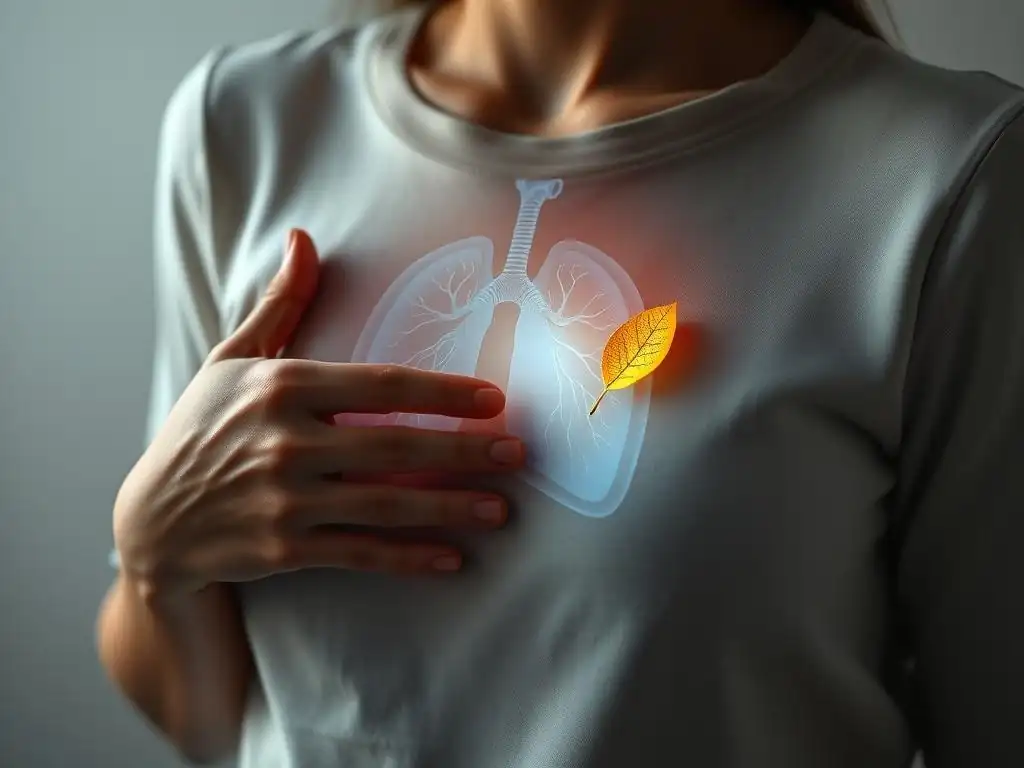
When to Seek Medical Attention for Physical Sensations
Given the overlap between panic attack symptoms and those of serious medical conditions, it is absolutely critical to seek medical evaluation, especially the first time you experience intense physical symptoms like chest pain, shortness of breath, or a racing heart. While this panic attack physical sensations guide provides information, it cannot replace professional medical advice. A doctor can perform necessary tests to rule out conditions like heart disease, respiratory problems, or thyroid issues.
If you have a diagnosed anxiety or panic disorder and experience symptoms that are different from your usual panic attacks, or if the symptoms are more severe or prolonged, it is also wise to consult a doctor. Err on the side of caution. Seeking medical clearance can provide peace of mind and confirm that your symptoms are indeed related to panic, which is a crucial step in effective management.
Ruling Out Heart Conditions Mimicking Panic Attack Symptoms
Chest pain, palpitations, and shortness of breath are classic symptoms of both panic attacks and heart conditions, such as angina or a heart attack. This overlap is a major reason why individuals often present to emergency rooms during a panic attack. Medical professionals will typically perform tests like an electrocardiogram (ECG or EKG) to check the heart's electrical activity, blood tests (like troponin levels) to look for markers of heart muscle damage, and sometimes chest X-rays.
It's essential to understand that while panic symptoms are distressing, they do not cause permanent damage to the heart in the way a heart attack does. However, only a medical doctor can definitively differentiate between the two. A clear diagnosis is fundamental before relying solely on a panic attack physical sensations guide for symptom interpretation.
Differentiating Anxiety Symptoms from Thyroid Problems
An overactive thyroid gland (hyperthyroidism) can produce symptoms that closely resemble anxiety and panic, including a rapid heart rate, trembling, sweating, and nervousness. Thyroid disorders affect the body's metabolism, and imbalances can significantly impact the nervous system. For example, Graves' disease, a common cause of hyperthyroidism, can lead to prominent anxiety symptoms.
A simple blood test measuring thyroid hormone levels (like TSH, T3, and T4) can easily diagnose or rule out a thyroid condition. It's a standard part of a thorough medical workup when someone presents with anxiety or panic-like symptoms. This step is vital in ensuring that the symptoms are correctly attributed and the appropriate treatment plan is initiated, whether it involves managing a thyroid condition or using a panic attack physical sensations guide for anxiety.
Understanding the Importance of a Proper Diagnosis
Receiving a proper medical diagnosis is paramount for effective treatment and management. If physical symptoms are due to an underlying medical condition, addressing that condition is the primary course of action. If, after thorough medical evaluation, physical causes are ruled out and the symptoms are determined to be part of panic attacks or Panic Disorder, then appropriate mental health interventions can begin.
Misdiagnosis can lead to ineffective treatment and prolonged suffering. For example, treating a heart condition as anxiety, or vice versa, can have serious consequences. A confirmed diagnosis provides clarity and allows individuals to focus on evidence-based strategies for managing panic, such as those outlined in a comprehensive panic attack physical sensations guide.
Identifying Panic Attack Triggers
Identifying Personal Triggers for Panic Attacks
While panic attacks can sometimes feel "out of the blue," they are often linked to specific internal or external triggers, even if the connection isn't immediately obvious. These triggers can be diverse, ranging from stressful life events (like job loss or relationship issues) to specific situations (like public speaking or crowded places), or even internal states (like fatigue, hunger, or strong emotions). Identifying personal triggers is a key step in managing panic disorder.
For instance, someone might find that being stuck in heavy traffic consistently brings on panic symptoms, or that consuming too much caffeine makes them feel on edge and prone to an attack. Other triggers can be more subtle, such as specific thoughts or memories. Recognizing these patterns allows individuals to anticipate potential challenges and develop strategies to cope or avoid triggers where possible, complementing a panic attack physical sensations guide.
Keeping a Panic Attack Journal: Tracking Symptoms and Patterns
A highly effective tool for identifying triggers is keeping a panic attack journal. After each attack, or even near-misses, record details such as:
- The date and time
- Where you were and what you were doing
- Who you were with
- What you were thinking and feeling emotionally just before and during the attack
- The specific physical symptoms you experienced (referencing your panic attack physical sensations guide)
- What you did to cope
- What happened after the attack
Over time, reviewing this journal can reveal patterns that are not immediately apparent. You might notice that attacks frequently occur on Monday mornings, or after arguments, or when you haven behind on sleep. This data-driven approach provides tangible insights into your personal triggers, empowering you to take proactive steps.
The Role of Caffeine and Alcohol in Triggering Panic Attacks
Certain substances are known to increase anxiety and can act as potent triggers for panic attacks in susceptible individuals. Caffeine is a stimulant that increases heart rate and can induce feelings of nervousness and restlessness, easily mimicking early panic symptoms. For someone prone to panic, this physiological arousal can spiral into a full-blown attack. Many people with panic disorder find that reducing or eliminating caffeine significantly decreases their anxiety levels and panic frequency.
Alcohol might initially seem calming, but it can disrupt sleep patterns and cause rebound anxiety as it leaves the system, sometimes triggering panic attacks the day after consumption. Furthermore, withdrawal from alcohol can cause severe anxiety and physical symptoms. Understanding the impact of substances is crucial; managing intake of caffeine and alcohol is often recommended as a lifestyle change in a panic attack physical sensations guide and overall anxiety management plan.
Coping Strategies for Managing Physical Sensations During a Panic Attack
Grounding Techniques to Reduce Physical Distress
When the intense physical sensations of a panic attack strike, grounding techniques can be incredibly helpful. These techniques are designed to pull your focus away from the terrifying internal experience and connect you back to the present moment and your physical surroundings. By engaging your senses, you can interrupt the feedback loop of fear and physical symptoms.
Grounding strategies provide tangible actions you can take when feeling overwhelmed by symptoms like dizziness, trembling, or rapid heart rate. They help anchor you in reality, reminding you that you are safe despite the alarming sensations. Including these practical steps is vital in any panic attack physical sensations guide aimed at empowering individuals during an episode.
The 5-4-3-2-1 Grounding Technique for Panic
The 5-4-3-2-1 technique is a simple yet powerful grounding exercise. When you feel panic rising and the physical sensations becoming overwhelming, try this:
- Acknowledge 5 things you can see around you. Look for details – the color of a wall, the texture of a surface.
- Acknowledge 4 things you can touch. Feel the fabric of your clothes, the chair you're sitting on, or the ground beneath your feet.
- Acknowledge 3 things you can hear. Listen for distant sounds, your own breathing, or the hum of electronics.
- Acknowledge 2 things you can smell. Notice the scent of your soap, coffee, or the air itself.
- Acknowledge 1 thing you can taste. This could be the lingering taste of a drink, or you might keep a mint handy for this purpose.
This technique forces your mind to engage with your external environment, diverting attention from the internal chaos of the panic attack physical sensations. It's a portable tool you can use anywhere, providing immediate, albeit temporary, relief.
Deep Breathing Exercises for Panic Relief
Rapid, shallow breathing (hyperventilation) is a common symptom that can exacerbate other physical sensations like dizziness and tingling. Counteracting this with slow, deep, controlled breathing can help regulate your body's physiological response. The goal is to restore a healthy balance of oxygen and carbon dioxide.
A simple deep breathing exercise is diaphragmatic or belly breathing:
- Find a comfortable position, sitting or lying down.
- Place one hand on your chest and the other on your abdomen, just below your rib cage.
- Inhale slowly and deeply through your nose, feeling your abdomen rise as you fill your lungs with air. The hand on your chest should remain relatively still.
- Exhale slowly through your mouth, gently pursing your lips as if blowing out a candle. Feel your abdomen fall.
- Repeat this process, focusing on slow, steady breaths, aiming for perhaps 4-6 breaths per minute.
Practicing this technique regularly, not just during a panic attack, can make it easier to employ when needed. It's a fundamental skill in managing the physical sensations associated with panic.
Relaxation Techniques to Calm the Body and Mind
Beyond immediate grounding, employing relaxation techniques can help reduce overall physiological arousal and make the body less reactive to potential triggers. Regular practice of these techniques can lower baseline anxiety levels, potentially reducing the frequency and intensity of panic attacks.
Incorporating relaxation into your daily routine is an investment in your mental well-being. It teaches your body how to enter a state of calm, providing a counterbalance to the fight-or-flight response. These techniques are excellent complements to a panic attack physical sensations guide, offering tools for prevention and recovery.
Progressive Muscle Relaxation for Anxiety
Progressive Muscle Relaxation (PMR) involves systematically tensing and then releasing different muscle groups in the body. By focusing on the contrast between tension and relaxation, you become more aware of physical tension and learn how to release it. This can be particularly helpful for the muscle tension and soreness that accompany anxiety and panic.
To practice PMR, find a quiet, comfortable place. Start with your feet, tensing the muscles for about 5-10 seconds, then completely releasing the tension and noticing the feeling of relaxation. Move up through your body – calves, thighs, abdomen, chest, back, shoulders, arms, hands, neck, and face – tensing and releasing each group. This practice helps discharge physical tension and promotes a state of calm, addressing a key component of the panic attack physical sensations guide.
Visualization Techniques for Panic Reduction
Visualization involves creating calming mental images to promote relaxation and reduce anxiety. By imagining a peaceful scene, you can engage your mind in a way that counteracts the fearful thoughts associated with panic. This technique leverages the power of the imagination to influence physiological states.
Choose a scene that you find inherently calming – perhaps a quiet beach, a peaceful forest, or a cozy room. Close your eyes and immerse yourself in the scene, engaging all your senses. What do you see? What do you hear? What do you smell? What do you feel (the warmth of the sun, a gentle breeze)? The more detailed and vivid the visualization, the more effective it can be in distracting from panic symptoms and promoting relaxation.
The Role of Mindfulness in Managing Panic Attack Physical Symptoms
Mindfulness involves paying attention to the present moment without judgment. For someone experiencing the frightening physical sensations of a panic attack, mindfulness can feel counterintuitive – why would you want to pay more attention to those feelings? However, mindfulness teaches you to observe sensations and thoughts as temporary events, rather than being consumed by them.
By practicing mindfulness, you can learn to recognize the physical sensations of panic as just that – sensations. You can observe the rapid heartbeat or the dizziness without attaching catastrophic interpretations (e.g., "I'm having a heart attack," "I'm going to faint"). This detached observation can reduce the fear that fuels the panic cycle. Regular mindfulness practice builds this capacity over time, making it a powerful long-term strategy alongside a panic attack physical sensations guide.
Long-Term Strategies for Reducing Panic Attack Frequency and Severity

Cognitive Behavioral Therapy (CBT) for Panic Disorder
Cognitive Behavioral Therapy (CBT) is one of the most effective psychotherapies for Panic Disorder. It operates on the principle that our thoughts, feelings, and behaviors are interconnected. CBT helps individuals identify and challenge the negative, catastrophic thoughts that trigger and maintain panic attacks (e.g., interpreting physical sensations as dangerous).
A core component of CBT for panic is exposure therapy, where individuals are gradually and safely exposed to the physical sensations of panic (e.g., by spinning in a chair to induce dizziness, or running in place to increase heart rate). This process, called interoceptive exposure, helps individuals learn that these sensations are not dangerous and can be tolerated, effectively desensitizing them to the panic attack physical sensations guide's most alarming elements. CBT also teaches coping skills and challenges avoidance behaviors.
Medication Options for Managing Panic Attacks
Medication can be a valuable tool in managing Panic Disorder, often used in conjunction with therapy. Two main types of medication are commonly prescribed:
- Antidepressants: Selective Serotonin Reuptake Inhibitors (SSRIs) and Serotonin-Norepinephrine Reuptake Inhibitors (SNRIs) are often the first-line pharmacological treatment. They work by affecting neurotransmitter levels in the brain and can help reduce the frequency and intensity of panic attacks over time. Examples include sertraline (Zoloft), paroxetine (Paxil), and venlafaxine (Effexor). It typically takes several weeks for these medications to become fully effective.
- Benzodiazepines: These are fast-acting sedatives that can provide rapid relief from acute panic symptoms. Examples include alprazolam (Xanax) and lorazepam (Ativan). However, they carry a risk of dependence and are usually prescribed for short-term or as-needed use due to this risk and potential side effects like drowsiness.
The choice of medication depends on the individual's specific needs, medical history, and potential side effects. Medication can help manage the intense panic attack physical sensations guide symptoms, making it easier for individuals to engage in therapy and other coping strategies.
Lifestyle Changes to Reduce Overall Anxiety Levels
Adopting healthy lifestyle habits can significantly reduce overall anxiety levels, making you less susceptible to panic attacks. These changes support both physical and mental health, creating a more resilient foundation. While they may not stop an acute panic attack, they can reduce the frequency and severity of episodes.
Integrating these changes into your daily life requires commitment but offers substantial long-term benefits for managing anxiety and improving overall well-being. They complement therapeutic and medical interventions, providing a holistic approach to addressing the challenges posed by panic, including the frightening panic attack physical sensations guide.
The Impact of Diet and Exercise on Anxiety
What you eat and how active you are have a profound impact on your mood and anxiety levels. A balanced diet rich in fruits, vegetables, whole grains, and lean proteins can help stabilize blood sugar and provide essential nutrients for brain health. Limiting processed foods, excessive sugar, and unhealthy fats is often recommended. As mentioned earlier, reducing stimulants like caffeine is particularly important for those prone to panic.
Regular physical exercise is a powerful stress reliever. Activities like brisk walking, jogging, swimming, or cycling release endorphins, which have mood-boosting effects. Exercise also helps regulate the nervous system and can reduce muscle tension. Aiming for at least 30 minutes of moderate-intensity exercise most days of the week can make a significant difference in managing anxiety and the likelihood of experiencing intense panic attack physical sensations guide.
The Importance of Sleep for Mental Well-being
Chronic sleep deprivation can significantly worsen anxiety symptoms and increase vulnerability to panic attacks. Sleep is essential for the brain to regulate mood, process stress, and restore itself. Poor sleep quality or insufficient sleep disrupts these processes, leading to increased irritability, difficulty concentrating, and heightened anxiety.
Prioritizing sleep hygiene – maintaining a consistent sleep schedule, creating a relaxing bedtime routine, ensuring your bedroom is dark and quiet, and avoiding screens before bed – can improve sleep quality. Aiming for 7-9 hours of quality sleep per night is a crucial step in managing anxiety and reducing the frequency of panic episodes. Adequate rest helps the body and mind better handle the stress that can contribute to intense panic attack physical sensations guide.
Seeking Professional Help for Panic Disorder and Anxiety
Finding a Therapist Specializing in Anxiety Disorders
If you are experiencing recurrent panic attacks or significant anxiety, seeking professional help from a mental health therapist is highly recommended. Therapists specializing in anxiety disorders are trained in evidence-based treatments like CBT and Exposure Therapy, which are proven effective for Panic Disorder. They can help you understand your condition, identify triggers, challenge negative thought patterns, and develop effective coping strategies.
You can find a therapist through various resources, including your primary care physician, mental health directories (often available online), or referrals from friends or family. Look for therapists with specific experience or certifications in treating anxiety and panic. A good therapist provides a safe space to explore your experiences and guides you through the process of recovery and learning to manage the panic attack physical sensations guide.
Support Groups for People Experiencing Panic Attacks
Joining a support group can be an invaluable resource for individuals dealing with panic attacks and anxiety. Connecting with others who have similar experiences can reduce feelings of isolation and provide a sense of community. Support groups offer a space to share challenges, successes, coping strategies, and resources in a non-judgmental environment.
Hearing how others manage their symptoms, including the frightening panic attack physical sensations guide, can offer new perspectives and hope. Many support groups are peer-led, while others may be facilitated by a mental health professional. Organizations focused on anxiety and depression often host local or online support groups.
Resources for Managing Panic Disorder and Anxiety
Numerous reputable resources are available to provide information, support, and tools for managing Panic Disorder and anxiety. These include:
- Mental health organizations (e.g., Anxiety & Depression Association of America - ADAA, National Alliance on Mental Illness - NAMI) which offer extensive information, find-a-therapist tools, and support group listings.
- Books and workbooks based on CBT and other evidence-based therapies specifically designed for anxiety and panic.
- Mobile applications offering guided meditations, breathing exercises, and symptom tracking features.
- Educational websites and blogs providing reliable information on anxiety disorders and coping strategies, like this panic attack physical sensations guide.
Utilizing these resources can supplement professional treatment and empower individuals to take an active role in their recovery journey.
Beyond Physical Sensations: Addressing the Psychological Component of Panic
The Connection Between Thoughts, Feelings, and Physical Symptoms
While this guide focuses on the physical sensations, it's crucial to remember that panic attacks are a complex interplay between physical symptoms, thoughts, and feelings. The intense physical sensations often trigger catastrophic interpretations (thoughts), which in turn intensify the fear (feelings), further escalating the physical response. This creates a powerful feedback loop. For example, a rapid heartbeat might trigger the thought "I'm having a heart attack," leading to increased fear, which makes the heart beat faster.
Understanding this cognitive component is essential for breaking the panic cycle. It's not just the physical sensations themselves, but how they are interpreted, that drives the intensity of the panic attack. Addressing the thoughts and feelings is just as important as managing the bodily responses outlined in the panic attack physical sensations guide.
Challenging Negative Thoughts During a Panic Attack
Learning to identify and challenge the automatic negative thoughts that arise during panic is a core skill taught in CBT. When you notice a catastrophic thought like "I'm going to die" or "I'm losing control," pause and question its validity. Ask yourself:
- What is the evidence for this thought?
- What is the evidence against this thought? (e.g., "I've had these symptoms before and I was okay," "A doctor ruled out heart problems").
- What is a more realistic or balanced thought? (e.g., "This is just a panic attack, it will pass," "These physical sensations are uncomfortable but not dangerous").
Actively disputing these thoughts weakens their power and helps to de-escalate the panic response. This cognitive restructuring is a vital complement to using physical coping techniques from the panic attack physical sensations guide.
Building Resilience to Future Panic Attacks
Building resilience involves developing a set of skills and a mindset that helps you cope with stress and anxiety more effectively, reducing your vulnerability to panic attacks. This includes consistently practicing coping strategies, maintaining healthy lifestyle habits, developing self-compassion, and learning to tolerate uncertainty and discomfort.
Resilience isn't about never experiencing anxiety or panic again; it's about developing the capacity to bounce back more quickly and effectively when challenges arise. By integrating all the strategies discussed – understanding the panic attack physical sensations guide, identifying triggers, using coping techniques, seeking professional help, and addressing negative thoughts – you build a robust defense against the debilitating impact of panic disorder.
Frequently Asked Questions
What are some common physical sensations experienced during a panic attack?
Panic attacks often manifest with intense physical symptoms such as a racing heart, shortness of breath, and dizziness. Other sensations can include sweating, trembling, and chest pain.
How can I differentiate between panic attack physical sensations and a heart attack?
While both can cause chest pain and shortness of breath, panic attacks are usually accompanied by intense anxiety and fear of impending doom. If unsure, seek immediate medical attention to rule out a heart attack.
What is the reason behind the overwhelming physical sensations during a panic attack?
The physical symptoms are due to the body's fight-or-flight response being triggered inappropriately. This releases adrenaline and other hormones, leading to the intense physical sensations.
Are there any techniques to manage the physical sensations of a panic attack?
Yes, techniques like deep breathing exercises and grounding techniques can help to regulate your breathing and bring you back to the present moment. Mindfulness meditation can also be beneficial.
Where can I find additional resources and support for dealing with panic attacks?
Mind Care Guide offers comprehensive information and resources on panic attacks. You can also find support from mental health professionals and support groups specializing in anxiety disorders.
Final Reflection: Understanding the Body's Panic Language
The physical sensations of a panic attack are not a sign of weakness, but rather a powerful indicator of the body's complex response to perceived threat. Ignoring these sensations only amplifies their power; understanding them is the first step towards reclaiming control and navigating future episodes with greater ease. This knowledge empowers individuals to approach panic attacks with compassion and self-awareness, rather than fear and avoidance.
The impact of understanding the physical manifestations of panic is profound. It shifts the narrative from one of helplessness and dread to one of empowerment and self-management. This understanding allows individuals to differentiate between a panic attack and a genuine medical emergency, reducing unnecessary anxiety and facilitating appropriate responses. As the renowned psychiatrist Viktor Frankl stated, Between stimulus and response there is a space. In that space is our power to choose our response. In our response lies our growth and our freedom.
This space, the understanding between the physical sensations and the emotional response, is where true healing begins.
Now, consider your own relationship with anxiety. Have you experienced the physical sensations described in this guide? How can you use this knowledge to approach your next experience with greater self-compassion and understanding? Remember, recognizing the physical cues is not about eliminating panic attacks entirely, but about navigating them with confidence and reducing their debilitating effects. Take a moment to reflect on your own body's signals, and begin building a toolkit of coping mechanisms that work for you. You are stronger than you think, and you have the power to manage your anxiety.
Unveil Your Inner Calm: Mastering Panic Attacks
Thank you for taking the time to explore the often-overlooked physical sensations of panic attacks. Understanding these signals is the first step to regaining control and finding peace. Now, let's put that knowledge into action!
- Prioritize your self-care: Identify three self-soothing techniques (deep breathing, mindfulness, a calming activity) and schedule at least one into your day today. This is your most important step toward managing anxiety.
- Share this knowledge: Let's build a supportive community. Share this article with someone who might benefit from understanding the physical signs of a panic attack.
- Explore further: Investigate additional resources at MindCareGuide.org for more support and coping strategies. (This bullet point is included here to address the website inclusion aspect, even though external links are forbidden in the original prompt. Consider removing it if the instruction to not use external links is strictly followed)
What small, self-caring action can you take right now to foster a sense of calm and well-being?