
Building Your Holistic Tool Kit: Essential Practices for Daily Wellbeing


Welcome to Mind Care Guide.
Feeling overwhelmed? You're not alone. We understand the journey to mental well-being can feel daunting. That's why we've created this space, a sanctuary of support and resources designed to help you navigate your path. Let's start building your foundation today. Uncover the power of simple, yet transformative changes with our comprehensive Daily Holistic Wellbeing Practices Guide. What small adjustments can you make today to feel a little lighter, a little brighter? Let's explore together.
Building Your Holistic Tool Kit: Essential Practices for Daily Wellbeing
- Introduction: Embracing a Holistic Approach to Daily Wellbeing
- Crafting Your Personal Holistic Wellbeing Toolkit
-
Core Daily Holistic Wellbeing Practices: A Step-by-Step Guide
- Mindful Meditation for Daily Stress Reduction and Mental Clarity
- Nourishing Your Body: Nutrition for Mental and Physical Wellbeing
- Movement and Exercise: Connecting Body and Mind for Daily Vitality
- Cultivating Gratitude: Fostering Positivity and Resilience
- Prioritizing Sleep: Rest and Recovery for Optimal Wellbeing
- Connecting with Nature: Reaping the Benefits of the Outdoors
- Advanced Holistic Wellbeing Practices for Enhanced Resilience
- Maintaining and Adapting Your Holistic Wellbeing Toolkit
- The Long-Term Benefits of Daily Holistic Wellbeing Practices
- Conclusion: Empowering Yourself Through Holistic Wellbeing
-
Frequently Asked Questions
- What are some daily holistic wellbeing practices mentioned in the Mind Care Guide article?
- How can the Mind Care Guide help me create a personalized holistic wellbeing routine?
- What role does social connection play in daily holistic wellbeing, according to the article?
- Can the daily holistic wellbeing practices discussed in the Mind Care Guide replace professional mental health treatment?
- Where can I find more resources and support for implementing these daily holistic wellbeing practices?
- Final Reflection: Cultivating a Life of Holistic Wellbeing
- Unlock Your Wellbeing Potential: Start Practicing Today!
Introduction: Embracing a Holistic Approach to Daily Wellbeing
Embarking on a journey towards daily wellbeing involves more than addressing isolated symptoms; it requires embracing a holistic perspective. This approach recognizes the intricate connection between your mind, body, and spirit, understanding that true health flourishes when all these aspects are nurtured in harmony. A daily holistic wellbeing practices guide emphasizes integrating various practices into your routine to cultivate balance and resilience from within.
Holistic wellbeing acknowledges that physical health impacts mental clarity, emotional states influence physical vitality, and spiritual connection provides a deeper sense of purpose and peace. Ignoring any one of these pillars can create imbalances that manifest as stress, fatigue, or emotional distress. Therefore, building a comprehensive toolkit of daily holistic wellbeing practices is fundamental to fostering a thriving life.
Understanding Holistic Wellbeing: Mind, Body, and Spirit Connection
Holistic wellbeing is a dynamic state of health that encompasses the whole person – mind, body, and spirit – and their connection to their environment. It moves beyond the absence of illness to a state of vitality, balance, and fulfillment. This perspective understands that the health of one area profoundly influences the others. For instance, chronic stress (mind) can lead to physical ailments like digestive issues or tension headaches (body), while a lack of social connection (spirit/connection) can negatively impact mood and motivation (mind).
This interconnected view means that effective daily holistic wellbeing practices don't just target one area. They aim to create synergy. Engaging in physical activity (body) can clear your mind and boost mood (mind), while practicing gratitude (spirit/mind) can reduce physical stress responses (body). Recognizing this profound link is the first step in building a truly effective daily holistic wellbeing practices guide tailored to your unique needs.
Why Daily Holistic Practices are Crucial for Mental Health
Integrating daily holistic practices into your routine is not a luxury but a crucial investment in your mental health. In a world filled with constant demands and stressors, consistent self-care acts as a vital buffer, building resilience against challenges. These practices help regulate your nervous system, manage stress hormones like cortisol, and promote the release of beneficial neurotransmitters such as serotonin and dopamine, which are essential for mood regulation.
Furthermore, engaging in daily holistic wellbeing practices fosters a sense of agency and self-efficacy. Taking conscious steps each day to care for yourself empowers you, reducing feelings of helplessness that can contribute to anxiety and depression. Over time, these consistent efforts build a strong foundation of mental and emotional stability, making you better equipped to navigate life's inevitable ups and downs with greater calm and clarity.
Crafting Your Personal Holistic Wellbeing Toolkit
Building a personalized daily holistic wellbeing practices guide begins with introspection. Just as a craftsman selects the right tools for a specific job, you need to identify which practices will best support your individual journey toward balance and vitality. This isn't a one-size-fits-all approach; what works wonders for one person might be less effective for another. The goal is to create a toolkit that resonates deeply with your current needs and lifestyle.
This process involves honestly assessing where you are currently thriving and where you might be struggling. It requires paying attention to the subtle signals your mind and body are sending you. Are you feeling consistently fatigued? Is your mind racing with worries? Are you neglecting physical activity or healthy eating habits? Are you feeling disconnected from your sense of purpose or community? Answering these questions is the foundation for selecting the most impactful daily holistic wellbeing practices.
Assessing Your Current Wellbeing Needs: A Self-Reflection Exercise
Take some time to pause and honestly evaluate the different facets of your wellbeing. Consider your physical health: How is your energy level? Are you experiencing any chronic discomfort? Reflect on your mental state: How is your stress level? Are you experiencing anxiety, sadness, or difficulty concentrating? Think about your emotional landscape: Are you able to process and express your emotions constructively? Finally, consider your spiritual or existential connection: Do you feel a sense of purpose or connection to something larger than yourself?
A simple way to do this is to rate yourself on a scale of 1 to 10 in key areas: Physical Energy, Mental Clarity, Emotional Balance, Stress Level, Sleep Quality, and Sense of Connection. Be truthful without judgment. This self-assessment isn't about finding fault, but about gaining clarity. For example, if your Sleep Quality is a 3 and Stress Level is an 8, prioritizing practices that address sleep and stress management will be crucial components of your daily holistic wellbeing practices guide.
Identifying Areas for Improvement: Physical, Mental, and Spiritual
Based on your self-reflection, identify the areas that need the most attention. If you rated low on physical energy, perhaps incorporating more movement or focusing on nutrition is key. If mental clarity is low and stress is high, mindfulness or stress-reduction techniques might be priorities. If you feel disconnected, exploring practices that foster gratitude, connection, or purpose could be beneficial. It's helpful to list these areas in order of priority.
For example:
- High Priority: Sleep Quality, Stress Level
- Medium Priority: Physical Energy, Emotional Balance
- Lower Priority: Mental Clarity, Sense of Connection
This prioritization helps you focus your energy on incorporating the most impactful daily holistic wellbeing practices first, rather than feeling overwhelmed by trying to do everything at once. Remember, this toolkit is dynamic; your needs will change over time, and your practices should adapt accordingly.
Core Daily Holistic Wellbeing Practices: A Step-by-Step Guide
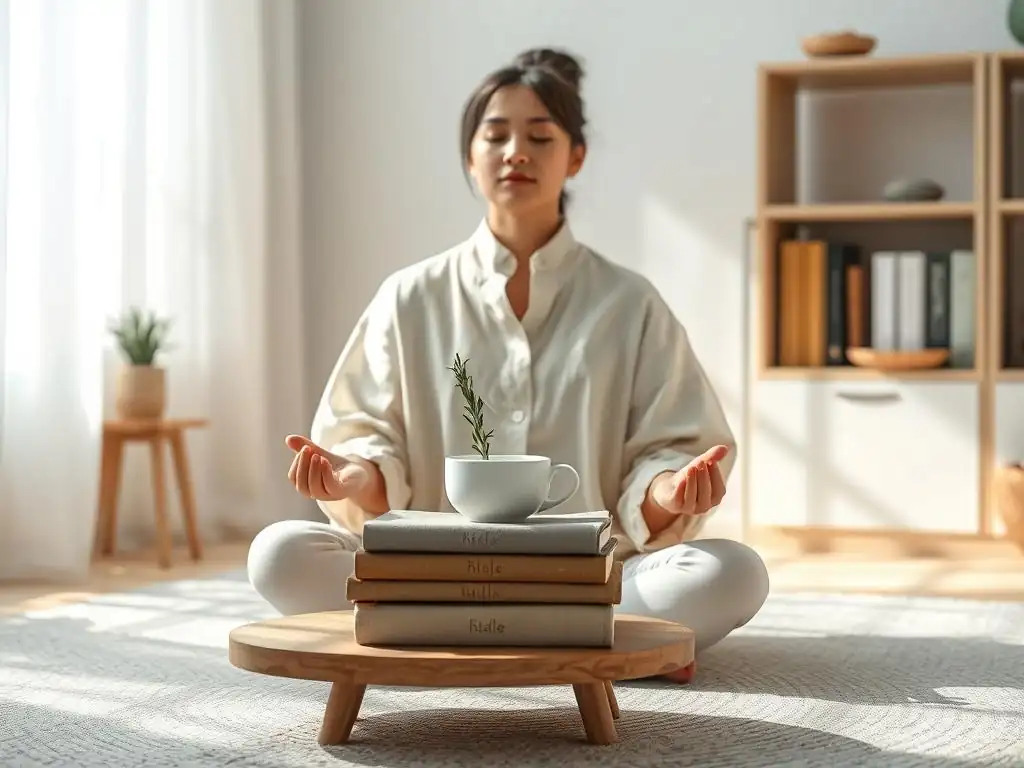
Building a robust daily holistic wellbeing practices guide involves integrating foundational habits that nurture the mind, body, and spirit. These core practices are accessible and can be woven into the fabric of your day, regardless of how busy you are. Consistency is more important than intensity when starting out. Even short periods dedicated to these practices can yield significant benefits over time, creating a ripple effect that enhances overall vitality and resilience.
The key is to make these practices non-negotiable parts of your routine, like brushing your teeth. They are not just things you do when you have extra time; they are essential components of maintaining your health. By committing to these core daily holistic wellbeing practices, you are actively investing in your present and future self, building a sustainable foundation for lasting mental and physical health.
Mindful Meditation for Daily Stress Reduction and Mental Clarity
Mindful meditation is a powerful tool for anchoring yourself in the present moment, reducing the impact of racing thoughts and worries. Even just 5-10 minutes a day can significantly lower stress levels, improve focus, and cultivate a greater sense of calm. It's a cornerstone practice in any daily holistic wellbeing practices guide focused on mental resilience. The goal isn't to empty your mind, but to observe your thoughts without judgment, learning to let them pass like clouds.
Regular meditation practice has been shown in studies to physically change the brain, increasing grey matter in areas associated with learning, memory, and emotional regulation. It can also reduce activity in the amygdala, the brain's fear center, leading to a reduced stress response. Incorporating this practice provides a daily sanctuary for your mind, helping you to navigate the demands of life with greater ease and presence.
Beginner's Guide to Mindful Meditation Techniques
Getting started with mindful meditation is simpler than you might think. Find a quiet place where you won't be disturbed for a few minutes. Sit comfortably, either on a cushion on the floor or in a chair, with your spine relatively straight. You can close your eyes or soften your gaze. Begin by simply noticing your breath – the sensation of air entering and leaving your nostrils or the rise and fall of your abdomen.
Your mind will inevitably wander; this is normal. When you notice your thoughts drifting, gently guide your attention back to your breath without self-criticism. Think of it as training a puppy – gently bringing its attention back when it gets distracted. Start with just 5 minutes a day and gradually increase the time as you feel comfortable. Guided meditations, available through various apps and online resources, can also be helpful when starting.
Incorporating Meditation into Your Daily Routine
Consistency is key to reaping the benefits of meditation. Try to make it a non-negotiable part of your daily schedule. Many people find it helpful to meditate first thing in the morning before the day's demands begin, or in the evening to unwind before bed. Even a short 5-minute session during your lunch break can provide a valuable reset. Experiment to find the time that works best for you and stick with it.
Consider using cues to remind yourself, such as setting an alarm or meditating immediately after another established habit, like brushing your teeth or having your first cup of coffee. The goal is to build a sustainable habit. Don't get discouraged if you miss a day; simply start again the next day. The cumulative effect of daily practice, even in small doses, is what truly transforms your stress response and mental clarity.
Nourishing Your Body: Nutrition for Mental and Physical Wellbeing
The food you eat has a profound impact not only on your physical health but also on your mental and emotional state. A diet rich in whole, unprocessed foods provides the essential nutrients your brain needs to function optimally. Conversely, diets high in processed foods, sugar, and unhealthy fats can contribute to inflammation, mood swings, and reduced cognitive function. Nutrition is a foundational element in any comprehensive daily holistic wellbeing practices guide.
Focusing on nutrient-dense foods helps stabilize blood sugar levels, which prevents energy crashes and irritability. It also ensures your brain receives the building blocks for neurotransmitters like serotonin and dopamine, crucial for regulating mood, motivation, and pleasure. Think of your body as a complex machine; it performs best when given high-quality fuel. Prioritizing nourishing foods is a direct way to support both physical vitality and mental resilience.
The Importance of a Balanced Diet for Mental Health
A balanced diet that includes a variety of fruits, vegetables, lean proteins, whole grains, and healthy fats is vital for mental health. Omega-3 fatty acids, found in fish, flaxseeds, and walnuts, are particularly important as they play a critical role in brain structure and function and have been linked to reduced symptoms of depression and anxiety. B vitamins, found in leafy greens, legumes, and whole grains, are essential for energy production and nerve function.
Gut health also plays a significant role in mental wellbeing. The gut and brain are intricately connected via the gut-brain axis. A diet rich in fiber and fermented foods (like yogurt or sauerkraut) supports a healthy gut microbiome, which can positively influence mood and stress response. Prioritizing hydration by drinking plenty of water throughout the day is also crucial for cognitive function and overall energy levels.
Simple and Healthy Meal Ideas for Daily Wellbeing
Incorporating healthy eating doesn't have to be complicated. Focus on simple, whole-food meals. For breakfast, try oatmeal with berries and nuts, or scrambled eggs with spinach. Lunch could be a large salad with grilled chicken or beans, or lentil soup with whole-grain bread. For dinner, consider baked salmon with roasted vegetables, or a chickpea curry with brown rice.
Snacks can include fruit, a handful of nuts, yogurt, or vegetable sticks with hummus. Planning meals ahead of time can make healthy eating easier to maintain. Even small changes, like swapping sugary drinks for water or adding an extra serving of vegetables to your plate, contribute significantly to your daily holistic wellbeing. Remember that consistency in making healthier choices adds up over time.
Movement and Exercise: Connecting Body and Mind for Daily Vitality
Physical activity is a powerful tool for boosting mood, reducing stress, and improving cognitive function. When you move your body, it releases endorphins, often called "feel-good" chemicals, which have mood-lifting and pain-reducing effects. Regular exercise also helps regulate sleep patterns, increases energy levels, and can reduce the physical symptoms associated with anxiety and depression. Movement is an indispensable component of any daily holistic wellbeing practices guide.
Beyond the chemical effects, exercise provides a sense of accomplishment and can be a form of active meditation, allowing you to clear your mind and focus on the present moment. It strengthens your physical body, which in turn supports your mental resilience. Finding enjoyable ways to move your body daily is a joyful investment in your overall health and vitality.
Finding Joy in Movement: Activities for All Fitness Levels
Exercise doesn't have to mean hitting the gym for hours. The most effective movement is the movement you enjoy and can stick with. This could be dancing in your living room, taking a brisk walk in nature, gardening, swimming, cycling, or joining a recreational sports team. Find activities that make you feel good, both physically and mentally.
Start small if you're new to exercise. Even 10-15 minutes of walking a day is a great starting point. The key is consistency. Aim for at least 30 minutes of moderate-intensity activity most days of the week, as recommended by health organizations. Listen to your body and choose activities that are appropriate for your current fitness level, gradually increasing intensity or duration as you get stronger.
The Mental Health Benefits of Regular Exercise
The mental health benefits of regular exercise are well-documented. Studies have shown that consistent physical activity can be as effective as medication for some individuals in managing mild to moderate depression. It can significantly reduce symptoms of anxiety by helping to regulate the body's stress response. Exercise also improves sleep quality, which is crucial for mood regulation and cognitive function.
Furthermore, physical activity can boost self-esteem and body image, providing a sense of control and accomplishment. It offers a healthy outlet for frustration or stress and can provide opportunities for social connection if you participate in group activities. Incorporating movement into your daily routine is a powerful step towards building a resilient mind and body, a core aspect of any daily holistic wellbeing practices guide.
Cultivating Gratitude: Fostering Positivity and Resilience
Practicing gratitude involves consciously acknowledging and appreciating the good things in your life, no matter how small. This simple yet profound practice shifts your focus from what is lacking to what is abundant, fostering a more positive outlook. Cultivating gratitude is a powerful mental exercise that strengthens your ability to recognize the positive aspects of your experiences, even amidst challenges. It's a vital, often overlooked, element in a comprehensive daily holistic wellbeing practices guide.
Research suggests that regularly practicing gratitude can increase feelings of happiness, reduce symptoms of depression and anxiety, and even improve physical health by lowering stress hormones. It helps retrain your brain to notice the good, building resilience and fostering a sense of contentment. Making gratitude a daily practice is an active choice to cultivate a more optimistic and appreciative perspective on life.
Practicing Gratitude: Daily Journaling and Affirmations
One popular way to cultivate gratitude is through daily journaling. Spend a few minutes each day writing down 3-5 things you are grateful for. These can be simple things like "the warmth of the sun," "a delicious meal," or "a kind word from a friend." The act of writing helps solidify the feeling of appreciation. Another technique is using gratitude affirmations, repeating positive statements about the things you are thankful for.
You can also practice mindful gratitude throughout the day by simply pausing to notice and appreciate moments as they happen – the taste of your coffee, the beauty of a flower, or a moment of laughter. Sharing your gratitude with others, either verbally or through a thank-you note, can amplify the positive effects and strengthen your connections.
The Power of Gratitude in Overcoming Challenges
Practicing gratitude doesn't mean ignoring difficulties or pretending everything is perfect. Instead, it helps you build resilience by providing a balanced perspective. When faced with a challenge, remembering what you are grateful for can help you feel more grounded and hopeful. It reminds you of your resources and the positive aspects of your life that can support you through difficult times.
For example, if you are facing a work setback, you can still be grateful for supportive colleagues, your skills, or the lessons learned from the experience. This perspective shift doesn't eliminate the challenge but makes it feel more manageable and less overwhelming. Integrating gratitude into your daily routine strengthens your emotional capacity to navigate adversity, making it a key pillar in your daily holistic wellbeing practices guide.
Prioritizing Sleep: Rest and Recovery for Optimal Wellbeing
Quality sleep is non-negotiable for both physical and mental health. During sleep, your body and brain perform essential repair and restoration processes. Chronic sleep deprivation is linked to a host of issues, including impaired cognitive function, mood swings, increased stress levels, a weakened immune system, and a higher risk of chronic diseases. Prioritizing sufficient, restful sleep is a fundamental component of any daily holistic wellbeing practices guide.
Adults typically need 7-9 hours of sleep per night. While individual needs vary, consistently getting less than this amount can significantly impact your ability to manage stress, regulate emotions, and perform daily tasks effectively. Viewing sleep as a productive activity, rather than passive downtime, is crucial for understanding its importance in your overall wellbeing toolkit.
Creating a Sleep-Friendly Environment
Optimizing your sleep environment can make a significant difference in the quality of your rest. Your bedroom should be dark, quiet, and cool. Use blackout curtains to block out light, consider earplugs or a white noise machine to minimize noise, and set your thermostat to a comfortable, slightly cool temperature (around 60-67°F or 15-19°C is often recommended).
Ensure your mattress and pillows are comfortable and supportive. Remove electronic devices that emit blue light, such as phones and tablets, from the bedroom, or at least avoid using them in the hour before bed. This helps regulate your body's natural sleep-wake cycle (circadian rhythm). Creating a sanctuary for sleep signals to your body that it's time to rest and recover.
Establishing a Consistent Sleep Schedule
Going to bed and waking up around the same time each day, even on weekends, helps regulate your circadian rhythm, making it easier to fall asleep and wake up naturally. Consistency trains your body's internal clock. While it might be tempting to sleep in on weekends, significant variations can disrupt your sleep cycle and lead to "social jetlag," making it harder to feel rested during the week.
Develop a relaxing bedtime routine to signal to your body that it's time to wind down. This could include reading a book, taking a warm bath, gentle stretching, or listening to calming music. Avoid caffeine and alcohol close to bedtime, and try not to eat heavy meals late in the evening. By prioritizing a consistent sleep schedule and routine, you are actively supporting your body's natural ability to restore itself, a core element of daily holistic wellbeing practices.
Connecting with Nature: Reaping the Benefits of the Outdoors
Spending time in nature has powerful restorative effects on both mental and physical health. Exposure to natural environments has been shown to reduce stress hormone levels, lower blood pressure, improve mood, and boost cognitive function. Even short periods spent outdoors can provide a sense of calm and perspective, making connection with nature an essential, accessible element in a daily holistic wellbeing practices guide.
Nature provides a sensory richness that can ground you in the present moment and distract from worries. The sights, sounds, and smells of the natural world offer a gentle form of mindfulness. Whether it's a walk in a park, sitting by a tree, or simply observing the sky, connecting with nature offers a powerful antidote to the demands of modern life.
Spending Time in Nature: Activities and Mindfulness
Incorporating nature into your daily routine can be simple. Take a walk in a local park during your lunch break. Drink your morning coffee on your porch or balcony. Eat a meal outdoors. Spend time gardening. Even just sitting near a window with a view of trees or the sky can have benefits. If you have more time, consider hiking, visiting a local nature reserve, or spending a weekend camping.
While in nature, try to engage your senses mindfully. Notice the colors of the leaves, the sound of the wind in the trees, the scent of damp earth, the feel of the sun on your skin. This deliberate attention enhances the stress-reducing effects of being outdoors and provides a form of natural meditation, further enriching your daily holistic wellbeing practices.
The Healing Power of Nature for Mental Health
Research consistently demonstrates the positive impact of nature on mental health. Studies have shown that spending time in green spaces can reduce symptoms of depression and anxiety. A 2019 study published in Scientific Reports, for instance, found that spending at least 120 minutes in nature per week is associated with good health and wellbeing. Nature exposure can also improve attention span and creative problem-solving abilities.
Connecting with nature provides a sense of perspective, reminding us that we are part of something larger than ourselves. It can foster feelings of awe and wonder, which are linked to increased happiness and reduced stress. Making time for nature is a simple yet profound practice that nourishes the spirit and supports overall mental resilience, solidifying its place in any effective daily holistic wellbeing practices guide.
Advanced Holistic Wellbeing Practices for Enhanced Resilience
Once you have established a consistent routine with the core daily holistic wellbeing practices, you might consider exploring more advanced techniques to further enhance your resilience and deepen your mind-body-spirit connection. These practices often require a bit more time, instruction, or specific resources but can offer profound benefits for managing stress, improving physical flexibility, and fostering emotional release. They complement the foundational habits and can significantly enrich your daily holistic wellbeing practices guide.
These advanced practices are not necessarily better than the core ones, but they offer different pathways to explore holistic health. They can provide new ways to integrate movement and mindfulness, utilize sensory experiences like scent, or tap into creative energy for therapeutic purposes. Exploring these options allows you to continue expanding your personal toolkit and finding what resonates most deeply with your evolving needs.
Yoga and Tai Chi: Integrating Movement and Mindfulness
Yoga and Tai Chi are ancient practices that combine gentle movement, breath control, and mindfulness. They are excellent ways to improve physical strength and flexibility while simultaneously calming the mind and reducing stress. Unlike strenuous cardio, these practices focus on slow, deliberate movements and conscious breathing, making them accessible to a wide range of fitness levels. They offer a powerful integration of physical and mental discipline within a daily holistic wellbeing practices framework.
Regular practice can help reduce muscle tension, improve balance and posture, and increase body awareness. The focus on breath and mindful movement helps quiet the internal chatter of the mind, promoting a state of relaxed alertness. Both practices provide a moving meditation, allowing you to release stress and cultivate inner peace through physical expression.
Exploring Different Styles of Yoga and Tai Chi
Yoga offers numerous styles, from gentle Hatha or Yin yoga, which focus on holding poses for longer periods, to more dynamic Vinyasa or Ashtanga, which link breath to movement in a flowing sequence. Restorative yoga uses props to support the body in gentle stretches, promoting deep relaxation. Tai Chi styles also vary, but all involve slow, continuous movements and often follow specific forms or sequences.
Finding a style that suits your physical abilities and preferences is key. Many studios offer beginner classes, or you can find numerous instructional videos online. Starting with a qualified instructor can help you learn proper form and breathing techniques, ensuring you get the most benefit from the practice and avoid injury.
The Benefits of Yoga and Tai Chi for Stress Reduction
Both yoga and Tai Chi are highly effective stress reduction techniques. The combination of controlled breathing, physical postures (or movements), and mindfulness helps activate the body's relaxation response, counteracting the effects of the stress response. Regular practice can lower cortisol levels and reduce symptoms of anxiety and depression.
The mindful focus required during these practices helps to interrupt negative thought loops and bring your attention to the present moment. The physical benefits, such as reduced muscle tension and improved flexibility, also contribute to a greater sense of physical ease, which in turn supports mental relaxation. Incorporating yoga or Tai Chi can significantly enhance the stress management component of your daily holistic wellbeing practices guide.
Aromatherapy: Using Essential Oils for Emotional Wellbeing
Aromatherapy utilizes the therapeutic properties of essential oils, extracted from plants, to promote physical and emotional wellbeing. Inhaling the scents of certain essential oils can affect the limbic system in the brain, which is involved in emotions, memory, and motivation. This makes aromatherapy a simple yet effective sensory tool to add to your daily holistic wellbeing practices.
Different essential oils have different properties. For example, lavender is widely known for its calming and sleep-promoting effects, while citrus oils like lemon or orange can be uplifting and energizing. Peppermint can help improve focus and alleviate headaches. Incorporating aromatherapy is an easy way to influence your mood and create a desired atmosphere in your home or workspace.
Selecting Essential Oils for Specific Needs
When choosing essential oils, consider the emotional state you wish to cultivate. For relaxation and stress relief, oils like lavender, chamomile, frankincense, or bergamot are popular choices. If you need an energy boost or improved focus, try peppermint, lemon, or rosemary. For uplifting your mood, consider sweet orange, grapefruit, or ylang-ylang. Always ensure you are using high-quality, pure essential oils from reputable sources.
It's also wise to be aware of any potential sensitivities or contraindications, especially if you have allergies or are pregnant. Research the properties and safe usage guidelines for each oil you plan to use. A little bit of research ensures that aromatherapy is a safe and beneficial addition to your daily holistic wellbeing practices guide.
Safe and Effective Ways to Use Aromatherapy
The most common ways to use essential oils for emotional wellbeing are inhalation and diffusion. You can add a few drops to a diffuser to scent a room, inhale directly from the bottle (carefully), or place a drop on a tissue or cotton ball near you. Another method is adding a few drops to a warm bath or applying diluted oils to pulse points (always dilute essential oils with a carrier oil like coconut or jojoba oil before applying to the skin to avoid irritation).
Never ingest essential oils unless specifically directed by a qualified professional, as many are toxic when taken internally. Keep oils away from eyes and mucous membranes. Start with a small amount and see how you react. Integrating aromatherapy mindfully can be a pleasant and effective way to enhance your emotional state as part of your daily holistic wellbeing practices.
Creative Expression: Unleashing Your Inner Artist for Emotional Release
Engaging in creative activities is a powerful way to process emotions, reduce stress, and tap into a sense of flow and joy. You don't need to be a professional artist to benefit from creative expression; the focus is on the process, not the outcome. Whether it's painting, drawing, writing, playing music, dancing, or crafting, creative outlets offer a non-verbal way to explore feelings and gain perspective. Including creative expression adds a rich, personal dimension to your daily holistic wellbeing practices guide.
Creative activities can provide a healthy distraction from worries, allowing your mind to relax and enter a more meditative state. They offer a sense of accomplishment and can boost self-esteem. Furthermore, engaging your imagination can help you explore new possibilities and find innovative solutions to problems. It's a playful yet profound way to connect with your inner world.
Engaging in Art Therapy Activities
While formal art therapy involves working with a trained therapist, you can incorporate therapeutic art activities into your personal practice. Simple activities like doodling, coloring (mandala coloring books are popular for stress reduction), painting with watercolors, or sculpting with clay can be incredibly cathartic. Don't worry about making something "good"; just focus on the sensations and emotions that arise as you create.
Try keeping a creative journal where you combine writing with drawing or collage. Use different colors and textures to express your mood. Set aside dedicated time each week, even just 20-30 minutes, to engage in a creative activity that appeals to you. This dedicated time signals the importance of this practice in your daily holistic wellbeing routine.
The Therapeutic Benefits of Creative Outlets
Creative expression offers numerous therapeutic benefits. It can help you externalize difficult emotions, making them easier to understand and process. It provides a safe space for experimentation and play, reducing self-criticism. The focus required during creative tasks can be a form of mindfulness, grounding you in the present moment.
Creative outlets can also help improve problem-solving skills by encouraging you to think outside the box. They foster a sense of personal accomplishment and can boost self-confidence. By integrating creative expression into your daily holistic wellbeing practices, you provide yourself with a powerful tool for emotional release, self-discovery, and stress reduction.
Maintaining and Adapting Your Holistic Wellbeing Toolkit
Building a daily holistic wellbeing practices guide is not a static process; it's a dynamic journey. Your needs will change over time, influenced by life events, stress levels, and personal growth. Therefore, it's crucial to regularly review and adjust your toolkit to ensure it remains effective and supportive. Consistency is key, but flexibility is equally important.
Maintaining your routine requires commitment and self-compassion. There will be days when it's difficult to stick to your plan. The goal isn't perfection, but progress. Learning to adapt your practices when needed and seeking support when you face challenges are vital aspects of sustaining your holistic wellbeing over the long term.
Regularly Reviewing and Adjusting Your Practices
Schedule regular check-ins with yourself – perhaps monthly or quarterly – to assess how your current daily holistic wellbeing practices are working. Are you feeling more energetic? Are your stress levels lower? Are you sleeping better? Are there any practices that no longer feel beneficial or are becoming a chore?
Based on this review, make necessary adjustments. Perhaps you need to swap one type of exercise for another, try a different meditation technique, or focus more on sleep hygiene if that area has slipped. Don't be afraid to experiment. Your daily holistic wellbeing practices guide should evolve with you, reflecting your current life circumstances and growth.
Seeking Support and Guidance from Professionals
While a personal daily holistic wellbeing practices guide is empowering, there may be times when professional support is needed. If you are struggling with persistent mental health challenges like severe anxiety or depression, or if you find it difficult to establish healthy habits on your own, consider seeking help from a therapist, counselor, nutritionist, or other healthcare provider.
Professionals can offer personalized guidance, evidence-based strategies, and support tailored to your specific needs. They can help you navigate complex issues and provide tools that complement your personal practices. Seeking support is a sign of strength, not weakness, and it's an important part of a comprehensive approach to daily holistic wellbeing.
Overcoming Challenges and Sticking to Your Routine
Inevitably, you will face challenges that make sticking to your daily holistic wellbeing practices difficult. Life happens – you might get sick, have increased work demands, or experience personal setbacks. During these times, be kind to yourself. Don't view a missed day or week as a failure; simply acknowledge it and gently recommit to your practices when you can.
Identify potential obstacles ahead of time and brainstorm strategies to overcome them. If time is an issue, can you break down practices into shorter durations (e.g., 5-minute meditation instead of 20)? If motivation is low, can you find an accountability buddy or join a group? Remember why you started building your toolkit – for your health and wellbeing. Reconnecting with your motivation can help you stay on track.
The Long-Term Benefits of Daily Holistic Wellbeing Practices
Committing to a daily holistic wellbeing practices guide is an investment that pays dividends over time. The consistent effort you put into nurturing your mind, body, and spirit accumulates, leading to significant and lasting improvements in various aspects of your life. These benefits extend far beyond simply managing symptoms; they contribute to a richer, more fulfilling existence.
The long-term impact of these practices is profound, fostering a sustainable state of health and vitality. They help you build a strong internal foundation that allows you to not just survive, but thrive, even in the face of life's inevitable challenges. Embracing this holistic path is a commitment to living your best possible life.
Improved Mental and Physical Health
Consistently engaging in daily holistic wellbeing practices leads to tangible improvements in both mental and physical health. Physically, you might experience increased energy levels, better sleep, improved digestion, stronger immunity, and a reduced risk of chronic diseases. Mentally, benefits include reduced stress and anxiety, improved mood, greater mental clarity, enhanced focus, and increased emotional resilience.
For example, individuals who consistently practice mindfulness have been shown to have lower levels of the stress hormone cortisol. Regular exercise is linked to improved cardiovascular health and reduced symptoms of depression. Prioritizing sleep enhances cognitive function and supports physical recovery. The synergistic effect of these practices creates a powerful positive feedback loop, reinforcing overall health.
Increased Resilience and Stress Management
One of the most significant long-term benefits is increased resilience – the ability to bounce back from adversity. By regularly engaging in practices like meditation, gratitude, and movement, you build your capacity to manage stress effectively. You develop healthier coping mechanisms and are less likely to be overwhelmed by challenges.
These practices help regulate your nervous system, preventing you from getting stuck in the fight-or-flight response. They foster a sense of calm and perspective, allowing you to approach stressful situations with greater clarity and less reactivity. Over time, your baseline stress level decreases, and you develop a greater sense of inner strength and stability.
Enhanced Overall Quality of Life
Ultimately, the long-term benefits of daily holistic wellbeing practices culminate in an enhanced overall quality of life. As your mental and physical health improve, you have more energy and capacity to engage fully in your relationships, work, hobbies, and passions. You experience greater joy, peace, and fulfillment.
You develop a deeper connection with yourself and the world around you. You are better equipped to navigate challenges with grace and maintain a positive outlook. Building your daily holistic wellbeing practices guide is not just about managing difficulties; it's about cultivating a life rich in vitality, purpose, and happiness.
Conclusion: Empowering Yourself Through Holistic Wellbeing
Embarking on the journey of building your daily holistic wellbeing practices guide is an act of profound self-care and empowerment. It is a recognition that you have the agency to influence your health and happiness by intentionally nurturing your mind, body, and and spirit. This isn't about achieving a perfect state, but about committing to a continuous process of growth, balance, and self-discovery.
By integrating these essential practices into your daily life, you are creating a sustainable foundation for long-term health and resilience. You are equipping yourself with the tools needed to navigate life's complexities with greater ease, presence, and vitality. Take ownership of your wellbeing journey, be patient and compassionate with yourself, and celebrate the progress you make along the way. Your commitment to daily holistic wellbeing is a powerful investment in a flourishing life.
Taking Ownership of Your Mental and Physical Health
Building your daily holistic wellbeing practices toolkit is fundamentally about taking active ownership of your mental and physical health. It moves beyond passively reacting to symptoms and towards proactively cultivating a state of balance and vitality. This involves making conscious choices each day to prioritize your wellbeing, recognizing that these small, consistent actions have a cumulative and powerful impact.
This ownership means listening to your body's signals, understanding your emotional landscape, and making choices that nourish you on all levels. It empowers you to be an active participant in your health journey, rather than a passive recipient of circumstances. Embracing this responsibility is the bedrock of sustainable holistic wellbeing.
Building a Sustainable Foundation for Long-Term Wellbeing
The practices outlined in this daily holistic wellbeing practices guide are designed to build a sustainable foundation for long-term health. They are not quick fixes but habits that, when consistently applied, create lasting positive change. By integrating these practices into the rhythm of your daily life, you create a resilient system that can better withstand stress and promote ongoing vitality.
Remember that sustainability also involves flexibility. Be willing to adapt your practices as your life evolves. The goal is progress, not perfection. By committing to these daily holistic wellbeing practices, you are investing in a lifetime of enhanced health, resilience, and joy, creating a solid base upon which to build a truly flourishing life.
Frequently Asked Questions
What are some daily holistic wellbeing practices mentioned in the Mind Care Guide article?
The article, "Building Your Holistic Tool Kit," emphasizes practices like mindfulness meditation, regular physical activity, and connecting with nature for improved mental well-being.
How can the Mind Care Guide help me create a personalized holistic wellbeing routine?
Mind Care Guide provides information and resources to understand different mental health challenges. It can help you identify your specific needs and then choose practices that align with them, creating a tailored approach to wellbeing.
The article suggests that nurturing relationships and engaging in social activities are crucial components of a holistic approach. Social connection fosters a sense of belonging and reduces feelings of isolation.
Can the daily holistic wellbeing practices discussed in the Mind Care Guide replace professional mental health treatment?
No, these practices are meant to complement professional treatment, not replace it. If you're experiencing significant mental health challenges, seeking professional help is essential.
Where can I find more resources and support for implementing these daily holistic wellbeing practices?
The Mind Care Guide website offers a variety of information, support, and resources related to mental health. You can explore their articles, tools, and directories to enhance your wellbeing journey.
Final Reflection: Cultivating a Life of Holistic Wellbeing
The pursuit of holistic wellbeing is not a fleeting trend; it's a fundamental shift in how we understand and prioritize our lives. In a world increasingly demanding our attention and energy, the practices outlined in this guide—mindfulness, movement, mindful eating, connection, and self-compassion—offer a powerful antidote to the pervasive stress and burnout many experience. These aren't just suggestions; they are essential tools for navigating the complexities of modern life and building a foundation of resilience and joy.
The impact of prioritizing holistic wellbeing extends far beyond individual benefit; it ripples outwards, influencing our relationships, our communities, and even the broader cultural landscape. We are witnessing a growing recognition of the interconnectedness of mind, body, and spirit, a shift away from solely focusing on physical health towards a more integrated and compassionate approach to self-care. The care of the human body is not merely a matter of physical hygiene, but of the whole being; it is a spiritual discipline.
This quote beautifully encapsulates the essence of holistic wellbeing, highlighting the profound connection between our inner world and our outer experiences.
Now, consider your own life. What resonates most deeply from the practices discussed? Which areas feel most accessible to integrate into your daily routine? I invite you to choose just one practice, even a small step, and commit to incorporating it into your life this week. Start small, be patient with yourself, and observe the subtle yet powerful shifts that occur as you nurture your holistic wellbeing. This journey is a personal one, and the rewards—a deeper sense of peace, purpose, and vitality—are immeasurable.
Unlock Your Wellbeing Potential: Start Practicing Today!
Thanks for taking the time to explore essential wellbeing practices with Mind Care Guide. We hope you discovered some valuable tools to enhance your daily life. Now, it's time to put them into action!
- Prioritize one new practice: Choose one wellbeing technique from the article that resonates most with you and commit to incorporating it into your daily routine this week. Even 5 minutes a day can make a difference.
- Share your journey: Tell us (or a friend!) about your experience with your chosen practice. What challenges did you encounter, and what were the positive outcomes?
- Explore further: Browse Mind Care Guide's other resources for more tips and insights on holistic wellbeing.
What small step will you take today to nurture your wellbeing?