
Building Your Resilience: Strategies for Bouncing Back from Academic Setbacks


Welcome to Mind Care Guide, a safe space dedicated to nurturing your mental well-being.
Feeling overwhelmed by an academic stumble? It's a common experience, and you're not alone. This guide dives deep into academic setback resilience strategies, offering practical tools and insights to help you navigate challenges, manage anxieties, and emerge stronger. Curious to learn how to turn setbacks into stepping stones? Let's explore together...
- Building Your Resilience: Strategies for Bouncing Back from Academic Setbacks
- Why Academic Setback Resilience Strategies are Crucial for Student Well-being
-
Proven Academic Setback Resilience Strategies for Students
- Strategy 1: Cultivating a Growth Mindset for Academic Success
- Strategy 2: Developing Effective Time Management and Organization Skills
- Strategy 3: Building a Strong Support System for Academic Resilience
- Strategy 4: Practicing Self-Care to Manage Academic Stress
- Strategy 5: Reframing Negative Thoughts and Cognitive Restructuring
- Implementing Academic Setback Resilience Strategies: A Practical Guide
- Overcoming Common Obstacles to Academic Resilience
- The Role of Institutions in Fostering Academic Resilience
- Long-Term Benefits of Developing Academic Setback Resilience
-
Frequently Asked Questions
- How can I define resilience in the context of academic setbacks?
- What are some common academic setbacks that resilience can help me overcome?
- What are some practical strategies for building resilience after an academic failure?
- How important is self-care in developing academic setback resilience?
- Where can I find additional resources and support to improve my resilience?
- Final Reflection: Cultivating the Resilient Scholar
- Unleash Your Inner Resilience: Take Charge of Your Academic Journey!
Building Your Resilience: Strategies for Bouncing Back from Academic Setbacks
Understanding Academic Setbacks and Their Impact on Students' Mental Health
Academic setbacks are an inevitable part of the student journey for many. These can range from failing an exam, receiving a poor grade on a significant assignment, being rejected from a desired program, or struggling to keep up with coursework. Such experiences are not merely academic failures; they often carry significant emotional weight, impacting a student's self-esteem, motivation, and overall mental well-being. For instance, a student who fails a mid-term they studied extensively for might experience feelings of shame, inadequacy, and hopelessness, which can then spill over into other areas of their life.
The psychological toll of academic setbacks is well-documented. Studies and surveys consistently show that academic pressure is a leading cause of stress and anxiety among university and college students. For example, a 2018 survey by the American College Health Association found that academic performance was the number one reported stressor for students. When faced with a setback, this pre-existing stress can intensify, potentially triggering or exacerbating mental health challenges such as anxiety, depression, and even burnout. Understanding this link is the first step in recognizing the importance of developing effective academic setback resilience strategies.
Recognizing the Signs of Academic Stress and Anxiety
Identifying academic stress and anxiety involves recognizing both emotional and physical symptoms. Emotionally, a student might experience persistent worry about grades or performance, irritability, difficulty concentrating, feelings of overwhelm, and a loss of interest in subjects they previously enjoyed. They might constantly ruminate on past mistakes or future academic challenges.
Physically, the signs can manifest as sleep disturbances (insomnia or excessive sleeping), changes in appetite, headaches, muscle tension, fatigue, and even gastrointestinal issues. Some students might withdraw from social activities or exhibit increased procrastination as a coping mechanism, which can unfortunately create a vicious cycle of further setbacks and increased stress. Recognizing these signs early is crucial for intervening effectively and implementing academic setback resilience strategies before the situation escalates.
Why Academic Setback Resilience Strategies are Crucial for Student Well-being
The Link Between Academic Setbacks and Increased Anxiety in Students
Academic setbacks can create a powerful feedback loop that fuels anxiety. When a student experiences a failure, their belief in their ability to succeed can be shaken. This can lead to increased worry about future performance, commonly known as performance anxiety. This anxiety can then interfere with focus during lectures, study sessions, and exams, potentially leading to further poor results, thus reinforcing the initial belief of inadequacy.
This cycle is particularly detrimental because anxiety can impair cognitive functions essential for academic success, such as memory, concentration, and problem-solving. A student caught in this loop might spend more time worrying about failing than actually studying effectively, making academic setback resilience strategies essential tools for breaking this negative pattern and restoring a sense of control and confidence.
Long-Term Effects of Poorly Managed Academic Stress
If academic stress and the impact of setbacks are not effectively managed, the long-term consequences can be severe. Chronically elevated stress levels can negatively affect physical health, contributing to issues like weakened immune systems, chronic fatigue, and even cardiovascular problems over time. Mentally, prolonged stress can lead to persistent anxiety disorders, clinical depression, and can significantly impact a student's overall quality of life.
Beyond personal health, poorly managed academic stress can hinder academic progress, potentially leading to lower GPAs, course withdrawals, or even dropping out of university altogether. Developing robust academic setback resilience strategies is therefore not just about navigating a single challenge, but about building foundational skills that support sustained academic success and overall mental wellness throughout a student's educational journey and beyond.
Proven Academic Setback Resilience Strategies for Students
Strategy 1: Cultivating a Growth Mindset for Academic Success
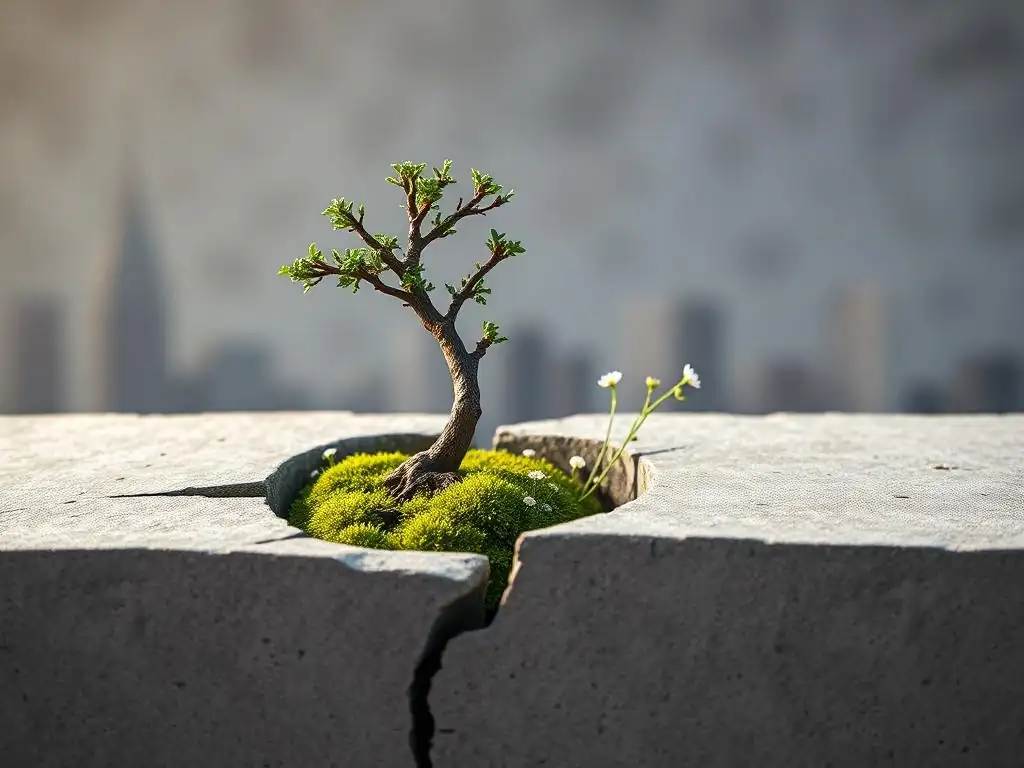
Embracing a growth mindset is a cornerstone of effective academic setback resilience strategies. This perspective, pioneered by Dr. Carol Dweck, suggests that intelligence and abilities are not fixed but can be developed through dedication and hard work. When faced with a difficult assignment or a poor grade, a student with a growth mindset doesn't see it as proof of their inherent limitations but as an opportunity to learn and improve.
This approach shifts the focus from outcomes to the learning process itself. Instead of thinking "I failed because I'm not smart," a student with a growth mindset might think "I struggled with this topic, what can I do differently next time to understand it better?" This perspective encourages persistence in the face of difficulty and makes challenges feel less threatening and more manageable, significantly boosting academic resilience.
Embracing Challenges as Opportunities for Learning
Viewing challenges not as obstacles to be avoided but as opportunities for growth is a key component of a growth mindset. Difficult coursework, demanding projects, or challenging exams are seen as chances to stretch one's abilities, acquire new skills, and deepen understanding. This perspective transforms potential sources of stress into valuable learning experiences.
For example, struggling with a complex physics problem set isn't a sign of failure, but an opportunity to practice problem-solving skills, seek help, and solidify understanding through effort. This mindset fosters a proactive approach to learning, where difficulties are met with curiosity and determination, significantly enhancing academic setback resilience.
Reframing Failure as a Stepping Stone
Reframing failure is perhaps the most critical aspect of a growth mindset when addressing academic setbacks. Instead of viewing a low grade or unsuccessful attempt as a definitive endpoint or personal indictment, it is seen as valuable feedback. Every mistake provides information about what went wrong and what needs to be adjusted for future attempts.
Consider a student who performs poorly on a presentation. Instead of concluding they are a "bad public speaker," reframing failure involves analyzing what aspects were weak (e.g., preparation, nervousness, structure) and making a plan to improve for the next opportunity. This perspective removes the sting of failure and positions it as an essential step on the path toward mastery, making it a powerful academic setback resilience strategy.
Strategy 2: Developing Effective Time Management and Organization Skills
Poor time management is a frequent contributor to academic stress and subsequent setbacks. Feeling overwhelmed by deadlines and workload can lead to procrastination, rushed work, and missed opportunities for review. Developing robust time management and organization skills provides students with a sense of control over their academic responsibilities, reducing anxiety and preventing many potential setbacks.
Effective time management isn't just about scheduling; it's about understanding one's capacity, prioritizing tasks, and allocating sufficient time for studying, assignments, and even breaks. Implementing these skills systematically is a vital academic setback resilience strategy that helps students stay on track and manage academic pressure proactively.
Prioritizing Tasks and Setting Realistic Goals
A core element of effective time management is the ability to prioritize tasks based on urgency and importance. Using tools like a planner, calendar, or task list helps students visualize their workload and identify what needs attention first. Breaking down large assignments into smaller, manageable steps makes them less daunting and provides a clear path forward.
Setting realistic goals is equally important. Overestimating how much can be accomplished in a given time can lead to frustration and feelings of failure. Learning to assess workload accurately and setting achievable daily or weekly goals builds confidence and prevents burnout, contributing significantly to academic setback resilience.
Utilizing Time Management Tools and Techniques
Numerous tools and techniques can assist students in managing their time effectively. Digital calendars (like Google Calendar or Outlook), project management apps (like Trello or Asana), and simple to-do lists are invaluable for tracking deadlines and tasks. Techniques like the Pomodoro Technique (working in focused bursts, typically 25 minutes, followed by short breaks) can improve concentration and productivity.
Experimenting with different methods to find what works best is key. Some students benefit from time blocking, allocating specific blocks of time for different activities, while others prefer simply listing tasks and checking them off. Consistent use of these tools and techniques is a practical academic setback resilience strategy that helps prevent the overwhelm that can lead to academic difficulties.
Strategy 3: Building a Strong Support System for Academic Resilience
Navigating academic challenges alone can amplify stress and make setbacks feel insurmountable. Building a strong support system is a crucial academic setback resilience strategy, providing emotional support, practical help, and different perspectives. This network can include peers, family, professors, mentors, and university staff.
Connecting with others who understand the pressures of academic life can provide comfort and validation. Sharing experiences and seeking advice from a trusted network helps students feel less isolated and more capable of overcoming difficulties, reinforcing their ability to bounce back from academic setbacks.
Connecting with Peers, Professors, and Mentors
Peers can offer invaluable support through study groups, shared notes, and mutual encouragement. Discussing challenging concepts with classmates can deepen understanding and reduce feelings of confusion. Professors and teaching assistants are excellent resources for academic clarification and guidance; attending office hours can make a significant difference in grasping difficult material.
Mentors, whether formal (through university programs) or informal, can offer guidance based on their own experiences, provide career advice, and act as role models. Building these relationships fosters a sense of belonging and provides multiple avenues for seeking help, strengthening a student's academic setback resilience.
Seeking Help from Academic Advisors and Counseling Services
Universities offer dedicated resources designed to support student success. Academic advisors can help students navigate course selection, degree requirements, and academic policies, preventing potential administrative setbacks. They can also provide guidance on academic strategies and resources.
University counseling services are vital for addressing the emotional impact of academic stress and setbacks. Counselors and therapists can provide coping strategies, support for anxiety or depression, and a safe space to process feelings related to academic performance. Many universities report high demand for these services, highlighting their importance. Utilizing these resources is a proactive academic setback resilience strategy for maintaining mental well-being alongside academic pursuits.
Strategy 4: Practicing Self-Care to Manage Academic Stress
Effective self-care is not a luxury but a necessity for managing academic stress and building resilience. When faced with demanding coursework or the sting of a setback, it's easy to let basic needs slide. However, neglecting physical and mental well-being significantly diminishes a student's capacity to cope with challenges and bounce back.
Prioritizing self-care activities helps replenish energy, reduce stress hormones, and improve overall mood and focus. Integrating regular self-care practices is a fundamental academic setback resilience strategy that supports both physical health and mental fortitude.
Prioritizing Sleep, Nutrition, and Exercise
Adequate sleep is critical for cognitive function, memory consolidation, and emotional regulation. Aiming for 7-9 hours of quality sleep per night is essential for academic performance and stress management. Poor sleep exacerbates anxiety and makes it harder to cope with setbacks.
Nourishing the body with balanced meals provides the energy needed for studying and concentration. Avoiding excessive caffeine and sugar helps maintain stable energy levels and mood. Regular physical activity, even moderate exercise like walking or stretching, is a powerful stress reliever, releasing endorphins that improve mood and reduce tension. Making these non-negotiables part of a daily routine is a powerful academic setback resilience strategy.
Incorporating Relaxation Techniques like Mindfulness and Meditation
Beyond physical needs, incorporating relaxation techniques can directly counter the effects of stress and anxiety. Practices like mindfulness and meditation help students become more aware of their thoughts and feelings without judgment, reducing rumination on academic worries. Even short sessions (5-10 minutes daily) can make a significant difference in managing stress levels.
Deep breathing exercises, progressive muscle relaxation, or gentle yoga are other accessible techniques that can calm the nervous system. These practices help create mental space, improve focus, and build emotional regulation skills, all of which are crucial components of academic setback resilience.
Strategy 5: Reframing Negative Thoughts and Cognitive Restructuring
Academic setbacks often trigger negative self-talk and distorted thinking patterns. Thoughts like "I'm a failure," "I'll never succeed," or "This proves I'm not smart enough" are common but highly detrimental to resilience. Learning to identify and challenge these negative thoughts is a core academic setback resilience strategy rooted in cognitive behavioral principles.
Cognitive restructuring involves consciously replacing negative or irrational thoughts with more balanced, realistic, and positive ones. This process helps students gain a more accurate perspective on their abilities and the nature of academic challenges, empowering them to respond constructively rather than despairingly.
Identifying and Challenging Negative Thought Patterns Related to Academic Performance
The first step is becoming aware of automatic negative thoughts that arise when faced with an academic setback. Keeping a thought journal can help identify recurring patterns. Once a negative thought is recognized, the next step is to challenge its validity. Ask questions like: "Is this thought absolutely true?" "What evidence supports this thought?" "What evidence contradicts it?" "Is there a more helpful way to look at this situation?"
For example, if the thought is "I failed the test, so I'm stupid," challenge it by considering past successes, the difficulty of the test, the specific areas where mistakes were made (indicating areas for learning, not general intelligence), and the fact that a single test does not define overall intelligence or potential. This critical examination weakens the power of negative thoughts and is a vital academic setback resilience strategy.
Developing Positive Self-Talk and Affirmations
Once negative thoughts are challenged, the focus shifts to developing more positive and realistic self-talk. This doesn't mean engaging in unrealistic optimism, but rather replacing harsh self-criticism with supportive and encouraging internal dialogue. Instead of "I'm terrible at this," try "This is challenging, but I can learn it."
Affirmations, positive statements about oneself and one's abilities, can also be helpful when used genuinely. Statements like "I am capable of learning from my mistakes," "I am resilient and can overcome challenges," or "My effort is more important than a single outcome" can help reinforce a more positive self-image and a belief in one's ability to improve, significantly boosting academic setback resilience.
Implementing Academic Setback Resilience Strategies: A Practical Guide
Implementing academic setback resilience strategies requires a proactive and systematic approach. It's not enough to simply know about these techniques; they must be actively incorporated into a student's routine, especially before major setbacks occur. This involves self-assessment, planning, and consistent effort.
This section outlines a practical, step-by-step guide to help students put these strategies into action, turning knowledge into tangible habits that build lasting resilience against academic challenges.
Step 1: Identifying Your Specific Academic Challenges
The first step in building academic setback resilience is understanding the nature of the challenges you face. Are you struggling with time management, understanding complex material, test anxiety, or procrastination? Reflect on past academic difficulties and try to pinpoint the root causes.
- [ ] What types of assignments or courses do you find most difficult?
- [ ] When do you typically feel most stressed about academics?
- [ ] What are your common reactions when you receive a poor grade or critical feedback?
- [ ] Are there specific skills you feel you are lacking (e.g., study skills, writing, public speaking)?
Understanding your specific vulnerabilities allows you to tailor your academic setback resilience strategies effectively.
Step 2: Developing a Personalized Resilience Plan
Based on the challenges identified in Step 1, create a personalized plan incorporating relevant academic setback resilience strategies. Select 1-3 strategies that seem most applicable to your needs right now. Don't try to implement everything at once.
For example, if time management is a major issue, your plan might focus on Strategy 2. If negative self-talk is debilitating after a poor grade, focus on Strategy 5. Write down specific actions you will take:
- [ ] Strategy: Develop Effective Time Management
- [ ] Action 1: Use a digital calendar to add all assignment deadlines and exam dates.
- [ ] Action 2: Break down large assignments into smaller tasks with mini-deadlines.
- [ ] Action 3: Schedule specific study blocks each week using the Pomodoro Technique.
- [ ] Strategy: Reframing Negative Thoughts
- [ ] Action 1: Keep a thought journal for one week to identify negative thoughts after academic stress.
- [ ] Action 2: For identified negative thoughts, write down evidence for and against them.
- [ ] Action 3: Practice replacing one negative thought per day with a more balanced statement.
Make your plan concrete with specific, measurable actions.
Step 3: Tracking Your Progress and Making Adjustments
Building academic setback resilience is an ongoing process. Regularly review your progress with your personalized plan. Are the strategies working? Are you noticing a difference in how you handle stress or setbacks?
- [ ] Review your plan weekly.
- [ ] Note what worked well and what didn't.
- [ ] Adjust your actions or try different techniques if needed.
- [ ] Celebrate small successes, like sticking to your study schedule or successfully reframing a negative thought.
Be patient with yourself; building new habits takes time. Flexibility and willingness to adapt your approach are key to making these academic setback resilience strategies truly effective in the long run.
Overcoming Common Obstacles to Academic Resilience

Even with a plan, certain psychological obstacles can hinder the development of academic setback resilience. Perfectionism and imposter syndrome are particularly common among high-achieving students, while procrastination and burnout affect students across the spectrum. Recognizing these patterns and actively working to overcome them is crucial.
Addressing these internal barriers complements the external strategies discussed earlier, creating a more robust foundation for bouncing back from academic challenges.
Dealing with Perfectionism and Imposter Syndrome
Perfectionism, the need to be flawless, can be a major impediment to academic setback resilience. When anything less than perfect feels like a failure, even small mistakes can be devastating. This can lead to excessive anxiety, difficulty starting tasks (fear of not doing it perfectly), and an inability to learn from errors because they are too painful to acknowledge.
Imposter syndrome, the feeling of being a fraud despite evidence of success, often co-occurs with perfectionism. Students with imposter syndrome might dismiss their achievements ("I just got lucky") and live in fear of being "found out." A setback then feels like confirmation of their inadequacy. Countering these involves acknowledging that mistakes are part of learning, celebrating effort over just outcomes, and recognizing that everyone experiences doubt sometimes. Implementing academic setback resilience strategies like cognitive restructuring (Strategy 5) is particularly helpful here.
Managing Procrastination and Avoiding Burnout
Procrastination, delaying tasks, is often a coping mechanism for dealing with anxiety about the task itself or fear of failure. While it might provide temporary relief, it inevitably leads to increased stress, rushed work, and a higher likelihood of setbacks. Addressing procrastination involves understanding its root cause (fear, overwhelm, lack of clear steps) and using time management techniques (Strategy 2) and breaking tasks into smaller pieces.
Burnout is a state of emotional, physical, and mental exhaustion caused by prolonged stress. In an academic context, it can result from relentless pressure, lack of breaks, and poor self-care. Symptoms include cynicism, detachment from studies, and reduced performance. Preventing burnout is crucial for sustained academic setback resilience. This involves prioritizing self-care (Strategy 4), setting boundaries, and ensuring adequate rest and leisure time.
The Role of Institutions in Fostering Academic Resilience
While individual students play a primary role in developing their academic setback resilience strategies, universities and colleges also have a significant responsibility. The environment and resources provided by institutions can either exacerbate academic stress or actively support students in navigating challenges and building resilience.
Institutions can foster a culture that values learning and growth over solely focusing on outcomes, provide accessible support services, and train faculty and staff to recognize and respond to student distress.
Creating Supportive Learning Environments
A supportive learning environment is one where students feel safe to ask questions, make mistakes, and seek help without fear of judgment. This involves fostering positive relationships between students and faculty, promoting collaboration over cutthroat competition, and designing courses with realistic workloads and clear expectations.
Providing constructive feedback rather than just grades, offering opportunities for revision or re-evaluation, and incorporating varied assessment methods can also reduce pressure and encourage a growth mindset. Institutions that prioritize creating such environments lay the groundwork for students to effectively utilize academic setback resilience strategies.
Providing Accessible Mental Health Resources
Given the strong link between academic stress and mental health, accessible and well-promoted mental health resources are essential. University counseling centers should be adequately staffed to meet student demand, offer a range of services (individual therapy, group therapy, workshops), and provide timely appointments.
Beyond counseling, institutions can offer workshops on stress management, time management, study skills, and building resilience. Integrating mental health awareness into the curriculum or orientation programs can also help destigmatize seeking help and equip students with basic coping skills. Ensuring these resources are easy to find and utilize is a critical institutional strategy supporting student academic setback resilience.
Long-Term Benefits of Developing Academic Setback Resilience
Investing time and effort in developing academic setback resilience strategies yields benefits that extend far beyond navigating a single difficult semester. These skills contribute to improved academic outcomes, enhanced mental well-being, and preparedness for future challenges throughout life.
Resilience is not just about surviving difficulties; it's about thriving in the face of them. The capabilities built during university years form a strong foundation for handling the inevitable challenges of careers, relationships, and personal growth.
Improved Academic Performance and Reduced Anxiety
Students who develop strong academic setback resilience are often better equipped to handle the pressures of university life. Their ability to learn from mistakes, manage their time effectively, seek support, and maintain a positive mindset contributes directly to improved academic performance over time.
By reducing the fear of failure and providing tools to cope with stress, resilience strategies significantly decrease academic anxiety. This reduced anxiety frees up cognitive resources for learning and problem-solving, creating a positive cycle of confidence and success.
Enhanced Mental Well-being and Life Satisfaction
The skills learned while building academic setback resilience are transferable to managing stress and challenges in all areas of life. Better coping mechanisms, a stronger support system, and a more positive outlook contribute to overall enhanced mental well-being.
Students who feel capable of handling difficulties tend to report higher levels of life satisfaction and a greater sense of agency. They are less likely to be derailed by obstacles and more likely to pursue their goals with confidence, demonstrating the profound impact of effective academic setback resilience strategies.
Preparing for Future Challenges and Building a Stronger Foundation
University is often a period of significant growth, preparing students for the complexities of adulthood. The academic challenges faced during this time serve as valuable training grounds for building resilience that will be essential in future careers and personal lives.
Learning to bounce back from academic setbacks teaches invaluable lessons about perseverance, adaptability, problem-solving, and self-compassion. These are not just academic skills, but fundamental life skills that build a stronger, more capable individual, prepared to face whatever challenges the future may hold.
Frequently Asked Questions
How can I define resilience in the context of academic setbacks?
Resilience, in this context, is your ability to bounce back from negative academic experiences. It involves adapting well in the face of adversity and maintaining a positive outlook.
What are some common academic setbacks that resilience can help me overcome?
Common setbacks include failing an exam, receiving a low grade on an assignment, or experiencing academic probation. Resilience strategies help you navigate these challenges effectively.
What are some practical strategies for building resilience after an academic failure?
Practical strategies include seeking support from friends and family, identifying areas for improvement, and setting realistic goals for future academic endeavors.
How important is self-care in developing academic setback resilience?
Self-care is crucial. It provides the mental and emotional energy needed to cope with stress and rebuild after setbacks. Prioritize sleep, exercise, and healthy eating.
Where can I find additional resources and support to improve my resilience?
Mind Care Guide offers a comprehensive range of resources, including articles, support groups, and links to mental health professionals, all designed to help you build resilience.
Final Reflection: Cultivating the Resilient Scholar
The ability to overcome academic setbacks is not merely a desirable trait; it's a fundamental skill for navigating the complexities of higher education and beyond. In a world increasingly characterized by rapid change and unexpected challenges, the strategies discussed – from proactive planning and seeking support to practicing self-compassion and reframing setbacks as learning opportunities – are more vital than ever. These aren't just academic survival tactics; they are tools for building a resilient mindset that empowers you to thrive in all aspects of life.
The journey through academia, while often rewarding, is rarely without its bumps in the road. The pressure to succeed, the weight of expectations, and the occasional stumble can leave even the most dedicated students feeling overwhelmed. The oak sleeps in the acorn; the bird waits in the egg; and in the highest vision of the soul a waking angel stirs. Dreams are the seedlings of realities.
This quote beautifully captures the potential for growth inherent in even the most challenging experiences. The setbacks we face are not endpoints, but rather opportunities for profound self-discovery and the cultivation of inner strength. My own experiences with academic challenges have underscored the importance of the strategies outlined in this article, reinforcing the power of self-belief and persistent effort.
You now possess a toolkit for navigating the inevitable challenges of your academic journey. Don't simply read these strategies; embrace them. Actively implement them, adapt them to your unique circumstances, and remember that resilience is not a destination, but a continuous process of growth and adaptation. Embrace the setbacks, learn from them, and emerge stronger, wiser, and more prepared to achieve your academic aspirations and beyond. The resilient scholar is not defined by the absence of setbacks, but by the unwavering commitment to learning, growing, and bouncing back stronger than before.
Unleash Your Inner Resilience: Take Charge of Your Academic Journey!
Thanks for taking the time to explore strategies for building your academic resilience! We hope you found valuable insights to help you navigate challenges and thrive in your studies. Now it's time to put that knowledge into action.
- Prioritize ONE small, achievable goal related to a recent academic setback. This could be creating a new study schedule, seeking help from a professor, or simply identifying one area for improvement. This is your first step towards reclaiming your academic confidence.
- Share your biggest takeaway from the article on social media – inspire others facing similar challenges! Use the hashtag #MindCareResilience.
- Dive deeper into the resources mentioned in the article. You can find additional support and guidance that resonates with your learning style.
Ready to transform setbacks into stepping stones? What's the ONE small step you'll take today to build your academic resilience?