
The Social Comparison Trap: Instagram's Toll on SelfEsteem and Mood

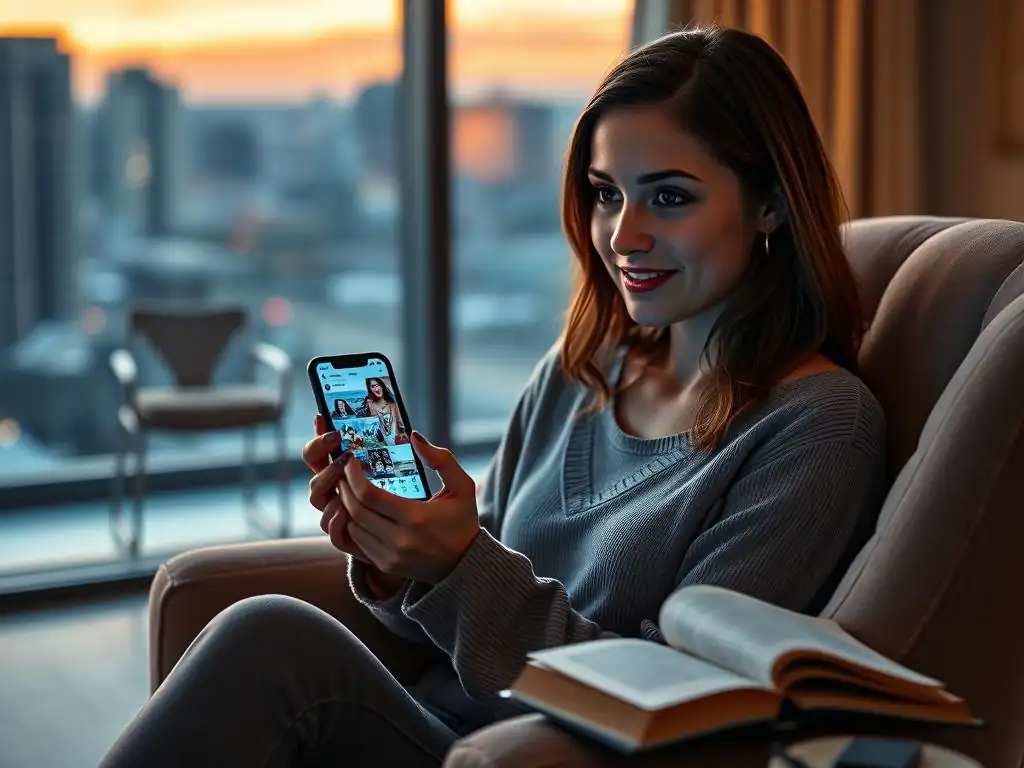
Welcome to Mind Care Guide, your sanctuary for navigating the complexities of mental well-being. Are you finding yourself caught in the endless scroll, feeling increasingly inadequate after browsing Instagram? You're not alone. This article delves deep into the impact of Instagram social comparison on your selfesteem and overall mood, uncovering the subtle ways this popular platform can affect your mental health. Prepare to understand the trap and discover practical strategies to reclaim your self-worth and cultivate a healthier relationship with social media. Intrigued? Let's explore.
The Social Comparison Trap: Instagram's Toll on Self-Esteem and Mood
- Understanding Instagram's Impact on Mental Well-being
- The Link Between Instagram Use and Lower Self-Esteem
- Decoding the Social Comparison Trap on Instagram
- The Impact of Instagram on Mood: Depression and Anxiety
- Identifying Signs of Instagram-Related Low Self-Esteem
- Strategies to Combat the Negative Effects of Instagram
- Building a Healthier Relationship with Social Media
- Alternative Platforms and Activities for Boosting Self-Esteem
- Conclusion: Navigating Instagram for Positive Mental Health
-
Frequently Asked Questions
- How does Instagram contribute to social comparison and lowered self-esteem?
- What are some specific ways Instagram can negatively impact mood?
- What are some strategies for mitigating the negative effects of Instagram on self-esteem?
- Is there a link between social comparison on Instagram and mental health issues?
- How can I identify if I'm engaging in unhealthy social comparison on Instagram and what can I do about it?
- Final Reflection: Escaping the Instagram Scroll: Reclaiming Your Self-Worth
- Unleash Your Authentic Self: Break Free from the Instagram Trap
Understanding Instagram's Impact on Mental Well-being
The Rise of Instagram and its Pervasive Influence
Instagram has grown exponentially since its launch in 2010, evolving from a simple photo-sharing app into a global platform with over a billion monthly active users. Its visually-driven nature makes it uniquely powerful in shaping perceptions, as users are constantly exposed to a stream of curated images and videos. This pervasive influence means that for many, particularly younger demographics, Instagram is a significant part of their daily social interaction and information consumption, making its impact on mental health a critical area of study.
The platform's design encourages frequent engagement, with features like Stories, Reels, and the Explore page offering endless content. The sheer volume of visual stimuli and the constant stream of updates create an environment where comparison is almost unavoidable. This constant exposure to others' lives, often presented in an idealized light, lays the groundwork for potential negative effects on users' self-perception and emotional state, directly linking Instagram use to issues like social comparison and its impact on self-esteem.
Mood Disorders and the Digital Age: A Growing Concern
In parallel with the rise of social media platforms like Instagram, mental health professionals have noted a growing concern regarding mood disorders in the digital age. Research suggests correlations between high levels of social media use and increased symptoms of depression and anxiety, particularly among adolescents and young adults. While correlation does not equal causation, the unique pressures and dynamics of online interaction, such as cyberbullying, fear of missing out (FOMO), and the pressure to maintain an online persona, are considered contributing factors.
The digital environment, exemplified by platforms like Instagram, presents challenges distinct from traditional social interactions. The constant connectivity means there's no real 'off' switch from potential social stressors, and the curated nature of online life can exacerbate feelings of inadequacy. Understanding how phenomena like Instagram social comparison impact self-esteem is crucial for addressing the broader landscape of mood disorders in a world increasingly shaped by our digital lives.
The Link Between Instagram Use and Lower Self-Esteem
Instagram is inherently designed to foster social comparison. Users share highlights of their lives – vacations, achievements, perfect meals, and carefully posed selfies – creating a constant stream of content that invites viewers to measure their own lives against others'. This process, known as social comparison, is a natural human tendency, but Instagram amplifies it dramatically by presenting a vast, easily accessible, and often skewed dataset of others' perceived successes and happiness.
The visual nature of the platform means that comparisons are often made based on appearance, lifestyle, and popularity (measured in likes and followers). This focus on external metrics can lead individuals to evaluate their own worth based on superficial criteria, potentially undermining their intrinsic self-esteem. The continuous exposure to seemingly perfect lives can make one's own reality feel inadequate, fueling the negative cycle of Instagram social comparison and its detrimental effects on self-esteem.
Idealized Images and Unrealistic Expectations on Instagram
The content shared on Instagram is rarely an unfiltered depiction of reality. Users meticulously select photos, apply filters, and sometimes even digitally alter images to present an idealized version of themselves and their lives. This creates a collective illusion of perfection across the platform, setting unrealistic expectations for viewers about what constitutes a normal or desirable life, body, or appearance.
When individuals constantly view these idealized images, they may internalize these unrealistic standards and develop a distorted view of reality. This can lead to body image issues, dissatisfaction with one's own circumstances, and a persistent feeling of not being "enough." The gap between one's own perceived reality and the idealized reality presented on Instagram is a significant driver of lower self-esteem and increased anxiety.
The "Highlight Reel" Effect: Understanding Curated Perfection
The phenomenon often referred to as the "highlight reel" effect describes how people primarily share the best, most exciting, or most aesthetically pleasing moments of their lives on platforms like Instagram. It's akin to watching only the trailers of movies – you see the most thrilling parts, but none of the mundane, challenging, or everyday scenes that make up the full story.
Understanding this curated perfection is key to navigating Instagram social comparison without damaging self-esteem. What appears as a perfect life online is the result of careful selection, editing, and presentation. Recognizing that everyone is showcasing their highlights, and often omitting their struggles or ordinary moments, can help temper the negative feelings that arise from comparison. Failing to recognize this can lead to the mistaken belief that others genuinely live flawless lives, making one's own imperfections feel amplified.
Social comparison theory identifies two main types: upward comparison, where we compare ourselves to those we perceive as better off, and downward comparison, where we compare ourselves to those we perceive as worse off. While downward comparison can sometimes boost temporary self-esteem, upward comparison, especially when faced with idealized online personas, is far more prevalent and problematic on Instagram.
Constantly scrolling through feeds filled with people who appear wealthier, more attractive, more successful, or happier than oneself leads to chronic upward comparison. This type of comparison is strongly linked to feelings of envy, inadequacy, and decreased self-worth. Instagram's algorithm often prioritizes popular or aspirational content, inadvertently pushing users towards more upward comparisons, trapping them in a cycle that erodes self-esteem.
The Cycle of Negative Emotions: Envy, Jealousy, and Inferiority
The social comparison trap on Instagram often initiates a cycle of negative emotions. When users engage in upward comparison with idealized profiles, they may experience envy towards the perceived successes, possessions, or appearances of others. This envy can quickly morph into jealousy, particularly if the comparison involves peers or acquaintances.
These feelings of envy and jealousy then feed into a sense of inferiority. Users begin to question their own accomplishments, attractiveness, and life choices, feeling inadequate in comparison to the carefully constructed online identities they encounter. This emotional cycle is a significant factor in how Instagram social comparison impacts self-esteem and contributes to feelings of unhappiness and dissatisfaction.
Instagram's Algorithms and the Perpetuation of Comparison
Instagram's algorithms are designed to keep users engaged by showing them content they are likely to interact with. While this can be positive, it can also inadvertently perpetuate the social comparison trap. If a user shows interest in aspirational content (e.g., liking photos of luxury travel or fitness models), the algorithm may show them more of this content, intensifying their exposure to idealized lifestyles and appearances.
Furthermore, the algorithm often highlights content with high engagement (likes, comments), which tends to be the most polished and curated posts. This creates a feedback loop where idealized content is favored, users are shown more of it, and the pressure to create similar content increases. This algorithmic reinforcement makes it challenging to avoid the social comparison trap, as the platform itself is structured in a way that can amplify exposure to content that triggers feelings of inadequacy and negatively affects self-esteem.
The Impact of Instagram on Mood: Depression and Anxiety
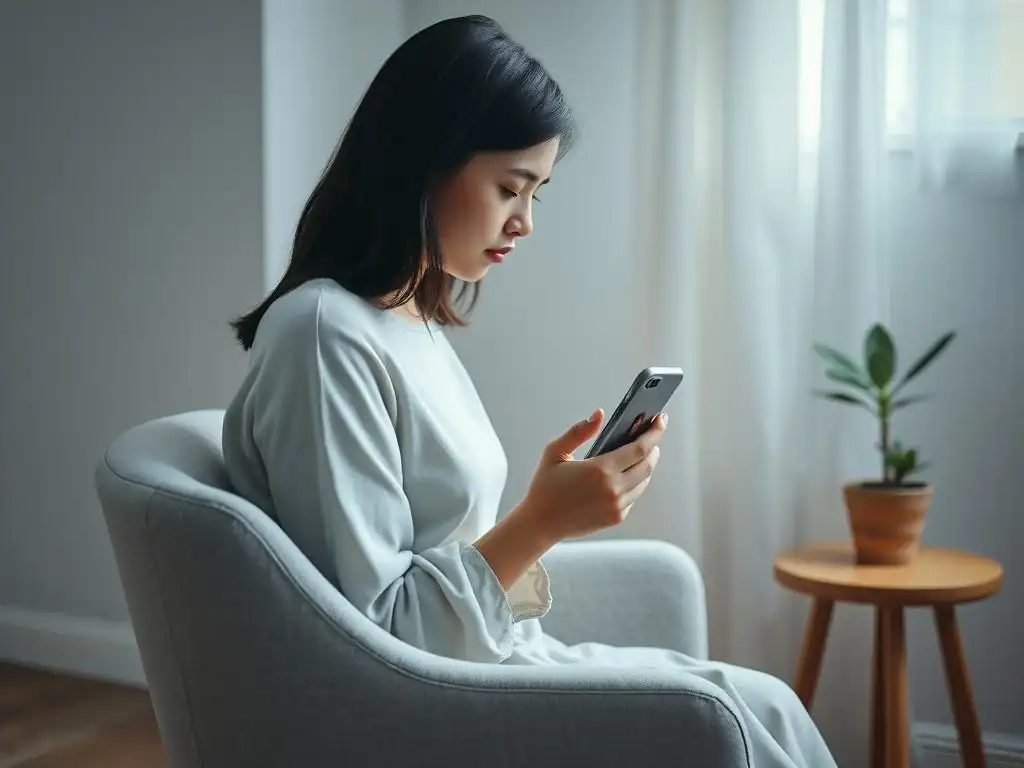
Numerous studies have explored the link between social media use and mental health outcomes, with a recurring finding being a correlation between heavy social media use, particularly on platforms like Instagram, and increased symptoms of depression. This isn't to say Instagram causes depression, but the platform's environment can exacerbate existing vulnerabilities and contribute to feelings of sadness, hopelessness, and isolation.
Factors contributing to this correlation include the constant exposure to idealized lives leading to feelings of inadequacy, the pressure to present a perfect online persona, and the potential for cyberbullying or negative interactions. For individuals already predisposed to depression, the negative feedback loops inherent in Instagram social comparison can significantly worsen their mood and overall well-being.
Instagram is a prime breeding ground for the Fear of Missing Out (FOMO). Seeing friends and acquaintances enjoying exciting experiences, attending events, or traveling can trigger anxiety about not being included or not living a life as fulfilling as others. This constant awareness of what others are doing can lead to restlessness, dissatisfaction with one's current situation, and a compulsion to constantly check the app to see what's happening.
FOMO: A pervasive apprehension that others might be having rewarding experiences from which one is absent.
Beyond FOMO, Instagram also creates significant social pressure. There's pressure to gain likes and followers, to post content that is visually appealing and engaging, and to keep up with trends. This constant need for external validation and the anxiety surrounding one's online performance can be emotionally draining and contribute to heightened anxiety levels.
The Role of Validation Seeking (Likes, Comments) on Mood
The like and comment system on Instagram provides immediate, albeit superficial, social validation. Receiving likes and positive comments can trigger a temporary boost in mood and self-esteem, activating reward pathways in the brain. However, this reliance on external validation can become problematic.
If self-worth becomes tied to the number of likes or comments received, fluctuations in engagement can significantly impact mood. A post that doesn't receive the expected level of engagement can lead to feelings of disappointment, rejection, and inadequacy, reinforcing negative self-perceptions and further eroding self-esteem. This dependency on validation from strangers or acquaintances online creates a fragile sense of self that is easily disrupted, highlighting the complex interplay between Instagram social comparison and mood.
Identifying problematic Instagram social comparison is the first step toward mitigating its negative effects on self-esteem. Signs include spending excessive time scrolling through others' profiles, constantly comparing your appearance, lifestyle, or achievements to those you see online, and feeling consistently inadequate or envious after using the app.
Another indicator is finding yourself frequently editing or filtering photos excessively to match unrealistic online standards or feeling compelled to only post content that portrays a perfect life, even if it's not entirely accurate. If your mood significantly changes after using Instagram, often leaving you feeling worse about yourself, it's a strong sign that social comparison is negatively impacting your self-esteem.
Monitoring Your Mood and Emotional Responses to Instagram Content
Paying close attention to how you feel before, during, and after using Instagram is crucial. Do you often feel happy or neutral before opening the app, but then experience a dip in mood, increased anxiety, or feelings of sadness after scrolling? Do certain types of content or specific accounts consistently trigger negative emotions like envy, jealousy, or dissatisfaction?
Keeping a simple mood log or mental note can help identify patterns. For example, noting "Used Instagram for 30 mins, felt bad about my body after seeing fitness influencers" is a specific observation. Recognizing these direct links between Instagram use, social comparison triggers, and negative shifts in mood is vital for understanding the platform's toll on your mental well-being and self-esteem.
Assessing Your Dependence on Instagram for Validation
Consider how much you rely on Instagram for feelings of validation or self-worth. Do you feel disappointed or anxious if a post doesn't get many likes? Do you check for notifications frequently, seeking that hit of external approval? Is your mood significantly affected by the feedback you receive (or don't receive) on your posts?
If your sense of self-esteem is heavily influenced by your performance or reception on Instagram, it indicates a potential over-reliance on external validation. A healthy sense of self-worth comes from within and is not dependent on likes or comments. Assessing this dependence is key to understanding the depth of Instagram's impact on your self-esteem.
Strategies to Combat the Negative Effects of Instagram
Mindful Instagram Use: Intentional and Conscious Engagement
Approaching Instagram with mindfulness means using the app with intention rather than mindlessly scrolling. Before opening the app, ask yourself: Why am I using Instagram right now? What am I hoping to gain or do? Set a specific purpose, like checking a friend's story or finding information, and try to stick to it.
During use, pay attention to how the content makes you feel. If you encounter something that triggers negative social comparison or lowers your self-esteem, consciously acknowledge that feeling without judgment. This awareness allows you to disengage or reframe your perspective, rather than getting swept away by the negative emotions. Mindful use helps you take control of your experience instead of letting the app control you.
Curating Your Feed: Unfollowing Accounts that Trigger Negative Emotions
One of the most effective ways to combat the negative impact of Instagram social comparison on self-esteem is to actively curate your feed. Unfollow accounts that consistently make you feel inadequate, jealous, or anxious. This includes accounts promoting unrealistic beauty standards, unattainable lifestyles, or those whose content simply doesn't align with your values or make you feel good about yourself.
Replace these accounts with those that are inspiring, educational, humorous, or that promote body positivity and realistic portrayals of life. Follow creators who share authentic experiences or focus on hobbies and interests that genuinely uplift you. A carefully curated feed can transform Instagram from a source of comparison and low self-esteem into a platform that supports your well-being.
Practicing Gratitude and Self-Compassion
Counteracting the effects of Instagram social comparison requires cultivating internal strengths like gratitude and self-compassion. Regularly practicing gratitude – focusing on what you have rather than what others appear to have – can shift your perspective away from comparison and towards appreciation for your own life and circumstances.
Self-compassion involves treating yourself with the same kindness, understanding, and acceptance you would offer a friend struggling with similar feelings. When you experience negative emotions triggered by Instagram (like feeling inadequate after comparison), respond with self-kindness instead of harsh self-criticism. Recognize that it's normal to feel this way sometimes and that your worth is not defined by online metrics or idealized images.
Focusing on Your Strengths and Accomplishments

Actively shifting your focus inward to your own strengths, accomplishments, and positive qualities is a powerful antidote to the external focus encouraged by Instagram social comparison. Make a conscious effort to acknowledge your own progress, celebrate small victories, and appreciate your unique talents and characteristics.
Spend time reflecting on what you've achieved, the positive impact you have on others, and the qualities you value in yourself that aren't related to appearance or material possessions. This internal validation builds a more resilient self-esteem that is less susceptible to the fluctuations caused by comparing yourself to others online.
Setting Boundaries: Limiting Time Spent on Instagram
One of the most practical strategies is to set clear boundaries around your Instagram use. This could involve setting daily time limits using your phone's built-in features, avoiding the app during specific times (like first thing in the morning or before bed), or designating certain days as Instagram-free.
Reducing the sheer amount of time spent exposed to potential social comparison triggers directly lessens the opportunity for negative impacts on self-esteem and mood. Experiment with different boundaries to find what works best for you. Even small reductions in usage can lead to noticeable improvements in how you feel.
[ ] Set a daily time limit for Instagram use on my phone.
[ ] Decide on specific times of day when I will not use Instagram.
[ ] Plan one day this week to be completely Instagram-free.
Reframing Your Perspective: Recognizing the Illusion of Perfection
Developing a healthier relationship with social media, especially Instagram, involves fundamentally reframing your perspective on the content you see. Consciously remind yourself that what you're viewing is a curated highlight reel, not a full or accurate representation of someone's life. Recognize that filters, editing, and careful posing are standard practices.
Adopt a skeptical lens towards the apparent perfection online. Ask yourself: "What isn't being shown here?" Understanding that everyone faces challenges, insecurities, and mundane moments helps dismantle the illusion and reduces the power of Instagram social comparison to negatively impact your self-esteem.
Focusing on Real-Life Connections and Experiences
Counterbalance your online interactions by prioritizing real-life connections and experiences. Spend quality time with friends and family, engage in face-to-face conversations, and participate in activities that bring you joy and fulfillment in the physical world.
Real-life interactions provide genuine, nuanced social support and validation that online platforms often cannot replicate. Investing in these connections builds a stronger sense of belonging and self-worth rooted in authentic relationships and experiences, making you less reliant on the potentially damaging dynamics of Instagram social comparison.
If you find that Instagram social comparison is significantly impacting your self-esteem, mood, or leading to symptoms of anxiety or depression, seeking professional help is a sign of strength. Therapists and counselors can provide strategies for managing social media use, challenging negative thought patterns fueled by comparison, and building a healthier self-image.
Cognitive Behavioral Therapy (CBT), for instance, can help identify and change distorted thinking patterns related to social comparison and self-worth. Support groups can also offer a space to share experiences and coping strategies with others facing similar challenges. Don't hesitate to reach out if you feel overwhelmed by the negative effects of social media on your mental health.
Alternative Platforms and Activities for Boosting Self-Esteem
Exploring Platforms Focused on Creativity and Skill-Sharing
Consider exploring online platforms that foster creativity, skill-sharing, and genuine community interaction, rather than focusing primarily on appearance or lifestyle comparison. Platforms like Pinterest (for creative ideas), Reddit (for niche communities and discussions), or even online learning platforms can offer a different kind of digital engagement.
These spaces often emphasize shared interests, learning, and contributing rather than presenting an idealized self. Engaging with platforms that encourage creation and learning can provide a sense of accomplishment and competence, boosting self-esteem in a way that passive scrolling on Instagram often cannot.
Engaging in Hobbies and Activities that Promote Self-Worth
Dedicating time to hobbies and activities that you genuinely enjoy and that provide a sense of accomplishment is crucial for building self-worth independent of social media validation. This could be anything from playing a sport, learning a musical instrument, gardening, painting, writing, or volunteering.
These activities allow you to focus on personal growth, skill development, and intrinsic satisfaction. The sense of mastery and fulfillment gained from pursuing passions reinforces your value as an individual, strengthening your self-esteem against the pressures of Instagram social comparison.
Building Stronger Relationships and Support Systems Offline
Cultivating strong, supportive relationships offline is one of the most powerful buffers against the negative effects of online social comparison. Invest time and energy in nurturing connections with friends, family, or mentors who see and value you for who you are, imperfections and all.
A robust offline support system provides authentic validation, reduces feelings of loneliness or isolation, and offers perspective when you're caught in the trap of comparing yourself to others online. These real-world connections build a foundation of self-esteem that is far more stable and fulfilling than anything derived from social media.
The Importance of Self-Awareness and Healthy Habits
Navigating Instagram in a way that supports positive mental health requires a conscious effort focused on self-awareness and the development of healthy digital habits. Understanding how Instagram social comparison affects your self-esteem and mood is the critical first step. Pay attention to your triggers, monitor your emotional responses, and recognize the signs that the platform might be negatively impacting you.
Building healthy habits, such as setting boundaries, curating your feed, and practicing mindful use, empowers you to engage with Instagram on your terms. These practices help mitigate the risks associated with constant comparison and the pursuit of online validation, allowing you to use the platform more intentionally.
Ultimately, maintaining healthy self-esteem and mood in the age of Instagram is about empowering yourself to control your social media experience, rather than letting it control you. This means recognizing the curated nature of online content, prioritizing real-life connections, and actively choosing how and when you engage with the platform.
It's about shifting your focus from external validation and comparison to internal self-worth and appreciation for your own unique journey. By taking proactive steps to manage your Instagram use and cultivate a strong sense of self, you can significantly reduce the negative impact of social comparison on your mental well-being.
Seeking Support and Resources for Improving Self-Esteem and Mood
If you find yourself struggling with the effects of Instagram social comparison on your self-esteem and mood, remember that you are not alone and help is available. Utilize resources such as mental health guides, online toolkits for managing social media use, and consider seeking professional support from therapists or counselors.
Prioritizing your mental health means being proactive about the influences in your life, including those from digital platforms. By combining self-awareness, healthy habits, and seeking support when needed, you can navigate the complexities of Instagram and work towards building a more resilient self-esteem and a happier, healthier mood.
Frequently Asked Questions
Instagram often presents a curated and idealized version of reality, leading users to compare themselves to unattainable standards. This constant comparison can fuel feelings of inadequacy and lower self-esteem.
What are some specific ways Instagram can negatively impact mood?
Seeing others' seemingly perfect lives on Instagram can trigger feelings of envy, sadness, and anxiety. The fear of missing out (FOMO) is also a significant contributor to negative mood.
What are some strategies for mitigating the negative effects of Instagram on self-esteem?
Limiting your time on Instagram and being mindful of the content you consume are crucial. Focus on following accounts that promote positivity and authenticity, and practice self-compassion.
Yes, studies have shown a correlation between frequent social comparison on Instagram and increased risk of anxiety, depression, and body image issues. Constant comparison can be detrimental to mental well-being.
Pay attention to how you feel after using Instagram. If you consistently feel negative emotions like envy, inadequacy, or low self-worth, it's likely you're engaging in unhealthy comparison. Try taking a digital detox or unfollowing accounts that trigger these feelings.
Final Reflection: Escaping the Instagram Scroll: Reclaiming Your Self-Worth
The curated perfection we see on Instagram is a mirage, and its impact on our self-esteem and mood is undeniably significant today. The relentless stream of seemingly flawless lives, filtered photos, and aspirational lifestyles creates a breeding ground for social comparison, leaving many feeling inadequate and anxious. This isn't just a fleeting trend; it's a pervasive issue affecting mental well-being on a global scale.
The insidious nature of this constant comparison has profoundly shaped our cultural landscape, influencing how we perceive success, beauty, and even happiness. We're bombarded with messages that equate worth with external validation, a dangerous narrative that undermines our intrinsic value. Comparison is the thief of joy,
Theodore Roosevelt famously said, and in the age of Instagram, this sentiment rings truer than ever. The pressure to conform to these unrealistic standards is immense, and its effects are far-reaching, impacting everything from body image to career aspirations.
You hold the power to break free from this cycle. Consider how often you find yourself scrolling, comparing, and feeling less than. Make a conscious effort to curate your feed, unfollow accounts that trigger negative emotions, and actively seek out content that inspires and uplifts you. Remember that what you see online is often a carefully constructed facade, and your worth is not determined by likes, followers, or the perceived perfection of others. Embrace your authenticity, celebrate your unique strengths, and prioritize your mental well-being above the fleeting validation of the digital world. You deserve it.
Unleash Your Authentic Self: Break Free from the Instagram Trap
Thanks for taking the time to explore the often-hidden impact of social media on our well-being. We hope you gained valuable insights into managing the social comparison trap. Now, let's turn those insights into action!
- Prioritize real-life connections: Spend quality time with loved ones, engaging in activities that bring you joy and fulfillment, rather than scrolling through curated online feeds. This is your primary action: actively choose offline engagement this week.
- Curate your feed consciously: Unfollow accounts that trigger negative feelings and actively seek out positive, inspiring content that aligns with your values and goals. Try creating a "mood board" style feed that genuinely inspires you.
- Share your story: Let’s start a conversation! Share your experiences with social comparison and what strategies you're using to navigate it in the comments below.
What small step will you take today to foster a healthier relationship with social media and prioritize your well-being?