
Sensory Gifts for Stress Relief: Engage Your Senses, Find Calm

Welcome to Mind Care Guide.
Feeling overwhelmed? You're not alone. We understand the daily pressures can feel immense. Here, we're dedicated to providing you with practical tools and compassionate support to navigate those challenges. Explore the power of sensory engagement to unlock moments of peace. Ready to discover how sensory gifts reduce stress and bring calm to your life? Let's begin.
Sensory Gifts for Stress Relief: Engage Your Senses, Find Calm
- Understanding How Sensory Gifts Can Alleviate Stress
-
Top Sensory Gift Ideas to Reduce Stress and Anxiety
- 1. Aromatherapy Diffuser with Essential Oils: A Calming Scent Sanctuary
- 2. Weighted Blanket: The Comforting Embrace for Anxiety Relief
- 3. Sound Machine with Nature Sounds: A Soothing Escape to Tranquility
- 4. Mindfulness Coloring Books and Art Supplies: Creative Expression for Calming the Mind
- 5. Sensory Fidget Toys: Discreet Stress Relief at Your Fingertips
- 6. Massage Tools: Targeted Relaxation for Muscle Tension and Stress
- 7. Calming Teas and Tea Sets: A Warm and Soothing Ritual for Stress Relief
- Choosing the Right Sensory Gift for Stress Relief
- Maximizing the Benefits of Sensory Gifts for Stress Reduction
- Conclusion: Embrace Sensory Gifts for a Calmer, More Balanced Life
-
Frequently Asked Questions
- How do sensory gifts help reduce stress?
- What are some examples of sensory gifts that are effective for stress relief?
- Are sensory gifts suitable for everyone experiencing stress?
- Where can I find high-quality sensory gifts designed for stress reduction?
- How often should sensory gifts be used for optimal stress relief?
- Final Reflection: Unlocking Inner Peace Through Sensory Experiences
- Unlock Your Inner Calm: Take Charge of Your Stress
Understanding How Sensory Gifts Can Alleviate Stress
The Science Behind Sensory Stimulation and Stress Reduction
Our sensory system – sight, sound, smell, taste, touch, and proprioception (our sense of body position) – is intricately linked to our emotional state and stress response. When we experience stress, our sympathetic nervous system activates, preparing us for "fight or flight." Engaging our senses in calming ways can signal the parasympathetic nervous system to take over, promoting rest and relaxation.
For example, pleasant aromas processed by the olfactory bulb go directly to the limbic system, which influences emotions and memory, allowing certain scents to trigger feelings of calm or comfort. Similarly, gentle pressure from touch can stimulate the release of oxytocin, often called the "cuddle hormone," which has been shown to reduce cortisol levels, the primary stress hormone.
Research indicates that targeted sensory input can effectively interrupt the stress cycle. Deep pressure touch, for instance, is thought to increase serotonin and dopamine production, neurotransmitters associated with feelings of well-being and calm. Auditory input like white noise or nature sounds can mask distracting or jarring noises, creating a predictable sound environment that helps the brain relax.
Visual stimuli, such as calming colors or repetitive patterns found in coloring books, can shift focus away from stressors and into a meditative state. By providing positive, predictable, and soothing sensory input, sensory gifts reduce stress by helping regulate the nervous system and promote a state of calm.
Why Sensory Experiences Matter for Mental Well-being
Engaging our senses mindfully is a powerful tool for grounding ourselves in the present moment, pulling focus away from anxious thoughts about the past or future. In our fast-paced world, we are often bombarded with overwhelming sensory input (screens, noise, crowds) or experience sensory deprivation (lack of nature exposure, monotonous environments). Providing intentional, positive sensory experiences through gifts can counteract these effects, offering moments of respite and self-care. These experiences help individuals reconnect with their bodies and surroundings, fostering a sense of safety and control that is often diminished during periods of stress or anxiety.
Furthermore, personalized sensory experiences acknowledge the unique ways individuals process information and find comfort. What is soothing for one person might be overwhelming for another. Therefore, sensory gifts reduce stress most effectively when tailored to individual preferences and needs. Offering a variety of sensory options allows individuals to explore what resonates with them, empowering them to build their own toolkit for managing stress and enhancing their overall mental well-being. These gifts aren't just objects; they are invitations to pause, engage the senses, and cultivate moments of peace in daily life.
Top Sensory Gift Ideas to Reduce Stress and Anxiety
1. Aromatherapy Diffuser with Essential Oils: A Calming Scent Sanctuary
Features of the ASAKUKI Aromatherapy Diffuser
The ASAKUKI Aromatherapy Diffuser is a popular model known for its versatility and ease of use. Typically featuring a decent water reservoir capacity, it can run for several hours, often offering multiple mist settings (continuous or intermittent). Many models include customizable LED light options, allowing users to choose calming colors or cycle through a spectrum.
A key feature is often an automatic shut-off function when the water level is low, ensuring safety and peace of mind. These diffusers are designed to silently disperse a fine mist of water and essential oils into the air, creating a subtly fragrant and humidified environment conducive to relaxation.
Benefits of Using Lavender, Chamomile, and Eucalyptus Essential Oils for Stress Relief
Certain essential oils are widely recognized for their calming and stress-reducing properties. Lavender is perhaps the most well-known, frequently used to promote relaxation, improve sleep quality, and reduce anxiety symptoms. Studies suggest that inhaling lavender scent can lower heart rate and blood pressure.
Chamomile oil is another powerhouse for calm, often used for its gentle sedative effects, making it helpful for winding down and easing tension. Eucalyptus oil, while often associated with respiratory benefits, can also be invigorating and clearing, helping to reduce feelings of being overwhelmed or mentally fatigued, indirectly aiding stress relief by promoting clearer thinking. Using these oils in a diffuser allows for passive inhalation, creating a therapeutic atmosphere throughout a room.
Price and Where to Buy the ASAKUKI Diffuser (Affiliate Link)
ASAKUKI diffusers are widely available through major online retailers and in some home goods stores. The price can vary depending on the specific model and its features, typically ranging from approximately $20 to $40. They are commonly found on large e-commerce platforms that offer home goods and wellness products.
2. Weighted Blanket: The Comforting Embrace for Anxiety Relief
How Weighted Blankets Work to Reduce Stress and Promote Relaxation
Weighted blankets utilize the principle of deep pressure stimulation (DPS), also known as deep pressure therapy. This technique involves applying gentle, firm pressure evenly across the body. Think of the calming effect of a firm hug or being swaddled.
DPS is believed to stimulate the release of neurotransmitters like serotonin and dopamine, which are associated with mood regulation and feelings of happiness and calm. Simultaneously, it can help lower cortisol levels, the body's primary stress hormone. This combination of effects helps to quiet the nervous system, reduce feelings of anxiety and restlessness, and promote a sense of security and grounding.
Weighted blankets are designed to provide this consistent, soothing pressure across the user's body. The weight should typically be about 10% of the user's body weight, although preferences vary. This gentle, sustained pressure mimics the feeling of being held, which can be incredibly comforting and help individuals feel more grounded and less anxious. Many people find that using a weighted blanket before bed or during periods of stress helps them relax, fall asleep more easily, and experience less tossing and turning. These sensory gifts reduce stress by providing a tangible, physical source of comfort and calm.
Comparing Different Weighted Blanket Materials and Weights
Weighted blankets come in various materials and weights, influencing their feel, temperature regulation, and overall comfort. Common outer fabrics include soft minky fabric, breathable cotton, or cool bamboo blends. The weight is typically provided by small glass beads or plastic pellets sewn into individual pockets or channels within the blanket to ensure even distribution. Glass beads are often preferred as they are smaller, denser, and quieter than plastic pellets, resulting in a less bulky and more flexible blanket.
Weights typically range from 5 pounds for children up to 25-30 pounds for adults, with 15-20 pounds being a common range for average-sized adults. Choosing the right material is crucial for comfort, especially for individuals who tend to overheat. Cotton or bamboo blends are generally more breathable than minky fabrics.
Recommendations: The Gravity Blanket for Deep Pressure Stimulation
The Gravity Blanket is one of the original and most well-known weighted blankets on the market, praised for its quality construction and effective deep pressure stimulation. While often positioned at a higher price point than some competitors, it is designed with premium materials, typically featuring a soft, removable, and washable duvet cover and fine-grade glass beads evenly distributed within quilted squares. The design aims to provide consistent, comforting pressure across the body.
Users frequently report significant improvements in sleep quality and reduced anxiety when using the Gravity Blanket. Other reputable brands also offer high-quality weighted blankets with similar features, providing effective sensory input to help individuals manage stress and find calm.
3. Sound Machine with Nature Sounds: A Soothing Escape to Tranquility
The Power of White Noise and Nature Sounds for Sleep and Stress Management
Sound plays a significant role in our environment and can either contribute to stress (e.g., sudden loud noises, distracting chatter) or alleviate it. White noise and nature sounds work by creating a consistent and predictable auditory environment. White noise, which contains all audible frequencies played at equal intensity, effectively masks sudden or inconsistent noises (like traffic or household sounds) that might otherwise jolt you awake or break concentration.
This creates a stable sound backdrop that the brain can tune out, promoting relaxation and sleep. Nature sounds, such as rain, ocean waves, or gentle streams, are often perceived as calming and have been shown in some studies to induce a state of relaxation similar to meditation.
These sounds help manage stress by reducing auditory distractions that can trigger anxiety or interrupt focus. For someone trying to sleep in a noisy urban environment, a sound machine can create a peaceful buffer. During the day, nature sounds can provide a mental escape, transporting the listener to a more tranquil setting and helping to lower physiological stress responses like heart rate. Providing these consistent, soothing soundscapes, these types of sensory gifts reduce stress and improve the ability to relax, concentrate, and sleep.
Features of the LectroFan White Noise Machine: Sound Variety and Customization
The LectroFan White Noise Machine is a popular choice known for its wide variety of sound options and high level of customization. Unlike some machines that loop short sound clips, the LectroFan generates dynamic, non-repeating sounds. It typically offers several variations of white noise, pink noise, and brown noise, each with a different frequency spectrum to suit individual preferences.
Additionally, it includes fan sounds in various speeds. Users can precisely control the volume level, allowing them to find the perfect level to mask distractions or create a soothing backdrop. Its compact size makes it suitable for bedside tables or travel, offering a portable source of auditory stress relief.
Using Sound Therapy to Reduce Anxiety and Improve Focus
Sound therapy, in the form of using white noise or nature sounds, is a simple yet effective technique for managing anxiety and improving cognitive function. For individuals prone to rumination or racing thoughts, a consistent background sound can help to quiet the internal dialogue by providing a gentle external focus. During tasks requiring concentration, distracting noises from the environment can significantly impair focus and increase frustration, leading to stress.
Using a sound machine to create a consistent sound environment can block out these distractions, allowing the mind to concentrate more effectively. Many students and professionals use sound machines or apps with similar sounds to enhance productivity and reduce stress during work or study sessions.
4. Mindfulness Coloring Books and Art Supplies: Creative Expression for Calming the Mind
The Therapeutic Benefits of Adult Coloring Books
Adult coloring books gained significant popularity for their therapeutic benefits, often marketed as a form of "art therapy" or "mindfulness practice." Engaging in coloring requires focus on the present moment – choosing colors, staying within lines, and observing the patterns – which can effectively distract the mind from anxious thoughts and worries. This focused activity can induce a meditative state, lowering brainwave frequencies and promoting relaxation.
It provides a low-pressure creative outlet; there's no need to be an artist, just to enjoy the process. The repetitive motion and gentle focus required can be incredibly soothing and help calm an overactive mind.
Beyond stress reduction, coloring can also improve focus and hand-eye coordination. Completing a page can provide a sense of accomplishment, boosting mood and self-esteem. It's an accessible activity that can be done almost anywhere, offering a portable method for finding calm during stressful moments. These sensory gifts reduce stress by engaging visual and kinesthetic senses in a calming, repetitive activity.
Recommended Art Supplies: High-Quality Colored Pencils, Markers, and Gel Pens
While any coloring tools can be used, investing in high-quality art supplies can significantly enhance the therapeutic experience. Smooth, vibrant colored pencils that blend well make the process more enjoyable and less frustrating than brittle, scratchy ones. Look for sets with a wide range of colors to allow for creative expression.
Markers can offer bold, saturated colors, but it's important to choose ones that don't bleed through the paper if the coloring book is printed on thin stock. Gel pens provide fine tips for intricate details and often have metallic or glitter finishes that add an extra sensory dimension. Having a variety of high-quality tools allows individuals to explore different textures and effects, making the coloring experience more engaging and relaxing.
Example: The Mindfulness Coloring Book: Anti-Stress Art Therapy for Busy People
Many adult coloring books are specifically designed with stress relief in mind. Titles like "The Mindfulness Coloring Book: Anti-Stress Art Therapy for Busy People" feature intricate patterns, mandalas, or nature scenes that encourage focused attention and relaxation. These books often include prompts for mindfulness or short quotes about calm.
The complex designs require concentration, helping to anchor the mind in the present. The act of bringing color to black-and-white pages can be deeply satisfying and provide a sense of control and order, which can be particularly comforting during chaotic or stressful times. The visual engagement and repetitive action make these books effective sensory gifts reduce stress.
5. Sensory Fidget Toys: Discreet Stress Relief at Your Fingertips
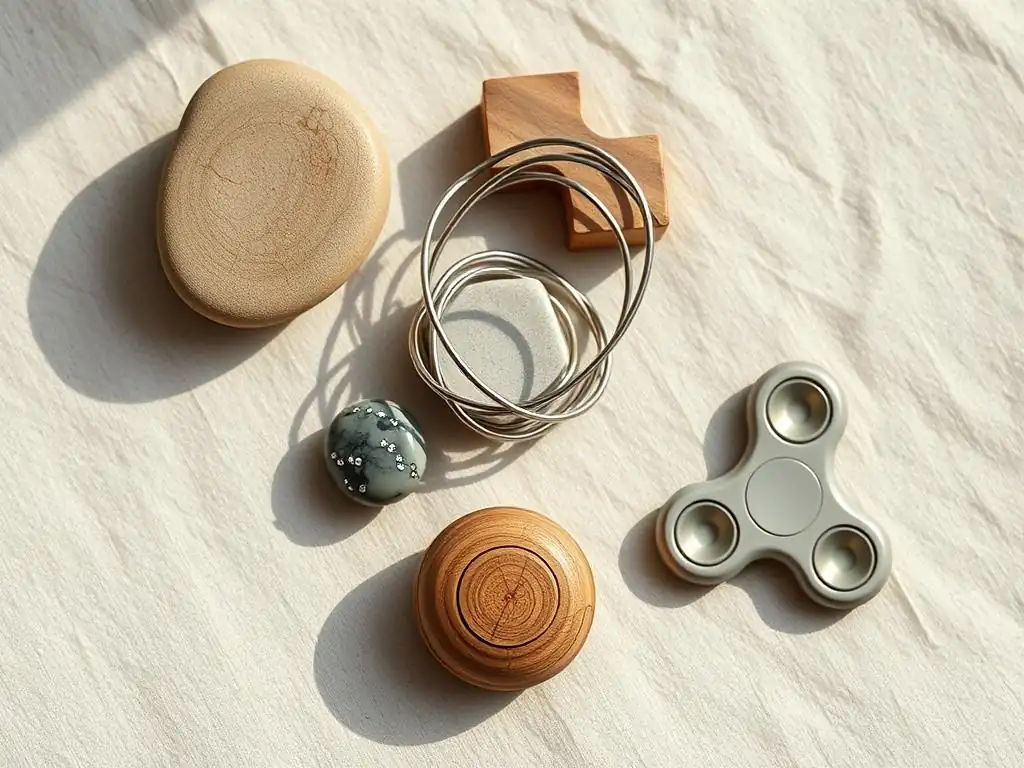
Exploring Different Types of Fidget Toys: Spinners, Cubes, and Textured Balls
Sensory fidget toys come in a vast array of shapes, sizes, and textures, designed to provide tactile and kinesthetic input. Fidget spinners, which became widely popular, offer a simple spinning motion. Fidget cubes, like the original Fidget Cube, feature multiple sides with different tactile activities such as clicking buttons, a gliding joystick, a spinning disk, a rolling ball, a smooth worry stone-like surface, and switches to flip.
Textured balls, often made of squishy material or covered in soft spikes, provide satisfying tactile feedback when squeezed or rolled. Other examples include tangle toys, stress balls, and various items with different textures to touch and manipulate. The key is providing a repetitive, non-distracting motion or texture for the hands to engage with.
The Benefits of Fidgeting for Reducing Anxiety and Improving Focus
Fidgeting is often an automatic response to stress, anxiety, or restlessness. Providing a dedicated fidget toy can channel this energy into a less distracting and more socially acceptable behavior. The repetitive sensory input from fidgeting can help calm the nervous system, providing a physical outlet for nervous energy.
This can be particularly helpful for individuals who feel restless or on edge. Furthermore, for some people, engaging in a simple, repetitive physical activity like fidgeting can actually improve focus during tasks that require sustained attention, such as listening to a lecture or sitting in a meeting. It occupies the part of the brain that seeks stimulation, allowing the rest of the brain to concentrate.
Best Fidget Toy Options for Adults: PILPOC Fidget Cube and Spiky Sensory Balls
For adults seeking discreet stress relief, certain fidget toys are particularly well-suited. The PILPOC Fidget Cube is a popular choice due to its compact size and variety of tactile features on each side, allowing users to switch between different types of fidgeting depending on their mood or need for stimulation. It provides satisfying clicks, glides, and spins without being overly distracting visually or audibly (though some sides do click).
Spiky sensory balls, often made of firm rubber with flexible spikes, offer a different kind of sensory input through tactile stimulation and gentle pressure when squeezed. They are quiet and can be used discreetly under a desk or in a pocket. These small, portable sensory gifts reduce stress by providing immediate, tactile comfort.
6. Massage Tools: Targeted Relaxation for Muscle Tension and Stress
Different Types of Massage Tools for Self-Care: Rollers, Balls, and Electric Massagers
Massage tools allow individuals to apply targeted pressure to areas of tension, promoting muscle relaxation and stress relief through touch and pressure. Foam rollers are versatile tools used for larger muscle groups, allowing users to apply their body weight to roll out knots and tightness, particularly in the back, legs, and shoulders.
Massage balls, such as lacrosse balls or specifically designed massage balls, are excellent for targeting smaller, more specific areas like the feet, glutes, or shoulders. Electric massagers range from handheld wands with various attachments to larger shiatsu massagers designed for the neck, back, or feet, offering vibrating, kneading, or percussive actions for deeper tissue work.
Benefits of Using Massage Tools for Reducing Muscle Tension and Promoting Relaxation
Stress often manifests physically as muscle tension, leading to aches, stiffness, and discomfort, which in turn can exacerbate stress levels. Using massage tools allows individuals to address this physical manifestation of stress directly. Applying pressure to tense muscles helps to release knots and improve circulation. This physical release can send signals to the brain that promote relaxation and reduce the body's stress response.
Regular use of massage tools can help prevent tension buildup and improve flexibility. The act of taking time to use these tools also encourages mindfulness and self-care, contributing to overall stress management. These tactile sensory gifts reduce stress by providing physical relief and promoting a sense of bodily well-being.
Recommended: HoMedics Shiatsu Back Massager and High Density Foam Roller
For targeting back tension, a HoMedics Shiatsu Back Massager cushion is a popular and effective option. These cushions typically strap onto a chair and use rotating nodes to mimic the kneading action of a shiatsu massage, applying deep pressure to the muscles along the spine. They often include heat options for added relaxation.
For more versatile, full-body tension release, a high-density foam roller is a fundamental tool. These firm rollers allow users to perform self-myofascial release, applying sustained pressure to connective tissues and muscles to release tightness. While simple, consistent use of a foam roller can significantly reduce muscle tension and improve mobility, contributing positively to stress reduction.
7. Calming Teas and Tea Sets: A Warm and Soothing Ritual for Stress Relief
The Benefits of Herbal Teas for Anxiety and Stress Reduction
Certain herbal teas have been used for centuries for their calming and medicinal properties. The warmth of a hot beverage itself can be soothing, but specific herbs contain compounds that promote relaxation and reduce anxiety. Chamomile is widely known for its gentle sedative effects, often used to ease nervousness and promote sleep.
Lavender, when consumed as tea, can have a calming effect on the nervous system. Passionflower is another herb frequently used to reduce anxiety and improve sleep quality, containing compounds that may affect GABA levels in the brain, a neurotransmitter that helps regulate mood. The simple act of sipping tea can be a mindful practice, encouraging a pause in a busy day.
Beyond the specific herbs, the ritual of preparing and drinking tea can be inherently calming. The warmth in your hands, the aroma rising from the cup, and the gentle sipping all engage the senses in a comforting way. This ritual provides a dedicated moment to slow down, breathe, and be present, offering a simple yet effective way to interrupt the stress response. These consumable sensory gifts reduce stress not just through their properties but through the soothing experience they provide.
Recommended Teas: Chamomile, Lavender, and Passionflower
As mentioned, chamomile, lavender, and passionflower are excellent choices for teas aimed at stress and anxiety relief. Chamomile tea is readily available and has a mild, slightly floral taste. Lavender tea, often made from culinary-grade lavender buds, offers a distinct floral aroma and flavor that some find very relaxing.
Passionflower tea can have a slightly earthy or grassy taste but is valued for its potent calming effects. Many herbal tea blends specifically marketed for relaxation combine these or other soothing herbs like lemon balm, valerian root, or holy basil (tulsi). Choosing organic varieties can ensure a pure and beneficial experience.
Tea Sets and Accessories: Elevating the Tea-Drinking Experience (Affiliate Link)
A beautiful tea set or thoughtful accessories can elevate the simple act of drinking tea into a truly special and calming ritual. A quality ceramic or glass teapot, perhaps with an infuser basket, makes brewing loose-leaf teas easy and enjoyable. Elegant teacups or mugs that feel good in the hands add to the sensory pleasure.
Accessories like a tea timer, a cozy for the teapot to keep it warm, or a beautiful tray can make the ritual feel more intentional and luxurious. A gift set including a selection of calming teas and a nice mug or infuser provides everything needed to start this soothing practice. These items enhance the visual, tactile, and gustatory aspects of the tea experience, making it a more effective stress-relief tool.
Choosing the Right Sensory Gift for Stress Relief
Considering Individual Preferences and Sensory Sensitivities
When selecting sensory gifts for stress relief, the most crucial factor is the recipient's individual preferences and sensory sensitivities. Some people find strong scents overwhelming, while others find them deeply comforting. Some crave deep pressure, while others prefer lighter touch. Someone sensitive to noise might benefit greatly from a sound machine that masks jarring sounds, while someone else might find white noise irritating.
Consider what senses the person naturally engages with when they are stressed or trying to relax. Do they light candles, listen to specific music, fidget with objects, or seek out soft textures? Observing these natural tendencies can provide clues.
It's also helpful to consider what types of sensory input might be missing from their environment or daily routine. Does their job involve constant visual stimulation but little tactile engagement? Are they in a quiet environment but struggle with internal noise? A thoughtful gift addresses these needs. Providing a range of options or choosing a versatile item allows the recipient to explore what works best for them. The goal is to provide tools that genuinely help them feel calmer and more grounded, recognizing that sensory processing is highly personal.
Creating a Personalized Sensory Toolkit for Stress Management
Instead of focusing on a single item, consider curating a small collection or "sensory toolkit" tailored to the individual. This could include one item for visual/creative engagement (like a coloring book), one for tactile/kinesthetic needs (a fidget toy or massage ball), one for auditory comfort (earplugs for noise sensitivity or a small sound machine), and one for olfactory/gustatory pleasure (calming teas or a rollerball with a soothing essential oil blend). Presenting these items together emphasizes the idea of having multiple options available depending on the specific stressor or time of day.
A personalized toolkit empowers the individual to choose the sensory input they need in the moment. On a day filled with mentally draining tasks, a fidget toy might be most helpful for focus. Before bed, a weighted blanket and calming tea might be the perfect combination for winding down.
During a moment of intense anxiety, a spiky ball to squeeze or a calming scent to inhale could provide immediate grounding. These collections reinforce the message that managing stress is an active process and provide tangible resources to support it. These curated collections of sensory gifts reduce stress by offering varied, accessible coping mechanisms.
Maximizing the Benefits of Sensory Gifts for Stress Reduction
Integrating Sensory Experiences into Daily Life
To truly maximize the benefits of sensory gifts, they should be integrated into daily routines rather than being used only during crisis moments. Encourage the recipient to schedule short periods for sensory engagement throughout the day. This could be five minutes in the morning with a calming tea, using a fidget toy during a commute or meeting, taking a break to color for ten minutes, or using a massage tool after work. Regular, proactive sensory input can help maintain a lower baseline stress level, making it easier to cope when more significant stressors arise.
Creating dedicated spaces or times for sensory engagement can also be helpful. This might involve setting up a "calm corner" with a weighted blanket and sound machine or keeping a small tin of essential oil blend and a fidget toy in a pocket or bag for easy access. The more seamlessly these tools fit into daily life, the more likely they are to be used consistently and effectively. Making sensory engagement a habit is key to leveraging how sensory gifts reduce stress over the long term.
Combining Sensory Gifts with Other Stress-Relief Techniques (e.g., Meditation, Yoga)
Sensory gifts are powerful tools on their own, but their effects can be amplified when combined with other established stress-relief techniques. For example, using a calming essential oil or weighted blanket during meditation can deepen the sense of relaxation and focus. Practicing gentle yoga or stretching while using a foam roller can enhance muscle release and body awareness. Listening to soothing nature sounds while journaling about stressful feelings can create a more conducive environment for processing emotions.
These combinations create a multi-modal approach to stress management, engaging both the body and mind. Someone practicing deep breathing exercises might hold a textured stress ball to add a tactile anchor. Someone winding down for sleep might combine calming tea, a weighted blanket, and a sound machine. By integrating sensory input with practices like mindfulness, exercise, or creative expression, individuals build a more robust and personalized system for navigating the challenges of stress and anxiety.
Conclusion: Embrace Sensory Gifts for a Calmer, More Balanced Life
Stress is an unavoidable part of modern life, but how we manage it significantly impacts our well-being. Sensory gifts offer a tangible and accessible pathway to finding calm by engaging our senses in soothing and grounding ways. From the comforting embrace of a weighted blanket to the calming aroma of essential oils, the focused activity of coloring, or the discreet distraction of a fidget toy, these items provide valuable tools for self-regulation.
Understanding how sensory input affects our nervous system empowers us to make intentional choices that support relaxation and reduce anxiety. By considering individual preferences and integrating these sensory experiences into daily routines, we can proactively build resilience against stress. Whether for yourself or a loved one, choosing sensory gifts reduce stress and offer not just an object, but an invitation to pause, reconnect, and cultivate a more peaceful and balanced life. Embracing the power of the senses is a gentle yet effective step towards enhanced mental well-being.
Frequently Asked Questions
How do sensory gifts help reduce stress?
Sensory gifts engage your senses in a calming way. This can help to redirect focus away from stressful thoughts and promote relaxation.
What are some examples of sensory gifts that are effective for stress relief?
Examples include weighted blankets for deep pressure stimulation, aromatherapy diffusers with calming scents, and fidget toys for tactile engagement.
Are sensory gifts suitable for everyone experiencing stress?
While beneficial for many, sensory gifts might not be ideal for everyone. Consider individual sensory sensitivities and personal preferences before choosing a gift.
Where can I find high-quality sensory gifts designed for stress reduction?
Websites like Mind Care Guide (where you found this information!), specialized online retailers, and therapy supply stores often carry a range of stress-reducing sensory products.
How often should sensory gifts be used for optimal stress relief?
There's no set rule. Use them as needed when feeling stressed or anxious. Regular, mindful engagement can enhance their effectiveness for stress management.
Final Reflection: Unlocking Inner Peace Through Sensory Experiences
The pursuit of calm in our increasingly frenetic world is not a luxury, but a necessity. The overwhelming evidence presented throughout this article demonstrates the profound impact sensory experiences can have on stress reduction, offering a tangible path towards a more peaceful and balanced life. We've explored a range of options, from the soothing sounds of nature to the comforting textures of weighted blankets, highlighting the power of engaging our senses to combat the anxieties of modern living.
The influence of sensory stimulation on our well-being is far-reaching, extending beyond simple relaxation into the very fabric of our emotional and mental health. It's a reminder that our bodies are intricately connected to our minds, and that nurturing one inevitably benefits the other. As the ancient Greek physician Hippocrates wisely observed, Walking is man's best medicine.
While not strictly sensory, this quote encapsulates the core principle: actively engaging with our environment, through our senses, is crucial for our overall health and happiness. This extends beyond walking to encompass the mindful appreciation of sights, sounds, smells, tastes, and textures – a conscious effort to reconnect with the present moment and find solace within it.
Consider the sensory gifts discussed within this article – not merely as presents, but as tools for self-care. I invite you to actively incorporate these strategies into your daily life. Choose one sensory experience that resonates with you – perhaps a calming essential oil, a soothing playlist, or a textured item to hold – and make it a conscious practice.
By nurturing your senses, you are not only reducing stress but also cultivating a deeper appreciation for the richness and beauty of the world around you. Embrace the power of sensory engagement; it's a journey towards a more peaceful and fulfilling you.
Unlock Your Inner Calm: Take Charge of Your Stress
Thank you for taking the time to explore the power of sensory experiences for stress relief! We hope you discovered valuable insights into calming your mind and body. Now it's time to put that knowledge into action.
- Start your sensory journey today: Identify one simple sensory activity (a warm bath, listening to calming music, etc.) you can incorporate into your daily routine this week. Make it a non-negotiable part of your self-care.
- Share your sensory sanctuary: Tell us in the comments below about your favorite sensory experience for stress relief – what works best for you and why? Let's build a supportive community of mindful relaxation!
- Consider creating a dedicated "calm corner" in your home, a space designed to enhance your sensory experience. This could be as simple as adding a comfy chair, a scented candle, or a calming nature scene.
What simple sensory practice will you prioritize this week to bring more calm into your life?