
More Than PTSD: Understanding Complex Trauma in Adulthood


Welcome to Mind Care Guide, a safe space to explore the intricate landscape of mental well-being. Are you grappling with experiences that feel deeper than traditional trauma? Perhaps you're searching for answers, for a pathway toward healing. Today, we delve into understanding complex trauma adult recovery strategies, offering insights and resources to navigate the unique challenges it presents and reclaim your inner peace. Your journey to recovery starts here.
More Than PTSD: Understanding Complex Trauma in Adulthood
- Understanding Complex Trauma: A Mind Care Guide Introduction
- What is Complex Trauma (C-PTSD)? Differentiating from PTSD
- The Long-Term Impact of Childhood Trauma on Adults
- Recognizing the Signs of Complex Trauma in Your Life
- Complex Trauma Adult Recovery Strategies: A Comprehensive Guide
- Building Resilience and Healing from Complex Trauma
- Resources for Complex Trauma Survivors
- Conclusion: Embracing Hope and Healing on Your Complex Trauma Recovery Journey
-
Frequently Asked Questions
- What exactly is complex trauma, and how does it differ from PTSD?
- How does complex trauma manifest in adults?
- What are some evidence-based recovery strategies for adults dealing with complex trauma?
- How can I find a therapist who specializes in complex trauma?
- Is full recovery from complex trauma possible, and what does that look like?
- Final Reflection: The Enduring Impact of Complex Trauma and the Path to Healing
- Unlock Your Healing Journey: Steps to Understanding Complex Trauma
Understanding Complex Trauma: A Mind Care Guide Introduction
Welcome to the Mind Care Guide's exploration of complex trauma. While Post-Traumatic Stress Disorder (PTSD) is a widely recognized condition, many individuals experience the long-lasting effects of repeated, prolonged trauma, often beginning in childhood. This differs significantly from single-incident trauma and is known as Complex Trauma or Complex PTSD (C-PTSD). Understanding this distinction is crucial for effective healing and navigating the path toward recovery.
This article delves into the nature of complex trauma, its roots in adverse childhood experiences, how it manifests in adulthood, and importantly, outlines comprehensive complex trauma adult recovery strategies. We aim to provide an informative yet empathetic guide for those seeking to understand their experiences and find pathways to healing from the deep impacts of complex trauma.
What is Complex Trauma (C-PTSD)? Differentiating from PTSD
Complex Trauma, often referred to as Complex Post-Traumatic Stress Disorder (C-PTSD), is a psychological injury that results from prolonged, repeated trauma over months or years rather than a single event. This type of trauma typically occurs in contexts where the individual is under the control of the perpetrator and has little or no hope of escape, such as in cases of chronic child abuse, neglect, domestic violence, human trafficking, or prolonged captivity.
Unlike the focus of PTSD on a specific traumatic event and its associated fear response, C-PTSD involves profound and pervasive effects on a person's sense of self, their ability to regulate emotions, and their relationships with others. It disrupts development, particularly when it occurs during critical developmental periods like childhood, leading to a complex array of symptoms that extend beyond the typical PTSD criteria.
Defining Complex Trauma: Beyond Single-Incident Trauma
Complex trauma arises from exposure to traumatic events that are chronic, relational, and often occur in contexts of vulnerability and dependency, such as within the family unit during childhood. The defining feature is the repetitive nature and the interpersonal context, where the trauma is inflicted by caregivers or individuals in positions of power. This differs markedly from single-incident trauma, like a car accident or natural disaster, where the threat is external and time-limited.
The impact of complex trauma is cumulative and developmental. It doesn't just create a fearful memory; it shapes the very structure of the developing brain and personality. This can lead to difficulties in areas such as emotional regulation, self-perception, relationships, and even physical health, making complex trauma adult recovery strategies a multi-faceted and often lengthy process.
Symptoms of Complex Trauma: A Detailed Overview
The symptoms of complex trauma are varied and can be far-reaching, often impacting multiple areas of functioning. While some overlap with PTSD, C-PTSD presents unique challenges. Common symptoms include severe difficulties with emotional regulation, ranging from explosive anger to profound numbness or depression. Individuals may struggle with unstable relationships, difficulty trusting others, and a tendency to repeat harmful relationship patterns.
Furthermore, complex trauma survivors often grapple with a deeply distorted self-perception, feeling persistently worthless, guilty, or shameful. They may experience chronic dissociation, feeling detached from their body, emotions, or reality. Physical symptoms like chronic pain, fatigue, and gastrointestinal issues are also frequently reported, reflecting the deep mind-body connection impacted by prolonged stress. Navigating these diverse symptoms requires comprehensive complex trauma adult recovery strategies.
C-PTSD vs. PTSD: Key Differences in Symptoms and Causes
The primary distinction lies in the nature of the trauma and the resulting symptom clusters. PTSD is typically triggered by a single, overwhelming event and is characterized by intrusive memories, avoidance of trauma reminders, negative changes in thoughts and mood, and hyperarousal (being easily startled, feeling on edge). The focus is often on the fear response and reliving the traumatic event.
C-PTSD, stemming from chronic, interpersonal trauma, includes the core PTSD symptoms but adds significant difficulties in several other areas. These include dysregulation of affect (intense mood swings), disturbances in self-concept (feeling flawed or bad), and difficulties in relationships (fear of abandonment, difficulty with intimacy). While PTSD might be like a single, deep wound, C-PTSD is more akin to pervasive developmental damage, requiring complex trauma adult recovery strategies that address these deeper, systemic issues.
The Long-Term Impact of Childhood Trauma on Adults
Childhood is a critical period for brain development and forming secure attachments. When this period is marked by trauma, the effects can ripple throughout a person's life, significantly impacting their physical and mental health, their ability to form relationships, and their overall well-being in adulthood. The developing brain is highly plastic, meaning it is easily shaped by experiences, making early trauma particularly damaging.
Adults who experienced complex trauma in childhood often face persistent challenges that can hinder their ability to function effectively in daily life. These challenges can manifest in various ways, from chronic anxiety and depression to difficulty maintaining stable employment or healthy personal relationships. Addressing these long-term impacts is a central focus of effective complex trauma adult recovery strategies.
Adverse Childhood Experiences (ACEs) and Adult Mental Health
Research on Adverse Childhood Experiences (ACEs) has provided compelling data on the link between childhood adversity and adult health outcomes. The original ACE study, conducted by the CDC and Kaiser Permanente, surveyed over 17,000 adults and found a strong, dose-response relationship between the number of ACEs experienced and the risk of developing numerous physical and mental health problems later in life. ACEs included categories like physical, emotional, or sexual abuse; neglect; and household dysfunction (e.g., parental mental illness, substance abuse, divorce, incarcerated relative).
Individuals with high ACE scores (four or more) were found to have significantly increased risk for conditions such as depression, anxiety disorders, substance abuse, suicide attempts, heart disease, cancer, chronic lung disease, and liver disease. For instance, individuals with an ACE score of 4 or more were roughly twice as likely to report depression compared to those with an ACE score of zero. This body of evidence underscores the profound and lasting impact of early trauma and highlights the necessity for comprehensive complex trauma adult recovery strategies that consider the full scope of these long-term effects.
The Neuroscience of Complex Trauma: How Trauma Affects the Brain
Chronic childhood trauma can alter brain structure and function, particularly in areas responsible for processing stress, regulating emotions, and forming memories. The amygdala, involved in the fear response, can become hyperactive, leading to heightened anxiety and reactivity. The hippocampus, crucial for memory and context, may be reduced in size, contributing to difficulties processing traumatic memories and distinguishing past threats from present safety.
Furthermore, the prefrontal cortex, responsible for executive functions like planning, decision-making, and emotional regulation, can be underdeveloped or less active. This impacts a person's ability to manage stress, control impulses, and regulate their emotional responses effectively. Understanding these neurological impacts helps explain the persistent challenges faced by survivors and informs the development of targeted complex trauma adult recovery strategies.
Attachment Issues and Relationship Difficulties in Adults with C-PTSD
Complex trauma often occurs within the primary attachment relationships (e.g., parent-child). When the source of safety and comfort is also the source of fear and pain, it creates a fundamental disruption in the ability to form secure attachments. This can lead to significant relationship difficulties in adulthood. Individuals with C-PTSD may struggle with trust, fear intimacy, exhibit patterns of avoidance or anxious clinging, or repeat cycles of abuse in their adult relationships.
For example, someone who experienced neglect may struggle to believe others can consistently meet their needs, leading to relationship avoidance. Conversely, someone who experienced abandonment might develop intense fear of being left, resulting in clingy or demanding behavior. Healing attachment wounds is a critical, though challenging, aspect of complex trauma adult recovery strategies, often requiring therapeutic support to build healthier relationship patterns.
Recognizing the Signs of Complex Trauma in Your Life

Identifying the signs of complex trauma can be challenging because its symptoms are often diffuse and can overlap with other mental health conditions like depression, anxiety, or personality disorders. However, recognizing these patterns is a crucial first step towards seeking appropriate support and implementing effective complex trauma adult recovery strategies.
The signs are often deeply ingrained and affect how a person perceives themselves, interacts with others, and manages their internal world. They are not simply responses to current stressors but are rooted in the persistent impact of past experiences. Self-awareness and gentle self-reflection are key to identifying these subtle yet pervasive manifestations.
Emotional Dysregulation and Difficulty Managing Feelings
A hallmark symptom of complex trauma is significant difficulty regulating emotions. This can manifest as extreme mood swings, intense anger, chronic sadness, panic attacks, or feeling emotionally numb and disconnected. Minor triggers can sometimes lead to overwhelming emotional responses that feel disproportionate to the current situation.
For instance, a small criticism at work might trigger intense feelings of shame and worthlessness rooted in past trauma, leading to an explosive outburst or complete emotional shutdown. Learning to identify, understand, and manage these intense emotional states is a core component of many complex trauma adult recovery strategies, often involving skills like distress tolerance and emotional identification.
Distorted Self-Perception: Shame, Guilt, and Worthlessness
Complex trauma survivors often carry deep-seated feelings of shame, guilt, and worthlessness. They may internalize the abuse or neglect, believing they were somehow responsible or inherently bad. This distorted self-perception can lead to chronic self-criticism, difficulty accepting compliments, and a persistent feeling of being fundamentally flawed.
This internal narrative of shame can be incredibly debilitating, impacting self-esteem and preventing individuals from pursuing their goals or believing they deserve happiness and healthy relationships. Addressing this distorted self-perception is a vital part of complex trauma adult recovery strategies, often requiring therapeutic work to challenge negative core beliefs and cultivate self-compassion.
Relationship Challenges: Difficulty Trusting and Forming Healthy Bonds
As discussed earlier, complex trauma profoundly impacts the ability to form secure attachments and healthy relationships. Survivors may struggle with trust issues, fearing betrayal or abandonment. They might have difficulty setting boundaries, leading to being exploited or overwhelmed in relationships. Alternatively, they may become emotionally distant or avoid relationships altogether to protect themselves from perceived harm.
These relationship difficulties can be deeply painful and isolating. A person might repeatedly enter unhealthy relationship dynamics that mirror their past trauma, feeling trapped in a cycle. Learning to build trust, communicate needs effectively, and establish healthy boundaries are essential skills developed within complex trauma adult recovery strategies.
Dissociation and Feeling Detached from Reality
Dissociation is a common coping mechanism developed during overwhelming traumatic experiences. It involves feeling disconnected from one's body, thoughts, feelings, or surroundings. In complex trauma survivors, dissociation can become a chronic state or occur frequently in response to triggers, making it difficult to feel fully present or engaged in life.
Dissociation can range from mild detachment (like daydreaming or feeling spacey) to more severe forms like amnesia or depersonalization/derealization (feeling unreal or that the world isn't real). While dissociation served to protect the individual during trauma, in adulthood, it can interfere with daily functioning and emotional processing. Grounding techniques are a crucial part of complex trauma adult recovery strategies aimed at managing dissociation.
Physical Symptoms and Chronic Pain Linked to Complex Trauma
The body keeps score of trauma. Complex trauma is strongly associated with a higher incidence of chronic physical health problems, including chronic pain syndromes (like fibromyalgia), headaches, gastrointestinal issues (like IBS), autoimmune disorders, and chronic fatigue. The prolonged activation of the body's stress response system during trauma can lead to dysregulation that impacts various physiological systems.
For example, persistent activation of the fight-or-flight response can lead to chronic muscle tension and inflammation, contributing to pain. Addressing these physical symptoms is often an important, though sometimes overlooked, aspect of complex trauma adult recovery strategies, sometimes involving somatic therapies or collaboration with medical professionals.
Complex Trauma Adult Recovery Strategies: A Comprehensive Guide
Healing from complex trauma is a journey, not a destination, and it requires a multi-faceted approach tailored to the individual's unique experiences and needs. There is no single cure, but rather a process of building safety, processing trauma in a safe way, and regaining a sense of self and connection. Effective complex trauma adult recovery strategies integrate therapeutic interventions, self-help techniques, and sometimes medication.
The recovery process is often non-linear, with ups and downs. Patience, self-compassion, and persistence are vital. The goal is not to erase the past but to integrate it into a coherent life narrative, reduce the power of trauma symptoms, and build a life worth living.
Therapy for Complex Trauma: Finding the Right Approach
Therapy is a cornerstone of complex trauma adult recovery strategies. However, traditional talk therapy may not be sufficient or even appropriate in the initial stages. A phased approach is often recommended, focusing first on establishing safety and stability, then processing traumatic memories, and finally on integration and post-traumatic growth. Finding a trauma-informed therapist is crucial.
Several therapeutic modalities have shown promise in treating complex trauma, each addressing different aspects of the symptoms. A qualified therapist can help determine the most suitable approach or combination of approaches based on the individual's presentation and goals.
Trauma-Focused Cognitive Behavioral Therapy (TF-CBT) for Adults
While originally developed for children and adolescents, adapted versions of Trauma-Focused Cognitive Behavioral Therapy (TF-CBT) are used for adults with complex trauma. TF-CBT typically involves several components: psychoeducation about trauma and its effects, relaxation techniques, affect regulation skills, cognitive processing of traumatic thoughts and beliefs, trauma narrative development (safely recounting the trauma), and enhancing safety skills.
TF-CBT helps individuals understand the link between their thoughts, feelings, and behaviors related to trauma. It provides structured ways to challenge distorted thinking patterns and develop healthier coping mechanisms. While effective for some, it's important that the trauma narrative component is approached cautiously and only after sufficient safety and stabilization skills are established, especially for complex trauma survivors.
Eye Movement Desensitization and Reprocessing (EMDR) Therapy for C-PTSD
Eye Movement Desensitization and Reprocessing (EMDR) is an evidence-based therapy that has shown effectiveness in processing traumatic memories. It involves recalling distressing images, thoughts, and body sensations while simultaneously engaging in bilateral stimulation, often through eye movements, tapping, or auditory tones. The theory is that this process helps the brain reprocess the traumatic memory, reducing its emotional intensity.
For complex trauma, EMDR is often used in a modified way, focusing on building resources and addressing different aspects of the trauma history sequentially rather than tackling the entire narrative at once. Research indicates EMDR can help reduce symptoms like flashbacks, anxiety, and avoidance. It is considered a valuable tool among complex trauma adult recovery strategies when administered by a trained therapist.
Dialectical Behavior Therapy (DBT) Skills for Emotional Regulation
Dialectical Behavior Therapy (DBT), initially developed for individuals with Borderline Personality Disorder (which shares significant symptom overlap with C-PTSD, particularly in areas of emotional dysregulation and interpersonal difficulties), offers highly effective skills training. DBT focuses on four core modules: mindfulness, distress tolerance, emotion regulation, and interpersonal effectiveness.
These skills are incredibly useful for complex trauma survivors who struggle with intense, unstable emotions and chaotic relationships. Learning to tolerate distress without resorting to harmful coping mechanisms, understanding and managing emotions, and improving communication and boundary-setting are all vital components of complex trauma adult recovery strategies that DBT skills training can provide. Group or individual DBT therapy can be beneficial.
Somatic Experiencing: Healing Trauma Through the Body
Somatic Experiencing (SE) is a body-oriented therapeutic approach developed by Dr. Peter Levine. It is based on the understanding that trauma gets "stuck" in the body's nervous system. SE helps individuals track bodily sensations related to trauma and gently release the trapped energy associated with fight, flight, or freeze responses that were incomplete during the traumatic event.
Instead of focusing primarily on the narrative of the trauma, SE works with the body's innate ability to heal itself. It involves guiding the client to notice physical sensations in a safe and contained way, allowing the nervous system to complete defensive responses and return to a state of regulation. SE is a powerful tool among complex trauma adult recovery strategies, particularly for those who experience dissociation or have difficulty verbalizing their trauma.
Self-Help Strategies for Managing Complex Trauma Symptoms
While professional therapy is often essential, incorporating self-help strategies is a vital part of empowering complex trauma adult recovery strategies. These techniques can help manage daily symptoms, build coping skills, and promote a sense of agency and self-care. They are best used in conjunction with therapeutic support.
Self-help is about building a toolbox of skills and practices that support emotional regulation, stress reduction, and self-awareness. Consistency is key, and finding what works best for the individual is important.
Grounding Techniques for Dissociation and Anxiety
Grounding techniques are simple practices designed to bring a person back into the present moment when they feel overwhelmed by anxiety, flashbacks, or dissociation. They help anchor the individual in reality by focusing on sensory input or simple cognitive tasks.
Examples include:
- 5-4-3-2-1 Method: Name 5 things you can see, 4 things you can touch, 3 things you can hear, 2 things you can smell, and 1 thing you can taste.
- Holding an ice cube or splashing cold water on your face.
- Focusing on the feeling of your feet on the ground or the chair beneath you.
- Describing your surroundings in detail.
Practicing grounding regularly can build a stronger connection to the present moment, making it easier to use the technique when needed.
Mindfulness and Meditation for Emotional Regulation
Mindfulness involves paying attention to the present moment without judgment. Meditation is a practice that cultivates mindfulness. For complex trauma survivors, mindfulness can be challenging initially, as being present can sometimes feel unsafe or trigger distressing sensations or memories. However, with guidance and gentle practice, it can become a powerful tool.
Mindfulness helps individuals observe their thoughts, feelings, and sensations without getting swept away by them. This can improve emotional regulation by creating space between an emotion and a reaction. Starting with very short periods (even 1-2 minutes) and focusing on simple anchors like the breath can be helpful. Apps and guided meditations can support this practice within complex trauma adult recovery strategies.
Journaling and Self-Reflection for Processing Trauma
Journaling can be a safe way to externalize thoughts and feelings related to trauma. Writing can help organize chaotic thoughts, identify patterns, process emotions, and gain perspective. It can also be a space to practice self-compassion and track progress.
Approaches to journaling can vary:
- Free writing about whatever comes to mind.
- Writing letters (not sent) to perpetrators or past selves.
- Focusing on positive experiences or moments of resilience.
- Using prompts related to feelings, triggers, or coping skills.
It's important to approach journaling gently, especially when writing about traumatic events, and to ensure you have coping strategies in place if it becomes overwhelming.
Building a Support System: Connecting with Others Who Understand
Isolation is a common experience for complex trauma survivors. Building a supportive network of trusted friends, family members, or fellow survivors is crucial for healing. Connecting with others who understand the complexities of trauma can reduce feelings of shame and loneliness.
Support systems can include:
- Trusted friends and family members who are empathetic listeners.
- Support groups specifically for trauma survivors (in-person or online).
- Therapeutic group therapy.
- Connecting with others through shared hobbies or interests.
Feeling seen, heard, and validated by others is a powerful healing force and a key element of comprehensive complex trauma adult recovery strategies.
The Role of Medication in Complex Trauma Recovery
Medication is not a cure for complex trauma itself, but it can be a valuable tool for managing specific symptoms that interfere with recovery. For example, antidepressants or anti-anxiety medications may be prescribed to help manage severe depression, anxiety, or panic attacks that make it difficult to engage in therapy or daily life.
Sleep medications might be used for severe insomnia, which is common in trauma survivors. While no specific medication targets all C-PTSD symptoms, addressing co-occurring conditions with medication can create a foundation that allows other complex trauma adult recovery strategies, like therapy and self-help, to be more effective. Medication decisions should always be made in consultation with a prescribing physician or psychiatrist.
Building Resilience and Healing from Complex Trauma
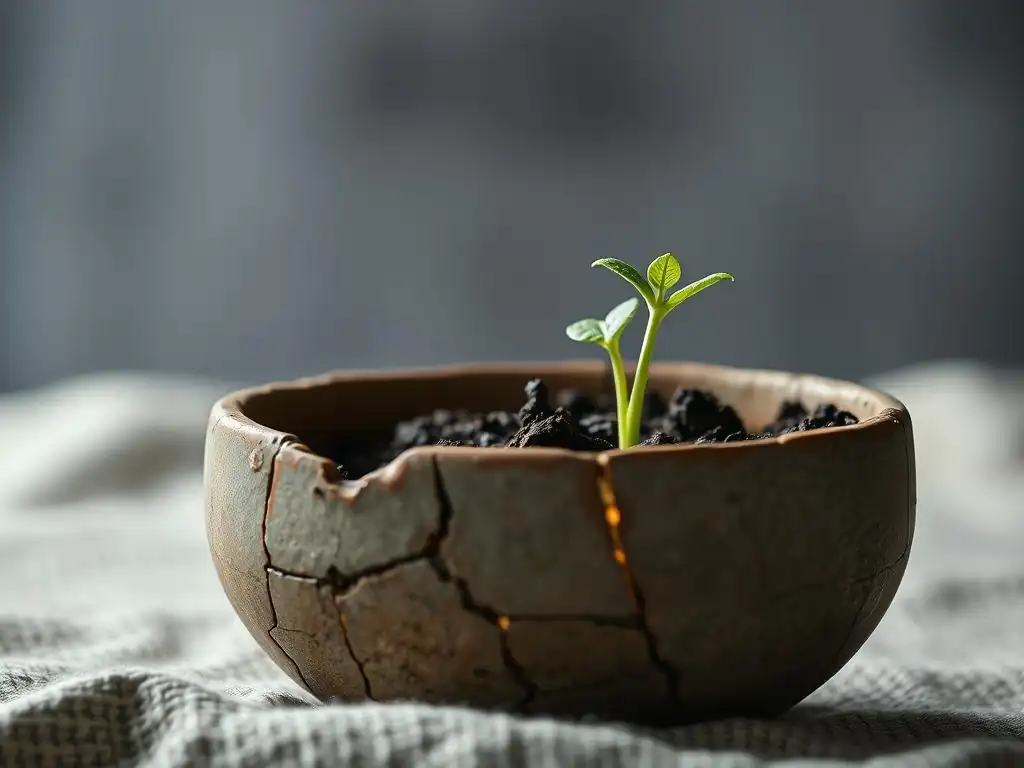
Healing from complex trauma is fundamentally about building resilience – the ability to adapt well in the face of adversity. It involves moving from simply surviving to actively thriving. This process goes beyond symptom reduction; it's about reclaiming your life, developing a stronger sense of self, and finding meaning and purpose despite past pain.
Building resilience is an active process that involves cultivating internal strengths and creating external conditions that support well-being. It is an ongoing journey that integrates the various complex trauma adult recovery strategies discussed.
Creating a Safe and Supportive Environment
Feeling safe is paramount for complex trauma survivors. This includes physical safety, emotional safety, and relational safety. Creating a safe living environment, minimizing contact with toxic individuals, and seeking relationships where you feel respected and valued are crucial steps.
Safety also involves creating internal safety – learning to manage overwhelming emotions, developing a sense of self-trust, and establishing a sense of predictability and routine in your life. Feeling safe allows the nervous system to calm down, which is essential for healing.
Setting Healthy Boundaries and Asserting Your Needs
Complex trauma often involves experiences where boundaries were violated or non-existent. Learning to set and maintain healthy boundaries is a critical skill for recovery. This means understanding your limits – emotionally, physically, and mentally – and communicating them clearly and assertively to others.
Asserting your needs involves recognizing what you need to feel safe, respected, and cared for, and being able to ask for it appropriately. This can be challenging for survivors who were taught their needs didn't matter or were punished for expressing them. Boundary work is a powerful way to reclaim control and build healthier relationships, reinforcing complex trauma adult recovery strategies.
Developing Self-Compassion and Acceptance
Healing requires letting go of the shame and self-blame often associated with complex trauma. Developing self-compassion means treating yourself with the same kindness, understanding, and acceptance you would offer a friend who is suffering. It involves recognizing that your struggles are part of the human experience, especially for those who have endured significant hardship.
Acceptance doesn't mean condoning what happened; it means acknowledging the reality of your past and its impact without getting stuck in resistance or self-judgment. Cultivating self-compassion and acceptance is a gradual process, often supported by mindfulness practices and therapeutic work on core beliefs.
Reclaiming Your Narrative: Moving Towards Post-Traumatic Growth
Complex trauma can shatter a person's sense of self and their view of the world. Reclaiming your narrative involves making sense of your experiences, integrating them into your life story in a way that acknowledges the pain but also highlights your resilience and strengths. It's about moving from being defined by what happened to you to being defined by how you have navigated it.
Post-traumatic growth is the positive psychological change experienced as a result of struggling with highly challenging life circumstances. It is not about saying the trauma was good, but about the growth that can occur in its aftermath. This might include a greater appreciation for life, stronger relationships, increased personal strength, recognition of new possibilities, and spiritual development. Embracing this potential for growth is a powerful aspect of complex trauma adult recovery strategies.
Resources for Complex Trauma Survivors
Finding the right resources is a key step in navigating the path towards healing from complex trauma. Whether you are just beginning to understand your experiences or are well into your recovery journey, accessing information, support, and professional help is crucial.
These resources can provide valuable information, connect you with others who understand, and guide you in implementing effective complex trauma adult recovery strategies. Remember, you do not have to navigate this alone.
Books and Websites on Complex Trauma and Recovery
There are many excellent books and websites that provide in-depth information about complex trauma and offer guidance on healing. Reading can help validate your experiences, provide context for your symptoms, and introduce you to different recovery concepts.
Some widely recommended books include "The Body Keeps the Score" by Bessel van der Kolk, "Complex PTSD: From Surviving to Thriving" by Pete Walker, and "Healing the Shame that Binds You" by John Bradshaw. Reputable websites from mental health organizations and trauma experts can also be valuable sources of information on complex trauma adult recovery strategies.
Support Groups and Online Communities
Connecting with others who have similar experiences can be incredibly validating and reduce feelings of isolation. Support groups provide a safe space to share your story, learn from others' experiences, and receive empathy and encouragement.
Many organizations dedicated to trauma recovery offer support groups, both in-person and online. Online communities can offer accessibility and anonymity for those who find in-person groups challenging. Sharing your journey, even just by listening, can be a powerful part of healing.
Finding a Qualified Therapist Specializing in Trauma
Given the complexity of this condition, finding a therapist who specializes in trauma, particularly complex trauma, is highly recommended. A trauma-informed therapist understands the unique challenges of C-PTSD and is trained in therapeutic modalities effective for treating it.
Look for therapists with training or certification in trauma-specific therapies like EMDR, SE, or those who practice a phased, trauma-informed approach. Asking potential therapists about their experience and training in treating complex trauma is a good way to ensure they are a good fit for your complex trauma adult recovery strategies.
Conclusion: Embracing Hope and Healing on Your Complex Trauma Recovery Journey
Understanding complex trauma is the first step on a path toward healing and reclaiming your life. While the journey can be challenging, marked by ups and downs, it is absolutely possible to move from surviving the past to thriving in the present. Complex trauma adult recovery strategies are not about forgetting what happened, but about integrating your experiences, healing your wounds, and building a future filled with safety, connection, and meaning.
Embrace the process with patience and self-compassion. Utilize the wealth of resources available, connect with supportive individuals, and engage in therapeutic work that resonates with you. Your resilience is greater than you know, and with the right support and strategies, healing from complex trauma is not just a possibility, but a reality within reach.
Frequently Asked Questions
What exactly is complex trauma, and how does it differ from PTSD?
Complex trauma arises from prolonged and repeated traumatic experiences, often during childhood, impacting various aspects of development. Unlike PTSD, which often stems from a single event, complex trauma has a broader, more pervasive impact on self-regulation, relationships, and identity.
How does complex trauma manifest in adults?
In adults, complex trauma can manifest as difficulties with emotional regulation, relationship building, and self-esteem. Individuals may also experience dissociation, chronic feelings of emptiness, and difficulty trusting others.
What are some evidence-based recovery strategies for adults dealing with complex trauma?
Effective recovery strategies often include trauma-informed therapy, such as EMDR or Cognitive Processing Therapy, focusing on building safety and trust, and developing coping mechanisms. Mindfulness practices and self-compassion exercises can also be beneficial.
How can I find a therapist who specializes in complex trauma?
Look for therapists who are specifically trained in trauma-informed care and have experience working with clients who have complex trauma histories. Mind Care Guide or similar platforms may offer directories with specialized search filters.
Is full recovery from complex trauma possible, and what does that look like?
While the effects of complex trauma can be long-lasting, significant healing and improved quality of life are possible. Recovery often involves developing greater self-awareness, healthier relationships, and a sense of empowerment over one's life.
Final Reflection: The Enduring Impact of Complex Trauma and the Path to Healing
The pervasive effects of complex trauma are not merely a relic of the past; they are a present-day reality shaping the lives of countless adults. Understanding the multifaceted nature of this trauma, beyond the confines of a simple PTSD diagnosis, is crucial for effective recovery and societal progress. The impact is far-reaching, affecting relationships, careers, and overall well-being in profound ways.
The journey to healing from complex trauma is a testament to the resilience of the human spirit, yet it demands a deep understanding of the interwoven layers of emotional, psychological, and physical wounds. It's a journey I've witnessed firsthand in my research and conversations with survivors, and one that underscores the importance of compassionate support and tailored interventions. The wound is where the light enters you,
a quote often attributed to Rumi, perfectly encapsulates the transformative potential that lies within the process of healing. This process is not about erasing the past, but about integrating it into a narrative of strength and self-discovery.
You, the reader, now hold the knowledge to better understand complex trauma and its impact. Consider how this information resonates with your own life, your relationships, and your community. Take the time to reflect on the subtle signs of complex trauma, not just in others, but within yourself.
Seek support if needed, and remember that healing is possible. Embrace the journey, for it is in the process of healing that we discover our deepest strength and resilience. Let us work together to create a world that fosters understanding, compassion, and effective support for those navigating the challenging path to recovery.
Unlock Your Healing Journey: Steps to Understanding Complex Trauma
Thanks for taking the time to explore the complexities of trauma with us. We hope this article provided valuable insights into understanding your experiences. Now, let's move forward together.
Here are a few powerful steps you can take today:
- Seek professional support: Finding a therapist specializing in complex trauma is a crucial first step towards healing. This could be the most transformative action you take.
- Connect with others: Share your insights and experiences within a supportive online community or peer support group. Hearing others' stories can be incredibly validating.
- Explore self-compassion practices: Begin incorporating mindfulness or self-compassion exercises into your daily routine; even a few minutes can make a difference.
What small step will you take today to nurture your healing process?