
Will New Laws Improve Your Access to Mental Health Care?


Welcome to Mind Care Guide, a space dedicated to nurturing your mental well-being.
Feeling lost navigating the complex world of mental health care? You're not alone. We understand the challenges, and we're here to help. Dive into our exploration of mental health care access laws and discover if recent changes are truly making a difference for you. Are these new policies a real solution, or just another hurdle? Let's unravel the truth together...
The Impact of the 988 Suicide & Crisis Lifeline on Mental Health Access
- Understanding the Current Landscape of Crisis Mental Health Care
- The 988 Suicide & Crisis Lifeline: An Overview
- Key Provisions of the 988 Lifeline and Their Impact
- How the 988 Lifeline Aims to Enhance Mental Health Crisis Response
- Analyzing the Potential Benefits of Improved Crisis Mental Health Access
- Potential Challenges and Limitations of the 988 Lifeline
- Navigating the System: How to Utilize the 988 Lifeline
- The Future of Crisis Mental Health Care: What to Expect
-
Frequently Asked Questions
- What are Mental health care access laws and what do they aim to achieve?
- How might new laws specifically improve my access to mental health care?
- Are Mental health care access laws the same in every state?
- What should I do if I'm still facing difficulties accessing Mental health care despite these laws?
- How can I stay informed about Mental health care access laws and advocate for further improvements?
- Final Reflection: The Urgent Need for Accessible Mental Healthcare
- Unlock Your Path to Better Mental Wellbeing
Understanding the Current Landscape of Crisis Mental Health Care
Barriers to Immediate Crisis Intervention: A Persistent Challenge
Accessing immediate help during a mental health crisis remains a significant hurdle for many individuals across the United States. Before the widespread implementation of 988, people in crisis often had limited options, primarily relying on overloaded hospital emergency rooms or contacting general emergency services like 911.
This often led to delays in receiving appropriate care, as emergency rooms are primarily equipped for medical emergencies, and law enforcement may not have the specialized training needed to de-escalate mental health situations effectively. Stigma surrounding mental health also acts as a barrier, making individuals hesitant to seek help even when resources are available.
Furthermore, the fragmentation of mental health services across different providers, counties, and states complicates the process of finding immediate support. A person in crisis might not know which local hotline to call, if one exists, or how to navigate the complex system to find a crisis stabilization center. This lack of a single, easy-to-remember access point contributed to delays and increased the likelihood that individuals would not receive timely, specialized care during their most vulnerable moments, highlighting a critical gap in existing mental health care access laws and infrastructure.
The State of Crisis Mental Health Services: Availability and Response Times
The availability of dedicated crisis mental health services varies dramatically depending on geographic location. While some urban and suburban areas have established mobile crisis teams and walk-in centers, many rural and underserved regions lack these critical resources. This disparity means that individuals experiencing a crisis in areas with fewer resources face longer wait times and may have to travel significant distances to receive care, if it's available at all.
Response times to mental health crises also reflect these service gaps. In areas relying heavily on law enforcement for mental health calls, response times are dictated by police dispatch priorities, which may not prioritize mental health needs over other emergencies. Dedicated mobile crisis teams, where they exist, typically aim for much faster response times, often within an hour or two for urgent situations.
However, the limited number of these teams means they can be overwhelmed, leading to delays. This inconsistent landscape underscored the urgent need for a national strategy to standardize and improve crisis response, which mental health care access laws like those supporting 988 aim to address.
The 988 Suicide & Crisis Lifeline: An Overview
Federal Initiatives: Establishing a National Crisis Hotline
The establishment of the 988 Suicide & Crisis Lifeline is a direct result of federal legislative efforts aimed at transforming the nation's approach to mental health crises. Signed into law as part of the National Suicide Hotline Designation Act of 2020, this initiative mandated the transition of the existing National Suicide Prevention Lifeline to a three-digit number, making it as easy to remember and access as 911. The goal was to create a universal entry point for individuals experiencing mental health or suicidal crises, connecting them quickly and efficiently with trained crisis counselors.
This federal mandate provided the framework and funding mechanisms to support the transition, including provisions for state-level implementation and infrastructure development. It recognized that a coordinated national effort was necessary to overcome the fragmentation of existing crisis services and ensure that help is available regardless of where a person lives. These mental health care access laws represent a significant policy shift towards prioritizing immediate, specialized support for those in distress.
State-Level Implementation: Adapting to Local Crisis Needs
While the 988 Lifeline is a federal initiative, its effective operation relies heavily on state-level implementation and integration with local crisis response systems. Each state was tasked with developing plans to route 988 calls, texts, and chats to local or regional crisis centers that are part of the national network. This decentralized approach allows states to leverage existing crisis infrastructure, such as local crisis hotlines and mobile crisis teams, while also building new capacity where needed.
State governments have played a crucial role in securing funding, coordinating services, and raising public awareness about 988. They must navigate the complexities of connecting the national lifeline with local resources, ensuring seamless transitions from phone support to in-person intervention or follow-up care. The success of 988 ultimately depends on the strength of these state-level partnerships and the ability of local crisis centers to handle increased volume and provide effective support tailored to the specific needs of their communities.
Key Provisions of the 988 Lifeline and Their Impact
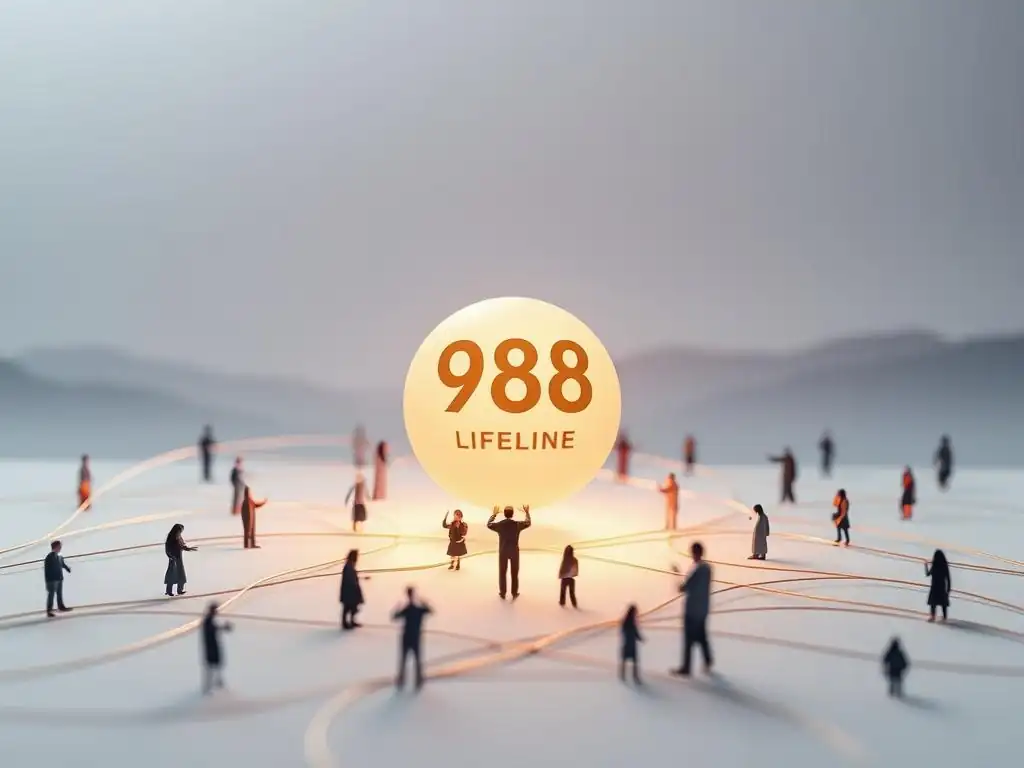
24/7 Availability of Crisis Counseling and Support
One of the most critical features of the 988 Lifeline is its round-the-clock availability. Individuals in crisis can call, text, or chat with a trained crisis counselor at any time of day or night, seven days a week, including holidays. This constant access is vital because mental health crises do not adhere to a schedule, and immediate support can be life-saving. Before 988, finding help outside of standard business hours was often extremely challenging, leaving individuals with limited options besides emergency rooms.
The 24/7 availability aims to provide a constant safety net, ensuring that anyone, anywhere in the U.S., can reach out for help the moment they need it. This provision directly addresses a major barrier to care identified in many analyses of mental health care access laws – the lack of readily available support outside of traditional healthcare settings. The accessibility of 988 through multiple communication methods also caters to different preferences and needs, making it easier for a wider range of people to connect.
Mobile Crisis Team Dispatch for On-Site Intervention
A key enhancement facilitated by the 988 system is the potential for dispatching mobile crisis teams for on-site intervention when necessary. Instead of automatically involving law enforcement, crisis counselors answering 988 calls can assess the situation and, if deemed appropriate and safe, coordinate with local mobile crisis teams. These teams typically consist of mental health professionals, such as social workers, counselors, or nurses, who are trained to respond to crises in person, de-escalate situations, and connect individuals with further care.
The integration of mobile crisis teams into the 988 response model is a significant step towards providing a more therapeutic and less potentially traumatizing response to mental health emergencies. It allows for specialized support to be delivered directly to the individual in their environment, which can be crucial for de-escalation and engagement. While the availability of these teams varies by location and funding, the 988 system is designed to serve as a pathway to connect callers with this level of care where it exists, representing a progressive element within current mental health care access laws.
Crisis Stabilization Services and Follow-Up Care
Beyond immediate counseling and mobile response, the 988 Lifeline aims to facilitate connections to crisis stabilization services and follow-up care. After an initial interaction, crisis counselors can help individuals find local resources, such as crisis receiving centers, walk-in clinics, or outpatient mental health providers. The goal is to ensure a continuum of care, helping individuals transition from immediate crisis resolution to ongoing support and treatment.
This focus on post-crisis support is crucial for preventing future crises and promoting long-term recovery. It recognizes that a single intervention may not be sufficient and that connecting individuals with appropriate follow-up care is essential for sustained well-being. While the capacity and availability of these downstream services remain challenges in many areas, the 988 system is designed to act as a central point of navigation, making it easier for individuals and their families to access the full spectrum of available mental health services, a critical component addressed by modern mental health care access laws.
How the 988 Lifeline Aims to Enhance Mental Health Crisis Response
Reduced Wait Times for Crisis Intervention
The implementation of 988 is specifically designed to reduce the time it takes for someone in crisis to connect with help. By providing a single, easy-to-remember number, it bypasses the need to search for local hotlines or navigate complex health system directories. The federal government has invested significantly in increasing the capacity of crisis call centers to handle the anticipated volume of calls, texts, and chats, aiming to minimize wait times compared to overloaded 911 systems or emergency departments.
Reports from early implementation phases indicate that the number of calls and texts to the lifeline has increased dramatically, demonstrating its accessibility. While capacity challenges persist in some areas, the overall goal is to ensure that individuals reach a trained counselor quickly, receiving immediate support and de-escalation during a critical moment. This focus on speed and accessibility is a core objective of the mental health care access laws that created 988.
Improved Access to Crisis Services in Rural and Underserved Areas
A major intended benefit of the 988 Lifeline is to improve access to crisis services in areas that historically lack adequate mental health resources, particularly rural and underserved communities. While the physical presence of mobile crisis teams and stabilization centers is still a challenge in these regions, 988 provides a virtual connection to crisis support regardless of geographic location. Callers in these areas are routed to the closest available crisis center, which may be in another region, but the counselor can still provide remote support, de-escalation, and guidance on finding local resources, even if those resources are limited.
Furthermore, federal and state funding initiatives associated with 988 are intended to help build capacity in these underserved areas over time. By highlighting gaps in the crisis response system, the increased volume of calls from these regions can help advocate for greater investment in local crisis services, slowly improving the landscape of mental health care access laws and infrastructure beyond the initial phone connection.
Alternatives to Law Enforcement Intervention in Mental Health Crises
One of the most significant impacts of 988 is its potential to offer a non-law enforcement led alternative for responding to mental health crises. For too long, 911 has been the default number to call during a crisis, often resulting in law enforcement being the first, and sometimes only, responders. While police officers often act with good intentions, they typically lack specialized mental health training, which can sometimes escalate situations or lead to individuals with mental illness being unnecessarily arrested or hospitalized.
By calling 988, individuals or concerned loved ones can connect directly with mental health professionals trained in crisis intervention. These counselors can often de-escalate situations over the phone or, where available, dispatch trained mobile crisis teams. This shift aims to reduce the involvement of law enforcement in non-violent mental health emergencies, leading to more appropriate and therapeutic outcomes for individuals in crisis and aligning with the evolving understanding embedded within mental health care access laws regarding crisis response.
Analyzing the Potential Benefits of Improved Crisis Mental Health Access
Reduced Suicide Rates and Attempts
A primary goal of the 988 Lifeline is to contribute to a reduction in suicide rates and attempts across the nation. By providing immediate, confidential, and accessible support to individuals experiencing suicidal ideation or emotional distress, 988 aims to intervene before a crisis escalates. Connecting with a trained crisis counselor can provide individuals with a safe space to talk, explore coping strategies, and develop a safety plan, potentially preventing a suicide attempt.
While it is still early to quantify the full impact, the increased volume of calls and texts to the lifeline since its launch in July 2022 suggests that more people are reaching out for help. Reports from the Substance Abuse and Mental Health Services Administration (SAMHSA) show millions of contacts handled by the 988 network in its first year, indicating widespread utilization. The hope is that this increased access to immediate support will translate into fewer tragedies over time, fulfilling a key objective of the mental health care access laws that established the service.
Improved Mental Health Outcomes Following a Crisis
Timely and appropriate intervention during a mental health crisis can significantly improve long-term outcomes. When individuals receive support from trained mental health professionals through 988, they are more likely to be connected with ongoing care and resources tailored to their specific needs. This contrasts with outcomes that may result from interventions lacking specialized mental health expertise.
Accessing crisis counseling and potentially mobile crisis services through 988 can help individuals stabilize, develop coping skills, and connect with outpatient therapy, support groups, or other necessary services. This continuum of care, facilitated by the lifeline, can prevent repeat crises and support individuals on their journey towards recovery and improved mental well-being. The focus on connecting people to follow-up care is a crucial aspect of how mental health care access laws are evolving to support not just immediate crisis but also long-term stability.
Decreased Burden on Emergency Rooms and Law Enforcement
The 988 Lifeline is expected to help alleviate the strain on emergency rooms and law enforcement agencies, which have historically been the default responders to mental health crises. When individuals in crisis utilize 988 instead of calling 911 or presenting at an emergency department, it frees up valuable resources in those systems for medical emergencies and public safety issues.
Emergency rooms are often not the ideal environment for someone experiencing a mental health crisis; they can be noisy, overwhelming, and lack specialized mental health staff. Similarly, involving law enforcement in situations that are primarily mental health-related can sometimes lead to negative outcomes. By diverting appropriate calls to trained crisis counselors and potentially mobile crisis teams, 988 offers a more suitable and efficient pathway, allowing emergency services to focus on their core functions and representing a strategic aim of current mental health care access laws.
Potential Challenges and Limitations of the 988 Lifeline

Funding and Sustainability of the 988 Lifeline
Despite federal backing, ensuring consistent and adequate funding for the 988 Lifeline and the associated crisis response infrastructure remains a significant challenge. While some federal funding was provided for the initial rollout, the long-term sustainability relies heavily on state-level commitments, which can vary. States are exploring different funding models, including legislative appropriations and telecom fees, but securing sufficient and stable funding is crucial for maintaining 24/7 service, supporting local crisis centers, and building out necessary resources like mobile crisis teams.
Without sustainable funding, crisis centers could face capacity issues, leading to longer wait times or reduced service quality. This could undermine the effectiveness of 988 and limit its ability to meet the growing demand for crisis services. The ongoing debate and implementation of funding mechanisms are critical aspects of how mental health care access laws translate into real-world service availability.
Workforce Shortages in Crisis Counseling and Mental Health
The increased demand generated by the easily accessible 988 number highlights and exacerbates existing workforce shortages in the mental health field, particularly among crisis counselors and mobile crisis team members. There is a national need for more trained professionals to answer calls, texts, and chats, as well as to staff mobile teams and crisis stabilization centers.
Recruiting, training, and retaining a sufficient number of qualified staff is essential for 988 to function effectively and handle call volume without significant delays. Addressing this workforce challenge requires investment in training programs, competitive compensation, and efforts to reduce burnout among crisis workers. This systemic issue is a broader challenge facing mental health care access laws and services across the board, but is particularly acute for the high-demand, specialized field of crisis response.
Ensuring Equitable Access to Services Across Diverse Populations
While 988 aims for universal access, ensuring equitable access across diverse populations, including racial and ethnic minorities, LGBTQ+ individuals, veterans, and people with disabilities, requires ongoing effort. Different communities may have varying levels of awareness about 988, unique cultural considerations regarding mental health, and specific needs that require tailored support.
Efforts are needed to conduct targeted outreach and awareness campaigns within diverse communities. Ensuring that crisis counselors are culturally competent and trained to address the specific needs and experiences of various populations is also critical. Furthermore, ensuring that language access is readily available for non-English speakers is paramount. Achieving true equity in mental health care access laws means ensuring that the benefits of 988 reach everyone who needs them, regardless of their background or circumstances.
Understanding the Services Provided by the 988 Lifeline
The 988 Suicide & Crisis Lifeline offers confidential support for individuals experiencing a mental health crisis, including thoughts of suicide, substance use crises, or any kind of emotional distress. When you contact 988, you will be connected with a trained crisis counselor who can provide:
- Empathetic listening and support.
- De-escalation techniques.
- Exploration of coping strategies.
- Development of a safety plan if you are feeling suicidal.
- Information about local mental health resources and services.
- Connection to mobile crisis teams or other emergency services if needed and available in your area.
It's important to understand that 988 is designed for immediate crisis support and resource connection, not long-term therapy or case management. However, it serves as a vital first step in accessing help during a critical moment, leveraging the infrastructure created by recent mental health care access laws.
When to Call or Text 988 for Help
You should contact 988 anytime you are experiencing a mental health crisis or are concerned about someone else who might be. This includes:
- Having thoughts of suicide or self-harm.
- Experiencing severe emotional distress, panic attacks, or feelings of hopelessness.
- Struggling with substance use and feeling overwhelmed or unsafe.
- Concerned about a friend, family member, or loved one who appears to be in crisis.
- Needing information about mental health resources and support services.
There is no situation too small or too large to contact 988 if you are in distress. It is a resource available to everyone, designed to provide support before a situation reaches a point of requiring law enforcement or medical emergency intervention, reflecting the preventative goals of mental health care access laws.
Resources and Support Available After Contacting the 988 Lifeline
After contacting 988, the support doesn't necessarily end. Crisis counselors can help connect you with various resources depending on your needs and location. These may include:
- Referrals to local mental health providers for ongoing therapy or counseling.
- Information about crisis receiving centers or walk-in clinics.
- Connections to support groups.
- Guidance on navigating the mental healthcare system.
- Information about other social services.
The specific resources available will vary by community, but the 988 counselor can help you understand what options exist in your area. The goal is to empower you with the information and connections needed to continue receiving care and support after the immediate crisis has passed, reinforcing the comprehensive approach envisioned by modern mental health care access laws.
The Future of Crisis Mental Health Care: What to Expect
Integration of 988 with Existing Mental Health Systems
The successful long-term impact of 988 will heavily rely on its seamless integration with existing local and state mental health systems. This includes coordinating with community mental health centers, hospitals, mobile crisis teams, and other service providers. The goal is to create a unified system where 988 serves as the front door, ensuring smooth transitions for individuals from initial contact to appropriate follow-up care.
Efforts are underway in many states to build these integrated networks, often facilitated by state-level mental health care access laws and strategic planning. This involves developing shared protocols, improving data sharing (while maintaining privacy), and establishing clear pathways for referrals and handoffs. Effective integration will maximize the lifeline's potential and ensure that individuals receive the full spectrum of care they need.
The Importance of Continued Investment in Crisis Services
The launch of 988 is a significant step, but it is not a standalone solution. Continued and increased investment in the entire crisis care continuum is essential for 988 to reach its full potential. This includes funding for:
- Increasing the capacity and staffing of local 988 crisis centers.
- Expanding the availability and reach of mobile crisis teams.
- Developing and operating crisis receiving and stabilization centers.
- Building out peer support networks.
- Ensuring robust follow-up care resources.
These investments are necessary to meet the increased demand generated by 988 and to ensure that individuals have access to appropriate care options beyond initial phone support. Sustained funding is a critical component of effective mental health care access laws and policies.
Community Education and Awareness of 988
Raising public awareness about the 988 Lifeline is crucial for its success. While initial campaigns have helped, ongoing education is needed to ensure that everyone knows about 988 and understands when and how to use it. This involves reaching diverse communities, schools, workplaces, and healthcare providers.
Increased public awareness can help destigmatize seeking help for mental health crises and encourage individuals to reach out before situations become dire. It also empowers concerned friends, family members, and community members to know how to support someone in distress. Effective community education is a vital piece of the puzzle in maximizing the impact of mental health care access laws like the one establishing 988.
- [ ] Ensure seamless integration with local resources.
- [ ] Secure sustainable funding models.
- [ ] Address workforce shortages in crisis services.
- [ ] Conduct targeted outreach to diverse populations.
- [ ] Continue public education efforts.
Frequently Asked Questions
What are Mental health care access laws and what do they aim to achieve?
These laws are legislative measures designed to improve access to mental health services. They aim to address issues like insurance coverage, provider shortages, and out-of-pocket costs, making mental healthcare more readily available.
How might new laws specifically improve my access to mental health care?
New laws could mandate better insurance coverage for mental health services, ensuring parity with physical health. They might also increase funding for mental health programs and expand the network of available providers.
Are Mental health care access laws the same in every state?
No, these laws can vary significantly from state to state. Some states may have more comprehensive legislation regarding mental health parity and access than others. It's important to research the specific laws in your location.
What should I do if I'm still facing difficulties accessing Mental health care despite these laws?
You can contact your insurance provider to understand your coverage. You can also seek assistance from mental health advocacy groups or government agencies that specialize in mental health services.
How can I stay informed about Mental health care access laws and advocate for further improvements?
Follow organizations like the Mind Care Guide and other mental health advocacy groups for updates. You can also contact your local representatives to express your support for policies that improve mental health access.
Final Reflection: The Urgent Need for Accessible Mental Healthcare
The fight for equitable access to mental healthcare is far from over, and the legislative landscape, while evolving, still leaves millions struggling to find the support they desperately need. The sheer number of individuals facing barriers—financial, geographical, systemic—highlights the critical urgency of this ongoing conversation. We've explored several new laws and their potential impact, but the reality is far more nuanced than simple legislative fixes.
The impact of inadequate mental healthcare access ripples through our communities, affecting families, workplaces, and the overall societal well-being. It's a deeply personal issue for many, myself included, and witnessing the struggles of loved ones only reinforces the importance of advocating for change. The mind is everything. What you think you become.
– Buddha. This simple statement underscores the profound impact of mental well-being on every aspect of our lives, making accessible and quality care a fundamental human right.
The journey toward truly accessible mental healthcare requires ongoing vigilance and participation from all of us. You can be a part of this change. Consider contacting your elected officials to voice your support for policies that expand access, advocate for increased funding for mental health services in your community, and most importantly, reach out to someone you know who might be struggling. Let's work together to build a future where mental health is prioritized, understood, and supported for everyone.
Unlock Your Path to Better Mental Wellbeing
Thank you for taking the time to learn more about the potential impact of new mental health laws. We hope this article provided valuable insights and empowered you to advocate for yourself and others. Now, let's take the next step.
- Connect with a local mental health organization: Research organizations in your area that offer support and resources. This could be a great way to access services or simply learn more about available options.
- Share this article with someone who might benefit: Help spread awareness and encourage open conversations about mental health. A simple share can make a big difference.
- Explore resources mentioned in the article: Revisit the specific links and organizations discussed to find immediate help or additional information tailored to your situation.
What steps will you take today to prioritize your mental wellbeing, knowing more about these new laws and available resources?