
Unmasking SAD: Your Comprehensive Guide to Seasonal Affective Disorder

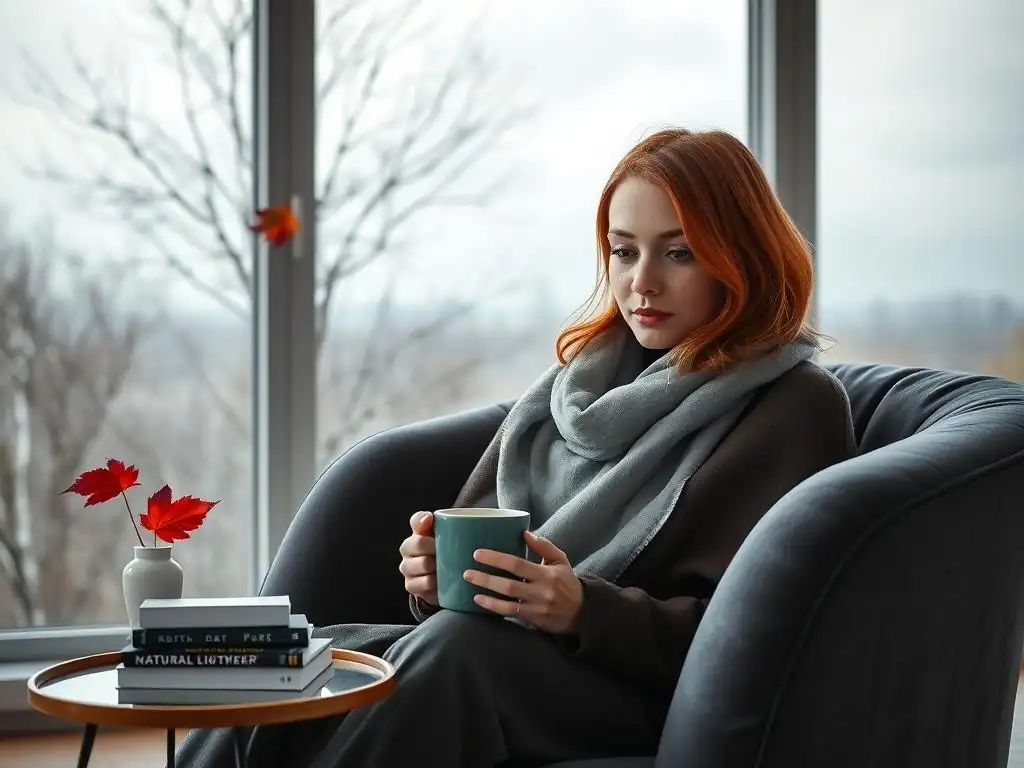
Welcome to Mind Care Guide, your sanctuary for understanding and nurturing your mental well-being.
Are you feeling the weight of the changing seasons? It's okay, you're not alone. Many experience the blues as the days grow shorter, and understanding why is the first step towards feeling better. Dive into our comprehensive guide, " Unmasking SAD: Your Comprehensive Guide to Seasonal Affective Disorder," where we explore seasonal affective disorder treatment options and offer actionable strategies to reclaim your joy. Curious to learn how to banish those winter blues? Let's explore together...
Seasonal Affective Disorder Treatment Options: A Comprehensive Overview
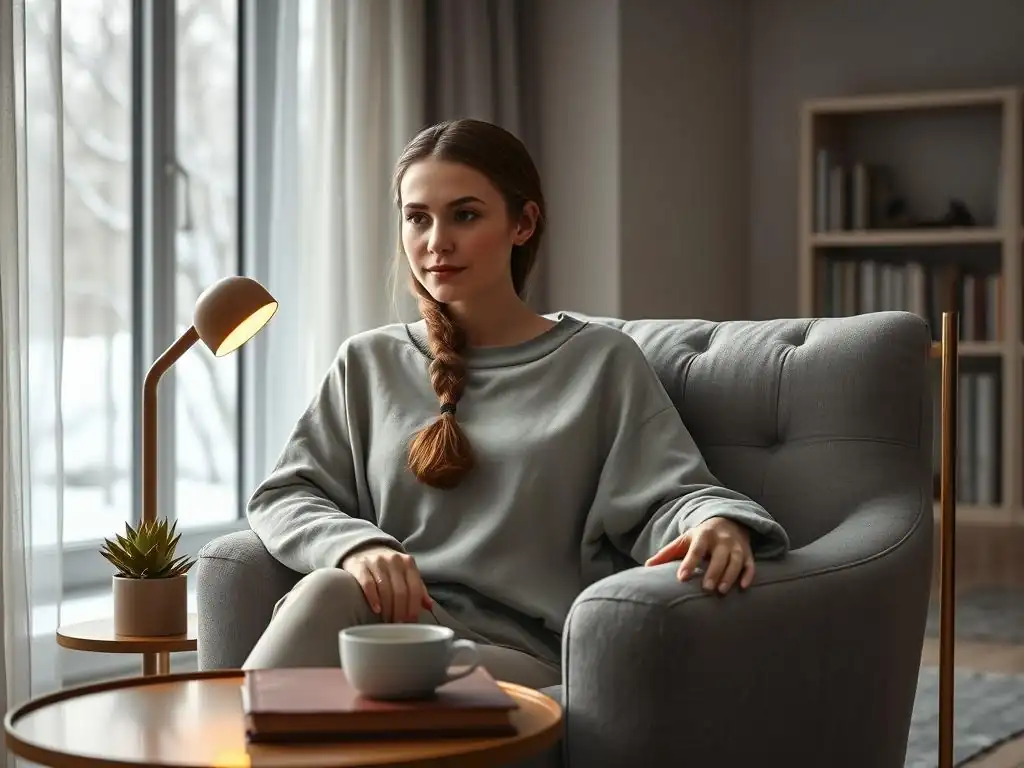
When facing the challenges of Seasonal Affective Disorder (SAD), it's reassuring to know that a range of effective seasonal affective disorder treatment options are available. These options are designed to alleviate symptoms and improve overall well-being during the darker months. The best approach often involves a combination of strategies tailored to the individual's specific needs and the severity of their symptoms. Understanding the different avenues for treatment is the first step toward finding relief.
Exploring the various seasonal affective disorder treatment options empowers individuals to make informed decisions about their mental health journey. From evidence-based therapies like light therapy and medication to lifestyle adjustments and psychological support, there are multiple paths to managing SAD effectively. Consulting with a healthcare professional is crucial to determine the most suitable combination of treatments for your unique situation.
Light Therapy for SAD: Harnessing the Power of Light
Light therapy, also known as phototherapy, is one of the most common and effective seasonal affective disorder treatment options, particularly for winter-pattern SAD. It involves daily exposure to bright artificial light that mimics natural outdoor light but without harmful UV rays. This therapy is typically administered using a specialized light box, often for 20-60 minutes each morning, shortly after waking up. The goal is to regulate the body's internal clock (circadian rhythm) and neurotransmitter activity, which can become disrupted during periods of reduced sunlight exposure.
Studies have shown that light therapy can be highly effective, with many individuals reporting significant improvement in SAD symptoms within just a few weeks of starting treatment. For instance, some research suggests that 60-80% of people with winter SAD may benefit from this approach. It's a non-invasive option that can be easily incorporated into a morning routine, such as while eating breakfast or reading.
How Light Therapy Works: Mechanism and Effectiveness
The primary mechanism by which light therapy is thought to work involves its effect on the brain's production of melatonin and serotonin. Melatonin, the hormone that regulates sleep, is produced in greater amounts in the dark. During winter, with fewer daylight hours, melatonin production might increase, leading to feelings of sluggishness and low energy characteristic of SAD.
Exposure to bright light helps suppress melatonin production. Additionally, light therapy is believed to influence serotonin levels, a neurotransmitter associated with mood. Reduced sunlight can lead to lower serotonin levels, and bright light exposure may help increase them, thereby improving mood and reducing depression symptoms.
Research consistently supports the effectiveness of light therapy as a front-line seasonal affective disorder treatment. For example, a systematic review published in 2015 indicated that light therapy was more effective than placebo for treating winter depression. While individual responses vary, consistent daily use, typically with a 10,000 lux light box for 30 minutes, has demonstrated significant clinical benefits for many individuals experiencing seasonal mood changes.
Choosing the Right Light Therapy Box: Features and Considerations
Selecting the appropriate light therapy box is crucial for maximizing effectiveness and ensuring safety. Key features to consider include the intensity of the light, measured in lux. Most experts recommend a box that provides 10,000 lux at a comfortable distance. It's also important to look for devices that filter out ultraviolet (UV) light, as UV rays can be harmful to the eyes and skin. The size and design of the box can also impact convenience; some are designed for desk use, while others are larger panels.
Beyond lux level and UV filtration, consider the type of light emitted. Full-spectrum light is often preferred, mimicking natural sunlight. Ease of use, portability, and the ability to adjust angles can also enhance compliance. While many options are available, it's wise to look for products that are certified or recommended by mental health professionals or organizations specializing in SAD. A common example might be a compact box designed to sit on a desk, allowing for treatment while working or reading.
Light Therapy Side Effects and Precautions
While generally safe and well-tolerated, light therapy can have some side effects, though they are usually mild and temporary. The most common side effects include eye strain, headaches, nausea, and agitation or jitteriness, particularly when starting therapy or using the light for too long. Some individuals may experience insomnia if they use the light too late in the day. These side effects often diminish as the body adjusts to the treatment.
Precautions are necessary, especially for individuals with certain eye conditions (like glaucoma, cataracts, or retinal disorders) or those taking medications that increase sensitivity to light (such as certain antibiotics, antipsychotics, or photosensitizing supplements). It is essential to consult with a doctor or eye specialist before starting light therapy if you have any pre-existing eye conditions or are on photosensitizing medications. Always follow the manufacturer's instructions regarding distance and duration of use, and avoid looking directly into the light.
Medication for Seasonal Affective Disorder: Antidepressants and Other Options
For some individuals, particularly those with more severe SAD symptoms or those who do not respond adequately to light therapy, medication can be an effective seasonal affective disorder treatment option. Antidepressant medications are commonly prescribed, often starting before the expected onset of symptoms and continuing until spring. The choice of medication depends on various factors, including the individual's medical history, other medications they are taking, and the presence of co-occurring conditions like anxiety.
The decision to use medication should always be made in consultation with a healthcare provider. They can assess whether medication is appropriate, discuss potential benefits and risks, and monitor for effectiveness and side effects. Medications can be a vital part of a comprehensive treatment plan, especially when combined with other therapies or lifestyle changes.
SSRIs for SAD: Understanding their Role
Selective serotonin reuptake inhibitors (SSRIs) are the most frequently prescribed type of antidepressant for Seasonal Affective Disorder. Medications like bupropion (sometimes prescribed in an extended-release formulation specifically for SAD prevention), sertraline, fluoxetine, and paroxetine are examples of SSRIs that may be used. SSRIs work by increasing the levels of serotonin in the brain, which is often lower in individuals with depression and SAD.
Clinical trials have demonstrated that SSRIs can be effective in reducing the symptoms of SAD, sometimes even preventing their onset when taken proactively before the winter months begin. For instance, studies on bupropion extended-release have shown a significant reduction in the incidence or severity of depressive episodes in individuals with a history of winter SAD compared to placebo. As with any medication, it's crucial to take SSRIs exactly as prescribed and to communicate any concerns or side effects to your doctor.
Potential Side Effects of SAD Medications
Like all medications, antidepressants used for SAD can cause side effects, although not everyone experiences them. Common side effects of SSRIs might include nausea, insomnia, drowsiness, weight gain or loss, headache, and sexual side effects. These side effects are often mild and may improve over time.
More serious side effects are less common but can occur. It's important to report any unusual or severe symptoms to a healthcare provider immediately. Abruptly stopping antidepressant medication can also lead to withdrawal symptoms, so any changes in dosage or discontinuation should be done under medical supervision. Your doctor will weigh the potential benefits of medication against the risks of side effects when considering this seasonal affective disorder treatment option.
Psychological Therapies for SAD: Cognitive Behavioral Therapy (CBT) and More
Psychological therapies, particularly Cognitive Behavioral Therapy (CBT), offer another valuable seasonal affective disorder treatment option. CBT for SAD is a specific adaptation of traditional CBT that focuses on the thoughts, feelings, and behaviors associated with seasonal changes. It helps individuals identify and challenge negative thought patterns that contribute to their low mood during winter and develop coping strategies to manage symptoms.
Therapy sessions often involve learning techniques to increase engagement in enjoyable activities, even when feeling low, and developing a more positive outlook on the winter season. This approach empowers individuals with practical tools they can use year after year to anticipate and manage their symptoms, potentially reducing reliance on other treatments over time.
CBT for SAD: Changing Negative Thought Patterns
CBT for SAD typically involves identifying "winter-specific" negative thoughts, such as "I hate winter, it's so depressing" or "I can't do anything fun when it's cold and dark." Therapists help individuals challenge the accuracy and helpfulness of these thoughts and replace them with more balanced and realistic perspectives. For example, reframing winter as a time for cozy indoor activities or appreciating the unique beauty of the season.
Beyond challenging thoughts, CBT for SAD emphasizes behavioral activation. This involves scheduling and engaging in activities that are pleasurable or provide a sense of accomplishment, even when motivation is low. Examples might include planning regular social outings, pursuing hobbies indoors, or incorporating more physical activity into the routine. Research suggests that CBT specifically adapted for SAD can be as effective as light therapy and may have longer-lasting benefits in preventing recurrence in subsequent years.
Other Therapeutic Approaches: Mindfulness and Relaxation Techniques
In addition to CBT, other psychological approaches can be beneficial seasonal affective disorder treatment options. Mindfulness-based techniques, which focus on paying attention to the present moment without judgment, can help individuals become more aware of their seasonal mood shifts and develop a greater capacity to tolerate difficult feelings. Practices like meditation, deep breathing exercises, and body scans can promote relaxation and reduce stress, which often exacerbates SAD symptoms.
Relaxation techniques, such as progressive muscle relaxation or guided imagery, can also help manage anxiety and tension associated with SAD. While these approaches may not directly address the biological underpinnings of SAD in the same way light therapy does, they provide valuable tools for managing the emotional and psychological distress caused by the disorder. Incorporating these practices can enhance overall well-being and complement other treatment modalities.
Natural Remedies and Lifestyle Changes for SAD Management
Beyond clinical interventions, several natural remedies and lifestyle adjustments can serve as supportive seasonal affective disorder treatment options. These strategies focus on optimizing overall health and creating an environment that is conducive to better mood and energy levels during the winter months. While they may not replace medical treatment for moderate to severe SAD, they can significantly contribute to symptom management and prevention for many individuals.
Adopting healthy habits like regular exercise, a balanced diet, and ensuring adequate sleep are fundamental. Additionally, exploring the potential role of supplements like Vitamin D or incorporating practices that enhance exposure to natural light during the day can be beneficial. These approaches empower individuals to take an active role in managing their seasonal well-being.
Vitamin D and SAD: Exploring the Connection
Vitamin D, often called the "sunshine vitamin," is produced in the skin upon exposure to sunlight. During winter months, especially in regions with limited daylight, many people experience a drop in Vitamin D levels. While the exact link between Vitamin D deficiency and SAD is still being researched, some studies suggest a correlation between lower Vitamin D levels and increased symptoms of depression, including seasonal patterns.
Supplementation with Vitamin D is sometimes explored as a potential seasonal affective disorder treatment option or preventative measure, although it's generally not considered a standalone treatment for clinically diagnosed SAD. A healthcare provider can test Vitamin D levels and recommend appropriate supplementation if a deficiency is found. For instance, typical recommendations might range from 800 to 2000 International Units (IU) per day, but this should always be guided by a medical professional.
Diet and Exercise for Boosting Mood During Winter
Maintaining a healthy diet and engaging in regular physical activity are well-established strategies for improving mood and overall mental health, making them valuable seasonal affective disorder treatment options. A balanced diet rich in fruits, vegetables, whole grains, and lean proteins provides the nutrients necessary for brain function and energy levels. Limiting processed foods, excessive sugar, and caffeine can help avoid energy crashes that can worsen SAD symptoms.
Exercise has been shown to have antidepressant effects, potentially by increasing endorphins and other mood-regulating neurotransmitters. Aiming for at least 30 minutes of moderate-intensity exercise most days of the week can make a significant difference. Even moderate activities like brisk walking, dancing, or yoga can help combat the lethargy and low mood associated with SAD. Consistency is key, so finding activities you enjoy is important.
Creating a Supportive Environment: Social Connections and Self-Care
Combating the isolation that SAD can sometimes bring is a crucial lifestyle adjustment. Making an effort to maintain social connections, even when feeling withdrawn, can provide emotional support and a sense of belonging. Scheduling regular outings with friends, joining a club, or simply making phone calls to loved ones can help counteract the tendency to isolate during winter.
Prioritizing self-care is also essential. This includes ensuring adequate sleep (typically 7-9 hours per night), managing stress through relaxation techniques, and engaging in activities that bring joy and relaxation. Simple practices like taking warm baths, listening to music, reading, or pursuing creative hobbies can significantly improve mood and resilience against SAD symptoms. Creating a cozy and bright living space can also positively impact your environment.
Frequently Asked Questions
What is Seasonal Affective Disorder (SAD)?
SAD is a type of depression that's related to changes in seasons, typically starting in the fall and continuing into the winter months. It is characterized by symptoms like low energy and mood changes.
What are the primary symptoms of SAD?
The main symptoms often include persistent sadness, loss of interest in activities, fatigue, and changes in appetite or sleep patterns. These symptoms generally appear and subside around the same time each year.
What are the common "Seasonal affective disorder treatment options" available?
Treatment options often involve light therapy, psychotherapy (like CBT), and sometimes medication, such as antidepressants. The best approach is usually a combination tailored to the individual.
How does light therapy work for SAD?
Light therapy involves sitting near a special lamp that emits a bright light that mimics natural sunlight. This helps to regulate your body's circadian rhythm and improve mood.
Are there any lifestyle changes that can help manage SAD?
Yes, lifestyle changes like regular exercise, maintaining a healthy diet, and getting enough sleep can significantly help in managing SAD symptoms. Also, social interaction is extremely important.
Final Reflection: Finding Light in the Darkness of SAD
The pervasive shadow of Seasonal Affective Disorder (SAD) affects millions, and its impact extends far beyond the winter months. Understanding its nuances, from the biological mechanisms to the diverse treatment options available, is crucial for navigating this often-misunderstood condition. The struggle is real, but so is the hope for brighter days.
The journey of researching and writing this guide has profoundly impacted my understanding of SAD's far-reaching consequences. It's not simply a case of "winter blues"; it's a debilitating condition that can significantly impact mental health, relationships, and overall well-being. The stories I encountered during my research underscored the importance of open dialogue and early intervention. The darkness may be overwhelming, but even the smallest spark of hope can ignite a flame.
This sentiment, shared by many individuals living with SAD, highlights the resilience of the human spirit and the power of effective treatment.
Now, it's your turn. Take what you've learned here – the understanding of the underlying causes, the diverse range of treatment options from light therapy to medication and therapy, and the importance of self-care – and apply it to your own life, or the lives of those you care about. Don't let the darkness win. Seek help, advocate for yourself or others, and remember that finding the light, even in the darkest of seasons, is entirely possible. You are not alone.
Ready to Reclaim Your Sunshine?
Thanks for taking the time to learn about Seasonal Affective Disorder with us! We hope this guide provided valuable insights and empowered you to take control of your well-being. Now, let's put that knowledge into action:
- Prioritize your light exposure: Start by scheduling 15-20 minutes of sunlight each day, even on cloudy days. This is your first step towards combating SAD's effects.
- Share your journey: Connect with others facing similar challenges. Share this article with a friend or family member who might benefit from the information. Knowing you're not alone can make a world of difference.
- Explore a new self-care practice: Try something you’ve always wanted to do but haven’t had the time for – whether it's yoga, meditation, or starting a new hobby. It's an excellent way to boost your mood naturally.
What small step will you take today to nurture your mental well-being and embrace the light?