
The Bipolar Brain: Insights from Neuroscience

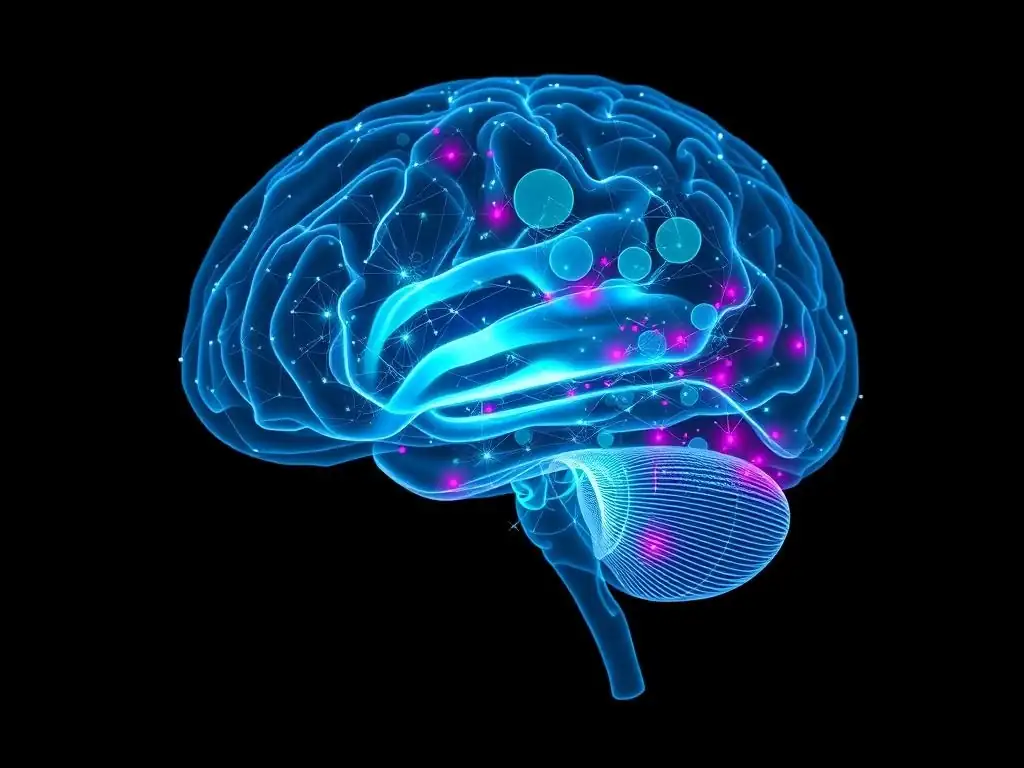
Welcome to Mind Care Guide, a space dedicated to understanding and nurturing your mental well-being.
Are you searching for clarity amidst the complexities of mood disorders? It's okay to feel overwhelmed, and we're here to help. This journey begins with understanding the intricate workings of the brain. This article dives deep into bipolar disorder brain function, exploring the latest neuroscience to shed light on the biological underpinnings of this condition. Curious to unravel the science behind the mood swings? Let's explore together...
The Bipolar Brain: Insights from Neuroscience
- Understanding Bipolar Disorder and Brain Function
- Bipolar Disorder Brain Function: Key Areas Affected
- Neurotransmitters and Bipolar Disorder: A Delicate Balance
- Brain Imaging Studies: Unveiling the Bipolar Brain
- Genetic Factors and Brain Development in Bipolar Disorder
- The Impact of Mood Episodes on Brain Structure and Function
- Neuroplasticity and Recovery in Bipolar Disorder
- Future Directions in Bipolar Disorder Brain Research
- Supporting Brain Health in Bipolar Disorder: Practical Tips
- Mind Care Guide Resources for Bipolar Disorder
-
Frequently Asked Questions
- What specifically is different about bipolar disorder brain function compared to a neurotypical brain?
- How does neuroscience help us understand bipolar disorder brain function better?
- Can understanding bipolar disorder brain function lead to better treatments?
- What role does genetics play in influencing bipolar disorder brain function?
- Are there lifestyle changes that can positively impact bipolar disorder brain function?
- Final Reflection: Navigating the Labyrinth of the Bipolar Brain
- Unlock Your Brain's Potential: Next Steps to Understanding Bipolar Disorder
Understanding Bipolar Disorder and Brain Function
What is Bipolar Disorder? An Overview
Bipolar disorder is a complex mental health condition characterized by significant shifts in mood, energy, activity levels, and the ability to carry out daily tasks. These shifts are typically described as manic or hypomanic episodes (periods of unusually high energy, activity, and mood) and major depressive episodes (periods of low mood, energy, and activity). Unlike typical mood swings, these episodes represent distinct changes from a person's usual state and can last for days, weeks, or even months.
This chronic condition affects millions worldwide, often emerging in late adolescence or early adulthood. Its impact extends beyond mood, influencing cognitive functions, sleep patterns, and overall physical health. Understanding bipolar disorder involves recognizing its spectrum nature, with variations like Bipolar I (marked by manic episodes) and Bipolar II (marked by hypomanic and depressive episodes), and acknowledging that its underlying causes are multifaceted, involving a combination of genetic, environmental, and biological factors, particularly those related to bipolar disorder brain function.
The Role of Neuroscience in Understanding Bipolar Disorder
Neuroscience provides a crucial lens through which to examine the biological underpinnings of bipolar disorder. By employing advanced techniques like brain imaging and studying neurotransmitter systems, researchers can gain insights into the structural and functional differences in the brains of individuals with the condition compared to those without it. This exploration helps move beyond purely symptomatic descriptions to a more fundamental understanding of the disorder's biological basis.
Research in this field aims to identify specific neural circuits, brain regions, and chemical imbalances associated with the different mood states experienced in bipolar disorder. For example, studies have consistently pointed to altered activity and connectivity in areas involved in emotional regulation and executive function. This neuroscientific perspective is vital for developing more targeted and effective treatments, as it helps pinpoint how bipolar disorder affects the brain at a fundamental level.
Bipolar Disorder Brain Function: Key Areas Affected
Prefrontal Cortex and Executive Function in Bipolar Disorder
The prefrontal cortex (PFC), located at the front of the brain, is critical for executive functions such as planning, decision-making, impulse control, working memory, and regulating complex social behaviors. In individuals with bipolar disorder, studies using MRI and fMRI have frequently reported structural and functional abnormalities in various subregions of the PFC. For instance, some research indicates reduced gray matter volume in parts of the ventral and dorsal PFC, particularly in individuals who have experienced multiple mood episodes.
These observed differences in the prefrontal cortex are thought to contribute significantly to the cognitive difficulties often experienced by people with bipolar disorder, even during periods of mood stability. Challenges with decision-making, problem-solving, and inhibiting impulsive behaviors are common, particularly during or immediately following mood episodes. Understanding these PFC-related changes is key to comprehending aspects of bipolar disorder brain function related to cognitive control and judgment.
Amygdala and Emotional Regulation in Bipolar Disorder
The amygdala, an almond-shaped structure deep within the temporal lobe, is a central hub for processing emotions, particularly fear and threat detection. Research consistently shows altered activity in the amygdala in individuals with bipolar disorder, especially during mood episodes. During manic or hypomanic states, the amygdala may show heightened reactivity to emotional stimuli, potentially contributing to increased emotional intensity, irritability, or risk-taking behavior.
Conversely, during depressive episodes, the amygdala's response can also be dysregulated, sometimes showing reduced activity or connectivity patterns that contribute to feelings of sadness, apathy, and anhedonia (loss of pleasure). The intricate connection between the amygdala and the prefrontal cortex is vital for regulating emotional responses; disruptions in this circuit are strongly implicated in the emotional dysregulation that is a hallmark of bipolar disorder, highlighting a key aspect of how bipolar disorder affects the brain's emotional processing centers.
Hippocampus and Memory Formation in Bipolar Disorder
The hippocampus, another structure located in the temporal lobe, plays a critical role in learning, memory formation (especially episodic memory), and spatial navigation. Several studies have reported reduced hippocampal volume in individuals with bipolar disorder, particularly in those with a longer illness duration or a history of more mood episodes. This structural difference may contribute to some of the cognitive deficits observed in the condition, including difficulties with verbal memory and learning new information.
While the link between hippocampal changes and specific memory problems in bipolar disorder is still being fully elucidated, the consistent finding of reduced volume suggests a vulnerability in this region. Stress and elevated cortisol levels, which can be associated with severe or prolonged mood episodes, are known to negatively impact the hippocampus, potentially explaining some of the observed structural changes and their influence on bipolar disorder brain function related to memory.
Basal Ganglia and Motor Control in Bipolar Disorder
The basal ganglia are a group of subcortical nuclei involved in motor control, procedural learning, and aspects of executive function and emotional regulation. Studies have shown structural and functional abnormalities in the basal ganglia in individuals with bipolar disorder, sometimes including increased volume in specific subregions like the putamen or globus pallidus, although findings can vary depending on the mood state and study population.
These changes in the basal ganglia might contribute to some of the motor symptoms seen in bipolar disorder, such as psychomotor agitation during mania or psychomotor retardation during depression. Furthermore, given the basal ganglia's role in habit formation and reward processing, dysregulation in this area could also play a part in impulsive behaviors, risk-taking, or changes in motivation observed during mood episodes. Understanding these subcortical changes adds another layer to the picture of bipolar disorder brain function.
Neurotransmitters and Bipolar Disorder: A Delicate Balance
Dopamine's Role in Bipolar Disorder
Dopamine is a key neurotransmitter involved in reward, motivation, pleasure, and motor control. Its role in bipolar disorder is particularly highlighted during manic episodes. Research suggests that increased dopamine activity or sensitivity in certain brain pathways, particularly those related to reward (like the mesolimbic pathway), might contribute to the elevated mood, increased energy, reduced need for sleep, and goal-directed behavior characteristic of mania.
Conversely, dysregulation of dopamine pathways might also contribute to the motivational deficits and anhedonia experienced during depressive episodes. While not the sole player, dopamine dysfunction is a significant component in current neurobiological models attempting to explain the extreme mood swings seen in bipolar disorder, illustrating a critical aspect of the chemical imbalances underlying bipolar disorder brain function.
Serotonin and Mood Stabilization in Bipolar Disorder
Serotonin is another crucial neurotransmitter widely known for its influence on mood, sleep, appetite, and social behavior. While often associated primarily with depression, serotonin pathways are also implicated in bipolar disorder. Dysregulation of the serotonin system can affect the stability of mood, potentially contributing to both depressive and manic states.
Antidepressant medications that target serotonin reuptake are sometimes used in bipolar disorder, though their use requires careful consideration due to the risk of potentially triggering manic episodes in some individuals. The complex interaction between serotonin and other neurotransmitters is thought to contribute to the overall dysregulation of mood circuits in the bipolar brain, underscoring the intricate nature of neurotransmitter balance in bipolar disorder brain function.
Glutamate and GABA: Excitation and Inhibition
Glutamate is the primary excitatory neurotransmitter in the brain, while Gamma-aminobutyric acid (GABA) is the primary inhibitory neurotransmitter. Maintaining a proper balance between excitation and inhibition is fundamental for stable brain function. Studies in bipolar disorder have suggested potential dysregulation in both glutamate and GABA systems.
Elevated levels of glutamate or impaired glutamate signaling have been proposed as potential contributors to the excitability seen in manic states. Conversely, alterations in GABAergic signaling might contribute to difficulties in calming neural activity, potentially impacting mood stability and contributing to anxiety often comorbid with bipolar disorder. Research into these widespread neurotransmitter systems is providing deeper insights into the fundamental neural circuit dysfunction underlying bipolar disorder brain function.
The Interplay of Neurotransmitters in Bipolar Brain Function
It is crucial to understand that bipolar disorder is not likely caused by a dysfunction in a single neurotransmitter system but rather by a complex interplay and imbalance involving multiple systems, including dopamine, serotonin, norepinephrine, glutamate, and GABA. These neurotransmitters communicate within intricate neural circuits that regulate mood, cognition, and behavior.
The dysregulation in bipolar disorder brain function appears to stem from problems in how these systems interact and modulate activity within key brain regions like the prefrontal cortex, amygdala, and hippocampus. For example, altered dopamine signaling in reward pathways might interact with serotonin's influence on mood and glutamate's role in synaptic plasticity to contribute to the dramatic shifts between states of elevated and depressed mood. Understanding this complex interplay is essential for developing comprehensive treatment approaches.
Brain Imaging Studies: Unveiling the Bipolar Brain
MRI Findings in Bipolar Disorder
Magnetic Resonance Imaging (MRI) is a non-invasive technique that provides detailed structural images of the brain. Studies using structural MRI in bipolar disorder have consistently reported subtle but significant differences in brain volume and thickness in certain regions compared to healthy controls. As mentioned earlier, findings often include reduced gray matter volume in areas of the prefrontal cortex, hippocampus, and anterior cingulate cortex.
Some research also indicates potential alterations in white matter, the brain's connective tissue, suggesting differences in the pathways that link different brain regions. While these structural changes are typically not dramatic or diagnostic on an individual level, averaged across large groups, they provide compelling evidence that bipolar disorder is associated with tangible differences in brain structure, offering clues about the underlying neural architecture of bipolar disorder brain function.
fMRI Studies: Examining Brain Activity
Functional Magnetic Resonance Imaging (fMRI) measures brain activity by detecting changes in blood flow. fMRI studies in bipolar disorder have revealed altered patterns of neural activity, particularly during tasks involving emotional processing, cognitive control, and reward anticipation. For instance, studies often report heightened amygdala activity and reduced prefrontal cortex activity during emotional tasks in individuals with bipolar disorder, especially during mood episodes.
During cognitive tasks, fMRI may show different activation patterns in regions associated with executive function, reflecting the difficulties many individuals experience. These functional imaging findings provide dynamic insights into how the bipolar brain operates in real-time, showing that it not only has structural differences but also processes information and regulates emotions differently, further illuminating the complexities of bipolar disorder brain function.
PET Scans: Investigating Neurotransmitter Function
Positron Emission Tomography (PET) scans use radioactive tracers to visualize and measure metabolic processes or the distribution of specific molecules, such as neurotransmitter receptors or transporters, in the brain. PET studies have been instrumental in investigating dopamine, serotonin, and other neurotransmitter systems in bipolar disorder.
For example, PET research has explored dopamine receptor availability and dopamine synthesis capacity, sometimes finding differences in individuals with bipolar disorder compared to controls, particularly in striatal regions. Studies have also examined serotonin transporter binding, providing insights into serotonin system function. These molecular imaging techniques offer a way to probe the neurochemical environment of the bipolar brain, directly informing our understanding of neurotransmitter dysregulation in bipolar disorder brain function.
DTI: Exploring White Matter Integrity
Diffusion Tensor Imaging (DTI) is a specialized MRI technique that measures the diffusion of water molecules in brain tissue, allowing researchers to infer the structure and integrity of white matter tracts. White matter acts as the brain's wiring, connecting different regions and allowing them to communicate efficiently.
DTI studies in bipolar disorder have frequently reported reduced white matter integrity in various pathways, including those connecting the prefrontal cortex with subcortical emotional centers. These findings suggest that the communication lines within the bipolar brain may be less efficient or disrupted, potentially contributing to the difficulties in coordinating activity between regions involved in mood regulation and cognitive control. Alterations in these neural highways offer another perspective on the structural basis of abnormal bipolar disorder brain function.
Genetic Factors and Brain Development in Bipolar Disorder
The Heritability of Bipolar Disorder
Bipolar disorder has a strong genetic component. Studies of twins and families show that the heritability of bipolar disorder is relatively high, estimated to be in the range of 60-80%. This means that a significant portion of the risk for developing the condition is influenced by genetic factors passed down through families. However, it's important to note that having a family history increases risk but does not guarantee that a person will develop the disorder.
While many genes likely contribute to this risk, genome-wide association studies (GWAS) have identified several genetic variants associated with bipolar disorder, often involving genes related to calcium channels, immune function, and brain development. These findings underscore that genetic predisposition plays a substantial role in influencing the biological vulnerabilities underlying bipolar disorder brain function.
Gene Expression and Brain Function
Beyond inherited genetic variants, the expression of genes – how and when genes are turned on or off – can also impact brain function and contribute to bipolar disorder risk. Environmental factors, such as stress or early life experiences, can influence gene expression through epigenetic mechanisms, which alter gene activity without changing the DNA sequence itself.
Research is exploring how altered gene expression patterns in specific brain regions might contribute to the structural and functional abnormalities observed in bipolar disorder. For instance, changes in the expression of genes involved in neurotransmitter synthesis, synaptic plasticity, or cellular resilience could impact the development and function of neural circuits relevant to mood regulation, providing another layer of complexity to the genetic influence on bipolar disorder brain function.
Early Brain Development and Bipolar Disorder Risk
The period of brain development, from prenatal stages through adolescence, is critical and can be influenced by both genetic and environmental factors. Disruptions during key developmental windows might increase vulnerability to bipolar disorder later in life. Studies have investigated how factors like prenatal stress, infections, or complications during birth might interact with genetic predispositions to alter brain development trajectories.
Research suggests that subtle differences in brain structure and connectivity might be present even before the onset of full-blown symptoms in individuals at high genetic risk. Understanding how genetic factors and early environmental influences shape the developing bipolar disorder brain function is crucial for potential early identification and intervention strategies.
The Impact of Mood Episodes on Brain Structure and Function
Brain Changes During Manic Episodes
Manic episodes represent periods of intense neural activity and altered brain function. While research is ongoing, some studies using imaging techniques during mania have reported changes in brain activity patterns, such as increased activity in reward-related areas and altered connectivity between regions involved in emotion processing and cognitive control.
Some structural studies have also suggested potential temporary changes during mania, such as alterations in gray matter volume or white matter integrity, though it is often difficult to determine whether these are causes or consequences of the episode. The extreme physiological and psychological demands of a manic episode are thought to place significant stress on the brain, potentially contributing to some of the observed changes in bipolar disorder brain function during these states.
Brain Changes During Depressive Episodes
Depressive episodes in bipolar disorder are also associated with distinct patterns of brain activity and, in some cases, structural changes. fMRI studies during bipolar depression often show reduced activity in certain prefrontal regions associated with motivation and reward, alongside altered connectivity in emotional circuits.
Similar to mania, prolonged or severe depressive episodes may be associated with structural changes, such as reductions in hippocampal volume, potentially linked to stress hormone exposure. These changes highlight how the brain is profoundly affected by the mood state, with distinct neural signatures associated with the low energy, anhedonia, and cognitive difficulties characteristic of bipolar depression, impacting bipolar disorder brain function during these periods.
The Long-Term Effects of Untreated Bipolar Disorder on the Brain
Evidence suggests that recurrent mood episodes, particularly if untreated or inadequately treated, may have cumulative effects on the brain over time. Each episode, whether manic or depressive, can potentially contribute to subtle neurobiological changes, sometimes referred to as "kindling" or "scarring."
Studies indicate that individuals with a longer duration of untreated illness or a greater number of past episodes may show more pronounced structural differences, such as greater reductions in gray matter volume in certain areas, compared to those with shorter illness duration or more effective treatment. This underscores the importance of early diagnosis and consistent treatment in potentially mitigating the long-term impact of bipolar disorder on brain function and structure.
Neuroplasticity and Recovery in Bipolar Disorder
Can the Bipolar Brain Recover?
Despite the evidence of structural and functional differences, the brain possesses remarkable neuroplasticity – the ability to change and adapt in response to experience, learning, and treatment. This inherent capacity for change offers hope for recovery and improved bipolar disorder brain function. Neuroplasticity means that neural pathways can be reorganized, new connections can form, and even some aspects of brain structure can potentially improve or stabilize with effective intervention.
Research is increasingly focused on understanding how to harness neuroplasticity to promote recovery in bipolar disorder. While the brain may have underlying vulnerabilities, therapeutic interventions, medication, and lifestyle changes can positively influence brain function and potentially mitigate the effects of the disorder and its episodes.
The Role of Therapy in Promoting Neuroplasticity
Psychotherapies, such as Cognitive Behavioral Therapy (CBT), Dialectical Behavior Therapy (DBT), and Family-Focused Therapy (FFT), play a crucial role in managing bipolar disorder. Beyond teaching coping skills and improving interpersonal relationships, these therapies may also promote positive changes in brain function through neuroplastic mechanisms.
By helping individuals regulate emotions, change negative thought patterns, and improve behavioral strategies, therapy can influence activity and connectivity in brain regions involved in mood regulation and executive control, such as the prefrontal cortex and amygdala. Engaging in therapeutic processes can, over time, help reshape the neural circuits implicated in bipolar disorder brain function.
Medication and its Effects on Brain Function
Medications are a cornerstone of bipolar disorder treatment, particularly mood stabilizers like lithium, anticonvulsants, and atypical antipsychotics. These medications work by influencing neurotransmitter systems and cellular processes, aiming to restore a more stable balance in brain activity.
Research suggests that mood stabilizers like lithium may have neuroprotective effects and promote neuroplasticity, potentially increasing gray matter volume in certain areas or enhancing cellular resilience. Antipsychotics can modulate dopamine and serotonin signaling, while anticonvulsants affect GABA and glutamate systems. By targeting the underlying neurobiological dysregulation, medications can help stabilize mood and improve overall bipolar disorder brain function.
Lifestyle Changes and Brain Health in Bipolar Disorder
Lifestyle factors have a significant impact on brain health and can influence the course of bipolar disorder. Maintaining a regular sleep schedule, engaging in regular physical exercise, adopting a balanced diet, and practicing stress management techniques are not just general health recommendations; they can directly affect brain function and stability.
Exercise, for example, is known to promote neurogenesis (the creation of new neurons) and increase levels of brain-derived neurotrophic factor (BDNF), a protein vital for neuronal survival and plasticity. Consistent sleep-wake cycles help regulate circadian rhythms, which are often disrupted in bipolar disorder and linked to mood instability. These lifestyle interventions support overall brain health and can complement other treatments in managing bipolar disorder brain function.
Future Directions in Bipolar Disorder Brain Research
Novel Therapeutic Targets
Ongoing neuroscience research is continuously identifying new potential therapeutic targets for bipolar disorder. This includes exploring medications that target specific neurotransmitter receptors (beyond traditional ones), pathways involved in inflammation or oxidative stress (which have been implicated in the disorder), or systems regulating circadian rhythms.
Research is also investigating compounds that could enhance neuroplasticity or protect neurons from damage. Identifying these novel targets based on a deeper understanding of bipolar disorder brain function is crucial for developing more effective treatments with fewer side effects.
Personalized Medicine Approaches
Recognizing that bipolar disorder is a heterogeneous condition with varying symptoms and responses to treatment, a key future direction is personalized medicine. This involves using insights from genetics, brain imaging, and other biological markers to predict who will respond best to specific treatments or who is at higher risk for certain side effects.
For instance, understanding an individual's specific genetic profile or pattern of brain connectivity might help clinicians select the most appropriate medication or type of therapy. Personalized approaches aim to move away from trial-and-error treatment selection towards more tailored interventions based on an individual's unique neurobiological profile, optimizing outcomes for bipolar disorder brain function.
The Promise of Neuromodulation Techniques
Neuromodulation techniques, which involve directly stimulating or inhibiting specific brain areas, hold promise for treating bipolar disorder, particularly for individuals who do not respond to traditional medications. Techniques like Transcranial Magnetic Stimulation (TMS) or Deep Brain Stimulation (DBS) are being explored, though they are still largely experimental for bipolar disorder compared to conditions like depression or Parkinson's disease.
These techniques aim to directly influence the activity of dysfunctional neural circuits implicated in bipolar disorder brain function, offering a potential avenue for restoring more stable activity patterns in affected brain regions. Research is ongoing to determine their safety, efficacy, and optimal application in the context of bipolar disorder.
Supporting Brain Health in Bipolar Disorder: Practical Tips
Diet and Nutrition for Brain Health
A balanced diet rich in omega-3 fatty acids, antioxidants, vitamins, and minerals is essential for overall brain health and can potentially support bipolar disorder brain function. Omega-3s, found in fatty fish like salmon, are particularly important for brain cell membranes and may have anti-inflammatory properties, which could be relevant given the potential role of inflammation in bipolar disorder.
Limiting processed foods, excessive sugar, and saturated fats is also advisable as these can negatively impact brain health and contribute to inflammation or metabolic issues. While diet alone cannot treat bipolar disorder, it can be a valuable supportive strategy.
Exercise and Cognitive Function
Regular physical activity is a powerful tool for promoting brain health and improving cognitive function. Exercise increases blood flow to the brain, promotes the release of neurotrophic factors like BDNF, and can help regulate neurotransmitter levels.
For individuals with bipolar disorder, exercise can help manage stress, improve sleep, and potentially enhance cognitive function, including memory and executive skills. Aiming for consistent aerobic exercise, combined with strength training, can be beneficial.
Sleep Hygiene and Mood Stability
Disruptions in sleep are a common symptom and potential trigger for mood episodes in bipolar disorder. Maintaining strict sleep hygiene – going to bed and waking up at the same time every day, including weekends; ensuring a dark, quiet, and cool bedroom; and avoiding screens, caffeine, and alcohol before bed – is crucial for stabilizing circadian rhythms.
Consistent and sufficient sleep helps regulate neurotransmitter systems and mood circuits, playing a vital role in maintaining stable bipolar disorder brain function and preventing episode recurrence.
Stress Management Techniques
Chronic stress can negatively impact brain structure and function, particularly affecting areas like the hippocampus and prefrontal cortex. Learning effective stress management techniques is therefore essential for individuals with bipolar disorder.
Practices such as mindfulness meditation, deep breathing exercises, yoga, or engaging in enjoyable hobbies can help activate the brain's relaxation response and reduce the detrimental effects of stress hormones. Integrating these techniques into daily life can help protect brain health and support overall bipolar disorder brain function.
Mind Care Guide Resources for Bipolar Disorder
Mind Care Guide offers a wealth of information and support for individuals navigating bipolar disorder. Our resources include detailed articles on understanding the condition, practical strategies for managing symptoms, guidance on treatment options, and insights drawn from the latest research into bipolar disorder brain function and the neuroscience of mood disorders. We aim to provide compassionate, evidence-based information to empower individuals on their journey towards mental well-being.
Frequently Asked Questions
What specifically is different about bipolar disorder brain function compared to a neurotypical brain?
Research suggests differences in brain structure and activity, particularly in areas controlling mood, like the prefrontal cortex and amygdala. These differences contribute to mood swings characteristic of bipolar disorder.
How does neuroscience help us understand bipolar disorder brain function better?
Neuroscience provides tools like brain imaging (MRI, fMRI) to observe real-time brain activity. This helps identify specific neural circuits involved in mood regulation and dysfunction in bipolar disorder.
Can understanding bipolar disorder brain function lead to better treatments?
Yes, understanding the neurological basis of bipolar disorder allows for the development of targeted therapies. These therapies, like medications or brain stimulation, can address specific brain imbalances contributing to symptoms.
What role does genetics play in influencing bipolar disorder brain function?
Genetics influence the development and function of brain structures and neurotransmitter systems. Certain gene variations may increase susceptibility to developing bipolar disorder, affecting brain function.
Are there lifestyle changes that can positively impact bipolar disorder brain function?
While not a cure, lifestyle changes like regular sleep, exercise, and a healthy diet can support brain health and potentially improve mood regulation. Stress management techniques are also crucial for maintaining stability.
The intricate dance between neurotransmitters and mood, as explored in this article, remains a critical area of understanding in the ongoing fight against bipolar disorder. The implications of our current neuroscientific insights are far-reaching, impacting not only treatment strategies but also the very way we perceive and support those living with this complex condition. The need for continued research and compassionate understanding is more urgent than ever.
The journey through the landscape of bipolar disorder, as depicted by the research discussed, is a testament to the resilience of the human spirit and the power of the brain to both create immense suffering and extraordinary creativity. The mark of genius is often found in the shadow of madness.
This quote, while not directly referencing bipolar disorder, speaks to the complex interplay between mental illness and exceptional abilities, a duality often observed in individuals experiencing bipolar episodes. Understanding the neurobiological underpinnings allows us to move beyond simplistic labels and embrace the multifaceted nature of this condition.
Now, consider your own understanding of mental health. How can you use the knowledge gained from this exploration of the bipolar brain to foster empathy, challenge stigma, and advocate for better support systems? Let the insights shared here inspire you to engage in meaningful conversations, to seek out accurate information, and to contribute to a future where individuals with bipolar disorder are understood, supported, and empowered to thrive. The journey towards a more compassionate and informed society begins with each of us.
Unlock Your Brain's Potential: Next Steps to Understanding Bipolar Disorder
Thanks for taking the time to explore the fascinating world of the bipolar brain! We hope this article provided valuable insights into this complex condition. Now it's time to take action and deepen your understanding.
- Dive deeper into personalized resources: Explore reputable websites and organizations dedicated to bipolar support and research. This allows for targeted learning to address your specific questions or concerns.
- Share this article with someone who might benefit: Knowledge is power, and spreading awareness can make a real difference in someone's life. Consider sharing this article with a friend, family member, or colleague.
- Start journaling your experiences and observations: This powerful self-reflection tool can help you better understand your own patterns and emotions, paving the way for more effective self-management strategies.
Ready to take the next step in your journey towards a deeper understanding of bipolar disorder? What specific area of this complex condition are you most interested in learning more about?