
The 54321 Method: An Instant Grounding Tool for Panic.

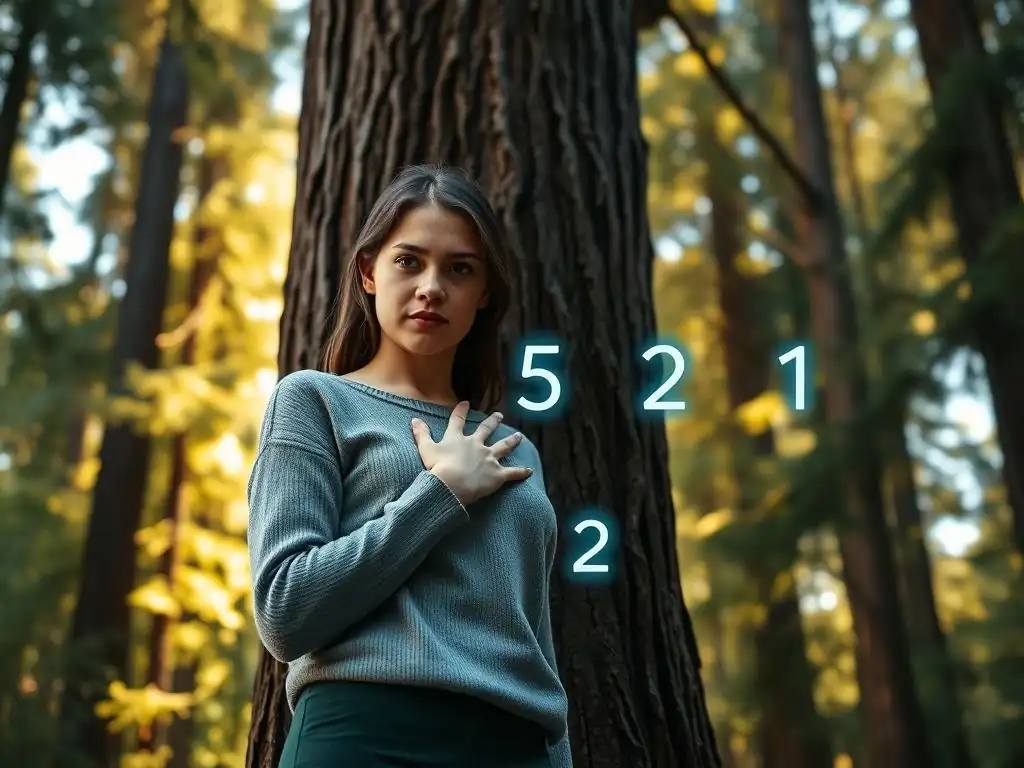
Welcome to Mind Care Guide, your sanctuary for navigating the complexities of mental well-being. Feeling overwhelmed? Know you're not alone. We understand the intensity of panic and the urgent need for relief. That's why we're diving deep into practical solutions, starting with a powerful technique that can bring you back to the present moment. Ever heard of the 54321 method? Discover how this simple, yet profound, grounding technique panic can be your instant ally in moments of anxiety. Let's explore together how you can reclaim your calm.
The 54321 Grounding Technique: A Tool for Anxiety and Stress
- Understanding Anxiety and the Need for Grounding
- Introducing the 54321 Grounding Technique
- Step-by-Step Guide: Performing the 54321 Grounding Exercise
- Adapting the 54321 Method to Different Situations
- Benefits of the 54321 Grounding Technique
- Troubleshooting the 54321 Method: Challenges and Solutions
- Integrating the 54321 Technique into a Wellness Routine
- Mastering Grounding: The 54321 Method and Beyond
-
Frequently Asked Questions
- What is the 54321 grounding technique?
- How does the 54321 method help with panic attacks?
- Can the 54321 technique be used for other mental health challenges besides panic?
- Is the 54321 grounding technique a replacement for professional mental health treatment?
- How often should I practice the 54321 method for it to be effective?
- Final Reflection: Finding Stillness in the Storm
- Unleash Your Inner Calm: Master the 54321 Method Today!
Understanding Anxiety and the Need for Grounding
What is Anxiety? Recognizing Common Symptoms
Anxiety is a natural human response to stress, but when it becomes excessive and persistent, it can interfere with daily life. It's characterized by feelings of worry, nervousness, or unease. While situational anxiety is normal, chronic anxiety or panic disorder involves more intense and frequent episodes.
Common symptoms of anxiety include rapid heart rate, sweating, trembling, shortness of breath, and a sense of impending doom. Mentally, individuals might experience racing thoughts, difficulty concentrating, and constant worrying. Understanding these physical and mental signs is the first step in managing anxiety effectively.
Why Grounding Techniques Are Essential for Managing Anxiety
During periods of intense anxiety or a panic attack, the mind can feel disconnected from reality, overwhelmed by catastrophic thoughts or physical sensations. This is where grounding techniques become vital. They serve as anchors, bringing your awareness back to the present moment and away from the distressing internal experience.
A grounding technique for panic, like the 54321 method, helps interrupt the escalating cycle of fear and physiological arousal. By shifting focus from internal chaos to external sensory input, these methods can reduce the intensity of symptoms, allowing individuals to regain a sense of control and stability during overwhelming moments.
The Science of Grounding: Activating the Parasympathetic Nervous System
The physiological response to anxiety and panic involves the activation of the sympathetic nervous system, often called the "fight or flight" response. This system increases heart rate, breathing, and muscle tension, preparing the body for perceived danger. Grounding techniques work by helping to activate the parasympathetic nervous system, which is responsible for the "rest and digest" state.
By deliberately engaging the senses and focusing on external reality, grounding helps to signal safety to the brain. This can counteract the sympathetic surge, potentially leading to a decrease in stress hormones like cortisol and adrenaline, slowing down breathing and heart rate, and promoting a calmer state. It redirects neural activity away from the amygdala (the brain's fear center) towards more rational processing areas.
Introducing the 54321 Grounding Technique
What is the 54321 Method? A Simple Sensory Exercise
The 54321 method is a popular and accessible grounding technique for panic and general anxiety. It's a simple exercise that guides you through acknowledging things you can perceive with each of your five senses. The power of this technique lies in its structured approach, providing a clear sequence to follow when your thoughts are scattered or overwhelming.
This grounding method for panic is easy to remember and requires no special tools or environment, making it adaptable to almost any situation. It systematically draws your attention away from internal distress by focusing on the concrete details of your immediate surroundings, helping to interrupt the negative thought loops often associated with anxiety and panic attacks.
How the 54321 Technique Works: Engaging the Five Senses
The 54321 technique works by deliberately engaging each of your five senses in a specific order. By actively looking for, feeling, hearing, smelling, and tasting elements in your environment, you anchor yourself to the present moment. This process requires conscious effort, which distracts your mind from anxious thoughts or physical panic symptoms.
Each step in the sequence progressively narrows the focus, starting with five visual inputs and ending with one taste sensation. This structured reduction in the number of items to identify helps maintain focus and guide the mind towards a calmer state. The sensory engagement helps to override the internal noise of anxiety, making it an effective grounding technique for panic relief.
Step-by-Step Guide: Performing the 54321 Grounding Exercise
Step 1: Acknowledge 5 Things You Can See
Begin by taking a moment to look around you. Identify five distinct things you can see in your immediate environment. This could be anything from the color of a wall, the pattern on a carpet, a specific object on a desk, the texture of a surface, or the light filtering through a window.
Focus on the details of each item. For example, don't just see a 'chair'; notice its color, its material, where it's placed. This deliberate observation helps pull your mind out of abstract worry and into the concrete reality of your surroundings, making it a powerful first step in this grounding technique for panic.
Focusing on Visual Details to Promote Presence
Focusing on visual details requires active engagement from your brain, shifting its attention away from internal distress signals. By consciously observing the shapes, colors, textures, and relative positions of five different items, you are actively participating in your environment.
This detailed visual scan helps to ground you in the here and now. It interrupts the cycle of catastrophic thinking that often accompanies anxiety and panic, replacing it with a focus on objective, external reality. The more specific you can be in your observations, the more effective this step becomes in promoting a sense of presence.
Step 2: Identify 4 Things You Can Touch
Next, identify four different things you can feel or touch. This might involve touching your clothing, the surface you are sitting on, the texture of your skin, a nearby object like a pen or a piece of furniture, or even the ground beneath your feet.
Pay attention to the tactile sensations. Is it rough or smooth? Hard or soft? Warm or cool? Focus on the physical sensation itself. For instance, feel the fabric of your shirt against your arm or the solid support of the chair beneath you.
Connecting with Tactile Sensations for Anchoring
Connecting with tactile sensations is a powerful way to anchor yourself physically in the present. The sense of touch provides immediate feedback from your physical environment, reinforcing your connection to the real world. This is particularly helpful when anxiety makes you feel detached or unreal.
By deliberately feeling four different textures or surfaces, you engage your sensory system in a way that is difficult to ignore. This focus on physical sensation helps to override the overwhelming internal feelings of panic or anxiety, bringing your awareness back into your body and the physical space you occupy.
Step 3: Notice 3 Things You Can Hear
Now, shift your attention to your auditory environment. Identify three distinct sounds you can hear right now. These might be sounds from inside the room, like the hum of a computer or your own breathing, or sounds from outside, such as traffic noise, birds singing, or distant voices.
Listen closely to each sound. Don't judge them or analyze their source excessively; simply acknowledge their presence. For example, "I hear the clock ticking," "I hear the refrigerator running," "I hear the wind outside."
Using Auditory Awareness to Shift Focus
Using auditory awareness helps to further shift your focus outward. Sounds are often part of the background, but consciously noticing them requires a different kind of attention. This active listening draws your mind away from the internal monologue of anxiety and towards the external world.
Identifying three specific sounds provides a clear task for your mind, interrupting the rumination or racing thoughts common during panic. It helps to break the cycle by directing mental energy towards processing external stimuli rather than internal distress, making it a valuable part of this grounding technique for panic.
Step 4: Detect 2 Things You Can Smell

Engage your sense of smell. Identify two distinct scents present in your environment. This might be subtle, like the faint smell of coffee, laundry detergent on your clothes, a plant nearby, or the general scent of the room.
Take a moment to breathe deeply and try to pick up on any odors. If you struggle to find two distinct smells, you can try moving slightly or focusing on your own natural scent or the scent of something close by, like your hands or clothing.
Engaging Your Sense of Smell for Calm
The sense of smell is closely linked to memory and emotion, and engaging it can be a potent way to ground yourself. Focusing on specific scents requires a focused kind of attention that can help to interrupt the grip of anxiety. Even subtle smells can serve as anchors to the present moment.
Actively trying to detect two smells forces your attention onto a different sensory pathway. This deliberate act of searching and identifying scents provides a cognitive task that redirects your mental energy away from anxious thoughts, contributing to the calming effect of this grounding technique for panic.
Step 5: Name 1 Thing You Can Taste
Finally, focus on your sense of taste. Identify one thing you can taste right now. This might be the lingering taste of a recent meal or drink, the taste in your mouth from brushing your teeth, or simply the neutral taste of your saliva.
If you have access to something safe to taste, like a mint or a sip of water, you can use that. The key is to consciously acknowledge and focus on the taste sensation, no matter how subtle it is.
Utilizing Taste to Anchor Yourself in the Present Moment
Utilizing taste is the final step, providing a single, specific point of focus. Taste is a very immediate and physical sense, strongly connecting you to the present moment. Focusing on a taste sensation, even a neutral one, requires deliberate attention that can help to solidify your presence in the here and now.
This final step provides a clear endpoint to the exercise, bringing the sequence to a close with a single, concrete sensation. It serves as a powerful anchor, helping to fully bring your awareness back from the overwhelming feelings of anxiety or panic into the reality of your immediate physical experience.
Adapting the 54321 Method to Different Situations
Using the 54321 Technique During an Anxiety Attack
During an anxiety attack or panic attack, the 54321 grounding technique can be incredibly helpful. The key is to start as soon as you recognize the onset of symptoms. Find a relatively safe or quiet space if possible, or simply begin the exercise wherever you are.
Focus intensely on each step, even if it feels difficult at first. Don't worry about doing it perfectly; the act of trying and focusing your attention outward is what matters. Moving through the steps deliberately can help interrupt the panic cycle, providing a tangible task to focus on amidst the internal chaos. Many people report a noticeable decrease in symptom intensity within a few minutes of starting this grounding method for panic.
Practicing the 54321 Method for Proactive Anxiety Management
The 54321 technique isn't just for moments of crisis; it can also be a valuable tool for proactive anxiety management. Practicing the method when you are feeling calm can make it easier to use effectively when you are feeling anxious. This builds muscle memory for your attention.
Regular practice, perhaps daily or whenever you feel even mild stress beginning to build, helps strengthen your ability to shift focus and activate your parasympathetic nervous system. Integrating this grounding technique for panic prevention into your routine can increase your overall resilience to stress and anxiety over time.
Modifying the 54321 Exercise for Specific Environments
The 54321 method is highly adaptable. In a sterile or limited environment, you might need to get creative. If you can't find five distinct things to see, focus on different aspects of fewer things – the light reflecting off a surface, the shadow it casts, its color, its shape, its position relative to something else.
For touch, you can focus on different parts of your clothing or body. For sound, listen closely to your own breathing or heartbeat if external sounds are limited. For smell and taste, focus on your breath, the air quality, or the subtle taste in your mouth. The principle remains the same: deliberately engage your senses to anchor yourself in the present, making it a flexible grounding technique for panic in any setting.
Benefits of the 54321 Grounding Technique
Immediate Reduction of Anxiety Symptoms
One of the most significant benefits of the 54321 method is its potential for immediate symptom reduction during moments of high anxiety or panic. By directing attention away from distressing thoughts and physical sensations towards external sensory input, the technique can quickly interrupt the escalating cycle of fear.
Individuals often report feeling more present, less overwhelmed, and a decrease in physical symptoms like rapid heart rate or dizziness shortly after completing the exercise. This immediate impact makes it an invaluable tool for managing acute episodes and regaining a sense of control.
Improved Focus and Concentration
Regularly practicing the 54321 technique can help improve overall focus and concentration, even when not experiencing anxiety. The exercise trains your mind to deliberately direct its attention, a skill that is beneficial in many aspects of life.
By repeatedly engaging in the focused observation required by each step, you strengthen your ability to pay attention to the present moment and filter out distractions. This enhanced ability to concentrate can contribute to better performance in tasks and a greater sense of mental clarity.
Increased Self-Awareness and Emotional Regulation
Engaging with the 54321 method fosters increased self-awareness. By pausing to notice your surroundings, you also become more aware of your internal state – your thoughts, feelings, and physical sensations – without being consumed by them.
This heightened awareness, combined with the practice of shifting focus, improves your capacity for emotional regulation. You learn that you have the ability to influence your internal state by consciously engaging with the external world, which is a core principle of effective anxiety management and using a grounding technique for panic.
Long-Term Benefits of Consistent Grounding Practice
Consistent practice of the 54321 grounding technique offers long-term benefits beyond immediate relief. Regular use can lower baseline anxiety levels, increase your resilience to stress, and make you feel more equipped to handle challenging situations.
Over time, grounding can become a habitual response to stress, making it easier to access calm states. It reinforces the mind-body connection and provides a reliable tool for maintaining emotional balance, contributing significantly to overall mental well-being and reducing the frequency or intensity of panic episodes.
Troubleshooting the 54321 Method: Challenges and Solutions
What to Do if the 54321 Technique Isn't Immediately Effective
Sometimes, especially during intense panic, the 54321 technique might not feel immediately effective. This is normal. Don't get discouraged. If you complete the sequence and still feel overwhelmed, try repeating the exercise. Go through the steps again, perhaps focusing on different items.
Alternatively, combine it with another simple technique like deep breathing. Focus on slow, steady breaths while you identify the sensory inputs. The key is persistence and patience; even if it doesn't eliminate symptoms entirely, it can still provide a valuable distraction and prevent the panic from escalating further. It remains a valid grounding technique for panic even if it requires multiple attempts.
Tips for Maintaining Focus During the Exercise
Maintaining focus during intense anxiety can be challenging. If your mind wanders, gently guide it back to the current step of the 54321 method. Don't judge yourself for losing focus; simply acknowledge it and return to the task.
Try saying the items you identify out loud or whispering them if in public. This verbalization can help solidify your focus. Engaging fully with each sense – really looking, feeling, listening, smelling, and tasting – makes it harder for your mind to drift back to anxious thoughts. Make the sensory experience the primary focus.
When to Seek Professional Support for Anxiety
While the 54321 method is a powerful self-help tool, it's not a substitute for professional mental health support. If your anxiety or panic attacks are frequent, severe, interfering with your daily life, or if you feel unable to manage them with techniques like grounding, it's crucial to seek help from a therapist, counselor, or doctor.
Mental health professionals can provide diagnosis, therapy (like Cognitive Behavioral Therapy or Exposure Therapy), and sometimes medication, offering comprehensive strategies for managing anxiety disorders. Grounding techniques work best as part of a broader treatment plan, not as the sole solution for persistent or severe issues.
Integrating the 54321 Technique into a Wellness Routine
Combining the 54321 Method with Diaphragmatic Breathing
Combining the 54321 grounding technique with diaphragmatic breathing (deep belly breathing) can enhance its effectiveness. Before starting the sensory steps, take a few slow, deep breaths, inhaling through your nose and exhaling slowly through your mouth.
During the 54321 exercise, maintain a focus on slow, steady breathing. The rhythmic nature of deep breathing complements the sensory focus of grounding, further activating the parasympathetic nervous system and promoting relaxation. This powerful combination provides both mental and physiological anchors during stress or panic.
Developing a Personalized Grounding Strategy
The 54321 method is a great starting point, but you can develop a more personalized grounding strategy. Experiment with variations of the technique or incorporate other sensory-based activities that you find particularly calming.
For example, some people find focusing on a specific comfort object helpful, or carrying a small stone to feel its texture. Your personalized strategy might involve specific scents you find soothing, or types of music that help you feel present. The goal is to identify sensory inputs that reliably bring you back to the present moment and integrate them into your routine alongside methods like the 54321.
The 54321 Method: A Tool for Daily Stress Reduction
Beyond managing acute anxiety or panic, the 54321 method can be a valuable tool for daily stress reduction. Taking a few minutes each day to practice this technique, even when not feeling particularly stressed, can help build resilience and mindfulness.
Using it during small moments of stress, like before a meeting or during a busy commute, can prevent stress from accumulating. Incorporating this simple grounding technique for panic prevention and daily calm into your routine can significantly contribute to a more balanced and less reactive state of mind.
Mastering Grounding: The 54321 Method and Beyond
Exploring Progressive Muscle Relaxation for Deeper Calm
Once comfortable with sensory grounding techniques like the 54321 method, you might explore other body-centered approaches for deeper relaxation, such as Progressive Muscle Relaxation (PMR). PMR involves tensing and then releasing different muscle groups in the body.
This practice increases awareness of physical tension and teaches you how to release it consciously. Combining sensory grounding with physical relaxation techniques like PMR can provide a more comprehensive approach to managing both the mental and physical symptoms of anxiety and stress.
Maintaining Consistent Practice for Optimal Results
Consistent practice is key to mastering any grounding technique for panic or anxiety management. The more you use the 54321 method, the more automatic and effective it becomes, especially during moments of distress.
Aim to practice regularly, perhaps daily or several times a week, even when you feel calm. This builds your skill and confidence in using the technique, making it a readily available resource when you need it most. Think of it as training your brain to return to the present moment.
Resources for Learning More About Anxiety Management
The 54321 method is one tool among many for managing anxiety and panic. To deepen your understanding and explore other strategies, seek out reliable resources. Books, websites from reputable mental health organizations (like the Anxiety & Depression Association of America or the National Institute of Mental Health), and mental health professionals offer valuable information.
Learning about the nature of anxiety, exploring different coping mechanisms like cognitive restructuring, mindfulness, and lifestyle changes (exercise, sleep, nutrition) can provide a holistic approach to improving your mental well-being. A grounding technique for panic is a powerful starting point, but a comprehensive strategy offers the best long-term outcomes.
Frequently Asked Questions
What is the 54321 grounding technique?
The 54321 grounding technique is a simple, yet effective, mindfulness exercise to help you center yourself during moments of panic or anxiety. It involves using your senses to connect with your immediate surroundings.
How does the 54321 method help with panic attacks?
By focusing on your senses, the 54321 method helps shift your attention away from internal anxious thoughts and anchors you to the present moment. This reduces feelings of being overwhelmed.
Can the 54321 technique be used for other mental health challenges besides panic?
Yes, while primarily used for panic, the 54321 technique can also be helpful for managing general anxiety, stress, and feelings of dissociation. It's a versatile tool for improving mental well-being.
Is the 54321 grounding technique a replacement for professional mental health treatment?
No, the 54321 technique is a helpful tool for managing symptoms, but it is not a substitute for professional therapy or medication. Consult a mental health professional for comprehensive treatment.
How often should I practice the 54321 method for it to be effective?
The more you practice the 54321 method, the easier it will become to use effectively during moments of intense anxiety or panic. Aim to practice it regularly, even when you're feeling calm.
Final Reflection: Finding Stillness in the Storm
The 54321 method isn't just a technique; it's a lifeline in the overwhelming chaos of a panic attack. Its simplicity belies its profound power, offering immediate access to the present moment when our minds are spiraling out of control. In a world increasingly characterized by anxiety and uncertainty, this accessible tool provides a crucial pathway to regaining composure and self-regulation.
The impact of this simple grounding technique extends far beyond the individual experience. It speaks to our innate need for connection – a connection to our senses, to the tangible world around us, and ultimately, to ourselves. The ability to anchor oneself in the present, even amidst intense emotional distress, is a skill that transcends cultural boundaries and resonates deeply with the human experience. The only way out is in.
– This quote, often attributed to various sources, perfectly encapsulates the core principle of the 54321 method: facing our anxieties head-on by focusing on the immediate reality around us.
Now, consider how you can integrate this powerful technique into your own life. Practice the 54321 method regularly, even when you're not experiencing panic, to build resilience and strengthen your ability to manage stress. Remember, it's a tool for self-care, a proactive measure to cultivate inner peace and stability. You deserve to feel safe and grounded, and this simple method can empower you to take control of your emotional well-being. Make it a part of your self-care routine, and discover the transformative power of presence.
Unleash Your Inner Calm: Master the 54321 Method Today!
Thanks for taking the time to explore the 54321 grounding technique! We hope you found practical strategies to manage anxiety and panic. Now it's time to put your newfound knowledge into action.
- Practice the 54321 method right now: Close your eyes, take a deep breath, and start using it. Notice how quickly your focus shifts. This is the most important step!
- Share this powerful technique with a friend or family member who might benefit: Help them discover this simple yet effective tool for managing stressful moments.
- Explore other Mind Care Guide articles on coping mechanisms for anxiety: Discover more ways to build resilience and manage your mental well-being.
Ready to embrace a calmer, more centered you? What small step will you take today to integrate the 54321 method into your daily life?