
The Art of Distraction: Healthy Ways to Cope with Adult Anxiety


Welcome to Mind Care Guide, a sanctuary for your mental well-being. Feeling overwhelmed by anxiety? You're not alone. Perhaps you've tried to ignore it, push it down, but it keeps resurfacing. This guide offers a compassionate and practical approach to understanding and navigating those challenging moments. Ready to discover healthy ways to manage adult anxiety and reclaim your inner peace? Let's explore together.
Managing Workplace Stress: Healthy Distractions and Coping Strategies
- Understanding Workplace Stress and the Need for Healthy Coping Mechanisms
- Exploring Healthy Distraction Techniques for Workplace Stress Relief
- Practical Tips for Implementing Healthy Distraction Strategies
- The Importance of Organizational Support for Managing Workplace Stress
- Long-Term Strategies for Reducing Workplace Stress and Building Resilience
- Overcoming Challenges and Avoiding Unhealthy Distractions
- Conclusion: Embracing Healthy Distractions for a More Productive and Balanced Work Life
-
Frequently Asked Questions
- What exactly does "distraction" mean in the context of managing anxiety?
- How is distraction considered a "healthy" way to manage adult anxiety?
- What are some examples of healthy distraction techniques for adults with anxiety?
- When is distraction not a healthy way to manage anxiety?
- Can distraction completely eliminate anxiety, or is it just a temporary solution?
- Final Reflection: Finding Calm Amidst the Chaos
- Unleash Your Inner Calm: Practical Steps to Manage Anxiety
Understanding Workplace Stress and the Need for Healthy Coping Mechanisms
Defining Workplace Stress: Symptoms and Common Triggers
Workplace stress is a pervasive issue affecting millions of adults globally, often manifesting as significant contributors to adult anxiety. It arises when the demands of the job exceed an individual's perceived ability to cope. Symptoms vary widely but commonly include physical manifestations like headaches, muscle tension, fatigue, and digestive issues.
Psychologically, individuals might experience irritability, difficulty concentrating, feelings of overwhelm, and even symptoms of depression or heightened anxiety. Behavioral signs can include changes in sleep patterns, withdrawal from colleagues, increased errors, and a decline in job performance. Recognizing these signs early is crucial for implementing healthy ways manage adult anxiety arising from work pressures.
Common triggers for workplace stress are diverse and can range from heavy workloads and tight deadlines to poor communication, lack of control over one's work, job insecurity, and difficult relationships with colleagues or superiors. According to a 2022 survey by the American Psychological Association, a significant percentage of adults report work as a major source of stress.
Approximately 77% of workers reported experiencing stress at work regularly, with about 57% reporting high levels of stress. These figures underscore the widespread nature of the problem and highlight the urgent need for effective strategies, including healthy ways manage adult anxiety triggered by these professional environments.
Why Healthy Distraction Techniques are Important for Workplace Stress Management
In high-pressure work environments, stress can build rapidly, impairing cognitive function, creativity, and overall well-being. While addressing the root causes of stress is essential long-term, healthy distraction techniques offer immediate, accessible tools to interrupt the stress cycle in the moment. They provide a temporary mental break, allowing the nervous system to calm down and providing a fresh perspective upon returning to the task.
This isn't about avoiding problems but about creating space to approach them more effectively. Utilizing healthy distraction as a coping mechanism is one of the practical healthy ways manage adult anxiety when feeling overwhelmed by work demands.
Moreover, relying solely on confronting stressors head-on can be exhausting and counterproductive, especially when the stressor is ongoing or outside of one's immediate control. Healthy distractions, such as taking a short walk or engaging in a brief mindfulness exercise, can lower cortisol levels, reduce physical tension, and prevent the escalation of anxious thoughts. They serve as a vital component in a broader stress management toolkit, helping individuals maintain emotional regulation and resilience throughout the workday. Incorporating these simple, healthy ways manage adult anxiety within the daily routine can make a significant difference in long-term mental health outcomes.
Exploring Healthy Distraction Techniques for Workplace Stress Relief
Physical Distractions: Engaging Your Body to Calm Your Mind
Physical activity, even in small bursts, is a powerful antidote to stress and a fundamental healthy way manage adult anxiety. When stressed, the body prepares for "fight or flight," tensing muscles and increasing heart rate. Engaging in physical distractions helps release this built-up energy and signals to the body that the perceived threat is not immediate, promoting relaxation. These techniques are easily integrated into the workday without requiring significant time or space.
The benefits extend beyond immediate relief, contributing to better focus and mood upon returning to work. Simple movements counteract the negative effects of prolonged sitting and mental exertion. Making these physical breaks a habit is among the most accessible healthy ways manage adult anxiety throughout the day.
Desk Exercises and Movement Breaks for Stress Reduction
Incorporating short bursts of movement throughout the workday can significantly reduce accumulated tension. This doesn't require a gym; simple exercises performed at or near your desk are effective. Examples include marching in place, arm circles, leg lifts, or even a brisk walk around the office or outside for five to ten minutes.
Research suggests that even brief physical activity can improve mood and reduce symptoms of anxiety and depression. A study published in the Journal of Occupational Health Psychology found that employees who took short, frequent movement breaks reported lower stress levels and higher job satisfaction compared to those who remained sedentary.
These mini-workouts break the cycle of sedentary stress and provide a physical outlet for nervous energy. Setting a timer to remind yourself to stand up and move every hour or so can help make this a consistent practice. This routine is a practical application of healthy ways manage adult anxiety tied to desk-bound work and prolonged periods of concentration.
Deep Breathing Techniques for Immediate Stress Relief
Deep breathing is perhaps one of the most immediate and portable healthy ways manage adult anxiety. It directly impacts the body's autonomic nervous system, shifting from the sympathetic "fight or flight" response to the parasympathetic "rest and digest" state. Simple techniques like diaphragmatic breathing can be done discreetly at your desk and offer rapid relief from feelings of panic or overwhelm. One common method is the 4-7-8 technique: inhale deeply through your nose for a count of four, hold your breath for a count of seven, and exhale slowly through your mouth for a count of eight.
Practicing deep breathing for just a few minutes can lower heart rate, reduce blood pressure, and calm racing thoughts. It provides an immediate anchor, bringing your focus back to the present moment and away from stressors. Integrating deep breathing into your daily routine, perhaps before a challenging meeting or during a stressful task, is a fundamental component of healthy ways manage adult anxiety effectively in the workplace.
Mini-Stretches to Release Tension
Prolonged periods of sitting or maintaining static postures can lead to muscle tension, particularly in the neck, shoulders, and back. This physical tension is often exacerbated by stress. Performing simple stretches at your desk can release this tightness and promote relaxation. Neck rolls, shoulder shrugs, chest openers, and wrist stretches can be done quickly and discreetly. These movements improve circulation and alleviate physical discomfort that contributes to overall stress levels.
Regularly stretching throughout the day acts as a physical release valve for stress. It helps prevent the accumulation of tension that can lead to headaches or musculoskeletal pain, which in turn can worsen feelings of anxiety. Incorporating these mini-stretches is a simple yet effective strategy among the healthy ways manage adult anxiety by addressing its physical manifestations.
Mental Distractions: Shifting Your Focus Away from Stressful Thoughts
When stress manifests as rumination or overwhelming thoughts, mental distractions can be invaluable. These techniques involve deliberately shifting your cognitive focus away from the stressor to something neutral or positive. This provides a necessary break for your mind, preventing the escalation of negative thought spirals that fuel adult anxiety.
The key is to choose activities that are engaging enough to capture your attention but not so demanding that they cause additional stress. These mental breaks allow your brain to reset, often enabling you to return to your work with renewed clarity and perspective. Employing these techniques is a cognitive approach among the healthy ways manage adult anxiety during demanding periods.
Short Breaks Engaging in Hobbies or Personal Interests Online
Taking a brief break to engage with a personal hobby or interest online can be a highly effective mental distraction. This could involve spending five to ten minutes reading an article about a topic you enjoy, looking at photos related to a favorite pastime, or briefly interacting with a community related to your interests. This shifts your brain's focus entirely away from work-related pressures and taps into areas of pleasure and personal fulfillment.
For example, if you enjoy photography, spending a few minutes browsing a photo gallery online can be refreshing. If you're interested in gardening, reading a short blog post about plants can provide a mental escape. These brief excursions into personal interests serve as powerful, healthy ways manage adult anxiety by providing psychological distance from stressors and reconnecting you with sources of joy outside of work.
Listening to Uplifting Music or Podcasts During Breaks
Music and podcasts have a significant impact on mood and cognitive state. During a break, listening to uplifting music can quickly change your emotional state, reducing feelings of tension and increasing positive emotions. Similarly, a short, engaging podcast can divert your attention and stimulate your mind in a different way. Creating a playlist of calming or energizing music specifically for stress relief breaks can be a proactive step.
Research has shown that listening to music can lower cortisol levels and reduce heart rate, both indicators of stress. Podcasts offer a different form of mental engagement, pulling your focus into a narrative or discussion unrelated to work. Utilizing audio content is a passive yet effective method among the healthy ways manage adult anxiety by altering your auditory environment and internal state.
Brain Teasers or Puzzles to Redirect Mental Energy
Engaging in a short brain teaser, crossword puzzle, Sudoku, or other type of puzzle provides a focused mental distraction that requires concentration, thereby pulling your attention away from stressful thoughts. These activities stimulate different parts of the brain and offer a sense of accomplishment upon completion, even if the puzzle is simple.
Spending five to fifteen minutes on a puzzle can act as a mental reset button. It redirects your cognitive energy towards a solvable problem with clear rules and outcomes, a stark contrast to the often ambiguous and complex nature of workplace stressors. This focused mental engagement is a practical technique within the scope of healthy ways manage adult anxiety by providing a structured way to interrupt rumination.
Sensory Distractions: Calming Your Senses to Reduce Stress
Our senses are powerful gateways to our emotional state. Engaging the senses in a calming or pleasant way can provide immediate relief from stress and ground you in the present moment. Sensory distractions are often subtle and can be incorporated into your workspace environment or used discreetly during breaks. They offer a different pathway to relaxation compared to purely physical or mental techniques.
By focusing on sensory input – what you see, smell, touch, or hear – you can effectively interrupt the stress response. These techniques are particularly useful for individuals who find sensory input grounding and calming. They represent a unique category of healthy ways manage adult anxiety by leveraging the power of sensory experience.
Using Essential Oils for Relaxation and Focus
Aromatherapy, using essential oils, can significantly impact mood and stress levels. Scents like lavender are known for their calming properties, while peppermint or citrus scents can be uplifting and aid focus. Using a personal essential oil diffuser, an aromatherapy rollerball, or simply placing a drop on a tissue to inhale can provide a quick sensory escape. It's important to be mindful of colleagues who may have sensitivities or allergies.
Studies suggest that inhaling certain aromas can influence the limbic system, the part of the brain involved in emotions and memory. For instance, research has indicated that lavender aroma can reduce anxiety and improve sleep quality. Incorporating safe and considerate use of essential oils is a sensory-based method among the healthy ways manage adult anxiety in the workplace.
Utilizing Stress Balls or Fidget Toys for Tactile Relief
For some individuals, tactile input provides a powerful way to release nervous energy and focus the mind. Stress balls, fidget spinners, or other small, quiet fidget toys can be squeezed, manipulated, or held to provide a physical outlet for stress. This simple act of engaging your hands can be grounding and help reduce feelings of restlessness or tension.
The repetitive motion or physical pressure can be soothing and distracting from anxious thoughts. It offers a non-disruptive way to channel excess energy and can improve focus during meetings or while working on challenging tasks. Using these tools is a tangible example of healthy ways manage adult anxiety through physical interaction with an object.
Creating a Calming Workspace with Plants and Natural Light
Your physical workspace environment plays a significant role in your stress levels. Incorporating elements that appeal to the senses in a calming way can create a more supportive atmosphere. Adding a small plant to your desk can introduce nature and improve air quality, while maximizing access to natural light (or using a full-spectrum lamp) can positively impact mood and energy levels. Organizing your space and adding personal, calming touches can also contribute to a less stressful environment.
Research consistently shows the positive impact of nature and natural light on well-being, reducing stress and improving productivity. Creating a visually appealing and comfortable workspace is a proactive step in building a less stressful work life and is an often overlooked aspect of healthy ways manage adult anxiety related to one's professional setting.
Practical Tips for Implementing Healthy Distraction Strategies
Identifying Your Personal Workplace Stress Triggers
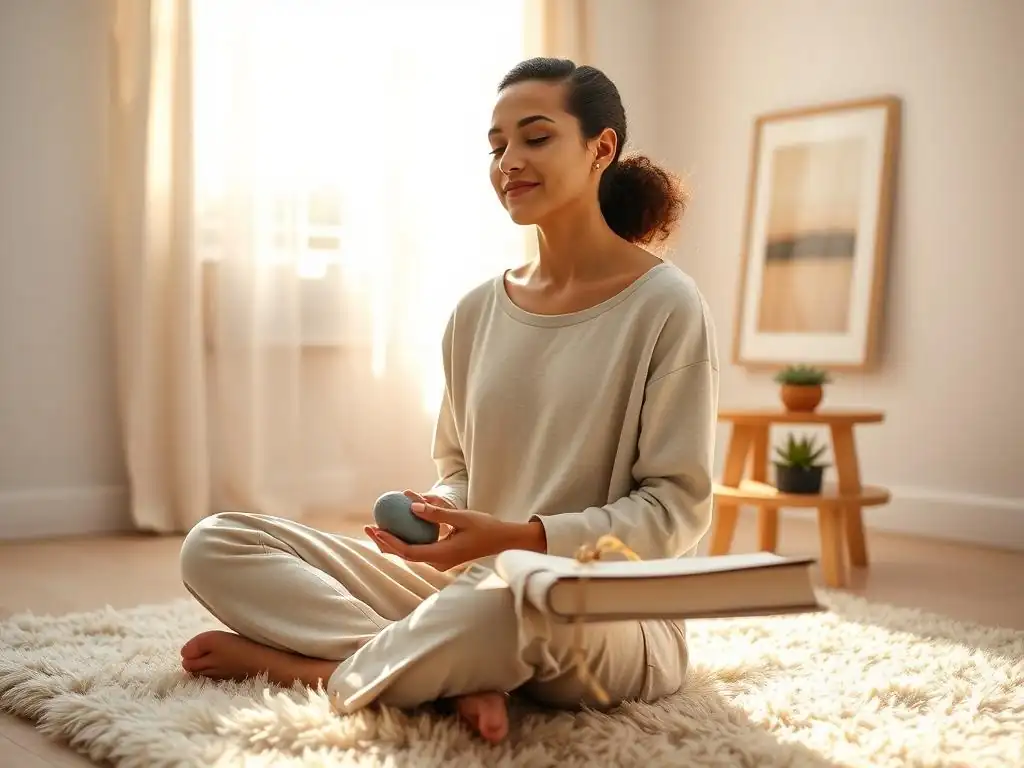
Effective stress management begins with self-awareness. Take time to identify what specific situations, tasks, or interactions at work consistently trigger your stress or anxiety. Is it tight deadlines, public speaking, conflict with colleagues, or a heavy email inbox? Keeping a stress journal for a week or two can help you identify patterns and specific triggers. Note the time, situation, your reaction, and the intensity of your stress.
Understanding your triggers allows you to be proactive. Once you know what situations are likely to cause stress, you can plan ahead to use your healthy distraction techniques before stress levels become overwhelming. For example, if meetings with a particular client are stressful, plan a 5-minute breathing exercise immediately before it starts. This targeted approach makes implementing healthy ways manage adult anxiety much more effective.
Creating a Personalized Stress Relief Toolkit for the Office
Just as a mechanic has a toolkit, having a readily accessible "stress relief toolkit" at your desk can make it easier to implement healthy distractions when needed. This toolkit might be physical (a small box or drawer) or mental (a list on your computer or phone). It could include items like a stress ball, a small bottle of essential oil, headphones for music, a book of brain teasers, or a list of your favorite online hobbies.
Having these tools within reach eliminates the barrier of having to search for something when you're already feeling stressed. Customize it with the techniques you found most effective during your trigger identification phase. This personalized kit is a practical way to keep your chosen healthy ways manage adult anxiety close at hand throughout the workday.
Scheduling Regular Breaks Throughout the Workday
One of the most effective ways to prevent stress from escalating is to build regular breaks into your workday structure, rather than only taking breaks when you feel overwhelmed. Schedule short 5-10 minute breaks every 60-90 minutes, and a longer break (30-60 minutes) for lunch. Use these scheduled times specifically for your healthy distraction techniques.
Treat these breaks as non-negotiable appointments in your calendar. Stepping away from your work, even briefly, allows your mind and body to rest and recharge. This proactive scheduling is a powerful strategy among the healthy ways manage adult anxiety by preventing burnout and maintaining sustained focus and productivity.
Combining Distraction with Other Stress Management Techniques
Healthy distraction techniques are most effective when used as part of a broader stress management strategy. They work well in conjunction with other approaches like mindfulness, time management techniques, boundary setting, and seeking social support. For example, you might use deep breathing (distraction) before practicing mindful eating during your lunch break (mindfulness).
Distraction provides immediate relief, while techniques like improving time management or setting boundaries address the underlying causes of stress. Combining these approaches offers a comprehensive way to tackle workplace stress from multiple angles. This integrated approach is key to developing robust and healthy ways manage adult anxiety in the long term, not just reacting to it in the moment.
The Importance of Organizational Support for Managing Workplace Stress
While individual strategies are crucial, the workplace environment itself significantly impacts stress levels. Organizational support plays a vital role in creating a culture where employees feel empowered to manage stress and where systemic stressors are addressed. A supportive organization recognizes that employee well-being is directly linked to productivity and retention.
Employers have a responsibility to foster a healthy work environment, providing resources and support systems. This collective effort is essential for promoting healthy ways manage adult anxiety on a larger scale within the company culture.
When to Seek Support from HR or Management for Stress
Sometimes, workplace stress becomes chronic or overwhelming, impacting your ability to function and your overall health. In these situations, individual coping strategies, including healthy distractions, may not be enough. It's important to recognize when stress levels indicate a need for external support. This could involve discussing workload issues with your manager, seeking adjustments to your responsibilities, or reporting harassment or discrimination to HR.
Approaching HR or management can feel daunting, but they are often equipped to help mediate conflicts, redistribute work, or connect you with available resources. Documenting specific instances of stress triggers and their impact can be helpful when having these conversations. Seeking this level of support is a sign of strength and a necessary step towards establishing healthy ways manage adult anxiety when the work environment itself is a primary stressor.
Employee Assistance Programs (EAPs) and Stress Management Resources
Many organizations offer Employee Assistance Programs (EAPs), which are confidential counseling services available to employees at no cost. EAPs can provide support for a wide range of issues, including workplace stress, anxiety, depression, and personal problems. They often offer short-term counseling, referrals to external therapists, and resources on stress management.
Beyond EAPs, some companies provide workshops on stress management, mindfulness training, or access to mental wellness apps. Familiarize yourself with the resources available through your employer. Utilizing these programs is a proactive and supported pathway among the healthy ways manage adult anxiety that extends beyond individual efforts. For instance, statistics show that EAP utilization rates can vary widely, but programs that are well-communicated and easily accessible tend to have a higher impact, with some reporting that every dollar invested in EAPs can yield a return of $3-$10 in terms of reduced absenteeism and improved productivity.
Promoting a Supportive and Healthy Work Environment
Organizations can actively work to reduce systemic stressors and promote a culture of well-being. This includes ensuring reasonable workloads, promoting work-life balance, providing opportunities for professional development, fostering positive relationships among colleagues, and offering training on topics like stress management and mental health awareness. Leaders play a crucial role by modeling healthy coping behaviors and demonstrating empathy.
Creating a workplace where employees feel safe discussing stress and seeking help is paramount. This involves reducing the stigma around mental health and stress. A supportive environment validates employees' experiences and reinforces that prioritizing well-being, including using healthy ways manage adult anxiety, is not only acceptable but encouraged. Companies that invest in employee well-being report benefits like reduced turnover, lower healthcare costs, and increased employee engagement and productivity. For example, companies recognized for their healthy workplace practices often see significantly lower rates of employee burnout compared to industry averages.
Long-Term Strategies for Reducing Workplace Stress and Building Resilience

While healthy distractions offer immediate relief, building resilience and reducing the sources of stress requires long-term strategies. These involve developing skills and habits that proactively manage workload, improve relationships, and maintain a healthy work-life boundary. Integrating these strategies complements the use of distraction techniques, creating a more sustainable approach to managing workplace stress and adult anxiety.
Focusing on these foundational elements helps prevent stress from reaching overwhelming levels in the first place. They empower you to navigate challenging situations with greater ease and confidence. Implementing these strategies is fundamental to establishing enduring healthy ways manage adult anxiety related to your professional life.
Time Management Techniques for Reducing Overwhelm
Poor time management is a significant contributor to workplace stress and feelings of overwhelm. Learning and implementing effective time management techniques can help you feel more in control of your workload and reduce the pressure of deadlines. Techniques like prioritizing tasks (e.g., using the Eisenhower Matrix), breaking down large projects into smaller steps, batching similar tasks, and minimizing interruptions can dramatically improve efficiency and reduce stress.
Planning your day and week in advance helps you allocate time effectively and avoid last-minute rushes. Utilizing tools like calendars, to-do lists, or project management software can support these efforts. Mastering time management is a core skill among the healthy ways manage adult anxiety by tackling one of its primary sources: feeling swamped and out of control. Surveys suggest that employees who feel they have good control over their work schedule and tasks report significantly lower stress levels.
Setting Boundaries and Prioritizing Tasks Effectively
Establishing clear boundaries between work and personal life is crucial for preventing burnout. This involves setting limits on checking emails after hours, avoiding working during vacation time, and defining when your workday ends. Learning to say "no" to additional tasks when your plate is full is also an essential boundary-setting skill. Prioritizing tasks involves identifying what is truly important and urgent versus what can wait or be delegated.
Using frameworks like the "Most Important Tasks" (MITs) helps you focus on 1-3 critical items each day, ensuring that essential work gets done without feeling scattered. Effective prioritization coupled with strong boundaries helps protect your time and energy. This deliberate practice of setting limits and focusing on priorities is a powerful component of healthy ways manage adult anxiety stemming from feeling constantly available or overwhelmed by demands.
Building Positive Relationships with Colleagues
Positive relationships with colleagues can act as a buffer against workplace stress. Having people you can trust, confide in, and collaborate with creates a supportive network. Taking time to build rapport, offering help when you can, and communicating respectfully contribute to a more positive and less stressful work environment. Social support is a well-documented factor in stress resilience.
Engaging in brief, non-work-related conversations during breaks, participating in team activities, or simply offering a listening ear can strengthen these bonds. Feeling connected to others at work reduces feelings of isolation and provides a source of emotional support during challenging times. Nurturing these relationships is a valuable, interpersonal strategy among the healthy ways manage adult anxiety within the workplace context.
Overcoming Challenges and Avoiding Unhealthy Distractions
While healthy distractions are beneficial, it's important to be aware of potential pitfalls and recognize when coping mechanisms become unhealthy. Avoiding challenges or using distractions to procrastinate can ultimately increase stress and anxiety in the long run. Developing self-awareness about your coping patterns is key.
Distinguishing between a healthy mental break and avoidance is crucial for effective stress management. Addressing these challenges head-on, while utilizing healthy distractions strategically, is the most effective path. Recognizing and avoiding unhealthy coping mechanisms is as important as implementing healthy ways manage adult anxiety.
Recognizing Unhealthy Distraction Techniques (e.g., Procrastination)
Not all forms of distraction are healthy. Unhealthy distractions often involve activities that provide temporary relief but lead to negative consequences or avoid addressing the core issue. Procrastination is a prime example; delaying important tasks might feel like avoiding stress in the moment, but it inevitably leads to increased pressure, rushed work, and greater anxiety as deadlines loom. Other unhealthy distractions can include excessive social media scrolling, excessive snacking, or engaging in office gossip as a way to avoid work.
These behaviors often provide a short-term escape but fail to resolve the underlying stressor and can create new problems. Learning to identify these patterns in your own behavior is the first step towards replacing them with healthier alternatives. Differentiating between productive breaks and avoidance is essential for truly implementing healthy ways manage adult anxiety in a sustainable manner.
Managing Interruptions and Maintaining Focus
Frequent interruptions, whether from colleagues, emails, or notifications, can be a significant source of stress and make it difficult to maintain focus. While some interruptions are unavoidable, developing strategies to manage them can reduce their impact. This might involve setting boundaries around your time (e.g., closing your office door, using a "do not disturb" sign), batching email responses, or scheduling specific times for checking messages.
Communicating your need for focused work periods to colleagues can also help. Learning to politely defer non-urgent requests allows you to maintain concentration on important tasks, reducing the stress associated with constant context-switching. Effectively managing interruptions is a skill that supports the use of healthy ways manage adult anxiety by protecting your mental space and workflow.
Seeking Support for Burnout and Chronic Stress
Burnout is a state of emotional, physical, and mental exhaustion caused by prolonged stress. It's characterized by feelings of depletion, cynicism about work, and reduced professional efficacy. If you are experiencing symptoms of burnout or chronic, unmanageable stress, it's essential to seek professional support. This could involve talking to a therapist or counselor who specializes in workplace issues or stress management.
Mental health professionals can provide tailored strategies, coping skills, and support to address chronic stress and burnout. They can also help identify any underlying mental health conditions contributing to your stress. Seeking professional help is a crucial step when individual coping strategies are insufficient and represents a vital part of establishing comprehensive and healthy ways manage adult anxiety in the face of persistent workplace challenges. Data from mental health providers indicates that early intervention for burnout significantly improves recovery rates and reduces long-term health impacts.
Conclusion: Embracing Healthy Distractions for a More Productive and Balanced Work Life
Recap of Healthy Ways to Manage Workplace Stress Through Distraction
Navigating the demands of modern work life requires a multifaceted approach to stress management. Healthy distraction techniques offer valuable, immediate tools to interrupt the stress response, regain composure, and prevent stress from escalating into overwhelming adult anxiety. We've explored various methods, including physical distractions like desk exercises and deep breathing, mental distractions like engaging with hobbies or puzzles, and sensory distractions like using essential oils or creating a calming workspace. These techniques, when used mindfully and strategically, provide necessary breaks and help regulate your emotional state throughout the day.
Implementing these healthy ways manage adult anxiety in the workplace is not about avoiding responsibilities but about creating mental and physical space to approach tasks with renewed energy and focus. They are best utilized proactively, integrated into your daily routine through scheduled breaks, and tailored to your personal triggers and preferences.
Encouragement for Continued Self-Care and Stress Management
Successfully managing workplace stress and adult anxiety is an ongoing process that requires commitment to self-care. While healthy distractions are powerful tools for in-the-moment relief, remember they are part of a larger picture that includes long-term strategies like effective time management, setting boundaries, building positive relationships, and seeking organizational or professional support when needed. Prioritizing your mental well-being is not a luxury; it is fundamental to sustaining productivity, creativity, and overall happiness in your professional and personal life.
Embrace these healthy ways manage adult anxiety, experiment to find what works best for you, and be patient with yourself. Building resilience takes time and practice. By actively incorporating these strategies, you can cultivate a more balanced, less stressful, and ultimately more fulfilling work life. Your well-being is your most valuable asset – invest in it wisely.
Frequently Asked Questions
What exactly does "distraction" mean in the context of managing anxiety?
Distraction, in this context, refers to consciously shifting your focus away from anxiety-provoking thoughts and feelings to something else. It's a temporary coping mechanism to provide relief.
How is distraction considered a "healthy" way to manage adult anxiety?
When used correctly, distraction can be healthy by offering a temporary respite from overwhelming anxiety. This allows you to regain control and approach the situation with a clearer perspective.
What are some examples of healthy distraction techniques for adults with anxiety?
Examples include engaging in hobbies like painting or reading, practicing mindfulness through meditation, or spending time in nature. The key is to choose activities that are engaging and enjoyable, and that don't involve avoidance of responsibilities.
When is distraction not a healthy way to manage anxiety?
Distraction becomes unhealthy when it's used as a primary or sole coping mechanism, leading to avoidance of the underlying issues causing the anxiety. It can also be detrimental if it involves negative or addictive behaviors.
Can distraction completely eliminate anxiety, or is it just a temporary solution?
Distraction is primarily a temporary solution for managing anxiety symptoms. While it can provide immediate relief, it's important to address the root causes of anxiety through therapy or other appropriate methods for long-term well-being.
Final Reflection: Finding Calm Amidst the Chaos
The art of distraction, as explored in this article, isn't about ignoring anxiety, but about skillfully managing it. In today's fast-paced, hyper-connected world, where stress and anxiety are rampant, learning healthy coping mechanisms is not a luxury, but a necessity for maintaining well-being and productivity. The strategies discussed—from mindful movement to creative expression—offer a powerful antidote to the overwhelming pressures of modern life.
The impact of chronic anxiety on our collective mental health is undeniable, subtly shaping our social interactions, work performance, and even our relationships. It's a pervasive force that demands our attention and understanding. As the saying goes, Anxiety is like a rocking chair. It gives you something to do, but it doesn't get you anywhere.
This article aimed to provide a pathway beyond the rocking chair, offering practical tools to navigate the complexities of anxiety and find moments of genuine peace. The journey towards managing anxiety is a personal one, and I hope this exploration has offered some valuable insights and encouragement along the way.
Now, I invite you to reflect on your own relationship with anxiety. Which of the strategies discussed resonated most with you? Which ones might you incorporate into your daily routine? Remember, self-care isn't selfish; it's essential. Take the time to nurture your mental well-being, to discover the healthy distractions that bring you joy and calm. Begin today, even with one small step, and watch as your ability to manage anxiety grows, leading you towards a more balanced and fulfilling life.
Unleash Your Inner Calm: Practical Steps to Manage Anxiety
Thanks for taking the time to explore healthy ways to cope with anxiety! We hope you found valuable insights and tools to navigate those challenging moments. Now, let's put this knowledge into action.
- Prioritize one small, manageable self-care practice from the article this week. This could be anything from a short mindfulness exercise to a relaxing bath – choose what resonates most with you.
- Share your favorite coping strategy with a friend or family member. Sharing your experience can be incredibly supportive and could even help someone else.
- Try a new distraction technique mentioned in the article – even if it seems a bit out of your comfort zone! You might discover a surprisingly effective way to manage your anxiety.
What small step will you take today to cultivate more inner peace?