
Why Athletes Get Anxious: Exploring the Root Causes


Welcome to Mind Care Guide, your trusted companion on the journey to mental well-being.
Feeling overwhelmed by anxiety, especially as an athlete striving for peak performance? You're not alone. Our latest article, "Why Athletes Get Anxious: Exploring the Root Causes," delves into the specific pressures and anxieties faced by athletes. Discover potential triggers and begin to understand the crucial need for effective athlete anxiety management techniques. Curious to learn how to reclaim your mental edge? Let's explore the path to inner strength together.
- Understanding Anxiety in Athletes
- Root Causes of Anxiety in Athletes
- Psychological Factors Influencing Anxiety
- Effective Anxiety Management Techniques
- Preventing Anxiety in Athletes: Long-Term Strategies
- Tailored Anxiety Management Strategies
-
Frequently Asked Questions
- How prevalent is anxiety among athletes, and why is it often overlooked?
- What are some of the primary root causes of anxiety in athletes, as explored in the article?
- What specific Athlete Anxiety Management Techniques Effective are most beneficial for combating anxiety in athletes?
- How can coaches and support staff play a crucial role in Athlete Anxiety Management Techniques Effective?
- What are the potential long-term consequences if athlete anxiety is left unaddressed, and how can these be prevented?
- Final Reflection: Conquering the Inner Game: Anxiety and Athletic Performance
- Unlock Your Peak Performance: Conquer Anxiety & Thrive
Understanding Anxiety in Athletes
Defining Anxiety in Sports: Beyond Pre-Competition Nerves
Anxiety in sports is often misunderstood as mere "nerves" before a big game. While pre-competition jitters are a common and often functional response, clinical anxiety in athletes goes significantly deeper. It manifests as excessive worry, fear, and apprehension that is disproportionate to the actual situation, persisting over time, and significantly impacting performance, training, and overall well-being. This can involve symptoms like constant worry about performance outcomes, fear of judgment, difficulty concentrating, and physical manifestations such as increased heart rate, muscle tension, and even panic attacks, extending far beyond the moments leading up to competition.
Unlike the temporary arousal that can sometimes enhance performance, this persistent anxiety is debilitating. It can lead to avoidance behaviors, burnout, and a loss of enjoyment in the sport. For example, a swimmer might dread practice due to fear of not meeting split times, or a basketball player might avoid shooting in games due to intense fear of missing. This isn't just about feeling nervous; it's about a pervasive state of unease that interferes with an athlete's ability to train effectively, compete optimally, and maintain mental health, highlighting the need for effective athlete anxiety management techniques.
Prevalence of Anxiety Among Athletes
Research indicates that anxiety is a significant mental health challenge within the athletic population, often at rates comparable to, or sometimes higher than, the general population for certain types of anxiety. Studies have suggested that approximately 15-20% of athletes may experience symptoms of anxiety disorders, with performance anxiety being particularly common. Female athletes, in particular, may report higher rates of anxiety symptoms compared to their male counterparts, although this varies by sport and level of competition.
The pressures inherent in competitive environments contribute significantly to these figures. Elite athletes, while often perceived as mentally tough, face immense scrutiny and pressure, which can exacerbate underlying vulnerabilities to anxiety. Data from collegiate athletes in the US, for instance, showed that a substantial percentage reported experiencing anxiety symptoms severe enough to warrant concern. These statistics underscore the critical need for awareness, destigmatization, and the implementation of effective athlete anxiety management techniques within sports organizations and teams.
Unique Pressures in Competitive Sports
Competitive sports environments are inherently high-pressure settings that place unique psychological demands on individuals. Athletes face constant evaluation, not only from coaches and scouts but also from peers, family, and the public. The outcome of games or events can have significant consequences for their careers, financial stability, and sense of self-worth. This intense focus on results, combined with the physical demands and potential for injury, creates a fertile ground for anxiety to develop.
Moreover, the "win at all costs" culture prevalent in some sports can discourage athletes from admitting vulnerability or seeking help, further isolating those struggling with anxiety. The pressure to maintain a strong, confident facade can prevent athletes from expressing their fears or anxieties, leading to internalized stress. This unique blend of performance demands, public scrutiny, physical risks, and cultural expectations distinguishes athlete anxiety from other forms and necessitates specialized approaches to mental well-being and effective athlete anxiety management techniques.
Root Causes of Anxiety in Athletes
Performance Expectations: The Burden of Success
Performance expectations are perhaps the most direct contributors to athlete anxiety. From a young age, athletes are often judged primarily on their results – wins, scores, times, and statistics. This creates an environment where self-worth can become inextricably linked to performance outcomes. The pressure to constantly improve, maintain a high level of performance, and live up to perceived potential can be overwhelming, leading to significant stress and anxiety.
This burden is multifaceted, stemming from both internal and external sources. Athletes often internalize the expectations placed upon them, setting unrealistically high standards for themselves. Simultaneously, they face pressure from coaches, parents, teammates, and fans. Failing to meet these expectations can trigger intense feelings of guilt, shame, and anxiety about future performance, driving the need for effective athlete anxiety management techniques.
Self-Imposed Pressure: Internalized Standards
Athletes often develop incredibly high, sometimes perfectionistic, standards for themselves. This self-imposed pressure can stem from a desire for excellence, a fear of disappointing others, or a belief that anything less than perfect is a failure. They might set unrealistic goals or become overly critical of their own mistakes, leading to a constant state of anxiety about whether they are "good enough." For example, a gymnast might feel immense pressure to execute a flawless routine every time, even in practice, leading to anxiety over minor errors.
This internal dialogue of self-criticism and pressure is a significant driver of anxiety. Athletes might constantly evaluate their performance against an impossibly high bar, experiencing distress when they fall short. This internalized pressure can be even more potent than external expectations, as it's a relentless internal force that's difficult to escape. Developing awareness of these thought patterns is a key component of effective athlete anxiety management techniques.
External Expectations: Coaches, Family, and Public
External expectations originate from the athlete's environment. Coaches expect peak performance, parents invest time and money hoping for success, teammates rely on each other, and the public often places athletes on a pedestal, expecting them to perform flawlessly. These expectations, whether explicit or implicit, can create significant pressure. An athlete might feel responsible for the team's success, the coach's reputation, or even their family's pride.
The weight of these external demands can be immense, particularly for athletes whose careers depend on meeting specific performance metrics or achieving certain outcomes. A professional athlete facing contract negotiations, for instance, experiences intense pressure to perform well to secure their future. Navigating these external pressures while maintaining focus and mental well-being requires robust coping mechanisms and the implementation of effective athlete anxiety management techniques.
Fear of Failure: Psychological Impact of Setbacks
Fear of failure is a powerful psychological factor that contributes significantly to athlete anxiety. It's not simply about losing a game; it's the deeper fear of the consequences associated with perceived failure. This can include fear of disappointing others, fear of judgment, fear of losing status, or fear of confirming negative beliefs about oneself. This fear can be so paralyzing that it inhibits an athlete's ability to perform freely and take necessary risks during competition.
The psychological impact of setbacks, whether they are losses, poor performances, or mistakes, can be magnified by this underlying fear. Instead of viewing setbacks as learning opportunities, an athlete consumed by the fear of failure may see them as confirmation of their inadequacies. This can lead to a vicious cycle where anxiety about failing actually increases the likelihood of poor performance, further reinforcing the fear. Addressing this fear is central to many effective athlete anxiety management techniques.
Stigma Associated with Underperformance
In the competitive sports world, there can be a significant stigma associated with underperforming or showing weakness. Athletes are often expected to be mentally tough and resilient, and admitting struggles with performance or mental health can be perceived as a sign of weakness. This cultural attitude can prevent athletes from seeking help or even acknowledging their anxiety, fearing judgment from coaches, teammates, or fans.
This stigma is particularly damaging because it isolates athletes who are struggling. They may feel they have to hide their anxiety, leading to increased internal pressure and worsening symptoms. The fear of being benched, losing sponsorships, or being seen as unreliable due to performance issues fueled by anxiety is a very real concern for many athletes. Breaking down this stigma is a crucial step in creating an environment where effective athlete anxiety management techniques can be openly discussed and utilized.
Anxiety Fueled by Fear of Losing
The fear of losing is a fundamental aspect of competitive sports, but for some athletes, it transcends healthy competitive drive and becomes a source of significant anxiety. This fear can be tied to the consequences of losing, such as elimination from a tournament, damage to reputation, or the disappointment of others. It can lead to avoidance behaviors, where an athlete might play cautiously to avoid making mistakes, rather than playing assertively to win.
This anxiety manifests during competition as excessive worry about the score, the opponent's performance, and potential negative outcomes. It can interfere with focus, decision-making, and execution of skills. For example, a tennis player might become so focused on not double-faulting that their serve becomes tentative and less effective. Overcoming the debilitating fear of losing is a primary goal of many effective athlete anxiety management techniques, such as cognitive restructuring.
Injury and Rehabilitation: Physical and Mental Strain
Injury is an unfortunate reality in sports, and it represents a significant physical and mental strain on athletes. Beyond the physical pain and the disruption to training, injuries can trigger profound anxiety. The uncertainty surrounding recovery time, the fear of losing fitness, the worry about being replaced, and the isolation from teammates can all contribute to heightened anxiety levels.
The rehabilitation process itself can be mentally challenging, requiring patience, perseverance, and often facing setbacks. Athletes may feel anxious about whether they will fully recover, if they will regain their previous level of performance, or if they will be able to return to their sport at all. This period is often overlooked in discussions of athlete mental health but is a critical time when effective athlete anxiety management techniques are essential.
Psychological Impact of Being Injured
Being sidelined by an injury can have a devastating psychological impact on an athlete. Their identity is often closely tied to their sport, and being unable to train or compete can lead to feelings of loss, frustration, and depression. They may feel disconnected from their team and experience a loss of purpose. The sudden shift from a highly active, structured routine to forced rest and uncertainty is a significant adjustment that can trigger or exacerbate anxiety.
Studies have shown that a substantial percentage of injured athletes report experiencing symptoms of depression and anxiety during their recovery. For instance, some research suggests that up to 50% of injured athletes experience some level of psychological distress. This highlights that injury is not just a physical issue but a mental one, requiring psychological support alongside physical rehabilitation and targeted athlete anxiety management techniques.
Anxiety Related to Re-Injury and Performance
A major source of anxiety for athletes returning from injury is the fear of re-injury. This fear can be constant, manifesting as apprehension during specific movements or drills that previously caused pain. It can lead to hesitation, altered mechanics, and a lack of confidence in their body's ability to withstand the demands of their sport. This anxiety about re-injury can paradoxically increase the risk of future injury by causing tentative or unnatural movements.
Furthermore, athletes returning from injury often experience performance anxiety. They worry about whether they can perform at the same level as before, if they have lost their competitive edge, or if they will be able to catch up to their teammates who have continued training. This dual anxiety – fear of physical harm and fear of performance decline – makes the return-to-sport process mentally taxing and requires specialized effective athlete anxiety management techniques tailored to rehabilitation.
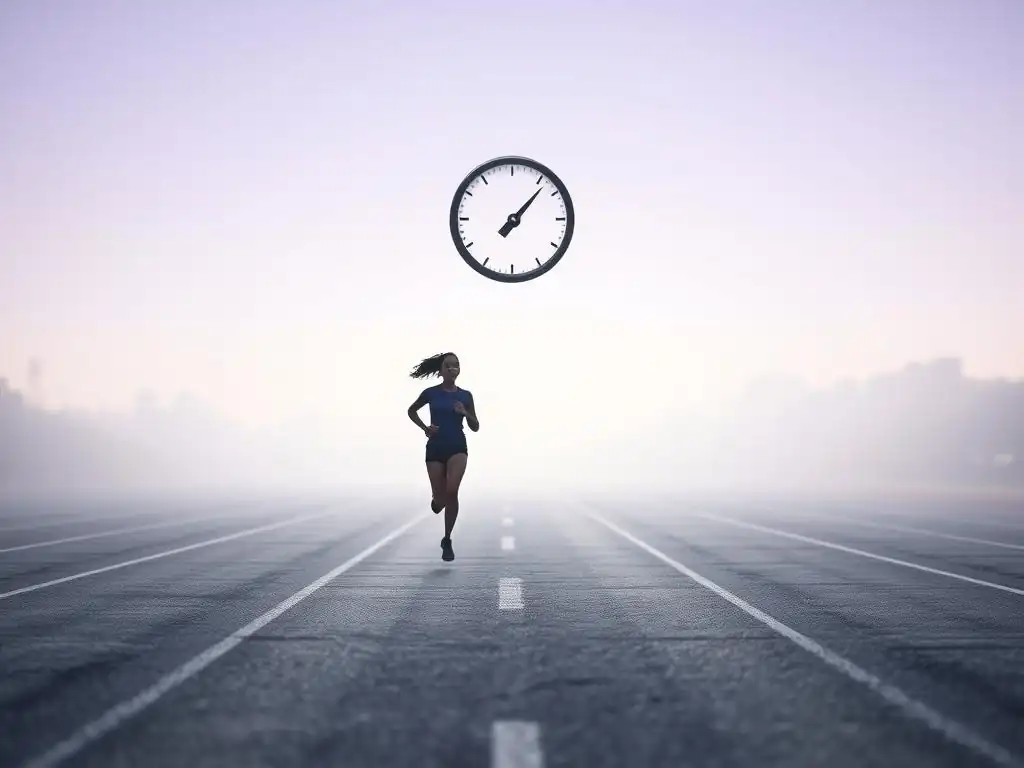
Competition is the ultimate test for athletes, but the environment itself can be a significant source of stress and anxiety. The atmosphere of a competition, with its crowds, opponents, officials, and the finality of the outcome, can be overwhelming. Athletes must manage intense physiological arousal, maintain focus amidst distractions, and make critical decisions under pressure. This inherent stress can trigger anxiety symptoms in vulnerable individuals.
Competition stress isn't confined to the moments during the event. It encompasses the entire experience, from the anticipation leading up to it to the aftermath. Learning to effectively navigate these stressful environments is a key skill for athletes and a primary focus of many effective athlete anxiety management techniques aimed at improving performance under pressure.
Pre-Competition Anxiety: Symptoms and Management
Pre-competition anxiety is the most commonly discussed form of athlete anxiety. It manifests in the hours or days leading up to an event and can include symptoms like excessive worry about performance, sleep disturbances, difficulty concentrating, irritability, and physical symptoms such as nausea, butterflies, increased heart rate, and muscle tension. While a certain level of arousal is normal and can be beneficial, excessive pre-competition anxiety is debilitating.
Managing pre-competition anxiety involves a range of strategies. These can include mental rehearsal, relaxation techniques like deep breathing, visualization of successful performance, and focusing on process goals rather than outcome goals. Establishing consistent pre-competition routines can also help reduce uncertainty and provide a sense of control. These are examples of effective athlete anxiety management techniques specifically designed to help athletes prepare mentally for competition.
Post-Competition Anxiety: Coping with Outcomes
Anxiety doesn't necessarily end when the competition does. Post-competition anxiety can arise, particularly after a loss or a perceived poor performance. Athletes might ruminate excessively on mistakes, worry about the consequences of the outcome, or feel intense pressure to perform better in the next event. This can interfere with recovery, sleep, and the ability to learn constructively from the experience.
Coping with post-competition anxiety involves processing the event in a healthy way. This includes reviewing performance objectively, identifying areas for improvement without excessive self-criticism, focusing on lessons learned, and engaging in self-care. Seeking support from coaches, teammates, or mental health professionals can also be crucial. Developing resilience in the face of setbacks is a vital aspect of long-term athlete well-being and involves applying effective athlete anxiety management techniques even after the competition is over.
Beyond the immediate pressures of training and competition, various social and lifestyle factors can contribute to athlete anxiety. The demands of balancing training with academics, work, or family life can create significant stress. Athletes, particularly those at elite levels, often face unique pressures related to their public image, interactions with media, and the need to maintain a certain persona.
Furthermore, the transient nature of some sports careers, the potential for financial instability, and the challenges of maintaining social connections outside of the sport can all contribute to feelings of insecurity and anxiety. These factors highlight that athlete anxiety is not solely about performance but is influenced by the broader context of their lives.
Financial Concerns and Career Uncertainty
For many athletes, especially those pursuing professional careers, financial concerns and career uncertainty are major sources of stress and anxiety. Salaries can be unpredictable, contracts may be short-term, and the risk of career-ending injury is ever-present. Athletes may worry about how to support themselves and their families, what happens after their athletic career ends, and whether their performance is sufficient to maintain their livelihood.
This financial pressure can intensify performance anxiety, as each competition or season carries significant weight for their economic future. The lack of a stable, long-term career path that many athletes face requires careful planning and can be a constant source of underlying anxiety, separate from the anxiety experienced during competition itself. Addressing these concerns often requires practical support alongside psychological strategies, making effective athlete anxiety management techniques broader than just performance-focused interventions.
Social Support and Isolation
The quality of an athlete's social support network plays a crucial role in their mental well-being. Strong relationships with family, friends, teammates, and coaches can provide a buffer against stress and anxiety. However, the demanding schedule of training and travel can sometimes lead to isolation from non-athletic friends and family. Relying heavily on teammates for social connection can also be challenging if team dynamics are difficult or if an athlete changes teams frequently.
Conversely, negative social interactions, such as conflict with coaches or teammates, bullying, or lack of support from their environment, can significantly increase an athlete's vulnerability to anxiety. Feeling isolated or unsupported can exacerbate existing anxieties and make it harder for athletes to cope with the pressures they face. Fostering positive relationships and ensuring access to supportive networks are important, complementary components to effective athlete anxiety management techniques.
Psychological Factors Influencing Anxiety
Cognitive Distortions: Negative Thought Patterns
Cognitive distortions are irrational or biased ways of thinking that can lead to negative emotions like anxiety. Athletes prone to anxiety often engage in specific types of distorted thinking related to their sport. Examples include "catastrophizing" (assuming the worst possible outcome), "all-or-nothing thinking" (viewing performance as either perfect or a complete failure), "mind reading" (assuming they know what others think of their performance), and "fortune-telling" (predicting negative outcomes).
These thought patterns fuel anxiety by creating a negative internal narrative. An athlete might think, "If I miss this shot, everyone will think I'm a failure," or "I felt a slight twinge in my knee; I must be seriously injured." These thoughts, while often unfounded, feel very real to the athlete and trigger physiological and emotional anxiety responses. Identifying and challenging these distortions is a core element of cognitive behavioral therapy, one of the effective athlete anxiety management techniques.
Self-Esteem and Self-Efficacy
Low self-esteem and low self-efficacy are closely linked to anxiety in athletes. Self-esteem refers to an individual's overall sense of self-worth, while self-efficacy is the belief in one's ability to succeed in specific situations or accomplish a task. Athletes with low self-esteem may tie their worth too heavily to their performance, making them highly vulnerable to anxiety when they don't perform well.
Low self-efficacy specifically relates to performance anxiety. If an athlete doesn't believe they have the skills or ability to perform well under pressure, they are likely to feel anxious about competing. A runner who doubts their ability to maintain pace in the final lap, for instance, will likely experience significant anxiety during that part of the race. Building healthy self-esteem and enhancing self-efficacy are crucial psychological interventions and key effective athlete anxiety management techniques.
Perfectionism and Control
Perfectionism, characterized by a relentless pursuit of flawlessness and setting excessively high standards, is a common trait among athletes that can contribute to anxiety. While a desire for excellence can be motivating, maladaptive perfectionism involves being overly critical of mistakes, fearing failure, and tying self-worth to achieving unattainable standards. This can lead to constant anxiety about not being good enough and fear of making errors.
Closely related is the need for control. Athletes often thrive on structure and routine, but the unpredictable nature of competition and the inherent lack of complete control over outcomes can be a significant source of anxiety for those who feel a strong need to control every variable. The inability to control external factors, like an opponent's performance or a referee's call, can trigger intense anxiety. Learning to accept uncertainty and focus on controllable elements are important aspects of effective athlete anxiety management techniques.
Stress Hormones: Cortisol and Adrenaline's Impact
The body's physiological response to stress involves the release of hormones like cortisol and adrenaline. While these hormones are essential for the "fight or flight" response and can enhance performance in the short term by increasing alertness and physical readiness, chronic stress leads to prolonged elevation of these hormones. Sustained high levels of cortisol, for instance, can have detrimental effects on mood, sleep, concentration, and overall physical health.
For athletes experiencing chronic anxiety, their bodies may be in a near-constant state of heightened physiological arousal due to elevated stress hormones. This can manifest physically as persistent muscle tension, digestive issues, fatigue, and a weakened immune system. The physical symptoms of chronic stress and anxiety can also feed back into the psychological experience, creating a cycle where physical discomfort exacerbates mental distress. Understanding this physiological component is important for developing effective athlete anxiety management techniques.
Genetic Predisposition
While environmental and psychological factors are significant, research suggests that there can also be a genetic predisposition to anxiety disorders. Some individuals may be genetically more vulnerable to experiencing anxiety, meaning they may be more likely to develop anxiety symptoms when exposed to stressors, such as those inherent in competitive sports.
This doesn't mean that anxiety is solely determined by genetics, but rather that some athletes may have a biological susceptibility that makes them more prone to developing anxiety than others when faced with similar pressures. Acknowledging this potential genetic factor can reduce self-blame and encourage a more compassionate approach to understanding and treating athlete anxiety, reinforcing the need for personalized and effective athlete anxiety management techniques.
Sleep Deprivation and Mental Well-being
Adequate sleep is fundamental to both physical recovery and mental well-being. Athletes require sufficient sleep for muscle repair, hormone regulation, and cognitive function. However, anxiety itself can significantly disrupt sleep patterns, leading to insomnia or poor sleep quality. Conversely, sleep deprivation can exacerbate anxiety symptoms, creating a negative feedback loop.
Lack of sleep impairs concentration, decision-making, emotional regulation, and the ability to cope with stress. For athletes, this can directly impact training quality and performance, further increasing anxiety about their ability to succeed. Prioritizing sleep hygiene and addressing sleep disturbances are therefore critical components of supporting athlete mental health and implementing effective athlete anxiety management techniques.
Effective Anxiety Management Techniques
Cognitive Behavioral Therapy (CBT)
Cognitive Behavioral Therapy (CBT) is a widely recognized and effective therapeutic approach for managing anxiety, including performance anxiety in athletes. CBT works by helping individuals identify and challenge the negative thought patterns (cognitive distortions) and unhelpful behaviors that contribute to their anxiety. A therapist helps the athlete recognize thoughts like "I'm going to fail" or "Everyone is watching me make mistakes" and develop more realistic and helpful ways of thinking.
Through techniques like cognitive restructuring, athletes learn to evaluate the evidence for their anxious thoughts and replace them with more balanced perspectives. Behavioral components of CBT involve gradual exposure to feared situations (like specific competitive scenarios) in a controlled environment to build confidence and reduce avoidance. CBT is considered one of the most effective athlete anxiety management techniques because it addresses the underlying psychological drivers of anxiety.
Mindfulness and Meditation
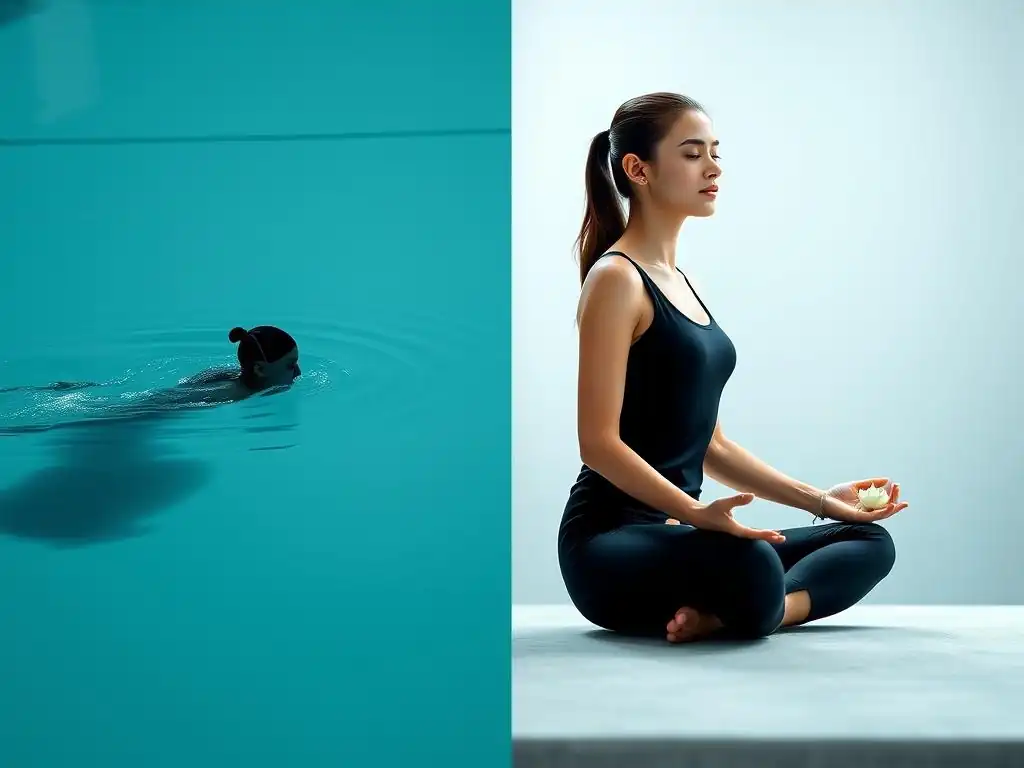
Mindfulness and meditation techniques are increasingly utilized as effective athlete anxiety management techniques. Mindfulness involves paying attention to the present moment without judgment. For athletes, this means focusing on the sensations in their body, their breath, and the immediate task at hand, rather than getting caught up in worries about past mistakes or future outcomes.
Regular meditation practice can help athletes develop the ability to observe their anxious thoughts and feelings without being overwhelmed by them. This detachment allows them to respond to anxiety with greater calm and clarity. Simple mindfulness exercises, such as mindful breathing or body scans, can be incorporated into daily routines or used during competition to help athletes stay centered and reduce the intensity of anxious responses.
Breathing Exercises
Breathing exercises are simple yet powerful tools for managing acute anxiety symptoms. When someone is anxious, their breathing often becomes shallow and rapid, which can exacerbate physical symptoms like increased heart rate and dizziness. Learning to control breathing can help activate the body's relaxation response, counteracting the physiological effects of anxiety.
Techniques like diaphragmatic (belly) breathing, where the athlete focuses on taking slow, deep breaths that expand the abdomen, can significantly reduce heart rate and promote a sense of calm. Box breathing (inhaling for a count, holding, exhaling for a count, holding) is another structured technique. These exercises can be used before or even during competition to manage moments of heightened anxiety and are considered fundamental effective athlete anxiety management techniques.
Seeking Professional Support: Sports Psychology
For athletes experiencing significant or persistent anxiety, seeking professional support from a sports psychologist or a mental health professional specializing in athletes is a crucial step. These professionals are trained to understand the unique challenges athletes face and can provide tailored interventions. A sports psychologist can help athletes develop a range of psychological skills, including those that are effective athlete anxiety management techniques.
Professional support may involve individual therapy to address root causes of anxiety, learning specific coping strategies, developing mental toughness, and working through performance blocks. They can also help athletes navigate complex issues like injury, team dynamics, and career transitions. Accessing qualified mental health support is a sign of strength, not weakness, and is essential for comprehensive athlete well-being.
Preventing Anxiety in Athletes: Long-Term Strategies
Building Resilience and Mental Toughness
Building resilience and mental toughness are key long-term strategies for preventing anxiety in athletes. Resilience is the ability to bounce back from adversity, while mental toughness involves developing the psychological skills to perform consistently under pressure. These qualities are not innate but can be developed through training and experience.
Strategies include cultivating a positive attitude, learning from setbacks, developing effective coping mechanisms, and viewing challenges as opportunities for growth. Athletes can work on developing self-awareness, emotional regulation, and the ability to maintain focus despite distractions. These skills serve as a protective buffer against the stressors that can lead to anxiety, making them foundational to effective athlete anxiety management techniques in the long run.
Cultivating a Growth Mindset
Adopting a growth mindset is a powerful preventative measure against anxiety fueled by fear of failure. A growth mindset, as opposed to a fixed mindset, is the belief that abilities and intelligence can be developed through dedication and hard work. Athletes with a growth mindset view challenges as opportunities to learn and improve, rather than tests of inherent ability.
This perspective shifts the focus from outcome to effort and learning. When athletes believe they can improve through practice and perseverance, setbacks become less threatening and more informative. This reduces the pressure to be perfect and the anxiety associated with potential failure. Coaches and support staff can help athletes cultivate a growth mindset by emphasizing effort, learning, and resilience, complementing the use of effective athlete anxiety management techniques.
Creating a Supportive Team Environment
A positive and supportive team environment can significantly reduce athlete anxiety. When athletes feel valued, respected, and supported by their coaches and teammates, they are more likely to feel secure and less anxious about making mistakes or asking for help. A culture that normalizes discussions about mental health and encourages seeking support is vital.
Leaders within sports organizations and teams play a critical role in fostering this environment. This includes open communication, promoting psychological safety, addressing conflict constructively, and ensuring that athletes know where to access mental health resources. A strong support system within the team acts as a buffer against external pressures and contributes to the overall effectiveness of athlete anxiety management techniques implemented individually or collectively.
Tailored Anxiety Management Strategies
CBT Techniques for Performance Anxiety
Specific CBT techniques are highly effective for targeting performance anxiety in athletes. These include cognitive restructuring focused on performance-related thoughts, such as challenging beliefs about the consequences of failure or the necessity of perfection. Athletes learn to replace thoughts like "I must win or I'm worthless" with more balanced perspectives such as "I will give my best effort, and the outcome is not the sole measure of my worth."
Another technique is systematic desensitization or exposure therapy, where athletes are gradually exposed to simulated competitive stressors (e.g., practicing under observation, simulating game pressure) while using relaxation techniques to manage anxiety. This helps them build tolerance and confidence in high-pressure situations. These tailored CBT approaches are among the most effective athlete anxiety management techniques for improving performance under stress.
Mindfulness Exercises for Athletes
Mindfulness exercises can be specifically tailored for athletes to use during training and competition. This might include mindful walking or running, focusing on the sensations in their body and the rhythm of their breath during practice. During breaks or before an event, athletes can use guided meditations or simple breath-awareness exercises to calm their nervous system and enhance focus.
A key application is using mindfulness to stay present during competition, preventing the mind from wandering to worries about the score or outcome. An athlete might practice focusing solely on the feel of the ball, the movement of their body, or the immediate play. This present-moment focus, cultivated through mindfulness, is a powerful component of effective athlete anxiety management techniques for maintaining composure and performance.
Sleep Hygiene for Anxiety Reduction
Improving sleep hygiene is a practical and effective strategy for reducing anxiety in athletes. This involves establishing consistent sleep routines, ensuring the sleep environment is dark, quiet, and cool, and avoiding stimulants like caffeine and electronic screens close to bedtime. Athletes should aim for 7-9 hours of quality sleep per night, although individual needs vary.
Addressing sleep disturbances directly can significantly impact an athlete's ability to manage stress and anxiety. If anxiety is causing insomnia, techniques like relaxation exercises or mindfulness before bed can be helpful. For persistent sleep issues, consulting a sleep specialist or mental health professional is recommended. Prioritizing sleep health is a foundational element among the effective athlete anxiety management techniques, supporting overall mental and physical recovery.
Frequently Asked Questions
How prevalent is anxiety among athletes, and why is it often overlooked?
Anxiety is surprisingly common among athletes due to the high-pressure environment and constant scrutiny. It's often overlooked because of the "tough" athlete stereotype and fear of appearing weak.
What are some of the primary root causes of anxiety in athletes, as explored in the article?
The article likely discusses causes such as performance pressure, fear of failure, injury concerns, and the intense competition inherent in sports. External expectations from coaches, fans, and family can also contribute significantly.
What specific Athlete Anxiety Management Techniques Effective are most beneficial for combating anxiety in athletes?
Effective techniques might include mindfulness exercises, cognitive behavioral therapy (CBT) to reframe negative thoughts, and deep breathing exercises to manage physiological symptoms.
How can coaches and support staff play a crucial role in Athlete Anxiety Management Techniques Effective?
Coaches can create a supportive environment that emphasizes effort over outcome. They can also encourage open communication about mental health and provide access to resources.
What are the potential long-term consequences if athlete anxiety is left unaddressed, and how can these be prevented?
Unaddressed anxiety can lead to burnout, depression, and even substance abuse. Prevention involves early intervention, education about mental health, and normalizing seeking help.
Final Reflection: Conquering the Inner Game: Anxiety and Athletic Performance
The relentless pursuit of excellence in sports often masks a hidden battle: the struggle with anxiety. This pressure, amplified by the high-stakes nature of competition, affects athletes at all levels, from weekend warriors to Olympic champions. Understanding the root causes—from performance pressure and fear of failure to injury concerns and self-doubt—is the crucial first step towards effective management.
The pervasive impact of anxiety on athletic performance is undeniable, shaping not only individual careers but also the broader sporting landscape. We've explored various contributing factors, from physiological responses to psychological pressures, and seen how these intertwine to affect an athlete's ability to perform at their peak. The constant pressure to succeed, often fueled by external expectations and internal self-criticism, can be debilitating. The greatest enemy of athletic performance is not the opponent, but the self.
This quote encapsulates the internal struggle many athletes face, a struggle that demands understanding and proactive management.
Now, it's your turn. Consider the pressures you face, whether in sports or other areas of your life. Identify your own anxieties, and begin to explore the techniques discussed within this article. Remember, acknowledging and addressing anxiety is not a sign of weakness, but a testament to your strength and commitment to holistic well-being. Take control of your inner game, and unlock your full potential. The journey towards peak performance begins with understanding and managing the anxieties that hold you back.
Unlock Your Peak Performance: Conquer Anxiety & Thrive
Thanks for taking the time to explore the often-overlooked link between athletic performance and anxiety. You've gained valuable insight into the root causes—now it's time to put that knowledge into action!
Here's how you can start building a more resilient and anxiety-free athletic journey:
- Prioritize mindful breathing techniques: This is your key takeaway. Dedicate just 5 minutes each day to practice deep, controlled breathing—you'll be surprised how quickly it impacts your focus and reduces tension.
- Share your insights: Discuss this article with a teammate, coach, or fellow athlete. Sharing your newfound understanding can foster a supportive environment and build collective awareness.
- Explore a new relaxation technique: Try something you haven't before—yoga, meditation, or even a nature walk. Experiment to discover what works best for you in managing anxiety.
What small step will you take today to improve your mental game and unlock your full athletic potential?