
Beyond the Game: Understanding General Anxiety in Sports Stars

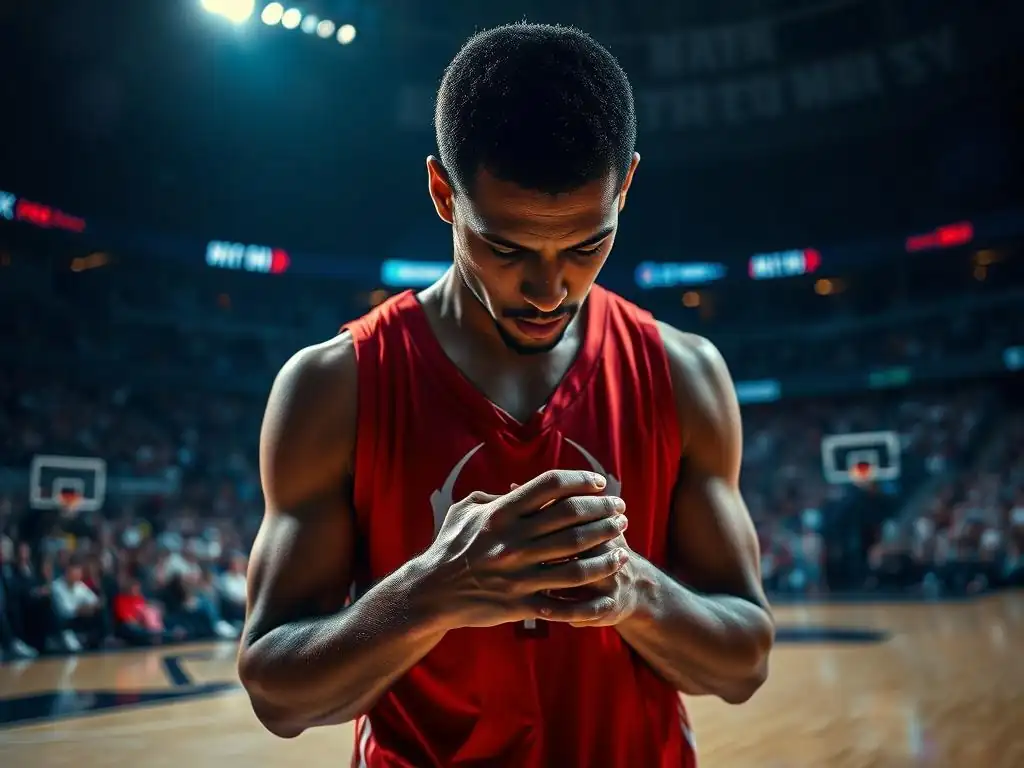
Welcome to Mind Care Guide, a place dedicated to nurturing your mental well-being.
Feeling the pressure? You're not alone. We know how challenging it can be to navigate the complexities of mental health, especially when high expectations and intense scrutiny are involved. This month, we delve into a crucial topic, exploring the often-unseen struggles of managing anxiety in athletes. Discover how these high-performing individuals cope with pressure, and what valuable lessons we can all learn to build resilience and prioritize our mental health. Curious to learn more about the signs and symptoms and what can be done? Let's begin.
Beyond the Game: Understanding General Anxiety in Sports Stars
- Introduction: The Silent Struggle - Anxiety's Grip on Athletes
- Defining General Anxiety Disorder (GAD) in the Context of Sports
- Factors Contributing to Anxiety in Athletes
- Recognizing the Signs of Anxiety in Athletes
-
Strategies for Managing Anxiety in Athletes: A Comprehensive Guide
- Cognitive Behavioral Therapy (CBT) for Anxiety Relief
- Mindfulness and Meditation Techniques for Athletes
- Breathing Exercises for Anxiety Management
- The Importance of Sleep Hygiene for Mental Health
- Nutrition's Impact on Mood and Anxiety Levels
- Building a Strong Support System: Coaches, Teammates, and Family
- The Role of Sports Psychology in Addressing Athlete Anxiety
- Medication and Anxiety: Considerations for Athletes
- Creating a Supportive Environment for Athletes' Mental Health
- Real-Life Examples: Athletes Who Have Spoken Out About Anxiety
- Seeking Professional Help: Resources for Athletes Struggling with Anxiety
- Conclusion: Prioritizing Mental Well-being for Long-Term Athletic Success
-
Frequently Asked Questions
- How common is anxiety among athletes?
- What are some signs that an athlete might be struggling with anxiety?
- What role does the coach play in supporting an athlete's mental well-being?
- What are some effective strategies for managing anxiety in athletes?
- How can parents help their child who is an athlete struggling with anxiety?
- Final Reflection: The Unseen Opponent: Anxiety in Elite Sport
- Unleash Your Inner Champion: Conquer Anxiety & Thrive
Introduction: The Silent Struggle - Anxiety's Grip on Athletes
Why Mental Health Matters in High-Performance Sports
In the demanding world of high-performance sports, the focus has historically been placed almost exclusively on physical prowess, technical skill, and tactical execution. Athletes are often seen as paragons of physical strength and mental fortitude, expected to perform under immense pressure without faltering. However, this narrow view overlooks the critical role that mental well-being plays not just in performance, but in an athlete's overall health and longevity in their career. The psychological demands of training, competition, and public scrutiny are significant, and ignoring them can have detrimental consequences.
Prioritizing mental health in sports is not merely about addressing crises; it's about building resilience, enhancing focus, and fostering a sustainable relationship with the sport. When athletes feel mentally supported, they are better equipped to handle setbacks like injuries, navigate competitive pressures, and maintain a healthier balance between their athletic identity and personal life. This holistic approach recognizes that the mind is just as vital an athletic tool as the body, requiring dedicated attention, training, and care to function at its peak and prevent burnout.
The Prevalence of Anxiety Disorders Among Athletes
Emerging research and increasing athlete openness are shedding light on the significant prevalence of mental health challenges, including anxiety, within the athletic community. While precise, universal figures are complex to obtain due to varying study methodologies and reporting across different sports and levels, studies consistently suggest that athletes may experience anxiety at rates comparable to, and in some cases higher than, their non-athlete peers.
A comprehensive review of studies indicated that between 16% and 19% of active athletes reported symptoms of anxiety or depression, with some research focusing on elite athletes suggesting figures could be higher, potentially reaching 30-35% for certain mental health concerns.
Furthermore, specific periods within an athlete's career, such as injury recovery, transition phases (entering professional ranks, retirement), and periods of intense competition, are associated with elevated risks of experiencing anxiety symptoms. For instance, estimates suggest that up to 50% of injured athletes may experience psychological distress, including anxiety, during their recovery process. These figures underscore that anxiety is not an anomaly but a significant concern affecting a substantial portion of the athletic population, highlighting the urgent need for better understanding and support regarding managing anxiety in athletes.
Defining General Anxiety Disorder (GAD) in the Context of Sports
What is General Anxiety Disorder? Symptoms and Characteristics
General Anxiety Disorder (GAD) is a mental health condition characterized by excessive, uncontrollable worry about everyday things, often disproportionate to the actual likelihood or impact of the feared event. Unlike specific phobias or panic disorder, GAD involves a pervasive sense of unease that persists for at least six months, affecting various aspects of a person's life, including work, relationships, and daily activities. The worry is difficult to control and is often accompanied by physical symptoms such as restlessness, fatigue, difficulty concentrating, irritability, muscle tension, and sleep disturbances.
For athletes, GAD can manifest as constant worry extending far beyond typical pre-game jitters. They might excessively worry about performance outcomes, potential injuries, financial stability, media perception, or even unrelated personal matters, to an extent that interferes with training, focus, and recovery. This chronic state of worry can be debilitating, exhausting the athlete both mentally and physically, and making it challenging to find relaxation or peace even when away from the competitive environment. The intrusive nature of the worry distinguishes GAD from more transient forms of anxiety.
How GAD Differs from Typical Pre-Game Nerves
It is crucial to differentiate GAD from the normal, acute anxiety or arousal that many athletes experience before competition, often referred to as "pre-game nerves" or "competitive anxiety." Pre-game nerves are typically temporary, situational, and often viewed as a necessary component of peak performance, providing a surge of adrenaline and focus. This type of anxiety is usually confined to the competitive context or immediate lead-up to an event and subsides once the competition begins or concludes. It's a response to a specific, immediate stressor – the upcoming performance.
GAD, on the other hand, is a persistent, pervasive state of worry that exists regardless of whether a competition is imminent. The anxiety is not solely tied to performance but can attach itself to numerous aspects of life, creating a background hum of worry that is difficult to turn off.
While pre-game nerves might motivate some athletes, GAD is typically debilitating, impairing concentration, decision-making, and the ability to relax and recover effectively. Understanding this distinction is vital for proper diagnosis and for developing effective strategies for managing anxiety in athletes, ensuring that appropriate support is provided for chronic conditions rather than normal situational responses.
Factors Contributing to Anxiety in Athletes
The Pressure to Perform: Expectations and Scrutiny
Elite athletes operate under immense pressure from multiple sources: coaches, teammates, family, fans, sponsors, and perhaps most significantly, themselves. This constant expectation to perform at an exceptionally high level can be a significant driver of anxiety. Every game, every match, every practice can feel like a test, with performance metrics constantly tracked and dissected. The knowledge that a single mistake could impact a team's success, personal records, or future opportunities creates a high-stakes environment where the fear of not meeting expectations can become overwhelming.
Furthermore, the scrutiny athletes face has intensified in the modern era. With 24/7 sports coverage and instant analysis, every aspect of an athlete's performance and even personal life can be put under a microscope. This lack of privacy and the feeling of being constantly judged add layers of stress. The pressure isn't just about winning; it's about maintaining a certain image, handling media obligations, and living up to the often-unrealistic standards projected onto them. This unrelenting pressure cooker environment makes managing anxiety in athletes a complex challenge.
Fear of Failure: Impact on Mental Well-being
For many athletes, identity is deeply intertwined with their athletic success. The fear of failure therefore extends beyond just losing a game; it can feel like a failure of self. This intense fear can lead to avoidance behaviors, such as not taking risks on the field or court, or paradoxically, engaging in excessive, perfectionistic training that leads to burnout. The internal narrative often becomes highly critical, where mistakes are seen as evidence of inadequacy rather than opportunities for growth.
This pervasive fear can significantly impact an athlete's mental well-being, leading to increased stress, reduced enjoyment of the sport, and heightened anxiety symptoms. The constant internal battle against the possibility of failure can be exhausting, depleting mental resources needed for focus and resilience. Athletes may start to dread competition, not because they dislike the sport, but because the potential outcome triggers intense fear and self-criticism, making managing anxiety in athletes who struggle with this fear a priority.
Injury and Recovery: A Trigger for Anxiety
Injury is an unfortunate, often inevitable, part of an athlete's career, and it represents a significant trigger for anxiety. Beyond the physical pain and the frustration of being sidelined, injury brings a host of psychological challenges. Athletes may worry about losing their spot on the team, the effectiveness of their recovery, regaining their previous level of performance, and the long-term impact on their career longevity. The uncertainty surrounding recovery timelines and future performance can fuel significant anxiety.
The rehabilitation process itself can be isolating and mentally taxing. Athletes are often separated from their teammates, facing repetitive and sometimes painful exercises with no immediate guarantee of success. This period can lead to feelings of helplessness, frustration, and increased worry about the future. The pressure to return quickly, combined with the fear of re-injury, creates a fertile ground for anxiety to flourish, underscoring the need for integrated physical and mental health support during recovery.
Social media platforms have become ubiquitous, offering athletes a direct line to fans but also exposing them to unprecedented levels of public commentary, both positive and negative. While positive interactions can be uplifting, the constant barrage of criticism, insults, and even threats can be severely damaging to an athlete's mental health. Negative comments can quickly go viral, creating public pile-ons that are difficult to ignore and can feel deeply personal.
The curated nature of social media also contributes to anxiety through comparison. Athletes may compare their perceived success, image, or lifestyle to others, leading to feelings of inadequacy or pressure to maintain an unrealistic online persona. The fear of negative reactions or making a misstep online can also lead to self-censorship and increased stress. Navigating this digital landscape adds another layer of complexity to managing anxiety in athletes in the modern age.
Financial Concerns and Career Uncertainty
For many athletes, particularly those not at the very top tier, financial stability and career longevity are constant sources of worry. Contracts can be short-term, performance-dependent, and subject to change based on injury or team decisions. The pressure to consistently perform well to secure future income and maintain a career can be immense. Unlike many other professions, an athletic career has a limited lifespan, often ending in the early to mid-30s, adding pressure to maximize earnings and opportunities within a compressed timeframe.
This inherent uncertainty about the future – where they will play, for how long, and how they will support themselves and their families – can fuel chronic anxiety. Athletes may worry about endorsements, salary negotiations, potential trades, or the abrupt end of their career due to injury or performance decline. This financial and career precariousness is a significant, often overlooked, stressor that contributes to the overall mental load carried by athletes, making support for managing anxiety in athletes crucial.
Recognizing the Signs of Anxiety in Athletes

Physical Symptoms of Anxiety
Anxiety doesn't just manifest mentally; it has a significant impact on the body, and athletes are often acutely aware of physiological changes. Physical symptoms of anxiety can include:
- Increased heart rate or palpitations
- Sweating or trembling
- Shortness of breath or hyperventilation
- Muscle tension, often in the neck, shoulders, or jaw
- Headaches or dizziness
- Gastrointestinal issues (nausea, stomach aches, diarrhea)
- Fatigue or feeling easily tired
These physical manifestations can be particularly distressing for athletes as they directly impact their ability to train and compete effectively. For example, persistent muscle tension can lead to injuries, while gastrointestinal issues can disrupt nutrition and hydration. Recognizing these physical signs, especially when they appear outside of typical pre-competition arousal and persist, is a key step in identifying potential anxiety issues in athletes.
Emotional and Behavioral Changes
Anxiety in athletes can also lead to noticeable shifts in mood, behavior, and personality. These changes might be subtle initially but can become more pronounced over time. Emotional indicators include increased irritability, persistent feelings of worry or dread, difficulty controlling worry, and a general sense of restlessness or being on edge. Athletes might seem more easily frustrated or have trouble relaxing even during downtime.
Behaviorally, anxiety can manifest as avoidance – perhaps skipping practices, withdrawing from teammates, or avoiding social events related to the sport. There might be changes in training habits, such as excessive, compulsive training driven by fear, or conversely, a lack of motivation and reduced effort. Sleep disturbances, such as difficulty falling asleep, staying asleep, or restless sleep, are common behavioral consequences. Observing these changes and understanding they could be signs of underlying anxiety is vital for providing timely support for managing anxiety in athletes.
Performance Decline as an Indicator of Underlying Anxiety
While performance fluctuations are normal in sports, a noticeable and persistent decline that isn't attributable to injury, overtraining, or a clear technical issue can be a significant indicator of underlying anxiety or other mental health challenges. Anxiety impairs cognitive functions crucial for performance, such as concentration, decision-making, reaction time, and memory. An anxious athlete might struggle to focus during practice, make uncharacteristic errors during competition, or find it difficult to execute complex plays under pressure.
Furthermore, the physical symptoms of anxiety, like muscle tension or fatigue, can directly hinder performance by reducing speed, strength, or coordination. The fear of failure fueled by anxiety can also lead to tentative play or a reluctance to take necessary risks. When coaches or support staff observe an athlete consistently underperforming relative to their known capabilities, especially when accompanied by other physical or behavioral signs, it warrants exploring potential mental health factors, including the need for strategies for managing anxiety in athletes.
Strategies for Managing Anxiety in Athletes: A Comprehensive Guide
Cognitive Behavioral Therapy (CBT) for Anxiety Relief
Cognitive Behavioral Therapy (CBT) is a highly effective therapeutic approach for managing anxiety in athletes. It works by helping individuals identify and challenge negative thought patterns and beliefs that contribute to anxiety. For athletes, this might involve addressing thoughts like "If I don't win, I'm a failure" or "I'm not good enough." CBT teaches athletes to recognize these unhelpful thoughts, evaluate their validity, and replace them with more realistic and positive perspectives.
In addition to modifying thoughts, CBT incorporates behavioral techniques. This could involve gradual exposure to anxiety-provoking situations in a controlled manner (e.g., visualizing a high-pressure game scenario) to build tolerance and reduce avoidance. A typical CBT course might involve weekly sessions over several months, providing athletes with practical tools and coping mechanisms they can apply independently to reduce worry and improve their response to stressful situations both on and off the field.
Mindfulness and Meditation Techniques for Athletes
Mindfulness involves paying attention to the present moment without judgment, while meditation is a practice used to train this skill. These techniques can be incredibly beneficial for managing anxiety in athletes by helping them step out of their anxious thoughts and ground themselves in the here and now. Athletes often ruminate on past mistakes or worry about future outcomes; mindfulness helps redirect their focus to the current play, the feel of the ball, or the immediate task at hand.
Practices like body scan meditation, guided imagery, or simple focused breathing exercises can reduce physiological arousal associated with anxiety, such as rapid heart rate or muscle tension. Regular practice, even for just a few minutes daily, can improve an athlete's ability to stay calm under pressure, enhance concentration, and foster a greater sense of control over their internal state. Incorporating mindfulness into daily routines can be a powerful proactive strategy for managing anxiety in athletes.
Breathing Exercises for Anxiety Management
Simple breathing exercises are a fundamental and accessible tool for immediate anxiety relief. When anxious, breathing often becomes rapid and shallow, exacerbating physical symptoms like dizziness and increased heart rate. Learning to control the breath can activate the body's relaxation response, counteracting the fight-or-flight reaction. Techniques like diaphragmatic breathing (belly breathing) or the 4-7-8 method (inhale for 4 counts, hold for 7, exhale for 8) can slow the heart rate, reduce muscle tension, and promote a sense of calm.
Athletes can practice these techniques before training, during breaks, or even during moments of high stress during competition. Regular practice makes these techniques more effective when needed most. The ability to consciously regulate breathing provides athletes with a tangible way to exert control over their physical and emotional state, offering an immediate method for managing anxiety in athletes when symptoms spike.
The Importance of Sleep Hygiene for Mental Health
Quality sleep is foundational for both physical recovery and mental well-being, yet anxiety often interferes with sleep. Poor sleep, in turn, worsens anxiety symptoms, creating a vicious cycle. Establishing good sleep hygiene is therefore crucial for managing anxiety in athletes. This involves creating a consistent sleep schedule, ensuring the bedroom is dark, quiet, and cool, avoiding screens and heavy meals before bed, and limiting caffeine and alcohol intake, especially in the evening.
Prioritizing 7-9 hours of quality sleep per night supports cognitive function, emotional regulation, and the body's ability to manage stress. Athletes who struggle with sleep due to anxiety may benefit from relaxation techniques before bed, such as reading or warm baths, or consulting a sleep specialist. Addressing sleep issues is a critical, often overlooked, component of a comprehensive approach to managing anxiety in athletes.
Nutrition's Impact on Mood and Anxiety Levels
The food an athlete consumes affects not only their physical performance but also their brain chemistry and mood. Nutritional deficiencies or imbalances can exacerbate anxiety symptoms, while a balanced diet can help stabilize mood and energy levels. Eating regular meals and snacks composed of complex carbohydrates, lean proteins, and healthy fats helps maintain stable blood sugar, preventing energy crashes that can trigger irritability and anxiety.
Specific nutrients play a role in mental health. Omega-3 fatty acids, found in fish, flaxseeds, and walnuts, are linked to reduced anxiety. B vitamins are essential for nervous system function. Magnesium has been shown to have calming effects. While diet alone cannot cure GAD, optimizing nutrition is a supportive strategy for managing anxiety in athletes. Limiting processed foods, excessive sugar, and caffeine can also help reduce jitters and mood swings associated with anxiety.
Building a Strong Support System: Coaches, Teammates, and Family
A robust support system is invaluable for athletes navigating anxiety. Coaches, teammates, family members, and friends can provide emotional support, understanding, and practical help. Open communication with trusted individuals allows athletes to express their feelings and challenges without judgment. Teammates who understand the pressures can offer unique peer support and shared experiences.
Coaches play a particularly critical role. A coach who is aware of an athlete's struggles and offers support, rather than criticism, can significantly reduce pressure and foster a sense of psychological safety. Family and friends provide a connection to life outside of sports, offering perspective and unconditional support. Encouraging athletes to build and utilize these support networks is a fundamental aspect of managing anxiety in athletes and promoting overall well-being.
The Role of Sports Psychology in Addressing Athlete Anxiety
Working with a Sports Psychologist: Benefits and Approaches
Sports psychologists are trained professionals who specialize in the mental and emotional aspects of performance and well-being in athletes. Working with a sports psychologist offers tailored strategies for managing anxiety in athletes, addressing the unique pressures of their environment. They can help athletes develop mental skills such as focus, emotional regulation, visualization, and stress management techniques specifically applicable to training and competition.
Beyond performance enhancement, sports psychologists can provide therapeutic support for mental health conditions like GAD. They can utilize approaches like CBT or Acceptance and Commitment Therapy (ACT) to help athletes understand the roots of their anxiety, develop coping mechanisms, and build resilience. They act as confidential resources, offering a safe space to discuss challenges that athletes might feel unable to share with coaches or teammates.
Developing Mental Toughness and Resilience
Often misunderstood as simply "gritting your teeth," true mental toughness involves a combination of skills that allow athletes to thrive under pressure and bounce back from adversity. Sports psychology focuses on developing these skills, which are crucial for managing anxiety. This includes cultivating self-awareness, learning to manage emotions effectively, maintaining focus despite distractions, and developing a positive self-talk internal narrative.
Resilience is the ability to adapt well in the face of stress, trauma, tragedy, threats, or significant sources of stress. For athletes, this means being able to recover mentally from losses, injuries, or performance setbacks. Sports psychologists help athletes build resilience by teaching them how to process setbacks, learn from mistakes without dwelling on them, and maintain motivation and perspective during challenging times. These skills are not innate but can be trained, significantly improving an athlete's ability to cope with and manage anxiety.
Setting Realistic Goals and Expectations
Unrealistic expectations are a significant source of anxiety for many athletes. Constantly striving for perfection or comparing oneself unfavorably to others can create intense pressure. Sports psychologists work with athletes to set realistic, achievable goals based on their individual abilities, circumstances, and recovery progress (if applicable). This involves focusing on process goals (e.g., executing a specific technique correctly 80% of the time) rather than solely outcome goals (e.g., winning the championship).
By shifting the focus to controllable aspects of their performance and setting incremental goals, athletes can reduce the pressure associated with monumental outcomes. This approach fosters a sense of progress and accomplishment, building confidence and reducing the fear of failure. Learning to manage expectations, both internal and external, is a vital skill taught by sports psychologists to help athletes in managing anxiety.
Medication and Anxiety: Considerations for Athletes

When Medication Might Be Necessary
For some athletes, anxiety symptoms may be severe enough to significantly impair functioning despite therapeutic interventions and lifestyle changes. In such cases, medication may be considered as part of a comprehensive treatment plan, always under the guidance of a qualified physician or psychiatrist. Medications commonly used to treat GAD include Selective Serotonin Reuptake Inhibitors (SSRIs) or Serotonin-Norepinephrine Reuptake Inhibitors (SNRIs), which are typically prescribed for long-term management. Benzodiazepines may be used for short-term relief of acute, severe anxiety symptoms, but their use requires careful consideration due to potential for dependence.
The decision to use medication is a personal one, made in consultation with healthcare professionals, weighing the severity of symptoms against potential benefits and side effects. Medication is often most effective when used in conjunction with therapy, providing symptom relief that allows the athlete to engage more fully in psychological treatment and develop coping strategies for managing anxiety.
Potential Side Effects and Interactions with Performance
Athletes considering medication must be aware of potential side effects and how they might interact with training and performance. Common side effects of SSRIs/SNRIs can include fatigue, nausea, weight changes, or changes in sleep patterns, particularly in the initial weeks of treatment. While many side effects subside, some may persist. Benzodiazepines can cause drowsiness, impaired coordination, and reduced reaction time, which can directly impact athletic performance and safety.
Furthermore, athletes competing at certain levels or in specific sports must consider anti-doping regulations. Some medications, particularly certain stimulants or sedatives, may be prohibited substances. It is absolutely critical for any athlete considering medication for anxiety to consult with their physician and verify the medication's status with relevant anti-doping agencies (like WADA or their sport's governing body) to ensure compliance and avoid potential sanctions.
Consulting with a Physician and Mental Health Professional
Any discussion about medication for anxiety must involve a thorough evaluation by a qualified physician or psychiatrist. They can accurately diagnose the condition, assess severity, discuss potential treatment options, and monitor for effectiveness and side effects. They can also ensure that medication is appropriate given the athlete's overall health status and any other medications they may be taking.
Simultaneously, consulting with a mental health professional, such as a therapist or sports psychologist, is essential. They can provide the necessary psychological support, coping strategies, and therapy (like CBT) that complement medication. A collaborative approach between medical and mental health professionals ensures the athlete receives holistic care tailored to their specific needs, providing the best framework for managing anxiety in athletes effectively and safely.
Creating a Supportive Environment for Athletes' Mental Health
The Responsibility of Coaches and Team Management
Coaches and team management hold significant influence over an athlete's environment and can play a crucial role in fostering mental well-being. This responsibility includes educating themselves about mental health issues, recognizing the signs of distress, and knowing how to respond appropriately. Coaches should create a culture where discussing mental health is destigmatized and viewed as a sign of strength, not weakness.
Practical steps include integrating mental skills training into regular practice, ensuring athletes have access to mental health resources, and adjusting training loads or expectations when an athlete is struggling. A coach's empathy and understanding can make a profound difference, encouraging athletes to seek help without fear of negative repercussions on their playing time or standing within the team. Prioritizing mental health from the top down is essential for effectively supporting athletes and managing anxiety within a team setting.
Promoting Open Communication and Reducing Stigma
Creating an environment where athletes feel safe to talk about their mental health challenges is paramount. This involves actively working to reduce the stigma historically associated with mental illness in sports. Leaders within sports organizations, including prominent athletes, coaches, and administrators, speaking openly about their own experiences or supporting mental health initiatives can help normalize the conversation.
Teams and organizations can implement policies that protect athletes who seek mental health support, ensuring it does not negatively impact their status. Providing dedicated time and platforms for athletes to discuss their experiences, perhaps facilitated by mental health professionals, can also break down barriers. Promoting open communication fosters trust and encourages athletes to seek help early, making managing anxiety in athletes a more proactive process.
Educating Athletes about Mental Health Resources
Many athletes may not know where to turn when they are struggling. Sports organizations have a responsibility to educate athletes about the available mental health resources, both within the organization and externally. This includes providing clear information about access to sports psychologists, counselors, therapists, crisis hotlines, and online support platforms.
Regular workshops, seminars, or informational sessions about mental health topics, including anxiety, depression, and stress management, can equip athletes with knowledge and reduce feelings of isolation. Ensuring that information is easily accessible, confidential, and presented in a way that resonates with athletes is key. Empowering athletes with knowledge about where and how to get help is a fundamental step in supporting their mental well-being and facilitating effective strategies for managing anxiety in athletes.
Real-Life Examples: Athletes Who Have Spoken Out About Anxiety
Athlete Experiences with Anxiety
Numerous high-profile athletes have courageously shared their personal battles with anxiety and other mental health issues, helping to shatter stigma and highlight the reality of these struggles at the highest levels of sport. Simone Biles, arguably the greatest gymnast of all time, famously withdrew from several events at the Tokyo Olympics citing the "twisties," a mental block often linked to anxiety and stress, prioritizing her mental safety. Michael Phelps, the most decorated Olympian in history, has been a vocal advocate for mental health, openly discussing his long-standing struggles with depression and anxiety following major competitions.
Naomi Osaka, a multiple Grand Slam tennis champion, has also taken breaks from the sport to focus on her mental health, citing anxiety related to media interactions and the pressures of her profession. These examples, among many others across various sports, demonstrate that anxiety affects athletes regardless of their success or perceived mental toughness. Their stories provide tangible evidence that these are real challenges faced by real people, even those at the pinnacle of their fields.
Learning from Their Experiences: Hope and Inspiration
The willingness of athletes like Biles, Phelps, and Osaka to share their experiences offers valuable lessons and provides hope to countless others. Their openness normalizes mental health struggles within the athletic community and beyond, showing that it is acceptable and necessary to seek help. Their actions demonstrate that prioritizing mental well-being is not a weakness that ends a career, but often a necessary step for long-term health and, paradoxically, can lead to greater resilience and potentially extended career longevity.
These examples inspire other athletes to recognize their own symptoms, understand they are not alone, and feel empowered to reach out for support. They highlight that managing anxiety in athletes is a vital part of peak performance and overall health, not a separate issue to be hidden. Their advocacy encourages sports organizations to improve mental health resources and create more supportive environments for current and future generations of athletes.
Seeking Professional Help: Resources for Athletes Struggling with Anxiety
Finding a Qualified Therapist or Counselor
For athletes experiencing persistent or debilitating anxiety, seeking professional help from a qualified therapist or counselor is a critical step. Ideally, finding a mental health professional with experience working with athletes or understanding the unique pressures of the sports environment can be particularly beneficial. Resources for finding therapists include:
- Referrals from team physicians or sports medicine staff.
- University counseling centers (for collegiate athletes).
- Professional sports organizations' mental health programs.
- Online directories of therapists, often allowing searches by specialization (e.g., sports psychology, anxiety disorders).
- Referrals from trusted friends, family, or coaches.
It's important to find a therapist with whom the athlete feels comfortable and safe to share openly. The initial consultation is a good opportunity to assess this fit and discuss the therapist's approach to managing anxiety in athletes.
Crisis Hotlines and Support Groups
In moments of acute distress or crisis, immediate support is available. Crisis hotlines provide confidential, 24/7 support from trained counselors. These resources are vital for athletes experiencing overwhelming anxiety or suicidal thoughts. Examples include national crisis hotlines and sometimes sport-specific hotlines established by athletic organizations.
Support groups, either in-person or online, offer a different but valuable form of help. Connecting with peers who share similar experiences with anxiety or being an athlete can reduce feelings of isolation and provide a sense of community. Hearing how others are managing anxiety in athletes and sharing coping strategies can be incredibly empowering. While not a substitute for individual therapy, support groups offer valuable peer support and understanding.
Online Mental Health Resources for Athletes
The digital age has brought a wealth of online mental health resources, offering accessibility and flexibility. These can include:
- Websites and platforms providing information about anxiety and coping strategies.
- Mental wellness apps offering guided meditations, mood tracking, and anxiety management tools.
- Telehealth services that connect athletes with licensed therapists remotely.
- Online forums or communities focused on athlete mental health.
When using online resources, it's important to ensure they are reputable and based on evidence-based practices. While online tools can be convenient and provide valuable support, they should not replace professional evaluation and treatment for moderate to severe anxiety. However, they can serve as excellent supplementary tools for managing anxiety in athletes and providing readily available support.
Conclusion: Prioritizing Mental Well-being for Long-Term Athletic Success
The Future of Mental Health Support in Sports
The conversation around mental health in sports has shifted dramatically in recent years, moving from silence and stigma towards greater awareness and advocacy. The future promises further integration of mental health support into the core structure of athletic organizations at all levels, from youth sports to professional leagues. This includes employing more full-time sports psychologists and mental health counselors, implementing routine mental wellness screenings, and developing proactive mental skills training programs alongside physical conditioning.
There is a growing recognition that investing in athletes' mental well-being is not just a moral imperative but also a strategic one, contributing to sustained performance, reduced burnout, and greater overall satisfaction and health for the athlete. As research continues to illuminate the specific mental health challenges faced by athletes, support systems will become more tailored and effective, ensuring that managing anxiety in athletes is a standard, rather than exceptional, practice.
Empowering Athletes to Take Control of Their Mental Health
Ultimately, the power to prioritize mental well-being lies with the athletes themselves. While systemic support is crucial, athletes can be empowered to take proactive steps in managing their anxiety and fostering mental resilience. This involves recognizing the importance of mental health, learning to identify their own signs of distress, and feeling confident in seeking help when needed.
By educating themselves on topics like anxiety management techniques, building strong support networks, and utilizing available resources, athletes can become active participants in their own mental care. Embracing mental health as an integral part of their training and identity allows athletes to pursue long-term athletic success not at the expense of their well-being, but in synergy with it, leading to healthier, happier, and more sustainable careers beyond the game.
Frequently Asked Questions
How common is anxiety among athletes?
Anxiety is surprisingly common among athletes. The pressure to perform, fear of failure, and intense competition can contribute to higher anxiety levels than the general population.
What are some signs that an athlete might be struggling with anxiety?
Signs can include increased irritability, difficulty sleeping, changes in appetite, and a noticeable decline in performance. They might also display excessive worry or avoidance of social situations.
What role does the coach play in supporting an athlete's mental well-being?
Coaches play a crucial role. They can create a supportive environment, promote open communication, and encourage athletes to seek help when needed. Destigmatizing mental health is also key.
What are some effective strategies for managing anxiety in athletes?
Effective strategies include mindfulness techniques, cognitive behavioral therapy (CBT), and ensuring adequate rest and nutrition. Seeking professional help from a therapist or sports psychologist is also beneficial.
How can parents help their child who is an athlete struggling with anxiety?
Parents can provide unconditional support, listen without judgment, and encourage their child to seek professional help. They should also focus on the child's well-being rather than solely on athletic performance.
Final Reflection: The Unseen Opponent: Anxiety in Elite Sport
The pressure cooker of professional athletics doesn't just test physical limits; it relentlessly challenges mental fortitude. The prevalence of anxiety disorders among athletes, often hidden beneath a veneer of success, is a stark reminder that even the most physically gifted individuals are vulnerable to the invisible struggles of the mind. This vulnerability demands our attention and understanding, not just for the sake of the athletes themselves, but for the broader implications for mental health awareness in all walks of life.
The impact of anxiety on athletic performance, and indeed on the overall well-being of athletes, is profound and far-reaching. It's not simply about a few bad games; it's about the erosion of self-confidence, the disruption of training routines, and the potential for long-term mental health consequences. The stigma surrounding mental health in sports, often fueled by the "tough it out" mentality, only exacerbates the problem. The greatest battles are fought within ourselves.
This quote, though often attributed to various sources, perfectly encapsulates the internal struggle many athletes face, a struggle that deserves empathy, support, and open discussion.
Consider the lessons learned within this article. You now understand the multifaceted nature of anxiety in sports, the importance of early intervention, and the power of proactive mental health strategies. Now, I challenge you to take this understanding beyond the realm of professional sports.
Think about the pressures you face in your own life – be it work, relationships, or personal goals – and consider how the principles of stress management and mental well-being discussed here can help you navigate those challenges. Embrace self-compassion, seek support when needed, and remember that strength comes not just from physical prowess, but from mental resilience.
Unleash Your Inner Champion: Conquer Anxiety & Thrive
Thank you for taking the time to explore the world of anxiety in elite athletes. We hope this article provided valuable insights and helped you understand this often-overlooked challenge. Now, it's time to turn that knowledge into action!
- Prioritize self-care: Identify one small, achievable step towards better mental wellness this week – whether it's a short meditation, a walk in nature, or simply scheduling some "me time." This is your foundation for lasting change.
- Share this article: Help spread awareness by sharing this article with someone you think could benefit from understanding the unique pressures faced by athletes – or anyone struggling with anxiety. A simple share can make a big difference.
- Explore mindful movement: Try incorporating a short period of mindful movement into your daily routine. This could be anything from yoga to a simple stretching session. It's a great way to manage stress and improve mental clarity.
What small step will you take today to prioritize your mental well-being? Let's start the conversation in the comments!