
Beyond the Tears: Recognizing Separation Anxiety in Your Child

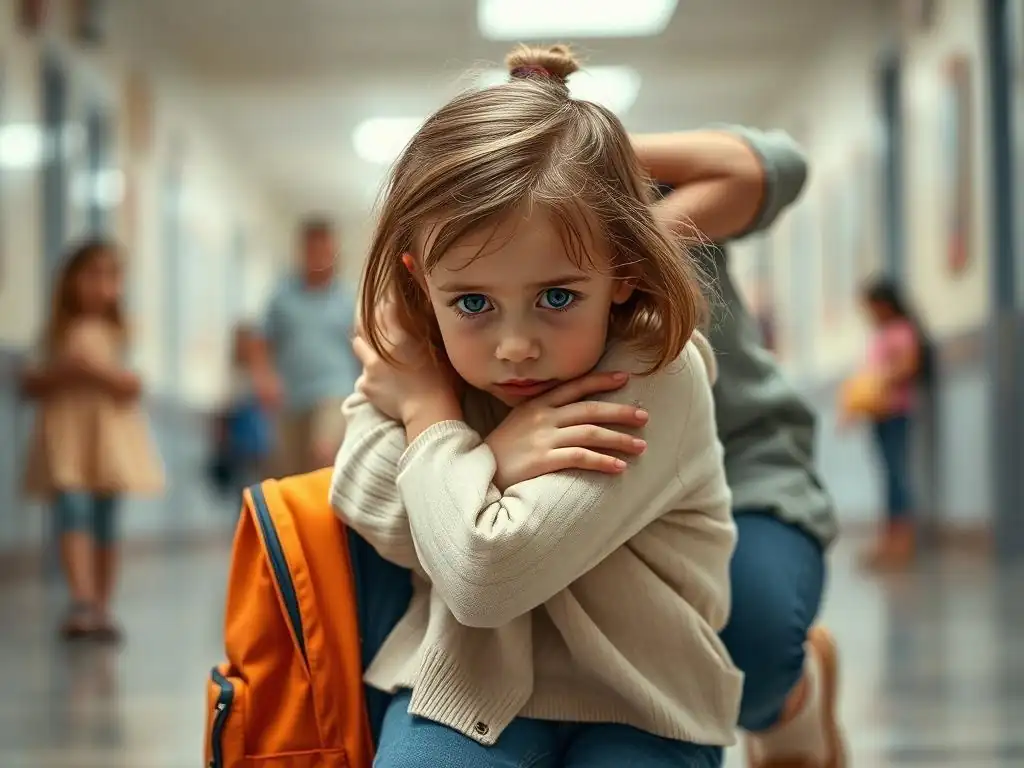
Welcome to Mind Care Guide.
Are you noticing persistent tears and clinginess when you leave your child's side? You're not alone. Understanding child separation anxiety symptoms relief is the first step towards helping your little one (and yourself!) navigate these challenging emotions. Let's explore the signs together and uncover practical strategies to ease their worries and foster their independence. Ready to learn more and find a path forward?
Beyond the Tears: Recognizing Separation Anxiety in Your Child
- Understanding Child Separation Anxiety: An Introduction
- Identifying Child Separation Anxiety Symptoms: A Comprehensive Guide
- Diagnosing Separation Anxiety Disorder in Children
- Child Separation Anxiety Symptoms Relief: Effective Strategies and Techniques
- Long-Term Effects of Untreated Child Separation Anxiety
- Resources for Parents and Children Dealing with Separation Anxiety
-
Frequently Asked Questions
- What are the primary symptoms of child separation anxiety?
- At what age is separation anxiety considered normal in children?
- What strategies can parents use for child separation anxiety symptoms relief at home?
- When should I seek professional help for my child's separation anxiety?
- How can I distinguish between normal childhood anxieties and separation anxiety disorder?
- Final Reflection: Embracing the Journey Beyond Separation Anxiety
- Unlock Your Child's Confidence: Steps to Ease Separation Anxiety
Understanding Child Separation Anxiety: An Introduction
What is Separation Anxiety in Children?
Separation anxiety in children is a common developmental stage where a child experiences distress when separated from their primary caregiver or home. This is a natural part of growing up, typically emerging around 8-12 months of age and often lessening by age two. It reflects a child's healthy attachment to familiar people and surroundings. During this phase, a child might cry, cling, or protest when a parent leaves, even for a short period. This behavior is usually temporary and diminishes as the child gains confidence and understanding that the separation is not permanent.
However, for some children, this anxiety is more intense and prolonged, extending beyond the typical developmental period. When the distress is excessive for the child's age and significantly interferes with daily life, such as attending school or playing with peers, it may indicate a more serious condition. Understanding the difference between this normal developmental phase and a potential disorder is crucial for parents and caregivers to provide appropriate support and seek help if necessary.
The Difference Between Normal Separation Anxiety and a Disorder
While normal separation anxiety is a temporary and age-appropriate reaction to being apart from caregivers, Separation Anxiety Disorder (SAD) is a diagnosable mental health condition. The key difference lies in the intensity, duration, and impact on the child's life. Normal anxiety typically resolves within a few weeks or months as the child adjusts to new situations like starting daycare. It might manifest as crying or clinging at drop-off but the child is usually able to calm down and engage once the caregiver is gone.
In contrast, Separation Anxiety Disorder involves persistent, excessive fear or anxiety concerning separation from those to whom the individual is attached. This anxiety is beyond what is expected for the child's developmental level and causes significant distress or impairment in social, academic, or other important areas of functioning. A child with SAD might experience intense panic at the thought of separation, refuse to be alone, or have physical symptoms consistently linked to impending goodbyes. The duration of these symptoms is also a distinguishing factor; for diagnosis, symptoms must typically persist for at least four weeks in children and adolescents.
Identifying Child Separation Anxiety Symptoms: A Comprehensive Guide
Key Symptoms of Separation Anxiety in Children: What to Look For
Recognizing child separation anxiety symptoms relief begins with accurately identifying the signs. These symptoms can vary in intensity and presentation but often involve a persistent pattern of distress related to separation from primary attachment figures. Parents and caregivers should look for recurring signs that appear whenever separation is anticipated or occurs. This isn't just a fleeting moment of upset; it's a consistent pattern of behavior that significantly impacts the child's emotional state and daily activities.
Common indicators include excessive worry about losing the caregiver or harm befalling them, reluctance or refusal to go places that involve separation (like school or sleepovers), and persistent fear of being alone. Observing these patterns over time, rather than focusing on isolated incidents, is key to understanding the potential severity of the anxiety. The child's reaction often seems disproportionate to the actual situation, causing significant distress for both the child and the family.
Emotional and Behavioral Signs of Separation Anxiety
Beyond overt crying, child separation anxiety symptoms relief strategies often target underlying emotional and behavioral manifestations. These signs can be subtle or pronounced and significantly disrupt a child's life. Understanding these different facets is vital for effective support.
Excessive Worry About Caregivers
Children with significant separation anxiety often experience excessive and persistent worry about the safety and well-being of their primary caregivers. This isn't just a passing thought; it's a consuming fear that something terrible might happen to the person they are attached to when they are apart. For example, a child might constantly ask, "Are you sure you'll be safe?" or express fears about accidents, illness, or natural disasters striking the parent while they are away. This worry can be so intense that it prevents the child from focusing on other activities or enjoying themselves when separated.
This intense preoccupation extends beyond typical concern. The child might create elaborate, often unlikely, scenarios in their mind about potential harm. They might call or text caregivers excessively when separated, needing constant reassurance that they are safe. This level of worry is often disproportionate to the actual risk and significantly impacts the child's ability to feel secure when not physically with their caregiver, highlighting the depth of their separation distress.
Refusal to Go to School or Daycare
A hallmark symptom of more severe child separation anxiety is a strong reluctance or outright refusal to attend school or daycare. This is not simply disliking school; it's driven by the intense fear of separation itself. Children might exhibit significant distress leading up to school mornings, complaining of physical ailments, having tantrums, or pleading not to go. Once at school, the anxiety may continue, making it difficult for them to participate or concentrate.
This refusal can lead to significant absences, impacting academic progress and social development. For instance, a child might miss 20-30 days of school in a semester due to anxiety-related issues, even if they are not physically ill. This pattern of avoidance reinforces the anxiety, making future separations even more challenging. Addressing this specific symptom is often a primary goal when seeking child separation anxiety symptoms relief, as school attendance is crucial for a child's overall development.
Physical Complaints Related to Separation
Children experiencing significant separation anxiety often manifest their distress through physical symptoms. These are not fabricated illnesses but genuine physical reactions triggered by intense emotional distress related to anticipated or actual separation. Common complaints include headaches, stomachaches, nausea, or vomiting, particularly on mornings before school or before a parent leaves.
These physical symptoms typically subside shortly after the child is reunited with the caregiver or if the separation is prevented. For example, a child might wake up with a severe stomachache on a school day morning, but the symptom vanishes if the decision is made to keep them home. While ruling out actual medical issues is important, persistent physical complaints that appear consistently in anticipation of separation are strong indicators of underlying anxiety.
Sleep Disturbances and Nightmares
Sleep can become a significant challenge for children with separation anxiety. They may have difficulty falling asleep unless a caregiver is nearby, often insisting on sleeping in the parent's bed or needing a parent to stay with them until they fall asleep. The thought of being alone in their room can trigger intense fear and distress.
Furthermore, nightmares with themes of separation are common. A child might repeatedly dream about a parent leaving them, getting lost, or something happening to their caregiver. These nightmares can lead to frequent awakenings during the night, causing further distress and sleep deprivation for both the child and the family. Addressing these sleep disturbances is an important aspect of providing child separation anxiety symptoms relief and improving overall well-being.
The way separation anxiety presents can change as a child grows. What is typical for a toddler is different from what is expected in a school-aged child. Understanding these age-specific differences helps parents identify when the anxiety might be developmentally appropriate versus when it might signal a more significant issue requiring child separation anxiety symptoms relief strategies.
Separation Anxiety in Toddlers and Preschoolers
In toddlers (ages 1-3) and preschoolers (ages 3-5), separation anxiety is often quite visible and expected. Typical behaviors include crying intensely when a parent leaves, clinging tightly, having tantrums at drop-off, and showing distress when left with unfamiliar people. A toddler might scream when a parent walks out the door, and a preschooler might refuse to let go of a parent's leg at daycare. These reactions are often intense in the moment but usually resolve relatively quickly once the child is distracted or engaged in an activity.
However, if these reactions are extreme, persistent, and make it nearly impossible for the child to participate in age-appropriate activities like attending preschool or playing with peers, it might be atypical. For example, a preschooler who continues to cry inconsolably for the entire 4-hour preschool session, day after day, despite the teacher's best efforts, may be experiencing anxiety beyond the norm. While some tears are expected, the inability to transition and engage after the parent leaves is a key indicator to watch for.
Separation Anxiety in School-Aged Children
In school-aged children (ages 6-12), normal separation anxiety is less common and typically manifests differently than in younger children. While a brief moment of sadness at goodbye is normal, persistent and intense distress is less expected. In this age group, separation anxiety often presents as refusal to go to school, fear of being alone at home, difficulty sleeping away from home (e.g., at sleepovers), and excessive worry about caregivers' safety. Physical complaints like stomachaches or headaches before school are also frequent in this age group.
For example, a 7-year-old might repeatedly feign illness on school mornings, or an 11-year-old might become extremely anxious if a parent is even slightly late picking them up from school. They might also show reluctance to participate in extracurricular activities or visit friends' houses if it means being separated from their primary caregiver for an extended period. The manifestation becomes less about overt crying and more about avoidance, worry, and physical symptoms, highlighting the need for age-appropriate child separation anxiety symptoms relief approaches.
Diagnosing Separation Anxiety Disorder in Children
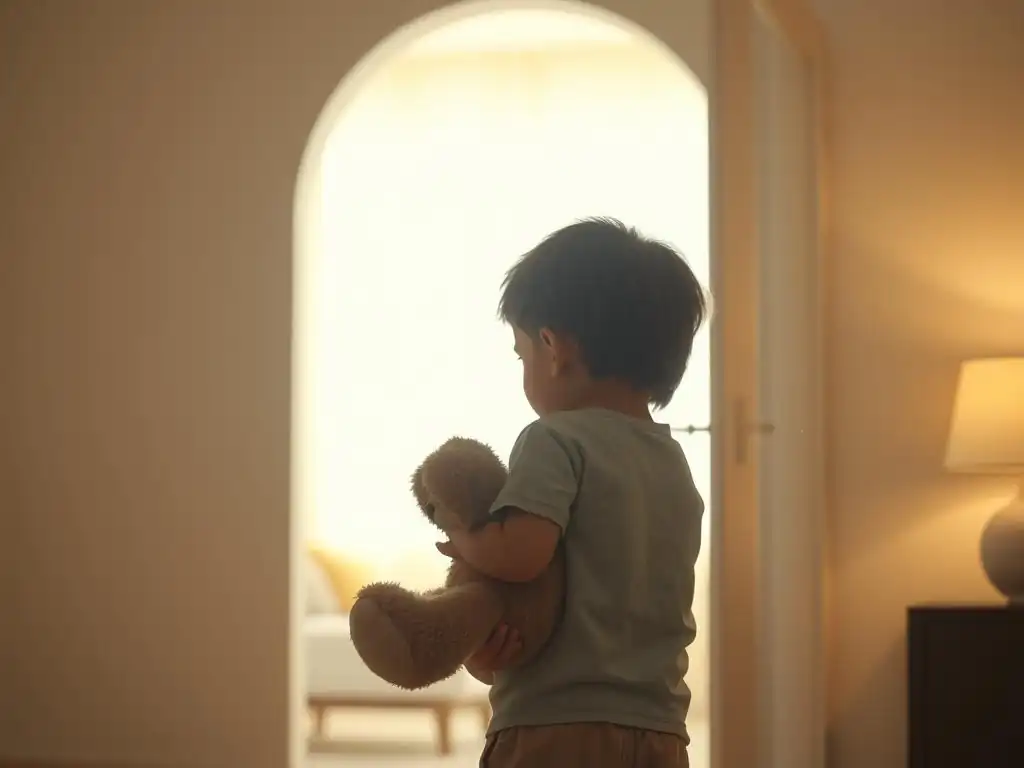
When to Seek Professional Help for Child Separation Anxiety
Deciding when to seek professional help for child separation anxiety symptoms relief is a crucial step for parents. While some degree of separation anxiety is normal, especially in younger children, certain signs indicate that the anxiety may be excessive and require intervention. These signs include the severity and persistence of symptoms, and how much they interfere with the child's daily life and development.
It's generally recommended to consult a pediatrician or mental health professional if the anxiety is significantly impacting the child's ability to attend school or daycare, participate in social activities, or sleep independently. If the symptoms persist for four weeks or longer in children and adolescents, or if the child experiences intense panic or physical symptoms regularly associated with separation, professional evaluation is warranted. Early intervention can significantly improve outcomes and help the child develop healthier coping mechanisms.
The Diagnostic Process: What to Expect
The diagnostic process for Separation Anxiety Disorder typically involves a comprehensive evaluation by a mental health professional, such as a child psychologist, psychiatrist, or licensed clinical social worker. This process aims to understand the child's symptoms, their duration, intensity, and impact on functioning, as well as to rule out other potential causes for the distress. The professional will gather information from multiple sources to get a complete picture.
This usually includes interviews with the child (depending on age and comfort level) and primary caregivers, and sometimes teachers or other school staff. The professional will ask about the child's history, family dynamics, specific fears, and behavioral patterns related to separation. The goal is to determine if the child's symptoms meet the diagnostic criteria outlined in the Diagnostic and Statistical Manual of Mental Disorders (DSM-5), which defines SAD by specific criteria regarding duration, intensity, and impairment.
Assessment Tools and Questionnaires
Mental health professionals often use various assessment tools and questionnaires to aid in the diagnosis of Separation Anxiety Disorder. These standardized instruments help gather systematic information about the child's symptoms and their severity from both the child's and the parent's perspectives. Examples might include parent-report questionnaires like the Child Behavior Checklist (CBCL) or the Spence Children's Anxiety Scale (SCAS), which have specific sections related to separation anxiety.
Additionally, the professional might use child self-report questionnaires for older children who can articulate their feelings, or administer structured or semi-structured interviews designed to assess anxiety symptoms. For instance, an interview might ask specific questions about fears related to caregivers' safety or reluctance to sleep alone. While not definitive on their own, these tools provide valuable data points that, combined with clinical interviews and observations, help the clinician make an accurate diagnosis and plan for child separation anxiety symptoms relief.
Ruling Out Other Potential Conditions
An important part of the diagnostic process is ruling out other conditions that might cause similar symptoms. Anxiety in children can manifest in various ways, and it's essential to differentiate Separation Anxiety Disorder from other anxiety disorders, mood disorders, or even physical health issues. For example, school refusal can also be a symptom of other conditions like social anxiety disorder, generalized anxiety disorder, or even learning disabilities or bullying issues at school.
The mental health professional will carefully consider the specific focus of the child's anxiety. If the primary fear is related specifically to separation from attachment figures, SAD is more likely. If the fear is more generalized (worrying about many things) or specific to social situations (interacting with peers), other diagnoses might be considered. A thorough evaluation ensures that the child receives the correct diagnosis, which is fundamental for developing an effective treatment plan tailored to provide appropriate child separation anxiety symptoms relief.
Child Separation Anxiety Symptoms Relief: Effective Strategies and Techniques
Finding effective child separation anxiety symptoms relief involves a multi-faceted approach, often combining strategies implemented at home with professional therapeutic interventions. The goal is to help the child develop coping skills, gradually tolerate separation, and reduce distress associated with being apart from caregivers. Patience, consistency, and empathy from parents and caregivers are paramount throughout this process.
Success in reducing separation anxiety symptoms often comes from a combination of behavioral techniques, emotional support, and sometimes, professional guidance. What works for one child might need adaptation for another, emphasizing the importance of tailoring strategies to the individual child's needs and personality. The focus is on building the child's confidence and independence in a supportive environment.
Practical Tips for Managing Separation Anxiety at Home
Parents can implement several practical strategies at home to help their child manage separation anxiety and pave the way for child separation anxiety symptoms relief. These techniques focus on creating predictability, practicing separation in a controlled way, and providing comfort and positive reinforcement. Consistency in applying these strategies is key to their effectiveness.
Creating a Consistent and Predictable Routine
Children thrive on predictability, and a consistent daily routine can significantly reduce anxiety related to transitions and separations. Knowing what to expect helps a child feel more secure and in control. Establishing regular times for waking up, meals, playtime, homework, and bedtime provides a stable framework for the day.
For example, having a fixed routine for school mornings – wake up time, breakfast, getting dressed, leaving the house at the same time – reduces uncertainty. Similarly, a predictable bedtime routine helps ease the transition to sleeping alone. By minimizing surprises and making daily transitions smoother, parents can help lower the baseline level of anxiety, making separations feel less daunting. This consistent structure is a foundational element in providing child separation anxiety symptoms relief.
Preparing Your Child for Separation
Open and honest communication about upcoming separations helps children feel prepared and less anxious. Explain clearly where you are going, who they will be with, what they will be doing, and when you will return. Use language the child can understand and keep explanations brief and reassuring. Avoid sneaking out, as this can erode trust and increase anxiety in future separations.
Practice short separations at home, such as leaving the child in one room while you are in another for a few minutes, or having them play at a friend's house for a short period. Gradually increase the duration of these practice separations. For a child anxious about school, visiting the classroom beforehand or meeting the teacher can make the first day less intimidating. Providing a clear timeframe for return, perhaps using a visual aid like a clock for older children, can also help manage expectations and reduce distress, contributing to child separation anxiety symptoms relief.
Using Comfort Objects and Transitional Items
Allowing a child to have a comfort object can provide significant reassurance during times of separation. This could be a favorite stuffed animal, blanket, or a small item that reminds them of home or their caregiver, such as a family photo or a small scarf with the parent's scent. These items serve as tangible links to the safety and security of home.
Similarly, transitional items, like a special "going-to-school" backpack or a unique lunchbox, can help make the transition to a new environment feel more familiar and less scary. For instance, a child might clutch their favorite teddy bear during the car ride to daycare and keep it in their cubby. These objects act as a source of comfort when the primary source of comfort (the caregiver) is not present, offering a simple yet effective tool for child separation anxiety symptoms relief.
Positive Reinforcement and Encouragement
Positive reinforcement plays a crucial role in helping a child overcome separation anxiety. Praise and reward the child for brave behavior during separations, no matter how small the step. This could be acknowledging them for getting ready for school without a fuss, staying in their own bed for a portion of the night, or managing a short separation without excessive crying.
Focus on specific behaviors, saying things like, "I'm so proud of you for walking into school today," or "You were so brave staying in your room until I came to check on you." Rewards don't have to be material; they can be extra playtime, a special activity, or verbal praise. Encouraging the child's independence and celebrating their successes helps build their confidence and reinforces that they can cope with being apart, fostering long-term child separation anxiety symptoms relief.
Therapeutic Interventions for Child Separation Anxiety
When home strategies are not sufficient, professional therapeutic interventions can provide targeted support and effective child separation anxiety symptoms relief. Therapists trained in working with children can employ evidence-based techniques to help children understand their anxiety and develop more adaptive coping mechanisms. These interventions often involve the child, parents, and sometimes other family members.
The type of therapy recommended will depend on the child's age, the severity of the anxiety, and individual needs. The goal is to help the child gradually face their fears in a safe and controlled environment, learn to manage anxious thoughts and feelings, and build resilience. Therapists provide tools and strategies that empower both the child and the parents to navigate separation challenges more effectively.
Cognitive Behavioral Therapy (CBT) for Children
Cognitive Behavioral Therapy (CBT) is one of the most effective therapeutic approaches for treating anxiety disorders in children, including Separation Anxiety Disorder. CBT helps children identify and challenge negative thought patterns that contribute to their anxiety. For example, a child might learn to recognize the thought "Something bad will happen to Mom if I'm not there" and replace it with a more realistic thought like "Mom is safe, and she will be back soon."
A key component of CBT for separation anxiety is exposure therapy, which involves gradually exposing the child to feared situations in a safe and controlled manner. This might start with imagining the separation, then progressing to short separations at home, followed by longer separations like attending school. The therapist helps the child develop coping strategies, such as relaxation techniques (e.g., deep breathing), to manage the anxiety during these exposures. Studies have shown that a significant percentage of children, often upwards of 60-80%, experience substantial reduction in SAD symptoms after a course of CBT, typically lasting 12-20 sessions.
Play Therapy as a Treatment Option
For younger children, particularly those who may not be able to articulate their feelings and thoughts verbally, play therapy can be a highly effective treatment for child separation anxiety symptoms relief. Play is a child's natural language, and a trained play therapist can use toys and creative activities to help the child express their fears and anxieties symbolically.
Through play, the therapist can observe the child's behaviors and emotional responses related to separation themes. They can then guide the child through scenarios that involve separation and reunion, helping them process their feelings and practice coping mechanisms in a safe, playful context. For instance, a child might act out a parent leaving and returning using dollhouses or puppets. This non-threatening approach allows the child to work through their fears at their own pace and develop a sense of mastery over challenging situations.
Supporting Your Child Through Separation: A Parent's Role
Parents play a critical role in supporting their child through separation anxiety and contributing to child separation anxiety symptoms relief. Your reactions and behaviors significantly influence how your child perceives and copes with separation. Being a source of strength, understanding, and consistency is vital.
This involves not only implementing strategies but also managing your own feelings about the separation. Children are highly attuned to their parents' emotions. If you appear anxious or uncertain during goodbyes, it can heighten your child's distress. Projecting confidence and calm, even if you feel worried inside, can help reassure your child that they are safe and capable of handling the separation.
Active Listening and Empathy
Listen attentively to your child's fears and feelings about separation without dismissing them. Validate their emotions by saying things like, "I know it feels scary to be away from me," or "It's okay to feel sad when we say goodbye." Showing empathy helps the child feel understood and less alone in their struggle. Avoid minimizing their feelings with phrases like "Don't be silly" or "There's nothing to be afraid of."
Encourage your child to talk about their worries, but avoid dwelling excessively on the topic, which can inadvertently reinforce the anxiety. Offer reassurance, but focus on expressing confidence in their ability to cope. For example, instead of repeatedly promising "Nothing bad will happen," say "I know you can handle being at school, and I'll be thinking of you." This balance of validation and encouragement is key to providing effective child separation anxiety symptoms relief.
Gradual Exposure to Separation
Gradual exposure is a core technique used in therapy, but parents can also apply its principles at home. This involves slowly increasing the amount of time the child is separated from the caregiver, starting with very brief periods that the child can tolerate and building up slowly. This helps the child learn that they can survive and even thrive during separation, and that the caregiver always returns.
Begin with separations within the home, like having the child play in their room while you are in another. Progress to leaving the house for a few minutes while another trusted adult is present, then longer periods. For school refusal, this might involve starting with attending school for just an hour, then half-days, and gradually increasing to full days. Each successful, brief separation builds confidence and resilience, making longer separations less frightening over time and contributing significantly to child separation anxiety symptoms relief.
Maintaining a Calm and Reassuring Demeanor
Your behavior during goodbyes sets the tone for the separation. Try to remain calm, positive, and confident, even if your child is distressed. A quick, consistent, and warm goodbye is often better than a prolonged, tearful one. Lingering can increase the child's anxiety and make the separation harder.
Have a simple, predictable goodbye ritual, like a hug and a phrase ("I love you, have a great day, I'll be back after school!"). Express confidence in your child's ability to cope and in the people they are being left with. Reassure them that you will return at the promised time. Your calm and reassuring presence, even during a difficult goodbye, communicates safety and predictability, which are essential components of providing child separation anxiety symptoms relief.
Long-Term Effects of Untreated Child Separation Anxiety
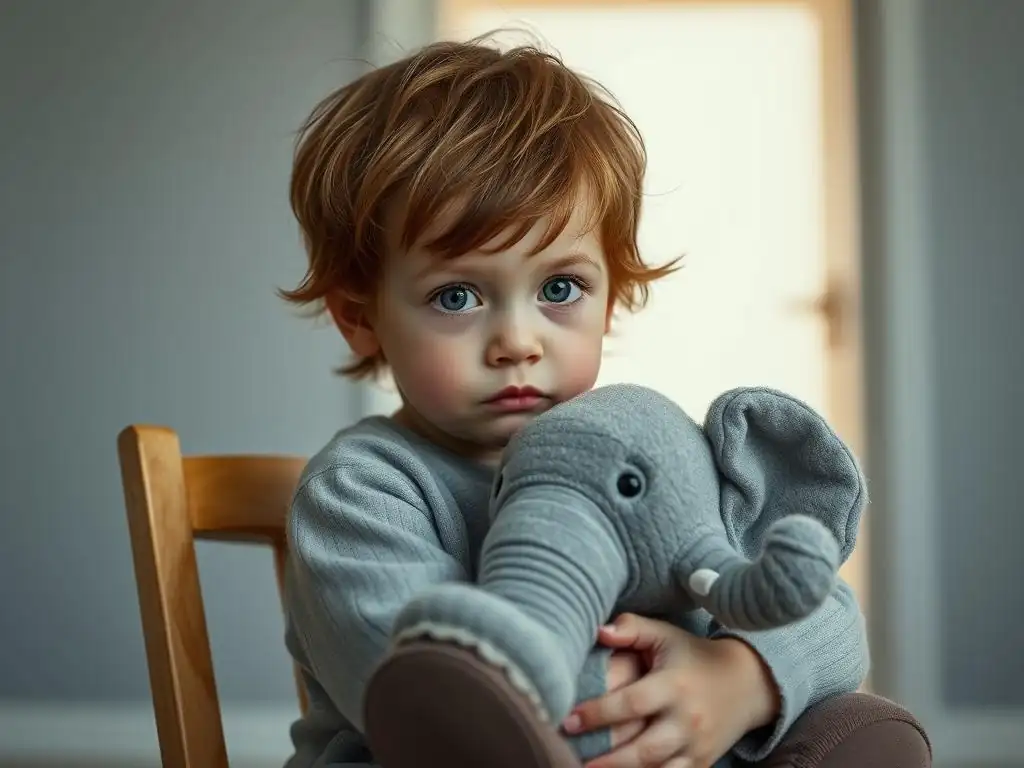
Potential Consequences of Ignoring Separation Anxiety
Ignoring significant child separation anxiety symptoms relief needs can have potential long-term consequences for a child's development and well-being. While mild, age-appropriate separation anxiety typically resolves on its own, persistent and severe anxiety that goes untreated can lead to ongoing challenges into adolescence and adulthood. One significant consequence is academic impairment due to school refusal or difficulty concentrating when anxious. This can impact learning and future educational opportunities.
Untreated SAD can also hinder social development. Children who avoid situations involving separation may miss out on opportunities to build peer relationships, participate in group activities, and develop social skills. This isolation can contribute to feelings of loneliness or lead to other anxiety disorders, such as social anxiety. In some cases, untreated Separation Anxiety Disorder in childhood is associated with an increased risk of developing other anxiety disorders, panic disorder, or depressive disorders later in life, highlighting the importance of addressing the symptoms early.
Promoting Resilience and Mental Well-being
Addressing child separation anxiety symptoms relief effectively is crucial for promoting long-term resilience and overall mental well-being. Successful intervention helps children learn valuable coping skills for managing anxiety, which are transferable to other stressful situations they will encounter throughout life. Learning to tolerate discomfort, challenge anxious thoughts, and face fears builds confidence and a sense of mastery.
By receiving appropriate support, whether through home strategies or professional therapy, children can overcome the limitations imposed by severe separation anxiety. They can attend school regularly, engage in social activities, develop independence, and build healthy relationships. This positive experience of overcoming a challenge fosters resilience, equipping them to handle future anxieties and stressors more effectively, contributing to a foundation of good mental health.
Resources for Parents and Children Dealing with Separation Anxiety
Finding effective child separation anxiety symptoms relief often involves utilizing available resources. Parents and children can benefit from educational materials, supportive communities, and professional guidance. Knowing where to turn for information and support can make the journey of managing separation anxiety less overwhelming.
These resources offer practical advice, emotional support, and connections with others facing similar challenges. They can help parents feel more empowered and provide children with tools and understanding tailored to their age level. Accessing these resources is a proactive step towards addressing separation anxiety and promoting a child's mental well-being.
Books and Websites for Understanding Separation Anxiety
Numerous books and websites offer valuable information and strategies for understanding and managing child separation anxiety symptoms relief. Books aimed at parents often provide detailed explanations of the disorder, practical tips for home management, and guidance on when to seek professional help. Some popular titles might cover topics like behavioral techniques, communication strategies, and building coping skills.
Websites from reputable mental health organizations, child development experts, and parenting resources provide articles, FAQs, and downloadable guides. For example, a website might offer age-specific advice for toddlers versus school-aged children, or explain different therapeutic approaches in accessible language. Many also provide printable checklists or visual aids that can be used with children. While specific links cannot be provided here, searching for resources from well-known child psychology or mental health associations is a good starting point.
Support Groups and Online Communities
Connecting with other parents who are dealing with child separation anxiety can provide immense emotional support and practical advice. Support groups, whether in-person or online, offer a safe space to share experiences, challenges, and successes. Hearing from others who understand the unique difficulties of managing this type of anxiety can reduce feelings of isolation and provide a sense of community.
Online communities and forums dedicated to parenting children with anxiety or specific conditions like Separation Anxiety Disorder allow parents to connect regardless of geographical location. These platforms can be a source of peer support, shared resources, and encouragement. While not a substitute for professional help, these communities can be a valuable supplement, offering empathy and shared strategies for navigating the path towards child separation anxiety symptoms relief.
Frequently Asked Questions
What are the primary symptoms of child separation anxiety?
The main symptoms include excessive distress when separated from caregivers, persistent worry about the caregiver's well-being, and refusal to go to school or engage in activities without them. Physical symptoms like stomachaches or headaches can also manifest.
At what age is separation anxiety considered normal in children?
A degree of separation anxiety is normal in infants and toddlers, typically between 8 months and 3 years. However, persistent and intense anxiety beyond this age may indicate a potential issue requiring attention.
What strategies can parents use for child separation anxiety symptoms relief at home?
Parents can implement strategies like gradual exposure to separation, establishing consistent routines, and creating a comforting goodbye ritual. Avoid prolonged goodbyes and offer reassurance, focusing on the child's strengths and positive experiences.
When should I seek professional help for my child's separation anxiety?
Seek professional help if the anxiety is severe, interferes with daily activities (school, social interactions), or if home-based strategies prove ineffective. A therapist can provide evidence-based treatments and support.
How can I distinguish between normal childhood anxieties and separation anxiety disorder?
Normal anxieties are usually short-lived and situation-specific, while separation anxiety disorder involves persistent, excessive worry about separation, causing significant distress and impairment in functioning. It's crucial to assess the intensity and duration of the anxiety.
Final Reflection: Embracing the Journey Beyond Separation Anxiety
Understanding and addressing child separation anxiety is not just a parenting challenge; it's a crucial step in fostering a child's emotional well-being and future resilience. The anxieties children face when separated from their caregivers are often underestimated, leading to unnecessary stress for both the child and the parent. This article has highlighted the importance of recognizing the subtle and overt signs of separation anxiety, emphasizing the need for patience, understanding, and proactive strategies for relief.
The impact of separation anxiety extends far beyond the immediate distress it causes. It shapes a child's developing sense of security, their ability to form healthy attachments, and their overall confidence in navigating the world. The most important thing a father can do for his children is to love their mother.
– Theodore Hesburgh. While this quote focuses on the parental relationship, its essence speaks to the foundational security a child needs to develop healthy coping mechanisms. This security, built on consistent and loving care, is the cornerstone of overcoming separation anxiety and building a strong, independent child.
Now, consider your own experiences with separation anxiety, whether as a child or a parent. What strategies have worked best for you? What did you learn from the challenges you faced? Take a moment to reflect on the power of empathy, patience, and consistent support in helping a child navigate this developmental hurdle. Remember, every child's journey is unique, and finding the right approach requires understanding, compassion, and a willingness to adapt. By embracing this journey with understanding and love, you can empower your child to overcome separation anxiety and blossom into a confident, secure individual.
Unlock Your Child's Confidence: Steps to Ease Separation Anxiety
Thanks for taking the time to learn about separation anxiety. Understanding this challenge is the first step towards helping your child feel secure and confident. Now, let's take action!
- Implement one calming routine: Choose one of the techniques mentioned – from deep breathing exercises to creating a special comfort object – and dedicate yourself to practicing it consistently with your child for a week. Notice the difference!
- Share your experience: Connect with other parents facing similar situations. Discuss your strategies and successes (even the small ones!) in the comments below. Sharing your journey can be incredibly helpful for everyone.
- Explore additional resources: Visit our website's resource section (MindCareGuide.org) for more articles and tools specifically designed to support children with separation anxiety. Consider exploring techniques you haven't tried yet!
What small step will you take today to build your child's confidence and ease their separation anxiety?