
Your Body's Alarm System: Understanding the Physical Symptoms of Panic.

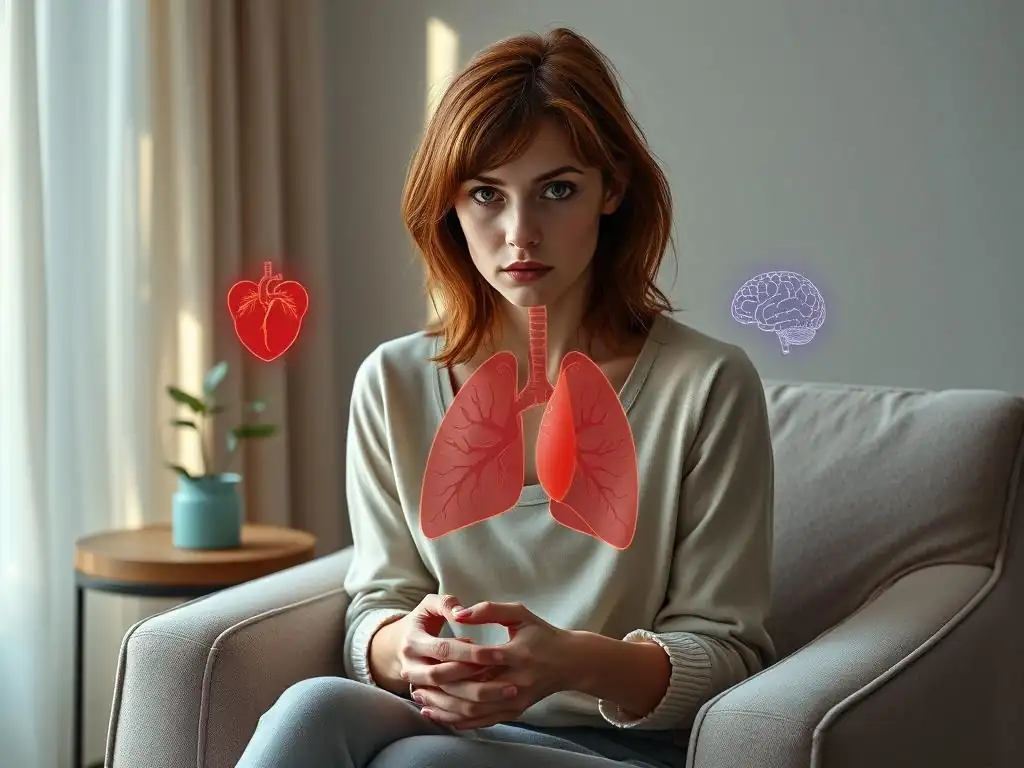
Welcome to Mind Care Guide.
Feeling overwhelmed by the intense physical sensations that accompany a panic attack? You're not alone. It's natural to feel frightened when your body's alarm system goes into overdrive. This guide is dedicated to helping you understand and find Panic attack physical symptoms relief, offering practical strategies and support to navigate these challenging moments. Ready to learn how to calm your body and reclaim control? Let's begin.
Your Body's Alarm System: Understanding the Physical Symptoms of Panic
- Understanding Panic Attacks: More Than Just Feeling Anxious
- The Physical Manifestations of Panic: Your Body's Response
- Why Do Panic Attacks Cause Physical Symptoms? The Science Behind It
- Identifying Panic Attack Physical Symptoms: Self-Assessment and Awareness
- Panic Attack Physical Symptoms Relief: Practical Strategies and Techniques
- When to Seek Professional Help
- Living Well with Panic Disorder
-
Frequently Asked Questions
- What are the most common physical symptoms experienced during a panic attack?
- How can I distinguish panic attack physical symptoms from symptoms of a heart attack?
- What is the underlying physiological reason for these intense physical symptoms during a panic attack?
- Are there any quick and easy physical symptom relief techniques I can use during a panic attack?
- How can I prevent future panic attack physical symptoms from occurring?
- Final Reflection: Listening to Your Body's Whispers
- Empower Yourself: Master Your Response to Panic!
Understanding Panic Attacks: More Than Just Feeling Anxious
What is a Panic Attack? Defining the Experience
A panic attack is a sudden episode of intense fear that triggers severe physical reactions when there is no real danger or apparent cause. These attacks can be terrifying, leading individuals to believe they are losing control, having a heart attack, or even dying. While brief, typically peaking within 10 minutes, the experience can feel much longer due to the intensity of the symptoms.
Unlike general anxiety, which can build gradually and persist for extended periods, a panic attack is abrupt and overwhelming. It is characterized by a cluster of specific physical and cognitive symptoms that manifest rapidly. The unpredictable nature of panic attacks, especially recurrent ones, can significantly impact a person's quality of life, leading to avoidance behaviors and the development of panic disorder.
The Difference Between Anxiety and Panic: Key Distinctions
While anxiety and panic are related, they are distinct experiences with different onset patterns and intensity levels. Anxiety is often described as a state of worry, apprehension, or nervousness that can range from mild to moderate and may be triggered by a specific stressor or be more generalized. It tends to develop gradually and can last for hours, days, or even weeks. For instance, feeling anxious before a job interview or worrying about financial difficulties are common forms of anxiety.
Panic, on the other hand, is an acute, intense surge of fear that strikes suddenly and unexpectedly, often without an apparent trigger. The physical symptoms are far more severe and debilitating than those typically associated with anxiety. Think of anxiety as a low-grade alarm continuously humming in the background, while a panic attack is a blaring siren that goes off without warning, demanding immediate attention from your body. The physical manifestations are a key differentiator, driving the sense of immediate threat.
The Physical Manifestations of Panic: Your Body's Response
Common Panic Attack Physical Symptoms: A Detailed Overview
Panic attacks are profoundly physical experiences. The body's fight-or-flight response is activated intensely, leading to a cascade of physiological changes. Recognizing these common panic attack physical symptoms is the first step towards understanding and managing them. These symptoms are real and are not simply "in your head."
Understanding these physical signs is crucial not only for self-recognition but also for explaining the experience to others and seeking appropriate panic attack physical symptoms relief. While frightening, none of these symptoms are inherently dangerous, though they mimic conditions that are, which contributes to the fear experienced during an attack.
Chest Pain and Discomfort
Many individuals experiencing a panic attack report feeling tightness, pressure, or even sharp pain in their chest. This symptom is particularly alarming because it can easily be mistaken for a heart attack, leading to increased fear and exacerbating the panic.
The chest discomfort is often related to muscle tension in the chest wall and diaphragm, as well as changes in blood flow and breathing patterns during the intense fear response. It can range from a dull ache to a sensation of crushing pressure.
Rapid Heartbeat and Palpitations
A pounding heart or a feeling that the heart is racing, skipping beats, or fluttering is one of the most frequently cited physical symptoms of panic. The heart rate can jump dramatically, often exceeding 100 beats per minute.
This acceleration is a direct result of adrenaline flooding the bloodstream, preparing the body for intense physical exertion (fight or flight). While uncomfortable and scary, this rapid heartbeat is typically a normal physiological response to extreme fear, not a sign of cardiac distress in the absence of underlying heart conditions.
Shortness of Breath and Hyperventilation
Feeling like you can't get enough air, gasping, or experiencing smothering sensations are common during panic. This can lead to hyperventilation, which is rapid, shallow breathing.
Hyperventilation disrupts the balance of oxygen and carbon dioxide in the blood, paradoxically leading to symptoms like dizziness and tingling, further intensifying the panic. The feeling of suffocation is a primary driver of fear during an attack.
Dizziness and Lightheadedness
Many people feel dizzy, lightheaded, unsteady, or faint during a panic attack. This can be caused by hyperventilation, changes in blood pressure, and reduced blood flow to the brain's periphery as blood is directed to major muscle groups.
The sensation of dizziness can contribute to fears of losing control or collapsing. It's a common symptom that, while disorienting, is temporary and resolves as the panic subsides.
Sweating, Trembling, and Shaking
Intense sweating, often cold sweats, is a classic sign of the sympathetic nervous system activation during panic. Similarly, trembling or shaking uncontrollably is a physical manifestation of the body's heightened state of arousal.
These symptoms reflect the body preparing for physical action. Muscles may tense up, leading to visible shaking as the body is flooded with stress hormones.
Numbness and Tingling Sensations (Paresthesia)
Sensations of numbness or tingling, often in the hands, feet, arms, or around the mouth, are frequently reported. This is known as paresthesia.
Paresthesia can be a consequence of hyperventilation, which affects blood gas levels and nerve function, or simply part of the overall sensory disturbance caused by the intense physiological response.
Hot Flashes and Chills
Sudden feelings of intense heat or coldness, sometimes alternating, can sweep over the body during a panic attack. These thermoregulatory changes are part of the body's stress response.
These sensations can add to the feeling of being out of control or unwell, contributing to the overall distress of the attack.
Nausea and Stomach Upset
Digestive symptoms like nausea, stomach churning, or abdominal distress are also common physical panic symptoms. The stress response diverts blood flow away from the digestive system and can cause muscles in the gut to tense up.
While unpleasant, these symptoms are temporary and reflect the body prioritizing resources for immediate survival needs rather than digestion.
Less Common Physical Panic Symptoms
Beyond the core set of symptoms, some individuals experience less frequently discussed physical manifestations during panic attacks. These can include a headache, feeling a lump in the throat (globus sensation), or even temporary vision disturbances like blurred vision or tunnel vision. These less common symptoms further highlight the varied and profound impact panic can have on the physical body.
Another less common symptom can be a strong urge to urinate or defecate, as the autonomic nervous system influences various bodily functions. While not as universally reported as chest pain or palpitations, these variations underscore that panic can affect almost any part of the body's involuntary systems, making each person's experience slightly unique.
Why Do Panic Attacks Cause Physical Symptoms? The Science Behind It
The Fight-or-Flight Response
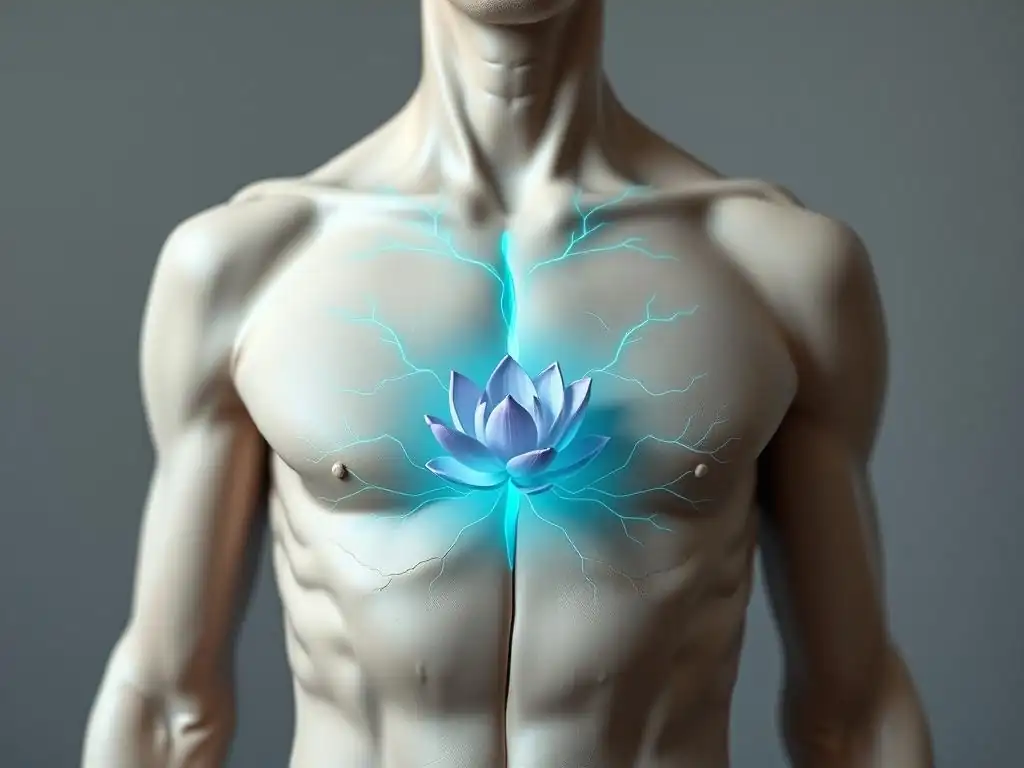
The intense physical symptoms experienced during a panic attack are primarily due to the activation of the body's innate fight-or-flight response. This is an evolutionary mechanism designed to help us survive perceived threats. When the brain perceives danger, even if it's not real in the case of a panic attack, it triggers a rapid physiological reaction to prepare the body to either confront the threat (fight) or escape it (flight).
This response involves a complex interplay of the nervous system and endocrine system, leading to immediate changes in heart rate, breathing, muscle tension, and other functions. While incredibly useful when facing a bear, this same system going haywire in a safe environment is what creates the distressing physical symptoms of panic.
The Role of Adrenaline
Central to the fight-or-flight response is the release of adrenaline (epinephrine) and other stress hormones like cortisol from the adrenal glands. Adrenaline acts quickly throughout the body, causing the heart to beat faster and pump more blood to the muscles, increasing breathing rate to maximize oxygen intake, and diverting blood flow away from non-essential functions like digestion.
The surge of adrenaline is responsible for many of the immediate, intense physical sensations like palpitations, sweating, and trembling. It puts the body into a state of high alert, ready for action. In a panic attack, this powerful chemical surge occurs without a genuine need for physical exertion, leading to the uncomfortable and confusing experience of the body being primed for danger that isn't present.
The Autonomic Nervous System
The fight-or-flight response is governed by the autonomic nervous system (ANS), specifically the sympathetic nervous system branch. The ANS controls involuntary bodily functions like heart rate, breathing, digestion, and perspiration. It has two main branches: the sympathetic nervous system (SNS), which activates the fight-or-flight response, and the parasympathetic nervous system (PNS), which promotes rest and digestion and helps calm the body down.
During a panic attack, the SNS goes into overdrive, while the PNS is suppressed. This imbalance leads to the constellation of physical symptoms. Understanding that these are automatic, involuntary responses controlled by the ANS can help demystify the experience and provide a framework for seeking panic attack physical symptoms relief by learning techniques to activate the calming PNS.
Identifying Panic Attack Physical Symptoms: Self-Assessment and Awareness
Keeping a Symptom Journal
A valuable tool for understanding your panic attacks and their physical manifestations is keeping a symptom journal. Immediately after an attack, or as soon as you feel able, write down everything you experienced. Note the time of day, where you were, what you were doing, and specifically list all the physical sensations you felt – heart pounding, dizziness, sweating, trembling, etc.
Over time, reviewing this journal can help you identify patterns, potential triggers (even subtle ones), and the specific ways panic manifests physically for you. This detailed record is also incredibly useful information to share with a healthcare professional when seeking diagnosis or discussing panic attack physical symptoms relief strategies.
Recognizing Early Warning Signs
For some individuals, panic attacks seem to strike "out of the blue." However, others may experience subtle physical or emotional cues just before a full-blown attack. Learning to recognize these early warning signs can be a crucial step in potentially intervening or preparing yourself for the onset of symptoms.
These signs might be very subtle physical shifts, such as a slight feeling of unease, a mild increase in heart rate, a tension in the shoulders, or a particular thought pattern emerging. By becoming more attuned to your body and mind through practices like mindfulness, you may increase your ability to catch these early signals, allowing you to employ coping strategies sooner for better panic attack physical symptoms relief.
Panic Attack Physical Symptoms Relief: Practical Strategies and Techniques

Finding effective panic attack physical symptoms relief is a primary goal for individuals experiencing these episodes. While the physical sensations are intense, there are numerous practical strategies and techniques that can help manage or reduce their severity both in the moment and over the long term. These methods aim to counteract the body's exaggerated fight-or-flight response and promote a sense of calm and control.
Implementing a combination of immediate coping mechanisms and long-term therapeutic approaches provides the most comprehensive path toward managing panic disorder and achieving lasting panic attack physical symptoms relief. It's often a process of trial and error to discover which techniques work best for an individual.
Immediate Relief Techniques
When a panic attack is occurring, immediate techniques focus on calming the nervous system and grounding oneself in the present moment. These strategies are designed to be used during an attack to help reduce the intensity of the physical symptoms and regain a sense of control. Practicing these techniques regularly when not in a state of panic can make them more effective when needed.
Having a few go-to techniques readily available can significantly reduce the fear associated with the unpredictable nature of panic attacks. The goal isn't necessarily to stop the attack entirely, but to manage the symptoms enough to ride out the wave of panic safely and with less distress, thereby providing immediate panic attack physical symptoms relief.
Breathing Exercises
Controlled breathing is one of the most powerful tools for immediate panic attack physical symptoms relief. Techniques like diaphragmatic breathing or 4-7-8 breathing help regulate the balance of oxygen and carbon dioxide, counteracting hyperventilation and its associated symptoms like dizziness and tingling.
A simple technique involves inhaling slowly through the nose for a count of four, holding the breath for a count of seven, and exhaling slowly through the mouth for a count of eight. Focusing on the breath also serves as a grounding mechanism, shifting attention away from fearful thoughts and intense physical sensations.
Grounding Techniques
Grounding techniques are designed to pull you out of the panic state by focusing your attention on the external environment rather than internal fear or physical symptoms. A common method is the 5-4-3-2-1 technique: identify 5 things you can see, 4 things you can touch, 3 things you can hear, 2 things you can smell, and 1 thing you can taste.
Engaging your senses in this way helps anchor you to the present moment, reducing the overwhelming feeling of detachment or unreality that can sometimes accompany panic attacks. This shift in focus provides tangible panic attack physical symptoms relief by interrupting the cycle of fear.
Progressive Muscle Relaxation
Panic often causes significant muscle tension. Progressive muscle relaxation involves tensing and then releasing different muscle groups in the body, one by one, starting from the toes and moving up to the head.
This technique helps to consciously release the physical tension held in the body during a panic attack, promoting a sense of calm and relaxation. It's a practical way to address the physical manifestation of anxiety and contribute to panic attack physical symptoms relief.
Long-Term Strategies
While immediate techniques provide in-the-moment panic attack physical symptoms relief, long-term strategies address the underlying causes and mechanisms of panic disorder. These approaches require consistent effort but can lead to a significant reduction in the frequency and severity of panic attacks over time.
Long-term strategies often involve therapeutic interventions, potential medication, and lifestyle adjustments aimed at building resilience and changing thought patterns and physiological responses associated with panic. Committing to these strategies is key for sustainable panic attack physical symptoms relief and improved quality of life.
Cognitive Behavioral Therapy (CBT)
Cognitive Behavioral Therapy is a highly effective long-term treatment for panic disorder. CBT helps individuals identify and challenge the distorted thought patterns and beliefs that contribute to panic attacks (e.g., "These physical symptoms mean I'm dying").
Exposure therapy, a component of CBT, gradually exposes individuals to the physical sensations of panic in a controlled environment (e.g., spinning in a chair to induce dizziness) to help them learn that these sensations are not dangerous and reduce the fear response. This process directly targets the fear of physical symptoms, offering significant panic attack physical symptoms relief by changing the interpretation of bodily sensations.
Medication Options [Consult a Doctor]
For some individuals, medication may be a helpful component of a comprehensive treatment plan for panic disorder and for achieving panic attack physical symptoms relief. Medications like selective serotonin reuptake inhibitors (SSRIs) or serotonin-norepinephrine reuptake inhibitors (SNRIs) are commonly prescribed as long-term treatments to help reduce the frequency and intensity of panic attacks.
In some cases, benzodiazepines may be prescribed for short-term, acute relief of severe panic symptoms, but these are typically used cautiously due to the risk of dependence. It is crucial to consult with a qualified medical doctor or psychiatrist to discuss whether medication is appropriate for your situation and to understand the potential benefits and side effects.
Lifestyle Changes: Diet, Exercise, and Sleep
Making positive lifestyle changes can play a significant role in overall mental well-being and contribute to panic attack physical symptoms relief. Regular physical exercise is known to reduce stress and anxiety levels. Even moderate activity, like a brisk walk, can help burn off excess adrenaline and tension.
Maintaining a balanced diet, limiting caffeine and alcohol (both of which can trigger or worsen panic symptoms), and ensuring adequate, consistent sleep are also vital. These foundational health habits create a more stable physiological baseline, making the body less susceptible to the heightened reactivity that characterizes panic attacks.
When to Seek Professional Help
Distinguishing Panic Attacks from Other Medical Conditions
Given the intense physical nature of panic attacks, their symptoms can mimic serious medical conditions such as heart attack, stroke, asthma attacks, or thyroid problems. It is essential to rule out these potential medical causes. If you experience sudden, severe physical symptoms, especially chest pain or difficulty breathing, it is always wise to seek medical evaluation from a doctor to ensure there is no underlying physical health issue.
A medical professional can perform tests and assessments to differentiate between a panic attack and another medical emergency. This step is crucial for both physical health and peace of mind, as confirming the symptoms are related to panic can alleviate fear and open the door to appropriate mental health treatment and panic attack physical symptoms relief.
Finding a Therapist or Psychiatrist
If you are experiencing recurrent panic attacks, or if the attacks are significantly impacting your life, seeking help from a mental health professional is highly recommended. A therapist, particularly one specializing in anxiety disorders, can provide effective treatments like CBT or exposure therapy.
A psychiatrist can assess whether medication might be beneficial as part of your treatment plan. These professionals can offer tailored strategies for managing panic and provide guidance on achieving sustainable panic attack physical symptoms relief. Don't hesitate to reach out; help is available.
Building a Support System
Living with panic attacks can feel isolating. Building a strong support system is crucial for managing the condition. This can include confiding in trusted family members or friends who can offer emotional support and understanding.
Joining a support group, either in person or online, allows you to connect with others who have similar experiences. Sharing stories and coping strategies can be incredibly validating and empowering. Having people you can turn to during or after an attack provides comfort and reinforces that you are not alone in seeking panic attack physical symptoms relief.
Living Well with Panic Disorder
Living well with panic disorder is absolutely possible with the right understanding, strategies, and support. It involves learning to manage panic attacks when they occur and taking proactive steps to reduce their frequency and impact on your life. This journey often includes confronting fears, practicing self-compassion, and integrating helpful techniques into your daily routine.
Achieving a state of living well means not letting the fear of panic attacks dictate your choices or limit your life. It focuses on empowering you with tools for panic attack physical symptoms relief and building confidence in your ability to cope.
Reducing Avoidance Behaviors
A common consequence of panic disorder is developing avoidance behaviors – steering clear of places, situations, or activities where a panic attack has occurred or where you fear one might happen. While avoidance provides temporary relief from anxiety, it reinforces the idea that the situations are dangerous and ultimately limits your life and can worsen the disorder.
Gradually and intentionally re-engaging with avoided situations, often with the guidance of a therapist through exposure therapy, is key to breaking this cycle. Facing these fears in a controlled way helps retrain your brain and body, demonstrating that you can handle the associated physical sensations and that true panic attack physical symptoms relief comes from confronting, not avoiding.
Mindfulness and Meditation
Mindfulness involves paying non-judgmental attention to the present moment – your thoughts, feelings, bodily sensations, and surroundings. Regular mindfulness practice can increase your awareness of early anxiety cues and help you observe physical panic symptoms without getting swept away by them.
Meditation, a form of mindfulness, can train your mind to be less reactive to distressing thoughts and sensations. Incorporating these practices into your routine can build your capacity to tolerate discomfort and reduce the intensity of the fear response during an attack, contributing to long-term panic attack physical symptoms relief.
Resources for Panic Disorder and Anxiety Management
Numerous resources are available to help individuals manage panic disorder and anxiety. These include books, websites from reputable mental health organizations (like the Anxiety & Depression Association of America or the National Institute of Mental Health), mobile apps offering guided meditations or panic relief exercises, and online therapy platforms.
Exploring these resources can provide additional information, coping strategies, and support beyond individual therapy or medication. Empowering yourself with knowledge and access to tools is a critical part of the journey towards managing panic and achieving lasting panic attack physical symptoms relief.
Frequently Asked Questions
What are the most common physical symptoms experienced during a panic attack?
Common physical symptoms include a racing heart, shortness of breath, sweating, trembling, and chest pain. These are often interpreted as signs of imminent danger, triggering even more anxiety.
How can I distinguish panic attack physical symptoms from symptoms of a heart attack?
While both can cause chest pain and shortness of breath, panic attack physical symptoms often include trembling and a sense of unreality. Consult a medical professional to rule out any underlying heart conditions.
What is the underlying physiological reason for these intense physical symptoms during a panic attack?
The physical symptoms result from the body's fight-or-flight response being activated, releasing adrenaline and other stress hormones. This prepares the body to either confront or escape a perceived threat.
Are there any quick and easy physical symptom relief techniques I can use during a panic attack?
Yes, focusing on controlled breathing exercises can help calm the nervous system and reduce the intensity of symptoms. Grounding techniques, like focusing on your surroundings, can also provide physical symptom relief.
How can I prevent future panic attack physical symptoms from occurring?
Panic attack physical symptoms can be reduced by practicing regular relaxation techniques, engaging in therapy, and, in some cases, medication. Addressing the underlying anxiety is crucial for long-term management.
Final Reflection: Listening to Your Body's Whispers
Understanding the physical manifestations of panic is not merely academic; it's a crucial step towards reclaiming your well-being. The information presented in this article—from the racing heart to the trembling hands—is not just a list of symptoms, but a roadmap to navigating a deeply distressing experience. Ignoring these signals only amplifies their power; acknowledging them empowers you to take control.
The pervasive nature of anxiety and panic disorders in our modern world underscores the importance of this discussion. The constant pressure to perform, the relentless pace of life, and the ever-present digital connection all contribute to a climate where panic attacks are increasingly common. This isn't simply a medical issue; it's a societal one, reflecting a need for greater understanding and compassion. Anxiety is a thin stream of fear that, if allowed to gather speed and volume, can become a devastating flood.
This quote perfectly encapsulates the potential for seemingly small anxieties to escalate into overwhelming panic if left unaddressed.
You now possess a deeper understanding of your body's alarm system. Take this knowledge and use it to build your own personalized toolkit for managing panic. Practice mindfulness techniques, explore relaxation exercises, and don't hesitate to seek professional help if needed. Remember, recognizing the physical symptoms is the first step towards silencing the alarm and finding lasting relief. You are not alone, and your journey towards calm and self-acceptance begins with understanding.
Empower Yourself: Master Your Response to Panic!
Thank you for taking the time to explore the intricate workings of your body's alarm system! By understanding the physical symptoms of panic, you've taken the first step towards mastering your response and enhancing your mental well-being. Now, let’s channel this knowledge into actionable steps that can empower you even further.
- Practice Deep Breathing: Begin today by incorporating deep-breathing exercises into your routine. Set aside just a few minutes, find a quiet space, and focus on inhaling deeply and exhaling slowly. This can help reduce immediate panic symptoms.
- Create a Personal Action Plan: Write down your unique triggers and a step-by-step plan to manage them when they arise. Think about what practices work best for you, whether it’s journaling, talking to a friend, or engaging in physical activity.
- Join a Support Group: Nothing beats shared experiences. Consider finding or starting a local or online support group where you can connect with others who understand what you’re going through, share coping strategies, and foster meaningful relationships.
What strategies have you found most helpful in managing moments of panic? Share with us and let’s grow together on this journey to empowerment!