
Your Brain on Calm: Understanding NeuroCoping for Adults


Welcome to Mind Care Guide, your sanctuary for navigating the complexities of mental well-being. Feeling overwhelmed by anxiety? You're not alone. We understand the challenges, and we're here to help you uncover practical solutions. Dive in to discover Neurocoping strategies for adult anxiety, and learn how to harness the power of your brain to find calm amidst the storm. Curious to unlock your inner resilience? Let's explore together.
Rewiring for Resilience: Practical Neuroplasticity for Stress Management
- Understanding Neuroplasticity for Stress Reduction
- The Neuroscience of Stress: Mapping Your Brain's Response
- Neuroplasticity Techniques: Practical Strategies for Stress Relief
- Building a Neuroplasticity Toolkit for Long-Term Stress Management
- The Benefits of Neuroplasticity: Beyond Stress Reduction
- Integrating Neuroplasticity into Your Daily Life
- Neuroplasticity vs. Traditional Stress Management Techniques
- Common Misconceptions About Neuroplasticity
- Success Stories: Real-Life Applications of Neuroplasticity
- Conclusion: Embracing Neuroplasticity for a Resilient and Balanced Life
-
Frequently Asked Questions
- What are neurocoping strategies and how do they relate to anxiety?
- How are neurocoping strategies different from traditional coping mechanisms for anxiety?
- Can neurocoping strategies be used alongside other mental health treatments, such as therapy or medication?
- What are some specific examples of neurocoping strategies adults can use to manage their anxiety?
- How long does it typically take to see results from implementing neurocoping strategies for anxiety?
- Final Reflection: Cultivating Inner Peace Through NeuroCoping
- Unlock Your Inner Calm: Start NeuroCoping Today!
Understanding Neuroplasticity for Stress Reduction
Defining Neuroplasticity: Your Brain's Adaptability
Neuroplasticity refers to the brain's remarkable ability to reorganize itself throughout life, forming new neural connections in response to learning, experience, and even injury. This inherent flexibility means that the brain is not a static organ but rather a dynamic, ever-changing network. Every thought, emotion, and action influences the structure and function of our neural pathways, constantly sculpting the brain's landscape. This process underpins our capacity to learn new skills, adapt to changing environments, and crucially, develop effective neurocoping strategies for adult anxiety.
This adaptability is particularly significant when considering mental well-being. The brain's ability to change allows us to weaken neural pathways associated with negative thought patterns and stress responses, while simultaneously strengthening pathways linked to calm, resilience, and positive emotions. Understanding this fundamental principle empowers individuals to take an active role in shaping their own mental health. By consciously engaging in practices that promote beneficial neural changes, adults can build a more robust brain architecture, better equipped to navigate the challenges of anxiety and stress.
The Mind Care Guide Approach for Stress Management
The Mind Care Guide approach views stress management not just as reacting to stressors, but as proactively building resilience through brain-based techniques. This framework emphasizes that just as negative experiences can wire the brain for anxiety and stress reactivity, intentional positive experiences and practices can rewire it for calm and coping. It integrates insights from neuroscience with practical, accessible methods designed for adults seeking effective neurocoping strategies.
This comprehensive approach typically involves several pillars: education on the neuroscience of stress and neuroplasticity, practical techniques drawn from cognitive behavioral therapy, mindfulness, somatic practices, and lifestyle adjustments. The goal is to equip individuals with a diverse toolkit of strategies that leverage the brain's natural ability to adapt. By understanding how the brain responds to stress and how it can be influenced, individuals can implement targeted interventions to reduce the impact of anxiety and foster long-term mental wellness.
The Neuroscience of Stress: Mapping Your Brain's Response
The Amygdala's Role in the Stress Response
The amygdala, a small almond-shaped structure deep within the brain, serves as our primary threat detection center. It constantly scans the environment for potential dangers, real or perceived. When the amygdala perceives a threat, it triggers the body's "fight or flight" response, initiating a cascade of physiological changes like increased heart rate, rapid breathing, and the release of stress hormones such as cortisol and adrenaline. This is a vital survival mechanism, but in the context of chronic anxiety, the amygdala can become hyperactive, triggering these responses even in the absence of genuine danger.
In adults experiencing anxiety, the amygdala often exhibits heightened activity and sensitivity. Research, such as studies using fMRI scans, has shown that individuals with anxiety disorders tend to have larger or more reactive amygdalas. This over-activation contributes significantly to the persistent feelings of fear, worry, and panic characteristic of anxiety. Developing effective neurocoping strategies for adult anxiety often involves learning to regulate this amygdala response, calming its alarm signals through conscious intervention.
The Prefrontal Cortex and Executive Function Under Stress
The prefrontal cortex (PFC), located at the front of the brain, is responsible for higher-level cognitive functions often referred to as executive functions. These include decision-making, problem-solving, impulse control, planning, and regulating emotions. The PFC acts as the brain's "rational center," capable of evaluating situations logically and overriding impulsive responses generated by the amygdala. It plays a crucial role in applying neurocoping strategies for adult anxiety by allowing us to pause, assess a situation, and choose a more adaptive response.
However, under acute or chronic stress, the activity of the prefrontal cortex can become impaired. High levels of cortisol can disrupt its function, leading to difficulties with concentration, memory, rational thinking, and emotional regulation. This is why it can feel so challenging to think clearly or make good decisions when feeling overwhelmed by anxiety. Strengthening the connection and communication between the PFC and the amygdala through neuroplasticity techniques is a key goal in building resilience against stress and improving coping mechanisms.
The Impact of Chronic Stress on Brain Structure and Function
Prolonged exposure to chronic stress has a significant and often detrimental impact on brain structure and function, altering neural pathways in ways that can perpetuate anxiety and other mental health challenges. Continuous high levels of stress hormones, particularly cortisol, can shrink the hippocampus, a brain region vital for memory and learning, and reduce neural connections in the prefrontal cortex, impairing executive function. Simultaneously, chronic stress can strengthen connections in the amygdala, making it even more reactive to perceived threats.
This rewiring under chronic stress can create a vicious cycle, where the brain becomes hypersensitive to stress, making it harder to cope with daily challenges and increasing vulnerability to anxiety and depression. However, the principles of neuroplasticity offer hope. By implementing consistent neurocoping strategies for adult anxiety, individuals can begin to reverse some of these changes, rebuilding resilience, restoring function to the PFC and hippocampus, and calming the hyperactive amygdala.
Neuroplasticity Techniques: Practical Strategies for Stress Relief
Cognitive Reframing: Shifting Your Perspective on Stressors
Cognitive reframing is a powerful neuroplasticity technique that involves consciously identifying and challenging negative or unhelpful thought patterns and replacing them with more realistic and balanced perspectives. Our interpretation of an event often dictates our emotional response to it, more so than the event itself. By learning to reframe stressful situations, we can change the neural pathways associated with our reactions, reducing the intensity of anxiety and stress. This technique directly engages the prefrontal cortex to override amygdala-driven interpretations.
Implementing cognitive reframing as a neurocoping strategy for adult anxiety requires practice and self-awareness. It involves catching yourself when you're engaging in automatic negative thoughts and questioning their validity. Are you catastrophizing? Are you jumping to conclusions? By consciously choosing a different way of looking at the situation, you are actively creating new neural connections and weakening the old, unhelpful ones.
Identifying Cognitive Distortions
Cognitive distortions are irrational ways of thinking that are often automatic and can contribute significantly to anxiety and negative emotions. Common examples include "all-or-nothing" thinking (seeing things in black and white), overgeneralization (seeing a single negative event as a never-ending pattern), mental filter (focusing only on the negatives), jumping to conclusions (mind reading or fortune-telling), and catastrophizing (assuming the worst possible outcome). Recognizing these distorted thinking patterns is the first critical step in reframing.
Learning to identify your personal cognitive distortions allows you to see how your thoughts might be exaggerating or misinterpreting reality, fueling your anxiety. Tools like thought records, where you write down the situation, your thoughts, feelings, and behaviors, can be incredibly helpful in pinpointing these patterns. Once identified, these distortions can be challenged and modified.
Developing Realistic and Balanced Thoughts
Once cognitive distortions are identified, the next step is to actively develop more realistic and balanced thoughts to replace them. This involves examining the evidence for and against your negative thought and considering alternative explanations or perspectives. Instead of "I failed that presentation, I'm a complete failure," a balanced thought might be, "I didn't perform as well as I hoped on that presentation, but I learned from the experience, and I succeeded in other areas today."
This process isn't about positive thinking in an unrealistic sense, but about accurate thinking. It trains the brain to appraise situations more objectively, reducing the automatic stress response triggered by distorted interpretations. With consistent practice, developing balanced thoughts becomes more automatic, strengthening the neural pathways associated with rational appraisal and weakening those linked to anxious distortions – a powerful neurocoping strategy for adult anxiety.
Mindfulness and Meditation: Cultivating Present Moment Awareness
Mindfulness and meditation are practices that cultivate present moment awareness without judgment. By focusing attention on breath, bodily sensations, or external stimuli, these techniques train the brain to observe thoughts and feelings without getting carried away by them. This practice helps to quiet the "default mode network," which is often overactive in anxious individuals and associated with rumination and worry about the past or future.
Regular mindfulness and meditation practice has been shown in numerous studies to physically alter the brain. Research indicates it can increase gray matter density in areas associated with learning, memory, emotion regulation, and self-awareness (like the hippocampus and prefrontal cortex), while potentially reducing the size or activity of the amygdala. This makes mindfulness a fundamental neurocoping strategy for adult anxiety, directly addressing the brain's stress circuitry.
The Benefits of Mindfulness for Stress Reduction
The benefits of mindfulness for stress reduction are well-documented. By training the mind to stay grounded in the present, mindfulness reduces the tendency to get caught up in anxious thoughts about hypothetical future scenarios or regrets about the past. This present-moment focus lowers the physiological stress response, decreasing heart rate, blood pressure, and cortisol levels.
Mindfulness also enhances emotional regulation. It helps individuals to observe their emotions without being overwhelmed by them, creating a space between feeling an emotion and reacting to it. This allows for a more considered and less reactive response to stressors, building emotional resilience. Studies have shown that just 8 weeks of consistent mindfulness practice can lead to measurable changes in brain structure and function related to stress response.
Guided Meditation Exercises for Stress Management
Guided meditation exercises are a helpful way to begin a mindfulness practice, especially for those new to it or who find their minds wandering easily. These exercises involve listening to an instructor who guides your attention, often focusing on the breath, a body scan, or loving-kindness. The guidance helps to keep you anchored in the present moment and provides structure to the practice.
Simple guided exercises, even just 5-10 minutes daily, can begin to cultivate the neural changes associated with reduced stress and anxiety. Many free resources and apps offer guided meditations specifically designed for stress relief or anxiety. Consistency is key; regular engagement, even in short bursts, helps to strengthen the neural pathways associated with calm and focus, making it a practical neurocoping strategy for adult anxiety.
Brain Training: Enhancing Cognitive Flexibility
Brain training, in the context of neuroplasticity for stress, refers to engaging in targeted cognitive exercises designed to improve specific executive functions like attention, working memory, and cognitive flexibility. While some commercial brain training programs have received criticism, the principle behind using cognitive tasks to enhance brain function remains relevant. By challenging the brain with novel tasks, we stimulate the creation of new neural connections and strengthen existing ones, particularly in the prefrontal cortex.
Enhancing cognitive flexibility, the ability to switch between different tasks or adjust thinking based on changing demands, is particularly useful for managing anxiety. Anxious thoughts often become rigid and repetitive. Brain training exercises that require shifting focus, problem-solving, or updating information in working memory can help break these rigid patterns, making it easier to pivot away from anxious rumination and adapt to new information or situations. This is a complementary neurocoping strategy for adult anxiety.
How Brain Training Exercises Work
Brain training exercises work by applying the principle of "use it or lose it" to specific neural circuits. By repeatedly engaging in tasks that require focused attention, working memory, or rapid decision-making, you are strengthening the neural pathways involved in those functions. For example, exercises that require remembering and manipulating information simultaneously challenge working memory, while tasks that involve quickly switching between different rules or categories enhance cognitive flexibility.
The effectiveness of brain training is debated, with results often being task-specific. However, engaging in mentally stimulating activities that challenge cognitive abilities is generally beneficial for brain health and can support the development of more robust cognitive functions, indirectly aiding in stress management by improving problem-solving and adaptability.
Selecting Appropriate Brain Training Programs
When considering brain training programs, it's important to look for those that are based on cognitive science principles and ideally have some evidence supporting their efficacy for specific cognitive functions, rather than generic claims of boosting overall intelligence. Programs that target executive functions like working memory, attention control, and cognitive flexibility are most relevant for enhancing neurocoping strategies for adult anxiety.
Focus on programs that offer varied tasks and adjust difficulty to keep you challenged. Remember that brain training is just one piece of the puzzle; it's most effective when combined with other neuroplasticity techniques like mindfulness, physical exercise, and healthy lifestyle habits. Consult reviews and consider programs that offer personalized training based on your performance.
Somatic Practices: Releasing Physical Tension and Trauma

Somatic practices involve therapies and exercises that focus on the mind-body connection, using awareness of bodily sensations to release physical tension, process emotions, and address the physiological imprint of stress and trauma. Chronic stress and anxiety often manifest as physical symptoms like muscle tension, digestive issues, and fatigue. These physical sensations can, in turn, reinforce feelings of anxiety, creating a feedback loop. Somatic techniques aim to break this cycle by working directly with the body's stored stress.
Approaches like Somatic Experiencing, developed by Dr. Peter Levine, are based on the understanding that trauma and chronic stress can overwhelm the nervous system, leaving the body stuck in a state of heightened arousal or shutdown. Somatic practices help individuals gently discharge this trapped energy and renegotiate the body's response to stress, making them powerful neurocoping strategies for adult anxiety, particularly when anxiety is linked to past experiences.
Polyvagal Theory and Somatic Experiencing
Polyvagal Theory, developed by Dr. Stephen Porges, provides a neurophysiological framework for understanding how the autonomic nervous system influences our states of mind and body, particularly in response to safety and threat. It describes how different branches of the vagus nerve regulate our physiological and emotional states, ranging from social engagement (ventral vagal state) to mobilization (sympathetic state) and shutdown (dorsal vagal state). Chronic stress or trauma can leave individuals habitually stuck in the sympathetic or dorsal vagal states, contributing to anxiety and disconnection.
Somatic Experiencing and other somatic practices utilize the principles of Polyvagal Theory to help individuals become aware of their physiological states and gently guide their nervous system back towards a state of safety and regulation (ventral vagal). This often involves tracking bodily sensations, allowing incomplete stress responses (like trembling or heat) to discharge, and pendulating between states of activation and calm to increase the nervous system's capacity to handle stress.
Techniques for Releasing Tension
Various somatic techniques can be used to release physical tension and promote nervous system regulation. Simple practices include body scanning, where you systematically bring awareness to different parts of the body and notice sensations without judgment. Gentle movement, stretching, and conscious breathing can also help release stored tension.
More structured somatic practices might involve guided exercises to track sensations related to past stressful events in a safe and contained way, allowing the body to complete inhibited responses. These techniques help to retrain the nervous system, reducing chronic muscle bracing and promoting a greater sense of ease and safety in the body, which is fundamental for developing effective neurocoping strategies for adult anxiety.
Breathwork: Regulating the Nervous System
Conscious breathwork involves intentionally controlling the pace, depth, and rhythm of your breathing to influence your physiological and emotional state. Breathing is unique in that it is both automatic and under conscious control. This allows us to use our breath as a direct pathway to regulate the autonomic nervous system, shifting from the stress-inducing sympathetic state to the calming parasympathetic state.
Specific breathwork techniques can rapidly activate the vagus nerve, a major component of the parasympathetic nervous system, promoting relaxation and reducing the physical symptoms of anxiety. Regular breathwork practice strengthens the neural pathways associated with the parasympathetic response, making it easier to access a state of calm even in stressful situations. It's a readily available and highly effective neurocoping strategy for adult anxiety.
Vagus Nerve Stimulation Through Breathing
The vagus nerve is the longest cranial nerve, connecting the brain to many vital organs, including the heart, lungs, and gut. It plays a central role in the parasympathetic nervous system, often called the "rest and digest" system. Stimulating the vagus nerve helps to slow heart rate, lower blood pressure, and reduce the release of stress hormones, counteracting the fight-or-flight response.
Slow, deep, and rhythmic breathing is a powerful way to stimulate the vagus nerve. Practices like diaphragmatic breathing (breathing into the belly), paced breathing (inhaling and exhaling for specific counts), and prolonged exhalations signal to the brain that you are safe, activating the parasympathetic nervous system and promoting a state of calm. This direct physiological regulation makes breathwork a cornerstone of neurocoping strategies for adult anxiety.
Specific Breathwork Techniques for Different Stress Responses
Different breathwork techniques can be beneficial depending on the specific manifestation of stress or anxiety. For acute panic or feeling overwhelmed, techniques like 4-7-8 breathing (inhale for 4, hold for 7, exhale for 8) or box breathing (inhale for 4, hold for 4, exhale for 4, hold for 4) can help quickly interrupt the stress response by extending the exhale, which is particularly calming.
For general stress reduction and promoting relaxation, slow, deep diaphragmatic breathing is highly effective. Practices involving alternate nostril breathing can help balance the nervous system. Experimenting with different techniques allows individuals to find the breathwork practices that best support their specific needs and help them build resilience as part of their neurocoping strategies for adult anxiety.
Building a Neuroplasticity Toolkit for Long-Term Stress Management
Identifying Your Personal Stress Triggers and Patterns
Building an effective neuroplasticity-based stress management plan begins with a clear understanding of your personal stress triggers and how your body and mind respond to them. What situations, people, or thoughts consistently lead to feelings of anxiety or stress? Do you tend to ruminate, experience physical tension, or withdraw? Keeping a stress journal for a week or two can provide valuable insights into these patterns.
Understanding your triggers allows you to anticipate stressful situations and proactively apply your neurocoping strategies for adult anxiety. Recognizing your typical response patterns also helps you choose the most appropriate techniques from your toolkit. For example, if your stress manifests as physical tension, somatic practices and breathwork might be particularly beneficial. If it's primarily driven by negative thoughts, cognitive reframing might be a priority.
Developing a Personalized Neuroplasticity-Based Stress Management Plan
Based on your identified triggers and response patterns, you can develop a personalized plan incorporating various neuroplasticity techniques. This isn't a one-size-fits-all approach; what works best will vary from person to person. Your plan should include a combination of techniques that address different aspects of your stress response – cognitive, emotional, and physiological.
A personalized plan might involve scheduling short daily mindfulness sessions, practicing cognitive reframing when encountering specific triggers, using breathwork before a stressful meeting, and incorporating regular physical activity or somatic movement into your routine. The key is to choose techniques you resonate with and can realistically integrate into your daily life, making them consistent neurocoping strategies for adult anxiety.
Tracking Your Progress and Adapting Your Strategies
Neuroplasticity is a process that requires consistency and patience. Tracking your progress is essential to see what's working and identify areas for adjustment. This could involve noting shifts in your anxiety levels, how quickly you recover from stressful events, or changes in your physical symptoms. A simple rating scale (e.g., rating anxiety from 1-10) or brief journal entries can be helpful.
Regularly review your plan (perhaps monthly) and adapt your strategies based on your progress. If a particular technique isn't yielding the desired results, try a different one or explore a variation. As you become more skilled, you might incorporate more advanced techniques. The goal is to continuously refine your approach to stress management, building a robust set of neurocoping strategies for adult anxiety that evolve with you.
The Benefits of Neuroplasticity: Beyond Stress Reduction
Improved Emotional Regulation and Resilience
One of the most significant benefits of engaging in neuroplasticity-based practices is a marked improvement in emotional regulation. By strengthening the prefrontal cortex and calming the amygdala, these techniques enhance your ability to manage intense emotions without being overwhelmed by them. You become more capable of observing emotions without immediately reacting, allowing for more thoughtful and adaptive responses to challenging situations.
This improved emotional regulation directly contributes to increased resilience – the capacity to bounce back from adversity. A brain that is more flexible and less reactive to perceived threats is better equipped to navigate life's inevitable ups and downs. Developing neurocoping strategies for adult anxiety not only reduces current distress but builds a foundation for greater emotional stability and strength in the face of future challenges.
Enhanced Cognitive Function and Focus
Many neuroplasticity techniques, particularly those involving mindfulness, meditation, and targeted cognitive exercises, can lead to enhanced cognitive function. Regularly practicing mindfulness, for instance, improves attention span and concentration. By training the brain to stay focused on the present moment, you reduce mind-wandering and improve your ability to concentrate on tasks.
Moreover, techniques that strengthen the prefrontal cortex can boost executive functions like working memory, problem-solving abilities, and decision-making. While the primary goal might be stress reduction, the cognitive benefits are a valuable byproduct. Improved focus and cognitive clarity make it easier to manage daily responsibilities and approach problems more effectively, further contributing to a sense of control and reducing anxiety.
Strengthened Interpersonal Relationships
Chronic stress and anxiety can strain interpersonal relationships, often leading to irritability, withdrawal, or difficulty communicating effectively. By improving emotional regulation and reducing reactivity, neuroplasticity practices can positively impact how you interact with others. You may find yourself more patient, empathetic, and better able to manage conflict constructively.
Furthermore, practices like loving-kindness meditation, which specifically cultivate feelings of warmth and compassion towards oneself and others, can actively strengthen the neural circuits associated with empathy and positive social connection. As you become more regulated and less consumed by internal distress, you are more available to engage authentically with others, leading to stronger and more fulfilling relationships – a ripple effect of effective neurocoping strategies for adult anxiety.
Integrating Neuroplasticity into Your Daily Life
Creating a Daily Routine That Supports Neuroplasticity
Integrating neuroplasticity practices into your daily routine is crucial for long-term success. Consistency is key to promoting lasting changes in the brain. Start small and build gradually. Even dedicating 10-15 minutes each day to a chosen practice, such as mindfulness meditation, breathwork, or a cognitive exercise, can make a significant difference over time.
Consider where these practices can realistically fit into your day. Could you meditate for 5 minutes before breakfast? Practice breathwork during your commute? Engage in a cognitive exercise during a lunch break? Schedule these activities like any other important appointment. Over time, they will become habitual, automatically supporting your brain's resilience and reinforcing your neurocoping strategies for adult anxiety.
Utilizing Technology to Enhance Your Practice
Technology can be a valuable tool for supporting your neuroplasticity practice. Numerous apps offer guided meditations, breathwork exercises, and brain training games. These can provide structure, guidance, and variety, making it easier to stick to a routine and explore different techniques. Many apps also allow you to track your practice, which can be motivating.
However, it's important to use technology mindfully. Avoid becoming overly reliant on external tools and ensure they enhance, rather than replace, your internal awareness and practice. Choose reputable apps and resources. Technology can be a helpful aid in implementing neurocoping strategies for adult anxiety, but the core work happens within your own mind and body.
Seeking Professional Guidance for Stress Management
While neuroplasticity offers powerful self-directed tools, seeking professional guidance can significantly enhance your journey, especially if you are dealing with significant anxiety or chronic stress. Therapists, particularly those trained in modalities like Cognitive Behavioral Therapy (CBT), Dialectical Behavior Therapy (DBT), or Somatic Experiencing, can provide personalized strategies and support tailored to your specific needs and challenges.
Mental health professionals can help you identify deep-seated patterns, process past experiences contributing to your stress, and guide you in implementing neuroplasticity techniques effectively. They can also help you integrate these strategies with other potential interventions, ensuring a holistic approach to your mental well-being and the development of robust neurocoping strategies for adult anxiety.
Neuroplasticity vs. Traditional Stress Management Techniques
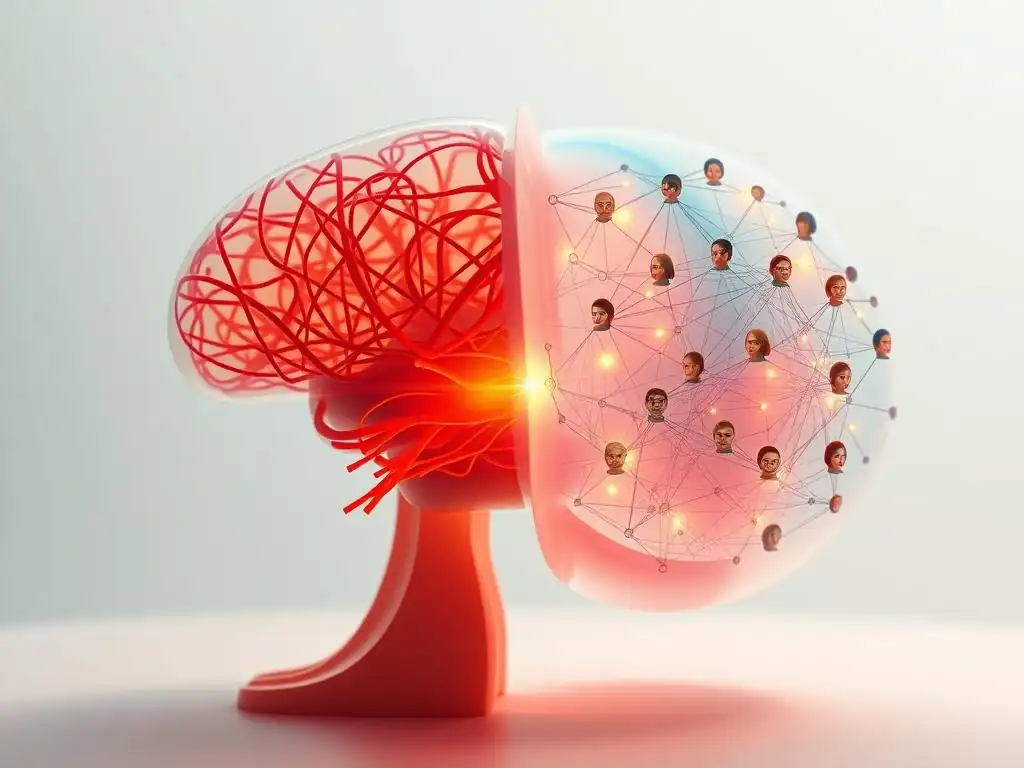
Traditional stress management often focuses on managing symptoms and immediate stressors through techniques like time management, relaxation exercises (e.g., progressive muscle relaxation), or distraction. While valuable, these methods may not always address the underlying neural patterns contributing to chronic stress reactivity. Neuroplasticity-based approaches, in contrast, aim to fundamentally alter the brain's response to stress over time.
These neurocoping strategies for adult anxiety work by actively reshaping neural pathways, making the brain inherently more resilient and less prone to entering a state of distress. This is a key difference: instead of just coping with stress, you are changing the brain's capacity for stress.
Comparison: Neuroplasticity-Based Approaches, Therapy, Medication
| Feature | Neuroplasticity-Based Approaches | Therapy (e.g., CBT, DBT) | Medication (e.g., SSRIs, Benzodiazepines) |
|---|---|---|---|
| Mechanism | Rewires neural pathways, changes brain structure/function | Modifies thought/behavior patterns, emotional processing | Alters brain chemistry, neurotransmitter levels |
| Focus | Long-term resilience, brain health | Skill building, processing, insight | Symptom reduction, chemical balance |
| Active Participation | High (requires consistent practice) | High (requires engagement in sessions/homework) | Low (primarily passive) |
| Speed of Effect | Gradual, builds over time | Varies, often weeks to months | Can be rapid (e.g., benzodiazepines) or weeks (e.g., SSRIs) |
| Potential for Side Effects | Minimal to none | Low (may involve emotional discomfort) | Can range from mild to significant |
| Addressing Root Cause | Aims to alter neural basis of reactivity | Addresses cognitive/emotional roots, coping skills | Manages symptoms, doesn't change underlying patterns |
| Sustainability | Develops lasting internal capacity | Provides skills for long-term coping | Often requires continuous use to maintain effect |
Integrating Neuroplasticity with Other Stress Management Strategies
Neuroplasticity-based approaches are not mutually exclusive with traditional stress management techniques, therapy, or even medication (under medical supervision). In fact, they are often most effective when integrated into a comprehensive approach. For example, therapy can provide the framework for identifying unhelpful thought patterns, while cognitive reframing (a neuroplasticity technique) provides the tool for changing them.
Medication might help manage acute symptoms of anxiety, creating space for individuals to engage more effectively in therapy and neuroplasticity practices. Combining lifestyle changes like regular exercise, healthy diet, and sufficient sleep – all of which support brain health and neuroplasticity – with targeted brain-based techniques creates a powerful synergy. The goal is to build a multi-faceted strategy that leverages the strengths of various approaches for optimal mental well-being and effective neurocoping strategies for adult anxiety.
Common Misconceptions About Neuroplasticity
Addressing Myths About Brain Training and Mental Well-being
One common misconception is that brain training alone can cure complex mental health conditions like severe anxiety or depression. While cognitive exercises can support executive function and potentially aid in managing symptoms, they are typically not a standalone solution. Neuroplasticity is influenced by a wide range of factors, and true mental well-being involves addressing emotional, behavioral, and physiological aspects.
Another myth is that neuroplasticity means you can completely erase negative experiences or memories. While you can change your response to past events and weaken associated neural pathways, memories themselves are generally not erased. The focus is on building new, healthier pathways that override the old, maladaptive ones, rather than deleting the past. Effective neurocoping strategies for adult anxiety involve building new responses, not wishing away the past.
Understanding the Scope and Limitations of Neuroplasticity
While the brain's capacity for change is remarkable, neuroplasticity has its scope and limitations. It is not a miracle cure that instantly solves all problems. Significant neural change requires consistent effort, time, and often professional guidance, especially when dealing with entrenched patterns or severe conditions. The brain changes in response to experience, but the rate and extent of change can vary based on factors like age, health, and the intensity/consistency of the practice.
Furthermore, while we can influence our brain through intentional practices, genetics, environment, and life experiences also play significant roles in shaping brain structure and function. Understanding these limitations helps set realistic expectations. Neuroplasticity provides powerful tools for self-improvement and building resilience, offering effective neurocoping strategies for adult anxiety, but it is part of a larger picture of mental health.
Success Stories: Real-Life Applications of Neuroplasticity
Neuroplasticity principles are being applied in various therapeutic contexts with promising results, illustrating their power as neurocoping strategies for adult anxiety and other conditions. While specific individual data varies, the patterns of recovery highlight the brain's capacity for change.
Neuroplasticity for PTSD
For individuals with Post-Traumatic Stress Disorder (PTSD), the brain is often stuck in a state of hyperarousal, with an overactive amygdala and impaired prefrontal cortex function. Neuroplasticity-informed therapies, such as Trauma-Focused Cognitive Behavioral Therapy (TF-CBT) or Somatic Experiencing, help individuals process traumatic memories and sensations in a safe environment.
For example, a veteran struggling with hypervigilance might learn breathwork and somatic techniques to regulate their nervous system when triggered, gradually reducing the automatic fight-or-flight response. Over time, these practices can help restore function to the PFC and hippocampus, reducing avoidance behaviors and intrusive thoughts, demonstrating the power of neurocoping strategies for adult anxiety rooted in trauma.
Neuroplasticity for Burnout Recovery
Burnout, often characterized by chronic stress, emotional exhaustion, and reduced performance, is linked to changes in brain function, including decreased connectivity in areas related to emotional regulation and decision-making. Neuroplasticity techniques offer a path to recovery.
An individual recovering from burnout might use mindfulness to rebuild attention span and reduce rumination, cognitive reframing to challenge feelings of inadequacy, and incorporate regular physical activity to support overall brain health. The consistent application of these strategies helps to repair neural pathways damaged by chronic stress, restoring energy levels, improving mood, and enhancing cognitive function, serving as vital neurocoping strategies for adult anxiety often accompanying burnout.
Conclusion: Embracing Neuroplasticity for a Resilient and Balanced Life
Understanding neuroplasticity empowers us to see our brains not as fixed entities, but as dynamic organs capable of profound change. This understanding is the foundation for developing effective neurocoping strategies for adult anxiety and building lasting resilience against stress.
By consciously applying techniques like cognitive reframing, mindfulness, somatic practices, and breathwork, we can actively shape our neural pathways, reducing the brain's reactivity to stress and enhancing its capacity for calm, focus, and emotional balance. Embracing neuroplasticity means taking an active, hopeful stance towards our mental well-being, recognizing that we have the inherent ability to rewire our brains for a more resilient and balanced life.
The Future of Neuroplasticity and Mental Wellness
Research into neuroplasticity is a rapidly evolving field, continually uncovering new insights into how the brain changes and how we can harness this ability for mental wellness. Future advancements may lead to even more targeted and personalized neuroplasticity-based interventions, potentially integrating technology like biofeedback or neurofeedback more seamlessly into therapeutic approaches. As our understanding deepens, neuroplasticity principles are likely to become even more central to the prevention and treatment of anxiety, depression, and other stress-related conditions, offering increasingly refined neurocoping strategies for adult anxiety.
Taking the First Step Towards a Neuroplasticity-Based Practice
The journey towards harnessing neuroplasticity for stress management begins with a single step. Choose one technique that resonates with you – perhaps a short guided meditation, a simple breathwork exercise, or the practice of identifying one cognitive distortion each day. Commit to practicing it consistently, even for just a few minutes. Be patient and compassionate with yourself; change takes time. By consistently engaging in these brain-shaping practices, you are actively investing in your mental well-being, building a more resilient brain, and developing powerful neurocoping strategies for adult anxiety that can serve you throughout your life.
Frequently Asked Questions
What are neurocoping strategies and how do they relate to anxiety?
Neurocoping strategies are techniques that leverage our understanding of the brain's neural pathways to manage and reduce anxiety. They focus on changing thought patterns and behaviors at a neurological level.
How are neurocoping strategies different from traditional coping mechanisms for anxiety?
Traditional coping mechanisms often involve addressing symptoms, while neurocoping aims to reshape the brain's response to anxiety triggers. This offers a more long-term and sustainable solution.
Can neurocoping strategies be used alongside other mental health treatments, such as therapy or medication?
Yes, neurocoping strategies can be a complementary approach. They can enhance the effectiveness of therapy and, in some cases, potentially reduce reliance on medication with guidance from a healthcare professional.
What are some specific examples of neurocoping strategies adults can use to manage their anxiety?
Examples include mindfulness meditation to rewire the brain's stress response, cognitive restructuring to challenge negative thought patterns, and neurofeedback to train the brain to regulate its activity.
How long does it typically take to see results from implementing neurocoping strategies for anxiety?
The timeline varies depending on the individual and the specific strategies used. Consistent practice and dedication are key, but many people experience noticeable improvements in their anxiety levels within a few weeks to months.
Final Reflection: Cultivating Inner Peace Through NeuroCoping
The pursuit of calm in our increasingly frantic world is not a luxury, but a necessity. Understanding how our brains react to stress and anxiety, and learning practical neurocoping strategies, is no longer a niche interest; it's a vital skill for navigating modern life. The tools and techniques explored in this article offer a pathway to reclaiming control over our emotional well-being, a journey that impacts every aspect of our lives.
The impact of chronic stress and anxiety on our mental and physical health is undeniable, extending far beyond individual suffering to ripple through our relationships, communities, and even our global productivity. The price of anxiety is high, but the price of not facing it is higher.
This quote underscores the importance of proactive engagement with our mental health, and the power of neurocoping strategies in mitigating the debilitating effects of stress. Learning to understand and manage our brain's response to anxiety is not just about personal well-being; it's about fostering a more resilient and compassionate society.
You now hold the key to unlocking a calmer, more focused, and more fulfilling life. Don't let the challenges of daily life overwhelm you. Take the time to explore the neurocoping techniques discussed in this article, experiment with what resonates with you, and build a personalized toolkit for managing stress and anxiety. Remember, the journey to inner peace is a continuous process, but with consistent effort and self-compassion, you can cultivate the calm you deserve. Start today. Your brain – and your life – will thank you.
Unlock Your Inner Calm: Start NeuroCoping Today!
Thank you for taking the time to explore the world of NeuroCoping! We hope you gained valuable insights into managing stress and anxiety through mindful techniques. Now it's time to put your newfound knowledge into practice.
Here's how to begin your journey to a calmer you:
- Prioritize one NeuroCoping technique from the article that resonated most with you and commit to practicing it daily for a week. Even 5 minutes a day can make a difference!
- Share this article with a friend or family member who might benefit from learning about NeuroCoping. Sharing knowledge is empowering!
- Challenge yourself to track your progress using a journal or app—note how your stress levels change over time. This will further reinforce positive habits and reveal personal patterns.
Ready to experience the transformative power of NeuroCoping? What small step will you take today to cultivate inner peace?