
Children with Both: Understanding Anxiety and ADHD in Kids


Welcome to Mind Care Guide, your sanctuary for navigating the complexities of mental well-being. Feeling overwhelmed trying to understand your child's struggles? Many parents grapple with the challenges of cooccurring anxiety and ADHD in children. This guide offers insightful perspectives and practical strategies to help you better understand and support your child's unique needs. Let's embark on this journey together, unraveling the intricate connection between these conditions and discovering pathways to a brighter, healthier future.
Children with Both: Understanding Anxiety and ADHD in Kids - A Mind Care Guide
- Introduction: The Intersection of Anxiety and ADHD in Children
- Defining Anxiety Disorders in Children
- Understanding ADHD (Attention-Deficit/Hyperactivity Disorder) in Children
- Identifying Co-occurring Anxiety and ADHD in Children: Symptoms and Diagnosis
- The Impact of Co-occurring Anxiety and ADHD on Children's Lives
- Causes and Risk Factors for Co-occurring Anxiety and ADHD
- Treatment Options for Children with Anxiety and ADHD
- Strategies for Parents: Supporting Children with Anxiety and ADHD
- School Support: IEPs and 504 Plans for Children with Anxiety and ADHD
- Coping Mechanisms for Children with Anxiety and ADHD
- Long-Term Outlook for Children with Co-occurring Anxiety, ADHD Children
- Conclusion: Empowering Children with Anxiety and ADHD to Thrive
-
Frequently Asked Questions
- How common is it for children to have both ADHD and anxiety?
- What are some signs that my child might have both ADHD and anxiety?
- Why do ADHD and anxiety often occur together in children?
- How are ADHD and anxiety typically treated when they co-occur in children?
- Where can I find support and resources if my child is diagnosed with both ADHD and anxiety?
- Final Reflection: Navigating the Overlapping Worlds of Anxiety and ADHD in Children
- Unlock Your Child's Potential: Next Steps for Understanding Anxiety & ADHD
Introduction: The Intersection of Anxiety and ADHD in Children
Navigating childhood can be complex, and for some children, the journey is made more challenging by the presence of two distinct conditions: anxiety disorders and Attention-Deficit/Hyperactivity Disorder (ADHD). While seemingly different – one characterized by worry and avoidance, the other by inattention, hyperactivity, and impulsivity – these conditions frequently appear together. Understanding this comorbidity is crucial for parents, educators, and mental health professionals seeking to provide effective support for cooccurring anxiety, ADHD children.
Why Co-occurring Anxiety and ADHD in Children Requires Special Attention
When anxiety and ADHD co-exist, they don't simply add up; they interact in complex ways that can significantly amplify difficulties in a child's life. A child with ADHD might already struggle with focus and organization, and adding anxiety can make starting tasks paralyzing due to fear of failure or making mistakes. Conversely, the impulsivity of ADHD might lead to situations that trigger social anxiety or generalized worry. This intricate interplay means that treatment approaches designed for one condition alone are often insufficient, necessitating a more integrated and nuanced strategy tailored to the unique profile of cooccurring anxiety, ADHD children.
Ignoring either condition can undermine treatment for the other. For instance, stimulant medication for ADHD might inadvertently worsen anxiety symptoms in some children, while anxiety treatments might not address the core executive function deficits of ADHD that contribute to distress. Research indicates that children with both conditions often experience more severe impairment across academic, social, and emotional domains compared to those with only one diagnosis. Addressing both simultaneously is paramount for improving their overall well-being and future outcomes.
Understanding the Prevalence of Anxiety and ADHD Comorbidity
The co-occurrence of anxiety disorders and ADHD in children is remarkably common, far exceeding what might be expected by chance. Estimates vary across studies, but many suggest that between 25% and 50% of children diagnosed with ADHD also meet the criteria for an anxiety disorder. This means that for every four children diagnosed with ADHD, at least one is also likely grappling with significant anxiety.
Conversely, children diagnosed with anxiety disorders also have an increased likelihood of having ADHD, though the rates here can be lower, perhaps around 10% to 20%, depending on the specific anxiety disorder and the population studied. This high rate of overlap underscores the need for comprehensive evaluations whenever a child presents with symptoms of either condition. Recognizing this prevalence is the first step in ensuring that cooccurring anxiety, ADHD children receive the dual-focused support they desperately need.
Defining Anxiety Disorders in Children
Anxiety in children is more than just occasional worry or nervousness; it involves persistent, excessive fear or worry that interferes with daily activities, school, and relationships. While some anxiety is a normal part of development, clinical anxiety disorders are characterized by intensity, duration, and impact.
Common Types of Anxiety Affecting Children with ADHD
Several specific anxiety disorders are frequently diagnosed in children with ADHD. Understanding these types helps in identifying the specific challenges faced by cooccurring anxiety, ADHD children. These can include generalized anxiety, social anxiety, separation anxiety, and specific phobias, each presenting unique symptoms and impacts.
Generalized Anxiety Disorder (GAD) in Children
Generalized Anxiety Disorder (GAD) in children is marked by excessive worry about a variety of things like school performance, future events, family health, or personal safety, often without a specific cause. This worry is difficult to control and is accompanied by physical symptoms such as restlessness, fatigue, difficulty concentrating (which can be hard to distinguish from ADHD inattention), irritability, muscle tension, and sleep disturbances. A child with both GAD and ADHD might worry excessively about forgetting homework (ADHD inattention) or doing poorly on a test (ADHD executive function issues), creating a cycle of worry that exacerbates their focus problems.
These children often seek constant reassurance and may spend excessive time double-checking tasks or seeking perfection, which can clash with the impulsivity and difficulty with sustained effort often seen in ADHD. For example, a child might spend hours trying to organize their backpack perfectly out of anxiety, neglecting other tasks due to this preoccupation, while simultaneously being easily distracted by sounds or sights around them because of their ADHD. The constant internal state of worry adds a significant cognitive burden on a brain already struggling with regulation and attention.
Social Anxiety Disorder (SAD) in Children
Social Anxiety Disorder (SAD), or social phobia, in children involves intense fear of social situations where they might be judged, embarrassed, or humiliated. This fear can manifest as avoiding school events, parties, speaking in class, or interacting with peers. For cooccurring anxiety, ADHD children, social situations can be particularly challenging. The impulsivity of ADHD might lead to saying or doing things without thinking, which then triggers intense social anxiety and rumination about potential negative reactions from others.
A child with both conditions might desperately want to join peers but be paralyzed by fear of rejection (SAD), while also struggling to follow social cues or wait their turn during games (ADHD). This can lead to social isolation, impacting their ability to develop crucial social skills and friendships. They might stand on the sidelines of the playground, wanting to join a game but too anxious, simultaneously fidgeting or being easily distracted by other stimuli.
Separation Anxiety Disorder in Children
Separation Anxiety Disorder is characterized by excessive fear or distress when separated from home or attachment figures. While common in toddlers, it becomes problematic when it persists beyond early childhood and interferes with daily life, such as attending school or sleepovers. For cooccurring anxiety, ADHD children, separation anxiety can be complicated by the challenges of managing belongings or following instructions when away from the familiar structure and support of home and caregivers.
A child might experience significant distress at drop-off, clinging to a parent, while simultaneously having trouble sitting still or focusing once they are in the classroom. The anxiety about separation can consume mental resources already strained by the demands of regulating attention and behavior due to ADHD. They might worry excessively about the caregiver's safety or their own safety while apart, leading to physical complaints or tantrums to avoid separation.
Specific Phobias in Children
Specific Phobias involve intense, irrational fear of a particular object or situation, such as spiders, heights, darkness, or needles. This fear is disproportionate to the actual danger and leads to avoidance behavior. While specific phobias can occur in any child, they can add another layer of complexity for children with ADHD.
Managing a specific phobia requires focus and self-regulation to confront the feared object or situation, skills that can be challenging for a child with ADHD. For example, a child with ADHD and a phobia of dogs might struggle to stay calm and follow instructions when encountering a dog, their impulsive reaction potentially increasing their distress, while their ADHD makes it hard to attend to calming strategies.
Understanding ADHD (Attention-Deficit/Hyperactivity Disorder) in Children
ADHD is a neurodevelopmental disorder characterized by persistent patterns of inattention and/or hyperactivity-impulsivity that interfere with functioning or development. It is not a behavioral issue stemming from defiance but rather a difference in brain structure and function affecting executive functions like planning, organization, working memory, and emotional regulation.
The Three Subtypes of ADHD: Inattentive, Hyperactive-Impulsive, and Combined
ADHD is categorized into three main presentations, or subtypes, based on the predominant symptoms displayed over the past six months. The Predominantly Inattentive Presentation (formerly known as ADD) is characterized by difficulty paying attention, making careless mistakes, struggling to follow instructions, poor organization, being easily distracted, and forgetfulness. Children with this subtype may seem quiet or dreamy but struggle significantly with schoolwork and tasks requiring sustained mental effort.
The Predominantly Hyperactive-Impulsive Presentation is marked by excessive fidgeting, difficulty staying seated, restlessness, excessive talking, interrupting others, difficulty waiting their turn, and acting without thinking. These children are often described as "on the go" and may struggle with rule-following and patience. The Combined Presentation is the most common subtype and involves meeting the criteria for both inattention and hyperactivity-impulsivity.
The presentation of ADHD can influence how it interacts with co-occurring anxiety. For instance, a child with the inattentive subtype might worry excessively about missing details, while a child with the hyperactive-impulsive subtype might experience anxiety related to social consequences of their impulsivity.
Common ADHD Symptoms in Children
ADHD symptoms typically emerge in early childhood, often becoming noticeable when a child enters school and faces increased demands for sustained attention and self-regulation. Core symptoms of inattention include failing to give close attention to details, difficulty sustaining attention in tasks or play, not seeming to listen when spoken to directly, not following through on instructions, difficulty organizing tasks and activities, avoiding tasks requiring sustained mental effort, losing things necessary for tasks, being easily distracted by extraneous stimuli, and being forgetful in daily activities.
Hyperactivity symptoms include fidgeting or tapping hands or feet, squirming in seat, leaving seat when expected to remain seated, running or climbing excessively (in adolescents, this may be restlessness), being unable to play or engage in leisure activities quietly, being "on the go" or acting as if "driven by a motor," and talking excessively. Impulsivity symptoms include blurting out answers before questions are completed, difficulty waiting their turn, and interrupting or intruding on others. These symptoms must be present in two or more settings (e.g., school and home) and interfere with social, academic, or occupational functioning for a diagnosis to be made according to criteria like those in the DSM-5.
Identifying Co-occurring Anxiety and ADHD in Children: Symptoms and Diagnosis
Identifying both anxiety and ADHD in a child can be challenging because some symptoms overlap, and the conditions can mask each other. A child's anxiety might make them appear restless or inattentive, while their ADHD could lead to situations that trigger anxiety. Accurate identification is vital for effective intervention for cooccurring anxiety, ADHD children.
Recognizing the Overlapping Symptoms of Anxiety and ADHD
Several symptoms can appear in both anxiety and ADHD, making diagnosis complex. Difficulty concentrating is a hallmark of both conditions. A child with ADHD struggles to focus due to inattention, while a child with anxiety may struggle to focus because their mind is preoccupied with worries. Restlessness or fidgeting can also be present in both; in ADHD, it's often due to hyperactivity, while in anxiety, it might be a manifestation of nervous energy or tension.
Other overlapping symptoms can include irritability, difficulty sleeping (trouble falling asleep or staying asleep), and sometimes, physical complaints like stomachaches or headaches, which can be stress-related in anxiety or linked to executive dysfunction in ADHD (e.g., forgetting to eat or drink properly). For cooccurring anxiety, ADHD children, these overlapping symptoms can be particularly pronounced and confusing, requiring careful observation and detailed reporting from parents and teachers.
Differentiating Between Anxiety and ADHD Symptoms
Despite the overlap, there are key differences that help distinguish between symptoms primarily driven by anxiety versus those driven by ADHD. Inattention in ADHD is often due to difficulty sustaining effort or being easily distracted by external stimuli, regardless of the task's emotional content. Inattention in anxiety, however, is usually related to being preoccupied with internal worries or fears. A child with ADHD might miss instructions because they are looking out the window, while a child with anxiety might miss instructions because they are internally catastrophizing about failing the task.
Restlessness in ADHD is often a need for movement and stimulation, while restlessness in anxiety is typically a manifestation of nervous tension or an inability to relax. Impulsivity is a core feature of ADHD, leading to actions without considering consequences. While anxiety can sometimes lead to impulsive avoidance behaviors, it doesn't typically involve the broad pattern of poor inhibition seen in ADHD. Differentiating these symptoms requires a thorough assessment by a qualified professional who can gather information from multiple sources and consider the context in which the behaviors occur, crucial for accurately diagnosing cooccurring anxiety, ADHD children.
The Importance of Accurate Diagnosis: Cooccurring Anxiety, ADHD Children
An accurate diagnosis is the cornerstone of effective treatment for cooccurring anxiety, ADHD children. Misdiagnosing one condition as the other, or missing one altogether, can lead to ineffective or even harmful interventions. For example, treating only the ADHD might exacerbate underlying anxiety, while treating only the anxiety might leave the child struggling with significant functional impairments due to untreated ADHD.
A comprehensive evaluation typically involves interviews with the child and parents, questionnaires for parents and teachers (like the Vanderbilt or Conners scales), behavioral observations, and sometimes, psychoeducational testing. Professionals look for persistent patterns of symptoms across different settings and consider the impact on the child's functioning. Identifying both conditions allows clinicians to develop an integrated treatment plan that addresses the unique challenges presented by their interaction, leading to better outcomes for cooccurring anxiety, ADHD children.
The Impact of Co-occurring Anxiety and ADHD on Children's Lives
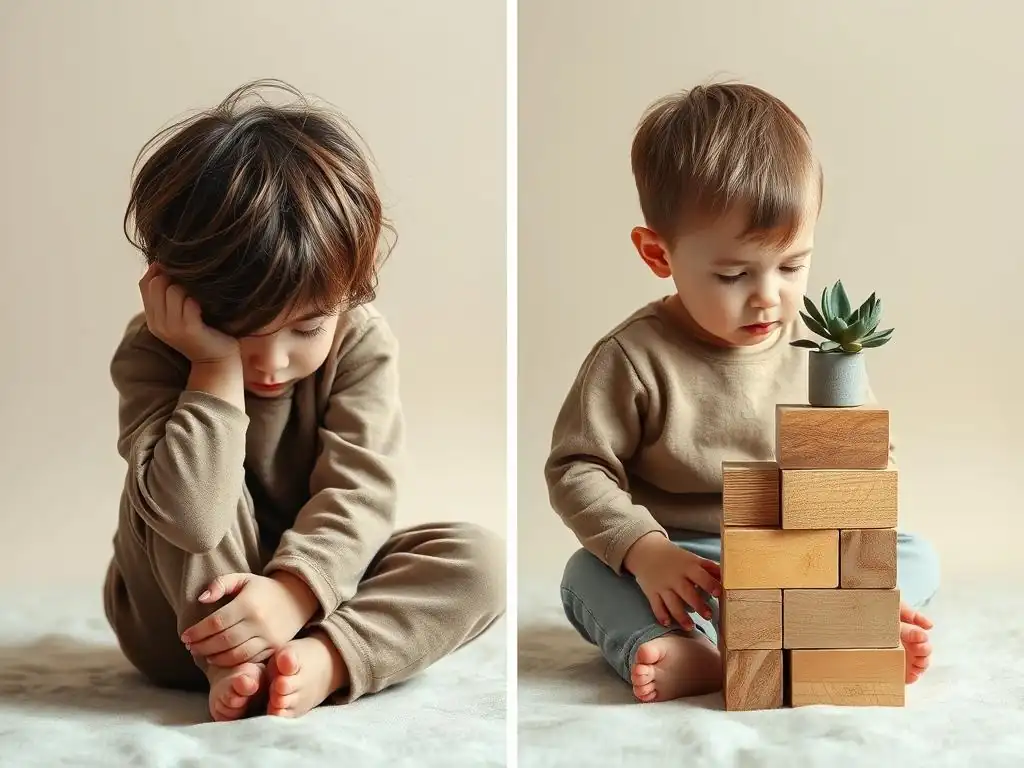
The presence of both anxiety and ADHD significantly increases the burden on a child, impacting various aspects of their life more severely than either condition alone. The combined challenges create a complex web of difficulties that affect academic performance, social interactions, emotional regulation, and family dynamics.
Academic Challenges Faced by Children with Anxiety and ADHD
Children with both anxiety and ADHD often face magnified academic challenges. ADHD symptoms like inattention, difficulty with organization, and executive function deficits make it hard to complete assignments, manage time, and study effectively. Adding anxiety can introduce intense fear of failure, perfectionism that prevents starting tasks, or excessive worry about grades or teacher approval. A child might stare at a blank page for hours, unable to start a writing assignment due to both executive dysfunction (ADHD) and fear of not doing it perfectly (Anxiety).
Studies show that children with co-occurring conditions are more likely to experience academic underachievement, require special education services, and have higher rates of school refusal compared to peers with only one condition or neither. For example, data suggests that children with combined ADHD and anxiety may be twice as likely to struggle with reading comprehension compared to those with ADHD alone. The constant internal battle between the urge to move or be distracted and the paralyzing fear of making a mistake creates a significant barrier to learning and performance for cooccurring anxiety, ADHD children.
Social interactions become a minefield for many cooccurring anxiety, ADHD children. ADHD symptoms like impulsivity, interrupting, or difficulty following social rules can lead to peer rejection or conflict. Anxiety symptoms, particularly social anxiety, can lead to avoidance of social situations altogether, difficulty asserting oneself, or excessive worry about social blunders. The child might desperately want friends but alienate peers through impulsive actions (ADHD), then ruminate and withdraw due to fear of judgment (Anxiety).
Emotionally, these children often struggle with intense feelings. ADHD can be associated with emotional dysregulation, leading to frustration, meltdowns, and difficulty managing disappointment. Anxiety involves heightened worry, fear, and sometimes panic. The combination can result in frequent mood swings, heightened sensitivity, and difficulty coping with even minor stressors. They may experience intense frustration when their ADHD makes them forget something, followed by overwhelming anxiety about the consequences, creating a volatile emotional landscape.
Impact on Family Dynamics and Relationships
The challenges faced by cooccurring anxiety, ADHD children can place significant strain on family dynamics. Parents may feel overwhelmed trying to manage complex behaviors, navigate school systems, and coordinate multiple appointments with therapists and doctors. Frequent meltdowns, resistance to routines, and difficulty with communication stemming from both conditions can lead to increased family conflict and stress.
Siblings may feel neglected as parental attention is focused on the child with co-occurring needs, or they may resent the behaviors they perceive as unfair or disruptive. Research indicates that parents of children with both ADHD and anxiety report higher levels of stress and burnout compared to parents of children with only one condition. Open communication, seeking external support, and ensuring self-care for parents are crucial for maintaining healthy family relationships when supporting cooccurring anxiety, ADHD children.
Causes and Risk Factors for Co-occurring Anxiety and ADHD
While the exact reasons why anxiety and ADHD so frequently co-occur are not fully understood, research points to a combination of genetic, environmental, and neurobiological factors. It's likely that these conditions share some underlying vulnerabilities rather than one directly causing the other.
Genetic Predisposition and Family History
There is strong evidence suggesting a genetic link for both ADHD and anxiety disorders, and potentially for their co-occurrence. Studies have shown that if a child has ADHD, their siblings and parents are more likely to have either ADHD or an anxiety disorder compared to the general population. Conversely, children with anxiety disorders are more likely to have family members with ADHD. This suggests that certain genes may increase susceptibility to difficulties with self-regulation, attention, and emotional processing, potentially manifesting as either or both conditions depending on other factors.
Specific gene variations involved in neurotransmitter pathways, particularly those related to dopamine and serotonin, are being investigated as potential common links. While genetics don't guarantee a diagnosis, a family history of either or both conditions significantly increases a child's risk of being among the cooccurring anxiety, ADHD children.
Environmental Factors Contributing to Anxiety and ADHD
Beyond genetics, various environmental factors can play a role in the development or exacerbation of both anxiety and ADHD symptoms. Early life stress, such as exposure to trauma, neglect, or significant family conflict, has been associated with an increased risk for both conditions. Chronic stress can impact brain development and regulatory systems.
Other potential environmental influences include prenatal exposures (like smoking or alcohol), low birth weight, and early childhood infections. Furthermore, ongoing stressful environments, such as a chaotic home life or persistent academic difficulties, can exacerbate existing vulnerabilities and contribute to the development or worsening of symptoms in cooccurring anxiety, ADHD children. It's a complex interaction between a child's innate predisposition and their lived experiences.
The Role of Brain Development and Neurotransmitters
Neurobiological research highlights differences in brain structure and function in individuals with ADHD and anxiety. ADHD is linked to differences in areas of the brain responsible for executive functions, attention, and impulse control, such as the prefrontal cortex and basal ganglia. Neurotransmitter systems, particularly dopamine and norepinephrine, are thought to be involved.
Anxiety disorders are associated with dysregulation in brain regions involved in fear and emotional processing, such as the amygdala and hippocampus, and imbalances in neurotransmitters like serotonin, GABA, and norepinephrine. For cooccurring anxiety, ADHD children, there may be overlapping or interacting differences in these brain circuits and neurotransmitter systems. For instance, difficulties in regulating norepinephrine might contribute to both the restlessness of ADHD and the physiological symptoms of anxiety. Understanding these neurological underpinnings helps explain why the conditions are often intertwined and informs targeted treatment approaches.
Treatment Options for Children with Anxiety and ADHD
Effectively treating cooccurring anxiety, ADHD children requires a comprehensive and individualized approach that addresses both conditions simultaneously. Treatment plans are often multimodal, combining behavioral therapies, medication, and support strategies in the home and school environments. The specific combination depends on the severity of symptoms, the child's age, and family preferences.
Behavioral Therapy for Anxiety and ADHD in Children
Behavioral therapies are cornerstone treatments for both anxiety and ADHD in children, often recommended as first-line interventions, especially for younger children. These therapies focus on teaching children and parents practical skills to manage symptoms and improve functioning. For cooccurring anxiety, ADHD children, therapy is tailored to address the unique ways the conditions interact.
Therapy helps children understand their thoughts and feelings, develop coping strategies, and practice new behaviors. Parent training is also a critical component, equipping caregivers with techniques to manage challenging behaviors, improve communication, and create a supportive environment. Group therapy can also be beneficial, allowing children to practice social skills and realize they are not alone in their struggles.
Cognitive Behavioral Therapy (CBT) Techniques
Cognitive Behavioral Therapy (CBT) is a highly effective form of therapy for anxiety disorders and can be adapted for children with ADHD. CBT helps children identify and challenge negative or anxious thought patterns (e.g., "I always mess up," "Everyone is looking at me"). They learn to replace these thoughts with more realistic and positive ones. CBT also involves gradual exposure to feared situations (e.g., public speaking, trying a new activity) in a safe and controlled environment to help reduce avoidance and build confidence.
For cooccurring anxiety, ADHD children, CBT techniques can be integrated. For instance, a child might use CBT to challenge worries about homework difficulty (anxiety) while simultaneously using organizational strategies learned in therapy (related to ADHD management) to break down the task into smaller, less overwhelming steps. Specific CBT programs for children with anxiety, such as Coping Cat or SPACE (Supportive Parenting for Anxious Childhood Emotions), can be adapted to account for ADHD-related challenges like difficulty with follow-through or attention during sessions.
Play Therapy for Younger Children
For younger children, play therapy is often a more appropriate and engaging approach than traditional talk therapy. Play is a child's natural language, and therapists use toys, games, and creative activities to help children express their feelings, anxieties, and challenges. Through play, a therapist can observe a child's behavior, identify themes related to their anxiety and ADHD symptoms, and help them practice coping skills in a non-threatening way.
A child might use dolls to act out a stressful school situation, revealing anxieties about peer interactions (social anxiety) or frustration with classroom rules (ADHD). The therapist can then guide the play to help the child explore different ways of responding or coping. Play therapy provides a safe space for cooccurring anxiety, ADHD children to process complex emotions and behavioral patterns in a way that is developmentally appropriate and less reliant on verbal expression and sustained attention than traditional therapy.
Medication Management for Co-occurring Conditions
Medication is often a necessary component of treatment for cooccurring anxiety, ADHD children, particularly when symptoms are severe and significantly impact functioning. However, managing medication for both conditions simultaneously requires careful consideration and monitoring by a qualified healthcare professional, typically a child psychiatrist. The goal is to find a balance that effectively treats both sets of symptoms without worsening either.
Sometimes, treating one condition can positively impact the other. For example, effectively managing ADHD symptoms with medication might reduce anxiety related to academic failure or social blunders. Conversely, reducing anxiety might improve focus and reduce restlessness associated with worry. However, medication interactions and side effects must be carefully managed.
Stimulant Medications for ADHD
Stimulant medications (such as methylphenidate-based or amphetamine-based medications) are the most commonly prescribed and effective medications for managing core ADHD symptoms like inattention, hyperactivity, and impulsivity. They work by increasing levels of dopamine and norepinephrine in the brain, improving focus and self-regulation. For many children with cooccurring anxiety, ADHD children, stimulants can be very beneficial.
However, a known potential side effect of stimulant medication is increased anxiety or jitteriness in some individuals. Therefore, when prescribing stimulants to a child with pre-existing anxiety, clinicians start with low doses and carefully monitor the child's response. Non-stimulant medications for ADHD, such as atomoxetine, guanfacine, or clonidine, which may have less impact on anxiety, are sometimes preferred or used in combination with stimulants when anxiety is a significant concern.
Anti-Anxiety Medications for Children
Anti-anxiety medications are also used to treat significant anxiety symptoms in children, particularly when behavioral therapies are not sufficient or symptoms are severe. Selective Serotonin Reuptake Inhibitors (SSRIs) are the most commonly prescribed class of anti-anxiety medication for children and adolescents, including those with co-occurring conditions. SSRIs work by increasing serotonin levels in the brain and are effective for various anxiety disorders, including GAD, SAD, and Separation Anxiety Disorder.
When used for cooccurring anxiety, ADHD children, SSRIs are often prescribed alongside ADHD medication. The choice and dosing of medication require careful titration and monitoring for effectiveness and side effects. Other types of anxiety medications are less commonly used in children or may be prescribed for short-term use to manage acute anxiety crises. The decision to use medication, and which specific medications, is a complex one made in consultation with the child's healthcare team, considering the child's specific symptoms and needs.
The Importance of a Multimodal Treatment Approach
Given the complex interaction of symptoms, a multimodal treatment approach is considered best practice for cooccurring anxiety, ADHD children. This typically involves a combination of:
- Behavioral therapy: For both the child (CBT, play therapy) and parents (parent training).
- Medication management: Carefully selected and monitored medication for ADHD, anxiety, or both.
- School support: Collaborating with educators to implement accommodations and strategies.
- Parent and family support: Education, stress management, and potentially family therapy.
This integrated approach ensures that all facets of the child's difficulties are addressed. For example, medication might improve focus, making the child more receptive to learning coping skills in therapy. Parent training helps create a consistent and supportive home environment that reinforces strategies learned elsewhere. This comprehensive strategy provides the most robust support network for cooccurring anxiety, ADHD children to manage their symptoms and thrive.
Strategies for Parents: Supporting Children with Anxiety and ADHD
Parents play a vital role in supporting their cooccurring anxiety, ADHD children. Providing a structured, predictable, and empathetic home environment can significantly help manage symptoms and reduce stress for the entire family. Implementing specific strategies can empower children to cope with their challenges.
Creating a Structured and Supportive Home Environment
Structure and routine are incredibly beneficial for children with ADHD, helping them manage time, transitions, and expectations. For cooccurring anxiety, ADHD children, structure also provides a sense of predictability and safety, which can reduce anxiety. Establish consistent daily routines for waking up, meals, homework, chores, playtime, and bedtime. Use visual schedules or checklists to help the child track their day.
Maintain clear rules and consistent consequences, delivered calmly and predictably. A predictable environment reduces uncertainty, a major trigger for anxiety. Organize the home to minimize distractions and make it easier for the child to find and put away belongings. Create a designated, quiet space for homework or calming down. Praise effort and progress, not just outcomes, fostering a sense of competence and reducing anxiety about failure.
Communication Techniques for Managing Anxiety and ADHD Symptoms
Effective communication is key when supporting cooccurring anxiety, ADHD children. Speak clearly, concisely, and give one instruction at a time, especially when addressing tasks related to ADHD. Use positive language and specific praise (e.g., "I like how you started your homework right after your snack" instead of "Good job"). For managing anxiety, validate your child's feelings without necessarily validating the irrationality of the fear (e.g., "I understand you feel scared about the test" rather than "That's silly, there's nothing to be scared of").
Teach and practice calm-down strategies together, such as deep breathing or mindfulness exercises. Help your child identify their anxiety triggers and develop coping plans. For ADHD-related communication challenges like interrupting, teach and practice skills like waiting for a pause before speaking. Role-playing social situations can also help address both social anxiety and impulsive communication. Open, empathetic conversations about their experiences can help children feel understood and less alone in managing both conditions.
Collaborating with Schools and Professionals
Working closely with your child's school and healthcare team is essential for providing consistent support for cooccurring anxiety, ADHD children. Share relevant information about your child's diagnoses, symptoms, and treatment plan with teachers, counselors, and administrators. Request regular communication to stay informed about your child's progress and challenges at school.
Attend parent-teacher conferences and school meetings prepared to discuss specific strategies that can help your child succeed academically and socially. This might involve discussing accommodations (like preferential seating, extended time on tests, or breaks) that address both ADHD and anxiety needs. Maintain open communication with your child's therapist and doctor, providing updates on symptoms and concerns, and discussing treatment adjustments as needed. Your collaboration ensures a unified approach to supporting your child across different environments.
School Support: IEPs and 504 Plans for Children with Anxiety and ADHD

Schools play a critical role in the lives of cooccurring anxiety, ADHD children, and appropriate support is necessary for their academic success and emotional well-being. Federal laws in many countries, such as the Individuals with Disabilities Education Act (IDEA) in the U.S., provide frameworks for schools to offer services and accommodations through plans like IEPs and 504 Plans.
Understanding Individualized Education Programs (IEPs)
An Individualized Education Program (IEP) is a legally binding document developed for public school students who are eligible for special education services under IDEA due to a disability that impacts their educational performance. For cooccurring anxiety, ADHD children, eligibility might be based on diagnoses that fall under categories like "Other Health Impairment" (often for ADHD) or "Emotional Disturbance" (potentially for severe anxiety disorders, although anxiety is often addressed under OHI or even specific learning disability depending on impact).
An IEP outlines specific educational goals, special education services (like specialized instruction or pull-out support), related services (like counseling or occupational therapy), and accommodations or modifications tailored to the child's unique needs. For a child with both conditions, an IEP might include goals related to improving focus and organization (ADHD) alongside goals for managing anxiety in the classroom or during social situations (Anxiety). The IEP team, which includes parents, teachers, administrators, and relevant specialists, collaborates to create this plan, which is reviewed at least annually.
Utilizing 504 Plans to Accommodate Learning Needs
A 504 Plan is another type of legal document under Section 504 of the Rehabilitation Act of 1973, which prohibits discrimination based on disability. It is for students who have a physical or mental impairment that substantially limits one or more major life activities, such as learning or concentrating, but who do not require special education services as defined by IDEA. Many children with ADHD and/or anxiety qualify for a 504 Plan.
A 504 Plan primarily focuses on providing accommodations to ensure the child has equal access to the general education curriculum. For cooccurring anxiety, ADHD children, a 504 Plan might include accommodations like preferential seating away from distractions (ADHD), allowing movement breaks (ADHD), providing extended time on tests or assignments (ADHD/Anxiety), allowing the child to leave the classroom briefly if feeling overwhelmed by anxiety, or providing notes or graphic organizers to aid focus and organization. The plan is developed by a team familiar with the child and reviewed periodically.
Advocating for Your Child's Needs in the School Setting
Parents are their child's primary advocates in the school system. Understanding your rights and the processes for obtaining an IEP or 504 Plan is crucial for cooccurring anxiety, ADHD children. Initiate communication with the school counselor or a special education coordinator to request an evaluation if you believe your child's conditions are impacting their learning.
Come prepared to meetings with documentation of your child's diagnoses, evaluations, and specific examples of how their ADHD and anxiety symptoms affect them at school. Clearly articulate the challenges your child faces and suggest specific accommodations that you believe would be beneficial. Don't hesitate to ask questions and ensure you understand every part of the plan. If you disagree with the school's decisions, understand the steps for dispute resolution. Your active involvement is key to ensuring your cooccurring anxiety, ADHD children receive the appropriate support and resources they need to succeed academically and feel safe at school.
Coping Mechanisms for Children with Anxiety and ADHD
Teaching cooccurring anxiety, ADHD children effective coping mechanisms is vital for empowering them to manage their symptoms and build resilience. These strategies provide children with tools they can use independently when feeling overwhelmed by anxiety or struggling with focus and restlessness.
Relaxation Techniques: Deep Breathing and Mindfulness
Relaxation techniques can be incredibly helpful for managing the physiological symptoms of anxiety and promoting a sense of calm, which can indirectly help with focus. Simple techniques like deep breathing exercises can be taught and practiced regularly. Encourage your child to breathe in slowly through their nose, hold for a few seconds, and exhale slowly through their mouth. Practicing this when calm makes it easier to use during moments of anxiety or frustration.
Mindfulness involves paying attention to the present moment without judgment. For children, this can involve simple activities like mindful listening (noticing sounds around them), mindful eating (focusing on the taste, texture, and smell of food), or body scans (noticing sensations in different parts of their body). While sustained mindfulness practice can be challenging for children with significant ADHD inattention, introducing short, engaging mindfulness activities can still be beneficial for reducing anxiety and improving self-awareness. These tools give cooccurring anxiety, ADHD children concrete ways to navigate intense feelings.
Physical Activity and Exercise for Stress Reduction
Physical activity is a powerful tool for managing both ADHD symptoms and anxiety. Exercise can help regulate mood, reduce restlessness, improve focus, and release pent-up energy and tension. Encourage your child to engage in regular physical activity they enjoy, whether it's playing sports, riding a bike, dancing, or simply running around outdoors.
Even short bursts of physical activity can be beneficial. A quick walk or some jumping jacks before starting homework can help a child with ADHD focus and reduce anxiety. Incorporating physical activity into the daily routine provides a healthy outlet for energy and stress for cooccurring anxiety, ADHD children, contributing to better emotional and behavioral regulation. Aim for at least 60 minutes of moderate-to-vigorous physical activity per day, as recommended for children.
Creative Outlets: Art, Music, and Writing
Creative activities can serve as valuable coping mechanisms for children with both anxiety and ADHD. They offer a non-verbal way to express emotions, reduce stress, and engage in focused activity in a low-pressure environment. Encourage your child to explore different creative outlets like drawing, painting, sculpting, playing a musical instrument, singing, or creative writing.
For a child with ADHD, a creative task might hold their attention better than a traditional academic one because it is often more engaging and allows for self-expression. For a child with anxiety, expressing feelings through art or music can be less intimidating than talking about them directly. Creative outlets provide a safe space for cooccurring anxiety, ADHD children to process their experiences, manage difficult emotions, and experience a sense of accomplishment, fostering self-esteem and well-being.
Long-Term Outlook for Children with Co-occurring Anxiety, ADHD Children
While navigating childhood with co-occurring anxiety and ADHD presents significant challenges, the long-term outlook is positive with appropriate intervention and ongoing support. These conditions are chronic, meaning they don't disappear, but their impact can be significantly mitigated, allowing children to lead fulfilling lives. Early and consistent support is key to building a strong foundation for adulthood.
The Importance of Early Intervention and Ongoing Support
Early identification and intervention are critical for improving outcomes for cooccurring anxiety, ADHD children. Starting treatment during childhood or early adolescence can prevent the escalation of symptoms, reduce the likelihood of secondary problems (like academic failure or peer rejection), and help children develop essential coping skills before facing the increased demands of adolescence and adulthood.
Treatment is rarely a one-time event. Ongoing support is necessary as children grow and face new challenges. This might involve periodic adjustments to medication, returning to therapy during stressful periods, or advocating for accommodations in higher education or the workplace. Consistent access to care ensures that individuals with co-occurring conditions have the resources they need throughout their lives.
Building Resilience and Coping Skills for Adulthood
A primary goal of treatment is to help cooccurring anxiety, ADHD children build resilience – the ability to bounce back from adversity. Through therapy, skill-building, and supportive environments, children learn to understand their conditions, identify their strengths, and develop effective coping strategies for managing anxiety, inattention, and impulsivity.
These skills become invaluable tools as they transition into adulthood. Learning to manage worry, organize tasks, regulate emotions, and seek support are lifelong skills that enable individuals to pursue education, maintain employment, build relationships, and manage independent living. The challenges faced in childhood can, with the right support, become opportunities to develop unique strengths and a deep understanding of oneself.
Finding Support Groups and Resources for Families
Families of cooccurring anxiety, ADHD children also benefit greatly from support. Connecting with other families who understand the unique challenges can reduce feelings of isolation and provide practical advice and emotional support. Support groups, whether in-person or online, offer a space to share experiences, learn from others, and feel validated.
Organizations dedicated to ADHD (like CHADD or ADDA) and anxiety disorders (like ADAA) often have resources, educational materials, and information about local support groups tailored to families and individuals with these conditions, including when they co-occur. Accessing these resources empowers families to better support their child and navigate their own journey, contributing to a more positive long-term outlook for cooccurring anxiety, ADHD children and their families.
Conclusion: Empowering Children with Anxiety and ADHD to Thrive
Frequently Asked Questions
How common is it for children to have both ADHD and anxiety?
Co-occurring anxiety and ADHD is surprisingly common in children. Studies suggest that a significant percentage of children diagnosed with ADHD also experience symptoms of anxiety disorders. It's important to recognize this comorbidity for effective treatment.
What are some signs that my child might have both ADHD and anxiety?
Look for a combination of ADHD symptoms like difficulty focusing and impulsivity, alongside anxiety symptoms such as excessive worry and restlessness. Observe if these symptoms are impacting their schoolwork, social interactions, and overall well-being.
Why do ADHD and anxiety often occur together in children?
The exact reasons are complex, but likely involve a combination of genetic predisposition, environmental factors, and neurobiological mechanisms. Difficulty managing ADHD symptoms can contribute to feelings of anxiety, and vice versa.
How are ADHD and anxiety typically treated when they co-occur in children?
Treatment usually involves a multifaceted approach, including therapy (e.g., CBT), medication management (if deemed necessary by a doctor), and parental support. Targeting both conditions simultaneously is crucial for optimal outcomes.
Where can I find support and resources if my child is diagnosed with both ADHD and anxiety?
Seek guidance from mental health professionals specializing in childhood ADHD and anxiety. Websites like Mind Care Guide and organizations such as the Children and Adults with Attention-Deficit/Hyperactivity Disorder (CHADD) offer valuable information and support networks.
The co-occurrence of anxiety and ADHD in children is not merely a statistical anomaly; it's a widespread challenge demanding our urgent attention and a deeper understanding. These conditions, often intertwined and mutually exacerbating, significantly impact a child's development, academic success, and overall well-being. Ignoring this complex interplay does a disservice to the children who struggle daily with its effects.
The journey of understanding and supporting children with both anxiety and ADHD has profoundly shaped my perspective on childhood development. It's a journey marked by the resilience of these children, the dedication of their families, and the crucial role of early intervention and tailored support. The sheer complexity of navigating these conditions highlights the need for a more holistic approach to diagnosis and treatment. The most important thing is to try and inspire people so that they can be great in whatever they do.
- Kobe Bryant. This quote resonates deeply, as it speaks to the potential within every child, regardless of the challenges they face. We must strive to inspire and empower these children to reach their full potential.
Now, consider your own interactions with children. Have you encountered behaviors that might indicate the presence of both anxiety and ADHD? Take a moment to reflect on the importance of recognizing the signs, seeking professional help, and advocating for comprehensive support for these children. Remember, early intervention can make a world of difference. Let's work together to create a more understanding and supportive environment for children navigating the complexities of co-occurring anxiety and ADHD, empowering them to thrive and reach their full potential.
Unlock Your Child's Potential: Next Steps for Understanding Anxiety & ADHD
Thanks for taking the time to learn more about supporting children with both anxiety and ADHD. We hope this article provided valuable insights and practical strategies. Now, let's turn that knowledge into action!
- Prioritize one small change: Start by implementing just one of the strategies discussed – whether it's adjusting their daily schedule, exploring a new coping mechanism, or scheduling a consultation with their doctor. Small steps lead to big results!
- Join the Conversation: Share your experiences and insights in the comments below. Your perspective can help other parents navigating similar challenges.
- Dive Deeper: Explore MindCareGuide.org for more resources on anxiety, ADHD, and parenting strategies tailored for children with co-occurring conditions.
Ready to make a positive difference in your child's life? What's the first small step you'll take today?