
Dietary Changes for Anxiety: Eating Your Way to Calm What the Research Shows


Welcome to Mind Care Guide, your compassionate companion on the journey to mental well-being. Feeling overwhelmed by anxiety? You're not alone. What if there was a way to gently ease those anxious thoughts with the food you eat? Dive into our article, "Dietary Changes for Anxiety: Eating Your Way to Calm – What the Research Shows," where we explore the fascinating anxiety diet benefits research, uncovering practical and evidence-based dietary strategies that may help you find a little more peace. Curious to learn more? Let's begin.
Dietary Changes for Anxiety: Eating Your Way to Calm - What the Research Shows
- Understanding the Link Between Diet and Anxiety: An Introduction
- Anxiety Diet Benefits Research: A Deep Dive into Scientific Evidence
- Foods to Incorporate for Anxiety Relief: Building Your Anxiety Diet
- Foods to Limit or Avoid to Reduce Anxiety Symptoms
- Creating a Personalized Anxiety Diet Plan: A Practical Guide
- Beyond Diet: Integrating Lifestyle Factors for Enhanced Anxiety Management
- The Future of Anxiety Diet Research: What's Next?
- Conclusion: Harnessing the Power of Food for Anxiety Management
-
Frequently Asked Questions
- What is an anxiety diet, and how can dietary changes impact anxiety levels?
- What does anxiety diet benefits research reveal about the connection between gut health and anxiety?
- Which specific foods and nutrients are highlighted in anxiety diet benefits research as potentially beneficial for managing anxiety?
- Are there any foods that anxiety diet benefits research suggests should be avoided to help manage anxiety?
- How reliable and conclusive is the anxiety diet benefits research in proving the effectiveness of dietary changes for anxiety?
- Final Reflection: Cultivating Calm Through Conscious Eating
- Unlock Your Inner Calm: Take Control of Anxiety Through Diet
Understanding the Link Between Diet and Anxiety: An Introduction
Exploring the Gut-Brain Axis and its Impact on Anxiety
The intricate connection between the gut and the brain, known as the gut-brain axis, is a critical area of focus in understanding the physiological underpinnings of anxiety. This bidirectional communication system involves neural, hormonal, and immunological pathways, significantly influenced by the trillions of microorganisms residing in the gut – the gut microbiome. Research consistently demonstrates that disruptions in the balance of gut bacteria (dysbiosis) can impact mood and behavior, including the manifestation of anxiety symptoms.
Studies exploring the gut-brain axis and anxiety have shown that the gut microbiome plays a role in producing neurotransmitters like serotonin, a key regulator of mood, with a significant portion of the body's serotonin synthesized in the gut. Furthermore, gut microbes can influence the body's stress response system, the hypothalamic-pituitary-adrenal (HPA) axis. Research in both animal models and human trials suggests that altering the gut microbiome through diet or probiotics can modulate stress hormones and potentially alleviate anxiety, highlighting the profound impact of gut health on mental well-being.
How Nutrition Deficiencies Can Exacerbate Anxiety Symptoms
Adequate nutrition is fundamental for optimal brain function and the regulation of mood and stress responses. Deficiencies in certain vitamins, minerals, and fatty acids can disrupt these processes and potentially worsen anxiety symptoms. For instance, B vitamins, particularly B6, B9 (folate), and B12, are essential for the synthesis of neurotransmitters like serotonin, dopamine, and GABA, which play crucial roles in mood regulation and calming nerve activity.
Research indicates that individuals experiencing anxiety may have lower levels of these critical nutrients compared to their non-anxious counterparts. Magnesium, another vital mineral, is involved in numerous biochemical reactions in the body, including nerve transmission and muscle relaxation. Deficiency in magnesium has been linked to increased susceptibility to stress and anxiety. Similarly, inadequate intake of Omega-3 fatty acids, particularly EPA and DHA, which are crucial for brain structure and function, has been associated with higher rates of anxiety and depression in various studies, underscoring how nutritional shortfalls can directly impact mental health.
Anxiety Diet Benefits Research: A Deep Dive into Scientific Evidence
Meta-Analysis of Dietary Interventions for Anxiety Reduction
Meta-analyses, which combine the results of multiple independent studies, provide robust evidence regarding the effectiveness of dietary interventions for anxiety. Several such analyses have investigated the impact of different dietary patterns and specific nutrients on anxiety symptoms. A notable finding across these comprehensive reviews is the consistent association between adherence to healthy dietary patterns, such as the Mediterranean diet, and lower rates of anxiety disorders. These diets, typically rich in fruits, vegetables, whole grains, lean proteins, and healthy fats, provide a broad spectrum of nutrients beneficial for brain health.
Further meta-analyses focusing on specific interventions have explored the Anxiety diet benefits research related to supplements like Omega-3 fatty acids and probiotics. For example, some meta-analyses pooling data from multiple randomized controlled trials have suggested that Omega-3 supplementation, particularly at higher doses of EPA, may have a moderate effect in reducing anxiety symptoms, especially in individuals with diagnosed anxiety or elevated stress levels. Similarly, research reviews on probiotics indicate that certain strains may influence mood and reduce anxiety via the gut-brain axis, although the effects can vary depending on the specific strain and dosage used.
Specific Nutrients and Their Role in Managing Anxiety: A Research Overview
Scientific research continues to explore the specific roles of various nutrients in managing anxiety, building upon the broader Anxiety diet benefits research. Omega-3 fatty acids, particularly eicosapentaenoic acid (EPA) and docosahexaenoic acid (DHA), are well-studied. These fats are integral components of brain cell membranes and have anti-inflammatory properties. Chronic inflammation is increasingly implicated in mental health conditions, including anxiety. Studies, such as randomized controlled trials, have investigated Omega-3 supplementation for anxiety, with some showing a significant reduction in symptoms compared to placebo groups, especially in populations with clinical anxiety.
Magnesium is another nutrient with significant research interest regarding anxiety. It acts as a natural calcium channel blocker and is involved in regulating the activity of the nervous system. Research suggests that magnesium deficiency may increase excitability in the brain, contributing to anxiety and stress responses. While large-scale randomized controlled trials specifically on magnesium supplementation for anxiety are ongoing, observational studies often find a correlation between lower magnesium intake and higher anxiety scores. Furthermore, preclinical studies demonstrate that magnesium can modulate stress hormones and neurotransmitter activity.
Foods to Incorporate for Anxiety Relief: Building Your Anxiety Diet
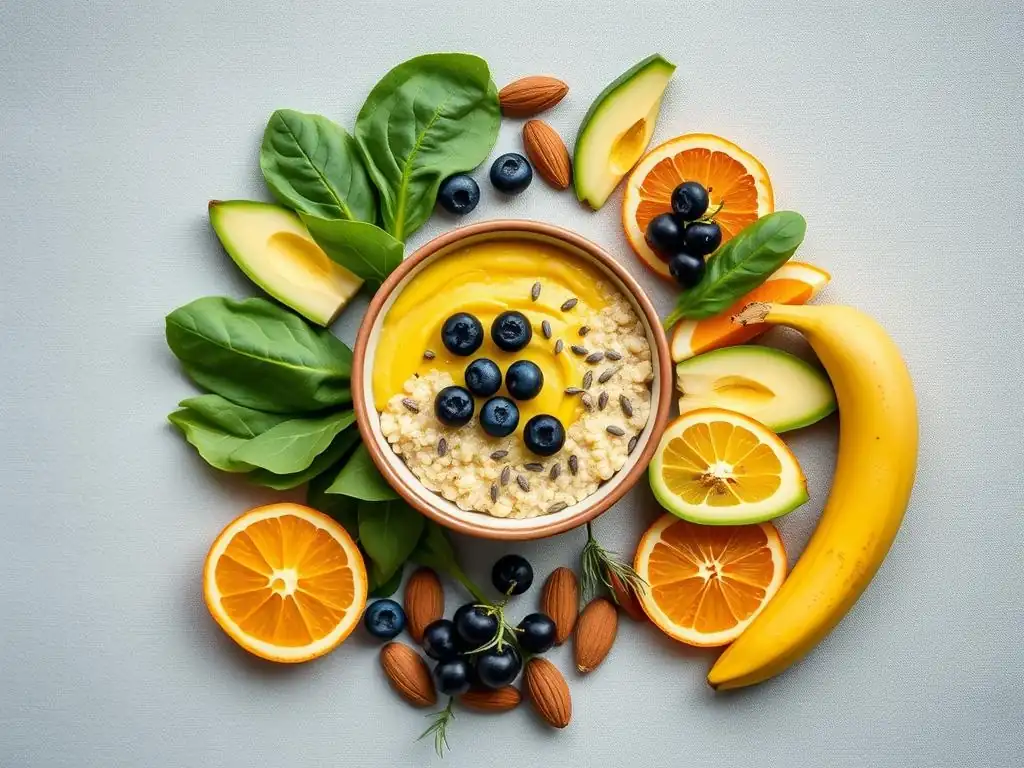
The Power of Omega-3 Fatty Acids: Sources and Benefits for Mental Health
Omega-3 fatty acids are polyunsaturated fats essential for brain health and function. The two most beneficial types for mental health are EPA (eicosapentaenoic acid) and DHA (docosahexaenoic acid), primarily found in fatty fish. Research consistently highlights the Anxiety diet benefits research associated with adequate Omega-3 intake, particularly their role in reducing inflammation throughout the body, including the brain. Chronic low-grade inflammation is increasingly linked to mental health issues like anxiety.
Incorporating foods rich in Omega-3s into your diet can be a key strategy for anxiety relief. Excellent sources include salmon, mackerel, sardines, herring, and anchovies. Aiming for at least two servings of fatty fish per week is often recommended. For those who do not eat fish, plant-based sources like flaxseeds, chia seeds, walnuts, and hemp seeds provide alpha-linolenic acid (ALA), which the body can convert into EPA and DHA, though the conversion rate is relatively low. Including these foods regularly supports brain cell structure and function, potentially mitigating anxiety symptoms by promoting a less inflammatory state.
Magnesium-Rich Foods: Why They Matter for Calming Your Nerves
Magnesium is a mineral involved in over 300 enzymatic reactions in the body, including those related to nerve function, energy production, and muscle relaxation. It plays a crucial role in regulating the body's stress response system and can influence neurotransmitter activity. Research has noted a potential link between magnesium deficiency and increased anxiety levels, suggesting that adequate intake is important for maintaining a calm state. The Anxiety diet benefits research regarding magnesium focuses on its role in modulating the HPA axis and influencing GABA receptors, which have a calming effect on the brain.
To support nerve function and potentially reduce anxiety, focus on incorporating magnesium-rich foods into your daily diet. Dark leafy greens like spinach and kale are excellent sources, providing significant amounts of this mineral. Other beneficial foods include nuts and seeds (such as almonds, cashews, pumpkin seeds), legumes (like black beans and lentils), whole grains (like brown rice and quinoa), and even dark chocolate. Ensuring consistent intake of these foods can help maintain optimal magnesium levels, supporting overall nervous system health and potentially easing anxiety symptoms.
Probiotic-Rich Foods: Nurturing Your Gut Microbiome for Anxiety Reduction
The health of your gut microbiome has a direct impact on your brain and mood through the gut-brain axis. Probiotics are beneficial bacteria that, when consumed in adequate amounts, can confer health benefits, including potentially influencing mental well-being. Research into the Anxiety diet benefits research related to probiotics suggests that introducing beneficial bacteria can help regulate the gut environment, influence neurotransmitter production (like GABA and serotonin), and modulate the stress response, potentially leading to a reduction in anxiety symptoms.
Incorporating probiotic-rich foods into your diet is a delicious way to support your gut health. Fermented foods are primary sources of probiotics. Examples include yogurt with live and active cultures, kefir (a fermented milk drink), sauerkraut (fermented cabbage), kimchi (Korean fermented vegetables), tempeh (fermented soybeans), and kombucha (fermented tea). While the specific strains and amounts of probiotics can vary greatly between products, regularly consuming a variety of these foods can help foster a diverse and healthy gut microbiome, contributing to improved communication along the gut-brain axis and potentially reducing anxiety.
Antioxidant-Packed Foods: Combating Oxidative Stress and Anxiety
Antioxidants are compounds that help protect your body's cells from damage caused by unstable molecules called free radicals. Oxidative stress, which occurs when there is an imbalance between free radicals and antioxidants, has been linked to various health problems, including neuroinflammation and mental health conditions like anxiety. The Anxiety diet benefits research highlights the potential of diets rich in antioxidants to protect brain cells and reduce inflammation, thereby potentially mitigating anxiety symptoms.
Loading up on antioxidant-packed foods is a practical strategy for combating oxidative stress and supporting brain health. Fruits and vegetables are particularly rich in a wide array of antioxidants. Berries (like blueberries, strawberries, raspberries), dark leafy greens (spinach, kale), colorful bell peppers, broccoli, tomatoes, and carrots are excellent choices. Other sources include nuts, seeds, whole grains, green tea, and dark chocolate. Consuming a varied diet abundant in these vibrant foods provides a spectrum of antioxidants that work synergistically to protect brain tissue and may help reduce the physiological burden associated with anxiety.
Foods to Limit or Avoid to Reduce Anxiety Symptoms
The Impact of Processed Foods and Sugary Drinks on Anxiety Levels
Highly processed foods and sugary drinks are often high in unhealthy fats, refined carbohydrates, and added sugars while being low in essential nutrients, fiber, and antioxidants. Research suggests that diets dominated by these items can negatively impact mood and increase the risk of anxiety. The Anxiety diet benefits research indicates that consuming a diet high in processed foods may lead to blood sugar fluctuations, inflammation, and disruptions in the gut microbiome, all of which can exacerbate anxiety symptoms.
Limiting or avoiding processed foods like packaged snacks, fast food, and sugary beverages is a crucial step in managing anxiety through diet. These foods can cause rapid spikes and crashes in blood sugar, which can lead to feelings of nervousness, irritability, and worry, mimicking or worsening anxiety symptoms. For example, a study involving thousands of participants found a correlation between frequent consumption of fast food and sugary drinks and higher levels of psychological distress, including anxiety. Choosing whole, unprocessed foods provides stable energy levels and supports overall mental well-being.
Caffeine and Anxiety: Understanding the Stimulant Effect
Caffeine is a stimulant found in coffee, tea, energy drinks, and chocolate. While moderate consumption may be acceptable for some, for many individuals with anxiety, caffeine can significantly worsen symptoms. Caffeine works by blocking adenosine, a neurotransmitter that promotes relaxation and sleepiness, leading to increased alertness and stimulation. This stimulation can trigger or intensify feelings of nervousness, restlessness, and even panic attacks in susceptible individuals.
Understanding your personal sensitivity to caffeine is key when managing anxiety. Research consistently shows that high caffeine intake is associated with increased anxiety and panic symptoms. For instance, studies have demonstrated that consuming large amounts of caffeine can induce anxiety-like symptoms in individuals prone to panic disorder. If you experience heightened anxiety after consuming caffeine, gradually reducing your intake or switching to decaffeinated options can be beneficial. Monitoring your response is important, as sensitivity varies greatly from person to person.
Alcohol and Anxiety: A Vicious Cycle to Break
Alcohol is often mistakenly used as a way to cope with anxiety because it can initially produce a relaxing effect. However, alcohol is a central nervous system depressant that, after the initial effects wear off, can disrupt neurotransmitter balance and significantly worsen anxiety in the long run. The Anxiety diet benefits research related to alcohol highlights its negative impact on sleep quality, blood sugar levels, and gut health, all of which can contribute to increased anxiety.
Relying on alcohol to manage anxiety creates a vicious cycle. While it might temporarily numb feelings of worry, as the alcohol is metabolized, it can lead to rebound anxiety, often more intense than the original feelings. Furthermore, chronic alcohol use can alter brain chemistry, making individuals more prone to anxiety and depression. Studies show a strong correlation between alcohol dependence and anxiety disorders. Limiting or completely avoiding alcohol is often recommended for individuals seeking to manage anxiety effectively through dietary and lifestyle changes.
Artificial Sweeteners and Anxiety: Exploring the Potential Connection
Artificial sweeteners are used as sugar substitutes in many diet drinks and processed foods. While calorie-free, their impact on mental health, particularly anxiety, is an area of ongoing research and debate. Some studies suggest a potential link between the consumption of certain artificial sweeteners and changes in mood or neurological function. The mechanisms are not fully understood but may involve effects on gut bacteria, neurotransmitter activity, or inflammatory responses.
While the Anxiety diet benefits research specifically on artificial sweeteners is less conclusive than for sugar or caffeine, some individuals report experiencing increased anxiety or other symptoms after consuming them. For example, some preliminary studies or anecdotal reports have raised questions about the neurological effects of certain sweeteners like aspartame, although large-scale human studies often yield mixed results. Given the uncertainty and potential for individual sensitivity, some people with anxiety choose to limit or avoid artificial sweeteners, opting instead for natural sweetness from fruits or using minimal amounts of natural sweeteners like honey or maple syrup if needed.
Creating a Personalized Anxiety Diet Plan: A Practical Guide
Identifying Your Individual Dietary Triggers for Anxiety
Developing a personalized anxiety diet plan begins with understanding how your own body reacts to specific foods. While general guidelines exist based on Anxiety diet benefits research, individual responses can vary significantly. What might be calming for one person could potentially exacerbate anxiety in another. Common triggers can include caffeine, sugar, processed foods, or even sensitivities to certain healthy foods like dairy or gluten for some individuals.
Keeping a food and mood journal is an effective way to identify your personal dietary triggers. For a couple of weeks, meticulously record everything you eat and drink, noting the time of consumption. Alongside this, track your anxiety levels and any changes in mood or physical symptoms (like digestive upset) throughout the day. Reviewing this journal can reveal patterns between certain foods or drinks and fluctuations in your anxiety, helping you pinpoint specific items to limit or eliminate.
Gradual Dietary Changes: A Sustainable Approach to Anxiety Management
Attempting to overhaul your entire diet overnight can be overwhelming and difficult to sustain, potentially adding to stress rather than reducing anxiety. A more effective approach is to implement gradual, manageable dietary changes. This allows your body and mind to adjust and helps you build sustainable habits over time, leading to long-term Anxiety diet benefits research in practice.
Start with one or two small changes based on your identified triggers or the general recommendations. For example, if you suspect caffeine is an issue, try switching one cup of coffee to decaf or green tea for a week. If you want to incorporate more Omega-3s, start by adding fatty fish to your dinner once a week. Once you feel comfortable with these changes, introduce another. This step-by-step method makes the process less daunting and increases the likelihood that you will stick with your new, anxiety-friendly eating habits.
Working with a Registered Dietitian: Personalized Guidance for Anxiety Relief
Navigating the complexities of nutrition and mental health can be challenging, and generalized advice may not address your unique needs, health conditions, or potential nutrient deficiencies. Working with a registered dietitian (RD) who has experience in mental health or functional nutrition can provide invaluable personalized guidance for creating an effective anxiety diet plan.
An RD can help you:
- Assess your current dietary intake and identify potential nutrient gaps or excesses.
- Develop a meal plan tailored to your food preferences, lifestyle, and budget while incorporating the principles supported by Anxiety diet benefits research.
- Identify and manage food sensitivities or allergies that might be contributing to anxiety.
- Provide evidence-based recommendations for supplementation if necessary.
- Offer ongoing support and adjustments as you progress.
This professional partnership ensures that your dietary changes are safe, effective, and specifically designed to support your anxiety management goals.
Beyond Diet: Integrating Lifestyle Factors for Enhanced Anxiety Management

The Synergy of Diet and Exercise for Anxiety Reduction
Diet and exercise are two powerful pillars of health that have a synergistic effect on mental well-being, particularly in reducing anxiety. While focusing on Anxiety diet benefits research provides a strong foundation, incorporating physical activity amplifies these effects. Exercise releases endorphins, natural mood elevators, and helps reduce stress hormones like cortisol. It also improves sleep quality and can provide a valuable distraction from anxious thoughts.
Combining a nutrient-rich diet with regular exercise creates a potent anti-anxiety strategy. For instance, a diet high in Omega-3s can reduce inflammation, while exercise also possesses anti-inflammatory properties. Both improve circulation and blood flow to the brain, supporting cognitive function and emotional regulation. Studies consistently show that individuals who maintain healthy eating habits and engage in regular physical activity report lower levels of anxiety compared to those who do not. Aim for at least 150 minutes of moderate-intensity aerobic exercise or 75 minutes of vigorous-intensity exercise per week, in addition to strength training, as recommended by health guidelines.
The Importance of Sleep for Mental Well-being and Dietary Choices
Sleep is fundamentally linked to both diet and anxiety. Poor sleep can increase anxiety levels and make it harder to make healthy food choices, often leading to cravings for sugary or processed foods. Conversely, anxiety can make it difficult to fall asleep or stay asleep, creating a challenging cycle. Prioritizing good sleep hygiene is therefore essential for supporting your anxiety diet efforts and overall mental health.
Research demonstrates that chronic sleep deprivation disrupts hormone levels that regulate appetite (ghrelin and leptin), potentially leading to overeating or poor food choices that can exacerbate anxiety. It also impairs cognitive function, making it harder to stick to a healthy eating plan. Aim for 7-9 hours of quality sleep per night. Establishing a regular sleep schedule, creating a relaxing bedtime routine, and ensuring your bedroom is dark, quiet, and cool can significantly improve sleep quality, which in turn supports better mood regulation and empowers you to make dietary choices aligned with your anxiety management goals.
Stress Management Techniques to Complement Your Anxiety Diet
While diet plays a significant role in managing anxiety, it is most effective when integrated into a broader approach that includes stress management techniques. Chronic stress can undermine even the healthiest eating habits by triggering the release of stress hormones that can affect digestion, nutrient absorption, and cravings. Learning to manage stress directly complements the Anxiety diet benefits research by creating a more favorable internal environment.
Incorporating stress-reducing practices into your daily routine can enhance the positive effects of your anxiety diet. Techniques such as mindfulness meditation, deep breathing exercises, yoga, progressive muscle relaxation, or spending time in nature can help calm the nervous system and reduce the physiological effects of stress. Regularly practicing these techniques can lower cortisol levels, improve resilience to stressors, and support overall mental well-being, making it easier to maintain healthy dietary habits and experience greater relief from anxiety symptoms.
The Future of Anxiety Diet Research: What's Next?
Emerging Research on Specific Diets (e.g., Keto, Mediterranean) and Anxiety
The field of nutritional psychiatry is rapidly evolving, with ongoing research exploring the impact of various specific dietary patterns on mental health, including anxiety. While the Mediterranean diet has consistently shown positive associations with reduced anxiety in observational studies and some intervention trials, other diets are also being investigated. For example, there is emerging interest in the potential effects of ketogenic (keto) diets on neurological and psychiatric conditions due to their impact on brain metabolism and neurotransmitter levels.
Current Anxiety diet benefits research on the keto diet for anxiety is still preliminary, primarily based on animal studies and small human case reports, often in the context of epilepsy treatment. However, researchers are beginning to design studies to understand if the metabolic state induced by ketosis could have a direct impact on anxiety symptoms in specific populations. Similarly, research continues to refine understanding of other dietary patterns, like plant-based diets or specific elimination diets, and their potential roles in managing anxiety, often considering individual variability in response.
Personalized Nutrition for Anxiety: Tailoring Diets Based on Individual Needs
One of the most promising future directions in Anxiety diet benefits research is the move towards personalized nutrition. Recognizing that individuals respond differently to dietary interventions due to genetic variations, differences in gut microbiome composition, metabolic profiles, and lifestyle factors, researchers are exploring ways to tailor dietary recommendations for optimal mental health outcomes.
Future research aims to utilize technologies like genetic testing, microbiome analysis, and metabolic profiling to create highly individualized dietary plans for anxiety management. For example, understanding an individual's genetic predisposition for nutrient absorption or their unique gut bacteria profile could inform specific recommendations regarding probiotic strains, types of fiber, or optimal ratios of macronutrients. This personalized approach holds the potential to significantly enhance the effectiveness of dietary interventions, moving beyond general guidelines to highly targeted nutritional strategies for anxiety relief.
Conclusion: Harnessing the Power of Food for Anxiety Management
The growing body of Anxiety diet benefits research provides compelling evidence that dietary changes can be a powerful tool in managing anxiety symptoms. Understanding the intricate connection between the gut and the brain, recognizing how nutrient deficiencies can exacerbate distress, and identifying specific foods that support or hinder mental well-being are crucial steps in this journey.
By focusing on incorporating nutrient-dense foods rich in Omega-3s, magnesium, probiotics, and antioxidants, while simultaneously limiting processed items, sugar, excessive caffeine, and alcohol, individuals can build a foundation for reduced anxiety. Creating a personalized plan, making gradual changes, and considering professional guidance from a registered dietitian can make this process more effective and sustainable. When combined with other lifestyle factors like exercise, adequate sleep, and stress management techniques, dietary changes offer a holistic and empowering approach to finding calm and improving overall mental well-being.
Frequently Asked Questions
What is an anxiety diet, and how can dietary changes impact anxiety levels?
An anxiety diet refers to specific dietary changes designed to reduce anxiety symptoms. Research suggests that certain nutrients and foods can positively influence brain function and stress response, potentially leading to decreased anxiety.
What does anxiety diet benefits research reveal about the connection between gut health and anxiety?
Anxiety diet benefits research indicates a strong link between the gut microbiome and anxiety. A healthy gut can produce neurotransmitters like serotonin, which plays a crucial role in regulating mood and reducing anxiety symptoms.
Which specific foods and nutrients are highlighted in anxiety diet benefits research as potentially beneficial for managing anxiety?
Research emphasizes the importance of omega-3 fatty acids, found in fatty fish, and magnesium, present in leafy greens, for reducing anxiety. Other beneficial nutrients include B vitamins and antioxidants, which support overall brain health.
Are there any foods that anxiety diet benefits research suggests should be avoided to help manage anxiety?
Yes, anxiety diet benefits research often recommends limiting or avoiding processed foods, sugary drinks, and excessive caffeine. These can contribute to inflammation and blood sugar fluctuations, potentially exacerbating anxiety symptoms.
How reliable and conclusive is the anxiety diet benefits research in proving the effectiveness of dietary changes for anxiety?
While anxiety diet benefits research shows promise, it's important to note that findings are still evolving. Dietary changes can be a helpful component of anxiety management, but should be used in conjunction with other strategies like therapy and, if necessary, medication, under the guidance of a healthcare professional.
Final Reflection: Cultivating Calm Through Conscious Eating
The connection between what we eat and how we feel is undeniable, and the research increasingly points to a powerful link between diet and anxiety management. Understanding this relationship isn't just about fleeting trends; it's about harnessing the power of nutrition to cultivate lasting mental well-being in a world increasingly characterized by stress and uncertainty. This knowledge empowers us to take proactive steps towards a calmer, more resilient self.
The impact of dietary choices on anxiety levels is profound and far-reaching, influencing not only our immediate emotional state but also shaping our long-term mental health trajectory. It's a conversation that needs to move beyond the realm of anecdotal evidence and into the mainstream, fostering a greater understanding of the mind-body connection. As Hippocrates wisely stated, Let food be thy medicine and medicine be thy food.
This ancient wisdom holds remarkable relevance in our modern understanding of anxiety and its treatment. The more we integrate this holistic approach into our lives, the more we can empower ourselves and others to navigate the challenges of daily life with greater ease and resilience.
Consider the foods you consume today. Are they nourishing your mind and body, or contributing to feelings of anxiety and unease? This article has provided a glimpse into the scientific evidence supporting a mindful approach to eating for anxiety relief. Now, it's your turn to take action. Start small, explore the research further, and begin to consciously integrate the principles discussed here into your daily life. By making informed choices about your diet, you are not just changing what you eat, but actively shaping your mental and emotional landscape, paving the way for a calmer, more fulfilling future.
Unlock Your Inner Calm: Take Control of Anxiety Through Diet
Thanks for taking the time to explore the powerful connection between diet and anxiety! We hope you gained valuable insights into how nourishing your body can nurture your mind. Ready to put this knowledge into action?
- Prioritize gut-health promoting foods: Start small! Begin incorporating foods rich in probiotics (like yogurt or kimchi) and prebiotics (like bananas or asparagus) into your daily meals this week. Notice how you feel.
- Track your food and mood: Download a food journal app or simply keep a notebook to log your meals and corresponding energy levels and anxiety. This simple step will provide invaluable insight into your personal dietary triggers.
- Share your journey: Connect with our community on social media – let’s support each other in this transformative process! Share your favorite anxiety-reducing recipes or tips.
What small dietary change will you make today to support your mental wellbeing?