
Fear of Being Apart: Navigating Separation Anxiety in Youth


Welcome to Mind Care Guide.
Is your child's fear of being alone holding them back? We understand the heartache and worry that comes with seeing your young one struggle with separation anxiety. You're not alone. In this guide, we delve deep into separation anxiety in youth, offering insights, practical strategies, and compassionate support to help you navigate this challenging journey. Are you ready to uncover the roots of this anxiety and discover how to build a stronger, more confident future for your child? Read on to learn more.
Separation Anxiety Disorder in Youth: A Comprehensive Guide
- Understanding Separation Anxiety Disorder (SAD)
- Recognizing Symptoms and Signs of SAD
- Causes and Contributing Factors
- Diagnosis and Assessment
- Evidence-Based Treatment Approaches
- Practical Strategies for Parents and Caregivers
- Supporting Adolescents with SAD
- Long-Term Outcomes and Potential Complications
- Resources and Support
-
Frequently Asked Questions
- What is separation anxiety in youth and how does it differ from normal childhood anxieties?
- What are the common signs and symptoms of separation anxiety in youth?
- What are the potential causes and risk factors associated with separation anxiety in youth?
- How can parents and caregivers effectively support a child experiencing separation anxiety?
- What are some effective treatment options for separation anxiety in youth, and when should professional help be sought?
- Final Reflection: Embracing the Journey Beyond Separation Anxiety
- Unlock Your Child's Confidence: Steps to Ease Separation Anxiety
Understanding Separation Anxiety Disorder (SAD)
Defining Separation Anxiety Disorder
Separation Anxiety Disorder (SAD) in youth is characterized by excessive fear or anxiety concerning separation from home or from those to whom the individual is attached. This anxiety is beyond what is expected for the individual's developmental level and causes significant distress or impairment in social, academic, or other important areas of functioning. Unlike the normal, temporary distress many young children experience when a parent leaves, SAD is more persistent, intense, and extends into older childhood and adolescence, often interfering significantly with daily life.
The diagnostic criteria for SAD, as outlined in the Diagnostic and Statistical Manual of Mental Disorders (DSM-5), require the presence of at least three specific symptoms related to separation anxiety, lasting for at least four weeks in children and adolescents. These symptoms are not merely a fleeting worry but represent a deep-seated fear that can manifest in various ways, including recurrent excessive distress when anticipating or experiencing separation, persistent worry about losing major attachment figures, or persistent reluctance or refusal to go to school or elsewhere because of fear of separation.
This excessive fear of being apart significantly impacts a young person's ability to engage in age-appropriate activities and maintain relationships.
Normal Separation Anxiety vs. SAD: Key Differences
It is crucial to distinguish between normal developmental separation anxiety and Separation Anxiety Disorder in youth. Normal separation anxiety is a common and healthy part of infant and toddler development, typically emerging between 8 and 14 months of age. It manifests as distress when a primary caregiver leaves and usually diminishes as the child grows older and develops object permanence and a sense of security. This temporary distress is an expected phase and does not significantly impair functioning long-term.
In contrast, SAD is characterized by anxiety that is excessive for the child's age and developmental level, persistent over time (lasting at least four weeks in youth), and significantly impairing. While a toddler might cry when a parent leaves for an hour, a child or adolescent with SAD might experience panic symptoms, refuse to attend school for weeks, or be unable to sleep alone due to intense fear of separation, even from a different room in the house.
This level of distress and functional impairment is the key differentiator, marking the point where normal developmental anxiety becomes a clinical concern requiring attention.
Recognizing Symptoms and Signs of SAD
Emotional and Behavioral Symptoms in Children
Emotional and behavioral symptoms of separation anxiety in youth can be varied and often intense. Younger children might display excessive crying, tantrums, or clinginess when separation is imminent or occurs. They may refuse to go to school or daycare, insist on a parent staying with them at bedtime, or follow a parent around the house constantly. A persistent and excessive fear that something terrible will happen to a major attachment figure (like a parent becoming ill or dying) is a hallmark emotional symptom.
Behaviorally, children with SAD might resist sleeping alone, even wanting to sleep on the floor next to a parent's bed. They may express repeated, excessive worries about being kidnapped or getting lost, specifically fearing separation from their attachment figure. This overwhelming fear of being apart can lead to significant avoidance behaviors, such as refusing playdates at friends' houses, avoiding sleepovers, or showing marked distress during routine separations like a parent leaving for work. These behaviors are not simply defiance but stem from profound anxiety.
Manifestations in Adolescents
While often associated with younger children, separation anxiety in youth can persist or emerge during adolescence, though its presentation might differ. Teenagers with SAD may express their anxiety through more internalized fears and physical complaints rather than overt tantrums. They might still exhibit difficulty attending school, but it could manifest as chronic absenteeism or refusal, often justified by physical symptoms or vague anxieties about the school environment itself, which are linked to fear of being away from home or parents.
Adolescents with separation anxiety may also struggle with social independence. They might avoid activities that require separation from parents, such as overnight trips, college visits, or even spending extended time at a friend's house. Worry about parents' safety or their own safety when separated remains prominent. This can significantly impact their developing independence, peer relationships, and academic progress, sometimes leading to social isolation and difficulty transitioning into adulthood. The fear of being apart can be profoundly limiting.
Physical Symptoms Associated with SAD
Physical symptoms are a common manifestation of separation anxiety in youth, often occurring when separation is anticipated or experienced. These symptoms are real and distressing to the child or adolescent, even though they don't stem from a physical illness. Frequent complaints include headaches, stomachaches, or nausea, particularly on school mornings or before other planned separations. Vomiting can also occur in some cases due to intense anxiety.
Other physical signs linked to the fear of being apart can include rapid heartbeat, shortness of breath, dizziness, or muscle tension. These are often symptoms of panic or extreme anxiety triggered by the prospect of separation. Parents might notice these physical complaints subside quickly once the child is reunited with the attachment figure or once the feared separation is avoided. Recognizing these physical symptoms as potential indicators of separation anxiety is crucial for seeking appropriate help.
Causes and Contributing Factors
Genetic and Biological Influences
Research suggests that there can be a genetic predisposition to anxiety disorders, including separation anxiety in youth. Children with a family history of anxiety disorders, depression, or other mental health conditions may have a higher likelihood of developing SAD. While no single "anxiety gene" has been identified, variations in certain genes related to neurotransmitter function and stress response systems in the brain are thought to play a role in increasing vulnerability to anxiety.
Biological factors also contribute to the development of separation anxiety. Differences in brain structure and function, particularly in areas involved in processing fear and emotion like the amygdala, may make some young people more susceptible to intense anxiety responses, including those related to separation. The body's stress response system (the hypothalamic-pituitary-adrenal axis) may also be more reactive in individuals prone to anxiety. These biological underpinnings interact with environmental factors to influence whether SAD develops.
Environmental Stressors and Life Events
Environmental factors and specific life events can significantly trigger or exacerbate separation anxiety in youth. Major transitions or stressors that disrupt a child's sense of security are often implicated. Examples include changing schools, moving to a new home, parental divorce or conflict, illness or death of a family member or pet, or experiencing a traumatic event. Even positive events like starting school can be stressful for a child with a predisposition to SAD.
Parental anxiety can also play a role, as children may model their parents' fearful or anxious responses. Overprotective parenting styles, where a child is not given opportunities to experience age-appropriate independence, can inadvertently reinforce dependency and a fear of separation. A sudden or unexpected separation, such as a parent's extended hospital stay or a child's own medical procedure requiring separation, can also trigger intense separation anxiety. These external factors interact with a child's individual vulnerability.
Attachment Styles and Their Impact
Attachment theory provides valuable insight into the development of separation anxiety in youth. A child's attachment style, formed through early interactions with primary caregivers, significantly influences their sense of security and their ability to cope with separation. Secure attachment, characterized by consistent, responsive caregiving, helps children develop trust and confidence in their caregivers' availability, making them more comfortable exploring independently and managing brief separations.
Insecure attachment styles, such as anxious-ambivalent or avoidant attachment, can contribute to difficulties with separation. Children with anxious-ambivalent attachment may be overly clingy, distressed by separation, and difficult to soothe upon reunion, reflecting uncertainty about the caregiver's responsiveness. While avoidant attachment is less directly linked to SAD symptoms, overall insecure attachment patterns can impair a child's ability to regulate emotions and feel secure when separated, increasing the risk for developing clinical separation anxiety.
Diagnosis and Assessment
When to Seek Professional Evaluation
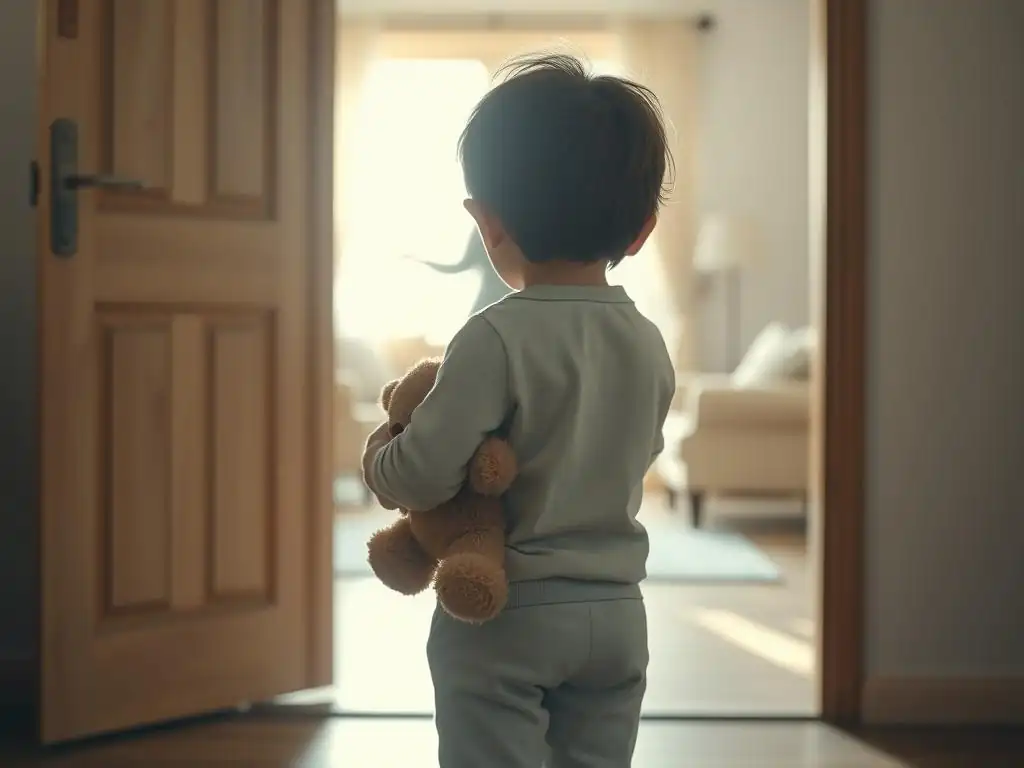
Knowing when to seek professional help for separation anxiety in youth is crucial. While some level of separation distress is normal, parents or caregivers should consider evaluation if the anxiety is excessive for the child's age, persistent (lasting four weeks or longer in youth), and significantly interferes with daily life. This includes difficulty attending school, avoiding social activities, inability to sleep alone, or causing significant distress to the child or family.
If the physical symptoms associated with anxiety (like stomachaches or headaches) are frequent and seem linked to separation, and medical causes have been ruled out, it's another indicator for evaluation. Persistent and intense worry about harm befalling attachment figures or the child when separated also warrants professional attention. Early intervention is key to preventing long-term complications and supporting the child's healthy development.
The Diagnostic Process: Interviews and Assessments
The diagnostic process for separation anxiety in youth typically involves a comprehensive evaluation conducted by a mental health professional. This process usually begins with detailed interviews with the child or adolescent and their parents or caregivers. The clinician will gather information about the history of the anxiety, its onset, duration, triggers, and how it impacts the child's functioning at home, school, and in social settings. Specific examples of separation difficulties are explored.
Standardized assessment tools and questionnaires may also be used to gather more objective information about the severity and nature of the separation anxiety symptoms. These assessments might be completed by the child (if age-appropriate), parents, and sometimes teachers. The clinician will use all this information, along with observation of the child's behavior during the evaluation, to determine if the symptoms meet the diagnostic criteria for Separation Anxiety Disorder or another anxiety disorder, or if the anxiety is within a normal range for the child's development.
The Role of Psychologists and Psychiatrists
Psychologists and psychiatrists are key professionals involved in the diagnosis and treatment of separation anxiety in youth. Psychologists, particularly clinical child psychologists, are trained in conducting detailed psychological assessments, using interviews and standardized tests to diagnose SAD and other co-occurring conditions. They are also primary providers of evidence-based psychotherapies, such as Cognitive Behavioral Therapy (CBT) and exposure therapy, which are highly effective for treating separation anxiety.
Psychiatrists, who are medical doctors specializing in mental health, can also diagnose SAD. Their role often involves assessing for co-occurring mental health conditions and, when necessary, prescribing medication to manage severe anxiety symptoms, particularly when psychotherapy alone is not sufficient or when other conditions like depression or panic disorder are present. A collaborative approach between psychologists and psychiatrists can provide comprehensive care for young people struggling with significant separation anxiety.
Evidence-Based Treatment Approaches
Cognitive Behavioral Therapy (CBT) Techniques
Cognitive Behavioral Therapy (CBT) is considered a first-line, evidence-based treatment for separation anxiety in youth. CBT helps young people identify and challenge the unrealistic or exaggerated fears and worries associated with separation. Techniques include cognitive restructuring, where the child learns to identify anxious thoughts (e.g., "Mommy won't come back," "Something bad will happen to me"), evaluate the evidence for and against these thoughts, and replace them with more realistic and helpful ones (e.g., "Mommy always comes back," "I can handle being away from home").
Behavioral components of CBT for separation anxiety often involve teaching coping strategies, such as relaxation techniques (deep breathing, progressive muscle relaxation) and problem-solving skills. The child learns to manage the physical symptoms of anxiety and develop a sense of agency in challenging fearful situations. Parents are typically involved in CBT to learn how to support their child's progress and reinforce new coping behaviors, making it a comprehensive approach to managing the fear of being apart.
Exposure Therapy for Separation Anxiety
Exposure therapy is a core component often used within CBT for treating separation anxiety in youth. It involves gradually and systematically exposing the child to feared separation situations in a safe and controlled environment. The goal is to help the child learn that they can tolerate the anxiety and that their feared outcomes do not occur. This process is done in a step-by-step manner, starting with situations that provoke minimal anxiety and slowly progressing to more challenging ones.
A typical exposure hierarchy for separation anxiety might start with a parent being out of sight in another room for a few minutes, then progressing to leaving the child with a trusted caregiver for a short period, staying overnight at a relative's house, and eventually attending school or going on a sleepover. Each step is repeated until the child's anxiety significantly decreases before moving to the next level. This process of habituation helps the child build confidence and reduce the intense fear associated with being apart.
Family Therapy and Parent Training
Family therapy and parent training are often vital components of treatment for separation anxiety in youth, as the family system plays a significant role in maintaining or alleviating the anxiety. Parent training helps caregivers understand SAD, learn strategies to support their child's coping, and inadvertently avoid reinforcing anxious behaviors (like excessive reassurance or allowing avoidance). Parents learn how to set firm but empathetic limits around separation difficulties.
Family therapy can address family dynamics that might contribute to or maintain the anxiety. It can improve communication patterns related to the child's anxiety and help the family work together to implement exposure exercises and support the child's increasing independence. By involving the family, treatment addresses the broader context in which separation anxiety occurs, ensuring that the home environment supports the child's progress towards managing their fear of being apart.
Practical Strategies for Parents and Caregivers
Establishing Predictable Routines
Establishing predictable daily routines is a practical strategy that can significantly help children and adolescents with separation anxiety. Predictability provides a sense of security and reduces uncertainty, which can be a major trigger for anxiety. Consistent schedules for waking up, meals, school or activities, homework, playtime, and bedtime help the child know what to expect throughout the day.
Clear routines around separation events, such as school drop-offs or leaving for work, are particularly important. Having a consistent departure ritual – a quick hug, a specific phrase, and a promise of return at a certain time – can make separations less stressful. Knowing the sequence of events and having reliable transitions helps the child feel more in control and less anxious about the unknown aspects of being apart.
Gradual Exposure and Desensitization
Implementing gradual exposure and desensitization techniques at home can be a powerful way for parents to help their child manage separation anxiety. This involves creating small, manageable opportunities for the child to experience separation and build tolerance. Start with very brief separations within the home, such as leaving the child in a room alone for a few minutes while you are nearby, or having them play independently while you are in another part of the house.
Slowly increase the duration and distance of these separations. This could involve leaving the child with a trusted family member for a short errand, gradually increasing the time spent at a friend's house, or practicing staying home alone for brief periods if age-appropriate. The key is to move at a pace the child can tolerate, praising their efforts and focusing on their ability to cope, rather than the absence of distress. This systematic approach helps desensitize them to the fear of being apart.
Teaching Coping Skills and Relaxation Techniques
Equipping youth with coping skills and relaxation techniques provides them with tools to manage anxiety when separation occurs. Simple techniques like deep breathing exercises ("belly breathing") can help regulate the physiological symptoms of anxiety. Teaching mindfulness techniques, such as focusing on the five senses, can help ground the child in the present moment rather than getting lost in anxious thoughts about the future separation.
Other coping skills include positive self-talk ("I can do this," "I am safe"), visualization (imagining a calm place), and engaging in distracting activities (reading, drawing, playing a game) during times of anxiety. Parents can practice these skills with their child regularly, not just when they are anxious, so they become familiar and accessible tools. Empowering children with these strategies gives them a sense of control over their anxiety related to being apart.
Positive Reinforcement and Encouragement
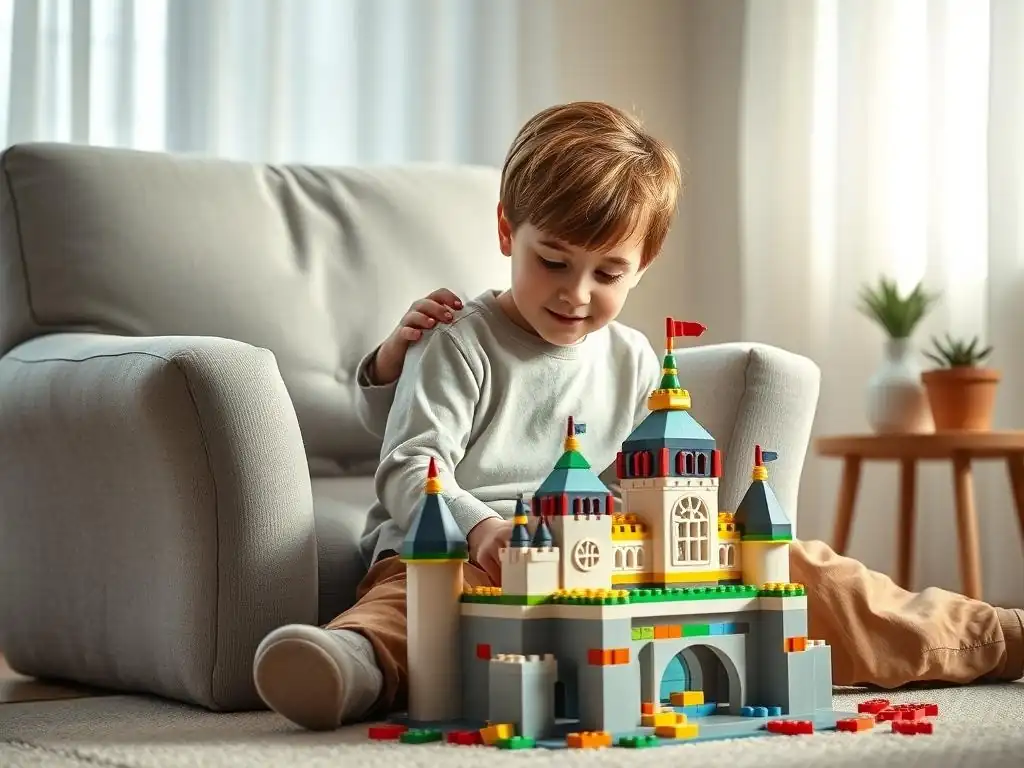
Using positive reinforcement and encouragement is essential when helping a child overcome separation anxiety. Focus on praising and rewarding brave behaviors, no matter how small. This could be attending school without a major meltdown, sleeping in their own bed for part of the night, or simply tolerating a brief separation without excessive distress. Specific praise, such as "I'm really proud of you for staying in your classroom today," is more effective than general statements.
Rewards don't have to be elaborate; they can be extra playtime, a special outing, or earning points towards a desired item. The goal is to motivate the child to face their fears and reinforce that positive outcomes follow courageous actions. Encouraging their efforts, acknowledging their feelings without giving in to avoidance, and celebrating small victories builds their confidence in their ability to manage their fear of being apart.
Managing Avoidance and Reassurance-Seeking
Parents need to be mindful of inadvertently reinforcing separation anxiety in youth by allowing excessive avoidance or engaging in repeated reassurance-seeking cycles. While it's natural to want to protect your child from distress, allowing them to consistently avoid feared situations (like school or sleepovers) only teaches them that they cannot cope and that separation is truly dangerous. Gradually reducing accommodation of avoidance is a key part of treatment.
Similarly, providing constant reassurance (e.g., repeatedly promising you'll be okay or that nothing bad will happen) can temporarily soothe the child but ultimately prevents them from learning to tolerate uncertainty and trust their own coping abilities. Instead of endless reassurance, validate their feelings ("I know you're scared") and express confidence in their ability to cope ("You are brave, and you can handle this. I'll see you later"). This shifts the focus from eliminating anxiety to building resilience when facing the fear of being apart.
Supporting Adolescents with SAD
Fostering Independence and Problem-Solving
Supporting adolescents with separation anxiety requires a focus on fostering independence and problem-solving skills, essential for their developmental stage. While younger children need comfort and structured routines, teens benefit from being empowered to tackle challenges themselves. Encourage them to identify situations that trigger their anxiety and brainstorm potential solutions, rather than immediately stepping in to solve the problem for them or allowing avoidance.
Provide opportunities for age-appropriate independence, such as managing their own schedule, taking public transportation (if safe and feasible), or handling simple errands alone. Discuss their fears openly and collaboratively develop strategies for managing anxiety in separation situations, like using coping skills learned in therapy or identifying trusted adults they can turn to when away from home. This approach respects their growing need for autonomy while providing necessary support for their fear of being apart.
Open Communication and Validation
Maintaining open and empathetic communication is paramount when supporting adolescents with separation anxiety. Teenagers may be more reluctant to express their fears directly or may feel embarrassed by anxiety they perceive as childish. Create a safe space where they feel comfortable sharing their worries without judgment. Listen actively and validate their feelings, letting them know that their anxiety is real and understandable, even if the fears seem irrational to an adult.
Avoid dismissing their feelings or shaming them for their difficulties with separation. Instead, acknowledge the challenge ("It sounds like you're really worried about me leaving") and express belief in their strength ("I know this is hard, but I also know you are capable of handling challenging feelings"). Open dialogue helps them feel supported and more willing to engage in treatment and practice coping strategies for their fear of being apart.
Separation anxiety in youth, particularly adolescents, often leads to significant social and academic challenges that need direct attention. School refusal or chronic absenteeism is common, impacting academic performance and future opportunities. Work closely with the school to develop a plan for gradual reintegration, involving teachers, counselors, and potentially administrators. This might include starting with part-time attendance or having a designated safe person at school.
Social isolation can also occur as teens avoid peer activities that require separation from home or parents. Encourage participation in extracurricular activities or social events, starting with less anxiety-provoking situations and gradually building up. Support their efforts to connect with friends independently. Addressing these functional impairments directly, alongside managing the core anxiety, is crucial for the adolescent's overall well-being and development.
Long-Term Outcomes and Potential Complications
Untreated separation anxiety in youth can have significant long-term impacts on social, emotional, and academic development. Persistent school refusal leads to academic gaps and can make returning to school increasingly difficult. Social avoidance limits opportunities to develop peer relationships, social skills, and independence, potentially leading to isolation and difficulties in forming relationships later in life.
Emotionally, chronic anxiety can affect a child's self-esteem and sense of competence. They may internalize the belief that they cannot cope without their attachment figure, hindering their development of resilience and independence. This can set the stage for ongoing anxiety issues and other mental health challenges in adulthood. The fear of being apart, when left unaddressed, casts a long shadow over development.
Risk of Co-Occurring Mental Health Conditions
Youth with Separation Anxiety Disorder are at a higher risk of developing other mental health conditions later in life if their anxiety is not effectively treated. There is a notable comorbidity between SAD and other anxiety disorders, such as generalized anxiety disorder, social anxiety disorder, and panic disorder, particularly as they transition into adolescence and adulthood.
Furthermore, untreated separation anxiety can increase the risk for developing depressive disorders. The isolation, academic difficulties, and persistent distress associated with SAD can contribute to feelings of hopelessness and sadness. Addressing separation anxiety early is therefore not just about alleviating the immediate distress but also about mitigating the risk of developing more complex mental health issues down the line.
Importance of Early and Ongoing Intervention
Given the potential long-term impacts and risk of complications, the importance of early and ongoing intervention for separation anxiety in youth cannot be overstated. Identifying and treating SAD during childhood or adolescence significantly improves outcomes. Evidence-based therapies like CBT, especially when combined with parent involvement and, if needed, medication, are highly effective in helping young people learn to manage their anxiety and function independently.
Ongoing support may be necessary, even after initial symptoms improve, particularly during transitions like starting middle school, high school, or college. Regular check-ins with a therapist or counselor can help reinforce coping skills and address any resurgence of anxiety related to separation. Proactive and sustained support helps young people with separation anxiety build resilience and navigate the challenges of growing up with confidence.
Resources and Support
Books, Websites, and Online Materials
Accessing reliable information is a critical first step for parents and caregivers seeking to understand and support a child with separation anxiety in youth. Many excellent books are available that explain SAD in age-appropriate ways for children and provide practical guidance for parents. Websites from reputable mental health organizations often offer articles, fact sheets, and guides specifically on separation anxiety and its treatment in young people.
Online materials can include downloadable worksheets for practicing coping skills, information on understanding anxiety, and tips for managing challenging behaviors related to separation. While navigating online resources, it is important to rely on sources from established mental health institutions, professional associations, or government health organizations to ensure the information is accurate and evidence-based.
Support Groups and Organizations
Connecting with others who understand the challenges of separation anxiety in youth can provide invaluable support and practical advice. Support groups for parents of children with anxiety disorders offer a space to share experiences, coping strategies, and emotional support. These groups may be available locally through community mental health centers or hospitals, or they may exist online.
Organizations dedicated to mental health and anxiety disorders often provide resources, advocacy, and information about finding help. These organizations can be a starting point for locating mental health professionals specializing in treating separation anxiety in youth and connecting with broader support networks. Engaging with these groups can reduce feelings of isolation and empower families facing the fear of being apart.
Finding Mental Health Professionals
Finding a qualified mental health professional experienced in treating separation anxiety in youth is essential for effective intervention. Start by consulting your child's pediatrician, who can provide a referral. School counselors or psychologists may also be able to recommend local resources. Health insurance providers typically have directories of in-network mental health professionals.
Look for licensed psychologists, clinical social workers, or psychiatrists who specialize in child and adolescent mental health and have experience using evidence-based treatments for anxiety disorders, such as CBT and exposure therapy. Don't hesitate to ask potential therapists about their approach to treating separation anxiety and their experience working with young people of your child's age. Finding the right professional is a crucial step towards helping your child overcome their fear of being apart.
Frequently Asked Questions
What is separation anxiety in youth and how does it differ from normal childhood anxieties?
Separation anxiety in youth is characterized by excessive distress when separated from attachment figures, going beyond typical childhood anxieties. It significantly impacts their daily functioning and can manifest as physical symptoms like headaches or stomachaches.
What are the common signs and symptoms of separation anxiety in youth?
Common symptoms include persistent worry about harm befalling themselves or their caregivers, refusal to go to school or other places without a caregiver, and nightmares about separation. They may also experience extreme clinginess.
What are the potential causes and risk factors associated with separation anxiety in youth?
Possible causes include genetic predisposition, stressful life events (like moving or a family illness), and having an overprotective parenting style. Temperament also plays a role; some children are naturally more anxious.
How can parents and caregivers effectively support a child experiencing separation anxiety?
Parents can help by establishing consistent routines, creating a safe and predictable environment, and gradually exposing the child to short periods of separation. Seeking professional guidance from a therapist is also crucial.
What are some effective treatment options for separation anxiety in youth, and when should professional help be sought?
Treatment options include cognitive behavioral therapy (CBT), which helps children manage their anxious thoughts and behaviors, and sometimes medication. Seek professional help if symptoms are severe and interfere with daily life.
Final Reflection: Embracing the Journey Beyond Separation Anxiety
The anxieties surrounding separation in youth are not merely childhood quirks; they are crucial developmental hurdles shaping emotional resilience and future relationships. Understanding these anxieties, as explored throughout this article, is not just about managing tantrums or clinginess; it's about fostering healthy emotional independence and equipping young people with the tools to navigate life's inevitable separations with confidence and grace.
The impact of separation anxiety extends far beyond the immediate experience of leaving a parent or caregiver. It shapes how individuals approach intimacy, trust, and independence throughout their lives. The ability to be alone is the best measure of self-reliance.
This quote highlights the importance of navigating separation anxiety successfully, as it lays the foundation for a healthy sense of self and the ability to form meaningful connections without fear of abandonment. The journey towards emotional independence is a continuous process, and understanding the nuances of separation anxiety is crucial in supporting young people at every stage.
You, the reader, now hold the key to fostering healthier emotional development in the young people in your life. Consider the insights shared here – the importance of secure attachment, the power of consistent routines, and the value of open communication – and actively integrate them into your interactions. By understanding and addressing separation anxiety, we empower the next generation to embrace the challenges and joys of life with courage and self-assurance. Let's work together to build a future where young people feel secure enough to explore the world, knowing they are loved and supported, even when apart.
Unlock Your Child's Confidence: Steps to Ease Separation Anxiety
Thanks for taking the time to learn more about supporting your child through separation anxiety. We hope this article provided valuable insights and practical strategies. Now it's time to put those insights into action!
- Prioritize one small, manageable step: Start with just one of the techniques discussed – whether it's practicing short goodbyes, creating a special comfort object, or establishing a consistent routine. Small wins build confidence!
- Share your experience: Connect with other parents facing similar challenges. Share your successes and challenges in the comments below – your experiences could help someone else!
- Explore further resources: Dive deeper into our website for additional articles and guides on child development and emotional well-being. You might find even more helpful tools to support your family.
Ready to make a positive difference in your child's life? What's one small step you'll take today to build their independence and ease their anxieties?