
Fear of Water: Understanding and Treating Aquaphobia


Welcome to Mind Care Guide, a place where you can find solace and understanding on your journey to mental well-being.
Do you feel a knot of anxiety tightening at the mere thought of water? You're not alone. Many grapple with the unseen currents of aquaphobia. In this article, we'll gently explore the depths of overcoming fear of water, offering insights and strategies to help you navigate these challenging emotions and reclaim your peace of mind. Are you ready to take the first step?
Fear of Water: Understanding and Treating Aquaphobia - A Comprehensive Guide
- Understanding Aquaphobia: Exploring the Depths of Water-Related Fear
- Symptoms and Signs of Aquaphobia: Recognizing the Manifestations of Fear
- Causes and Risk Factors: Exploring the Origins of Aquaphobia
- Diagnosing Aquaphobia: Seeking Professional Evaluation
-
Overcoming Aquaphobia: Effective Treatment Strategies
- Therapy Options: Evidence-Based Approaches for Managing Fear
- Cognitive Behavioral Therapy (CBT): Modifying Negative Thoughts and Behaviors
- Exposure Therapy: Gradually Confronting Water-Related Fears
- Relaxation Techniques: Managing Anxiety and Promoting Calmness
- Medication: Considering Pharmacological Interventions
- Practical Tips for Managing Aquaphobia: Taking Control of Your Fear
- The Role of Support Systems: Family and Friends in Overcoming Aquaphobia
- Long-Term Management: Strategies for Sustained Well-being
- Resources for Aquaphobia: Finding Help and Support
-
Frequently Asked Questions
- How common is the fear of water or aquaphobia?
- What are some of the potential causes of aquaphobia?
- What are the main symptoms someone with aquaphobia might experience?
- What treatment options are available for overcoming aquaphobia?
- Can I overcome my fear of water on my own, or do I need professional help?
- Final Reflection: Embracing the Water Within
- Dive In: Conquer Your Fear of Water Today!
Defining Aquaphobia: The Specific Fear of Water
Aquaphobia is classified as a specific phobia, which is an intense, irrational fear of a particular object or situation. In the case of aquaphobia, this fear centers specifically on water. It's more than just a dislike or discomfort; it's a profound anxiety that can manifest even when contemplating water or being near relatively small amounts, such as a bathtub or a puddle. This fear can significantly impact a person's life, limiting activities, travel options, and even necessary hygiene practices.
The Diagnostic and Statistical Manual of Mental Disorders (DSM-5) outlines criteria for specific phobias, emphasizing that the fear is persistent, excessive, or unreasonable, and causes significant distress or impairment in social, occupational, or other important areas of functioning. While the exact prevalence of aquaphobia specifically is not as widely documented as broader categories like specific phobias as a whole, studies indicate that specific phobias affect a significant portion of the population. Estimates suggest that roughly 7-9% of adults in the United States experience a specific phobia annually, with fears related to natural environments, such as water, being common subtypes.
Aquaphobia vs. Hydrophobia: Clarifying the Differences
While often used interchangeably in common language, particularly online, aquaphobia and hydrophobia have distinct meanings, especially in a medical context. Aquaphobia refers specifically to the psychological fear of water. This fear is typically rooted in anxiety and can stem from various psychological factors, traumatic experiences, or learned behaviors. It's a mental health condition characterized by an irrational and often overwhelming dread associated with water in any form or context.
Hydrophobia, on the other hand, is a medical symptom, not a phobia in the psychological sense. It is a symptom of advanced rabies in mammals, including humans. In rabies, the fear of water is a neurological symptom caused by the virus's effect on the central nervous system, leading to painful spasms in the throat when trying to swallow liquids, including water.
This makes drinking extremely difficult and triggers a strong aversion to water. Therefore, while both terms involve an aversion to water, their origins and implications are vastly different: aquaphobia is a psychological anxiety disorder, whereas hydrophobia is a physical symptom of a specific, severe viral infection.
The Psychology Behind Aquaphobia: Uncovering the Underlying Mechanisms
The psychology behind aquaphobia is complex, often involving a combination of learning, cognitive distortions, and physiological responses. At its core, a phobia is an exaggerated fear response that becomes disconnected from actual danger. For someone with aquaphobia, the brain's threat detection system becomes hyperactive around water, triggering a fight-or-flight response even when the situation is safe. This can be linked to classical conditioning, where a neutral stimulus (water) becomes associated with a negative experience (like nearly drowning or witnessing a water-related accident).
Furthermore, cognitive factors play a crucial role. Individuals with aquaphobia often harbor negative and distorted thoughts about water, such as believing they will inevitably drown or be overwhelmed by its power. These thoughts fuel the anxiety and avoidance behaviors. For example, someone might avoid swimming pools not just because they fear drowning, but because they have intrusive thoughts about losing control or being unable to breathe, even in shallow water. This cycle of negative thoughts, anxiety, and avoidance perpetuates the fear, making steps toward overcoming fear of water feel insurmountable without targeted intervention.
Symptoms and Signs of Aquaphobia: Recognizing the Manifestations of Fear
Physical Symptoms: Identifying Physiological Responses to Water
When confronted with water, or even the thought of it, individuals with aquaphobia often experience a range of intense physical symptoms. These are manifestations of the body's automatic fight-or-flight response, triggered by the perceived threat. Common physical reactions include a rapid heartbeat or palpitations, shortness of breath or a feeling of being unable to breathe, and excessive sweating. These symptoms can be sudden and overwhelming, adding to the distress experienced by the individual.
Other physical signs can involve trembling or shaking, nausea or stomach discomfort, dizziness or lightheadedness, and muscle tension. Some people may also experience chest pain or a choking sensation. For instance, merely standing near a large body of water like a lake or ocean might trigger such a severe panic response that the person feels physically ill and compelled to flee the situation immediately. These powerful physiological reactions reinforce the avoidance behavior, making the idea of overcoming fear of water seem incredibly challenging due to the sheer physical discomfort involved.
Psychological Symptoms: Anxiety, Avoidance, and Cognitive Distortions
Beyond the physical, aquaphobia is characterized by significant psychological symptoms. The most prominent is intense anxiety or panic when thinking about or encountering water. This anxiety is often disproportionate to the actual danger posed by the water. Individuals may experience intrusive fearful thoughts, a sense of losing control, or the feeling that they are in imminent danger. This pervasive fear often leads to significant avoidance behaviors.
Avoidance is a hallmark of phobias. Someone with aquaphobia might avoid swimming, boating, visiting beaches, crossing bridges over water, or even taking baths or showers (preferring quick washes). This avoidance provides temporary relief from anxiety but ultimately reinforces the phobia by preventing the individual from learning that their fear is irrational. Cognitive distortions, such as catastrophic thinking ("If I get close to the water, something terrible will happen"), are also common, maintaining the cycle of fear and avoidance and creating barriers to overcoming fear of water effectively.
Recognizing Aquaphobia in Children: Age-Specific Indicators
Recognizing aquaphobia in children can be particularly challenging, as young children may not be able to articulate their fears as clearly as adults. However, there are specific age-appropriate indicators. Toddlers and preschoolers might exhibit extreme tantrums, crying, clinging, or freezing when near water. They might refuse to go near pools, resist bath time vehemently, or show intense distress if splashed unexpectedly.
Older children might verbalize their fears more directly ("I'm scared of the water," "I might drown") but may also display avoidance through excuses or resistance to water-related activities that their peers enjoy, such as swimming lessons or pool parties. They might complain of stomach aches or headaches to avoid water exposure. A significant indicator is the level of distress compared to other children; while many young children have some initial caution around water, a child with aquaphobia will show persistent, intense fear and avoidance that significantly impacts their participation in normal activities.
Causes and Risk Factors: Exploring the Origins of Aquaphobia
One of the most common origins of aquaphobia is a direct traumatic experience involving water. This could be a near-drowning incident, falling into deep water unexpectedly, or being caught in a dangerous water situation like a flood or a strong current.
Even witnessing someone else's traumatic experience with water, such as seeing someone struggle or drown, can instill a deep fear. For example, a child who fell into a pool and had to be rescued, even if they weren't seriously harmed, might develop a lasting fear of water due to the panic and sense of helplessness experienced during the event.
The brain processes these traumatic events, creating a strong association between water and danger. This association can become generalized, leading to fear of various water bodies or situations, not just the specific one where the trauma occurred. The intensity of the initial fear response and the individual's vulnerability can influence how deeply rooted the phobia becomes. Overcoming fear of water often requires processing these past traumas in a safe and controlled environment.
Learned Behavior: The Role of Conditioning and Observation
Aquaphobia can also be a learned behavior, acquired through observation or conditioning. Children, in particular, may develop a fear of water if they have parents or caregivers who are themselves highly fearful of water. Seeing a parent exhibit extreme anxiety or panic around water can teach a child that water is something to be feared. This is known as observational learning or modeling. For instance, if a parent constantly warns a child about the dangers of water in an overly fearful manner, or visibly panics near a pool, the child may internalize this fear.
Classical conditioning can also play a role. If a child is repeatedly exposed to water in a negative context, such as being forced into a pool against their will or experiencing a series of unpleasant swimming lessons, they may develop a conditioned fear response. The water becomes associated with distress and anxiety. This learned association, whether through observation or direct negative conditioning, can be a significant factor in the development of aquaphobia, highlighting the importance of positive early experiences with water.
Genetic Predisposition: Exploring the Influence of Inherited Traits
While specific phobias are often linked to environmental factors like trauma or learning, there is also evidence suggesting a genetic or biological predisposition to developing anxiety disorders, including specific phobias. Research indicates that individuals with a family history of anxiety disorders, depression, or other phobias may be at a higher risk of developing a phobia themselves. This doesn't mean aquaphobia is directly inherited, but rather a general vulnerability to anxiety or fear responses might be passed down.
Studies on twins, for example, have shown a higher concordance rate for specific phobias in identical twins compared to fraternal twins, suggesting a genetic component. However, genetics typically interact with environmental factors. A person might have a genetic predisposition for anxiety, but the phobia itself might only manifest if they also experience a traumatic event or learn fearful behavior. Understanding this interplay between nature and nurture is crucial for a comprehensive approach to both understanding and overcoming fear of water.
Diagnosing Aquaphobia: Seeking Professional Evaluation

When to Seek Professional Help: Recognizing the Need for Intervention
Deciding when to seek professional help for aquaphobia hinges on the impact the fear has on an individual's life. It's time to consider professional intervention when the fear of water is persistent, causes significant distress, and interferes with daily activities, relationships, or overall quality of life. This could mean avoiding necessary hygiene like showering, missing out on family vacations involving water, being unable to participate in social events near water, or experiencing panic attacks triggered by water.
If the fear is causing you or a loved one significant emotional pain, limiting opportunities, or leading to other problems like isolation or depression, consulting a mental health professional is advisable. A therapist or counselor specializing in anxiety disorders can provide an accurate diagnosis and develop a tailored treatment plan. Early intervention can prevent the phobia from becoming more deeply entrenched and significantly improve the chances of successfully overcoming fear of water.
The Diagnostic Process: Assessment and Evaluation Methods
The diagnostic process for aquaphobia typically involves a comprehensive assessment by a mental health professional, such as a psychologist, psychiatrist, or licensed therapist. The evaluation usually begins with a detailed clinical interview. The clinician will ask about the nature, intensity, and duration of the fear, specific situations that trigger it, how it affects daily life, and any history of traumatic experiences or family history of anxiety disorders.
Standardized questionnaires or scales designed to assess anxiety levels and specific phobias may also be used. The clinician will compare the reported symptoms and their impact to the diagnostic criteria for specific phobias outlined in the DSM-5. It's crucial for the professional to rule out other potential medical or psychological conditions that might be causing similar symptoms. This thorough evaluation ensures an accurate diagnosis, which is the first critical step toward effective treatment and overcoming fear of water.
Differential Diagnosis: Distinguishing Aquaphobia from Other Conditions
Differential diagnosis is an important step in confirming aquaphobia and ruling out other conditions that might present with similar symptoms or water-related issues. As mentioned earlier, it's vital to distinguish aquaphobia (a psychological phobia) from hydrophobia (a symptom of rabies). While this distinction is usually clear based on the presence or absence of other rabies symptoms and exposure history, it's a fundamental point in medical diagnosis.
Additionally, clinicians consider other anxiety disorders. For instance, severe panic disorder might involve panic attacks triggered by various situations, potentially including those involving water, but the core fear isn't exclusively tied to water itself. Agoraphobia, a fear of situations where escape might be difficult, could lead someone to avoid crowded beaches or pools, but the underlying fear is about being trapped or unable to get help, rather than the water itself.
Generalized anxiety disorder (GAD) involves pervasive worry about many things, not just water. The diagnostic process aims to pinpoint the specific nature of the fear to ensure the most appropriate treatment for overcoming fear of water is applied.
Overcoming Aquaphobia: Effective Treatment Strategies
Therapy Options: Evidence-Based Approaches for Managing Fear
Fortunately, aquaphobia is highly treatable, and several evidence-based therapy options can help individuals manage and overcome their fear. The most effective treatments are typically rooted in behavioral and cognitive principles, aiming to help the individual change their fearful reactions and thought patterns. Therapy provides a structured and supportive environment to confront the phobia safely.
The choice of therapy often depends on the severity of the phobia, the individual's specific symptoms, and their preferences. Cognitive Behavioral Therapy (CBT) and Exposure Therapy are considered gold standards for treating specific phobias. Other techniques like relaxation training and, in some cases, medication may be used in conjunction with therapy to enhance effectiveness. The goal of these approaches is to equip individuals with the skills and confidence needed for overcoming fear of water and regaining freedom in their lives.
Cognitive Behavioral Therapy (CBT): Modifying Negative Thoughts and Behaviors
Cognitive Behavioral Therapy (CBT) is a widely used and effective treatment for phobias, including aquaphobia. CBT operates on the principle that our thoughts, feelings, and behaviors are interconnected. In the context of aquaphobia, CBT helps individuals identify and challenge the irrational and negative thought patterns associated with water. For example, someone might hold the belief, "Any amount of water is dangerous," or "If I get wet, I will lose control."
A CBT therapist works with the individual to examine the evidence for and against these thoughts and replace them with more realistic and balanced perspectives. They also help develop coping strategies to manage the anxiety that arises when encountering water. By modifying these cognitive distortions and learning new behavioral responses, individuals can gradually reduce their fear response, paving a clearer path towards overcoming fear of water.
Exposure therapy is arguably the most effective treatment for specific phobias like aquaphobia. It involves gradually and systematically exposing the individual to the feared object or situation in a controlled and safe environment. The core principle is habituation: by repeatedly facing the fear without the feared outcome occurring, the individual learns that the situation is not actually dangerous and their anxiety response diminishes over time.
Exposure can be done in vivo (real-life exposure) or through imagination or virtual reality. For aquaphobia, this might start with looking at pictures of water, then watching videos, progressing to being near a sink or tub, touching water, standing near a pool, sitting by a lake, wading in shallow water, and eventually, if desired, learning to swim. Each step is taken only when the individual feels ready, and techniques are used to manage anxiety throughout the process.
This structured, step-by-step approach is highly successful in helping individuals in overcoming fear of water. Studies on specific phobias report success rates for exposure therapy often ranging from 70% to over 90%.
Relaxation Techniques: Managing Anxiety and Promoting Calmness
Relaxation techniques are valuable tools that can be used alongside therapy to help manage the acute anxiety associated with aquaphobia. These techniques help activate the body's relaxation response, counteracting the fight-or-flight reaction triggered by fear. Common techniques include deep breathing exercises, progressive muscle relaxation, and mindfulness meditation.
Learning to control one's breath, for instance, can significantly reduce the physical symptoms of panic, such as rapid heart rate and shortness of breath, when encountering water. Progressive muscle relaxation involves tensing and then releasing different muscle groups in the body, which can help release physical tension caused by anxiety. Practicing these techniques regularly, both in and out of therapy sessions, provides individuals with practical skills to cope with anxiety on their own, empowering them in their journey towards overcoming fear of water.
Medication: Considering Pharmacological Interventions
While medication is not typically the primary treatment for specific phobias like aquaphobia, it may be considered in certain circumstances, usually in conjunction with therapy. Medications can help manage the intense anxiety symptoms that might otherwise make engaging in therapy, particularly exposure therapy, too difficult.
Beta-blockers, for example, can help manage the physical symptoms of anxiety, such as rapid heart rate and trembling, often prescribed for situational use, like before a planned exposure to water. Benzodiazepines may be prescribed for short-term relief of severe panic symptoms, though they are generally used cautiously due to the risk of dependence.
Antidepressants, particularly SSRIs, may be considered if the phobia co-occurs with other conditions like depression or generalized anxiety disorder. Any decision regarding medication should be made in consultation with a psychiatrist or medical doctor, weighing the potential benefits against the risks, as part of a comprehensive plan for overcoming fear of water.
Practical Tips for Managing Aquaphobia: Taking Control of Your Fear
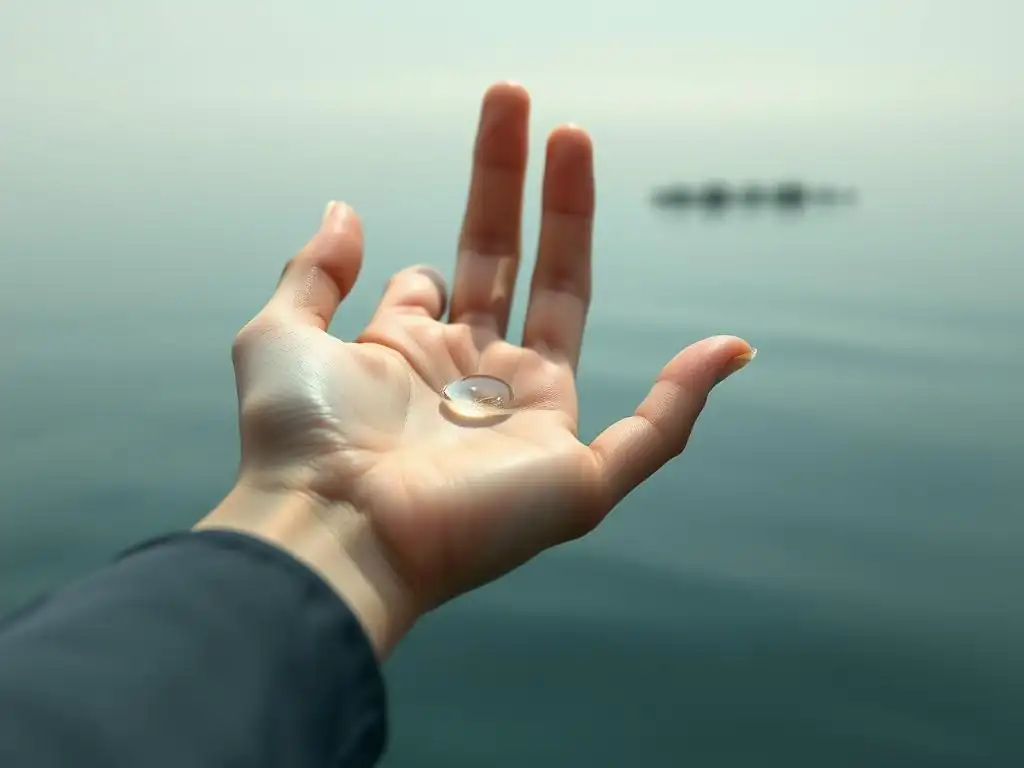
Gradual Exposure: A Structured Approach to Facing Water
Beyond formal therapy, practicing gradual exposure independently or with a trusted support person is a practical way to manage aquaphobia. This involves creating a personal hierarchy of fears related to water, starting with the least frightening situation and working up to the most frightening. For instance, the hierarchy might begin with looking at photos of water, then visiting an aquarium, standing near a pool, putting feet in shallow water, and so on.
Each step should be repeated until the anxiety significantly decreases before moving to the next. This process, often called systematic desensitization when done in therapy, allows you to build tolerance and confidence at your own pace. Documenting your experiences and the level of anxiety felt at each step can be helpful. This self-directed exposure is a key component in the process of overcoming fear of water.
Creating a Safe Environment: Minimizing Triggers and Maximizing Comfort
When intentionally exposing yourself to water as part of managing aquaphobia, creating a safe and controlled environment is crucial. This means choosing locations where you feel secure and can easily retreat if needed. Start with familiar, calm water sources like a bathtub or a shallow, uncrowded pool rather than the open ocean or a fast-flowing river.
Ensure you are with someone you trust who understands your fear and can provide calm support without pressuring you. Having a plan for how you will manage anxiety if it arises, such as using practiced relaxation techniques, also contributes to feeling safe. Minimizing unexpected triggers and maximizing your sense of control within the exposure setting helps build confidence and makes the process of overcoming fear of water less intimidating.
Support Groups: Connecting with Others Sharing Similar Experiences
Joining a support group for individuals with phobias or anxiety disorders can be incredibly beneficial for managing aquaphobia. Connecting with others who understand what it's like to live with an intense, irrational fear can reduce feelings of isolation and provide valuable emotional support. Hearing about others' experiences, coping strategies, and successes in overcoming fear of water can be highly motivating and provide practical insights.
Support groups offer a safe space to share your struggles and progress without judgment. They can be found online or in person through mental health organizations or community centers. While not a substitute for professional therapy, peer support can complement formal treatment and provide ongoing encouragement throughout the journey of overcoming fear of water.
Visualization: Using Mental Imagery to Reduce Anxiety
Visualization, also known as guided imagery, is a technique that involves creating calming mental images to reduce anxiety and prepare for challenging situations. For aquaphobia, this can involve imagining yourself successfully and calmly interacting with water. You might visualize yourself standing comfortably by a lake, wading in shallow water without panic, or even calmly floating.
This technique can be used proactively to reduce anticipatory anxiety before a planned exposure or simply as a daily practice to reinforce positive associations with water. By mentally rehearsing calm responses and successful interactions, you can help retrain your brain's reaction to water. While not a standalone solution, incorporating visualization into your routine can be a helpful tool in managing anxiety and supporting your efforts towards overcoming fear of water.
The Role of Support Systems: Family and Friends in Overcoming Aquaphobia
Providing Effective Support: Encouragement and Understanding
Family and friends play a vital role in supporting someone who is on the journey of overcoming fear of water. The most important contributions they can make are providing encouragement and demonstrating genuine understanding. It's crucial to avoid minimizing the person's fear or telling them to "just get over it," as phobias are complex and not simply a matter of willpower. Instead, validate their feelings and acknowledge that their fear is real and distressing to them.
Offer practical support, such as accompanying them to therapy appointments or planned exposures, but be patient and never force them into situations before they are ready. Celebrate small victories along the way, like managing to stand closer to a pool than before or successfully completing a relaxation exercise during an anxious moment. Your belief in their ability to change, coupled with patient support, can be a powerful motivator in overcoming fear of water.
Avoiding Reinforcement of Fear: Promoting Positive Interactions
While wanting to protect a loved one from distress is natural, well-meaning actions can sometimes inadvertently reinforce the phobia. For example, constantly accommodating avoidance behaviors (like always choosing vacation spots far from any water) might seem helpful in the short term but prevents the person from confronting their fear and learning to cope. It's important to find a balance between being supportive and enabling avoidance.
Instead of facilitating avoidance, encourage small, manageable steps towards facing the fear. Promote positive interactions with water, starting with very low-anxiety situations. Discuss fears openly and collaboratively plan how to approach challenging situations together. The goal is to support their efforts towards overcoming fear of water, which means encouraging gradual engagement rather than complete avoidance.
Encouraging Professional Help: Guiding Individuals Toward Treatment
Perhaps the most impactful role of family and friends is gently encouraging the individual to seek professional help. Phobias rarely resolve on their own and are highly treatable with the right therapeutic interventions. Express your concern and support for their well-being, emphasizing that seeking help is a sign of strength and a positive step towards regaining control.
Offer to help research therapists specializing in anxiety disorders or accompany them to an initial consultation if they are hesitant. Providing this practical assistance can lower the barrier to entry for seeking treatment. Reinforce the message that effective strategies for overcoming fear of water exist and that a professional can guide them safely through the process.
Long-Term Management: Strategies for Sustained Well-being
Maintaining Progress: Preventing Relapse and Consolidating Gains
Overcoming fear of water is often a process, not a one-time event. Maintaining progress requires ongoing effort and vigilance. Relapses can happen, especially during times of stress or if exposure practices cease entirely. To prevent this, it's important to continue practicing coping skills learned in therapy, such as relaxation techniques and challenging negative thoughts.
Regular, albeit less frequent, planned exposures to water can help consolidate gains and prevent the fear from creeping back. This could involve occasional visits to a pool or beach, even if just for a short time. Viewing progress as a journey with potential setbacks, rather than a linear path, helps manage expectations and encourages resilience in maintaining the progress made in overcoming fear of water.
Building Confidence: Setting Realistic Goals and Celebrating Achievements
Building lasting confidence in relation to water is key to long-term management. This involves setting realistic, achievable goals and consciously acknowledging and celebrating every step forward, no matter how small. Goals could range from simply being able to look at pictures of the ocean without anxiety to comfortably wading in waist-deep water.
Focusing on what you can do and the progress you have made reinforces a sense of agency and competence. Keep a journal of successes or create a visual reminder of your achievements. Each successfully navigated interaction with water, each moment of managing anxiety effectively, builds confidence and strengthens the belief that overcoming fear of water is not only possible but is an ongoing reality.
Prioritizing Self-Care: Nurturing Mental and Emotional Health
Overall mental and emotional health plays a significant role in managing any anxiety disorder, including aquaphobia. Prioritizing self-care is essential for long-term well-being and maintaining the progress made in overcoming fear of water. This includes ensuring adequate sleep, maintaining a balanced diet, engaging in regular physical activity, and managing stress effectively through healthy outlets like hobbies, social connections, or mindfulness practices.
Stress and exhaustion can exacerbate anxiety symptoms, potentially making one more vulnerable to setbacks. By nurturing your overall mental and physical health, you build resilience and strengthen your ability to cope with challenges. Continuously investing in self-care is a fundamental strategy for sustained well-being and for living a life where the fear of water no longer holds significant power.
Resources for Aquaphobia: Finding Help and Support
Please note: As per instructions, specific links or contact information cannot be provided here. The following describes types of resources.
Finding the right help and support is a crucial step in overcoming fear of water. Several types of resources are available to assist individuals dealing with aquaphobia:
- Mental Health Professionals:
- Psychologists, psychiatrists, licensed clinical social workers, and licensed professional counselors specializing in anxiety disorders and specific phobias.
- Look for therapists trained in Cognitive Behavioral Therapy (CBT) and Exposure Therapy.
- Many professionals offer initial consultations to discuss your needs.
- Anxiety and Mental Health Organizations:
- Non-profit organizations dedicated to mental health provide information, resources, and sometimes directories of mental health professionals.
- They often have educational materials about specific phobias and treatment options.
- Support Groups:
- Groups for people with anxiety disorders or specific phobias can offer peer support.
- These may be found through local mental health services or online platforms.
- Educational Materials:
- Books, articles, and reputable websites (like this one) offering accurate information about aquaphobia, its causes, symptoms, and treatment strategies.
- Understanding the phobia is an empowering first step.
- Medical Doctors:
- Your primary care physician can be a starting point. They can rule out any underlying medical conditions and may provide referrals to mental health specialists.
Seeking help is a sign of strength, and effective treatments exist. By accessing appropriate resources, individuals can embark on a successful journey towards overcoming fear of water and living a fuller life.
Frequently Asked Questions
How common is the fear of water or aquaphobia?
Aquaphobia's exact prevalence is unknown, but it's considered a relatively common specific phobia. Many people experience some level of discomfort around water, but aquaphobia is a more intense and debilitating fear.
What are some of the potential causes of aquaphobia?
Aquaphobia can stem from various sources, including traumatic experiences involving water (like near-drowning), learned behavior from family members, or even generalized anxiety. These can all contribute to developing a fear response.
What are the main symptoms someone with aquaphobia might experience?
Symptoms range from anxiety and panic attacks when near water to avoiding situations involving water altogether. Physical symptoms like increased heart rate and sweating are also common.
What treatment options are available for overcoming aquaphobia?
Therapy, particularly cognitive behavioral therapy (CBT) and exposure therapy, is often highly effective. These therapies help individuals challenge negative thoughts and gradually confront their fear in a safe environment.
Can I overcome my fear of water on my own, or do I need professional help?
While some may find success with self-help techniques like gradual exposure in a controlled setting, professional guidance is usually recommended for aquaphobia. A therapist can provide tailored support and ensure safety.
Final Reflection: Embracing the Water Within
The fear of water, aquaphobia, affects millions, impacting not just recreational activities but also overall well-being. This pervasive fear, often rooted in past trauma or learned anxieties, significantly limits life's potential, preventing individuals from enjoying the simple pleasures of swimming, boating, or even being near water. But understanding the roots of this fear, as explored throughout this article, is the crucial first step towards overcoming it.
The journey from fear to freedom is a deeply personal one, and the impact of aquaphobia extends far beyond the individual. It shapes social interactions, limits travel opportunities, and can even influence career choices. The ripple effect of this fear is profound, highlighting the importance of accessible and effective treatment options. As the poet Mary Oliver so eloquently stated, The ocean does not rush into the shore to meet the land, but rather, the land is drawn into the ocean.
This beautifully captures the transformative power of confronting our fears and allowing ourselves to be drawn into the unknown, even if that unknown is the vastness of water.
Now, consider your own relationship with water. Do you feel a sense of trepidation, a lingering anxiety, or perhaps a deep-seated fear? This article has provided you with tools and understanding; the next step is yours. Take a moment to reflect on your personal connection to water, identify any underlying anxieties, and explore the resources available to help you navigate your journey towards a more confident and fulfilling relationship with this essential element of life. The journey may be challenging, but the rewards – freedom, joy, and a deeper connection to the world around you – are immeasurable.
Dive In: Conquer Your Fear of Water Today!
Thanks for taking the time to learn more about aquaphobia with us! We hope this article provided valuable insights into understanding and managing your fear. Now, it's time to take the next step towards a more confident and fulfilling life.
Here's how you can start conquering your fear:
- Begin with gentle exposure: Start small. Think about activities that involve water in a minimal way – perhaps listening to ocean waves, looking at pictures of calm water, or even just sitting by a pool. Gradually increase your exposure as you feel more comfortable. This is the key to overcoming aquaphobia.
- Consider professional guidance: Exploring therapeutic options like cognitive behavioral therapy (CBT) or exposure therapy can significantly aid your progress. Finding a therapist specializing in phobias can provide personalized support and strategies.
- Share your journey: Connect with others who understand your experience. Sharing your progress, challenges, and victories can be incredibly motivating and supportive.
What small step towards overcoming your fear of water will you take today?