
Finding Stillness: Introducing Mindfulness to Anxious Youth

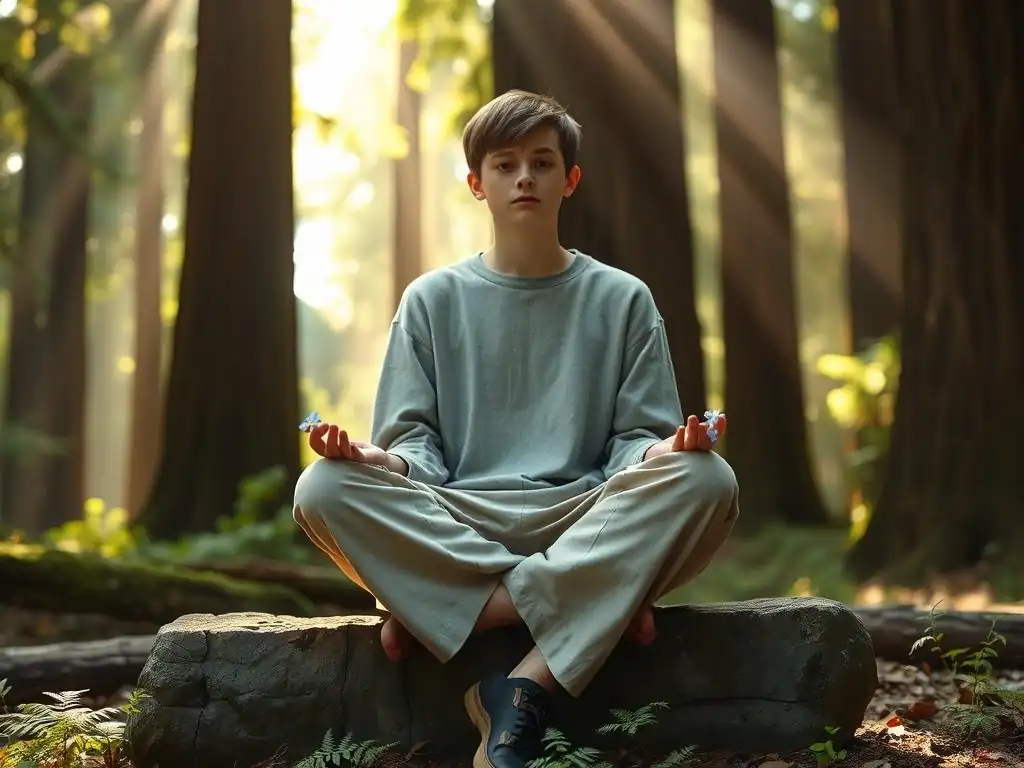
Welcome to Mind Care Guide, a safe space to explore the path to mental well-being.
Feeling overwhelmed or anxious? You're not alone. This week, we delve into a powerful tool that can help: Mindfulness for anxious teenagers. Discover how this simple practice can bring a sense of calm and control to the whirlwind of teenage life. Ready to find stillness amidst the storm? Let's begin.
Finding Stillness: Introducing Mindfulness to Anxious Youth
- Understanding Anxiety in Teenagers and the Power of Mindfulness
- Benefits of Mindfulness for Anxious Teens: A Calming Approach
- Practical Mindfulness Exercises for Anxious Teenagers: A Step-by-Step Guide
- Integrating Mindfulness into Daily Life: Tips for Anxious Teens
- Overcoming Challenges and Roadblocks to Mindfulness Practice for Teens
- Mindfulness vs. Traditional Anxiety Treatments: A Complementary Approach
- Long-Term Benefits of Mindfulness for Anxious Youth: Building a Foundation for Well-being
- Resources for Anxious Teenagers and Their Families
- Conclusion: Empowering Anxious Teens with Mindfulness
-
Frequently Asked Questions
- What is mindfulness, and how can it help anxious teenagers?
- How can I introduce mindfulness to my anxious teenager?
- What are some simple mindfulness exercises that anxious teenagers can try?
- How often should anxious teenagers practice mindfulness for it to be effective?
- Where can I find more resources and support for anxious teenagers and mindfulness practices?
- Final Reflection: Cultivating Calm in a Stormy World
- Unlock Your Teen's Inner Calm: Start Practicing Mindfulness Today!
Understanding Anxiety in Teenagers and the Power of Mindfulness
The Rising Prevalence of Anxiety Among Young People
Anxiety among young people has become a significant concern in recent years. Data suggests a notable increase in anxiety diagnoses and reported symptoms among adolescents globally. For example, some estimates indicate that roughly one in three adolescents aged 13-18 will experience an anxiety disorder at some point. This isn't just about occasional worries; it involves persistent fear, excessive worry, and physical symptoms that interfere with daily life, impacting school performance, social interactions, and overall well-being. Factors contributing to this rise are complex, including academic pressures, social media influence, global uncertainties, and changes in family dynamics.
The impact of this rising prevalence is felt across communities. Schools are reporting higher levels of student stress, and mental health services for youth are seeing increased demand. Understanding this trend is the first step in addressing it effectively. It highlights the urgent need for accessible and effective coping strategies tailored for this age group. Introducing mindfulness for anxious teenagers offers a promising avenue to help them navigate these challenges.
How Anxiety Manifests in Teenagers: Recognizing the Signs
Anxiety in teenagers can present in various ways, often looking different from how it appears in adults. Common signs include excessive worry about future events, school performance, or social situations. This worry can be difficult for the teen to control and may lead to physical symptoms like restlessness, fatigue, difficulty concentrating, irritability, and muscle tension. Some anxious teens might experience sleep disturbances, such as trouble falling or staying asleep, or feel their heart racing or stomach upset when stressed.
Beyond these internal experiences, anxiety can also manifest as behavioral changes. A teenager might start avoiding activities they previously enjoyed, such as social gatherings or extracurriculars. They might become more withdrawn, clingier, or exhibit increased perfectionism or procrastination related to their fears. For instance, a teen anxious about grades might spend excessive hours studying but still feel unprepared, or conversely, avoid studying altogether due to overwhelming fear of failure. Recognizing these diverse signs is crucial for parents, educators, and caregivers to provide timely support, including exploring tools like mindfulness for anxious teenagers.
What is Mindfulness and Why is it Effective for Anxiety?
Mindfulness is the practice of intentionally bringing one's attention to the present moment without judgment. It involves noticing thoughts, feelings, bodily sensations, and the surrounding environment as they arise, simply observing them rather than getting caught up in them or trying to change them. This practice is rooted in ancient contemplative traditions but has been adapted into secular techniques widely used in therapeutic settings. It's not about clearing the mind, but about developing a different relationship with one's thoughts and feelings – recognizing they are transient and not necessarily reflective of reality.
For individuals experiencing anxiety, particularly anxious youth, mindfulness can be highly effective. Anxiety often involves excessive worry about the future or rumination on the past. Mindfulness helps anchor the individual in the now, interrupting the cycle of anxious thought loops.
By practicing observing thoughts without judgment, a teenager can learn to recognize anxious thoughts for what they are – just thoughts – rather than absolute truths. This creates space between the thought and their reaction, allowing for a calmer, more measured response instead of automatic overwhelm or avoidance. The focus on present-moment awareness inherent in mindfulness for anxious teenagers helps to reduce the intensity and frequency of getting lost in anxious narratives.
Benefits of Mindfulness for Anxious Teens: A Calming Approach
Reducing Stress and Overwhelm Through Mindfulness Practices
Anxiety often manifests as a feeling of being overwhelmed by thoughts, emotions, and physical sensations. Mindfulness practices provide a structured way to step out of this state of overwhelm. Techniques like mindful breathing or body scans help teenagers become more aware of their physical responses to stress – like a racing heart or tense shoulders – and learn to consciously relax these areas. By focusing on the simple act of breathing, they ground themselves in the present, disrupting the cascade of anxious thoughts that fuel stress.
Regular engagement in mindfulness helps to lower the body's overall stress response over time. Studies suggest that mindfulness can impact the amygdala, the brain region associated with fear and stress, potentially reducing its reactivity. For anxious teenagers, this means developing a greater capacity to handle stressful situations without being immediately flooded by intense emotions or physical symptoms. It's about building a buffer against the daily stressors that can feel insurmountable when anxiety is high, making mindfulness for anxious teenagers a powerful tool for stress management.
Improving Focus and Concentration with Mindfulness Techniques
Anxiety can significantly impair concentration. Worries about the future, replaying past events, or hyper-awareness of potential threats distract the mind, making it difficult to focus on tasks like schoolwork, conversations, or hobbies. Mindfulness exercises, which inherently involve training attention on a specific anchor (like breath, sounds, or bodily sensations), directly address this issue. By repeatedly bringing the wandering mind back to the present moment, teenagers strengthen their ability to direct and sustain attention.
Practices such as focused attention meditation or mindful observation of everyday activities can train the brain to resist distractions. For an anxious student struggling to concentrate in class or while studying, dedicating even a few minutes daily to mindfulness can yield noticeable improvements. This enhanced focus not only helps with academic performance but also allows them to be more present and engaged in their interactions and experiences, reducing the mental clutter that anxiety often creates and improving overall cognitive function through mindfulness for anxious teenagers.
Cultivating Emotional Regulation and Resilience in Anxious Youth
Emotional regulation is a key challenge for many anxious teenagers. They may experience intense emotions like fear, sadness, or frustration and struggle to manage them effectively, leading to outbursts, withdrawal, or panic. Mindfulness teaches teenagers to observe their emotions without immediately reacting to them. By simply noticing an emotion ("I am feeling fear") rather than becoming consumed by it ("I am fear"), they create a crucial space for choosing a response instead of being swept away by an automatic reaction.
This practice builds emotional resilience – the ability to bounce back from difficult experiences. When a teenager learns through mindfulness that emotions are temporary states that rise and fall, they develop confidence in their capacity to weather emotional storms. They become less afraid of feeling difficult emotions, understanding that they can experience them without being defined or controlled by them. This foundational skill, cultivated through consistent mindfulness for anxious teenagers, empowers them to face challenges with greater courage and adaptability.
Enhancing Self-Awareness and Self-Compassion through Mindfulness
Mindfulness practice naturally cultivates self-awareness. By paying attention to internal states – thoughts, feelings, physical sensations – teenagers gain a deeper understanding of their own patterns, triggers, and reactions. They might notice that certain situations consistently lead to anxious thoughts or that specific physical sensations signal rising stress. This awareness is the first step towards making conscious choices about how to respond rather than operating on autopilot driven by anxiety.
Equally important is the cultivation of self-compassion. Mindfulness encourages a non-judgmental attitude towards one's experiences. For anxious teenagers who often struggle with self-criticism and feelings of inadequacy ("I'm not good enough," "I'm a failure"), this non-judgmental approach is transformative. They learn to treat themselves with the same kindness and understanding they would offer a friend who is suffering. Recognizing that anxiety is a challenging experience and responding to it with compassion, rather than harsh self-blame, is a vital component of healing and building resilience through mindfulness for anxious teenagers.
Practical Mindfulness Exercises for Anxious Teenagers: A Step-by-Step Guide
Beginner's Guide to Mindful Breathing for Anxiety Relief
Mindful breathing is one of the most accessible and fundamental mindfulness practices, perfect for beginners and highly effective for immediate anxiety relief. It can be done anywhere, anytime. The basic instruction is simple: bring your attention to your breath. You don't need to change your breath; just notice it as it is.
Start by finding a comfortable position, either sitting or lying down. Gently close your eyes or soften your gaze. Bring your awareness to the physical sensation of breathing. Notice the air entering and leaving your nostrils or mouth, or the rise and fall of your chest or abdomen. Simply focus on one of these points.
When your mind wanders (which it will), gently guide your attention back to your breath without judgment. Just notice that your mind wandered and return to the anchor of your breath. Start with just one or two minutes and gradually increase the time as you become more comfortable. Practicing mindful breathing regularly helps anxious teenagers develop a consistent anchor in the present moment.
Body Scan Meditation: Connecting with Physical Sensations to Reduce Tension
Anxiety often holds tension in the body. The body scan is a practice that helps teenagers become aware of these physical sensations and, in doing so, can help release some of the tension. It involves systematically bringing attention to different parts of the body.
Begin by lying down or sitting comfortably. Close your eyes. Bring your attention to your feet. Notice any sensations there – warmth, coolness, tingling, pressure. There's no need to change anything, just observe.
After a minute or two, gently move your attention up to your ankles, then your lower legs, knees, thighs, and so on, slowly moving up through the entire body: hips, abdomen, lower back, upper back, chest, shoulders, arms, hands, neck, face, and finally the top of your head. As you scan each area, simply notice the sensations present without judgment. If you encounter an area of tension, you can gently breathe into it, but the primary goal is awareness. This practice helps anxious teenagers ground themselves in their physical reality and notice how anxiety manifests physically.
Mindful Walking: Finding Calm in Movement
Mindfulness doesn't require sitting still. Mindful walking is a practice that integrates present-moment awareness with movement, which can be particularly helpful for restless or highly energetic anxious teenagers. It can be done indoors or outdoors.
Begin by standing and feeling your feet on the ground. When you start walking, bring your attention to the sensations in your feet and legs as you move. Notice the lifting of one foot, the forward motion, the placement of the foot back on the ground, the shift of weight.
Pay attention to the rhythm of your steps, the swing of your arms, the feeling of the air on your skin, or the sounds around you. If your mind starts to wander into worries or plans, gently bring your attention back to the physical experience of walking. This practice helps anxious teenagers connect with their body and their surroundings, using movement as an anchor for presence.
Loving-kindness meditation, or Metta, is a practice aimed at cultivating feelings of warmth, compassion, and acceptance towards oneself and others. This can be particularly beneficial for anxious teenagers who struggle with self-criticism or social anxiety. It involves silently repeating phrases that express goodwill.
Find a comfortable seated position. Close your eyes. Start by directing loving-kindness towards yourself. Silently repeat phrases such as:
- May I be safe.
- May I be healthy.
- May I be happy.
- May I live with ease.
Repeat these phrases gently to yourself for several minutes, focusing on the intention behind them. You can then extend these phrases to loved ones, neutral people, difficult people, and eventually all beings. For anxious teenagers, starting with self-compassion is key. This practice helps counteract negative self-talk and fosters a sense of inner warmth, which can reduce the intensity of self-judgment and fear in social situations, offering a different approach to mindfulness for anxious teenagers.
Integrating Mindfulness into Daily Life: Tips for Anxious Teens
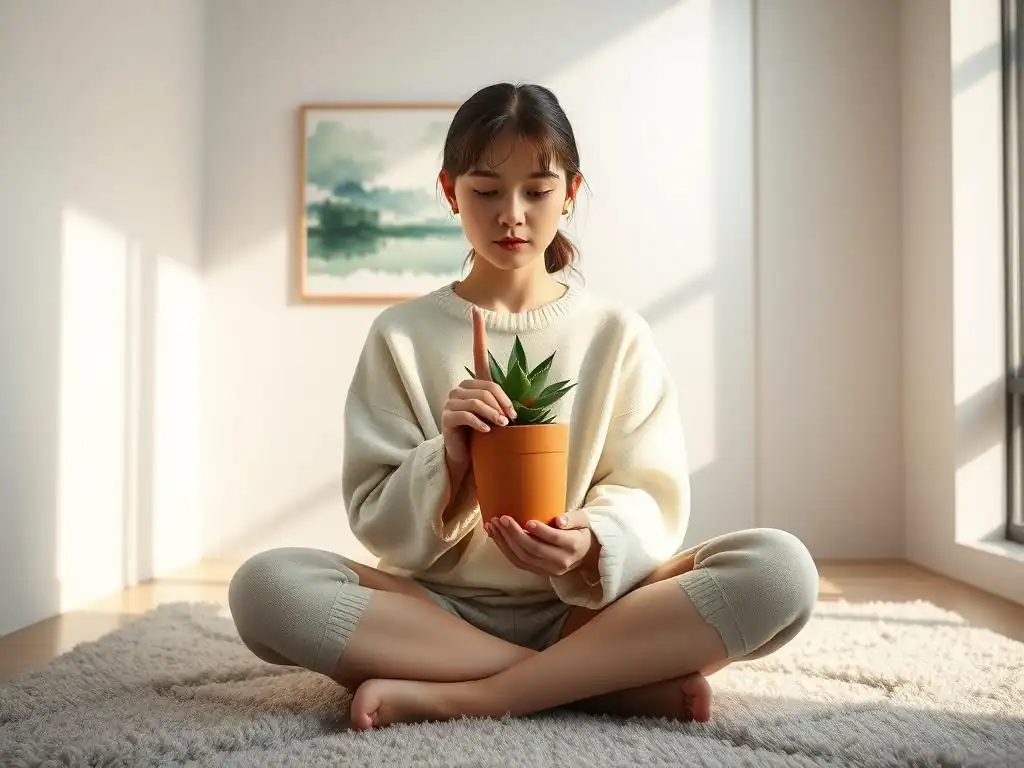
Creating a Mindfulness Routine: Setting Realistic Goals
Integrating mindfulness effectively into a teenager's life requires consistency, but it doesn't have to be overwhelming. The key is to start small and be realistic. Instead of aiming for 30 minutes of meditation daily from the start, encourage them to begin with just 2-5 minutes. This could be mindful breathing before school, a short body scan before bed, or mindful walking during a break. The goal is to build a habit.
Help the teenager identify specific times or triggers when mindfulness might be most helpful. For instance, practicing mindful breathing before a test, using mindful walking during a stressful commute, or doing a brief body scan when feeling overwhelmed. Scheduling these short practices at predictable times, like right after waking up or before dinner, can help solidify the routine. Celebrate small successes and emphasize that consistency, even in short bursts, is more important than long, infrequent sessions when building mindfulness for anxious teenagers.
Using Mindfulness Apps and Resources for Continued Support
Many excellent digital resources can support a teenager's mindfulness journey. Mindfulness apps designed for young people or with teen-friendly content can make practice more accessible and engaging. These apps often offer guided meditations of varying lengths, body scans, loving-kindness practices, and tools for tracking progress. Examples include apps like Headspace, Calm, or Smiling Mind, many of which have specific programs for anxiety or stress reduction.
Beyond apps, numerous websites and online communities offer free guided meditations, articles, and tips specifically for young people dealing with anxiety. These resources can provide variety in practice and connect teens with supportive content. Encourage the teenager to explore different resources to find what resonates with them. Having these tools readily available on their phone or computer can make it easier to practice mindfulness for anxious teenagers whenever they feel the need.
Mindful Eating: Savoring the Present Moment During Meals
Eating is a daily activity that provides a perfect opportunity to practice mindfulness. Mindful eating involves paying full attention to the experience of eating, engaging all the senses. This practice can help anxious teenagers slow down, reduce stress around meals (which can sometimes be a source of anxiety), and improve their connection with their bodies and hunger cues.
To practice mindful eating, encourage the teenager to put away distractions like phones or screens during meals. Before eating, take a moment to observe the food – its colors, textures, and smells. As they eat, encourage them to chew slowly and notice the taste and texture of the food.
Pay attention to the sensations of chewing and swallowing. Notice when they feel full. This simple practice shifts the focus from anxious thoughts to the immediate, sensory experience of eating, grounding them in the present moment and fostering a healthier relationship with food and their body, offering a unique application of mindfulness for anxious teenagers.
Mindful Communication: Improving Relationships and Reducing Conflict
Anxiety can sometimes make communication challenging, leading to misunderstandings, conflict, or withdrawal. Mindful communication involves bringing present-moment awareness to interactions with others. It's about truly listening, speaking with intention, and being aware of one's own emotional state during a conversation.
Encourage the teenager to practice mindful listening by focusing entirely on the other person when they are speaking, without interrupting or planning their response. Notice their tone of voice, body language, and the words they use. When it's their turn to speak, encourage them to pause and consider what they want to say and how they want to say it, rather than reacting impulsively out of anxiety or fear.
Noticing their own physical sensations (like tension or a racing heart) during a difficult conversation can also provide valuable information. Practicing mindful communication helps anxious teenagers feel more grounded and less reactive in social situations, improving their ability to connect authentically and navigate disagreements more calmly.
Overcoming Challenges and Roadblocks to Mindfulness Practice for Teens
Addressing Common Misconceptions About Mindfulness
Many teenagers, and adults alike, hold misconceptions about mindfulness that can hinder their practice. A common one is the belief that mindfulness is about emptying the mind of all thoughts. This is inaccurate; the mind thinks, and that's okay. Mindfulness is about noticing the thoughts without getting carried away by them. Another misconception is that it's a quick fix; while mindfulness can provide immediate relief, its deeper benefits develop over time with consistent practice.
Some teens might feel they are "failing" at mindfulness because their mind wanders frequently. It's crucial to explain that a wandering mind is normal, and the practice is in gently bringing it back, not in never having it wander. Addressing these myths with clear, simple explanations and emphasizing that mindfulness is a skill that takes practice, not perfection, can help anxious teenagers feel less discouraged and more willing to continue.
Dealing with Resistance and Frustration During Practice
It's completely normal for teenagers to experience resistance or frustration when starting mindfulness. They might feel bored, restless, or find that focusing on their breath or body actually makes them more aware of their discomfort or anxious thoughts, which can be unpleasant. Pushing through this initial discomfort is part of the process.
Acknowledge their feelings of frustration empathetically. Validate that it can be challenging at first. Encourage them to approach the practice with curiosity rather than a goal of immediate relaxation. Remind them that simply sitting and noticing, even if they feel restless or their mind is busy, is still a successful practice.
Suggest trying different types of mindfulness exercises – maybe walking meditation is easier than sitting for them, or a guided visualization is more engaging than focusing on the breath. Frame frustration as just another sensation to be observed without judgment. Patience and flexibility are key when helping anxious teenagers navigate the initial resistance to mindfulness.
Creating a Supportive Environment for Mindfulness at Home and School
The environment in which a teenager practices mindfulness significantly impacts their success. At home, parents and caregivers can create a supportive atmosphere by modeling mindfulness themselves, perhaps by meditating alongside the teen or incorporating mindful moments into family routines (like mindful eating). Providing a quiet space where the teenager can practice without interruption can also be helpful, though emphasizing that mindfulness can be done anywhere is also important. Avoid pressure or judgment; encourage practice gently and positively.
In schools, educators and staff can support mindfulness by incorporating short practices into the school day, perhaps during homeroom or before tests. Creating quiet spaces or offering optional mindfulness clubs can also be beneficial. Normalizing discussions about stress and coping strategies helps reduce the stigma around mental health challenges and makes it easier for anxious teenagers to embrace tools like mindfulness. A supportive community reinforces the value of the practice and makes it feel less like a chore and more like a valuable life skill.
Mindfulness vs. Traditional Anxiety Treatments: A Complementary Approach
When to Seek Professional Help for Teen Anxiety
While mindfulness is a powerful tool, it is important to recognize its limitations and understand when professional help is necessary. If a teenager's anxiety is severe, significantly interfering with their daily life (school, social activities, sleep), or if they are experiencing panic attacks or having thoughts of self-harm, seeking help from a mental health professional is crucial. Symptoms like persistent avoidance of necessary activities, excessive distress in social situations leading to isolation, or constant physical symptoms of anxiety warrant a professional evaluation.
A pediatrician is often the first point of contact, who can then refer to a child and adolescent psychologist, psychiatrist, or therapist. These professionals can conduct a thorough assessment, provide a diagnosis if appropriate, and recommend evidence-based treatments such as Cognitive Behavioral Therapy (CBT), Exposure Therapy, or medication if necessary. Mindfulness can be an excellent complement to these professional interventions, but it is not a substitute for them when anxiety is debilitating. Parents should trust their instincts if they feel their child's anxiety is beyond what can be managed with self-help techniques alone.
Combining Mindfulness with Therapy and Medication
Mindfulness practices integrate very well with traditional anxiety treatments like therapy and, in some cases, medication. Many therapists incorporate mindfulness techniques into their sessions, particularly within modalities like Dialectical Behavior Therapy (DBT) or Acceptance and Commitment Therapy (ACT), which have mindfulness as a core component. Therapy can provide the teenager with strategies for understanding their anxiety, challenging negative thought patterns, and developing coping skills, while mindfulness enhances their ability to stay present, regulate emotions, and observe thoughts non-judgmentally.
For teenagers for whom medication is prescribed to manage severe anxiety symptoms, mindfulness can work alongside it. Medication can help reduce the intensity of overwhelming physical or emotional symptoms, creating space for the teenager to engage more effectively in therapy and mindfulness practices. Mindfulness helps the teen develop long-term coping skills and a different relationship with their internal experience, which medication alone does not provide. This combined approach often yields the most comprehensive and sustainable results for anxious teenagers.
The Role of Parents and Caregivers in Supporting Mindfulness Practice
Parents and caregivers play a vital role in supporting an anxious teenager's journey with mindfulness. Their involvement can range from simply encouraging the practice to actively participating alongside the teen. Modeling mindfulness in their own lives demonstrates its value and provides a positive example. Learning about mindfulness themselves allows them to better understand what their teenager is experiencing and offer informed support.
Providing a calm, supportive environment free from excessive criticism or pressure is essential. Parents can gently remind the teen about their practice time without nagging. They can help troubleshoot challenges, suggest different resources, or simply offer a listening ear if the teen feels frustrated. Celebrating small steps and acknowledging the effort involved reinforces positive engagement. Ultimately, a parent's empathy, patience, and consistent support can significantly increase a teenager's willingness and ability to make mindfulness a meaningful part of their life, strengthening the impact of mindfulness for anxious teenagers.
Long-Term Benefits of Mindfulness for Anxious Youth: Building a Foundation for Well-being
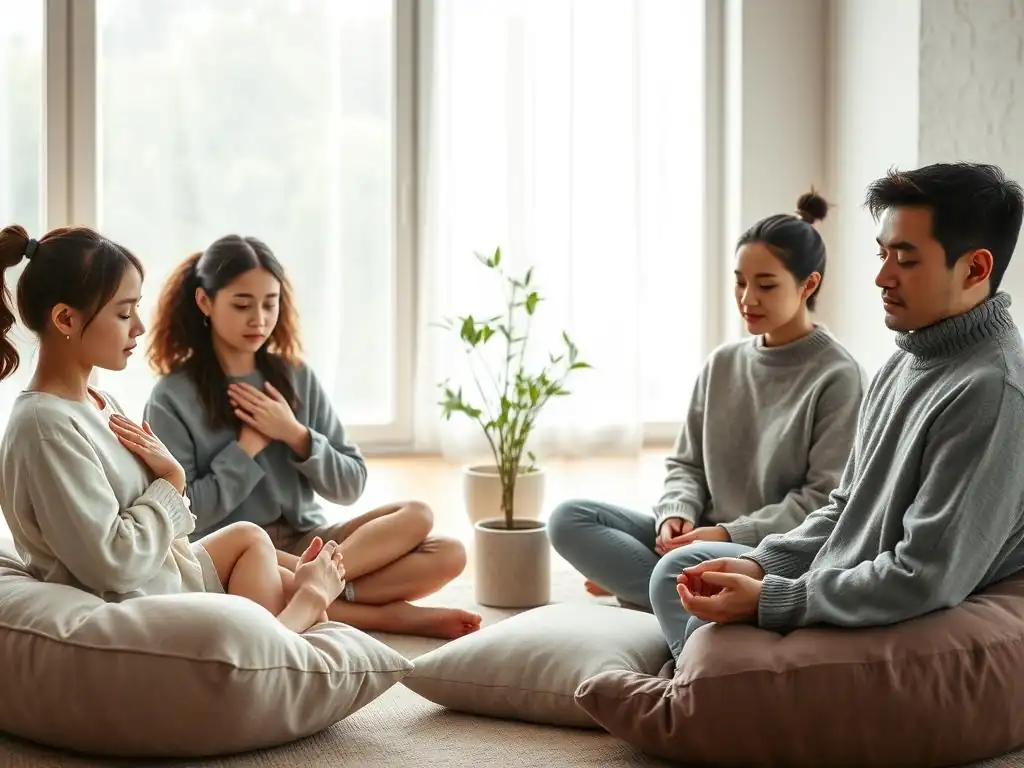
Developing Coping Mechanisms for Future Stressors
One of the most significant long-term benefits of mindfulness for anxious teenagers is the development of robust coping mechanisms that extend far beyond adolescence. By regularly practicing mindfulness, they build an internal toolkit for navigating life's inevitable challenges. They learn how to recognize the early signs of stress or anxiety in their body and mind and have practiced techniques to ground themselves in the present moment before becoming overwhelmed.
This ability to pause, observe, and respond skillfully rather than react automatically is a foundational life skill. As they transition into adulthood, face academic pressures, career challenges, relationship complexities, and other stressors, the coping skills honed through consistent mindfulness practice will serve as a reliable resource. They won't just be managing anxiety; they'll be building resilience that helps them face any difficult experience with greater equanimity.
Promoting Mental and Emotional Health Throughout Life
Establishing a mindfulness practice during adolescence can have a lasting positive impact on overall mental and emotional health. It fosters a greater sense of self-awareness, emotional intelligence, and self-compassion, qualities that are crucial for long-term well-being. By learning to relate to their thoughts and feelings with kindness and non-judgment, anxious teenagers lay the groundwork for a healthier internal landscape as adults.
Mindfulness helps reduce rumination and worry, common drivers of anxiety and depression, not just in youth but throughout the lifespan. It encourages a focus on the present moment and an appreciation for everyday experiences, counteracting tendencies towards excessive future-tripping or dwelling on the past. This cultivation of inner peace and contentment contributes significantly to sustained mental and emotional health, making mindfulness for anxious teenagers an investment in their future well-being.
Fostering a Sense of Inner Peace and Resilience
Ultimately, consistent mindfulness practice helps anxious teenagers cultivate a deeper sense of inner peace. This isn't the absence of challenges or difficult emotions, but rather the development of an inner stability that allows them to weather life's storms without being completely capsized. They learn that while external circumstances may be chaotic, they can find a place of stillness within themselves.
This inner peace is closely linked to resilience. When a teenager knows they have the capacity to face difficult feelings and situations with awareness and compassion, they become more confident in their ability to handle adversity. They develop a belief in their own strength and adaptability. This fostered resilience, built upon the foundation of mindfulness for anxious teenagers, empowers them to approach life with greater courage, acceptance, and a lasting sense of well-being.
Resources for Anxious Teenagers and Their Families
Books on Mindfulness for Teenagers
- Mindfulness for Teen Anxiety: A Guide to Feeling Calm by Christopher Willard: This book offers practical exercises and insights specifically tailored for adolescent experiences with anxiety.
- Sitting Still Like a Frog: Mindfulness Exercises for Kids (and Their Parents) by Eline Snel: While aimed at a slightly younger audience, the simple, engaging exercises are often effective and adaptable for early teens, providing a good starting point for family practice.
- The Mindful Teen: Powerful Skills to Help You Handle Stress, Emotion, & Life by Dzung X. Vo: This resource provides teens with a comprehensive introduction to mindfulness principles and techniques relevant to common adolescent challenges.
Websites and Online Communities Supporting Teen Mental Health
- GoZen!: Offers resources, videos, and programs for parents and children/teens focused on anxiety, providing practical tools and information including mindfulness.
- The Jed Foundation (JED): A non-profit that protects emotional health and prevents suicide for teens and young adults, offering resources and guidance for youth and parents.
- Child Mind Institute: Provides extensive resources, articles, and guides on various mental health challenges in children and adolescents, including detailed information on anxiety and coping strategies like mindfulness.
Local Mindfulness Workshops and Programs for Youth
Check with local community centers, yoga studios, or mental health clinics. Many offer mindfulness workshops or ongoing groups specifically designed for teenagers or families. School counselors may also be aware of local programs or resources available in the area. University extension programs or hospitals sometimes host community wellness classes that include mindfulness components relevant to anxious teenagers.
Conclusion: Empowering Anxious Teens with Mindfulness
Anxiety can cast a long shadow over adolescence, but tools like mindfulness offer a path towards finding stillness and building resilience. By understanding how anxiety manifests in young people and embracing the principles of present-moment awareness and non-judgment, we can introduce powerful techniques to help them cope. Mindfulness for anxious teenagers is not a cure-all, but a vital skill set that complements professional support and empowers them to navigate their internal world with greater calm and confidence.
From simple mindful breathing to body scans and cultivating self-compassion, these practices provide anxious youth with tangible ways to reduce stress, improve focus, regulate emotions, and enhance self-awareness. Integrating mindfulness into daily routines, leveraging supportive resources, and addressing common challenges are key steps in making this practice sustainable. Supported by parents, caregivers, and potentially mental health professionals, anxious teenagers can use mindfulness to build a strong foundation for lifelong mental and emotional well-being, fostering inner peace and resilience as they grow.
Frequently Asked Questions
What is mindfulness, and how can it help anxious teenagers?
Mindfulness is paying attention to the present moment without judgment. It can help anxious teenagers by reducing racing thoughts and promoting emotional regulation. It teaches them to observe their feelings without being overwhelmed.
How can I introduce mindfulness to my anxious teenager?
Start slowly with short, guided meditations or breathing exercises. Make it a collaborative process, respecting their boundaries and preferences. Focus on creating a safe and supportive environment.
What are some simple mindfulness exercises that anxious teenagers can try?
Simple exercises include deep breathing, body scans, and mindful walking. Encourage them to focus on their senses and notice the present moment. There are many free apps and online resources available.
How often should anxious teenagers practice mindfulness for it to be effective?
Even short, regular practice is more effective than infrequent long sessions. Aim for 5-10 minutes daily to start, gradually increasing as comfortable. Consistency is key to building resilience.
Where can I find more resources and support for anxious teenagers and mindfulness practices?
The Mind Care Guide website offers a wealth of information on mental well-being. Look for articles, guided meditations, and support groups specifically tailored for teenagers. Consider consulting a mental health professional for personalized guidance.
Final Reflection: Cultivating Calm in a Stormy World
The urgent need for accessible mindfulness practices among anxious youth is undeniable; the mental health crisis facing teenagers demands innovative and effective solutions, and mindfulness offers a powerful pathway to resilience. This article has explored the practical applications of mindfulness techniques specifically tailored for teenagers, addressing the unique challenges they face in today's fast-paced, hyper-connected world. We've examined how simple exercises can help manage overwhelming emotions, improve focus, and foster a greater sense of self-awareness.
The impact of mindfulness extends far beyond individual well-being; it ripples outwards, influencing family dynamics, academic performance, and ultimately, the social fabric of our communities. By equipping young people with the tools to navigate their anxieties, we contribute to a more compassionate and understanding society. As the Dalai Lama wisely stated, The time to repair the roof is when the sun is shining.
This is precisely the message we hope to convey: proactive mindfulness is not a luxury, but a vital investment in the future mental health of our youth.
Now, consider your own life. What small steps can you take today to incorporate mindfulness into your routine, or to encourage its practice in the young people you know? Perhaps it's a few minutes of deep breathing before school, a mindful walk in nature, or simply taking a moment to appreciate the present moment without judgment. Remember, the journey to inner peace is a personal one, but the rewards are immeasurable. Embrace the stillness, and watch as it transforms your life and the lives of those around you.
Unlock Your Teen's Inner Calm: Start Practicing Mindfulness Today!
Thanks for taking the time to explore the world of mindfulness with us! We hope you gained valuable insights into how this practice can benefit anxious teens. Ready to make a difference?
- Begin a guided mindfulness exercise together: Even 5 minutes a day can make a world of difference. Find a quiet space and try a simple breathing exercise.
- Share this article with a friend or family member: Let's spread awareness about the power of mindfulness for young people.
- Explore our website for more resources: We've got plenty of tools and techniques for helping teens manage their anxiety, beyond just mindfulness.
What small step will you take today to cultivate more calmness and focus in your teen's life?