
Hope for Later Life: Stories of Overcoming Anxiety as an Older Adult

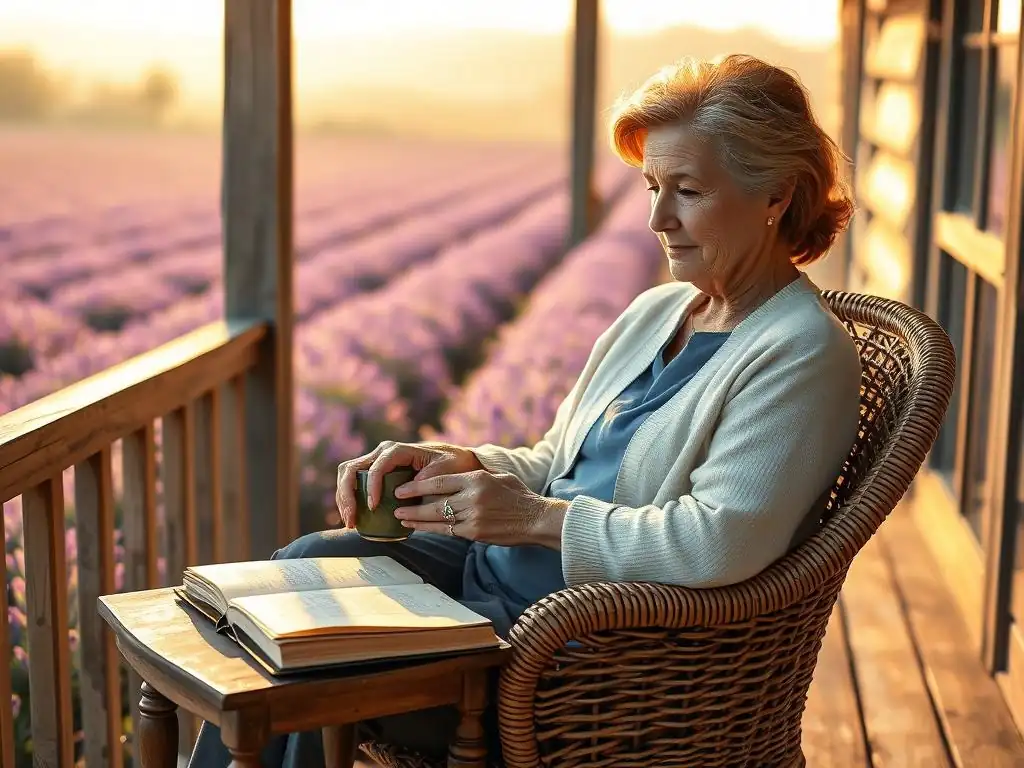
Welcome to Mind Care Guide, a space dedicated to nurturing your mental well-being. Feeling overwhelmed by anxiety, especially later in life, can be incredibly isolating. But you're not alone. Are you ready to discover how others have found hope and resilience in the face of anxiety? Dive into our featured article, "Hope for Later Life: Stories of Overcoming Anxiety coping older adults," and explore empowering strategies and supportive resources designed to help you navigate this journey with strength and grace. Let's embark on this path to peace together.
Hope for Later Life: Stories of Overcoming Anxiety as an Older Adult
- Understanding Anxiety in Later Life
- Real-Life Stories: Older Adults Conquering Anxiety
- Anxiety Coping Strategies
- Building a Supportive Community
- Long-Term Mental Well-being: Sustaining Hope and Resilience
- Resources for Anxiety Relief
-
Frequently Asked Questions
- How prevalent is anxiety among older adults, and why is it important to address it?
- What are some unique challenges older adults face when coping with anxiety?
- What are some effective coping strategies specifically tailored for older adults dealing with anxiety?
- Where can older adults find reliable support and resources for managing anxiety?
- How can family members and caregivers support older adults struggling with anxiety?
- Final Reflection: Embracing Resilience in the Golden Years
- Unleash Your Inner Resilience: Take Charge of Your Wellbeing
Understanding Anxiety in Later Life
The Unique Challenges of Anxiety Among Older Adults
Anxiety is a common experience at any age, but it presents unique challenges for older adults. As individuals age, they often face significant life transitions such as retirement, the loss of loved ones, declining health, and changes in financial stability. These factors can contribute to heightened feelings of worry, fear, and unease.
For instance, studies indicate that while generalized anxiety disorder might be less frequently diagnosed in older adults compared to younger populations, subthreshold or clinically significant anxiety symptoms are prevalent, affecting perhaps 10-20% of the senior population. Many older adults may not even recognize their symptoms as anxiety, attributing them instead to physical ailments or the natural process of aging, which can delay seeking effective anxiety coping strategies.
Furthermore, older adults may experience anxiety related to specific age-associated concerns, such as fear of falling, worry about memory loss, or apprehension about becoming a burden on family members. Social isolation is another significant factor; research suggests that loneliness can increase the risk of anxiety and depression in seniors by a considerable margin.
For example, a study published in the Journal of Aging and Health found that older adults reporting high levels of loneliness were significantly more likely to experience anxiety symptoms. Addressing these specific triggers and understanding the context of later life is crucial for developing effective anxiety coping mechanisms suited for older adults.
Why Anxiety Coping Mechanisms Matter
Effective anxiety coping mechanisms are not merely about managing symptoms; they are fundamental to maintaining quality of life, independence, and overall well-being in later years. Unaddressed anxiety in older adults can have serious consequences, including exacerbating physical health problems, decreasing mobility, contributing to cognitive decline, and leading to further social withdrawal. For example, chronic worry has been linked to increased inflammation and cardiovascular risk in older adults. It can also significantly impair daily functioning, making simple tasks feel overwhelming.
Developing robust anxiety coping strategies empowers older adults to navigate the challenges of aging with greater resilience and confidence. It allows them to participate more fully in life, maintain valuable social connections, and find joy and purpose. Learning how to manage anxious thoughts and reactions can reduce the physical toll of stress, improve sleep quality, and enhance overall mental clarity. Investing in effective anxiety coping for older adults is an investment in their ability to live healthier, happier, and more fulfilling lives.
Real-Life Stories: Older Adults Conquering Anxiety
Story 1: Eleanor's Journey from Isolation to Connection
At 78, Eleanor found herself increasingly isolated after her spouse passed away two years prior. She had always relied on him for social interaction and managing daily life. Gradually, leaving the house became a source of intense anxiety. She worried about everything from stumbling on the sidewalk to feeling awkward talking to strangers.
Her world shrunk to her home, leading to profound loneliness and a worsening cycle of anxiety. She estimated that her social interactions outside of brief calls with her daughter had dropped from daily activities with her spouse to perhaps one short visit from a neighbor every week or two. This lack of connection fueled her fear and made her feel trapped.
Her physical health also began to decline due to inactivity and poor diet, which in turn increased her health worries. She felt a constant knot in her stomach and often experienced shortness of breath when thinking about venturing out. The simple act of going to the grocery store felt like an insurmountable task, reinforcing her belief that staying home was safer, despite the emotional cost. This period was marked by a significant decrease in her overall life satisfaction, dropping from feeling generally content to frequently feeling overwhelmed and sad.
Identifying Anxiety Triggers in Eleanor's Life
Eleanor's primary anxiety triggers stemmed from loss and the subsequent fear of navigating the world alone. The death of her husband removed her primary source of support and social interaction, leaving a void that felt terrifying to fill. The loss of routine and shared activities also played a significant role. She was used to grocery shopping together, attending social events as a couple, and having constant companionship. Without this structure and support, the responsibility of these tasks alone became overwhelming.
Another major trigger was the fear of judgment or embarrassment in public. Having been out of regular social circulation, she felt awkward and self-conscious. The physical symptoms of anxiety she experienced (shaking, sweating) in public reinforced her fear, creating a negative feedback loop. The lack of a clear purpose or schedule outside the home also contributed, leaving her with too much unstructured time to ruminate on worries. These triggers weren't isolated events but rather persistent anxieties linked to her altered life circumstances, highlighting the complex nature of anxiety coping for older adults facing significant life changes.
Eleanor's Coping Strategies and Support System
Eleanor's path to overcoming anxiety began when her daughter gently encouraged her to see a therapist who specialized in geriatric mental health. The therapist helped Eleanor understand that her feelings were a normal response to grief and isolation, not a personal failing. One of the first strategies introduced was gradual exposure; starting with short walks around her block, then sitting on her porch as neighbors passed by. This slowly desensitized her to being outside and interacting minimally.
A key turning point was joining a local senior center. Initially, the thought was terrifying, but the therapist helped her break it down: first, just driving by, then going inside for 10 minutes, then attending a short activity. She found a weekly card game with a small, welcoming group of six people. This regular, low-pressure social interaction was transformative.
Her support system expanded to include her daughter, the therapist, and her new friends at the center. They provided encouragement, practical help (like rides initially), and understanding. Learning simple mindfulness techniques, such as focusing on her breath when she felt panicky, also became a valuable tool in her anxiety coping toolkit.
The Positive Impact on Eleanor's Mental Well-being
Implementing these anxiety coping strategies had a profound positive impact on Eleanor's mental well-being. As she gradually re-engaged with the world, her feelings of isolation significantly decreased. The regular social interaction at the senior center provided a sense of belonging and purpose she had been missing. She started attending other activities, like a gentle exercise class with about 15 participants, further expanding her social circle and increasing her physical activity, which also helped reduce her anxiety symptoms.
Her confidence grew with each successful outing. The constant knot in her stomach began to loosen, and episodes of shortness of breath became less frequent. She reported feeling more hopeful and less defined by her fears. Her daughter noticed a remarkable difference in her mood and energy levels. Eleanor's story demonstrates that even after significant loss and a period of intense anxiety, effective anxiety coping strategies and a strong support system can lead to renewed connection and a vibrant later life.
George, an active 72-year-old, had always been relatively healthy. However, after a minor fall that resulted in a broken wrist and a subsequent hospital stay, he developed intense health anxiety. Every minor ache or pain became a potential sign of a severe illness. He spent hours researching symptoms online, which only amplified his fears. He began scheduling frequent doctor's appointments, sometimes seeing his primary care physician or specialists several times a month, despite receiving clean bills of health. This constant worry consumed his thoughts and prevented him from enjoying his hobbies, like gardening and spending time with his grandchildren.
His anxiety reached a point where he avoided physical activity for fear of triggering a health event. He became hyper-vigilant about his body, constantly checking his pulse or examining minor skin changes. This cycle of fear, checking, and temporary reassurance followed by renewed worry was exhausting. He estimated he was spending at least 2-3 hours a day solely focused on health concerns or doctor visits, a stark contrast to his previous lifestyle focused on activities. This pervasive anxiety significantly impacted his quality of life, making him feel like a prisoner in his own body.
The Onset of Health Anxiety in George's Senior Years
The onset of George's health anxiety was directly triggered by a real health event – the fall and broken wrist. This incident brought his own mortality and the potential for physical vulnerability into sharp focus. For many older adults, a health scare, even a minor one, can be a catalyst for anxiety about aging and declining health. George had previously taken his health for granted, but the fall highlighted his susceptibility to injury and the potential for loss of independence.
The uncertainty surrounding his recovery and the fear of future health problems became a breeding ground for anxiety. His initial, understandable concern morphed into excessive worry fueled by catastrophic thinking – interpreting minor physical sensations as signs of severe, life-threatening conditions. The accessibility of online health information, while potentially helpful, became a negative trigger for George, providing endless possibilities for worst-case scenarios. This type of anxiety, common among older adults, requires specific anxiety coping approaches that address both the underlying fear and the behaviors that maintain the cycle.
Finding Effective Relief for Health Concerns
George found relief through a combination of strategies focused on managing his health anxiety. His doctor recognized the pattern of excessive worry and referred him to a cognitive behavioral therapist (CBT). The therapist helped George challenge his catastrophic thoughts and develop more realistic interpretations of his physical sensations. He learned to identify the anxiety cycle (trigger -> thought -> feeling -> behavior) and break it.
A key strategy was setting boundaries on health information seeking. He agreed to limit checking online symptoms to a specific, short period each day and to only consult reputable medical sites, rather than forums. He also worked on exposure therapy in a controlled way, gradually re-engaging in gentle physical activities, proving to himself that he could move without immediate negative consequences.
His doctor also played a crucial role by patiently addressing his concerns during scheduled appointments but discouraging excessive, unscheduled visits, helping him feel heard while also setting healthy limits. These structured approaches to anxiety coping were vital for George.
George's Advice for Managing Health-Related Worry
Reflecting on his experience, George emphasizes several pieces of advice for other older adults struggling with health anxiety. First, he stresses the importance of open communication with your doctor. "Don't be afraid to tell them about your worries, even if they seem small," he advises. "A good doctor can reassure you and help you understand what's normal and what's not." Second, he strongly recommends seeking professional mental health support. "I thought I could just 'snap out of it,' but therapy gave me practical tools to change how I think about my health."
Third, he suggests finding healthy ways to distract yourself and focus on activities you enjoy. "Instead of Googling symptoms, I started spending that time in my garden. Focusing on growing things helped shift my focus away from worrying about my body." Finally, he advises trusting your medical team and trying to accept a certain level of uncertainty that comes with aging. "You can't control everything, but you can control how you react to it," he concludes, highlighting the empowering aspect of learning anxiety coping skills in later life.
Maria, a vibrant woman who retired at 65 after a career as a school administrator, found herself facing unexpected social anxiety. During her working years, she had constant interaction with colleagues, students, and parents – often managing dozens of interactions daily. Retirement brought a sudden halt to this built-in social structure.
While she initially enjoyed the quiet, she soon realized how much she missed the daily conversations and connections. When opportunities arose to socialize, such as invitations to former colleagues' gatherings or community events, she felt overwhelmed by shyness and fear of not fitting in or having nothing interesting to say.
This led her to decline invitations, further isolating her. She felt a growing sense of panic at the thought of entering a room full of people she didn't know well. Her anxiety manifested physically as blushing, trembling hands, and a racing heart. She spent evenings alone, feeling increasingly lonely and regretting her inability to connect. Her social interactions dwindled from daily meaningful exchanges to perhaps one or two brief phone calls a week, a significant drop that exacerbated her feelings of anxiety and sadness.
Social Isolation and Its Link to Anxiety in Maria's Case
Maria's experience clearly illustrates the strong link between social isolation and anxiety in older adults, particularly after a major life change like retirement. Her professional life provided a ready-made social environment that fulfilled her need for connection and purpose. Retirement removed this structure, leaving a significant social void. The loss of daily interaction was a primary factor. She was no longer required to engage with others, which, ironically, made doing so voluntarily much more difficult and intimidating.
The fear of negative evaluation became a dominant theme in her social anxiety. Having been in a position of authority and respect, she worried about how she would be perceived outside of that role. She feared being seen as irrelevant or boring now that her work identity was gone. This anxiety about social performance led to avoidance, which in turn reinforced her belief that social situations were inherently threatening. This cycle of avoidance and increased anxiety is a common challenge in anxiety coping for older adults struggling with social phobia.
Building Social Connections and Reducing Anxiety
Maria actively worked on building new social connections to combat her anxiety. She started by identifying activities she enjoyed and looking for groups centered around those interests. She joined a local gardening club, which met weekly and had about 20 members. Initially, she found it challenging to strike up conversations, but the shared interest provided an easy starting point. She also signed up for a painting class at the community center, a smaller group of 10 people, where the focus was on the activity itself, reducing the pressure for constant conversation.
Crucially, she also sought support from a therapist who helped her develop strategies for managing social situations. This included learning relaxation techniques to use before and during social events and practicing conversation starters. The therapist also encouraged her to challenge her negative thoughts about social interactions. She started with small steps, like committing to speaking to at least one new person at each gathering, gradually increasing her comfort level. These intentional steps towards building connections were vital to her anxiety coping journey.
Maria's Tips for Enhancing Social Engagement
Based on her success, Maria offers practical tips for other seniors experiencing social anxiety. First, she advises starting small and choosing activities based on genuine interests. "Don't force yourself into a huge group if that feels overwhelming," she says. "Find smaller clubs or classes where you have something in common with others. My gardening club was perfect because we could just talk about plants."
Second, she emphasizes the importance of consistency. "Even when I felt anxious, I made myself go," she explains. "The more I went, the easier it became. It's like building a muscle." Third, she suggests focusing on others rather than yourself. "Instead of worrying about what to say, try asking questions and listening.
People usually love talking about themselves or their hobbies." Finally, she encourages patience and self-compassion. "Overcoming anxiety takes time," she notes. "Be kind to yourself on days when it feels hard. Celebrate the small victories." These insights offer valuable guidance on anxiety coping for older adults seeking to re-engage socially.
Anxiety Coping Strategies
Practical Techniques for Managing Anxiety Symptoms
Managing anxiety symptoms in later life often involves incorporating practical, accessible techniques into daily routines. These strategies empower older adults to take an active role in their mental well-being and can significantly reduce the intensity and frequency of anxious feelings. Consistency is key when adopting these methods. Finding techniques that resonate personally and practicing them regularly helps build resilience against anxiety. Effective anxiety coping for older adults often involves a blend of mind-body practices and lifestyle adjustments.
These techniques don't require expensive equipment or specialized locations, making them accessible to many. For instance, simply dedicating 10-15 minutes daily to a chosen practice can yield noticeable benefits over time. The goal is to create a toolkit of strategies that an older adult can draw upon whenever anxiety arises, helping them feel more in control and less overwhelmed by their symptoms.
Mindfulness and Meditation
Mindfulness and meditation are powerful anxiety coping tools for older adults. Mindfulness involves paying attention to the present moment without judgment, which can help interrupt cycles of worry about the past or future. Simple mindfulness practices, such as focusing on the sensation of breathing, observing thoughts without getting caught up in them, or mindfully engaging in a daily activity like eating or walking, can reduce stress and promote calmness. Even short sessions, perhaps 5-10 minutes daily, can cultivate a greater sense of peace.
Meditation, often involving guided imagery or focused attention, can train the mind to be less reactive to anxious thoughts. There are many accessible resources, including free apps and online guided meditations specifically designed for seniors. A study published in JAMA Internal Medicine found that a mindfulness-based stress reduction program significantly reduced anxiety symptoms in older adults. Incorporating these practices is an effective component of anxiety coping for older adults seeking natural ways to manage their symptoms.
Gentle Exercise and Its Positive Effects
Regular gentle exercise is a highly effective anxiety coping strategy with numerous physical and mental health benefits for older adults. Physical activity releases endorphins, which have mood-lifting effects, and can reduce stress hormones like cortisol. Activities such as walking, swimming, yoga, or tai chi are excellent choices as they are low-impact and can be adapted to various fitness levels. Aiming for at least 30 minutes of moderate-intensity exercise most days of the week, or even shorter bursts throughout the day, can make a significant difference.
Beyond the chemical benefits, exercise provides a healthy distraction from anxious thoughts and can improve sleep, which is often disrupted by anxiety. Participating in group exercise classes can also provide valuable social interaction, addressing potential feelings of isolation. For example, joining a senior walking group or a chair yoga class offers both physical activity and social connection, enhancing anxiety coping through multiple pathways.
The Importance of a Healthy Diet
Nutrition plays a vital role in overall mental health and can impact anxiety levels. While diet alone cannot cure anxiety, making healthy food choices can support brain function and mood stability. For older adults, this means focusing on a balanced diet rich in fruits, vegetables, whole grains, lean proteins, and healthy fats. Limiting caffeine and alcohol intake is particularly important, as both can exacerbate anxiety symptoms.
Staying well-hydrated is also crucial. Some studies suggest links between certain nutrients, like omega-3 fatty acids found in fish, and reduced anxiety. Ensuring adequate intake of B vitamins and magnesium, often found in leafy greens and nuts, may also be beneficial. Consulting with a doctor or a registered dietitian can help older adults make dietary adjustments that support their mental and physical health, contributing to more effective anxiety coping.
Seeking Professional Help
While self-help strategies are valuable, sometimes anxiety requires professional intervention. Knowing when to seek help is a crucial step in effective anxiety coping for older adults. Mental health professionals can provide diagnosis, personalized treatment plans, and support that goes beyond what self-help techniques can offer alone. Reaching out is a sign of strength, not weakness, and can lead to significant improvement in quality of life.
It's important to remember that mental health care is just as important as physical health care, especially in later life when complex health issues may intertwine. Professionals are trained to understand the specific challenges faced by seniors and can tailor approaches accordingly.
When to Consider Therapy or Counseling
It's time to consider therapy or counseling if anxiety symptoms are persistent, significantly interfering with daily activities, causing distress, or if self-help strategies are not providing sufficient relief. Signs that professional help might be needed include: constant worrying that is hard to control, feeling restless or on edge most days, difficulty sleeping due to worry, avoiding social situations or activities you used to enjoy, or experiencing physical symptoms like panic attacks.
Therapy, particularly cognitive behavioral therapy (CBT) and acceptance and commitment therapy (ACT), has proven effective in helping older adults manage anxiety. These therapies teach practical skills for identifying and challenging anxious thoughts and behaviors. Even if symptoms aren't severe, talking to a counselor can provide valuable support during life transitions and help develop proactive anxiety coping skills.
Understanding Medication Options
For some older adults, medication may be a necessary part of an anxiety treatment plan, often used in conjunction with therapy. Antidepressants, such as selective serotonin reuptake inhibitors (SSRIs), are frequently prescribed for anxiety disorders and are generally considered safe for older adults, although dosages may need careful adjustment. Benzodiazepines are sometimes prescribed for short-term relief of severe anxiety but are generally used cautiously in older adults due to risks of sedation, falls, and dependence.
Any decision about medication should be made in close consultation with a physician or psychiatrist who has experience treating older adults. They can assess potential interactions with other medications the individual is taking and monitor for side effects. Medication is not a standalone solution but can help manage severe symptoms, making it easier to engage in therapy and other anxiety coping strategies.
Finding the Right Mental Health Professional
Finding the right mental health professional is key. Look for therapists, counselors, psychologists, or psychiatrists who have experience working with older adults (geriatric mental health). They will be more familiar with the unique challenges, medical considerations, and life experiences of this age group. Recommendations can come from your primary care physician, local senior centers, or mental health organizations.
It's okay to meet with a few different professionals to find someone you feel comfortable talking to and who understands your specific needs. Compatibility and trust are important for the therapeutic relationship to be effective. Don't hesitate to ask questions about their experience, treatment approach, and fees. Finding the right support is a critical component of successful anxiety coping for older adults.
Building a Supportive Community
Connecting with others is a fundamental human need, and for older adults, building and maintaining a supportive community is a powerful antidote to isolation and a crucial element of anxiety coping. Retirement, relocation, or the loss of friends and family can diminish social networks, making intentional effort to build new connections vital. A strong social support system provides emotional comfort, practical assistance, and a sense of belonging, all of which can buffer against anxiety.
Being part of a community offers opportunities for shared experiences, mutual support, and purpose. It can help shift focus away from internal worries and towards engaging with the world and others. For older adults working on anxiety coping, these connections are not just pleasant additions to life, but essential protective factors for mental well-being.
The power of connection lies in the feeling of being understood and valued. Sharing experiences, whether positive or challenging, with others who can empathize reduces feelings of loneliness and validates emotions. For older adults dealing with anxiety, knowing they are not alone in their struggles can be incredibly comforting. Simply having someone to talk to regularly can significantly lower stress levels.
Shared activities and interests provide common ground and opportunities for positive interaction. Participating in group hobbies, volunteering, or attending social events creates bonds and a sense of camaraderie. These shared experiences build a sense of community identity, reinforcing the feeling of belonging. This connection is a potent form of anxiety coping, providing a sense of security and reducing the impact of stressors.
Support Groups and Online Forums
Support groups, whether in-person or online, offer a unique space for older adults to connect with peers who understand what they are going through. Groups specifically for anxiety, grief, or managing chronic health conditions can provide targeted support and practical advice from those with lived experience. Sharing personal stories in a safe, confidential environment can be incredibly validating and empowering.
Online forums and communities can also be a valuable resource, offering accessibility for those with mobility issues or living in rural areas. These platforms allow older adults to connect with others facing similar challenges from the comfort of their own homes. While not a replacement for face-to-face interaction, they can supplement social connections and provide a source of information and emotional support, enhancing anxiety coping strategies by expanding the available network.
Encouraging Open Conversations About Anxiety
Reducing the stigma surrounding mental health, particularly anxiety, is essential for older adults to feel comfortable seeking help and connecting with others. Encouraging open conversations within families, among friends, and in community settings helps normalize anxiety as a health issue that can be managed. When older adults feel safe talking about their worries without fear of judgment, they are more likely to reach out for support.
Family members and friends can play a crucial role by initiating conversations and listening empathetically. Community organizations can host events or workshops that promote mental health awareness and provide resources. Creating an environment where anxiety is discussed openly fosters understanding and encourages proactive anxiety coping behaviors among older adults.
Long-Term Mental Well-being: Sustaining Hope and Resilience
Sustaining hope and building resilience are ongoing processes crucial for long-term mental well-being, especially when managing anxiety in later life. It's not about eliminating challenges or negative emotions entirely, but about developing the capacity to navigate them effectively and maintain a positive outlook despite difficulties. Hope provides motivation, while resilience allows older adults to bounce back from setbacks.
Focusing on these aspects helps older adults thrive, not just survive, as they age. It involves cultivating a mindset that embraces possibilities, learns from experiences, and prioritizes self-care. Effective anxiety coping in later life is about building a foundation for lasting peace and contentment.
Maintaining a Positive Outlook
Maintaining a positive outlook doesn't mean ignoring problems, but rather focusing on strengths, gratitude, and possibilities. For older adults, this can involve actively practicing gratitude for the good things in their lives, no matter how small. Keeping a gratitude journal, even just listing three things each day, can shift focus. Engaging in activities that bring joy and a sense of purpose also contributes significantly to a positive mindset.
Challenging negative thought patterns, a core component of anxiety coping strategies like CBT, is also vital. Learning to reframe negative thoughts and focus on solutions rather than problems builds mental resilience. Surrounding oneself with positive influences, whether people or uplifting media, can also help cultivate a more optimistic perspective on aging and its challenges.
Setting Realistic Goals and Celebrating Small Victories
Setting realistic goals provides direction and a sense of accomplishment, which is crucial for maintaining motivation and hope. For older adults managing anxiety, goals don't need to be grand; they could be as simple as walking for 15 minutes today, calling a friend, or trying a new recipe. Breaking down larger aspirations into smaller, manageable steps makes them feel less daunting.
Celebrating small victories along the way reinforces positive behaviors and builds confidence. Acknowledging progress, no matter how incremental, validates effort and encourages continued engagement in anxiety coping strategies. This positive reinforcement loop is powerful in fostering a sense of agency and control over one's mental health journey in later life.
The Importance of Self-Care and Relaxation Techniques
Prioritizing self-care is non-negotiable for long-term mental well-being and effective anxiety coping. Self-care involves intentionally engaging in activities that nourish the mind, body, and spirit. This includes ensuring adequate sleep (aiming for 7-9 hours per night), eating nutritious meals, staying hydrated, and engaging in regular physical activity as mentioned earlier.
Relaxation techniques are also key self-care components. Practices like deep breathing exercises, progressive muscle relaxation, gentle stretching, or listening to calming music can activate the body's relaxation response, counteracting the physical effects of anxiety. Scheduling regular time for these activities, even just 10-20 minutes daily, can significantly reduce overall stress and support ongoing anxiety coping efforts for older adults.
Resources for Anxiety Relief
Accessing reliable resources is an important step in the anxiety coping journey for older adults. A wealth of information, support, and professional help is available, often specifically tailored to the needs of seniors. Knowing where to look can empower individuals and their families to find the right tools and support systems. These resources range from informational websites to local community programs, offering diverse avenues for help.
Utilizing these resources can demystify anxiety, provide practical strategies, and connect older adults with others who can offer understanding and support. They are valuable components of a comprehensive approach to managing anxiety in later life.
Websites and Organizations Dedicated to Mental Health
Numerous reputable websites and national organizations offer valuable information and resources on anxiety and mental health for older adults. Organizations like the National Institute of Mental Health (NIMH) or the Anxiety & Depression Association of America (ADAA) provide evidence-based information on symptoms, causes, and treatments for anxiety disorders. Websites focused on aging and health, such as the National Council on Aging (NCOA), often have sections dedicated to senior mental wellness.
These platforms can offer articles, fact sheets, and sometimes even online screenings or directories of mental health professionals. While they should not replace professional medical advice, they can be excellent starting points for understanding anxiety coping and available options.
Books and Articles on Anxiety Coping
Reading books and articles specifically focused on anxiety in later life can provide deeper insights and practical techniques. Many authors and mental health professionals have written guides on managing worry, stress, and anxiety tailored to the unique experiences of older adults. Topics covered often include coping with loss, navigating health concerns, maintaining social connections, and finding purpose in retirement.
Libraries and online bookstores offer a wide selection of such resources. Look for books that offer evidence-based strategies, personal stories of resilience, and actionable advice. Reading can be a comforting and informative way to learn new anxiety coping skills at one's own pace.
Local Support Services and Programs
Local community centers, senior centers, and aging agencies are invaluable resources for older adults seeking anxiety relief. These organizations often host support groups, educational workshops on mental health, and social activities that combat isolation. They may also provide access to counseling services or referrals to local mental health professionals who specialize in working with seniors.
Area Agencies on Aging (AAAs) across the country offer a range of services, including information and referral programs that can connect older adults with local mental health resources. Participating in local programs offers not only access to support but also opportunities for face-to-face interaction and community building, which are vital components of effective anxiety coping for older adults.
Frequently Asked Questions
How prevalent is anxiety among older adults, and why is it important to address it?
Anxiety is surprisingly common in older adults, often underdiagnosed. Addressing it is crucial because it impacts quality of life, physical health, and social engagement.
What are some unique challenges older adults face when coping with anxiety?
Older adults may experience anxiety related to age-related changes, such as health issues, loss of loved ones, and financial concerns. These challenges can make coping more difficult than for younger individuals.
What are some effective coping strategies specifically tailored for older adults dealing with anxiety?
Effective strategies include mindfulness techniques, gentle physical activity, social connection, and cognitive behavioral therapy (CBT) adapted for their needs.
Where can older adults find reliable support and resources for managing anxiety?
Mind Care Guide and other mental health organizations offer information, support groups, and therapy options. Local senior centers and community centers may also provide valuable resources.
How can family members and caregivers support older adults struggling with anxiety?
Family can offer emotional support, encourage seeking professional help, assist with accessing resources, and create a safe and understanding environment.
Final Reflection: Embracing Resilience in the Golden Years
The anxieties of later life are often overlooked, yet they represent a significant challenge for a growing population. Ignoring these anxieties is not only detrimental to individual well-being but also undermines the potential for vibrant and fulfilling lives in older adulthood. We must actively foster a culture of understanding and support for this demographic.
This article has explored the diverse experiences of older adults grappling with anxiety, revealing the remarkable resilience and adaptability they demonstrate. Their stories highlight the importance of community, personalized coping strategies, and the ongoing need for accessible mental health resources. Growing old is mandatory; growing up is optional.
This quote, often attributed to various sources, rings particularly true when considering the journey of confronting anxiety in later life. It underscores the power of personal growth and the ongoing opportunity for self-discovery, even in the face of significant challenges. The narratives shared here serve as a testament to this ongoing process of growth and adaptation.
You, the reader, are now equipped with a deeper understanding of the anxieties faced by older adults and the diverse ways they navigate these challenges. Consider the stories shared within these pages, and reflect on how you can contribute to a more supportive and understanding environment for those around you. Reach out to an older adult in your life, listen to their experiences, and offer your support. Let's collectively work towards a future where aging gracefully includes addressing mental health needs with compassion and understanding.
Unleash Your Inner Resilience: Take Charge of Your Wellbeing
Thank you for taking the time to explore the inspiring stories of resilience in later life. We hope you found comfort and encouragement in these accounts of overcoming anxiety. Now, let's turn that inspiration into action!
- Prioritize one small self-care practice this week: This could be anything from a short walk in nature, listening to calming music, or practicing a few minutes of mindful breathing. Small steps lead to big changes.
- Share this article with someone you care about: Let's spread the message of hope and support within our communities.
- Explore MindCareGuide.org for further resources: Discover additional articles, tips, and tools to support your wellbeing journey.
What small act of self-care will you prioritize today, and how will you share the message of hope with others?