
Immediate Relief: Quick Strategies to Calm Performance Anxiety Before You Go On


Welcome to Mind Care Guide, your trusted companion on the journey to mental well-being. Feeling the pressure of performance anxiety creeping in? You're not alone. Discover practical and immediate strategies to calm performance anxiety quickly in our latest article – because thriving, not just surviving, is within your reach. Ready to take control and step into the spotlight with confidence? Let's explore how.
Immediate Relief: Quick Strategies to Calm Performance Anxiety Before You Go On
Performance anxiety is a common experience, affecting people from all walks of life, whether they are about to give a presentation, perform on stage, take an important exam, or compete in sports. This feeling of intense nervousness and fear before or during a performance can significantly impact one's ability to function and enjoy the moment. Learning to calm performance anxiety quickly is a valuable skill for anyone facing such situations.
Understanding performance anxiety is the first step toward managing it effectively. It's more than just simple nerves; it's a specific type of anxiety triggered by the prospect of performing a task in front of others, or even just the internal pressure of needing to perform well.
- Understanding Performance Anxiety and Its Impact
- Quick Strategies to Calm Performance Anxiety Quickly
- Pre-Performance Mental Preparation Techniques
- Physical Techniques to Reduce Anxiety Before You Go On
- Creating a Pre-Performance Routine for Consistent Calm
- Long-Term Strategies for Overcoming Performance Anxiety
-
Frequently Asked Questions
- How can I immediately calm performance anxiety right before a presentation?
- What are some quick cognitive strategies to combat pre-performance anxiety?
- Are there any physical techniques I can use to quickly alleviate anxiety symptoms?
- What should I do if my anxiety symptoms become overwhelming immediately before performing?
- How can I prevent performance anxiety from escalating quickly in the future?
- Final Reflection: Finding Your Calm in the Storm
- Unleash Your Inner Confidence: Conquer Performance Anxiety Now!
Understanding Performance Anxiety and Its Impact
Performance anxiety manifests differently for everyone, but it is fundamentally rooted in a fear of failure, judgment, or not meeting expectations. Recognizing its signs and triggers is crucial for developing effective coping strategies. It can range from mild butterflies to debilitating panic.
The impact of performance anxiety isn't limited to how you feel; it can directly impair your performance. A musician might struggle with dexterity, a speaker might lose their train of thought, or a student might blank out during an exam. This potential for impaired performance creates a vicious cycle, where the fear of anxiety itself adds another layer to the stress. Finding ways to calm performance anxiety quickly before stepping into the spotlight is essential for breaking this cycle.
What is Performance Anxiety? Defining the Fear of Performance
Performance anxiety, often referred to as stage fright when related to public performance, is a state of intense apprehension or fear that occurs before or during a performance or presentation. This fear is typically linked to the potential for negative evaluation or failure in front of others. It can affect performers, athletes, students, and professionals alike.
Studies suggest that performance anxiety affects a significant portion of the population. For instance, public speaking anxiety, a common form of performance anxiety, is estimated to impact up to 75% of people to some degree, with around 10% experiencing severe symptoms. This highlights just how widespread this challenge is and the need for practical methods to calm performance anxiety quickly when it arises.
The Physical and Psychological Symptoms of Performance Anxiety
The symptoms of performance anxiety can be both physical and psychological, often escalating just before the performance begins. Physical symptoms might include a racing heart, rapid breathing, sweating, trembling hands or voice, muscle tension, nausea, or a dry mouth. These are the body's fight-or-flight response kicking in.
Psychologically, individuals may experience intense worry, negative self-talk, difficulty concentrating, memory blanks, irritability, or a strong desire to escape the situation. The combination of these symptoms can be overwhelming, making it difficult to focus on the task at hand. Learning techniques to calm performance anxiety quickly can help interrupt this cascade of symptoms.
Why Do We Experience Performance Anxiety? Root Causes Explained
The origins of performance anxiety are multifaceted. A primary root cause is the fear of negative evaluation or judgment from others. We worry about making mistakes, looking foolish, or not being good enough in the eyes of our audience, peers, or even ourselves.
Past negative experiences, such as a previous performance that went poorly or received harsh criticism, can also deeply engrain the fear. Perfectionism plays a significant role for many, creating an impossibly high standard that feels terrifying to potentially miss. The pressure to perform well, whether self-imposed or external, also contributes significantly to the development of performance anxiety.
Quick Strategies to Calm Performance Anxiety Quickly
When the moments before a performance are ticking away, you need tools that work fast. These quick strategies are designed to help you ground yourself, slow down your physiological responses, and interrupt anxious thought patterns right when you need it most. The goal is not necessarily to eliminate all nerves, but to reduce them to a manageable level so you can perform effectively.
Implementing even one or two of these techniques consistently can make a significant difference in your pre-performance state. The key is to practice them beforehand, so they feel natural and accessible when anxiety strikes. Mastering these quick strategies can help you calm performance anxiety quickly and step onto the stage, into the exam room, or onto the field with greater confidence.
Deep Breathing Exercises for Immediate Anxiety Reduction
Controlling your breath is one of the most powerful tools you have for regulating your nervous system. When you're anxious, your breathing becomes shallow and rapid, exacerbating physical symptoms. Deep, controlled breathing signals to your brain that you are safe, helping to lower your heart rate and calm your body.
Spending just a few minutes focusing on your breath can significantly reduce the intensity of anxiety symptoms. These techniques are discreet and can be done almost anywhere, making them ideal for those final moments before going on. Practicing these methods regularly, not just when anxious, builds your capacity to use them effectively under pressure and helps you to calm performance anxiety quickly.
Diaphragmatic Breathing Techniques to Soothe Nerves
Diaphragmatic breathing, also known as belly breathing, involves engaging your diaphragm, the large muscle located at the base of your chest cavity. This technique promotes full oxygen exchange and slows the heart rate. To practice, sit or lie down comfortably. Place one hand on your chest and the other on your belly, just below your rib cage.
Inhale slowly and deeply through your nose, feeling your belly rise against your hand. Keep your chest as still as possible. Exhale slowly through pursed lips, gently pressing on your belly to push the air out. Repeat this for several minutes. Focusing on the sensation of your belly rising and falling helps anchor you in the present moment and is a fundamental way to calm performance anxiety quickly.
Box Breathing: A Simple and Effective Calming Method
Box breathing is a simple yet highly effective technique used to calm the nervous system, often employed by military personnel and first responders in high-stress situations. It involves breathing in a four-count pattern, like tracing the sides of a box.
To practice box breathing, exhale completely to a count of four. Hold your breath for a count of four. Inhale slowly through your nose to a count of four. Hold your breath again for a count of four. Repeat this cycle several times. The focused counting provides a mental anchor, diverting attention from anxious thoughts while regulating your breath, making it an excellent method to calm performance anxiety quickly.
Grounding Techniques for Staying Present and Centered
Grounding techniques help you shift your focus from anxious thoughts about the future or past to the present moment. By engaging your senses or focusing on concrete, external details, you can interrupt the cycle of worry and reconnect with your immediate surroundings. This can be incredibly helpful when your mind is racing before a performance.
These techniques don't make the anxiety disappear entirely, but they create space and distance from the overwhelming feelings. They bring you back into your body and the physical world, which can feel incredibly calming when anxiety is making you feel detached or out of control. Using grounding techniques is a practical way to calm performance anxiety quickly just before you need to perform.
The 5-4-3-2-1 Grounding Exercise for Performance Anxiety
The 5-4-3-2-1 technique is a popular and effective grounding exercise that uses your senses. It guides you to notice:
- 5 things you can see
- 4 things you can touch
- 3 things you can hear
- 2 things you can smell
- 1 thing you can taste
Take your time with each step, really focusing on the details. For example, for "5 things you can see," you might notice the pattern on the carpet, the color of the wall, the texture of a chair, the light source, and the details on your hand. This systematic engagement of your senses pulls your attention away from internal anxiety and firmly into your current reality, helping to calm performance anxiety quickly.
Using Your Senses to Reconnect with the Present Moment
Beyond the structured 5-4-3-2-1 method, simply focusing on one or two senses can also be very effective for grounding. Feel the texture of your clothes against your skin, the solidity of the chair you're sitting on, or the ground beneath your feet. Listen to the ambient sounds around you – the hum of a fan, distant traffic, or even your own breathing.
You can also focus on a single object – its color, shape, texture, and weight if you're holding it. For example, handling a smooth stone or focusing on the pattern of your watch strap. Engaging your senses in this deliberate way helps anchor you in the 'now,' preventing your mind from spiraling into anxious future scenarios. This sensory focus is a direct way to calm performance anxiety quickly.
Cognitive Restructuring: Challenging Negative Thoughts
Performance anxiety is often fueled by negative self-talk and catastrophic thinking. Cognitive restructuring involves identifying these unhelpful thought patterns and actively challenging and replacing them with more realistic and positive ones. This technique requires conscious effort but can significantly shift your mindset before a performance.
It's about recognizing that thoughts are not facts. Just because you think you're going to fail doesn't mean it's true. By questioning your negative thoughts and introducing alternative perspectives, you can reduce their power and build a more confident internal narrative. Learning to challenge these thoughts is a key strategy to help calm performance anxiety quickly at its source.
Identifying and Replacing Anxious Thoughts Before Performance
Start by noticing the specific negative thoughts that arise when you think about performing. Common examples include "I'm going to forget everything," "Everyone will think I'm terrible," "I'm not good enough," or "I can't handle this." Write them down if possible, or simply acknowledge them mentally.
Once identified, challenge these thoughts. Ask yourself: Is this thought 100% true? What evidence do I have for or against it? What's a more realistic outcome? What would I tell a friend who had this thought? Then, actively replace the negative thought with a more balanced or positive one. For example, replace "I'm going to forget everything" with "I have prepared well, and I can handle minor slips." This conscious effort helps calm performance anxiety quickly by changing your internal dialogue.
Using Positive Self-Talk to Build Confidence
Positive self-talk involves deliberately using encouraging and supportive statements to yourself. Instead of focusing on potential failures, focus on your strengths, preparation, and past successes. Remind yourself of the effort you've put in and your ability to handle challenges.
Examples of positive self-talk include: "I am prepared," "I can do this," "I am capable," "I've handled nerves before," or "My goal is to share my best effort." Repeat these affirmations quietly to yourself or in your mind. While it might feel awkward at first, consistently using positive self-talk can build confidence and resilience, making it easier to calm performance anxiety quickly when it surfaces.
Pre-Performance Mental Preparation Techniques
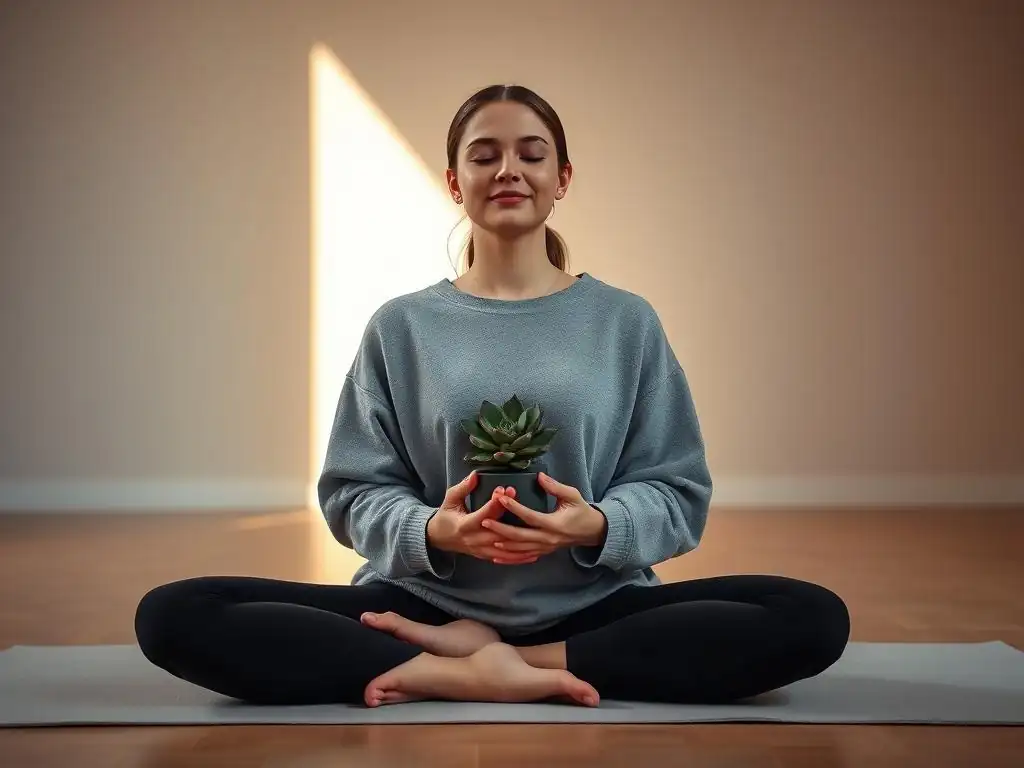
Beyond immediate relief, incorporating mental preparation into your routine leading up to a performance can significantly reduce anxiety levels. These techniques help prime your mind for success, shifting your focus from potential pitfalls to positive possibilities. They build a sense of control and readiness.
Mental preparation isn't just about hoping for the best; it's about actively training your mind to support you under pressure. By consistently using these techniques, you build mental resilience that helps you navigate the challenges of performance. This proactive approach complements the quick strategies and contributes to your ability to calm performance anxiety quickly when the time comes.
Visualization: Imagining Success to Reduce Anxiety
Visualization is a powerful mental rehearsal technique where you vividly imagine yourself successfully completing the performance or task. It involves creating a detailed mental movie of the entire experience, focusing on positive outcomes and feelings. This practice can make the actual performance feel more familiar and less intimidating.
By repeatedly picturing success, you train your brain to associate the performance situation with positive feelings rather than fear. This can help reduce the intensity of the anxiety response when the time arrives. Regular visualization is a cornerstone of many athletes' and performers' routines and is an effective way to help calm performance anxiety quickly.
Mental Rehearsal: Walking Through Your Performance Mentally
Mental rehearsal involves more than just picturing the end result; it's about simulating the entire process step-by-step in your mind. Imagine yourself walking onto the stage, taking your starting position, going through the motions of your performance (e.g., playing the music, delivering your lines, solving the problems), handling any potential minor challenges smoothly, and concluding successfully.
Engage all your senses in this mental rehearsal. What do you see, hear, feel? Imagine the positive energy, the feeling of being in control, and the successful execution of each part. This detailed mental walkthrough builds familiarity and confidence, reducing the fear of the unknown and contributing to your ability to calm performance anxiety quickly.
Focusing on Positive Outcomes and Audience Connection
While rehearsing the process is important, also spend time vividly imagining the desired outcome. Picture yourself feeling confident and capable during the performance. Imagine the positive reaction of your audience – applause, appreciation, or simply attentive engagement.
Focus on the connection you want to create, whether it's with an audience, the material you're presenting, or the task itself. This positive focus shifts your mindset away from potential judgment and towards the rewarding aspects of performing. By emphasizing positive outcomes, you reduce the mental space for anxious worries and help calm performance anxiety quickly.
Mindfulness Meditation for Pre-Performance Calm
Mindfulness is the practice of being fully present in the moment, aware of your thoughts, feelings, bodily sensations, and surroundings without judgment. Practicing mindfulness before a performance can help you observe your anxiety without getting swept away by it. It creates a sense of calm focus.
Even short periods of mindfulness can lower stress hormones like cortisol and promote a sense of ease. It helps you accept the presence of nerves without letting them control you. Integrating mindfulness into your routine is a gentle yet effective way to prepare your mind and body, making it easier to calm performance anxiety quickly when the pressure is on.
Practicing Mindfulness to Reduce Pre-Performance Jitters
Before your performance, find a quiet space if possible, or simply sit calmly where you are. Close your eyes gently or soften your gaze. Bring your attention to your breath, noticing the sensation of air entering and leaving your body. Don't try to change your breath, just observe it.
As thoughts or feelings of anxiety arise, simply notice them without judgment. Acknowledge their presence ("Ah, there's a thought about forgetting my lines") and then gently guide your attention back to your breath or another anchor like the feeling of your feet on the ground. This practice helps you develop a non-reactive stance towards anxiety, reducing its power and helping you calm performance anxiety quickly.
Short Guided Meditations for Performance Anxiety Relief
Many guided meditations are specifically designed for anxiety or performance situations. These can be found through various apps or online resources (though this article cannot link to them). A typical short guided meditation might involve a body scan, where you bring awareness to different parts of your body to release tension, or a focus on cultivating feelings of calm and confidence.
Even a 5-10 minute guided meditation can significantly shift your state of mind, grounding you and reducing the intensity of pre-performance jitters. The voice of the guide can be soothing and help keep your focus when your mind is restless. Incorporating a brief guided session is an effective way to calm performance anxiety quickly before you step out.
Physical Techniques to Reduce Anxiety Before You Go On
Anxiety isn't just in your head; it's a physical experience too. Releasing physical tension and using movement can be incredibly effective in discharging nervous energy and promoting a sense of calm. These techniques work directly with your body's stress response.
Engaging your body actively can help dissipate the physiological symptoms of anxiety, such as muscle tightness and restlessness. They offer a physical outlet for the adrenaline that courses through your system before a performance. Using these physical methods alongside mental ones provides a holistic approach to help calm performance anxiety quickly.
Progressive Muscle Relaxation for Anxiety Relief
Progressive Muscle Relaxation (PMR) is a technique where you systematically tense and then release different muscle groups in your body. The process helps you become more aware of physical tension and learn how to consciously release it, promoting a deep sense of relaxation.
Anxiety often causes unconscious muscle tightness, which can contribute to feelings of nervousness and discomfort. By deliberately tensing and releasing muscles, you interrupt this cycle and signal to your body that it's time to relax. Practicing PMR before a performance is an effective physical method to calm performance anxiety quickly.
Tensing and Releasing Muscles to Reduce Physical Tension
To practice PMR, find a quiet place to sit or lie down. Start with one muscle group, for example, your hands. Clench your fists tightly for about 5-10 seconds, noticing the tension. Then, quickly release the tension completely, letting your hands go limp. Notice the difference between the tense and relaxed state.
Work your way through other muscle groups: forearms, upper arms, shoulders, neck, face (forehead, eyes, jaw), chest, stomach, back, buttocks, thighs, calves, and feet. Spend about 15-20 seconds relaxing each group after tensing. This full-body release can significantly reduce overall physical manifestations of anxiety and help calm performance anxiety quickly.
Light Exercise and Movement to Release Nervous Energy
Engaging in gentle physical activity before a performance can help burn off excess adrenaline and nervous energy. It provides a healthy outlet for the physical restlessness that often accompanies anxiety. The key is light exercise, not something that will leave you exhausted.
Movement also shifts your focus from your anxious thoughts to your body and its sensations. Simple activities can improve blood flow and release endorphins, which have mood-boosting and calming effects. Incorporating light movement is a practical way to help calm performance anxiety quickly.
Simple Stretches and Warm-Ups for Performance Anxiety
Gentle stretching can release muscle tension that accumulates with anxiety. Focus on areas prone to tightness, such as the neck, shoulders, and back. Simple neck rolls, shoulder shrugs, and arm stretches can make a big difference.
If space allows, a brisk walk for 5-10 minutes can be very effective. Even marching in place or doing some light jumping jacks can help. For performers, incorporating specific warm-ups related to your discipline (e.g., vocal warm-ups for singers, finger exercises for musicians) can also serve as a calming ritual that focuses your energy constructively. These simple movements are excellent for helping to calm performance anxiety quickly.
Creating a Pre-Performance Routine for Consistent Calm
One of the most effective long-term strategies that also provides immediate benefits is establishing a consistent pre-performance routine. A routine creates structure and predictability in a potentially unpredictable situation. It provides a sense of control and signals to your brain that it's time to prepare, not panic.
A well-designed routine incorporates several of the quick strategies mentioned above and is personalized to your needs. By following the same steps each time you prepare to perform, you build a powerful psychological anchor that helps reduce anxiety and enhance focus. Developing and sticking to a routine is key to consistently being able to calm performance anxiety quickly before going on.
Developing a Personalized Routine for Managing Anxiety
Your pre-performance routine should be a sequence of actions you take in the hours and minutes leading up to your performance. It might start hours beforehand with things like eating a balanced meal and avoiding caffeine, and narrow down to the final 30 minutes with specific calming techniques.
Include elements that you find personally effective: perhaps 10 minutes of deep breathing, followed by 5 minutes of visualization, then some light stretching, and finally listening to calming music or reviewing positive affirmations. The specific elements don't matter as much as the consistency and the sense of ritual they provide. Tailoring your routine helps you effectively calm performance anxiety quickly.
The Importance of Consistency in Your Pre-Performance Ritual
The power of a pre-performance routine comes from its consistency. By performing the same sequence of actions each time, you train your mind and body to associate that sequence with preparing for performance in a calm and focused state. Over time, the routine itself becomes a trigger for relaxation and readiness.
Even when you don't feel particularly anxious, go through your routine. This reinforces the positive association. When you are feeling highly anxious, having a familiar routine to fall back on provides structure and a path forward, preventing you from being overwhelmed by panic. Consistency builds resilience and strengthens your ability to calm performance anxiety quickly when it matters most.
Long-Term Strategies for Overcoming Performance Anxiety
While quick strategies are essential for managing anxiety in the moment, addressing performance anxiety comprehensively often requires exploring long-term approaches. These strategies aim to understand and modify the underlying beliefs and fears that contribute to anxiety, building lasting resilience.
Long-term strategies provide tools and perspectives that can fundamentally change how you approach performance situations, reducing the likelihood and intensity of anxiety over time. They are an investment in your mental well-being that complements immediate coping techniques. Pursuing these methods can lead to a significant reduction in the need to constantly calm performance anxiety quickly.
Cognitive Behavioral Therapy (CBT) for Performance Anxiety
Cognitive Behavioral Therapy (CBT) is a widely recognized and effective form of therapy for anxiety disorders, including performance anxiety. CBT helps individuals identify and challenge the negative thought patterns and beliefs that fuel their anxiety. It also teaches behavioral techniques to confront fears gradually.
A CBT therapist would work with you to understand the specific thoughts and situations that trigger your performance anxiety. You would learn to evaluate the validity of your anxious thoughts and develop more balanced perspectives. Behavioral components might involve graded exposure to performing, starting with less intimidating situations and gradually moving towards more challenging ones. Studies show CBT can be highly effective, with success rates often reported between 60-80% for various anxiety conditions.
Exposure Therapy for Reducing Fear of Performance
Exposure therapy is a specific type of CBT that is particularly useful for phobias and intense fears, like the fear of performing. It involves gradually exposing yourself to the feared situation in a safe and controlled environment, allowing you to experience anxiety without avoiding the situation. Over time, this helps to desensitize you to the trigger.
For performance anxiety, exposure therapy might start with imagining yourself performing, then performing in front of a mirror, then a trusted friend, then a small group, and gradually building up to larger or more formal performance settings. Each exposure helps to reduce the power of the fear response. This systematic desensitization is a powerful way to reduce the need to constantly calm performance anxiety quickly in high-stakes situations.
Seeking Professional Help for Persistent Performance Anxiety
If performance anxiety is significantly impacting your life, career, or well-being despite trying self-help strategies, seeking professional help is a valuable step. Therapists specializing in anxiety can provide personalized support, diagnosis, and evidence-based treatments like CBT or exposure therapy.
Mental health professionals can help you uncover deeper roots of your anxiety, develop tailored coping mechanisms, and provide support throughout your journey. They offer a safe space to explore your fears and build the skills needed for long-term management. Don't hesitate to reach out if your performance anxiety feels overwhelming; professional guidance can make a profound difference in your ability to calm performance anxiety quickly and sustainably.
Frequently Asked Questions
How can I immediately calm performance anxiety right before a presentation?
Focus on controlled breathing techniques like deep diaphragmatic breathing. This helps to reduce your heart rate and calm your nervous system. Visualize success; imagine the presentation going well.
What are some quick cognitive strategies to combat pre-performance anxiety?
Challenge negative thoughts by identifying and reframing them. Replace anxious thoughts with positive affirmations related to your capabilities. Remind yourself of your past successes.
Are there any physical techniques I can use to quickly alleviate anxiety symptoms?
Engage in brief physical activity, like stretching or a short walk, to release tension. Try progressive muscle relaxation, focusing on tensing and releasing different muscle groups. These help regulate the nervous system.
What should I do if my anxiety symptoms become overwhelming immediately before performing?
Acknowledge your anxiety without judgment and practice mindfulness. Focus on the present moment and your senses. If possible, confide in a trusted friend or colleague for emotional support.
How can I prevent performance anxiety from escalating quickly in the future?
Practice regular stress-management techniques like meditation and yoga. Identify triggers and develop coping mechanisms. Consider seeking professional support to address underlying issues.
Final Reflection: Finding Your Calm in the Storm
The fight against performance anxiety is a battle fought daily by millions, and the need for immediate, effective strategies remains critically important in our fast-paced world. The pressure to perform flawlessly, whether on a stage, in a meeting, or even in a simple conversation, is a pervasive modern experience. This article explored practical, accessible techniques to quickly alleviate those debilitating symptoms, offering a lifeline in moments of intense pressure.
The impact of performance anxiety extends far beyond the individual; it shapes our collective cultural landscape, influencing everything from workplace productivity to artistic expression. The fear of failure can be paralyzing, stifling creativity and innovation. As the poet Mary Oliver so eloquently stated, Tell me, what is it you plan to do with your one wild and precious life?
Overcoming performance anxiety allows us to fully engage with that precious life, to embrace opportunities without the crippling weight of fear holding us back. This isn't just about conquering nerves; it's about unlocking our potential and contributing meaningfully to the world around us.
Now, consider the tools and techniques discussed within this article. Which resonated most deeply with you? Which strategy are you committed to practicing and integrating into your daily life? Take a moment to actively choose one technique and commit to using it the next time you face a performance-based situation. Remember, the power to calm your anxieties lies within you. Embrace these strategies, practice them consistently, and watch as your confidence blossoms, allowing you to shine brightly in every endeavor.
Unleash Your Inner Confidence: Conquer Performance Anxiety Now!
Thanks for taking the time to explore practical strategies for managing performance anxiety. We hope you gained valuable insights to help you feel more confident and in control. Now it's time to put your newfound knowledge into action!
- Prioritize your most effective calming technique: From the article, identify the one strategy that resonates most with you and commit to practicing it regularly, even when you don’t feel anxious.
- Share your experience: Tell us (or a trusted friend!) about which technique worked best for you in the comments below. Let's build a supportive community focused on managing performance anxiety.
- Experiment with a new approach: Try incorporating one of the less familiar techniques from the article into your daily routine. You might discover a surprisingly effective way to manage your anxiety.
What small step will you take today to reduce your performance anxiety and unleash your full potential?