
The Impact on Health: How Uncontrolled Anxiety Affects Physical Wellbeing in Older Age

Welcome to Mind Care Guide, a safe space to explore and understand the complexities of mental well-being.
Are you, or someone you care about, facing the challenges of aging while battling anxiety? It's more common than you might think. In this article, we delve into the critical connection between anxiety impacts older adults health, revealing the often-overlooked ways uncontrolled anxiety can affect physical wellbeing in later life. Discover the subtle signs, understand the underlying mechanisms, and, most importantly, find actionable strategies to reclaim peace of mind and overall health. Let's embark on this journey together.
- The Impact of Uncontrolled Anxiety on Physical Wellbeing in Older Adults
- Anxiety and Older Adults: An Overview
- Physical Manifestations of Anxiety in Older Adults
- The Link Between Anxiety and Chronic Pain in Older Adults
- Anxiety's Effects on the Immune System of Seniors
- Mental Health and Physical Decline: The Vicious Cycle
- Addressing Anxiety to Improve Physical Health in Older Adults
- The Importance of Early Intervention for Anxiety in Older Adults
- Long-Term Health Benefits of Managing Anxiety in Later Life
- Resources for Older Adults Struggling with Anxiety
-
Frequently Asked Questions
- How does uncontrolled anxiety specifically impact the physical health of older adults?
- What are some common, often overlooked, physical symptoms of anxiety in older adults?
- Why is it crucial to address anxiety early in older adults to prevent long-term health consequences?
- What are some effective strategies for managing anxiety in older adults that promote physical well-being?
- Where can older adults and their caregivers find reliable resources and support for managing anxiety and its physical health impacts?
- Final Reflection: The Unseen Toll of Anxiety on Aging
- Unleash Your Inner Calm: Take Control of Your Wellbeing
The Impact of Uncontrolled Anxiety on Physical Wellbeing in Older Adults
Senior Mental Health: Understanding Anxiety's Physical Toll
Anxiety is a common experience, but when it becomes chronic and uncontrolled, it can have profound effects on an individual's physical health, particularly as they age. For older adults, the physical toll of persistent anxiety can be significant, exacerbating existing health conditions and contributing to new ones. Understanding how anxiety impacts older adults health is crucial for effective care and support. Unlike younger populations, older adults may present anxiety symptoms differently, often focusing on physical complaints rather than emotional distress, which can lead to misdiagnosis or delayed treatment.
The physiological response to anxiety involves the activation of the body's stress system, releasing hormones like cortisol and adrenaline. While beneficial in acute situations, chronic exposure to these hormones can wear down various bodily systems over time. This cumulative effect is particularly concerning for seniors whose bodies may already be experiencing age-related changes and reduced resilience. The persistent state of heightened alert associated with uncontrolled anxiety can manifest in a wide array of physical symptoms, making it imperative to address the mental health component to improve overall physical wellbeing in this population.
Anxiety and Older Adults: An Overview
Defining Anxiety in Later Life
Anxiety in later life refers to excessive worry, fear, or nervousness that is persistent and interferes with daily functioning among individuals typically aged 65 and older. While some level of worry is normal, clinical anxiety disorders in older adults are characterized by their intensity and duration, often lasting for months. These can include Generalized Anxiety Disorder (GAD), Panic Disorder, Social Anxiety Disorder, specific phobias, and Obsessive-Compulsive Disorder (OCD), although GAD is often the most prevalent form in this age group.
Identifying anxiety in older adults can be challenging because symptoms may overlap with or be attributed to physical illnesses, medication side effects, or cognitive decline. For instance, restlessness or difficulty concentrating might be seen as signs of aging or dementia rather than anxiety. Furthermore, older adults may be less likely to report psychological symptoms due to stigma or a belief that anxiety is a normal part of aging, making it essential for caregivers and healthcare providers to be vigilant and look for subtle cues.
Physiological Vulnerabilities: Why Anxiety Affects Older Adults Differently
Older adults possess unique physiological vulnerabilities that make them particularly susceptible to the physical effects of anxiety. Their bodies may have a reduced capacity to regulate stress hormones, leading to prolonged exposure to cortisol and adrenaline, which can damage tissues and organs over time. The aging cardiovascular system, for example, may be less able to withstand the repeated surges in heart rate and blood pressure triggered by anxiety, increasing the risk of cardiac events.
Moreover, older adults often manage multiple chronic health conditions and take various medications, which can interact with or be worsened by anxiety. For instance, anxiety can exacerbate symptoms of conditions like asthma, chronic obstructive pulmonary disease (COPD), or diabetes. Polypharmacy can also complicate matters, as some medications can induce anxiety symptoms or interact with anxiety treatments. These factors highlight why anxiety impacts older adults health in ways that are distinct from younger populations, requiring tailored approaches to diagnosis and management.
Physical Manifestations of Anxiety in Older Adults
Cardiovascular Health and Anxiety in Seniors
Anxiety's Impact on Heart Rate and Blood Pressure
Uncontrolled anxiety frequently triggers the body's fight-or-flight response, leading to an immediate increase in heart rate and blood pressure. In older adults, whose cardiovascular systems may already be compromised by age or existing conditions like hypertension or atherosclerosis, these repeated surges can place significant strain on the heart. Chronic anxiety maintains the body in a state of heightened physiological arousal, preventing the cardiovascular system from resting and recovering adequately, which can lead to long-term damage.
Studies indicate a strong association between chronic anxiety and elevated blood pressure levels in older adults. While acute anxiety might cause temporary spikes, persistent worry and stress contribute to sustained hypertension. This constant strain on the arteries and heart muscle is a major risk factor for serious cardiovascular problems and underscores how significantly anxiety impacts older adults health, particularly their cardiac function.
Increased Risk of Heart Disease and Stroke
The cumulative effect of anxiety-induced physiological changes significantly increases the risk of heart disease and stroke in older adults. Chronic stress and elevated cortisol levels can contribute to the buildup of plaque in the arteries (atherosclerosis) and increase the likelihood of blood clots. Research suggests that older adults with anxiety disorders have a notably higher risk of experiencing cardiovascular events such as heart attacks and strokes compared to their non-anxious peers.
For example, some longitudinal studies have found that older adults reporting high levels of anxiety are up to 30-40% more likely to develop heart disease over several years. The constant stress on the heart, combined with potential behavioral factors like poor diet or reduced physical activity often associated with anxiety, creates a dangerous combination. Addressing anxiety is therefore a critical component of cardiovascular risk reduction in the elderly population, highlighting the interconnectedness of mental and physical health.
Gastrointestinal Issues Linked to Anxiety in Older Adults
Irritable Bowel Syndrome (IBS) and Anxiety
The gut-brain axis, a complex communication system between the central nervous system and the enteric nervous system (the nervous system of the gut), means that emotional states like anxiety can profoundly affect digestive function. For older adults, anxiety is a well-established comorbidity with Irritable Bowel Syndrome (IBS). While IBS can affect people of all ages, the interplay between anxiety and gut symptoms like abdominal pain, bloating, constipation, and diarrhea can be particularly challenging in older adults, impacting their nutrition and quality of life.
Research indicates that a significant percentage of individuals with IBS, potentially up to 60% or more, also experience anxiety disorders. The stress response triggered by anxiety can alter gut motility, increase gut sensitivity, and change the gut microbiome, all contributing to IBS symptoms. For older adults already dealing with age-related changes in digestion or other health issues, this anxiety-induced gut distress can be particularly debilitating.
Appetite Changes and Digestive Problems
Beyond conditions like IBS, generalized anxiety in older adults can lead to a range of other digestive disturbances. Chronic worry can suppress appetite in some individuals, leading to unintentional weight loss and nutritional deficiencies, which are particularly concerning in a population already vulnerable to malnutrition. Conversely, anxiety can also lead to stress-eating or changes in food preferences that are not conducive to a healthy diet.
Furthermore, anxiety can affect the production of digestive enzymes and stomach acid, leading to symptoms like indigestion, nausea, and acid reflux. The constant state of physiological alert diverts energy and resources away from non-essential functions like digestion. These persistent digestive issues not only cause discomfort but can also impact the absorption of nutrients and medications, further demonstrating how anxiety impacts older adults health in fundamental ways.
Sleep Disturbances and Anxiety in the Elderly
Insomnia and Anxiety Disorders
Sleep problems are highly prevalent among older adults, and anxiety is a major contributing factor. Chronic anxiety often manifests as difficulty falling asleep, staying asleep, or experiencing restless, non-restorative sleep. The racing thoughts and persistent worry associated with anxiety disorders make it difficult for the mind to quiet down at bedtime, leading to insomnia. This can affect older adults disproportionately, as age-related changes in sleep architecture already predispose them to sleep disturbances.
Studies show that older adults with anxiety disorders are significantly more likely to report chronic insomnia than their non-anxious peers. For instance, while overall insomnia prevalence in older adults is high (estimated between 30-48%), the rate is considerably higher in those with diagnosed anxiety. This lack of quality sleep not only causes fatigue and impaired daytime functioning but also exacerbates other health problems.
The Cycle of Anxiety and Poor Sleep
Anxiety and poor sleep often become locked in a vicious cycle in older adults. Anxiety makes it hard to sleep, and lack of sleep, in turn, increases anxiety and stress levels. Sleep deprivation affects mood regulation, increases irritability, and reduces coping abilities, making individuals more vulnerable to worry and fear during the day. This heightened daytime anxiety then makes it even harder to sleep the following night, perpetuating the cycle.
Breaking this cycle is crucial for improving both mental and physical health. Chronic poor sleep linked to anxiety can weaken the immune system, impair cognitive function, and increase the risk of cardiovascular and metabolic issues. Recognizing and treating the underlying anxiety is often the key to restoring healthy sleep patterns in older adults, highlighting another critical way anxiety impacts older adults health.
The Link Between Anxiety and Chronic Pain in Older Adults

Anxiety as a Trigger for Chronic Pain Conditions
Anxiety and chronic pain share a complex, bidirectional relationship, particularly in older adults. Anxiety can lower an individual's pain threshold, making them more sensitive to painful stimuli. Moreover, the muscle tension often associated with chronic anxiety can contribute to or exacerbate various pain conditions, such as tension headaches, back pain, and musculoskeletal discomfort. This physical manifestation of anxiety can be significant in older adults who may already experience age-related joint or muscle pain.
For example, persistent muscle clenching due to anxiety can lead to chronic tension in the neck and shoulders, contributing to persistent headaches or exacerbating existing arthritis pain. The psychological distress of anxiety can also amplify the perception of pain, making it feel more intense and debilitating. This interplay means that managing anxiety can be a critical factor in effectively managing chronic pain in older adults.
Managing Pain and Anxiety Simultaneously
Given the strong link between anxiety and chronic pain, effective treatment often requires addressing both conditions concurrently. Simply treating the pain without addressing the underlying anxiety may lead to limited or temporary relief, as the anxiety continues to fuel the pain response. Similarly, ignoring pain while treating anxiety may leave a significant source of distress unresolved.
Integrated approaches that combine pain management strategies with anxiety treatments, such as cognitive-behavioral therapy (CBT) or mindfulness techniques, are often most effective for older adults. Physical therapies that help reduce muscle tension and promote relaxation can also benefit both conditions. By addressing the mental and physical aspects together, healthcare providers can significantly improve the quality of life for older adults suffering from this dual burden.
Anxiety's Effects on the Immune System of Seniors
Weakened Immunity and Increased Susceptibility to Illness
Chronic anxiety and stress can have a detrimental effect on the immune system, making older adults more susceptible to infections and slowing down healing processes. Persistent exposure to stress hormones like cortisol can suppress immune function, reducing the body's ability to fight off viruses, bacteria, and other pathogens. This is particularly concerning for seniors, whose immune systems may already be less robust due to age.
Studies have shown that older adults with chronic anxiety may have a reduced response to vaccinations and are more prone to developing respiratory infections like colds and flu. The constant physiological strain diverts resources away from immune surveillance and response, leaving the body less prepared to defend itself. This weakened immunity is a significant way anxiety impacts older adults health, increasing their vulnerability to illness and complicating recovery.
The Role of Stress Hormones in Immune Suppression
The primary culprits behind anxiety-induced immune suppression are stress hormones, notably cortisol. While short bursts of cortisol can enhance immune function, chronic elevation has the opposite effect. Prolonged exposure to high cortisol levels can decrease the production of lymphocytes, the white blood cells essential for fighting infection, and suppress the inflammatory response necessary for healing.
This hormonal imbalance disrupts the delicate regulation of the immune system. For older adults, who may already have higher baseline levels of inflammatory markers, chronic anxiety adds another layer of challenge, potentially contributing to chronic inflammatory conditions and reducing overall resilience against disease. Understanding this hormonal link is key to appreciating the systemic impact of anxiety on the health of older adults.
Mental Health and Physical Decline: The Vicious Cycle
How Anxiety Contributes to Physical Frailty
Anxiety can significantly contribute to physical frailty in older adults, defined as a state of increased vulnerability resulting from age-related decline in multiple physiological systems. Chronic anxiety often leads to reduced physical activity due to fatigue, fear of exacerbating symptoms (like shortness of breath or palpitations), or avoidance of social situations requiring physical exertion. This inactivity results in muscle weakness, decreased balance, and loss of stamina – key components of frailty.
Moreover, anxiety can impair nutrition and sleep, further contributing to physical decline. Anxious individuals may eat poorly or lose their appetite, missing out on essential nutrients needed to maintain muscle mass and bone density. Poor sleep disrupts hormonal balance and recovery processes necessary for physical repair and strength. This combination of factors creates a vicious cycle where anxiety exacerbates physical decline, and increasing frailty, in turn, can heighten anxiety about falls, independence, and health.
The Impact of Anxiety on Cognitive Function in Older Adults
Memory Problems and Concentration Difficulties
Chronic anxiety in older adults is strongly associated with cognitive difficulties, including problems with memory and concentration. The constant state of worry and heightened arousal consumes mental resources, making it difficult to focus attention and process new information effectively. High levels of stress hormones, particularly cortisol, are known to have damaging effects on the hippocampus, a brain region critical for memory formation and retrieval.
Older adults with anxiety may find it harder to remember recent events, follow conversations, or concentrate on tasks. This can be distressing and isolating, sometimes even mistaken for early signs of dementia. While anxiety-related cognitive issues are often reversible with effective treatment, their presence highlights a significant way anxiety impacts older adults health beyond just physical symptoms.
Increased Risk of Dementia
Beyond immediate cognitive issues, chronic anxiety in older adults has been linked to an increased risk of developing dementia over time. While the exact mechanisms are still being researched, several factors may contribute. The chronic stress and inflammation associated with anxiety can damage brain cells and networks. Anxiety-related sleep disturbances and cardiovascular issues also contribute to brain health decline.
Longitudinal studies have observed that older adults with diagnosed anxiety disorders have a higher incidence of dementia later in life compared to those without anxiety. For example, some research suggests a roughly 20-30% increased risk. This potential link underscores the importance of recognizing and managing anxiety not only for immediate wellbeing but also as a potential strategy for promoting long-term brain health and reducing the risk of cognitive decline in older age. This is a critical area where addressing anxiety impacts older adults health trajectory.
Addressing Anxiety to Improve Physical Health in Older Adults
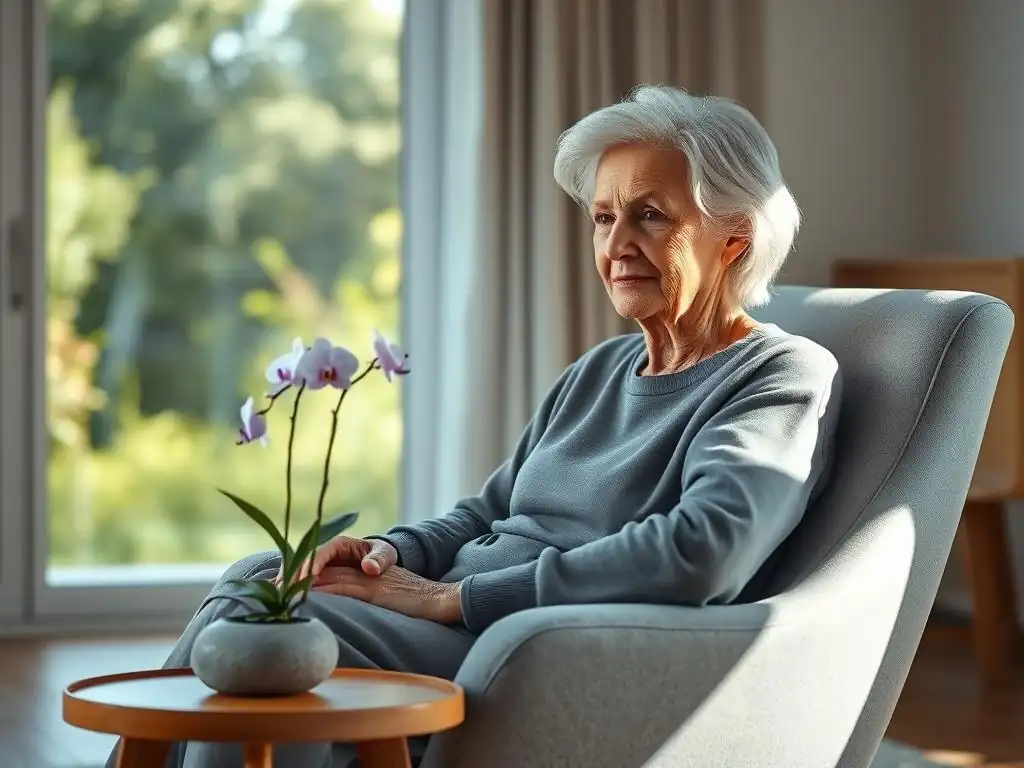
Seeking Professional Help for Anxiety Management
Given the significant physical health implications of uncontrolled anxiety in older adults, seeking professional help is a crucial step. Healthcare providers, including primary care physicians, geriatricians, psychologists, and psychiatrists, are equipped to diagnose anxiety disorders and develop appropriate treatment plans. It's important for older adults and their families to understand that anxiety is a treatable condition, not an inevitable part of aging.
A comprehensive assessment is vital to rule out underlying medical conditions or medication side effects that might be mimicking anxiety symptoms. Professionals can then recommend evidence-based therapies and, if necessary, discuss medication options tailored to the specific needs and health status of the older adult, considering potential interactions with other medications they may be taking.
Therapies for Anxiety in Seniors: CBT and Beyond
Several therapeutic approaches have proven effective in managing anxiety in older adults. Cognitive-Behavioral Therapy (CBT) is widely recommended. CBT helps individuals identify and challenge negative thought patterns and behaviors that contribute to anxiety. It equips older adults with coping strategies to manage worry and fear, directly addressing the cognitive component of anxiety.
Other beneficial therapies include relaxation techniques, mindfulness-based stress reduction, and acceptance and commitment therapy (ACT). These approaches can help older adults reduce physiological arousal, manage stress, and improve their ability to cope with difficult emotions and physical symptoms. Therapy provides a safe space to explore anxieties and develop practical skills to regain control over their lives and improve how anxiety impacts older adults health.
Lifestyle Changes to Reduce Anxiety and Improve Physical Wellbeing
The Importance of Exercise for Anxiety Relief
Regular physical activity is a powerful tool for reducing anxiety and improving physical health in older adults. Exercise releases endorphins, natural mood boosters, and helps reduce stress hormones like cortisol. It can also improve sleep quality, reduce muscle tension, and enhance cardiovascular health, all of which are negatively impacted by anxiety.
Even moderate exercise, such as brisk walking, swimming, or gentle yoga, can make a significant difference. Aiming for at least 150 minutes of moderate-intensity aerobic activity per week, as recommended for older adults, can lead to measurable reductions in anxiety levels and improvements in overall physical function and resilience. Incorporating strength and balance exercises is also beneficial for maintaining physical function and reducing anxiety related to falls.
Nutritional Strategies for Managing Anxiety
Diet plays a role in both mental and physical health. While nutrition alone cannot cure anxiety, certain dietary strategies can support overall wellbeing and potentially reduce anxiety symptoms. A balanced diet rich in fruits, vegetables, whole grains, lean proteins, and healthy fats provides the nutrients necessary for optimal brain function and stress response regulation.
Maintaining stable blood sugar levels by eating regular meals and avoiding excessive sugar intake can help prevent mood swings and irritability that might exacerbate anxiety. Some nutrients, like omega-3 fatty acids (found in fish), magnesium, and B vitamins, are particularly important for neurological health and stress management. Limiting caffeine and alcohol, which can increase anxiety and disrupt sleep, is also advisable.
Social Engagement and Support Networks
Social connection is vital for mental and physical health at any age, but perhaps especially so for older adults who may face isolation. Maintaining strong social ties and engaging in meaningful social activities can provide emotional support, reduce feelings of loneliness, and offer distraction from worries. Social interaction stimulates the brain and can have a protective effect against both anxiety and cognitive decline.
Encouraging older adults to stay connected with family and friends, participate in community groups, volunteer, or join clubs can significantly improve their mood and reduce anxiety levels. Support groups specifically for anxiety or for individuals dealing with similar life challenges can also be incredibly valuable, offering shared experiences and coping strategies. A robust support network helps buffer the effects of stress and improves resilience, positively influencing how anxiety impacts older adults health.
The Importance of Early Intervention for Anxiety in Older Adults
Recognizing the Signs of Anxiety in Seniors
Early recognition of anxiety symptoms in older adults is critical for effective intervention and preventing long-term physical health consequences. Unlike younger individuals, seniors may not explicitly state they feel anxious. Instead, signs might include increased irritability, restlessness, difficulty concentrating, fatigue, unexplained physical complaints (like stomach aches or headaches), changes in appetite or sleep patterns, avoidance of social situations, or excessive worry about health, finances, or family.
Caregivers, family members, and healthcare providers should be attuned to these subtle indicators. Open-ended questions about how the individual is feeling, what they are worried about, and how they are sleeping can help uncover underlying anxiety. It's important to approach the topic with empathy and without judgment, creating a safe space for the older adult to express their feelings.
Creating a Supportive Environment for Older Adults with Anxiety
A supportive environment is fundamental for helping older adults manage anxiety and mitigate its physical effects. This involves patience, understanding, and validation of their feelings. Avoid dismissing their worries, even if they seem unfounded, as the distress is real to them. Encourage open communication and active listening.
Helping older adults maintain a predictable routine, encouraging healthy habits (exercise, nutrition, sleep), facilitating social connections, and simplifying complex tasks or decisions can all reduce sources of stress and anxiety. Ensuring they have access to professional help and supporting them through treatment is paramount. A supportive environment empowers older adults to take steps towards managing their anxiety and improving their overall wellbeing.
Long-Term Health Benefits of Managing Anxiety in Later Life
Reduced Risk of Chronic Diseases
Effectively managing anxiety in older adults yields significant long-term physical health benefits, including a reduced risk of chronic diseases. By lowering chronic stress levels and regulating stress hormones, individuals can decrease the strain on their cardiovascular system, potentially lowering the risk of hypertension, heart attack, and stroke. Improved sleep and reduced inflammation associated with anxiety management also contribute to better overall physiological health.
Furthermore, addressing anxiety can lead to healthier lifestyle choices, such as increased physical activity and better nutrition, which are protective factors against conditions like type 2 diabetes, obesity, and certain cancers. The cumulative effect of these positive changes underscores how powerfully managing anxiety impacts older adults health trajectory, potentially adding years of healthier living.
Improved Quality of Life and Longevity
Beyond reducing disease risk, managing anxiety significantly enhances the overall quality of life for older adults. Reduced anxiety allows individuals to participate more fully in activities they enjoy, maintain social connections, and experience greater peace of mind. Improved sleep, better digestion, and less physical pain contribute to increased comfort and energy levels.
Ultimately, by mitigating the physical toll of anxiety and improving daily functioning and emotional wellbeing, effective management can contribute to increased longevity and a more fulfilling later life. The ability to cope with challenges, maintain independence, and engage with the world around them is profoundly influenced by their mental state. Investing in the mental health of older adults by addressing anxiety impacts older adults health in the most holistic and beneficial ways possible.
Resources for Older Adults Struggling with Anxiety
National Institute on Aging (NIA) Resources
The National Institute on Aging (NIA), part of the U.S. Department of Health and Human Services, offers valuable resources on mental health and aging, including information specifically on anxiety in older adults. Their website provides articles, fact sheets, and publications that explain anxiety, its symptoms, and treatment options tailored for the elderly population.
These resources can help older adults, their families, and caregivers understand the challenges of anxiety in later life and find practical advice and support. They emphasize that anxiety is treatable and encourage seeking help from healthcare professionals.
MentalHealth.gov Resources
MentalHealth.gov is another comprehensive online resource provided by the U.S. Department of Health and Human Services. It serves as a portal to information about mental health issues, including anxiety, and links to various government and non-government resources for support and treatment.
Older adults and their families can find information on symptoms, treatment options, and how to find mental health services in their area. The site aims to educate the public and reduce the stigma associated with seeking help for mental health conditions, making it easier for older adults to access the care they need.
Frequently Asked Questions
How does uncontrolled anxiety specifically impact the physical health of older adults?
Uncontrolled anxiety can lead to a range of physical health problems in older adults, including increased risk of cardiovascular disease, weakened immune system, and chronic pain.
What are some common, often overlooked, physical symptoms of anxiety in older adults?
Besides the well-known symptoms, older adults might experience less obvious physical manifestations like digestive issues, fatigue, and muscle tension, often attributed to other age-related conditions.
Why is it crucial to address anxiety early in older adults to prevent long-term health consequences?
Early intervention is vital because prolonged anxiety can create a cycle of stress and physical decline, making it harder to manage both mental and physical health challenges later in life and impacting overall quality of life.
What are some effective strategies for managing anxiety in older adults that promote physical well-being?
Strategies include regular exercise, mindfulness practices, and social engagement, all of which can help reduce anxiety levels and improve overall physical health. Seeking professional help is also crucial.
Where can older adults and their caregivers find reliable resources and support for managing anxiety and its physical health impacts?
Mind Care Guide provides comprehensive information, support networks, and links to professional resources specifically tailored to address anxiety and its effects on physical well-being in older adults.
Final Reflection: The Unseen Toll of Anxiety on Aging
The pervasive nature of anxiety in later life is not merely a mental health concern; it's a significant public health crisis. Untreated anxiety significantly impacts the physical well-being of older adults, leading to a cascade of health problems that diminish quality of life and shorten lifespan. This article has highlighted the intricate connection between anxiety and various physical ailments, underscoring the urgent need for improved awareness and accessible support systems.
The insidious creep of anxiety into the physical body is a profound observation, one that resonates deeply with the stories I've encountered during my research. The vulnerability of older adults, often compounded by social isolation and the cumulative weight of life experiences, makes them particularly susceptible to the debilitating effects of anxiety. The body keeps the score,
as Bessel van der Kolk so poignantly states, reminding us that trauma and chronic stress leave indelible marks on our physical health. This is especially true for older adults, whose bodies may be less resilient to the constant wear and tear of untreated anxiety.
Consider the information presented within this article. Reflect on the potential anxieties in your own life, or those of loved ones aging around you. Are you actively addressing the mental health needs of yourself and your community? Take the time to learn the signs and symptoms of anxiety in older adults, and seek professional help if needed. By fostering a culture of understanding and support, we can collectively alleviate the suffering caused by anxiety and empower older adults to live healthier, more fulfilling lives.
Unleash Your Inner Calm: Take Control of Your Wellbeing
Thanks for taking the time to explore the vital connection between anxiety and physical health in later life. We hope this article provided valuable insights into managing this often-overlooked aspect of aging. Now, it's time to put that knowledge into action!
- Prioritize stress-reducing activities: Identify and incorporate at least one calming activity into your daily routine. This could be anything from gentle yoga to spending time in nature, or simply enjoying a quiet cup of tea.
- Connect with your community: Share this article with a friend or family member who might benefit from the information. Starting a conversation about anxiety can be a powerful step towards support and better health.
- Explore additional resources: Consider seeking out support groups or online forums dedicated to anxiety management in older adults. This can provide a valuable sense of community and shared experience.
What proactive step will you take today to nurture your mental and physical well-being?