
Making Peace with Your Cubicle: Calming Office Environment Anxiety


Welcome to Mind Care Guide, a space dedicated to your mental well-being.
Feeling the pressure cooker of the office environment? You're not alone. Many experience anxiety in the workplace, and it can significantly impact your day-to-day life. This guide offers practical strategies and empathetic insights to help you reclaim your calm and thrive. Curious about managing office anxiety effectively? Let's explore how you can make peace with your cubicle and build a more positive and productive workday. Start your journey to a calmer, more confident you, right here.
Cultivating Calm: Managing Anxiety in the Workplace
- Understanding Workplace Anxiety
- Strategies for Managing Workplace Anxiety
- Addressing Common Workplace Anxiety Triggers
- Long-Term Strategies for Workplace Well-being
- Maintaining a Calm and Productive Work Life
-
Frequently Asked Questions
- How can I quickly reduce anxiety in a stressful office situation?
- What are some long-term strategies for managing office anxiety effectively?
- How can I improve my physical environment to reduce office anxiety?
- What resources are available to help me manage office anxiety effectively?
- How do I communicate my anxiety to my manager or colleagues without feeling vulnerable?
- Final Reflection: Finding Serenity in the Structured Chaos
- Unleash Your Inner Office Oasis: Find Your Calm Today!
Understanding Workplace Anxiety
Defining Workplace Anxiety: Beyond General Stress
Workplace anxiety is a distinct form of anxiety specifically triggered by professional environments and situations. While general stress is a reaction to pressure or demands, anxiety involves excessive worry, apprehension, and often physical symptoms related to anticipated future threats or perceived lack of control within the work context. It's more than just a bad day at the office; it's a persistent feeling of unease that can significantly impair daily functioning. Managing office anxiety effectively requires understanding this distinction and recognizing that it's a clinical concern, not just a character flaw or a simple response to a demanding job.
Unlike temporary stress spikes before a deadline, workplace anxiety can manifest as a constant undercurrent of worry about performance reviews, interactions with colleagues or superiors, job security, or even the physical office environment itself. This pervasive worry can lead to avoidance behaviors, difficulty concentrating, and a feeling of being overwhelmed even by routine tasks. Recognizing these patterns is the first step towards managing office anxiety effectively and developing strategies for coping with its specific challenges.
The Impact of Workplace Anxiety: Effects on Productivity and Well-being
The effects of workplace anxiety extend far beyond personal discomfort. It can severely hamper productivity, leading to missed deadlines, errors in work, and difficulty making decisions. Anxious employees may struggle with focus, creativity, and problem-solving, essential skills in most professional roles. Studies have indicated that anxiety disorders, which can include workplace anxiety, are a significant contributor to presenteeism (being at work but not fully functional) and absenteeism. For example, a 2019 study cited by the Anxiety & Depression Association of America (ADAA) suggested that anxiety costs the U.S. economy billions annually in lost productivity.
Beyond productivity, workplace anxiety takes a heavy toll on overall well-being. It can manifest physically through symptoms like headaches, muscle tension, digestive issues, and fatigue. Mentally, it can contribute to burnout, depression, and feelings of isolation. The constant state of alert associated with anxiety can erode job satisfaction and lead to a feeling of dread associated with going to work. Managing office anxiety effectively is therefore crucial not just for professional success but also for maintaining physical and mental health.
Recognizing Symptoms: Identifying Triggers and Manifestations of Workplace Anxiety
Identifying the signs of workplace anxiety is key to addressing it. Symptoms can vary widely but often include excessive worry about work-related matters, difficulty concentrating, restlessness, irritability, muscle tension, and sleep disturbances. Some people might experience panic attacks triggered by specific work situations, such as public speaking or meeting strict deadlines. Triggers can be diverse, ranging from high workloads and tight deadlines to negative feedback, conflicts with colleagues, or even the physical environment of the office. For instance, an open-plan office might be a significant trigger for someone sensitive to noise or lack of personal space.
Manifestations can also be behavioral. An individual might start avoiding meetings, procrastinating on tasks that trigger anxiety, or engaging in excessive checking or reassurance-seeking behaviors. They might become withdrawn or overly sensitive to criticism. For example, someone with performance anxiety might spend excessive hours double-checking work, leading to burnout, while someone with social anxiety might avoid company social events, impacting their professional network. Learning to identify these personal triggers and symptoms is fundamental for managing office anxiety effectively and tailoring coping strategies.
Strategies for Managing Workplace Anxiety
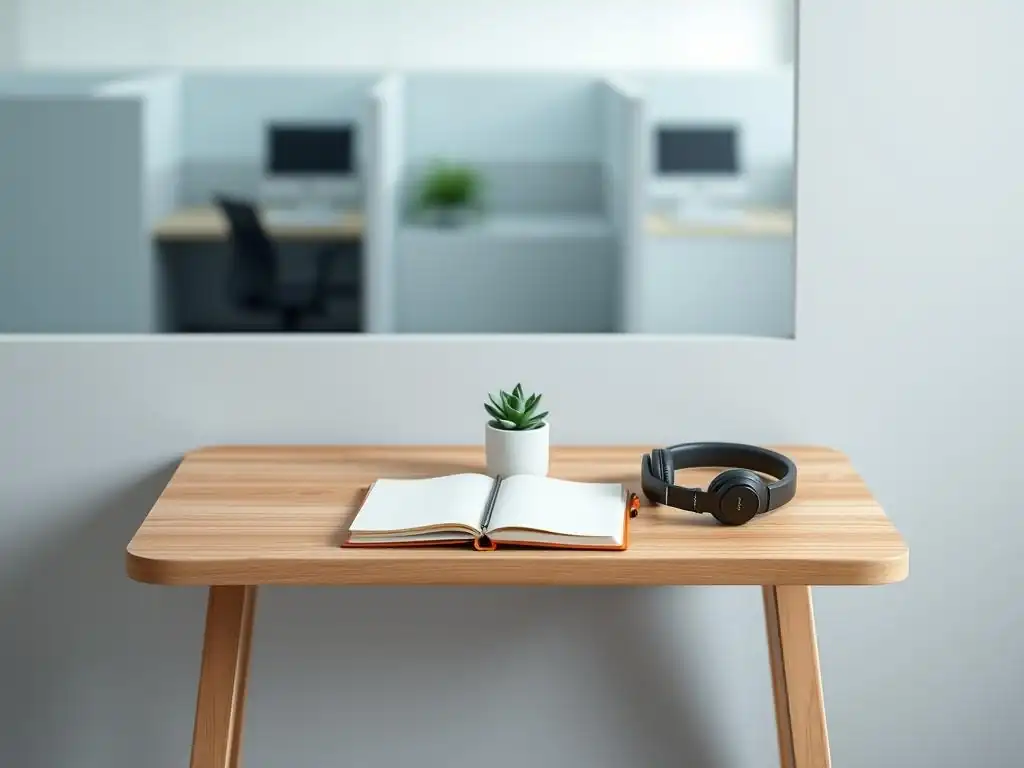
Creating a Comfortable Workspace
Optimizing Workspace Organization: Reducing Clutter and Distractions
A cluttered and disorganized workspace can contribute significantly to feelings of being overwhelmed and anxious. Visual clutter competes for attention and can make it harder to focus on tasks, while disorganization can lead to wasted time searching for documents or supplies, adding to stress. Dedicating a few minutes each day to tidying up and establishing a clear system for organizing papers and digital files can create a sense of control and calm. Simple steps like clearing your desk at the end of the day or using folders for different projects can make a noticeable difference in your mental state.
Furthermore, minimizing visual and auditory distractions is vital for maintaining focus and reducing anxiety. Position your desk to minimize foot traffic behind you, or use desk dividers if available. On a digital level, closing unnecessary tabs and turning off non-essential notifications can help maintain concentration. Creating a dedicated, orderly space signals to your brain that this is a place for focused work, which can reduce the background hum of anxiety related to feeling out of control or easily sidetracked.
Incorporating Calming Elements: Personalization and Sensory Comfort
Personalizing your workspace with elements that bring you comfort and peace can significantly reduce anxiety. This could include a small plant, a framed photo of loved ones, or a favorite mug. These items serve as visual anchors that remind you of positive aspects of your life outside of work and can provide small moments of respite. The presence of living things, like plants, has been shown in some studies to reduce stress levels and improve air quality, contributing to a more pleasant environment.
Engaging your senses in a calming way can also be effective. Consider incorporating elements like a small, quiet desk fountain, a diffuser with a calming essential oil like lavender (if office policy allows and it doesn't bother colleagues), or using a comfortable seat cushion. Even something as simple as having a soft throw blanket on your chair for cooler days can add a layer of physical comfort that translates to mental ease. These sensory comforts create a personal sanctuary within the larger office environment, making it easier to cope with potential stressors.
Ergonomic Adjustments: Promoting Physical Well-being
Physical discomfort can exacerbate anxiety. Ensuring your workspace is ergonomically sound is crucial for promoting physical well-being, which in turn supports mental health. Adjusting your chair height so your feet are flat on the floor and your arms are at a comfortable angle to your keyboard and mouse can prevent strain and pain. Positioning your monitor at eye level helps prevent neck and shoulder tension.
Investing in ergonomic accessories, such as a wrist rest, an ergonomic mouse, or a footrest, can further enhance comfort. Simple adjustments like these can prevent physical aches and pains that add to overall stress and anxiety levels. When your body is comfortable, your mind is better able to relax and focus, making it easier to manage feelings of anxiety throughout the workday.
Mindful Practices for Anxiety Relief
Deep Breathing Techniques: Quick Stress Reduction
Deep breathing is a powerful, immediate tool for managing office anxiety effectively. When we feel anxious, our breathing often becomes shallow and rapid, activating the body's stress response. Consciously slowing down and deepening your breath can reverse this, signaling to your nervous system that you are safe and can relax. Techniques like 4-7-8 breathing (inhale for 4 counts, hold for 7, exhale for 8) can be done discreetly at your desk.
Taking just one or two minutes to focus solely on your breath can interrupt the cycle of anxious thoughts and physical tension. Practice inhaling slowly through your nose, feeling your abdomen expand, holding for a moment, and then exhaling slowly through your mouth. Even a few cycles of deep, controlled breaths can lower your heart rate and bring a sense of calm, providing immediate relief when you feel overwhelmed.
Desk Meditation: Finding Moments of Calm
You don't need a quiet room and an hour of free time to meditate. Desk meditation involves taking short, mindful pauses throughout your workday to center yourself. This could be as brief as 60 seconds between tasks or a few minutes during a lunch break. The goal is to bring your attention to the present moment, away from anxious thoughts about the past or future.
Find a comfortable posture at your desk, close your eyes if you feel comfortable, or soften your gaze. Focus on your breath, the sensations in your body, or the sounds around you without judgment. If your mind wanders to work worries (which it will), gently guide it back to your chosen anchor. Regular short meditation breaks can build resilience to stress over time and help in managing office anxiety effectively by creating pockets of calm throughout the day.
Visualization Techniques: Mental Escape and Focus
Visualization is another potent tool for anxiety relief that can be practiced at your desk. This involves creating a calming mental image or scene to transport yourself away from the immediate source of stress. Picture a peaceful place – a beach, a forest, a cozy room – and engage all your senses in imagining it. What do you see, hear, smell, feel?
Alternatively, visualization can be used to prepare for challenging situations, like a presentation or a difficult conversation. Imagine yourself successfully navigating the situation, feeling confident and calm. This mental rehearsal can reduce anxiety by building a sense of preparedness and competence. Spending a few minutes visualizing a positive outcome or a peaceful scene can provide a mental break and help regain composure when feeling anxious at work.
Effective Communication and Boundary Setting
Assertive Communication: Expressing Needs and Boundaries Respectfully
Assertive communication is key to managing office anxiety effectively, particularly in interactions with colleagues and superiors. It involves expressing your thoughts, feelings, and needs clearly and directly, while still respecting the rights and opinions of others. This is distinct from aggressive communication (which disregards others) or passive communication (which neglects your own needs).
For example, instead of silently resenting an unreasonable deadline (passive) or angrily confronting your boss (aggressive), you could assertively state, "I understand this project is urgent, but given my current workload with X and Y, I estimate I would need Z amount of time to complete it thoroughly. Can we discuss prioritizing or adjusting the timeline?"
Learning to say "no" or negotiate expectations assertively prevents taking on more than you can handle, a common trigger for workplace anxiety. It empowers you by giving you a voice in your work life and helps build healthier professional relationships based on mutual respect. Practicing assertive communication can reduce the feeling of being overwhelmed and out of control, which often fuels anxiety.
Setting Boundaries with Colleagues: Protecting Time and Energy
Setting clear boundaries with colleagues is essential for protecting your time, energy, and mental space. This involves defining how and when you are available for interactions, favors, or discussions that fall outside of direct collaboration on shared projects. For instance, if casual chats or frequent interruptions disrupt your focus and increase your anxiety, it's okay to politely signal your need for concentration time. You might say, "I'd love to chat, but I need to focus on this task right now. Can we catch up later?"
Boundaries also apply to workload and responsibilities. If a colleague consistently offloads their tasks onto you, learning to set limits respectfully is crucial. This doesn't mean being unhelpful, but rather ensuring that your own responsibilities and well-being are not compromised. Clearly communicating your limits helps prevent resentment and burnout, contributing significantly to managing office anxiety effectively.
Conflict Resolution: Strategies for Managing Workplace Disagreements
Workplace conflicts are inevitable, but how they are managed can significantly impact anxiety levels. Avoiding conflict can allow tension to build, while engaging in unproductive arguments can escalate stress. Learning constructive conflict resolution strategies is vital. This involves active listening, staying calm, focusing on the issue rather than personal attacks, and seeking mutually agreeable solutions.
If a disagreement arises, try to address it directly and calmly with the person involved, focusing on specific behaviors or situations rather than making generalizations about the person. For example, instead of saying "You're always late with your reports," try "I've noticed the last few reports have been submitted after the deadline, which impacts my ability to complete X. Can we talk about how to ensure reports are submitted on time?"
If direct resolution isn't possible, involving a neutral third party, like an HR representative or mediator, might be necessary. Effectively navigating disagreements reduces interpersonal stress, a major contributor to workplace anxiety.
Addressing Common Workplace Anxiety Triggers
Managing Overstimulation
Noise Reduction Strategies: Creating a Focused Environment
Excessive noise and auditory distractions, common in open-plan offices, can be significant triggers for workplace anxiety, making it difficult to concentrate and leading to sensory overload. Implementing noise reduction strategies can create a calmer, more focused environment. This might involve using noise-canceling headphones, especially during tasks that require deep concentration.
If possible, seek out quieter areas in the office for focused work, such as a quiet room or a less populated corner. Discuss with your team or manager the possibility of establishing "quiet hours" where non-essential conversations are minimized. Even small changes, like using desk fans for white noise or strategically placing plants to absorb sound, can contribute to a less jarring auditory environment, aiding in managing office anxiety effectively.
Minimizing Distractions: Enhancing Concentration
Beyond noise, visual distractions, frequent interruptions, and the constant ping of notifications can fragment attention and heighten anxiety. Creating strategies to minimize these distractions is crucial for maintaining focus and a sense of control. Start by turning off unnecessary email or messaging notifications during periods when you need to concentrate deeply.
Consider using website blockers or productivity apps that limit access to distracting sites during work hours. Physically, try to orient your workspace away from high-traffic areas if possible. Communicate to colleagues when you need uninterrupted time, perhaps using a sign or a status update on your communication platform. Reducing distractions allows you to dedicate your cognitive resources to your tasks, decreasing the feeling of being overwhelmed and improving your ability to cope with anxiety.
Navigating Social Interactions: Strategies for Comfort and Confidence
Social anxiety in the workplace can make interactions with colleagues, managers, and clients incredibly stressful. Strategies for navigating these situations involve gradual exposure and skill-building. Start with low-stakes interactions, like greeting colleagues in the morning or participating briefly in casual conversations. Prepare for planned interactions, such as meetings, by thinking about what you want to contribute.
Focus on active listening during conversations to shift attention away from self-consciousness. Practice initiating brief, positive interactions, like complimenting a colleague's work or asking about their weekend. Remember that most colleagues are focused on their own work and concerns, not scrutinizing your every move. Building confidence in social situations takes time and practice, but taking small steps can make managing office anxiety effectively around interpersonal dynamics achievable.
Dealing with Workplace Negativity: Maintaining a Healthy Perspective
Workplace negativity, whether it's gossip, complaining, or a generally pessimistic atmosphere, can be draining and trigger anxiety, especially for those sensitive to emotional environments. Developing strategies to maintain a healthy perspective and protect yourself from this negativity is important. Limit your exposure to negative conversations; politely excuse yourself or change the subject.
Focus on the positive aspects of your job and interactions. Cultivate relationships with optimistic and supportive colleagues. Frame negative comments or situations constructively – what can be learned from them? Avoid participating in gossip, as it can create a toxic environment and increase your own anxiety about being the subject of it. Maintaining emotional distance from pervasive negativity helps preserve your mental energy and makes managing office anxiety effectively easier.
Overcoming Performance Anxiety
Reframing Negative Thoughts: Cultivating a Positive Mindset
Performance anxiety in the workplace often stems from fear of failure, criticism, or not meeting expectations. A key strategy for overcoming this is reframing negative thought patterns. Identify your common negative thoughts, such as "I'm going to mess up this presentation" or "My work isn't good enough." Challenge these thoughts by looking for evidence to the contrary or considering alternative, more balanced perspectives.
Replace catastrophic thinking with more realistic and positive self-talk. Instead of "I'll fail," try "I'm prepared, and I will do my best." Focus on progress, not perfection. Recognize that mistakes are opportunities for learning, not indicators of your worth. Actively practicing positive affirmations and celebrating small successes can gradually shift your mindset and reduce the grip of performance-related anxiety, aiding in managing office anxiety effectively.
Focusing on Strengths: Building Self-Efficacy
Building self-efficacy, the belief in your ability to succeed, is crucial for overcoming performance anxiety. Instead of dwelling on perceived weaknesses or potential failures, consciously focus on your strengths and past achievements. Make a list of your skills, accomplishments, and positive feedback you've received. Refer back to this list when you're feeling doubtful.
Approach challenging tasks by leveraging your strengths. For example, if you're strong in research but anxious about public speaking, focus on creating incredibly well-researched content for your presentation to boost your confidence in that area. Remind yourself of times you've successfully navigated difficult situations in the past. By building on what you do well, you increase your confidence in your overall capabilities, making performance situations feel less daunting and significantly helping with managing office anxiety effectively.
Long-Term Strategies for Workplace Well-being
Seeking Professional Support
Therapy and Counseling Options: Identifying Resources
For many individuals, managing office anxiety effectively requires professional support. Therapy, particularly Cognitive Behavioral Therapy (CBT) or exposure therapy, can be highly effective in identifying the root causes of workplace anxiety, challenging negative thought patterns, and developing coping mechanisms. A therapist can provide personalized strategies and a safe space to process work-related stress.
Explore options available through your employer's Employee Assistance Program (EAP), which often provides a limited number of free counseling sessions. Alternatively, research local therapists or online therapy platforms. Consider seeking out therapists who specialize in anxiety disorders or workplace stress. Investing in professional support is an investment in your long-term mental health and career sustainability.
Medication Considerations: Consulting with a Healthcare Professional
In some cases, medication may be a part of a comprehensive treatment plan for workplace anxiety, especially if it is severe or significantly impacting daily functioning. Antidepressants (like SSRIs) or anti-anxiety medications (like benzodiazepines, typically for short-term use) can help manage symptoms and make it easier to engage in therapy and implement coping strategies.
Medication decisions should always be made in consultation with a qualified healthcare professional, such as a psychiatrist or primary care physician. They can assess your specific situation, discuss potential benefits and side effects, and monitor your progress. Medication is often most effective when used in conjunction with therapy and lifestyle changes, providing a necessary level of symptom management to allow other strategies for managing office anxiety effectively to take hold.
Advocating for Workplace Wellness
Promoting Mental Health Awareness
Advocating for greater mental health awareness in the workplace benefits everyone, including yourself. This can involve participating in or initiating conversations about stress and anxiety, sharing relevant resources (like EAP information), or supporting company initiatives related to mental well-being. A workplace culture that openly acknowledges mental health challenges reduces stigma and encourages employees to seek help.
Educating colleagues and management about the reality and impact of workplace anxiety can foster empathy and understanding. When employers recognize anxiety as a legitimate health concern, they are more likely to implement supportive policies and provide resources. Contributing to a more mentally healthy workplace environment is a powerful long-term strategy for managing office anxiety effectively on a broader scale.
Exploring Flexible Work Arrangements
Flexible work arrangements, such as remote work options, flexible hours, or compressed workweeks, can significantly reduce workplace anxiety for some individuals. Commuting stress, the intensity of the office environment, or the need for a better work-life balance are common anxiety triggers that flexibility can alleviate.
Discuss with your manager or HR department the possibility of exploring such arrangements if they align with your role and company policy. Present a clear case for how flexibility could benefit both your well-being and your productivity. Many companies are recognizing the value of flexibility in supporting employee mental health and retaining talent. Successfully negotiating flexible arrangements can be a game-changer in managing office anxiety effectively.
Building a Supportive Network
Connecting with Colleagues: Fostering Positive Relationships
Building positive relationships with colleagues can create a crucial support system within the workplace. Having people you trust and feel comfortable with can alleviate feelings of isolation and provide a buffer against stress and anxiety. Share your experiences (to the extent you are comfortable) with trusted colleagues who might be facing similar challenges.
Engage in casual conversations, participate in team-building activities, or offer support to others. Knowing you have allies at work can make challenging days feel less overwhelming. A supportive network can offer emotional support, practical advice, and a sense of belonging, all of which are invaluable for managing office anxiety effectively.
Seeking Mentorship: Gaining Guidance and Support
A mentor, whether formal or informal, can provide invaluable guidance and support for navigating the complexities of the workplace, which can significantly reduce anxiety. A mentor is typically a more experienced professional who can offer insights, advice, and support for career development, problem-solving, and handling difficult situations.
A mentor can offer perspective on challenges that trigger your anxiety, help you develop new skills, or simply listen and provide encouragement. Their experience can help you feel less alone in your struggles and more confident in your ability to handle professional demands. Seeking out a mentor is a proactive step towards building resilience and improving your ability to manage workplace anxiety over the long term.
Maintaining a Calm and Productive Work Life
Regular Breaks and Movement: Combating Burnout
Incorporating regular breaks and physical movement throughout the workday is essential for preventing burnout and managing office anxiety effectively. Sitting for long periods can increase tension and fatigue, exacerbating anxiety symptoms. Aim to take short breaks every hour or two, even if it's just to stand up, stretch, or walk around your office or building.
Use your lunch break to step away from your desk completely, ideally getting some fresh air or going for a short walk. Physical activity, even moderate movement, releases endorphins, which have mood-boosting and stress-reducing effects. Scheduling these breaks into your day ensures they happen and provides necessary physical and mental respite, helping you return to your tasks feeling more focused and less anxious.
Prioritizing Sleep and Healthy Habits: Supporting Overall Well-being
Managing workplace anxiety effectively is intrinsically linked to overall physical and mental health. Prioritizing sufficient, quality sleep is paramount. Lack of sleep can heighten anxiety levels, impair concentration, and reduce your ability to cope with stress. Aim for 7-9 hours of sleep per night and try to maintain a consistent sleep schedule, even on weekends.
Alongside sleep, maintaining healthy habits like regular exercise, a balanced diet, and limiting caffeine and alcohol intake (especially when feeling anxious) supports your body's ability to manage stress. Proper nutrition fuels your brain and body, while exercise is a powerful anxiety reducer. Treating your body well provides a strong foundation for managing office anxiety effectively and sustaining a sense of calm and productivity.
Continuous Assessment and Adjustment: Adapting Strategies for Sustained Calm
Managing workplace anxiety is not a one-time fix but an ongoing process of assessment and adjustment. What works one week might be less effective the next, depending on workload, projects, and personal circumstances. Regularly check in with yourself to assess your anxiety levels and identify what might be triggering them.
Be willing to adjust your strategies as needed. Perhaps a particular coping technique isn't working as well, or a new work situation requires a different approach. Stay flexible and open to trying new methods or revisiting strategies that were previously helpful. Continuous self-awareness and the willingness to adapt your approach are key to sustained well-being and successfully managing office anxiety effectively throughout your career.
Frequently Asked Questions
How can I quickly reduce anxiety in a stressful office situation?
Focus on short-term strategies like deep breathing exercises or taking a brief walk. These techniques can provide immediate relief and help you regain composure.
What are some long-term strategies for managing office anxiety effectively?
Address the root causes by identifying triggers and developing coping mechanisms. Consider therapy or counseling to build resilience and manage stress over time.
How can I improve my physical environment to reduce office anxiety?
Personalize your workspace with comforting items, ensure proper lighting and ventilation, and minimize distractions. A calming physical space contributes to mental well-being.
What resources are available to help me manage office anxiety effectively?
Mind Care Guide offers articles, support groups, and directories of mental health professionals. Explore these resources to find personalized guidance and support.
How do I communicate my anxiety to my manager or colleagues without feeling vulnerable?
Prepare a calm and professional explanation of how your anxiety impacts your work. Focus on solutions and collaboration to create a more supportive work environment.
Final Reflection: Finding Serenity in the Structured Chaos
The modern workplace, far from being a sanctuary of productivity, often breeds a silent epidemic of anxiety. The pressure to perform, the constant connectivity, and the often-unyielding structure of the typical office environment contribute to a pervasive sense of unease that impacts not only individual well-being but also overall workplace efficiency. This article has explored practical strategies to navigate this challenge, offering tools to reclaim your mental space and cultivate a more peaceful professional existence.
The impact of workplace anxiety is far-reaching, affecting not only individual employees but also the broader organizational culture. It manifests in decreased productivity, increased absenteeism, and a general decline in morale. The constant pressure to "always be on" creates a climate of burnout and dissatisfaction. As the poet Mary Oliver wisely noted, Tell me, what is it you plan to do with your one wild and precious life?
This question becomes particularly poignant when considering how much of our waking lives are spent in the office. We must actively cultivate strategies to ensure that our professional lives contribute positively to, rather than detract from, the richness of our personal lives.
You now possess the tools to cultivate a more peaceful and productive work environment. Consider the strategies discussed – from mindful breathing exercises to creating a personalized workspace haven – and begin to integrate them into your daily routine. Don't underestimate the power of small changes. By consciously choosing to prioritize your mental well-being, you are not only improving your own experience but also contributing to a healthier and more harmonious workplace for everyone. Begin today. Your peace of mind is worth it.
Unleash Your Inner Office Oasis: Find Your Calm Today!
Thanks for taking the time to explore ways to create a more peaceful work environment. We hope you found practical tips to manage office anxiety and boost your wellbeing. Now it's time to put those strategies into action!
- Prioritize one calming technique: Choose one stress-reducing method from the article (deep breathing, mindful walking, or a workspace redesign) and commit to practicing it daily this week.
- Share your calming sanctuary tips: What small changes have you made to enhance your office peace? Share your experiences and inspire others in the comments below.
- Explore a new mindfulness exercise: Try a guided meditation specifically designed for workplace stress – it might surprise you how effective a short session can be!
Ready to transform your workday from stressful to serene? What's the first calming step you'll take to create your own personal office oasis?