
The Mechanics of Calm: How CBT Changes Your Brain for Anxiety


Welcome to Mind Care Guide, a safe space to explore the path to mental well-being. Feeling overwhelmed by anxiety? You're not alone. Discover how Cognitive Behavioral Therapy (CBT) can be a powerful tool for finding relief. This isn't just about managing symptoms; it's about understanding the underlying mechanisms. Curious how CBT for anxiety relief actually changes your brain? Let's delve into the science and practical applications together...
The Mechanics of Calm: How CBT Changes Your Brain for Anxiety
- Understanding CBT for Anxiety Relief: A Comprehensive Guide
- How CBT Works: Rewiring Your Brain for Lasting Calm
- CBT Techniques for Anxiety Relief: Practical Applications
- The Neuroscience Behind CBT: Brain Changes and Anxiety Reduction
- Benefits of CBT for Anxiety: Beyond Symptom Management
- CBT vs. Other Anxiety Treatments: A Comparative Analysis
- Starting CBT for Anxiety: What to Expect
- Maintaining Progress After CBT: Long-Term Strategies
- CBT for Specific Anxiety Disorders: Tailored Approaches
- Real-Life Examples: CBT Success Stories for Anxiety
- Is CBT Right for You? Assessing Your Anxiety and Exploring Options
-
Frequently Asked Questions
- What is CBT, and how does it specifically help with anxiety?
- How does CBT actually change the way my brain works?
- How long does it typically take to see results from CBT for anxiety relief?
- Are there different types of CBT techniques used for anxiety?
- Where can I find a qualified CBT therapist to help me with my anxiety?
- Final Reflection: Cultivating Inner Peace Through Cognitive Behavioral Therapy
- Unlock Your Calm: Start Practicing CBT Today!
Understanding CBT for Anxiety Relief: A Comprehensive Guide
What is Cognitive Behavioral Therapy (CBT)? An Overview
Cognitive Behavioral Therapy, or CBT, is a widely recognized and evidence-based form of psychotherapy. It operates on the fundamental principle that our thoughts, feelings, and behaviors are interconnected. Specifically, CBT posits that psychological problems, including anxiety disorders, are often rooted in unhelpful ways of thinking and learned patterns of behavior. The goal of CBT is to help individuals identify and change these unhelpful patterns, leading to healthier emotional regulation and symptom reduction. It's a structured, time-limited approach that focuses on present-day problems and equips individuals with practical skills they can use long after therapy concludes.
For individuals seeking effective CBT for anxiety relief, understanding its core mechanism is crucial. Unlike some other therapeutic approaches that delve deeply into past experiences, CBT primarily focuses on current challenges and developing practical strategies to manage them. Therapy sessions typically involve collaborative work between the therapist and client to identify specific problems, set goals, and implement techniques. This active, skill-building component is what makes CBT a powerful tool for managing anxiety, providing tangible methods for confronting fears and changing maladaptive responses.
The Core Principles of CBT in Anxiety Treatment
The application of CBT for anxiety relief rests on several core principles. First and foremost is the cognitive principle: that our thoughts significantly influence our feelings and behaviors. In the context of anxiety, this means identifying and challenging distorted or negative thought patterns, such as catastrophizing or overgeneralization, which often fuel anxious feelings. A second key principle is the behavioral principle: that our actions influence our thoughts and feelings. By gradually changing avoidance behaviors, which are common in anxiety disorders, individuals can learn that their feared outcomes are less likely or less catastrophic than anticipated.
Another vital principle is the collaborative nature of CBT. It's not a therapy where the therapist provides all the answers; rather, it's a partnership. The therapist guides the client in identifying problems, understanding the CBT model as it applies to their specific anxiety, and practicing new skills. Homework assignments are also a critical component, allowing clients to apply what they learn in sessions to real-life situations. This active participation and skill-building are fundamental to achieving lasting CBT for anxiety relief, empowering individuals to become their own therapists over time.
How CBT Works: Rewiring Your Brain for Lasting Calm
Identifying Negative Thought Patterns Contributing to Anxiety
A crucial first step in using CBT for anxiety relief is learning to identify the specific negative thought patterns that contribute to anxious feelings. These thoughts are often automatic, intrusive, and highly distressing. Common examples include "What if I fail?"
(catastrophizing), "Everyone is judging me" (mind reading), or "If something bad can happen, it will happen to me" (fortune telling). These cognitive distortions are not necessarily accurate reflections of reality but feel very real and threatening to someone experiencing anxiety. Therapists help clients become more aware of these thoughts through techniques like thought records, where individuals document the situation, their thoughts, feelings, and behaviors.
Becoming adept at spotting these patterns is foundational for effective CBT for anxiety relief. It allows individuals to see the link between their thoughts and their emotional distress. Without this awareness, it's difficult to challenge and change these ingrained ways of thinking.
This phase of therapy is about building mindfulness around one's internal dialogue, recognizing the specific triggers and mental habits that escalate anxiety. For example, someone with social anxiety might identify the recurring thought "I'm going to say something stupid and everyone will laugh" before a social event. Recognizing this pattern is the first step toward dismantling its power.
Challenging and Reframing Anxious Thoughts with CBT Techniques
Once negative thought patterns are identified, the next step in CBT for anxiety relief is to challenge their validity and reframe them into more balanced and realistic perspectives. This involves critically examining the evidence for and against the anxious thought. For instance, if the thought is "I'm going to fail this presentation," the client might be asked to consider past successes, preparation efforts, and the actual likelihood of complete failure. This process is not about replacing negative thoughts with unrealistically positive ones, but rather with more rational and helpful alternatives.
Cognitive restructuring employs techniques like Socratic questioning, where the therapist asks open-ended questions to help the client uncover alternative ways of thinking. For example, asking "What's the worst that could realistically happen?" or "What evidence do you have that this thought is 100% true?" helps to poke holes in the anxious belief. By repeatedly challenging these distortions, individuals learn to weaken their hold and develop more flexible and adaptive thought patterns. This systematic approach to reframing is a cornerstone of achieving lasting CBT for anxiety relief.
Behavioral Experiments: Testing the Reality of Your Fears
Behavioral experiments are a vital component of CBT for anxiety relief, moving beyond simply thinking differently to actively testing anxious predictions in real-world situations. These experiments are designed to challenge the validity of feared outcomes and demonstrate that feared situations are often less dangerous or distressing than anticipated. For example, someone who fears having a panic attack in public might agree to walk a short distance from their home, observing their physical sensations and anxious thoughts without engaging in avoidance behaviors.
Each behavioral experiment is carefully planned, starting with situations that evoke mild anxiety and gradually progressing to more challenging ones as the individual builds confidence. Before the experiment, the client predicts what they think will happen (e.g., "I will have a full-blown panic attack and collapse"). After completing the experiment, they compare the actual outcome to their prediction (e.g., "I felt anxious, but the feeling passed, and I didn't collapse"). This direct experience provides powerful evidence that contradicts anxious beliefs and strengthens the individual's ability to tolerate and manage discomfort, significantly contributing to effective CBT for anxiety relief.
CBT Techniques for Anxiety Relief: Practical Applications
Cognitive Restructuring: A Step-by-Step Guide
Cognitive restructuring is a core technique in CBT for anxiety relief, involving a systematic process of identifying, challenging, and modifying negative or distorted thoughts. A common approach involves using a thought record, which typically includes columns for: 1) Situation (what happened? ), 2) Automatic Thoughts (what went through your mind? ), 3) Emotions (what did you feel? ), 4) Evidence For the thought, 5) Evidence Against the thought, and 6) Alternative, More Balanced Thought. The individual fills out this record when they experience anxiety-provoking situations.
Using the thought record, the individual and therapist work together to critically examine the evidence supporting the anxious thought versus the evidence that contradicts it. Often, the evidence against the thought is stronger or more realistic than the evidence for it, which is often based on feelings or assumptions rather than facts. By generating and rating the credibility of a more balanced alternative thought, the individual learns to shift their perspective.
For example, if the thought is "I'm a complete failure," evidence against might include past successes, positive feedback, or effort put into a task, leading to a more balanced thought like "I made a mistake on this task, but I am not a complete failure, and I can learn from this." This structured process is fundamental to achieving sustained CBT for anxiety relief.
Exposure Therapy: Facing Your Fears in a Controlled Environment
Exposure therapy is a powerful technique used in CBT for anxiety relief, particularly for phobias, panic disorder, and social anxiety. It involves gradually confronting feared objects, situations, or sensations in a safe and controlled environment. The underlying principle is that repeated exposure without the feared consequence allows the anxiety response to diminish through a process called habituation. This helps individuals learn that their fears are often unfounded or manageable. Exposure can take various forms, including in vivo (real-life) exposure, imaginal (imagined) exposure, or interoceptive (sensations) exposure.
The process typically begins with creating an exposure hierarchy, a list of feared situations ranked from least to most anxiety-provoking. The individual starts by confronting the least anxiety-provoking item on the list, staying in the situation until their anxiety decreases significantly. Only then do they move on to the next item.
For example, someone with a fear of spiders might start by looking at pictures of spiders, then viewing a spider in a jar from a distance, and eventually, perhaps, holding the jar. This systematic desensitization helps the individual build tolerance and confidence, proving that they can cope with their fears, a key outcome of effective CBT for anxiety relief.
Relaxation Techniques: Integrating Mindfulness and Breathing Exercises
While CBT focuses on changing thoughts and behaviors, integrating relaxation techniques is also beneficial for managing the physical symptoms of anxiety and enhancing overall CBT for anxiety relief. Techniques such as deep breathing exercises, progressive muscle relaxation, and mindfulness meditation can help individuals calm their nervous system in moments of distress. Deep breathing, for instance, involves slow, deliberate breaths that activate the body's relaxation response, counteracting the fight-or-flight response associated with anxiety.
Mindfulness, in the context of CBT, involves paying attention to the present moment without judgment. This can help individuals observe their anxious thoughts and feelings without getting swept away by them. By practicing mindfulness and relaxation, individuals develop a greater ability to tolerate uncomfortable physical sensations and emotional states, rather than immediately reacting with avoidance or panic. These techniques serve as valuable tools that complement the cognitive and behavioral strategies taught in CBT, providing immediate relief and enhancing the overall effectiveness of CBT for anxiety relief.
Activity Scheduling: Reclaiming Your Life from Anxiety
Anxiety often leads to avoidance and a significant reduction in engaging in enjoyable or meaningful activities. This withdrawal can trap individuals in a cycle of negative reinforcement, where avoiding feared situations provides temporary relief but ultimately strengthens the anxiety and leads to a less fulfilling life. Activity scheduling, a behavioral technique used in CBT for anxiety relief, aims to break this cycle by encouraging individuals to re-engage with activities they have been avoiding or have stopped doing.
The process involves identifying activities that are either pleasurable or contribute to a sense of accomplishment, regardless of how small. These activities are then scheduled into the individual's week, initially perhaps for short durations or in slightly modified ways to make them less daunting. By actively participating in these activities, individuals experience positive reinforcement, challenge their belief that they cannot cope, and regain a sense of control and purpose. This gradual re-engagement is a powerful way to counteract the limiting effects of anxiety and is an important part of a comprehensive approach to CBT for anxiety relief.
The Neuroscience Behind CBT: Brain Changes and Anxiety Reduction
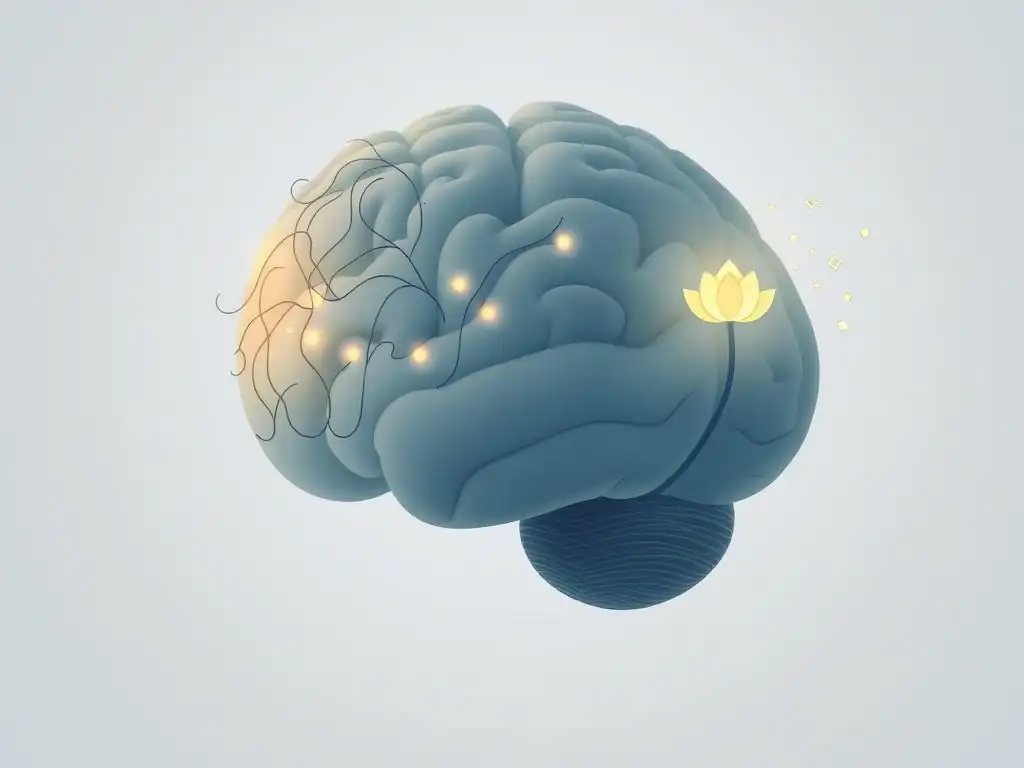
How CBT Impacts the Amygdala and Fear Response
Research into the neuroscience of CBT for anxiety relief provides compelling evidence of its efficacy. Studies using neuroimaging techniques like fMRI (functional magnetic resonance imaging) have shown that successful CBT treatment is associated with changes in brain activity, particularly in regions involved in the fear response. A key area is the amygdala, often referred to as the brain's "fear center." In individuals with anxiety disorders, the amygdala tends to be hyperactive, reacting intensely to perceived threats, even when they are not real.
Following a course of effective CBT, studies have shown a decrease in amygdala activity when individuals are exposed to anxiety-provoking stimuli. For example, research published in journals like the American Journal of Psychiatry has demonstrated reduced reactivity in the amygdala in patients with social anxiety disorder after receiving CBT. This suggests that CBT helps to dampen the brain's alarm system, reducing the intensity of the initial fear response. This physiological change is a significant component of the lasting CBT for anxiety relief that many individuals experience.
Neuroplasticity and the Power of Cognitive Restructuring
The brain's ability to change and adapt throughout life is known as neuroplasticity. CBT leverages this principle, particularly through cognitive restructuring. By repeatedly challenging and reframing anxious thoughts, individuals are essentially training their brains to respond differently to triggers. This process strengthens neural pathways associated with more rational and less emotional processing, while weakening the pathways that support anxious, distorted thinking. It's like rerouting traffic in the brain, diverting it away from the anxious "highway" and onto a calmer "side street."
This neuroplastic change is not just theoretical; it's observable. Studies have shown changes in the connectivity between brain regions after CBT. For instance, there can be increased connectivity between the prefrontal cortex (involved in higher-level thinking and decision-making) and the amygdala, suggesting that the prefrontal cortex gains greater regulatory control over the fear response. This physical rewiring underscores why CBT for anxiety relief is so effective in producing long-term changes in how individuals perceive and react to potential stressors.
CBT's Influence on Neurotransmitters
While the primary focus of CBT is on thoughts and behaviors, its impact extends to the chemical messengers in the brain known as neurotransmitters, which play a crucial role in mood and anxiety. Although direct, large-scale studies specifically measuring neurotransmitter levels pre- and post-CBT are complex, the observed changes in brain function strongly suggest an influence on neurotransmitter systems. For example, changes in activity within the prefrontal cortex and amygdala are known to affect the balance of neurotransmitters like serotonin, norepinephrine, and GABA (gamma-aminobutyric acid), which are implicated in anxiety regulation.
Some research suggests that effective CBT for anxiety relief may lead to changes in the sensitivity or efficiency of receptors for these neurotransmitters, contributing to a more balanced and less anxious state. While medication directly targets neurotransmitter systems, CBT achieves a similar outcome through a different pathway – by changing the underlying cognitive and behavioral patterns that influence brain chemistry. This provides a neurobiological basis for understanding how psychological intervention can lead to physiological changes and contribute to sustained CBT for anxiety relief.
Benefits of CBT for Anxiety: Beyond Symptom Management
Long-Term Anxiety Management with CBT Skills
One of the most significant benefits of CBT for anxiety relief is its focus on teaching practical, lifelong skills. Unlike treatments that only manage symptoms, CBT equips individuals with tools they can continue to use long after their therapy sessions have ended. Techniques like cognitive restructuring, behavioral experiments, and relaxation exercises become part of an individual's coping repertoire, allowing them to effectively manage future anxious thoughts or situations that may arise.
This emphasis on skill acquisition empowers individuals to become their own therapists, capable of identifying and challenging anxious patterns independently. Studies, including follow-up research conducted years after treatment, have consistently shown that the benefits of CBT for anxiety relief are often sustained over time, reducing the likelihood of relapse compared to some other forms of treatment. This long-term efficacy makes CBT a valuable investment in one's mental well-being.
Improved Coping Mechanisms and Resilience
Anxiety often leads to maladaptive coping mechanisms, such as avoidance, excessive reassurance seeking, or substance use, which only perpetuate the problem. CBT for anxiety relief directly addresses this by teaching healthier and more effective ways to cope with difficult thoughts, feelings, and situations. Through exposure therapy, individuals learn to tolerate discomfort and uncertainty without resorting to avoidance. Through cognitive restructuring, they develop the ability to view challenges more realistically and less threateningly.
These learned skills build psychological resilience, which is the ability to bounce back from adversity. By successfully navigating anxiety-provoking situations using CBT techniques, individuals gain confidence in their ability to handle future stressors. This enhanced resilience is a crucial outcome of CBT for anxiety relief, enabling individuals to face life's challenges with greater strength and adaptability.
Enhanced Emotional Regulation and Self-Awareness
CBT for anxiety relief fosters significant improvements in emotional regulation and self-awareness. By learning to identify automatic thoughts and their connection to emotions, individuals gain a deeper understanding of their internal experiences. Techniques like mindfulness further enhance this self-awareness, allowing individuals to observe their emotions without being overwhelmed by them.
This increased understanding empowers individuals to manage their emotional responses more effectively. Instead of being reactive to anxiety, they learn to pause, identify the underlying thoughts, challenge them, and choose a more helpful response. This enhanced emotional regulation is a key benefit of CBT for anxiety relief, leading to less intense and prolonged periods of distress and a greater sense of control over one's emotional life.
CBT vs. Other Anxiety Treatments: A Comparative Analysis
CBT Compared to Medication for Anxiety
CBT and medication are two primary approaches for managing anxiety disorders, and each has its advantages and considerations. Medication, such as SSRIs or benzodiazepines, can be highly effective in reducing anxiety symptoms relatively quickly by directly influencing brain chemistry. It can provide significant relief, especially for severe anxiety, making it easier for individuals to engage in daily life and therapy. However, medication may have side effects, requires ongoing prescription, and symptoms can return if medication is stopped without addressing underlying issues.
CBT for anxiety relief, on the other hand, works by teaching skills to change thought patterns and behaviors. Its effects are often more gradual but can lead to long-lasting changes in how individuals cope with anxiety, reducing the risk of relapse after treatment ends. While medication can provide faster symptomatic relief, CBT addresses the root causes of anxiety by altering the cognitive and behavioral patterns that maintain it. Many studies, including meta-analyses, have shown that CBT is as effective as medication for many anxiety disorders, and often more effective in the long term due to its skill-building component.
CBT Combined with Medication: Is It Right for You?
For many individuals experiencing significant anxiety, a combination of CBT and medication can be the most effective approach. Medication can help reduce acute symptoms, making it easier for individuals to engage fully in the therapeutic process and practice the skills taught in CBT. This combination can lead to faster and more comprehensive relief than either treatment modality alone.
Deciding whether to combine CBT and medication is a decision best made in consultation with a qualified mental health professional. Factors to consider include the severity of anxiety, the specific anxiety disorder, potential side effects of medication, and individual preferences. For moderate to severe anxiety, the synergistic effect of addressing both the biological and psychological aspects through combined treatment often yields the best outcomes for achieving lasting CBT for anxiety relief.
Alternative Therapies for Anxiety and Their Effectiveness
Beyond traditional CBT and medication, various alternative therapies are explored for anxiety relief. These include therapies like Acceptance and Commitment Therapy (ACT), Dialectical Behavior Therapy (DBT), psychodynamic therapy, and mindfulness-based stress reduction (MBSR). While not always categorized strictly as CBT, many of these therapies share some overlapping principles, such as mindfulness or behavioral strategies.
ACT, for instance, focuses on accepting anxious feelings while committing to values-driven actions. MBSR teaches mindfulness techniques to cultivate present-moment awareness and reduce reactivity to stress. While research support varies across these alternative therapies, many have demonstrated effectiveness for anxiety, often complementing or serving as alternatives to traditional CBT. The choice of therapy depends on individual needs, preferences, and the specific nature of the anxiety disorder, with the goal being to find the most effective path towards anxiety relief.
Starting CBT for Anxiety: What to Expect
Finding a Qualified CBT Therapist
Finding a qualified therapist is the crucial first step towards beginning CBT for anxiety relief. It's important to look for a therapist who is specifically trained and experienced in providing CBT for anxiety disorders. Professional organizations often have directories of certified or credentialed CBT therapists. Referrals from doctors, friends, or mental health organizations can also be helpful.
When researching potential therapists, consider their credentials (e.g., licensed psychologist, licensed clinical social worker, licensed professional counselor), their experience with your specific type of anxiety, and their therapeutic approach. Don't hesitate to ask questions about their training in CBT and what their typical treatment process involves. A good therapeutic relationship is also key, so finding someone you feel comfortable and rapport with is important for successful CBT for anxiety relief.
Preparing for Your First CBT Session
Preparing for your first CBT session can help you make the most of the experience. It's helpful to think about your specific anxiety symptoms, when they started, how they impact your life, and what you hope to achieve through therapy. Writing down specific examples of situations where you experience anxiety can be beneficial.
During the first session, the therapist will typically conduct an assessment to understand your history, symptoms, and goals. They will explain the principles of CBT and how it can be applied to your anxiety. This is also your opportunity to ask questions about the process, frequency of sessions, and what will be expected of you (such as homework). Being open and honest about your experiences is vital for the therapist to tailor the CBT for anxiety relief effectively to your needs.
Setting Realistic Goals for CBT Treatment
Setting realistic and specific goals is an important part of the CBT process for anxiety relief. Goals should be collaborative, developed between you and your therapist, and focused on measurable changes in your thoughts, feelings, and behaviors. Instead of a vague goal like "I want to feel less anxious," a more realistic goal might be "I want to be able to attend social gatherings for 30 minutes without leaving" or "I want to challenge anxious thoughts about public speaking using a thought record before my next presentation."
Goals may evolve as therapy progresses, starting with manageable steps and gradually working towards more challenging objectives. Celebrating small successes along the way is also important for motivation. Having clear, achievable goals provides a roadmap for therapy and allows both you and your therapist to track progress towards meaningful CBT for anxiety relief.
Maintaining Progress After CBT: Long-Term Strategies

Continued Practice of CBT Techniques
One of the most important factors in maintaining the benefits of CBT for anxiety relief after formal therapy ends is the continued practice of the learned techniques. CBT is a skill-based therapy, and like any skill, it requires ongoing practice to stay sharp. Regularly using cognitive restructuring to challenge negative thoughts, scheduling activities that bring enjoyment or accomplishment, and employing relaxation techniques when feeling stressed are crucial for preventing relapse.
Think of it like maintaining physical fitness; you don't stop exercising just because you've reached a certain fitness level. Similarly, consistently applying CBT skills helps keep anxious patterns at bay and strengthens your ability to cope with future challenges. Many individuals find it helpful to schedule regular "booster sessions" with their therapist or use workbooks and resources to refresh their skills and continue their journey toward sustained CBT for anxiety relief.
Relapse Prevention and Management
A key component of effective CBT for anxiety relief is developing a relapse prevention plan before therapy concludes. This involves identifying potential triggers or high-risk situations where anxiety might return and developing specific strategies for coping with them. For example, recognizing that periods of high stress or major life changes might increase vulnerability to anxiety is important.
The relapse prevention plan typically includes a list of warning signs (e.g., increased worry, avoidance behaviors, physical symptoms) and a clear set of steps to take if these signs appear. This might involve reviewing past thought records, scheduling behavioral experiments, reaching out to a support system, or contacting the therapist for a booster session. Having a proactive plan empowers individuals to address potential setbacks quickly and effectively, protecting the long-term gains made through CBT for anxiety relief.
Building a Support System for Ongoing Mental Well-being
Building and maintaining a strong support system is invaluable for long-term mental well-being and sustaining the benefits of CBT for anxiety relief. This can include supportive family members, friends, support groups, or peer networks. Sharing your experiences with trusted individuals can reduce feelings of isolation and provide encouragement and understanding.
A support system can also help you stay accountable for practicing your CBT skills and can offer practical assistance or emotional support during challenging times. While CBT provides the tools, having a network of people who care and understand can significantly enhance your resilience and provide a buffer against stress and potential relapse. Nurturing these connections is an important, often overlooked, aspect of maintaining lasting CBT for anxiety relief.
CBT for Specific Anxiety Disorders: Tailored Approaches
CBT for Generalized Anxiety Disorder (GAD)
CBT for Generalized Anxiety Disorder (GAD) is particularly effective because it directly targets the core feature of GAD: excessive, uncontrollable worry about a variety of topics. Treatment focuses on identifying the cognitive biases associated with GAD, such as overestimating risk, intolerance of uncertainty, and positive beliefs about worry (e.g., "worrying helps me prepare").
Techniques used include cognitive restructuring to challenge worry thoughts (e.g., examining the probability of feared outcomes), worry exposure (intentionally scheduling time to worry to gain control over it), and learning to tolerate uncertainty. Behavioral strategies might involve reducing avoidance behaviors related to worry and engaging in activities that have been neglected due to anxiety. A typical course of CBT for GAD might involve 12-20 sessions, with studies showing significant reductions in worry and anxiety symptoms in a majority of patients.
CBT for Social Anxiety Disorder (SAD) is highly effective in helping individuals overcome the intense fear of being judged or scrutinized by others in social situations. Treatment focuses on challenging the negative beliefs about social performance and the catastrophic predictions (e.g., "I will blush and everyone will think I'm weird").
Key techniques include cognitive restructuring to identify and challenge distorted thoughts about social interactions (e.g., "Everyone is noticing my anxiety"), and extensive use of behavioral experiments. Behavioral experiments for SAD involve gradually exposing oneself to feared social situations (e.g., making eye contact, speaking in a small group, initiating a conversation) while refraining from safety behaviors (actions taken to reduce anxiety but that actually maintain it, like avoiding eye contact).
The goal is to learn that feared outcomes are less likely and that anxiety is tolerable. Research consistently shows that CBT is a gold standard treatment for SAD, with remission rates reported in some studies ranging from 30% to 50%.
CBT for Panic Disorder and Agoraphobia
CBT for Panic Disorder, often accompanied by Agoraphobia (fear of situations where escape might be difficult or help unavailable during a panic attack), is a very successful treatment approach. It targets the fear of physical sensations (interoceptive exposure) and the fear of having panic attacks in specific locations (in vivo exposure).
Treatment involves educating the individual about the nature of panic attacks (they are not dangerous) and the role of misinterpreting physical sensations. Interoceptive exposure involves intentionally inducing panic-like sensations (e.g., spinning to feel dizzy, running in place to increase heart rate) to learn that these sensations are not harmful and do not necessarily lead to a full-blown panic attack. In vivo exposure involves gradually confronting feared situations or places (e.g., crowded stores, public transportation) that have been avoided due to fear of panic.
This combined approach helps break the cycle of fear and avoidance, providing significant CBT for anxiety relief for individuals with panic disorder and agoraphobia. Studies indicate that around 70-80% of individuals with panic disorder experience significant improvement or become panic-free after a course of CBT.
Real-Life Examples: CBT Success Stories for Anxiety
Sarah, a 28-year-old marketing professional, struggled with severe social anxiety that made networking events and even casual conversations at work incredibly challenging. She constantly worried about saying the wrong thing, being judged for her appearance, or showing visible signs of anxiety like blushing. This led her to avoid social gatherings and limit her interactions at work, hindering her career progression and personal life.
Through CBT for anxiety relief, Sarah learned to identify her core anxious thoughts, such as "If I make a mistake, everyone will think I'm incompetent." Her therapist guided her through cognitive restructuring, helping her examine the evidence for and against these thoughts and develop more balanced perspectives. A significant part of her treatment involved behavioral experiments, starting with small steps like making eye contact with colleagues for a few seconds and gradually progressing to initiating short conversations and attending brief social events.
By directly confronting her fears in a controlled manner and observing that her feared outcomes rarely occurred, or were manageable when they did, Sarah's anxiety significantly decreased. After 16 sessions, she reported feeling much more comfortable in social situations, actively participating in team meetings, and even attending a large industry conference, demonstrating the power of CBT for anxiety relief in transforming lives.
Case Study 2: Managing Panic Attacks with Cognitive Behavioral Therapy
Mark, a 45-year-old teacher, began experiencing sudden, intense panic attacks that included symptoms like heart palpitations, dizziness, shortness of breath, and a fear of losing control or dying. These attacks led to him developing agoraphobia, avoiding places where he feared an attack might occur, such as supermarkets, public transport, and even open spaces, severely limiting his independence.
Mark's CBT for anxiety relief focused on psychoeducation about panic attacks and interoceptive exposure. His therapist explained that his physical sensations were symptoms of anxiety, not signs of a heart attack or impending death. Through interoceptive exposure exercises, Mark intentionally brought on sensations similar to those he experienced during a panic attack in the safety of the therapy room.
For instance, he would hold his breath to feel shortness of breath or shake his head to feel dizzy. By repeatedly experiencing these sensations without a catastrophic outcome, he learned to reinterpret them as uncomfortable but not dangerous.
His treatment also included in vivo exposure, where he gradually exposed himself to feared places, starting with short trips near his home and slowly increasing the distance and duration. After 12 sessions, Mark's panic attacks were significantly reduced, and he was able to return to using public transport and shopping in supermarkets, regaining his freedom and showing the profound impact of CBT for anxiety relief on managing panic disorder.
Is CBT Right for You? Assessing Your Anxiety and Exploring Options
Self-Assessment Tools for Anxiety
Before considering CBT for anxiety relief, some individuals find it helpful to use self-assessment tools to get a clearer picture of their anxiety symptoms and severity. While these tools are not a substitute for professional diagnosis, they can provide valuable insights. Common self-assessment scales include the Generalized Anxiety Disorder 7-item scale (GAD-7) or the Social Interaction Anxiety Scale (SIAS). These questionnaires ask about the frequency and intensity of common anxiety symptoms over a specific period.
Completing a self-assessment can help you articulate your experiences and provide a starting point for discussions with a mental health professional. It can highlight specific areas where anxiety is most impacting your life and help you understand the extent of your symptoms. While useful for personal reflection and initial exploration, the results of self-assessment tools should always be discussed with a qualified professional to determine the most appropriate steps towards effective CBT for anxiety relief or other forms of support.
When to Seek Professional Help for Anxiety
Knowing when to seek professional help for anxiety is crucial. While everyone experiences occasional worry or nervousness, anxiety becomes a problem when it is excessive, persistent, and significantly interferes with daily life, relationships, work, or school. If your anxiety is causing you significant distress, making it difficult to function, leading to avoidance behaviors, or is accompanied by physical symptoms like panic attacks, it's time to consult a mental health professional.
A qualified therapist or doctor can provide an accurate diagnosis, rule out any underlying medical conditions, and recommend the most effective treatment plan. Seeking help is a sign of strength, not weakness, and timely intervention can prevent anxiety from becoming more severe or chronic. Exploring options like CBT for anxiety relief with a professional is a proactive step towards regaining control over your life and improving your mental well-being.
Resources for Finding CBT Support and Information
Finding reliable resources is essential when considering CBT for anxiety relief. Many national and international mental health organizations offer information about anxiety disorders and provide directories of qualified therapists specializing in CBT. Websites of professional psychological associations often have search functions to find licensed practitioners in your area.
Additionally, many universities and research institutions have centers that offer CBT or participate in clinical trials. Books and workbooks based on CBT principles can also be helpful resources for supplementing therapy or as a starting point for self-help, though they should not replace professional guidance for moderate to severe anxiety. Utilizing these resources can help you find the support and information needed to embark on a journey towards effective CBT for anxiety relief.
Frequently Asked Questions
What is CBT, and how does it specifically help with anxiety?
CBT stands for Cognitive Behavioral Therapy. It helps with anxiety by teaching you to identify and change negative thought patterns and behaviors that contribute to your anxiety. This leads to reduced anxiety symptoms.
How does CBT actually change the way my brain works?
CBT promotes neuroplasticity, meaning it helps create new neural pathways in your brain. By practicing new, healthier thought patterns, you are essentially rewiring your brain to respond to anxiety triggers in a more adaptive way.
How long does it typically take to see results from CBT for anxiety relief?
The timeline varies, but many people experience noticeable improvements within 8-12 sessions. The key is consistent practice of the techniques learned and a commitment to the therapeutic process.
Are there different types of CBT techniques used for anxiety?
Yes, common CBT techniques for anxiety include cognitive restructuring (challenging negative thoughts), exposure therapy (gradually facing fears), and behavioral experiments (testing assumptions).
Where can I find a qualified CBT therapist to help me with my anxiety?
You can search online directories like Psychology Today, ask your primary care physician for a referral, or contact local mental health organizations. Ensure the therapist is licensed and experienced in CBT for anxiety disorders.
Final Reflection: Cultivating Inner Peace Through Cognitive Behavioral Therapy
The pervasive nature of anxiety in modern life demands effective coping mechanisms, and Cognitive Behavioral Therapy (CBT) offers a powerful, scientifically-backed pathway to lasting relief. Understanding how CBT reshapes our brains to manage anxious thoughts and feelings isn't just theoretical; it's a crucial tool for navigating the daily stresses of the 21st century. This knowledge empowers us to take control of our mental well-being, rather than being controlled by our anxieties.
The impact of CBT extends far beyond individual therapeutic sessions; it's a ripple effect influencing our relationships, productivity, and overall life satisfaction. The ability to identify and challenge negative thought patterns is a skill that transcends the clinical setting, impacting how we approach challenges and build resilience. As Viktor Frankl so eloquently stated, >“Between stimulus and response there is a space. In that space is our power to choose our response. In our response lies our growth and our freedom.” This space, cultivated through CBT, is where true empowerment resides.
You now possess the knowledge to begin your journey towards a calmer, more fulfilling life. Don't just passively absorb this information; actively engage with the principles of CBT. Start small, identify one negative thought pattern, and challenge it. Practice mindfulness techniques. Seek professional guidance if needed. Remember, the path to inner peace is a journey, not a destination, and the tools provided by CBT are your compass and map. Embrace the power you have to reshape your relationship with anxiety and create a life filled with greater calm and contentment.
Unlock Your Calm: Start Practicing CBT Today!
Thanks for taking the time to explore the power of Cognitive Behavioral Therapy (CBT) in managing anxiety. We hope you gained valuable insights into how CBT can reshape your brain for a calmer, more resilient you. Now, it's time to put your knowledge into action!
- Begin your CBT journey: Identify one specific anxious thought or situation from your day and challenge its underlying assumptions using the techniques discussed. This is your first step to rewiring your brain for calm.
- Share your progress: Connect with others on the Mind Care Guide community forum (imaginary) and share your experiences. This shared journey can provide encouragement and further insights.
- Explore additional resources: Dive deeper into the specific CBT techniques mentioned in the article using our (imaginary) free downloadable worksheet (link omitted).
Ready to experience the transformative power of CBT? What small step will you take today to cultivate more inner peace?