
The MindBody Link: How Anxiety Affects Athletic Health

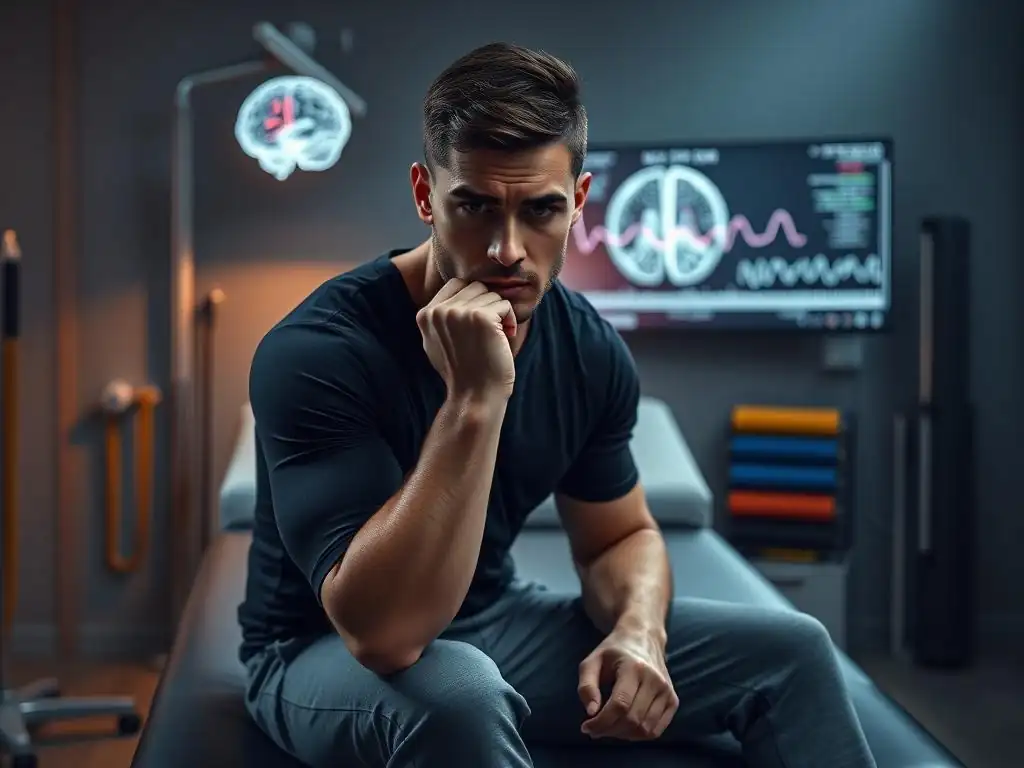
Welcome to Mind Care Guide, a safe space for understanding and nurturing your mental well-being.
Feeling overwhelmed by anxiety's grip on your athletic performance? You're not alone. This article delves into anxiety's impact on athletes, exploring the often-unseen connection between mind and body. Discover practical strategies and resources to reclaim your mental edge and thrive, both on and off the field. Curious to learn more about how to break free from anxiety's hold? Let's begin.
The MindBody Link: How Anxiety Affects Athletic Health
- Introduction: Understanding Anxiety's Impact on Athletes' Wellbeing
- Anxiety and Athletic Performance: Exploring the Connection
- The Physiological Effects of Anxiety on Athletic Health
- Common Anxiety Disorders Affecting Athletes
-
Coping Strategies for Athletes Dealing with Anxiety
- Mindfulness and Meditation Techniques for Anxiety Reduction in Sports
- Cognitive Behavioral Therapy (CBT) for Athletes: Managing Negative Thoughts
- The Role of Breathing Exercises and Relaxation Techniques in Athletic Performance
- Building a Support System: The Importance of Team, Coaches, and Mental Health Professionals
- Nutrition and Lifestyle Strategies for Managing Anxiety in Athletes
- Recognizing and Addressing Anxiety in Young Athletes
- Seeking Professional Help: When to Consult a Mental Health Professional
- Conclusion: Prioritizing Mental Wellbeing for Optimal Athletic Health
-
Frequently Asked Questions
- How does anxiety specifically affect an athlete's performance?
- What are some common signs of anxiety in athletes that might be easily overlooked?
- What role does the MindBody connection play in managing anxiety for athletes?
- What resources are available to athletes struggling with anxiety, according to Mind Care Guide?
- How can coaches and trainers support athletes experiencing anxiety to improve their mental well-being?
- Final Reflection: Unleashing Athletic Potential by Taming Anxiety
- Unleash Your Peak Performance: Connect Mind and Body
Introduction: Understanding Anxiety's Impact on Athletes' Wellbeing
The Growing Concern: Anxiety in Sports and Athletic Performance
Anxiety among athletes is a topic gaining significant attention within sports psychology and mental health communities. Once often overlooked or dismissed as simply "nerves," it is now recognized as a serious issue that can profoundly affect both performance and overall wellbeing. Research suggests that athletes face unique pressures, including intense public scrutiny, demanding training schedules, the constant pursuit of perfection, and the inherent uncertainty of competition outcomes. These factors can contribute to elevated stress levels, potentially leading to or exacerbating anxiety symptoms.
Surveys and studies indicate that a notable percentage of athletes across various disciplines experience anxiety symptoms that can interfere with their training and competitive performance. While exact figures vary depending on the sport, level of competition, and assessment methods used, estimates often place the prevalence of anxiety symptoms among athletes higher than in the general population for certain age groups.
For example, some studies focusing on collegiate athletes have reported that a significant portion, perhaps ranging from 10% to 25%, may experience clinically relevant anxiety, highlighting the widespread nature of this concern and the importance of understanding anxiety’s impact on athletes.
The Mind-Body Connection: A Key to Understanding Athletic Health
The intricate relationship between the mind and body is fundamental to understanding how anxiety affects athletes. Athletic performance is not solely dependent on physical prowess; mental state plays an equally critical role. An athlete's thoughts, emotions, and psychological responses directly influence their physiological functions, muscle coordination, and energy levels. When anxiety is present, this connection can become strained, leading to a cascade of physical and mental challenges.
This mind-body link means that psychological distress, such as anxiety, can manifest physically, impacting everything from heart rate variability and muscle tension to digestive issues and immune function. For an athlete, this direct influence is particularly significant because their body is their primary tool. Understanding this connection is crucial for developing effective strategies to manage anxiety in sports, as addressing the mental aspect is just as important as physical training for optimizing athletic health and performance. Recognizing this link is the first step in mitigating anxiety’s impact on athletes.
Anxiety and Athletic Performance: Exploring the Connection
How Anxiety Manifests in Athletes: Physical and Psychological Symptoms
Anxiety in athletes can present a wide array of symptoms, varying in intensity and combination from person to person. Physically, it often manifests as increased heart rate, rapid breathing, muscle tension, sweating, trembling, and gastrointestinal distress like nausea or stomach cramps. Athletes might notice their hands shaking before a big game, feel their muscles tightening up, or experience a sudden urge to use the restroom repeatedly. These physical signs are the body's "fight or flight" response kicking in, triggered by the perceived threat of competition or performance evaluation.
Psychologically, anxiety can lead to excessive worry, fear of failure, difficulty concentrating, irritability, feelings of restlessness, and negative self-talk. An athlete might constantly second-guess their abilities, ruminate over potential mistakes, or find their mind wandering during practice. This internal turmoil can be just as debilitating as the physical symptoms, making it hard to stay focused and confident. Recognizing these diverse manifestations is key to identifying anxiety’s impact on athletes early on.
The Impact of Anxiety on Physical Performance: Decreased Agility and Impaired Motor Control
The physical symptoms of anxiety, particularly muscle tension and changes in breathing patterns, directly impair an athlete's physical capabilities. Increased muscle tension can reduce flexibility and range of motion, leading to stiffness and a decrease in fluid movement. This can significantly hinder agility, which is crucial in sports requiring quick changes in direction or rapid reactions. For instance, a basketball player might find their cuts are less sharp, or a soccer player's dribbling feels less controlled.
Furthermore, anxiety can disrupt fine motor control and coordination. Trembling or shaky hands can affect precision skills, such as shooting in basketball, putting in golf, or serving in tennis. The heightened physiological arousal can also interfere with proprioception – the body's sense of its own position and movement – making complex movements feel awkward or mistimed. This impaired motor control directly impacts an athlete's ability to execute skills effectively under pressure, showcasing a clear aspect of anxiety’s impact on athletes.
Mental Performance Under Pressure: How Anxiety Affects Focus and Decision-Making
Beyond the physical, anxiety severely compromises an athlete's mental performance, especially when the pressure is on. The hallmark psychological symptom of anxiety is often difficulty concentrating. An anxious athlete's attention may narrow excessively onto perceived threats (like making a mistake) or broaden too much, becoming distracted by external factors (like crowd noise). This inability to maintain optimal focus disrupts their ability to process information, anticipate opponents' moves, and react appropriately in fast-paced situations.
Decision-making is also negatively affected by anxiety. High anxiety levels can lead to impulsive decisions driven by fear or, conversely, indecision due to overthinking and self-doubt. Athletes might rush plays, hesitate when they should act decisively, or make uncharacteristic errors in judgment. This breakdown in cognitive function under pressure is a critical component of anxiety’s impact on athletes, often leading to suboptimal strategy execution and performance outcomes.
The Physiological Effects of Anxiety on Athletic Health
The Stress Response and Its Impact on the Athlete's Body
Anxiety triggers the body's sympathetic nervous system, initiating the "fight or flight" stress response. This involves the release of stress hormones like adrenaline (epinephrine) and cortisol. While a short burst of these hormones can enhance performance by increasing alertness and energy, chronic or excessive activation due to anxiety has detrimental effects on the athlete's body. Sustained high levels of cortisol, for example, can suppress the immune system, making athletes more susceptible to illness and infections, potentially leading to missed training or competition time.
Furthermore, chronic stress from anxiety can negatively impact cardiovascular health. Persistent increases in heart rate and blood pressure can put strain on the heart over time. Muscle tension, a common physical symptom of anxiety, can also lead to chronic pain and stiffness, affecting posture and movement efficiency. Understanding this prolonged physiological strain is vital when considering anxiety’s impact on athletes' overall health and longevity in their sport.
Anxiety's Influence on Sleep and Recovery in Athletes
Sleep is a cornerstone of athletic recovery and performance, allowing the body to repair tissues, consolidate memories, and regulate hormones. Anxiety significantly disrupts sleep patterns, leading to insomnia, difficulty falling asleep, frequent awakenings, or non-restorative sleep. The anxious mind often races at night, replaying events or worrying about future performance, making it hard to switch off. Poor sleep quality and quantity directly impair physical and cognitive recovery.
Inadequate sleep reduces muscle repair and growth processes, slows down reaction time, decreases endurance, and impairs cognitive functions like concentration and decision-making – areas already challenged by anxiety itself. Athletes experiencing anxiety-related sleep deprivation are essentially entering training sessions and competitions in a state of physical and mental deficit. This vicious cycle of anxiety leading to poor sleep, which in turn worsens anxiety and performance, underscores the profound anxiety’s impact on athletes' recovery processes.
The Connection Between Anxiety and Increased Risk of Injury in Sports
The physiological and psychological effects of anxiety contribute significantly to an increased risk of injury in athletes. Chronic muscle tension, a direct result of the stress response, can make muscles and tendons more brittle and prone to strains, sprains, or tears. Tight muscles also affect biomechanics, potentially leading to overuse injuries as the body compensates for restricted movement patterns. For instance, persistent hamstring tightness from anxiety could increase the risk of a tear during a sprint.
Psychologically, impaired focus, reduced reaction time, and poor decision-making due to anxiety make athletes more vulnerable to acute injuries. An athlete who is distracted or hesitant is less likely to react quickly enough to avoid a collision or land properly after a jump. Studies, while varying in specific percentages, consistently show a correlation between higher levels of stress and anxiety and an increased incidence of sports-related injuries across different sports. This heightened injury risk is a critical, often overlooked, aspect of anxiety’s impact on athletes.
Common Anxiety Disorders Affecting Athletes

Generalized Anxiety Disorder (GAD) and Its Effects on Athletic Training
Generalized Anxiety Disorder (GAD) is characterized by excessive, uncontrollable worry about everyday events and activities. For an athlete with GAD, this pervasive worry can extend to every aspect of their athletic life – worrying excessively about performance in training, potential outcomes of future competitions, relationships with coaches and teammates, and even non-sports-related concerns that spill over into their athletic focus. This constant state of worry is mentally exhausting and makes it difficult to fully engage in training.
GAD can manifest physically through persistent fatigue, restlessness, muscle tension, and sleep disturbances – all symptoms that directly interfere with an athlete's ability to train effectively, recover properly, and maintain peak physical condition. An athlete with GAD might struggle to push through tough workouts due to fatigue or find their performance inconsistent because of underlying physical tension and mental distraction. The chronic nature of GAD means anxiety’s impact on athletes with this disorder is a constant challenge, affecting consistency and development over time.
Social Anxiety Disorder (SAD) involves intense fear and avoidance of social situations where one might be judged or scrutinized. For athletes, particularly those in team sports, SAD can be incredibly challenging. Interacting with teammates, coaches, and staff is a daily necessity, and SAD can make these interactions fraught with anxiety. Fear of embarrassment or negative evaluation can lead to avoidance of team meetings, social gatherings, or even communication during practice or games.
In team sports, effective communication and cohesion are vital. SAD can hinder an athlete's ability to communicate plays, provide feedback, or build rapport with teammates, potentially isolating them and negatively impacting team dynamics and performance. The pressure of performing in front of crowds, a core element of many sports, is also a major trigger for individuals with SAD, adding another layer to anxiety’s impact on athletes in a public setting.
Panic Disorder and Its Manifestation During Athletic Competitions
Panic Disorder is characterized by recurrent, unexpected panic attacks – sudden episodes of intense fear accompanied by severe physical symptoms like chest pain, heart palpitations, shortness of breath, dizziness, and a feeling of losing control or impending doom. While panic attacks can occur anywhere, experiencing one during an athletic competition can be terrifying and debilitating. The physical symptoms of a panic attack can easily be misinterpreted as a serious medical issue, and they directly mimic the extreme physical exertion of sports, making it difficult for the athlete to distinguish what is happening.
An athlete experiencing a panic attack during a game or race might suddenly feel overwhelmed, unable to breathe, and convinced they are having a heart attack or collapsing. This not only immediately halts performance but can also lead to a strong fear of future attacks, potentially causing the athlete to avoid competitive situations altogether. The unpredictable nature of panic attacks and their severe physical symptoms represent a particularly acute aspect of anxiety’s impact on athletes during critical moments.
Performance Anxiety: The Specific Challenge for Athletes
Performance anxiety, often considered a specific type of social anxiety or a distinct issue, is perhaps the most commonly discussed form of anxiety in sports. It specifically relates to the fear of failing or performing poorly in front of others (coaches, teammates, spectators). While a certain level of arousal can be beneficial ("eustress"), performance anxiety involves excessive worry and apprehension that hinders rather than helps performance.
This anxiety often peaks immediately before or during competition. Athletes might experience intense physical symptoms like butterflies, nausea, or shaky limbs, alongside psychological distress like negative self-talk ("What if I mess up? "), dwelling on past failures, and catastrophic thinking. This hyper-focus on potential negative outcomes consumes mental resources, diverting attention away from the task at hand and impairing the athlete's ability to execute skills smoothly and confidently. Performance anxiety is a direct and significant component of anxiety’s impact on athletes' ability to rise to the occasion.
Coping Strategies for Athletes Dealing with Anxiety
Mindfulness and Meditation Techniques for Anxiety Reduction in Sports
Mindfulness and meditation are increasingly popular and effective strategies for athletes managing anxiety. Mindfulness involves paying deliberate attention to the present moment without judgment, focusing on sensory experiences like breath, sounds, or physical sensations. This practice helps athletes become more aware of their anxious thoughts and physical symptoms without getting overwhelmed by them. Regular mindfulness practice can help athletes develop a greater sense of calm and control, reducing the intensity of the stress response.
Meditation techniques, which often involve focused breathing or guided imagery, teach athletes how to quiet the racing mind and cultivate a state of relaxation. Even short sessions, perhaps 5-10 minutes daily, can build resilience to stress. For example, an athlete might use a body scan meditation to identify and release physical tension before a competition. Research suggests that regular mindfulness training can lead to significant reductions in anxiety levels and improved focus during performance, demonstrating its value in mitigating anxiety’s impact on athletes.
Cognitive Behavioral Therapy (CBT) for Athletes: Managing Negative Thoughts
Cognitive Behavioral Therapy (CBT) is a structured psychological intervention that helps individuals identify and challenge negative thought patterns and behaviors contributing to anxiety. For athletes, CBT can be particularly effective in addressing the fear of failure, perfectionism, and catastrophic thinking often associated with performance anxiety. A therapist helps the athlete recognize irrational or unhelpful thoughts, such as "If I don't win, I'm a failure," and replace them with more balanced and realistic perspectives.
CBT also teaches behavioral techniques, such as exposure to feared situations in a controlled manner (e.g., practicing a difficult skill repeatedly) and techniques for managing physical symptoms. By changing how athletes think about pressure and performance, CBT empowers them to reduce the intensity of their emotional and physical anxiety responses. Studies have shown CBT to be effective in reducing anxiety symptoms and improving performance outcomes in athletes, offering a powerful tool against anxiety’s impact on athletes' mental game.
The Role of Breathing Exercises and Relaxation Techniques in Athletic Performance
Simple yet powerful techniques like deep breathing and progressive muscle relaxation can significantly reduce anxiety symptoms in the moment. Deep diaphragmatic breathing activates the body's parasympathetic nervous system, counteracting the "fight or flight" response by lowering heart rate and blood pressure. Athletes can use specific breathing exercises before or even during competition to calm their nerves and regain composure. For example, using a 4-7-8 breathing pattern (inhale for 4 counts, hold for 7, exhale for 8) can quickly induce a state of relaxation.
Progressive muscle relaxation involves systematically tensing and then releasing different muscle groups in the body. This practice helps athletes become more aware of where they hold tension and provides a method for consciously releasing it. Regular practice of these techniques builds a skill set that athletes can deploy when feeling overwhelmed by anxiety, offering immediate relief and helping to manage the physical manifestations of anxiety’s impact on athletes.
Building a Support System: The Importance of Team, Coaches, and Mental Health Professionals
A strong support system is invaluable for athletes dealing with anxiety. This network includes teammates, coaches, family, friends, and mental health professionals. Teammates can provide empathy, shared experience, and peer support, creating a sense of belonging and reducing feelings of isolation. Open communication within the team about mental health challenges can normalize the experience and encourage help-seeking.
Coaches play a critical role by fostering a supportive environment, recognizing signs of distress, and being approachable. A coach who prioritizes athlete wellbeing over performance alone can significantly reduce pressure and encourage athletes to speak up. Finally, mental health professionals specializing in sports psychology are essential resources. They can provide evidence-based therapies, coping strategies, and personalized support tailored to the unique demands of athletic life, offering expert guidance in navigating anxiety’s impact on athletes.
Nutrition and Lifestyle Strategies for Managing Anxiety in Athletes
The Importance of a Balanced Diet for Mental and Physical Wellbeing
Nutrition plays a crucial role in regulating mood and energy levels, directly impacting anxiety. A balanced diet rich in whole foods, lean proteins, complex carbohydrates, healthy fats, vitamins, and minerals provides the necessary fuel for both physical performance and optimal brain function. Deficiencies in certain nutrients, such as B vitamins, magnesium, zinc, and omega-3 fatty acids, have been linked to increased anxiety symptoms.
Maintaining stable blood sugar levels through regular meals and avoiding excessive sugar or refined carbohydrates can prevent energy crashes and mood swings that can exacerbate anxiety. For instance, consuming complex carbs before training provides sustained energy without the spike and crash associated with simple sugars. Prioritizing nutrient-dense foods supports overall physical health, which in turn builds resilience against the psychological strain of anxiety’s impact on athletes.
The Role of Hydration in Anxiety Management for Athletes
Dehydration, even mild, can negatively affect mood and cognitive function, potentially worsening anxiety symptoms. Athletes, who lose significant fluids through sweat, are particularly susceptible to dehydration. Symptoms like fatigue, dizziness, and difficulty concentrating associated with dehydration can mimic or amplify feelings of anxiety, creating a confusing and uncomfortable experience.
Ensuring adequate hydration throughout the day, especially before, during, and after training or competition, is a simple yet effective strategy for supporting both physical performance and mental clarity. Staying well-hydrated helps regulate physiological processes that can be thrown off balance by anxiety, contributing to a more stable mental state. This highlights how basic physiological needs, like hydration, are intertwined with managing anxiety’s impact on athletes.
The Impact of Sleep on Anxiety Levels and Athletic Recovery
As mentioned earlier, sleep is fundamental for recovery, but its direct link to anxiety management cannot be overstated. Chronic sleep deprivation increases cortisol levels and disrupts neurotransmitter balance, making individuals more prone to stress and anxiety. For athletes, poor sleep impairs muscle repair, hormone regulation, and cognitive restoration, creating a state of vulnerability where anxiety is more likely to take hold or intensify.
Prioritizing 7-9 hours of quality sleep per night is essential for athletes managing anxiety. Establishing a consistent sleep schedule, creating a relaxing bedtime routine, and ensuring a dark, quiet, and cool sleep environment can significantly improve sleep quality. Better sleep reduces the physiological and mental strain on the body, building resilience against anxiety and enhancing the athlete's ability to cope with the pressures of their sport. Optimizing sleep is a critical strategy for minimizing anxiety’s impact on athletes' overall health and performance.
Recognizing and Addressing Anxiety in Young Athletes

Early Signs of Anxiety in Young Athletes: Increased Somatic Complaints and Avoidance of Training
Recognizing anxiety in young athletes can be challenging as they may lack the vocabulary to express their feelings effectively. Instead, anxiety often manifests through physical complaints or behavioral changes. Parents and coaches should be alert to increased somatic complaints such as frequent stomach aches, headaches, or feeling sick, especially occurring before practices or competitions. These physical symptoms are often the body's way of signaling psychological distress in children and adolescents.
Another common sign is avoidance behavior. A young athlete who suddenly becomes reluctant to go to practice, makes excuses to miss games, or shows a significant drop in enthusiasm for a sport they once loved may be struggling with anxiety. They might also exhibit increased irritability, difficulty sleeping, or excessive crying related to their sport. These behavioral shifts are important indicators of potential anxiety’s impact on athletes at a young age.
Creating a Supportive Environment for Young Athletes to Discuss Their Concerns
Fostering an environment where young athletes feel safe and encouraged to talk about their feelings is paramount. This means emphasizing effort and enjoyment over winning, reducing the pressure to be perfect, and ensuring that young athletes know their worth is not solely tied to their performance outcomes. Parents and coaches should listen empathetically without judgment, validating the young athlete's feelings even if they seem irrational from an adult perspective.
Creating dedicated times for check-ins, asking open-ended questions about how they are feeling (beyond just "How was practice? "), and sharing personal experiences (appropriately) can open lines of communication. Ensuring young athletes understand that experiencing nerves or anxiety is normal and manageable helps destigmatize these feelings. A supportive environment is crucial for early identification and intervention regarding anxiety’s impact on athletes in their developmental years.
The Importance of Parental Involvement in Addressing Anxiety in Young Athletes
Parents play a pivotal role in helping young athletes navigate anxiety. Their reactions and attitudes towards their child's sport and performance significantly influence the child's perception of pressure. Parents can help by modeling healthy coping mechanisms for stress, focusing on effort and fun rather than solely on results, and avoiding excessive criticism or pressure. Celebrating small improvements and encouraging persistence are more helpful than dwelling on mistakes or losses.
Furthermore, parents are often the first to notice concerning changes in their child's behavior or physical health. They are key in deciding when to seek professional help and advocating for their child's needs within the sports environment. Educating themselves about common signs of anxiety and available resources empowers parents to provide effective support and ensure that anxiety’s impact on athletes does not hinder their development or enjoyment of sports.
Seeking Professional Help: When to Consult a Mental Health Professional
Identifying the Need for Professional Intervention for Anxiety in Athletes
While some level of pre-competition nerves is normal, persistent, severe, or debilitating anxiety warrants professional attention. Athletes should consider consulting a mental health professional if their anxiety symptoms are frequent, intense, and significantly interfering with their ability to train, compete, sleep, or enjoy other aspects of their life. Red flags include:
- Frequent panic attacks or intense physical symptoms before or during performance.
- Avoidance of training or competition due to fear or worry.
- Significant decline in performance directly linked to anxiety.
- Chronic sleep problems or appetite changes related to worry.
- Excessive rumination or negative self-talk that is hard to control.
- Using unhealthy coping mechanisms (e.g., substance use) to deal with anxiety.
If anxiety’s impact on athletes reaches a point where self-management strategies are insufficient, professional help is essential for accurate diagnosis and effective treatment.
Types of Mental Health Professionals Who Specialize in Athletic Mental Health
Athletes have several options when seeking professional help for anxiety. Sports psychologists are mental performance consultants who often work directly with athletes and teams, focusing on the psychological skills needed for optimal performance, including managing anxiety, focus, and motivation. While some sports psychologists are licensed clinical psychologists, others may have different certifications.
Licensed clinical psychologists, therapists, counselors, or social workers with experience in sports or performance issues are also excellent resources. They can provide diagnosis and evidence-based therapies for anxiety disorders. Psychiatrists are medical doctors who can diagnose mental health conditions and prescribe medication if necessary, often working in conjunction with therapists. Seeking a professional with specific knowledge or experience in working with athletes can be beneficial, as they understand the unique pressures and demands of the athletic environment and how they contribute to anxiety’s impact on athletes.
The Benefits of Therapy and Medication for Managing Anxiety in Athletes
Both therapy and, in some cases, medication can be highly effective in managing anxiety in athletes. Therapies like Cognitive Behavioral Therapy (CBT), Acceptance and Commitment Therapy (ACT), and mindfulness-based therapies provide athletes with practical tools and strategies to understand and manage their anxiety symptoms, challenge negative thoughts, and develop healthier coping mechanisms. Therapy helps athletes build long-term resilience and mental skills applicable both in and out of their sport.
For more severe anxiety or specific anxiety disorders like Panic Disorder or GAD, medication (such as selective serotonin reuptake inhibitors - SSRIs) may be prescribed by a psychiatrist, often in combination with therapy. Medication can help regulate brain chemistry to reduce the intensity of anxiety symptoms, making it easier for the athlete to engage in therapy and implement coping strategies. The decision to use medication is a medical one made in consultation with a doctor, considering potential side effects and anti-doping regulations if applicable. Combined approaches often offer the most comprehensive strategy for addressing anxiety’s impact on athletes.
Conclusion: Prioritizing Mental Wellbeing for Optimal Athletic Health
The Importance of Integrating Mental Health Care into Athletic Training Programs
Recognizing the profound anxiety’s impact on athletes, it is becoming increasingly clear that mental health care must be fully integrated into athletic training programs at all levels, from youth sports to elite competition. Treating mental health as equally important as physical health is not just beneficial for athlete wellbeing; it's essential for sustained performance and injury prevention. This integration involves educating athletes, coaches, and staff about mental health challenges, reducing stigma, and providing accessible resources.
Implementing regular mental health check-ins, incorporating mental skills training (like mindfulness and stress management) into practice routines, and having readily available access to sports psychologists or counselors are crucial steps. Proactive mental health support helps athletes build resilience, manage pressure, and address issues before they escalate into debilitating problems. This holistic approach ensures that athletes are supported as whole people, not just performers.
Empowering Athletes to Prioritize Their Mental Health and Wellbeing
Ultimately, empowering athletes to prioritize their own mental health is key. This involves fostering a culture where seeking help is seen as a sign of strength, not weakness. Athletes need to be encouraged to listen to their bodies and minds, recognize the signs of distress, and feel comfortable speaking up when they are struggling with anxiety or other mental health concerns.
Educating athletes about the mind-body connection, the common challenges like anxiety’s impact on athletes, and available coping strategies provides them with the knowledge and agency to take control of their wellbeing. By prioritizing mental health, athletes can not only navigate the pressures of their sport more effectively but also build essential life skills that extend far beyond the playing field, leading to more fulfilling and healthier lives.
Frequently Asked Questions
How does anxiety specifically affect an athlete's performance?
Anxiety can significantly impact athletic performance by causing muscle tension, hindering coordination, and impairing decision-making during competitions.
What are some common signs of anxiety in athletes that might be easily overlooked?
Overlooked signs include increased irritability, sleep disturbances, and a sudden drop in performance despite consistent training efforts.
What role does the MindBody connection play in managing anxiety for athletes?
The MindBody connection highlights how mental stress directly affects physical health. Techniques like mindfulness and deep breathing can help athletes regulate anxiety and improve physical well-being.
What resources are available to athletes struggling with anxiety, according to Mind Care Guide?
Mind Care Guide offers access to articles, support groups, and links to mental health professionals specializing in working with athletes. We provide a comprehensive resource for managing anxiety.
How can coaches and trainers support athletes experiencing anxiety to improve their mental well-being?
Coaches and trainers can create a supportive environment, encourage open communication about mental health, and refer athletes to mental health professionals when needed.
Final Reflection: Unleashing Athletic Potential by Taming Anxiety
The inextricable link between mental and physical well-being is no longer a whisper, but a resounding shout, particularly within the high-pressure world of professional and amateur athletics. Ignoring the impact of anxiety on athletic performance is not only detrimental to individual success but also overlooks a crucial element of holistic health and peak performance. The data presented clearly demonstrates that anxiety, far from being a mere mental hurdle, significantly impacts physical capabilities, recovery, and overall athletic longevity.
The pervasive nature of anxiety within the sporting world has profoundly shaped my understanding of athletic success. It's not simply about physical training; it's about cultivating a resilient mind capable of navigating the intense pressures of competition. This understanding has shifted my own perspective on health and wellness, emphasizing the importance of mental health strategies alongside physical training. The body achieves what the mind believes.
This simple statement encapsulates the power of the mind-body connection and its profound influence on athletic achievement.
You, the reader, now possess a deeper understanding of anxiety's multifaceted impact on athletic performance. Consider how you can integrate mindfulness techniques, stress management strategies, and open communication with coaches and support systems into your own athletic journey, or even into your daily life. Don't let anxiety dictate your potential; learn to manage it, and unlock the extraordinary athlete within. Embrace the holistic approach, nurturing both your mind and body, and witness the transformative power of this integrated approach to peak performance.
Unleash Your Peak Performance: Connect Mind and Body
Thanks for diving into the fascinating world of the mind-body connection and its impact on athletic performance! We hope you gained valuable insights into managing anxiety to achieve your fitness goals. Now it's time to put that knowledge into action.
- Prioritize a mindful movement practice: Start with just 5 minutes of daily mindful stretching or yoga—focus on your breath and body sensations. This is your key to unlocking a calmer, stronger you.
- Share your experience: Tell us (or a friend!) about a time you successfully managed anxiety during a workout or competition. Your story could inspire others!
- Explore additional resources: Dive deeper into the Mind Care Guide website to discover more strategies for managing stress and anxiety.
Ready to experience the transformative power of a balanced mind and body? What small step will you take today to prioritize your mental and physical wellbeing?