
Mindfulness and Relaxation: Calming the Phobic Response


Welcome to Mind Care Guide, a safe space to explore the path to mental well-being.
Feeling overwhelmed by phobic anxiety? You're not alone. We understand the debilitating effects of fear and are here to guide you. In this article, we'll delve into how mindfulness reduces phobic anxiety, offering practical techniques and insights to help you reclaim control and find lasting relief. Curious to discover how this powerful practice can transform your experience? Let's begin.
Mindfulness and Relaxation: Calming the Phobic Response
- Understanding Phobias and Anxiety: The Role of Mindfulness
- Mindfulness Techniques for Reducing Phobic Anxiety
- Relaxation Techniques to Complement Mindfulness for Phobia Management
- Integrating Mindfulness and Relaxation into Daily Life for Phobia Relief
- The Science Behind Mindfulness and Anxiety Reduction
- Combining Mindfulness and Relaxation with Traditional Phobia Treatments
- Real-Life Examples: Success Stories of Mindfulness in Overcoming Phobias
- Maintaining Long-Term Phobia Relief Through Mindfulness and Relaxation
-
Frequently Asked Questions
- How does mindfulness practice help with phobic anxiety?
- Can relaxation techniques alone cure a phobia?
- Is mindfulness a quick fix for phobic anxiety?
- What are some examples of mindfulness-based relaxation techniques?
- Where can I find more resources and support for managing phobic anxiety with mindfulness?
- Final Reflection: Cultivating Inner Peace to Conquer Fear
- Unlock Your Inner Calm: Start Your Mindfulness Journey Today!
Understanding Phobias and Anxiety: The Role of Mindfulness
What is a Specific Phobia? Identifying Triggers and Symptoms
A specific phobia is an intense, irrational fear of a particular object or situation that poses little or no actual danger. Unlike general anxiety, a specific phobia is tied to a distinct trigger, such as spiders (arachnophobia), heights (acrophobia), enclosed spaces (claustrophobia), flying (aviophobia), or receiving injections (trypanophobia). When confronted with the phobic stimulus, individuals experience immediate and overwhelming fear, often leading to panic-like symptoms. This fear is disproportionate to the actual threat and can significantly interfere with a person's daily life, causing them to avoid situations where they might encounter the feared object or situation.
Identifying the triggers and symptoms of a specific phobia is the first step towards managing it. Triggers can be direct encounters (seeing a spider), anticipation (knowing you have to fly next week), or even just thinking about the feared object or situation. Symptoms are typically physical, cognitive, and behavioral. Physical symptoms include rapid heartbeat, shortness of breath, trembling, sweating, nausea, and dizziness.
Cognitive symptoms involve thoughts of danger, losing control, or even dying. Behavioral symptoms primarily include avoidance of the trigger, which, while reducing immediate anxiety, reinforces the phobia in the long run. Understanding these patterns is crucial for applying strategies like mindfulness reduces phobic anxiety.
The Connection Between Phobias and Generalized Anxiety Disorder
While specific phobias focus on a singular trigger, they often exist alongside or contribute to broader anxiety issues, including Generalized Anxiety Disorder (GAD). GAD is characterized by excessive worry about various everyday things, often for months. The constant anticipation of encountering a phobic trigger can fuel this generalized worry, creating a cycle where the specific fear exacerbates overall anxiety levels. For instance, someone with a fear of public speaking might worry constantly about upcoming presentations, job interviews, or even casual social interactions where speaking is required, extending their anxiety far beyond the specific phobic situation.
Furthermore, the avoidance behaviors associated with specific phobias can restrict a person's life, leading to increased stress and worry about missed opportunities, social isolation, or perceived inability to cope. This chronic stress can lower a person's threshold for anxiety in general, making them more susceptible to excessive worry about other aspects of life. Recognizing this interconnectedness is important because strategies that address the underlying mechanisms of anxiety, such as mindfulness reduces phobic anxiety, can be beneficial for both specific phobias and co-occurring GAD.
How Mindfulness Can Help Manage Phobic Anxiety: An Introduction
Mindfulness is the practice of bringing one's attention to the present moment without judgment. It involves observing thoughts, feelings, bodily sensations, and the surrounding environment with acceptance. For someone with a specific phobia, the phobic response is often driven by fearful thoughts about the future (anticipation of encountering the trigger) or rumination on past negative experiences. Mindfulness interrupts this cycle by anchoring attention in the 'here and now'.
By cultivating present-moment awareness, mindfulness helps individuals distance themselves from the automatic, catastrophic thoughts that fuel phobic fear. Instead of being swept away by the panic response, they learn to observe their anxiety as temporary physical sensations and thoughts, rather than undeniable truths. This shift in perspective is foundational to how mindfulness reduces phobic anxiety, empowering individuals to face their fears with greater calm and clarity. It doesn't eliminate the phobia overnight, but it changes the relationship with the fear itself.
Mindfulness Techniques for Reducing Phobic Anxiety
Diaphragmatic Breathing: A Foundation for Calming Anxiety
Diaphragmatic breathing, also known as belly breathing, is a simple yet powerful technique that can immediately counter the physiological symptoms of anxiety. When experiencing fear, breathing often becomes rapid and shallow, exacerbating panic symptoms like dizziness and hyperventilation. Diaphragmatic breathing slows the heart rate and activates the body's relaxation response, governed by the parasympathetic nervous system.
To practice, find a comfortable position. Place one hand on your chest and the other on your abdomen, just below your rib cage. Inhale slowly and deeply through your nose, allowing your abdomen to rise while your chest remains relatively still. Exhale slowly through pursed lips, gently contracting your abdominal muscles as your abdomen falls.
Aim for a longer exhale than inhale, perhaps inhaling for a count of four and exhaling for six. Practicing this technique regularly, even when not anxious, builds a foundation for calming. When faced with a phobic trigger, using diaphragmatic breathing can help interrupt the escalating panic response and is a primary way mindfulness reduces phobic anxiety at a physiological level.
Mindful Meditation: Focusing on the Present Moment to Ease Fear
Mindful meditation involves intentionally focusing your attention on the present experience without getting caught up in thoughts or judgments. For individuals with phobias, this means learning to observe the sensations and thoughts associated with their fear without immediately reacting or trying to push them away. This practice helps to де-escalate the emotional intensity of the phobic response.
A basic mindful meditation practice can involve sitting comfortably and focusing on your breath. When your mind wanders to fearful thoughts about your phobia, gently acknowledge the thought ("Ah, there's a thought about [phobic trigger]") and guide your attention back to your breath. The goal is not to empty your mind or stop thinking about the phobia, but to cultivate the ability to observe these thoughts and feelings from a detached perspective. Regular practice trains the mind to be less reactive to internal experiences, which is key to how mindfulness reduces phobic anxiety over time.
Body Scan Meditation: Releasing Tension and Physical Symptoms of Anxiety
Anxiety and fear often manifest physically as tension held in different parts of the body. A body scan meditation is a practice that involves systematically bringing mindful attention to different areas of the body, noticing sensations without judgment. This helps to increase awareness of where tension is held and provides an opportunity to consciously release it.
Begin by lying down or sitting comfortably. Close your eyes if comfortable. Bring your attention to your feet, noticing any sensations there – warmth, tingling, pressure. Simply observe.
Then, gently move your attention up through your body: ankles, lower legs, knees, thighs, hips, and so on, all the way up to the top of your head. As you focus on each area, consciously try to soften any tension you notice. This practice not only promotes physical relaxation but also helps to ground you in the present moment, shifting focus away from fearful thoughts and directly addressing the physical component of how mindfulness reduces phobic anxiety.
Visualization Techniques: Creating a Safe Space in Your Mind
Visualization is a powerful mindfulness technique that involves creating calming or empowering mental images. For someone struggling with a phobia, guided imagery can be used to mentally rehearse coping with a feared situation or to retreat to a safe, tranquil mental space when anxiety becomes overwhelming. This technique leverages the mind-body connection, as imagining a peaceful scene can elicit physiological relaxation responses.
One common visualization involves creating a detailed "safe space" in your mind – a place where you feel completely calm, secure, and comfortable. Engage all your senses: What do you see? What do you hear? What do you smell? How does it feel? Practice visiting this space regularly in your imagination. When faced with anxiety related to your phobia, you can mentally return to this safe space to find temporary relief and regain composure. Another approach is to visualize yourself calmly and successfully navigating a situation related to your phobia, building confidence and reducing the perceived threat.
Relaxation Techniques to Complement Mindfulness for Phobia Management
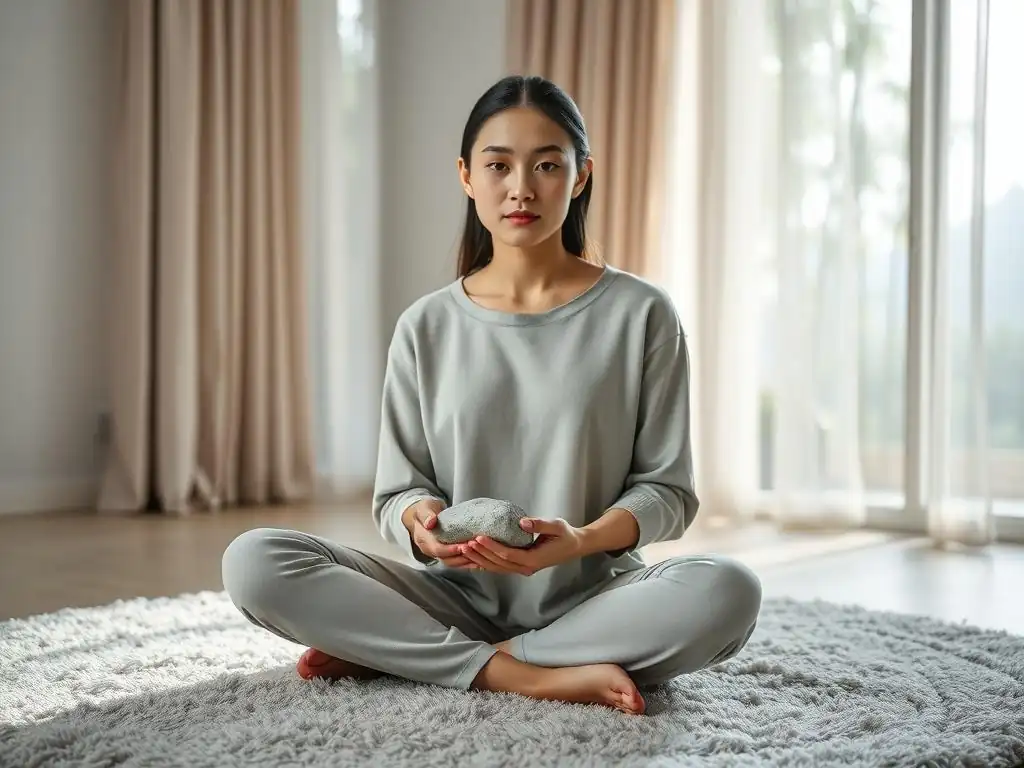
Progressive Muscle Relaxation (PMR): Releasing Physical Tension
Progressive Muscle Relaxation (PMR) is a technique that involves tensing and then releasing specific muscle groups in the body. This process helps individuals become more aware of the sensation of tension versus relaxation and provides a systematic way to reduce physical tightness often associated with anxiety and phobias. By intentionally creating and then releasing tension, you train your body to relax on command.
To practice PMR, find a quiet place and comfortable position. Start with your hands: make a tight fist, hold for about 5-10 seconds, noticing the tension. Then, release the tension completely, letting your hands go limp, and notice the feeling of relaxation for about 20-30 seconds. Move through the body, tensing and releasing muscle groups sequentially: forearms, upper arms, face (forehead, eyes, jaw), neck and shoulders, chest, back, abdomen, buttocks, thighs, calves, and feet. Regular practice of PMR can significantly reduce baseline muscle tension and provide a tool to use when phobic anxiety arises.
Autogenic Training: Using Self-Suggestion to Promote Relaxation
Autogenic training is a relaxation technique developed by German psychiatrist Johannes Heinrich Schultz in the early 20th century. It uses a series of self-suggestions focusing on specific physical sensations to induce a state of deep relaxation. The phrases are designed to evoke feelings of heaviness and warmth in the limbs, calm heartbeat, relaxed breathing, warmth in the abdomen, and coolness in the forehead.
Examples of phrases used in autogenic training include "My arms are heavy," "My legs are warm," "My heartbeat is calm and regular," "My breathing is calm and even," "My abdomen is warm," and "My forehead is cool." By repeating these phrases mentally while focusing on the corresponding body part, individuals can learn to influence their autonomic nervous system, promoting a state of calm. This technique, like mindfulness reduces phobic anxiety by counteracting the physiological arousal associated with fear, requiring consistent practice to master.
Guided Imagery: Escaping Anxiety Through Mental Journeys
Guided imagery, sometimes used interchangeably with visualization but often involving more structured narratives, is a relaxation technique where a guide (either a therapist or a recording) leads you through a detailed mental journey to a peaceful place or situation. This technique can be particularly effective for individuals whose phobias are triggered by specific environments or events, offering a mental escape hatch.
During guided imagery, the guide uses descriptive language to help you vividly imagine a soothing scene, engaging multiple senses. For example, you might be guided to imagine walking on a serene beach, feeling the sand between your toes, hearing the waves, smelling the salt air, and feeling the warmth of the sun. This immersive mental experience can distract from anxious thoughts and trigger the body's relaxation response. For phobia management, guided imagery can help reduce anticipatory anxiety before a potentially triggering event or provide a calming retreat during moments of distress.
Integrating Mindfulness and Relaxation into Daily Life for Phobia Relief
Creating a Mindfulness Routine: Establishing a Consistent Practice
Consistency is key to reaping the benefits of mindfulness and relaxation for phobia management. Just as physical exercise strengthens muscles, regular mindfulness practice strengthens your ability to stay present and manage anxiety. Aim to incorporate short periods of practice into your daily routine, even just 5-10 minutes to start.
Consider dedicating a specific time each day, such as first thing in the morning, during a lunch break, or before bed. This could involve a short seated meditation, a body scan, or practicing mindful breathing. Some people find it helpful to link their practice to an existing habit, like brushing their teeth or having a morning coffee. The goal is not perfection but simply showing up and practicing regularly. Over time, this consistent effort builds resilience and significantly impacts how mindfulness reduces phobic anxiety responses when they occur.
Using Mindfulness During Anxiety-Provoking Situations: Practical Tips
While daily practice builds the foundation, the true test is applying mindfulness when faced with a phobic trigger. This is where learned skills become tools for real-time relief. When you feel anxiety rising, pause and notice the physical sensations – the racing heart, the shallow breath, the tension. Acknowledge these sensations without judgment, simply observing them as temporary physical events.
Then, gently shift your attention to your breath, focusing on slow, steady diaphragmatic breathing. This helps to calm the nervous system. You can also use a brief body scan to identify and release tension, or mentally return to your safe space visualization. The practice isn't about making the anxiety disappear instantly, but about creating space between the trigger, the automatic fearful reaction, and your response, allowing you to choose a more measured approach. This active application is crucial for how mindfulness reduces phobic anxiety in challenging moments.
Overcoming Challenges in Practicing Mindfulness: Common Obstacles and Solutions
Starting a mindfulness practice can present challenges. Common obstacles include feeling like you don't have enough time, difficulty quieting a busy mind, feeling impatient with the process, or even experiencing increased anxiety initially as you become more aware of internal sensations. It's important to remember that these are normal parts of the learning process.
Solutions involve being patient and compassionate with yourself. Start small – even 1-2 minutes of mindful breathing is beneficial. Don't strive for an empty mind; the practice is about noticing thoughts without judgment. If you feel restless, try a walking meditation or mindful movement. If anxiety increases, shorten the practice and focus solely on gentle breathing, or seek guidance from a qualified mindfulness instructor or therapist. Consistent, gentle effort, rather than perfection, is the path to experiencing how mindfulness reduces phobic anxiety over time.
The Science Behind Mindfulness and Anxiety Reduction
How Mindfulness Affects the Brain: Neuroscientific Evidence
Neuroscientific research has provided compelling evidence for how mindfulness practice alters brain structure and function in ways that are beneficial for managing anxiety and fear. Studies using fMRI and EEG have shown that regular mindfulness meditation can lead to changes in brain regions associated with emotion regulation, self-awareness, and fear processing.
Specifically, research indicates changes in the prefrontal cortex (involved in planning and decision-making), the anterior cingulate cortex (involved in attention and error detection), and the insula (involved in body awareness and emotional processing). These areas show increased activity and connectivity in experienced meditators. This suggests that mindfulness strengthens the brain's capacity to regulate emotions, focus attention away from distressing thoughts, and maintain a greater awareness of internal states without being overwhelmed by them. This underlies the mechanism by which mindfulness reduces phobic anxiety by enhancing the brain's regulatory capacities.
Mindfulness and the Amygdala: Regulating the Fear Response
The amygdala is a small, almond-shaped region deep within the brain that plays a critical role in processing emotions, particularly fear and threat detection. In individuals with anxiety disorders, including phobias, the amygdala can be hyperactive, leading to an exaggerated fear response to perceived threats, even when the actual danger is minimal.
Studies have shown that regular mindfulness practice can lead to a reduction in amygdala activity in response to emotional stimuli. For example, some studies indicate a decrease in amygdala volume or a weakened connection between the amygdala and the prefrontal cortex in long-term meditators. This suggests that mindfulness helps to dampen the automatic fear response generated by the amygdala and strengthens the prefrontal cortex's ability to regulate and modulate these fear signals. This direct impact on the brain's fear center is a key neurobiological explanation for how mindfulness reduces phobic anxiety.
Research on Mindfulness-Based Interventions for Phobias: Chambers et al. (2009); Kabat-Zinn (1990)
While extensive research exists on Mindfulness-Based Stress Reduction (MBSR) and its effects on general anxiety (pioneered by Jon Kabat-Zinn in the 1990s, often cited as a foundational program), specific studies directly applying MBSR or other mindfulness interventions solely to specific phobias are less numerous but growing. Research like that conducted by Chambers et al. (often referencing studies from the late 2000s or early 2010s focusing on MBSR for anxiety disorders) has explored the efficacy of mindfulness-based approaches in reducing anxiety symptoms across various conditions, including those with phobic features.
These studies generally support the idea that mindfulness-based interventions can lead to statistically significant reductions in anxiety scores and improvements in quality of life for individuals with anxiety disorders. While dedicated studies on specific phobias might focus on how individuals' ability to tolerate exposure increases with mindfulness training, the broader research on MBSR's impact on anxiety regulation provides a strong basis for understanding how mindfulness reduces phobic anxiety by improving emotional regulation, reducing avoidance behaviors, and altering threat perception.
Typical findings might report a mean reduction in anxiety symptom severity scores by a certain percentage point after an 8-week MBSR course, compared to control groups.
Combining Mindfulness and Relaxation with Traditional Phobia Treatments
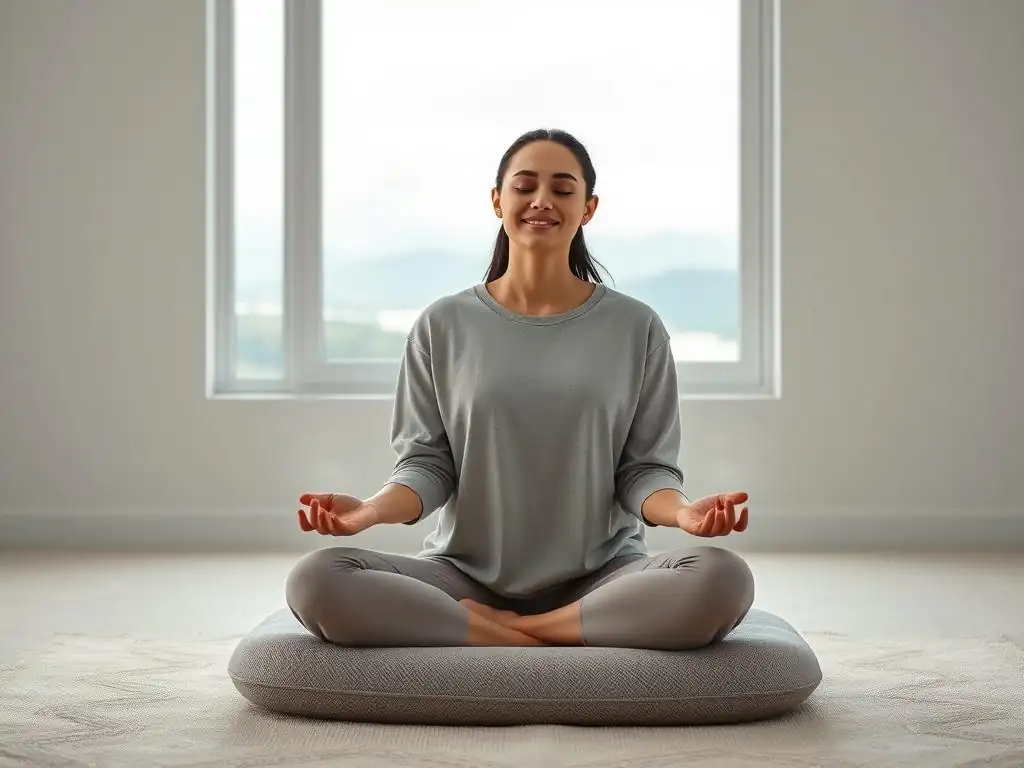
Mindfulness-Enhanced Cognitive Behavioral Therapy (CBT) for Phobias
Cognitive Behavioral Therapy (CBT) is a widely recognized and effective treatment for phobias. It focuses on identifying and changing negative thought patterns and behaviors related to the phobia. Combining CBT with mindfulness techniques can create a powerful synergy. Mindfulness can enhance CBT by increasing awareness of the anxious thoughts and physical sensations as they arise, making them easier to identify and challenge according to CBT principles.
For example, during CBT, a person might learn to challenge the thought "If I see a spider, I will die." Mindfulness helps them notice this thought without getting immediately overwhelmed by it, allowing them to apply the learned cognitive restructuring techniques more effectively. Mindfulness also helps individuals tolerate the discomfort that arises during exposure therapy, a key component of CBT. This integrated approach leverages the strengths of both modalities, leading to a more robust and potentially faster reduction in phobic anxiety.
Exposure Therapy and Mindfulness: A Powerful Combination
Exposure therapy is a core component of CBT for phobias, involving gradual, systematic exposure to the feared object or situation in a safe and controlled environment. The goal is to help the individual learn that their feared outcome does not occur and that their anxiety will decrease over time with continued exposure. Mindfulness is an excellent tool to support this process.
Mindfulness helps individuals stay present during exposure, rather than dissociating or becoming overwhelmed by panic. By mindfully observing the physical sensations and thoughts that arise during exposure without judgment or resistance, individuals can better process the experience and allow the anxiety to naturally decrease. They learn to tolerate the discomfort, understanding it as temporary and manageable. This mindful approach to exposure significantly enhances its effectiveness, demonstrating clearly how mindfulness reduces phobic anxiety by facilitating habituation and learning new responses to the feared stimulus.
Medication and Mindfulness: A Holistic Approach to Phobia Treatment
In some cases, medication may be prescribed to manage severe anxiety symptoms associated with phobias, particularly when they significantly impair daily functioning or when co-occurring conditions like GAD or depression are present. Medications such as selective serotonin reuptake inhibitors (SSRIs) or, in some acute situations, benzodiazepines (used cautiously due to dependence risk) can help reduce the intensity of anxiety.
Combining medication with mindfulness and relaxation techniques offers a holistic approach. While medication can help lower the baseline level of anxiety and make symptoms more manageable, mindfulness and relaxation provide active coping skills. They empower individuals to regulate their emotional and physiological responses, build resilience, and address the underlying fear mechanisms. This combined strategy can be particularly effective, as medication can provide the stability needed to engage fully in therapeutic practices like mindfulness, which ultimately teach sustainable long-term strategies for how mindfulness reduces phobic anxiety.
Real-Life Examples: Success Stories of Mindfulness in Overcoming Phobias
Case Study 1: Overcoming Arachnophobia with Mindfulness and Exposure
Sarah, a 35-year-old graphic designer, suffered from severe arachnophobia that prevented her from being in her basement or garden and caused panic attacks even at the sight of a small house spider. Her fear significantly impacted her life, limiting her ability to enjoy outdoor activities with her children. Sarah began therapy combining gradual exposure with mindfulness techniques.
Her therapist guided her through mindful breathing and body scan meditations to help her stay grounded. During exposure sessions, which started with looking at pictures of spiders and progressed to being in the same room as a contained spider, Sarah was instructed to mindfully observe her physical sensations (rapid heart rate, trembling) and thoughts ("I'm going to lose control") without judgment. She learned to acknowledge the fear but not be consumed by it, using diaphragmatic breathing to regulate her physiology.
Over several months, Sarah's panic response significantly decreased. She reported that mindfulness helped her "ride the wave" of anxiety during exposure, and she was eventually able to calmly remove a small spider from her living room, a feat she previously thought impossible, illustrating how mindfulness reduces phobic anxiety through increased tolerance and reduced reactivity.
Case Study 2: Managing Claustrophobia Through Relaxation Techniques and Visualization
Mark, a 50-year-old accountant, developed severe claustrophobia after being stuck in a small elevator for an extended period. He began avoiding elevators, subways, and even small conference rooms, impacting his work and social life. Mark sought help and incorporated relaxation techniques, specifically Progressive Muscle Relaxation (PMR) and visualization, into his management plan.
He practiced PMR daily, becoming highly attuned to where he held tension (mostly in his chest and shoulders) and learning to release it. He also developed a detailed visualization of a vast, open field where he felt completely free and safe. Before needing to enter a potentially triggering situation, like a crowded train, Mark would spend a few minutes practicing PMR and mentally visiting his safe field.
During the train ride, he would continue with slow, mindful breathing and silently repeat phrases from autogenic training like "My breathing is calm." While still experiencing some discomfort initially, these techniques helped him prevent the anxiety from escalating into full-blown panic, enabling him to gradually reintroduce these situations into his life. He found that by actively calming his physical response, he could interrupt the fear cycle, showing how mindfulness reduces phobic anxiety by targeting the physiological component.
Case Study 3: Reducing Agoraphobia with Mindful Exposure and Gradual Re-entry
Lisa, a 28-year-old student, developed agoraphobia, a fear of situations where escape might be difficult or help unavailable, often triggered by panic attacks. She became increasingly confined to her home. Her treatment involved gradual exposure (stepping outside, walking around the block, going to a nearby store) combined with mindful awareness and self-compassion.
Lisa practiced mindful walking, focusing on the sensations in her feet, the sights and sounds around her, rather than getting lost in catastrophic thoughts about having a panic attack. When anxiety surged as she moved further from her home, she used mindful breathing and a body scan to observe the panic sensations ("My chest feels tight, my hands are sweaty") without labeling them as dangerous. Her therapist emphasized self-compassion, encouraging her to acknowledge her fear with kindness rather than self-criticism.
Over several months, through consistent, mindful exposure and self-compassion, Lisa was able to gradually expand her "safe zone," eventually returning to attending classes on campus. Her experience highlights how the non-judgmental awareness aspect of mindfulness reduces phobic anxiety by changing one's relationship with the fear itself and the physical sensations it causes.
Maintaining Long-Term Phobia Relief Through Mindfulness and Relaxation
Staying Consistent with Your Practice: Tips for Continued Success
Achieving significant relief from phobic anxiety through mindfulness and relaxation is a tremendous accomplishment, but maintaining that relief requires ongoing commitment. Phobias, like other anxiety disorders, can be prone to relapse, especially during times of stress. Consistency with your practice is the most important factor in long-term success.
Think of mindfulness and relaxation not as a cure you take once, but as a skill you continue to hone. Even short, regular practices are more effective than infrequent, long ones. Try scheduling your practice like any other important appointment. Use reminders, track your progress, or join a meditation group or community for support and accountability. Integrate mindfulness into everyday activities, like mindful eating or walking, to make it a natural part of your life. This sustained effort ensures that the benefits of how mindfulness reduces phobic anxiety are lasting.
Recognizing and Addressing Relapses: Preventing Anxiety from Returning
Despite consistent practice, there may be times when phobic anxiety symptoms resurface, perhaps triggered by a stressful life event or an unexpected encounter with the feared stimulus. This is not a failure, but a normal part of managing a chronic condition. Recognizing the early signs of a potential relapse is crucial for addressing it effectively before it fully takes hold.
Early warning signs might include increased avoidance behaviors, heightened physical tension, more frequent anxious thoughts related to the phobia, or difficulty sleeping. When you notice these signs, double down on your mindfulness and relaxation practices. Increase the frequency or duration of your meditations, return to foundational techniques like diaphragmatic breathing, and consciously apply mindfulness during moments of rising anxiety. Revisit the techniques that you found most helpful initially. Addressing these signs promptly reinforces your coping skills and prevents the anxiety from escalating, demonstrating the preventative power of how mindfulness reduces phobic anxiety even when challenged.
Seeking Support: Connecting with Therapists and Mindfulness Communities
You don't have to navigate the journey of long-term phobia management alone. Ongoing support from mental health professionals can be invaluable, especially if you experience a significant setback or encounter new challenges. A therapist can help you refine your mindfulness and relaxation techniques, process difficult experiences, and adjust your strategies as needed.
Connecting with mindfulness communities, whether online or in person, can also provide encouragement, shared experiences, and a sense of belonging. Sharing your journey with others who understand the challenges of anxiety and the benefits of mindfulness can be incredibly empowering. Many centers offer drop-in meditation sessions or ongoing practice groups. Maintaining these connections and seeking help when needed are vital components of sustaining the relief gained from understanding and applying how mindfulness reduces phobic anxiety over the long term.
Frequently Asked Questions
How does mindfulness practice help with phobic anxiety?
Mindfulness helps by increasing present moment awareness, allowing you to observe anxiety symptoms without judgment. This detached observation weakens the link between the phobic trigger and the anxiety response.
Can relaxation techniques alone cure a phobia?
While relaxation techniques can significantly reduce anxiety symptoms, they are often most effective when combined with other therapeutic approaches, like cognitive behavioral therapy (CBT). They provide short-term relief but don't address the underlying phobia.
Is mindfulness a quick fix for phobic anxiety?
No, mindfulness requires consistent practice and is not a quick fix. It's a skill that develops over time, leading to gradual reduction in anxiety symptoms and improved coping mechanisms. Patience and persistence are key.
What are some examples of mindfulness-based relaxation techniques?
Examples include mindful breathing exercises, body scan meditations, and mindful walking. These techniques focus on sensory awareness and non-judgmental observation of thoughts and feelings.
Where can I find more resources and support for managing phobic anxiety with mindfulness?
Mind Care Guide offers information and resources, but also consider seeking guidance from a qualified mental health professional. They can provide personalized treatment plans and evidence-based therapies for phobias.
Final Reflection: Cultivating Inner Peace to Conquer Fear
The pervasive anxiety of modern life, coupled with the increasing prevalence of phobias, makes the practice of mindfulness more crucial than ever before. Understanding how to harness the power of the present moment to alleviate the debilitating grip of phobic anxiety is not just a therapeutic technique; it's a vital life skill. This article explored the powerful synergy between mindfulness and relaxation in mitigating phobic responses, offering practical strategies for managing fear and reclaiming a sense of control.
The journey towards conquering phobias is deeply personal, a testament to the resilience of the human spirit. It's a journey I've witnessed both in my own life and in the lives of others, a journey marked by moments of intense fear and equally powerful moments of breakthrough and liberation. The impact of mindfulness on this journey is profound, offering a pathway to self-awareness and self-compassion that traditional therapies often overlook. The only way to do great work is to love what you do.
- Steve Jobs. This applies equally to the work of overcoming fear; a genuine commitment to self-care, fueled by mindful practices, is essential for lasting change.
Now, consider your own relationship with fear. What anxieties hold you back? What small steps can you take today to cultivate a more mindful approach to your daily life? Perhaps it's starting with five minutes of deep breathing each morning, or dedicating time to a mindful activity you enjoy. Remember, the path to conquering fear is paved with small, consistent acts of self-compassion and mindful awareness. Embrace the journey, and discover the transformative power of inner peace.
Unlock Your Inner Calm: Start Your Mindfulness Journey Today!
Thanks for taking the time to explore the power of mindfulness in managing phobic responses. We hope you found practical strategies to help you feel calmer and more in control. Now it's time to put these insights into action!
- Prioritize your breathing: Dedicate just 5 minutes today to practicing the deep, mindful breathing exercises discussed in the article. Notice the difference!
- Share this article with a friend: Helping others discover these techniques can strengthen your own practice and inspire a supportive network.
- Explore a guided meditation specifically designed for anxiety relief – there are many free options available online.
Ready to experience the transformative benefits of consistent mindfulness? What small step will you take today to cultivate a more peaceful state of being?