
Moving Through Anxiety: Physical Coping Mechanisms for Adults

Welcome to Mind Care Guide, a sanctuary for your well-being.
Are you feeling the relentless grip of anxiety in your very body? You're not alone. It’s time to reclaim control. This page is dedicated to providing you with practical, actionable strategies. Explore our guide to anxiety physical coping techniques adults and discover how to calm your nervous system, one breath at a time. Ready to start feeling more grounded and less overwhelmed? Let's begin.
Moving Through Anxiety: Physical Coping Mechanisms for Adults - Mind Care Guide
- Understanding Anxiety and Its Physical Manifestations
- Anxiety Physical Coping Techniques for Adults: Immediate Relief
- Long-Term Physical Strategies for Anxiety Management
- Advanced Physical Coping Mechanisms for Anxiety
- Integrating Physical Coping Strategies into Your Daily Life for Anxiety
- Conclusion: Empowering Yourself Through Physical Anxiety Coping Techniques
-
Frequently Asked Questions
- What are some basic physical coping techniques adults can use to manage anxiety?
- How does physical activity help reduce anxiety symptoms in adults?
- Can dietary changes really impact anxiety levels, and if so, how?
- Besides exercise, what other physical activities can help adults cope with anxiety?
- How often should adults practice these physical coping techniques to see a noticeable reduction in anxiety?
- Final Reflection: Finding Stillness in the Storm of Anxiety
- Unlock Your Inner Calm: Practical Steps to Manage Anxiety
Understanding Anxiety and Its Physical Manifestations
What is Anxiety? A Brief Overview
Anxiety is a natural human response to stress, serving as an alarm system that helps us perceive and respond to danger. It becomes a disorder when it is excessive, persistent, and interferes with daily life. While often thought of as a purely mental state, anxiety profoundly impacts the body, leading to a range of uncomfortable and sometimes debilitating physical symptoms.
Understanding this mind-body connection is crucial for effectively utilizing anxiety physical coping techniques adults can implement. Globally, anxiety disorders are among the most common mental health conditions, affecting hundreds of millions of people, highlighting the widespread need for effective coping strategies.
This overview emphasizes that anxiety is not just "in your head" but has tangible physical effects. Recognizing these effects is the first step towards managing them. Many adults experience anxiety symptoms that manifest physically before they even recognize the emotional or cognitive components. Learning about effective anxiety physical coping techniques adults can use is vital for regaining a sense of control and reducing the intensity of these bodily responses, paving the way for improved overall well-being.
The Link Between Anxiety and the Body: Physical Symptoms Explained
When anxiety strikes, the body activates the "fight or flight" response, orchestrated by the sympathetic nervous system. This triggers a cascade of physiological changes designed to prepare us for action. Hormones like adrenaline and cortisol flood the bloodstream, leading to increased heart rate, rapid breathing, muscle tension, and heightened senses.
While useful in a genuine emergency, chronic activation of this response due to persistent anxiety can lead to fatigue, headaches, digestive issues, and even weakened immune function over time. These physical manifestations underscore why anxiety physical coping techniques adults can learn are so important; they directly address the bodily symptoms.
Consider the experience of someone facing public speaking anxiety. Their heart might race (tachycardia), palms sweat, voice tremble, and stomach churn. These are direct physical manifestations of the body's anxiety response. For individuals with generalized anxiety disorder, these symptoms might be less acute but more constant, presenting as chronic muscle tension in the neck and shoulders, persistent fatigue, or regular digestive upset like irritable bowel syndrome (IBS). Effective anxiety physical coping techniques adults can employ aim to counteract this physiological overdrive, signaling to the nervous system that the perceived threat is not real and it's safe to relax.
Identifying Your Anxiety Triggers and Physical Reactions
Identifying what triggers your anxiety is a fundamental step in managing it. Triggers can be external events, situations, or internal thoughts and feelings. Once a trigger is activated, pay close attention to how your body responds. Do your shoulders tense up? Does your jaw clench? Does your stomach feel knotted? Keeping a journal can be incredibly helpful in tracking these patterns. Note the situation, your thoughts, and the specific physical sensations you experienced. This self-awareness is the foundation for choosing the most effective anxiety physical coping techniques adults can apply in the moment.
For example, an adult might notice that their anxiety is triggered by receiving work emails after hours. Their physical reaction consistently involves a tightness in their chest and a feeling of being unable to take a deep breath.
Another individual might find social gatherings trigger their anxiety, leading to blushing, shaking hands, and a rapid heartbeat. By understanding these specific links between triggers and physical symptoms, individuals can proactively use tailored anxiety physical coping techniques adults find helpful, such as deep breathing exercises when opening work email or grounding techniques before entering a social event, to mitigate the physical discomfort and prevent the anxiety from escalating.
Anxiety Physical Coping Techniques for Adults: Immediate Relief
Diaphragmatic Breathing for Anxiety: A Step-by-Step Guide to Calming Breathwork
Diaphragmatic breathing, or deep belly breathing, is a powerful and accessible anxiety physical coping technique adults can use anywhere, anytime. It works by activating the parasympathetic nervous system, which counteracts the "fight or flight" response. To practice, find a comfortable position, sitting or lying down. Place one hand on your chest and the other just below your rib cage.
Inhale slowly through your nose, feeling your abdomen expand as if inflating a balloon. Your chest should remain relatively still. Exhale slowly through pursed lips, gently contracting your abdominal muscles to push the air out. Focus entirely on the sensation of your breath.
Practice this technique for several minutes when you feel anxiety starting to build. Aim for 6-10 slow breaths per minute. Regular practice, even when you're not feeling anxious, helps make it a more automatic response during stressful moments. This simple yet profound anxiety physical coping technique adults can master helps to regulate heart rate and blood pressure, bringing the body back into a state of calm. It's a foundational skill for managing acute anxiety symptoms and is often the first physical method recommended by therapists.
Progressive Muscle Relaxation (PMR) for Anxiety Relief: Releasing Tension
Progressive Muscle Relaxation (PMR) is an anxiety physical coping technique adults use to systematically tense and then release different muscle groups in the body. Anxiety often causes unconscious muscle tension, which can lead to pain and fatigue. PMR helps you become aware of this tension and provides a method for releasing it, promoting overall physical and mental relaxation. The process typically involves moving through the body, from your feet up to your head (or vice versa), focusing on one muscle group at a time.
By intentionally tensing muscles for about 5-10 seconds and then completely releasing the tension for 20-30 seconds, you learn to differentiate between the feeling of tension and the feeling of relaxation. This practice not only reduces immediate physical discomfort caused by anxiety-induced tension but also teaches the body and mind how to relax on command. Regular practice of this anxiety physical coping technique adults find effective can significantly reduce chronic muscle tightness and improve body awareness, making it easier to identify and release tension as it arises throughout the day.
PMR Technique: Focusing on Specific Muscle Groups
To perform PMR as an anxiety physical coping technique adults can utilize, find a quiet, comfortable place where you won't be disturbed. Start with your feet: Curl your toes tightly, hold the tension for 5-10 seconds, then release completely, noticing the difference. Move up to your lower legs (tighten calf muscles), then thighs (tighten quads), glutes, abdomen, chest, back, hands (make fists), arms (biceps and triceps), shoulders (tense towards ears), neck, jaw (clench teeth), and face (tense facial muscles). Ensure you take a few deep breaths between each muscle group.
This systematic approach ensures you address tension throughout the entire body. Many adults hold significant tension in their neck, shoulders, and jaw due to chronic anxiety. Focusing specifically on these areas during PMR can provide significant relief. Make sure to give yourself ample time to fully release the tension in each muscle group before moving on to the next. This deliberate release is key to experiencing the full benefits of this anxiety physical coping technique adults can integrate into their routine.
Benefits of Regular PMR Practice for Managing Anxiety
Practicing PMR regularly offers numerous benefits for managing anxiety. Beyond immediate tension relief, it can lead to reduced overall muscle soreness, fewer headaches, and improved sleep quality, all common challenges for individuals with anxiety. Consistent use helps to lower baseline levels of physiological arousal, making you less reactive to stressors. As an anxiety physical coping technique adults practice over time, it enhances your ability to enter a state of deep relaxation more quickly and effectively.
Studies have shown that regular PMR can lead to significant reductions in self-reported anxiety levels. For example, one meta-analysis indicated that relaxation techniques, including PMR, had a moderate effect size in reducing anxiety symptoms. Incorporating this anxiety physical coping technique adults can perform independently into a daily routine, perhaps for 10-15 minutes before bed, can be a powerful tool in reducing the physical burden of anxiety and promoting a greater sense of calm and control.
Grounding Techniques for Anxiety: Staying Present in the Moment
Grounding techniques are anxiety physical coping techniques adults use to pull themselves out of overwhelming thoughts or feelings and connect with the present moment through their physical senses. When anxiety makes your mind race or feel disconnected from reality, grounding can anchor you to what is happening right here, right now. These techniques are particularly useful during panic attacks or intense moments of dissociation, helping to restore a sense of safety and stability.
The core idea behind grounding is to shift focus away from internal distress by engaging with the external world through your body. This can involve focusing on what you see, hear, feel, smell, or even taste. By directing attention to concrete physical sensations and observations, you interrupt the anxiety loop and bring yourself back into your body and your immediate surroundings. This makes grounding a valuable anxiety physical coping technique adults can employ when feeling overwhelmed or disconnected.
The 5-4-3-2-1 Grounding Exercise: Engaging Your Senses
The 5-4-3-2-1 exercise is a popular and effective grounding technique that serves as an excellent anxiety physical coping technique adults can easily remember and use. Start by taking a few deep breaths. Then, identify:
5 things you can see around you. Look for details, colors, shapes. 4 things you can feel physically. This could be the texture of your clothes, the chair beneath you, the temperature of the air, or the feeling of your feet on the ground.
3 things you can hear. Listen for sounds both near and far. 2 things you can smell. Notice any scents in the air. 1 thing you can taste (if possible, e.g., chewing gum, a mint, or simply the taste in your mouth).
This exercise systematically engages all five senses, firmly anchoring you to the present moment. It redirects your focus away from anxious thoughts and towards concrete, external stimuli. Practicing this anxiety physical coping technique adults can use during moments of rising anxiety helps to interrupt the thought spiral and reduce the intensity of physical symptoms like rapid heartbeat or dizziness by bringing your attention back to your body's connection with the environment.
Using Physical Objects for Grounding: Worry Stone for Anxiety Relief
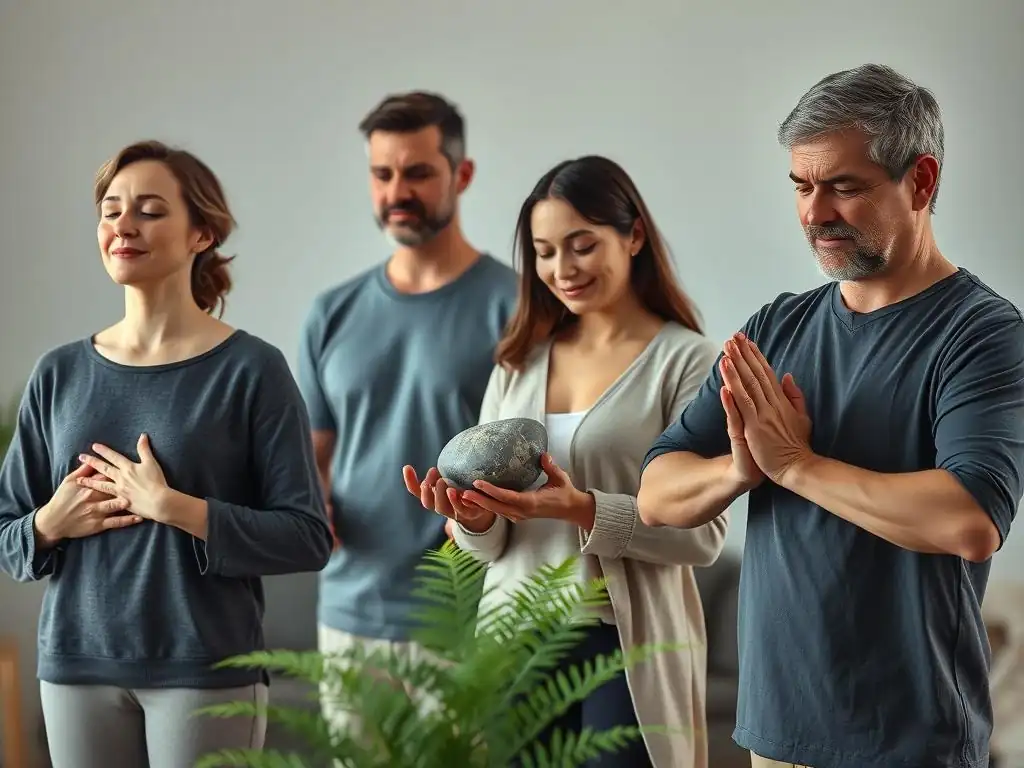
Another effective grounding strategy, which functions as an anxiety physical coping technique adults can discreetly employ, involves using a physical object. This could be a smooth stone, a small piece of fabric, a ring, or any small item that fits comfortably in your hand. When you feel anxiety building, hold the object and focus on its physical properties: its weight, texture, temperature, and shape. Rubbing a worry stone, for instance, provides a repetitive physical sensation that can be very soothing.
This technique provides a tangible anchor to the present. The physical sensation of holding and manipulating the object serves as a point of focus, diverting attention from anxious thoughts. Many adults find carrying a specific object, like a worry stone, to be a comforting and readily available anxiety physical coping technique adults can access whenever they need it throughout the day. It's a subtle yet powerful way to bring yourself back to the present moment and interrupt the cycle of anxiety.
Long-Term Physical Strategies for Anxiety Management
The Power of Exercise for Anxiety Reduction: Moving Your Body, Calming Your Mind
Regular physical exercise is one of the most evidence-based long-term anxiety physical coping techniques adults can adopt. Exercise has profound effects on both physical and mental health. It releases endorphins, which are natural mood boosters, and helps reduce levels of stress hormones like cortisol. Engaging in physical activity also provides a healthy outlet for pent-up energy and tension often associated with anxiety, helping to improve sleep and overall resilience.
Beyond the chemical benefits, exercise provides a sense of accomplishment and control, which can be empowering for individuals struggling with anxiety. It also offers a distraction from anxious thoughts and can improve self-esteem and body image. Making exercise a consistent part of your routine is a powerful anxiety physical coping technique adults can use not just for immediate relief but for building long-term resilience against anxiety. Even moderate activity, like a brisk walk, can make a significant difference.
Best Types of Exercise for Anxiety: Running, Hiking, and Cycling
While nearly any form of exercise can help with anxiety, some types are particularly beneficial. Aerobic exercises like running, jogging, cycling, swimming, or brisk walking are excellent for reducing anxiety symptoms. These activities increase heart rate and respiration, promoting the release of endorphins and helping to burn off excess energy. Aim for at least 30 minutes of moderate-intensity aerobic exercise most days of the week, as recommended by health guidelines, to experience significant benefits as an anxiety physical coping technique adults can rely on.
Outdoor activities like hiking or cycling in nature can offer additional benefits. Exposure to green space has been shown to reduce stress and improve mood. Mind-body exercises such as yoga or Tai Chi also serve as valuable anxiety physical coping techniques adults can explore, combining physical movement with mindfulness and breath control to promote relaxation and reduce tension. Finding an activity you enjoy is key to maintaining consistency.
Creating a Consistent Exercise Routine for Anxiety Relief
Consistency is crucial when using exercise as an anxiety physical coping technique adults use for long-term management. Start small if needed, even just 10-15 minutes of activity daily. Schedule your workouts and treat them like important appointments. Finding an exercise buddy or joining a class can provide motivation and accountability. Track your activity to see your progress and celebrate small victories.
Don't get discouraged if you miss a day; just get back on track the next. The goal is progress, not perfection. Incorporating exercise as a regular anxiety physical coping technique adults can integrate into their lifestyle requires planning and commitment, but the long-term benefits for reducing anxiety symptoms and improving overall well-being are substantial. Aim for consistency rather than just intensity.
Nutrition and Anxiety: The Gut-Brain Connection
The food we eat has a significant impact on our mental health, highlighting the importance of nutrition as an anxiety physical coping technique adults should consider. The gut and brain are intimately connected through the gut-brain axis, and the bacteria in our gut can influence mood and stress levels. A diet rich in processed foods, sugar, and unhealthy fats can contribute to inflammation and disrupt this balance, potentially worsening anxiety symptoms. Conversely, a balanced diet supports overall health and can help stabilize mood.
Focusing on nutrient-dense foods is a key dietary strategy for managing anxiety. Ensuring adequate intake of vitamins, minerals, and omega-3 fatty acids supports brain health and can help regulate neurotransmitters involved in mood. While diet alone may not eliminate anxiety, optimizing your nutrition is a foundational anxiety physical coping technique adults can use to support their overall mental well-being and potentially reduce the severity of symptoms.
Foods to Include in Your Diet for Anxiety Management: Berries, Nuts, and Seeds
Incorporating certain foods into your diet can support your body's ability to manage stress and anxiety. Foods rich in antioxidants, omega-3 fatty acids, magnesium, and B vitamins are particularly beneficial. Examples include fatty fish (like salmon), which are high in omega-3s; nuts and seeds (almonds, walnuts, chia seeds, flaxseeds), which provide magnesium and healthy fats; berries (blueberries, strawberries), rich in antioxidants; and leafy greens (spinach, kale), which offer magnesium and B vitamins.
Fermented foods like yogurt with live cultures, kimchi, and sauerkraut can support a healthy gut microbiome, which is linked to reduced anxiety. Whole grains, lean proteins, and complex carbohydrates also help stabilize blood sugar levels, preventing mood swings that can exacerbate anxiety. Making conscious dietary choices is a practical anxiety physical coping technique adults can implement daily to support their mental health from within.
Foods to Limit or Avoid to Reduce Anxiety Symptoms: Sugary Drinks, Alcohol
Certain foods and substances can potentially worsen anxiety symptoms and should be limited or avoided. High-sugar foods and sugary drinks can cause rapid spikes and crashes in blood sugar, leading to irritability and nervousness. Excessive caffeine intake can trigger or intensify anxiety symptoms due to its stimulant effects, increasing heart rate and jitters. Many adults find reducing or eliminating coffee and energy drinks significantly helps manage their anxiety.
Alcohol might seem to reduce anxiety in the short term, but it disrupts sleep, can worsen mood the next day, and interferes with brain chemistry, ultimately exacerbating anxiety over time. Processed foods high in unhealthy fats and additives may also negatively impact gut health and inflammation, potentially contributing to anxiety. Being mindful of these dietary factors is an important anxiety physical coping technique adults can use to avoid inadvertently worsening their symptoms.
Sleep Hygiene for Anxiety: Prioritizing Rest and Relaxation
Sleep is fundamental to both physical and mental health, and poor sleep is strongly linked to increased anxiety. Chronic sleep deprivation can make you more reactive to stress, impair your ability to cope, and intensify anxiety symptoms. Prioritizing sufficient, quality sleep (generally 7-9 hours per night for adults) is a crucial long-term anxiety physical coping technique adults must prioritize. Focusing on good "sleep hygiene" means establishing habits and an environment conducive to restful sleep.
When you are well-rested, your brain is better equipped to regulate emotions and handle stress. Conversely, even one night of poor sleep can make you feel more anxious and irritable. Implementing consistent sleep hygiene practices is an essential anxiety physical coping technique adults can use to support their overall nervous system regulation and reduce the physical strain that anxiety puts on the body.
Creating a Relaxing Bedtime Routine to Promote Sleep
Developing a consistent, relaxing bedtime routine signals to your body that it's time to wind down and prepare for sleep. This routine should ideally start 30-60 minutes before your target bedtime. Activities could include taking a warm bath, reading a physical book (avoiding screens), listening to calming music, practicing gentle stretching or yoga, or engaging in quiet hobbies. Avoid stimulating activities like intense exercise, work, or stressful conversations close to bedtime.
Consistency is key: Go to bed and wake up at roughly the same time each day, even on weekends. This helps regulate your body's internal clock (circadian rhythm). Making a relaxing bedtime routine a non-negotiable part of your evening is a powerful anxiety physical coping technique adults can use to improve sleep quality and, consequently, reduce daily anxiety levels.
Optimizing Your Sleep Environment for Better Sleep Quality
Your sleep environment plays a significant role in sleep quality. Make your bedroom a sanctuary for sleep. Ensure it is dark, quiet, and cool. Use blackout curtains to block out light, earplugs or a white noise machine to minimize noise, and keep the temperature comfortable (typically between 60-67°F or 15-19°C). Your mattress and pillows should be comfortable and supportive.
Keep electronic devices out of the bedroom or at least turn off screens well before bedtime, as the blue light emitted can interfere with melatonin production. Reserve your bedroom primarily for sleep and intimacy; avoid working, eating, or watching TV in bed if possible. Creating an optimal sleep environment is a tangible anxiety physical coping technique adults can implement to improve sleep duration and quality, which directly impacts their ability to manage anxiety during waking hours.
Advanced Physical Coping Mechanisms for Anxiety
Yoga and Mindfulness for Anxiety: Combining Movement and Meditation
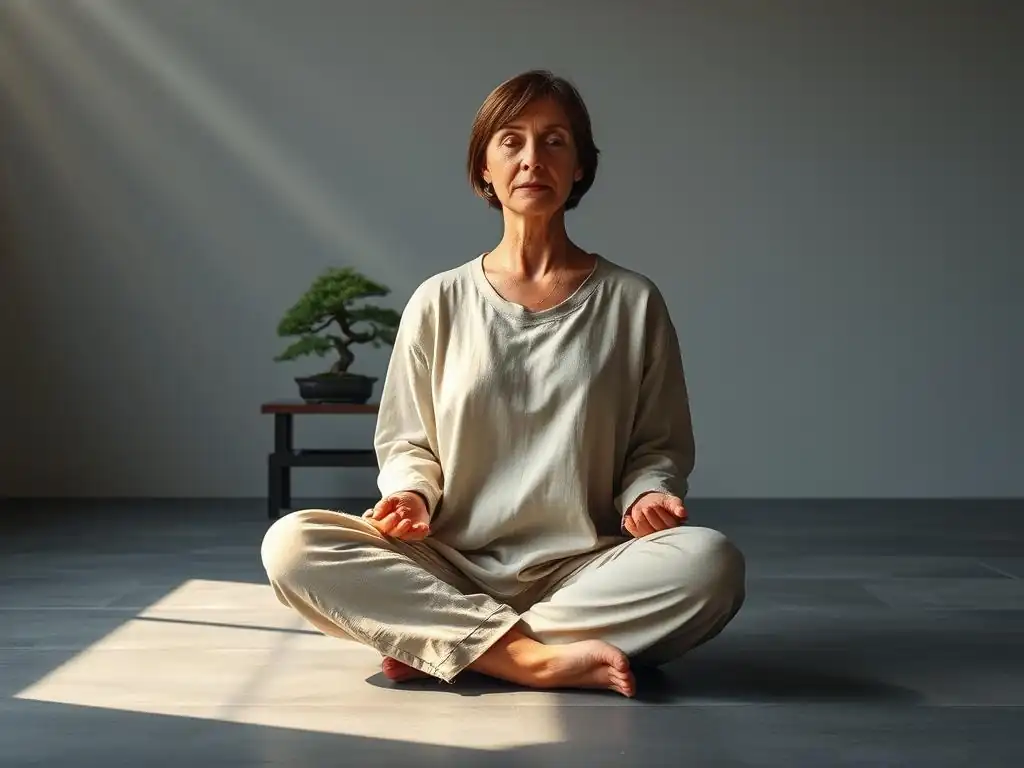
Yoga is a practice that combines physical postures (asanas), breathing exercises (pranayama), and meditation or mindfulness. It is a holistic anxiety physical coping technique adults find beneficial because it addresses both the physical tension and the mental rumination associated with anxiety. The physical movement helps release stored tension, while the focus on breath and present moment awareness cultivates mindfulness, helping to quiet the anxious mind.
Regular yoga practice can improve flexibility, strength, and balance, while also reducing heart rate, blood pressure, and cortisol levels. The emphasis on linking breath with movement encourages a mindful connection with the body, helping individuals become more aware of physical sensations without judgment. This combination makes yoga a powerful anxiety physical coping technique adults can use to build resilience and promote relaxation.
Specific Yoga Poses for Anxiety Reduction: Corpse Pose (Savasana), Mountain Pose (Tadasana)
Certain yoga poses are particularly noted for their calming effects and serve as effective anxiety physical coping techniques adults can incorporate. Corpse Pose (Savasana) is a resting pose typically done at the end of a practice. Lying flat on your back, arms by your sides, palms up, and letting your body completely relax, Savasana allows for deep rest and integration, helping to release physical and mental tension. Even a few minutes in Savasana can be incredibly restorative.
Mountain Pose (Tadasana) is a standing pose that focuses on grounding and stability. Standing tall with feet hip-width apart, distributing weight evenly, and feeling rooted through the feet helps cultivate a sense of presence and stability. Other poses like Child's Pose (Balasana), Legs-Up-the-Wall Pose (Viparita Karani), and Cat-Cow Pose (Marjaryasana-Bitilasana) are also gentle yet effective anxiety physical coping techniques adults can use to release tension and calm the nervous system.
Cultivating Mindfulness to Reduce Anxiety Triggers
Mindfulness, often practiced alongside yoga or meditation, is the practice of paying attention to the present moment without judgment. This involves observing your thoughts, feelings, and physical sensations as they arise, without getting carried away by them. For anxiety, mindfulness helps you become aware of anxious thoughts and physical symptoms without immediately reacting to them or getting caught in a spiral. It allows you to notice your triggers and responses from a more detached perspective.
Regular mindfulness practice, even for just a few minutes daily, can change how your brain processes information related to stress and anxiety. It strengthens the prefrontal cortex, the part of the brain responsible for rational thinking and decision-making, while potentially reducing activity in the amygdala, the brain's fear center. Integrating mindfulness is a key component of many anxiety physical coping techniques adults use, helping them to respond to anxiety with greater awareness and less reactivity.
Massage Therapy for Anxiety: Releasing Physical Tension
Massage therapy is a therapeutic practice that involves manipulating the body's soft tissues. It can be a highly effective anxiety physical coping technique adults can utilize to reduce muscle tension, lower stress hormones, and promote relaxation. Anxiety often causes chronic muscle tightness, which can lead to pain, stiffness, and discomfort. Massage helps to release this tension, improve circulation, and induce a state of calm.
The physical touch inherent in massage therapy can also have a calming effect on the nervous system, triggering the release of endorphins and reducing levels of cortisol and adrenaline. Even a single massage session can provide temporary relief from anxiety symptoms, while regular sessions can contribute to long-term stress and tension management. Exploring massage therapy is a valuable anxiety physical coping technique adults can consider as part of a broader anxiety management plan.
Benefits of Different Types of Massage for Anxiety: Aromatherapy, Swedish
Various types of massage can be beneficial for anxiety. Swedish massage, a common type involving long strokes, kneading, and circular movements, is excellent for promoting overall relaxation and reducing muscle tension. Deep tissue massage targets deeper layers of muscle and connective tissue to release chronic tension, which can be particularly helpful for individuals who hold a lot of stress in specific areas like the back or shoulders.
Adding aromatherapy to massage can enhance its anxiety-reducing effects. Essential oils like lavender, chamomile, and bergamot are known for their calming properties. Inhaling these scents during a massage can further promote relaxation and reduce stress. Discussing your anxiety and specific areas of tension with a qualified massage therapist will help them tailor the session to your needs, making it a more effective anxiety physical coping technique adults can benefit from.
Finding a Qualified Massage Therapist for Anxiety Relief
To ensure a safe and beneficial experience when using massage as an anxiety physical coping technique adults seek, it's important to find a qualified and licensed massage therapist. Look for therapists who have experience working with clients experiencing stress or anxiety. You can ask for recommendations from healthcare providers, friends, or search online directories of licensed massage therapists.
Before booking, you might call to ask about their approach and if they have experience with anxiety relief. During your first appointment, communicate your needs and comfort level clearly. A good therapist will create a relaxing environment and tailor the pressure and techniques to your preferences. Finding the right therapist is key to maximizing the benefits of this anxiety physical coping technique adults can integrate into their self-care routine.
Biofeedback for Anxiety: Learning to Control Physical Responses
Biofeedback is a mind-body technique that teaches people to control physical responses, such as heart rate, breathing, and muscle tension, which are often dysregulated by anxiety. During a biofeedback session, sensors are attached to your body to measure physiological signals. These signals are displayed on a monitor, allowing you to see in real-time how your body is responding to stress or relaxation techniques.
By seeing your physical responses on the screen (e.g., watching your heart rate slow down as you practice deep breathing), you learn to associate mental states or relaxation techniques with specific physiological changes. Over time, you can learn to consciously control these responses without the need for the equipment. This makes biofeedback an advanced anxiety physical coping technique adults can learn to gain greater control over their body's reaction to stress and anxiety.
Understanding How Biofeedback Works for Anxiety Management
Biofeedback works by providing you with immediate information about your body's physiological state, information you are typically unaware of. For anxiety management, common types of biofeedback include:
- Heart Rate Variability (HRV) Biofeedback: Measures the variations in time between heartbeats, which are often reduced during stress. Learning to increase HRV is linked to improved stress resilience.
- Electromyography (EMG) Biofeedback: Measures muscle tension. This is particularly useful for individuals who experience chronic muscle tension, headaches, or pain due to anxiety.
- Thermal Biofeedback: Measures skin temperature, which often drops in the extremities during anxiety due to reduced blood flow. Learning to increase peripheral temperature can promote relaxation.
- Respiratory Biofeedback: Measures breathing patterns. Anxiety often leads to shallow, rapid breathing; biofeedback helps train slower, deeper breathing.
By practicing relaxation techniques while monitoring these signals, you receive instant feedback on their effectiveness. This helps you identify which techniques work best for your body and learn to reproduce the desired physiological state (e.g., lower heart rate, reduced muscle tension) on your own. This learning process makes biofeedback a powerful anxiety physical coping technique adults can master for long-term physiological regulation.
Finding a Biofeedback Therapist and What to Expect
Biofeedback therapy is typically administered by licensed healthcare professionals, including psychologists, therapists, physicians, or physical therapists, who have specialized training in biofeedback. You can find qualified practitioners through professional organizations or by asking for a referral from your doctor. The number of sessions needed varies depending on the individual and the type of anxiety, but a course of treatment often involves 8-15 sessions.
During a session, the therapist will attach sensors to your skin. You will then be guided through relaxation exercises or mental strategies while observing your physiological data on a monitor. The therapist will help you interpret the data and refine your techniques. With consistent practice, the goal is to be able to achieve the desired physiological state without the equipment, making biofeedback a highly effective anxiety physical coping technique adults can internalize for self-management.
Integrating Physical Coping Strategies into Your Daily Life for Anxiety
Creating a Personalized Anxiety Management Plan
Integrating anxiety physical coping techniques adults learn into a daily routine requires a personalized plan. There is no one-size-fits-all approach. Start by identifying the techniques that resonate most with you and seem most effective for your specific symptoms and triggers. Consider when and where you are most likely to feel anxious and plan accordingly. For example, if mornings are difficult, schedule a few minutes for deep breathing or gentle stretching before starting your day.
Your plan should be realistic and flexible. Don't try to implement too many new strategies at once. Start with one or two techniques and gradually add more as they become habits. Include both immediate relief techniques (like grounding or breathing) for acute moments and long-term strategies (like exercise or sleep hygiene) for overall resilience. A well-structured plan makes utilizing anxiety physical coping techniques adults find helpful a sustainable part of their life.
Tracking Your Progress and Identifying Effective Techniques
Monitoring how different anxiety physical coping techniques adults use affect your symptoms is essential for refining your personalized plan. Keep a simple journal or use a tracking app. Note when you used a specific technique, how you were feeling before and after, and whether it seemed to help. Over time, this data will reveal which strategies are most effective for you and in which situations.
Tracking also provides motivation by highlighting your progress. Seeing how consistent exercise or regular deep breathing practice leads to a noticeable reduction in physical anxiety symptoms can be incredibly encouraging. This systematic approach ensures you are focusing your energy on the anxiety physical coping techniques adults find truly beneficial for their unique needs and experiences.
Seeking Professional Support When Needed: Psychiatrist, Counselor
While anxiety physical coping techniques adults can use are powerful tools, they are often most effective when used as part of a comprehensive approach to anxiety management. If your anxiety is severe, persistent, significantly impacting your daily life, or if you are experiencing panic attacks or other distressing symptoms, seeking professional support is crucial. Mental health professionals, such as counselors, therapists, or psychiatrists, can provide diagnosis, therapy (like Cognitive Behavioral Therapy or Exposure Therapy), and medication if necessary.
A therapist can help you identify underlying causes of your anxiety, challenge negative thought patterns, and teach you additional coping strategies, including how to integrate physical techniques effectively. A psychiatrist can assess whether medication is appropriate for managing severe symptoms. Combining physical techniques with professional guidance often leads to the most successful outcomes in managing anxiety. Remember, seeking help is a sign of strength, not weakness.
Conclusion: Empowering Yourself Through Physical Anxiety Coping Techniques
Key Takeaways: Physical Strategies for Managing Anxiety
Understanding the profound connection between the mind and body is key to effectively managing anxiety. Physical symptoms are not just secondary effects but integral parts of the anxiety experience. Fortunately, there is a wide range of evidence-based anxiety physical coping techniques adults can learn and implement to gain greater control over these bodily responses and reduce overall anxiety levels.
From immediate relief methods like diaphragmatic breathing, progressive muscle relaxation, and grounding techniques to long-term strategies such as regular exercise, optimized nutrition, and good sleep hygiene, physical approaches offer tangible ways to counteract the physiological effects of anxiety. More advanced techniques like yoga, massage, and biofeedback provide additional avenues for releasing tension and regulating the nervous system.
Taking the First Step: Implementing These Techniques Today
Empowering yourself to manage anxiety begins with taking action. You don't need to master every technique at once. Choose one or two anxiety physical coping techniques adults find appealing and commit to practicing them regularly. Start small, be patient with yourself, and celebrate your efforts. Incorporate deep breaths throughout your day, schedule a short walk, or dedicate a few minutes to PMR before bed.
Building a personalized anxiety management plan that includes these physical strategies is an investment in your well-being. Remember to track your progress and identify what works best for you. And if anxiety feels overwhelming, don't hesitate to reach out for professional support. By actively engaging with these anxiety physical coping techniques adults can reclaim a sense of calm and control, moving through anxiety with greater ease and resilience.
Frequently Asked Questions
What are some basic physical coping techniques adults can use to manage anxiety?
Simple techniques include deep breathing exercises, progressive muscle relaxation, and mindful movement like yoga or walking. These help regulate the body's stress response.
How does physical activity help reduce anxiety symptoms in adults?
Physical activity releases endorphins, which have mood-boosting effects. It also helps to reduce muscle tension and improve sleep quality, both crucial for anxiety management.
Can dietary changes really impact anxiety levels, and if so, how?
Yes, certain foods can exacerbate or alleviate anxiety. Focusing on a balanced diet rich in fruits, vegetables, and whole grains, while avoiding excessive caffeine and sugar, can make a difference.
Besides exercise, what other physical activities can help adults cope with anxiety?
Engaging in activities such as spending time in nature, practicing self-massage, or enjoying a warm bath can significantly reduce anxiety by promoting relaxation and sensory regulation.
How often should adults practice these physical coping techniques to see a noticeable reduction in anxiety?
Consistency is key. Aim for at least 15-30 minutes most days of the week. Regular practice builds resilience and allows the techniques to become more effective in managing anxiety over time.
Final Reflection: Finding Stillness in the Storm of Anxiety
The pervasive nature of anxiety in modern life demands accessible and effective coping strategies, and physical techniques offer a powerful, immediate pathway to calm. Ignoring the body's signals only amplifies anxiety's grip; understanding how physical sensations and actions influence our mental state is crucial for navigating daily challenges.
This exploration of physical coping mechanisms has underscored for me the profound interconnectedness of mind and body. The simple act of deep breathing, for instance, isn't just a technique; it's a re-centering, a reclaiming of control in moments of overwhelm. The body keeps the score,
as Bessel van der Kolk so eloquently puts it, reminding us that trauma and stress are deeply imprinted in our physical being. Understanding this connection allows us to work with our bodies, not against them, to alleviate anxiety's hold.
Now, consider how you can integrate these techniques into your own life. Perhaps it's dedicating five minutes each morning to mindful stretching, or consciously choosing a brisk walk when stress mounts. Remember, these aren't quick fixes, but tools to build resilience and cultivate a more peaceful relationship with your body and mind. Embrace the journey of self-discovery, and discover the power you hold to navigate anxiety with grace and strength.
Unlock Your Inner Calm: Practical Steps to Manage Anxiety
Thanks for taking the time to explore practical ways to manage anxiety! We hope you found valuable tools and insights within this article. Now it's time to put them into action. Ready to feel more in control?
- Prioritize one physical coping mechanism from the article that resonates most with you. Try it out for a week and notice the difference! This could be deep breathing exercises, mindful movement, or progressive muscle relaxation.
- Share your experience! Let us know in the comments which technique you chose and how it’s working for you. Your insights could help others on their journey to calmer living.
- Explore further! Search online for guided meditations or free yoga classes tailored to anxiety relief. Experiment to find what truly works for you.
What small step will you take today to cultivate more calm and peace in your life?