
Panic Attack First Aid Kit: What to Do When Symptoms Hit.

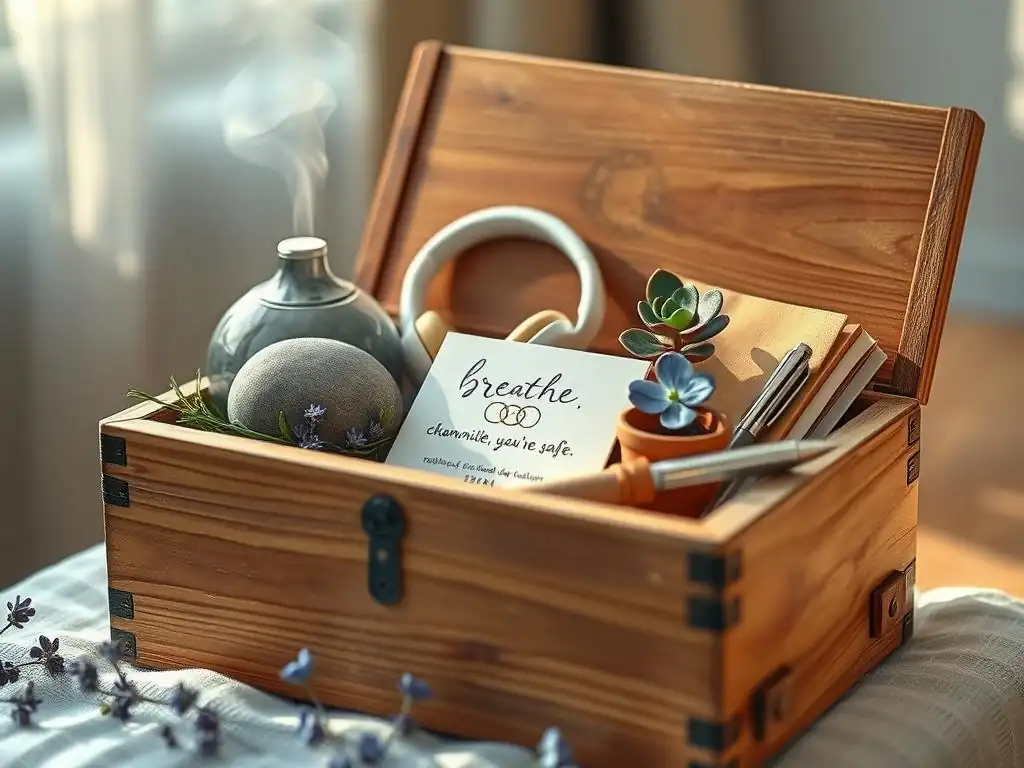
Welcome to Mind Care Guide, your compassionate companion on the journey to mental well-being. Feeling overwhelmed by the sudden surge of panic? You're not alone. This guide offers practical information and resources to help you navigate these challenging moments. Discover how a thoughtfully prepared Panic Attack First Aid Kit can provide immediate relief and empower you to regain control. Let's explore how to build yours, and learn how to find calm amidst the storm.
Panic Attack First Aid Kit: What to Do When Symptoms Hit
- Understanding Panic Attacks and the Need for a First Aid Kit
- Building Your Personalized Panic Attack First Aid Kit: Essential Components
- Using Your Panic Attack First Aid Kit: A Step-by-Step Guide
- Beyond the Kit: Long-Term Strategies for Managing Panic Disorder
- Maintaining Your Panic Attack First Aid Kit: Keeping It Ready for Use
-
Frequently Asked Questions
- What is a Panic Attack First Aid Kit and why is it useful?
- What kind of items should I include in my Panic Attack First Aid Kit?
- How do I use a Panic Attack First Aid Kit effectively?
- Can a Panic Attack First Aid Kit completely stop a panic attack?
- Where can I find resources to help me create my own Panic Attack First Aid Kit?
- Final Reflection: Building Your Resilience Against Panic
- Unleash Your Inner Calm: Take Control of Panic
Understanding Panic Attacks and the Need for a First Aid Kit
What is a Panic Attack? Recognizing the Symptoms
A panic attack is a sudden episode of intense fear that triggers severe physical reactions when there is no real danger or apparent cause. These attacks can be terrifying, often making individuals feel like they are losing control, having a heart attack, or even dying. The onset is typically abrupt, peaking within minutes, and can last anywhere from a few minutes to half an hour or more, though the lingering effects might persist longer.
The symptoms of a panic attack are varied and can differ from person to person, but common manifestations include a racing or pounding heart (palpitations), sweating, trembling or shaking, sensations of shortness of breath or smothering, and feelings of choking. Many people also experience chest pain or discomfort, nausea or abdominal distress, dizziness, lightheadedness, or faintness. Psychological symptoms are prominent, such as feelings of unreality (derealization) or being detached from oneself (depersonalization), fear of losing control or going crazy, and an intense fear of death. Recognizing these signs early is crucial for effective management.
Why a "Panic Attack First Aid Kit" is Essential for Managing Anxiety
Living with the unpredictable nature of panic attacks can be incredibly debilitating, leading to avoidance behaviors and significant distress. A "panic attack first aid kit" serves as a tangible, readily accessible resource designed to provide immediate support and coping tools during an acute episode. It's not a cure, but a practical strategy to help individuals regain a sense of control and reduce the intensity and duration of symptoms when panic strikes unexpectedly.
Having a physical or mental panic attack first aid kit empowers individuals by giving them specific actions they can take when feeling overwhelmed. Instead of feeling helpless, they have a pre-planned set of techniques and items known to be personally soothing and effective. This preparedness can significantly reduce the anticipatory anxiety often associated with the fear of future panic attacks, improving overall quality of life and enabling individuals to navigate potentially triggering situations with greater confidence.
The Importance of Preparedness for Panic Disorder Sufferers
For individuals diagnosed with Panic Disorder, preparedness is a cornerstone of effective management. Panic Disorder is characterized by recurrent, unexpected panic attacks followed by at least a month of persistent concern about having another attack, worry about the implications or consequences of the attack (e.g., losing control, having a heart attack, going crazy), or a significant change in behavior related to the attacks. This constant fear of future attacks (anticipatory anxiety) can be as disabling as the attacks themselves.
Building and utilizing a panic attack first aid kit directly addresses this anticipatory anxiety. Knowing that you have immediate tools at your disposal provides a sense of security and reduces the feeling of vulnerability. Studies and clinical experience suggest that having a concrete plan and resources can decrease the frequency and severity of attacks over time by building self-efficacy and reducing the fear response associated with potential symptoms. It transforms a terrifying, uncontrollable event into a challenge that can be managed with prepared strategies.
Building Your Personalized Panic Attack First Aid Kit: Essential Components
Grounding Techniques: Your First Line of Defense Against Panic
Grounding techniques are powerful tools in a panic attack first aid kit because they help anchor you to the present moment and distract from overwhelming thoughts and physical sensations. They redirect your focus away from internal fear signals and towards the external environment or simple, physical actions. These techniques are often the first step recommended during an acute attack.
Implementing grounding exercises can interrupt the escalating cycle of fear. For example, focusing on sensory details or controlled breathing brings you back to reality, counteracting the feelings of derealization or depersonalization common during panic. The goal is to shift your attention from the "what if" scenarios playing out in your mind to the "what is" happening right now, using your body and senses as anchors.
Breathing Exercises for Panic Relief: A Key Tool
Controlled breathing is perhaps the most fundamental technique in any panic attack first aid kit. During panic, breathing often becomes rapid and shallow (hyperventilation), which can exacerbate physical symptoms like dizziness and shortness of breath, creating a vicious cycle of anxiety. Slow, deep breathing helps regulate the body's stress response.
A common and effective method is diaphragmatic or belly breathing. Inhale slowly through your nose, feeling your abdomen expand, count to four. Hold for a moment, then exhale slowly through your mouth, counting to six or seven, allowing your abdomen to fall. Repeating this pattern for just a few minutes can slow your heart rate, reduce dizziness, and calm your nervous system. Many find practicing this technique regularly, even when not anxious, makes it easier to employ during an attack.
The 5-4-3-2-1 Grounding Technique: An Immediate Calming Strategy
The 5-4-3-2-1 technique is a popular sensory grounding exercise that quickly pulls you out of your head and into your surroundings. It's a structured way to engage each of your five senses sequentially, helping to anchor you firmly in the present moment and disrupt the panic cycle. This is a vital component of any panic attack first aid kit.
To use it, simply identify:
- 5 things you can see around you.
- 4 things you can touch or feel.
- 3 things you can hear.
- 2 things you can smell.
- 1 thing you can taste.
Focusing intently on these specific sensory details requires concentration, diverting mental energy away from anxious thoughts and physical sensations associated with the panic attack.
Using Sensory Tools: Engaging Your Senses to Reduce Anxiety
Beyond the 5-4-3-2-1 method, incorporating specific sensory items into your panic attack first aid kit can provide direct grounding support. These are tangible objects that offer strong sensory input to help you focus externally. Examples include a smooth stone to hold and rub, a piece of strong-smelling essential oil on a cloth, or a small, interesting texture to feel.
The tactile sensation of holding and focusing on an object can be incredibly grounding. Similarly, a strong, pleasant scent can immediately grab your attention and provide a point of focus outside of your internal distress. These sensory tools act as anchors, providing a reliable physical connection to reality during moments of intense disassociation or fear.
Comfort Items: Providing a Sense of Security During an Attack
Comfort items are personal objects included in your panic attack first aid kit that evoke feelings of safety, warmth, or familiarity. These items aren't about distraction in the same way grounding techniques are, but rather about providing a sense of emotional security and soothing during a vulnerable moment. They tap into personal associations with calm and well-being.
The presence of a comfort item can be incredibly reassuring. It acts as a tangible reminder that you are okay, or that you have resources available to help you through the difficulty. Choosing items that hold positive meaning or provide a specific type of sensory comfort is key to their effectiveness in reducing the intensity of panic symptoms.
Aromatherapy for Anxiety: The Power of Calming Scents
Certain scents have been shown to have calming effects on the nervous system, making aromatherapy a valuable addition to a panic attack first aid kit. Lavender is perhaps the most well-known, with research suggesting it can reduce anxiety levels and promote relaxation. Other popular choices include chamomile, bergamot, and peppermint (which can also help with nausea).
You can include a small rollerball of essential oil, a sachet with dried herbs, or a small cloth with a few drops of oil. When feeling panic symptoms, inhaling the scent deeply can provide a moment of sensory focus and trigger a relaxation response. A 2017 review of studies, for instance, indicated that inhaling lavender oil demonstrated positive effects in reducing anxiety symptoms in various populations.
Weighted Blanket or Small Object: Sensory Comfort and Grounding
While a full-sized weighted blanket isn't practical for a portable panic attack first aid kit, a smaller weighted object or even a dense, heavy stone can provide similar benefits through deep pressure stimulation. Deep pressure has a calming effect on the nervous system, similar to a hug or swaddling, which can help reduce feelings of agitation and anxiety.
Even a small, heavy item in your hand can provide a grounding sensation and a source of tactile comfort. For use at home, a small weighted lap pad or shoulder wrap can be kept nearby as part of a home-based panic attack kit. This type of sensory input can help interrupt the feeling of being out of control and provide a soothing, steady presence.
Familiar Photos or Mementos: Anchoring You to Reality
Including small, familiar items like cherished photos of loved ones, a special piece of jewelry, or a small memento in your panic attack first aid kit can provide a powerful emotional anchor. These items connect you to positive memories, people, and places, counteracting the feelings of isolation and unreality that can accompany a panic attack.
Looking at a photo of your family or holding a gift from a friend can remind you of your support system and your life outside of the panic experience. This connection to your identity and relationships serves as a powerful reminder that the panic is temporary and that you are grounded in a reality beyond the immediate fear.
Cognitive Tools: Reframing Anxious Thoughts
Panic attacks are often fueled by catastrophic thinking and distorted perceptions of danger. Cognitive tools included in your panic attack first aid kit are designed to help you challenge these thought patterns and introduce more balanced perspectives. These techniques empower you to actively engage with your thoughts rather than being consumed by them.
By having pre-prepared statements or strategies to address negative self-talk and irrational fears, you can interrupt the cycle where thoughts escalate physical symptoms, and vice versa. This part of the kit focuses on equipping you with mental strategies to regain control over your internal dialogue during moments of intense fear.
Affirmation Cards: Challenging Negative Thinking Patterns
Small cards with pre-written, positive affirmations or coping statements can be incredibly useful. During a panic attack, negative thoughts like "I'm going to die" or "I can't handle this" are common. Affirmation cards provide counter-statements such as "This feeling is temporary," "I am safe," "I can get through this," or "I am having a panic attack, and I know how to cope."
Reading these statements aloud or silently can help challenge the automatic negative thoughts and introduce a sense of perspective. It's a way of reminding yourself of your coping abilities and the temporary nature of the panic, essentially talking yourself through the crisis with pre-approved, supportive language.
Thought Diary: Tracking and Managing Anxious Thoughts
While a full thought diary might be too complex during an acute attack, a simplified version or prompt card in your panic attack first aid kit can be helpful. This could include prompts like: "What triggered this feeling?" "What thoughts are going through my head?" "What's the evidence for/against this thought?" and "What's a more realistic thought?"
Even just the act of writing down a few key thoughts can create distance from them and make them feel less overwhelming. It shifts you from being in the panic to observing it, which is a crucial step in regaining control. Over time, reviewing these entries can also help you identify patterns in your triggers and thought distortions.
Distraction Techniques: Shifting Focus Away from Panic
Distraction is a simple yet effective cognitive tool. By shifting your focus entirely away from the internal experience of panic and onto an external task, you can interrupt the feedback loop between fear and symptoms. The key is to engage in something that requires some level of concentration but isn't overly complex during distress.
Examples for your kit could include a small puzzle, a list of categories to mentally list items within (e.g., "name 10 blue things"), a complex pattern to trace with your finger, or even a simple game on your phone (if accessible). The goal is to occupy your mind just enough to break the panic's hold.
Practical Items: Addressing Physical Symptoms
Panic attacks often manifest with distressing physical symptoms. Including a few practical items in your panic attack first aid kit can help alleviate some of these bodily sensations, making the experience slightly more manageable and less frightening. These items directly address physical discomfort.
While not a substitute for medical evaluation if symptoms are severe or new, having these items readily available can provide comfort and address specific physical manifestations that might be particularly bothersome or triggering during an attack.
Water: Staying Hydrated During a Panic Attack
Panic and anxiety can sometimes lead to dry mouth or a feeling of being parched. Having a small bottle of water in your panic attack first aid kit provides a simple, immediate physical comfort. Sipping water can also provide a moment of grounding and a physical action to focus on.
Staying hydrated is generally good for overall well-being and can help manage stress responses. The act of taking a slow sip of water can also help regulate breathing slightly and provide a brief pause during the intensity of the attack.
Ginger Candy or Mints: Soothing Nausea and Dizziness
Nausea and dizziness are common, unpleasant physical symptoms of panic attacks. Including a few ginger candies or strong mints in your kit can help alleviate these sensations. Ginger is well-known for its anti-nausea properties, and the strong sensation of mint can be grounding and distracting.
Having something to suck on or chew can also be a simple physical action that provides a sense of control and a minor distraction from the panic. It addresses a specific physical discomfort directly and can make the attack slightly less physically distressing.
Medication (If Prescribed): Keeping Your Medication Readily Available
If a healthcare professional has prescribed medication for acute anxiety or panic attacks (like a fast-acting benzodiazepine), it is crucial to keep a small, easily accessible supply in your panic attack first aid kit. Follow your doctor's instructions precisely regarding when and how to use it.
For many, simply knowing the medication is there can reduce anticipatory anxiety. If used as prescribed, it can significantly reduce the severity and duration of an attack. Always consult with a doctor about medication options and usage; self-medication is not recommended.
Using Your Panic Attack First Aid Kit: A Step-by-Step Guide
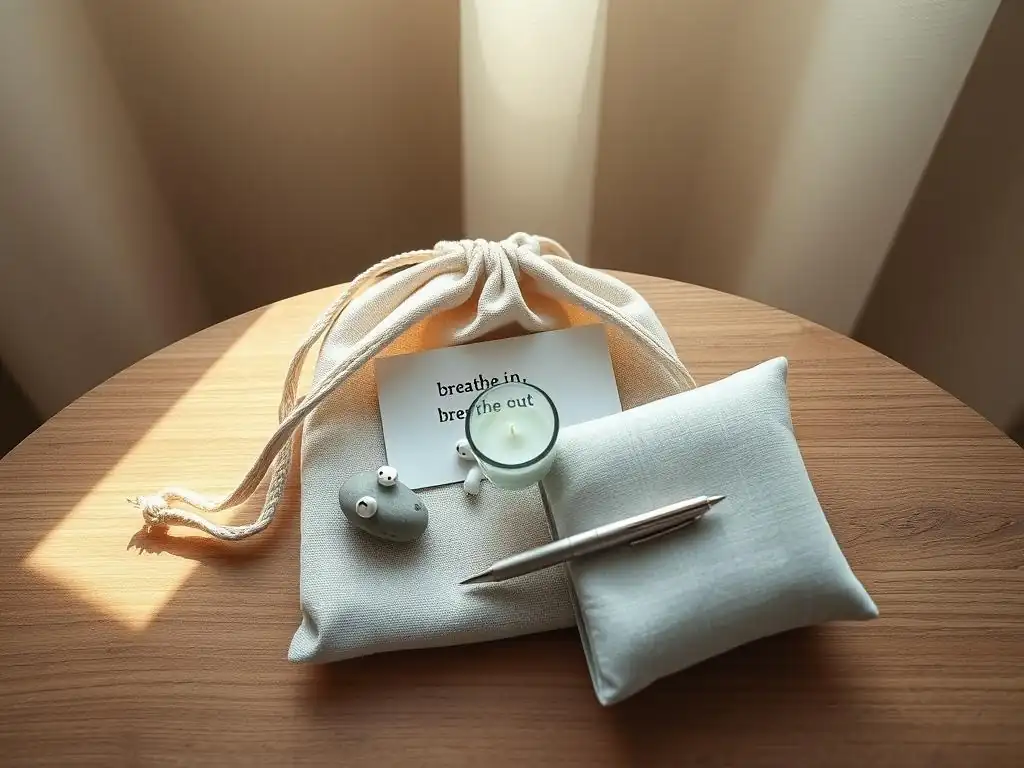
Using your panic attack first aid kit isn't about rigidly following a sequence, but having options available to try. This guide offers a potential flow for accessing and utilizing the components when symptoms begin to emerge. Practice using the kit when you're calm so it feels natural during distress.
Think of these steps as a menu of options you can select from based on how you are feeling in the moment. The key is to engage with something from the kit rather than feeling paralyzed by the panic.
Step 1: Recognizing the Onset of a Panic Attack
The first step is awareness. Learn to identify your personal early warning signs of a panic attack. These might be subtle physical sensations (like a knot in your stomach or slight lightheadedness), specific thoughts (like sudden worry about a situation), or emotional shifts (like feeling inexplicably uneasy).
Early recognition allows you to intervene sooner, potentially lessening the severity of the attack. Pay attention to your body and mind, and acknowledge the possibility that what you're feeling might be the start of panic, not a physical health crisis.
Step 2: Accessing Your Panic Attack First Aid Kit
As soon as you recognize the potential onset, if possible and safe, make your way to where your panic attack first aid kit is located. Having it in a consistent, easily accessible place (like your bag, desk drawer, or a specific shelf at home) is crucial.
Simply reaching for the kit can be a grounding action in itself, signaling to your brain that you are moving into coping mode. If a physical kit isn't accessible (e.g., you're driving), mentally run through the techniques you've included in your mental panic attack kit.
Step 3: Implementing Grounding Techniques
Once you have your kit, start with grounding techniques. Often, controlled breathing is the most immediate and effective first step. Find a quiet spot if possible, sit down, and focus on your breath using a technique like 4-7-8 breathing.
If breathing feels difficult, shift to sensory grounding like the 5-4-3-2-1 method or holding a sensory object from your kit. Engage your senses fully – feel the texture of the object, notice the colors around you, listen to distant sounds. The goal is to pull your awareness firmly into the present physical reality.
Step 4: Utilizing Comfort Items for Soothing
As you continue grounding, introduce a comfort item. This could be smelling a calming essential oil, holding a weighted object, or looking at a comforting photo. These items provide a layer of emotional support and sensory reassurance.
Combine comfort items with grounding; for instance, practice deep breathing while smelling lavender or holding a smooth stone. These items reinforce the feeling of safety and can help lower your overall distress level.
Step 5: Employing Cognitive Tools to Reframe Thoughts
While using grounding and comfort items, or after you feel slightly more stable, engage with your cognitive tools. Read your affirmation cards aloud or silently. Challenge catastrophic thoughts by asking yourself what the evidence really is. Use a simple distraction technique if your thoughts are racing uncontrollably.
Remember, you don't have to believe the positive affirmations immediately, but the act of stating them and challenging negative thoughts introduces a different perspective and weakens the hold of the panic-driven mindset.
Step 6: Addressing Physical Symptoms with Practical Items
Finally, use practical items as needed. Sip water if you have a dry mouth. Have a ginger candy or mint if you feel nauseous or dizzy. If prescribed, take your medication according to your doctor's instructions.
Addressing these physical discomforts can make the overall experience less intense and help prevent symptoms from escalating further. Once the peak of the panic subsides, continue using calming techniques and allow yourself time to recover.
Beyond the Kit: Long-Term Strategies for Managing Panic Disorder
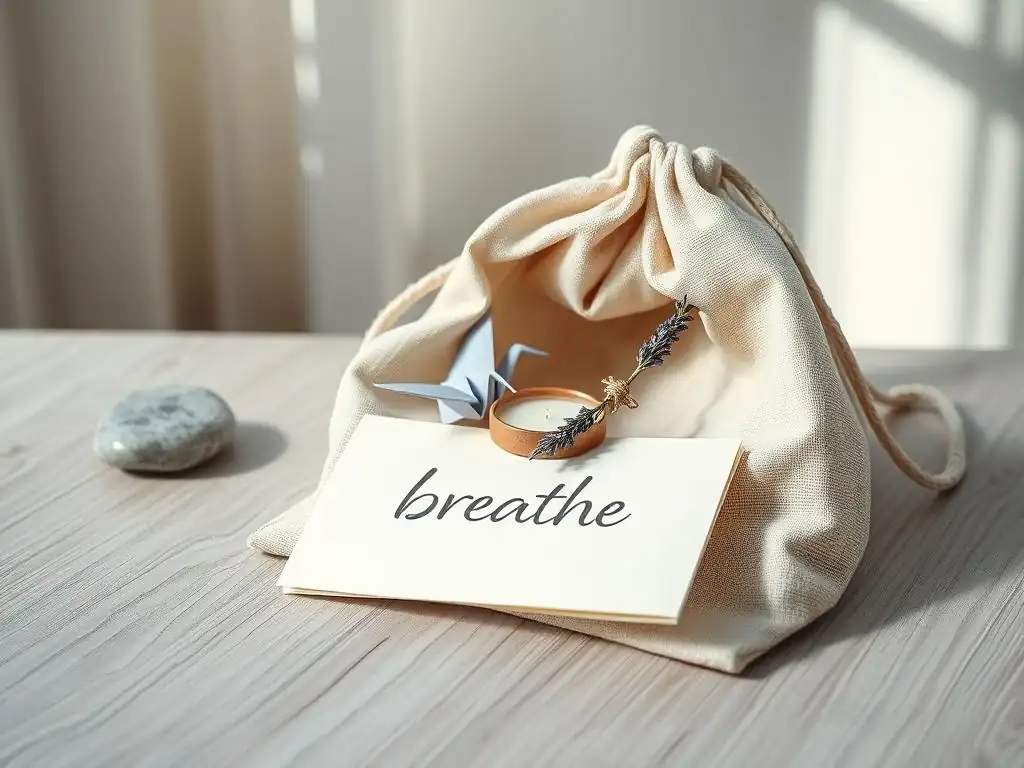
While a panic attack first aid kit is an invaluable tool for managing acute episodes, it is most effective when integrated into a broader, long-term strategy for addressing panic disorder and anxiety. Relying solely on the kit without addressing underlying causes and developing sustainable coping mechanisms may limit progress.
Effective long-term management involves professional support, lifestyle adjustments, and building a strong personal support network. These strategies work together to reduce the frequency and severity of panic attacks over time, rather than just reacting when they occur.
Seeking Professional Help: Therapy and Medication Options
One of the most effective long-term strategies is seeking professional help from mental health experts. Cognitive Behavioral Therapy (CBT), specifically Panic-Focused CBT, is highly recommended and has significant empirical support. It teaches individuals to understand panic, identify triggers, challenge fearful thoughts, and gradually confront feared situations and physical sensations in a safe environment (exposure therapy). Studies consistently show CBT can lead to a 70-90% reduction in panic attack frequency and severity.
Medication, such as selective serotonin reuptake inhibitors (SSRIs) or serotonin-norepinephrine reuptake inhibitors (SNRIs), may also be prescribed, often in combination with therapy. These medications can help regulate brain chemistry related to anxiety and panic, reducing the likelihood and intensity of attacks. A psychiatrist or physician can discuss appropriate options based on individual needs and medical history.
Lifestyle Changes: Reducing Stress and Promoting Well-being
Adopting healthy lifestyle habits can significantly impact anxiety levels and resilience to panic. Chronic stress can exacerbate anxiety and increase the likelihood of panic attacks. Implementing stress-reduction techniques and focusing on overall well-being builds a stronger foundation for managing panic disorder.
These changes are not quick fixes but contribute to a healthier mind and body over time, making you less susceptible to the triggers of panic. They complement the acute coping strategies found in your panic attack first aid kit.
Regular Exercise: The Benefits for Anxiety Reduction
Engaging in regular physical activity is a powerful tool for reducing anxiety. Exercise releases endorphins, natural mood boosters, and can help dissipate physical tension. Aerobic exercise, such as brisk walking, running, swimming, or cycling, performed for at least 30 minutes most days of the week, has been shown in numerous studies to reduce overall anxiety symptoms.
Even moderate activity helps. The physical exertion can also provide a healthy outlet for the nervous energy that often accompanies anxiety and panic. Incorporating movement into your routine builds physical and mental resilience.
Mindfulness and Meditation: Cultivating Inner Peace
Mindfulness and meditation practices teach you to stay present and observe your thoughts and feelings without judgment. Regular practice can help you become more aware of early anxiety signals without reacting with fear, a key skill for managing panic.
Even short daily sessions (5-10 minutes) can increase your ability to tolerate uncomfortable sensations and thoughts, reducing the power they hold over you. Research indicates that consistent mindfulness practice can lead to structural changes in the brain associated with reduced anxiety reactivity.
Healthy Diet: Fueling Your Body and Mind
Nutrition plays a role in mental health. A balanced diet rich in whole foods, fruits, vegetables, lean proteins, and healthy fats supports overall brain function and mood regulation. Avoiding excessive caffeine, sugar, and processed foods, which can sometimes trigger or worsen anxiety symptoms, is also important.
Proper hydration (beyond just a sip from your kit during an attack) is also crucial. Fueling your body with nutrient-dense foods provides the stable energy needed to manage stress and anxiety effectively.
Building a Support System: Connecting with Others Who Understand
Feeling isolated can worsen anxiety and panic. Building a strong support system of understanding friends, family, or support groups is vital. Sharing your experiences with people who listen empathetically can reduce feelings of shame and provide encouragement.
Connecting with others who have similar experiences, perhaps through a local or online panic disorder support group, can be especially validating. Hearing how others cope and sharing your own journey fosters a sense of community and provides practical advice and emotional reassurance.
Maintaining Your Panic Attack First Aid Kit: Keeping It Ready for Use
Your panic attack first aid kit is a dynamic tool. To ensure it's effective when you need it most, it requires occasional review and maintenance. Just like a medical first aid kit, its contents and your knowledge of how to use them should be kept current and relevant to your needs.
Regular upkeep ensures that your kit remains a reliable source of support and doesn't become outdated or forgotten. This process also serves as a reminder of your commitment to managing your anxiety and panic.
Regularly Reviewing and Replenishing Supplies
Set a reminder, perhaps every few months, to check your panic attack first aid kit.
- Check expiration dates on any medication or perishable items like ginger candy.
- Ensure items like essential oils still have a strong scent.
- Confirm that affirmation cards or thought prompts are still relevant and helpful.
- Replenish any items you've used.
Keeping the kit fully stocked and ready prevents the added stress of finding missing items during an attack. This simple step ensures that your resource is genuinely available when panic symptoms hit.
Adapting Your Kit to Your Evolving Needs
Your anxiety and coping strategies may evolve over time. What was helpful initially might become less so, or you might discover new techniques that work better for you. Your panic attack first aid kit should adapt accordingly.
Consider adding new sensory items you find soothing, updating your affirmation cards as your self-understanding grows, or incorporating a new breathing technique you've learned. Reflect on what has been most effective during past episodes and adjust the kit to reflect your current needs and strengths.
If you feel comfortable, consider sharing the contents and purpose of your panic attack first aid kit with close family members or trusted friends. Explain what a panic attack feels like for you and how the items in the kit help.
Educating your support system empowers them to understand what you're going through and how they might assist you during an attack, if you wish for their support. This can reduce their own anxiety and feelings of helplessness and strengthen your support network.
Frequently Asked Questions
What is a Panic Attack First Aid Kit and why is it useful?
A Panic Attack First Aid Kit is a collection of tools and techniques designed to help manage panic attack symptoms. It's useful because it provides immediate access to calming strategies when you need them most. It promotes a sense of control and preparedness.
What kind of items should I include in my Panic Attack First Aid Kit?
Your kit should include items that ground you and promote relaxation. Consider sensory items like essential oils or a stress ball, coping statements, and breathing exercise guides. Contact information for support networks is also essential.
How do I use a Panic Attack First Aid Kit effectively?
Familiarize yourself with the contents before an attack. When an attack begins, choose an item or technique from the kit and actively engage with it. Focus on grounding yourself in the present moment.
Can a Panic Attack First Aid Kit completely stop a panic attack?
While it might not always stop an attack entirely, it can significantly reduce the intensity and duration. It is a tool to manage symptoms and regain control. It can be a valuable part of a broader treatment plan.
Where can I find resources to help me create my own Panic Attack First Aid Kit?
Websites like Mind Care Guide offer information and resources. Search for articles on grounding techniques, coping strategies, and breathing exercises. Consult with a mental health professional for personalized recommendations.
Final Reflection: Building Your Resilience Against Panic
The information presented in this article is not just a theoretical guide; it's a vital resource for navigating the very real and often debilitating experience of a panic attack. Understanding the physiological and psychological components of a panic attack, and having a readily available "first aid kit" of coping mechanisms, is crucial for reclaiming control and building resilience in the face of overwhelming anxiety. This knowledge empowers individuals to actively manage their symptoms and prevent escalation.
The impact of panic attacks extends far beyond the immediate experience; they can significantly shape an individual's life, impacting relationships, work performance, and overall well-being. The pervasive nature of anxiety in modern society underscores the importance of accessible and effective coping strategies. Anxiety is the dizziness of freedom.
– Soren Kierkegaard. This quote highlights the paradoxical nature of anxiety – a feeling often born from the very possibilities and choices that life offers. Learning to manage panic attacks is not about eliminating anxiety entirely, but about navigating it with grace and self-compassion.
You now possess a toolkit to better manage your panic. Remember, building resilience is a journey, not a destination. Take time to reflect on the strategies discussed, practice them regularly, and don't hesitate to seek professional support if needed. Your mental health is invaluable, and equipping yourself with the knowledge and tools to navigate challenging moments is an act of self-love and empowerment. Start building your personal "first aid kit" today, and remember you are not alone in this journey.
Unleash Your Inner Calm: Take Control of Panic
Thanks for taking the time to learn about managing panic attacks. You've now got valuable tools to navigate those challenging moments. Let's put this knowledge into action!
- Prioritize your self-care routine: Identify 3 small, manageable actions you can incorporate daily to reduce stress and anxiety. This might be a short walk, deep breathing exercises, or simply setting aside time for a relaxing activity. This is your primary action – make it a habit!
- Share this knowledge: Help someone else who might be struggling. Simply sharing this article could make a world of difference.
- Explore relaxation techniques: Try a guided meditation or mindfulness exercise – there are tons of free resources available online. Experiment to find what works best for you.
Ready to build your personal panic attack prevention plan? What's one small step you can take today to enhance your well-being?