
When Pressure Becomes Panic: Recognizing Severe Athlete Anxiety


Welcome to Mind Care Guide, your trusted companion on the journey to mental well-being.
Feeling the weight of expectation? It's more common than you think, especially when striving for excellence. We understand the unique pressures athletes face, and in this article, we delve into the crucial aspects of athlete anxiety panic recognition. Uncover the signs, learn effective coping strategies, and discover how to support yourself or a teammate through challenging times. Ready to take the first step towards understanding and managing anxiety in sports? Let's begin.
When Pressure Becomes Panic: Recognizing Severe Athlete Anxiety
- Understanding Athlete Anxiety and Panic Attacks
- Identifying the Signs of Severe Anxiety in Athletes
- Triggers and Risk Factors for Athlete Anxiety and Panic
- Distinguishing Between Anxiety and Panic: A Crucial Difference
- Strategies for Athlete Anxiety Panic Recognition and Management
- The Long-Term Impact of Untreated Athlete Anxiety Panic
- Creating a Supportive Environment for Athletes
- Conclusion: Empowering Athletes to Recognize and Address Anxiety Panic
-
Frequently Asked Questions
- How can I tell the difference between normal pre-game jitters and severe anxiety in an athlete?
- What are some common triggers for athlete anxiety panic recognition, especially leading to panic attacks?
- What resources are available for athletes experiencing athlete anxiety panic recognition?
- How does recognizing athlete anxiety panic early benefit the athlete in the long run?
- What role do coaches and teammates play in athlete anxiety panic recognition and support?
- Final Reflection: Finding Calm in the Storm of Athletic Pressure
- Unleash Your Peak Performance: Conquer Athlete Anxiety
Understanding Athlete Anxiety and Panic Attacks
Defining Athlete Anxiety: Beyond Normal Pre-Competition Nerves
Athlete anxiety is a distinct mental state experienced by individuals engaged in sports, characterized by feelings of worry, apprehension, and nervousness related to performance, competition, or training. While a certain level of arousal or "pre-competition jitters" is normal and can even enhance performance by increasing focus and energy, athlete anxiety becomes problematic when it is excessive, persistent, and significantly impairs functioning or causes distress. This differs fundamentally from the healthy excitement or focus many athletes feel.
This heightened state of worry often goes beyond the typical stress response. For example, a study focusing on collegiate athletes might find that while 80-90% report some level of pre-game nervousness, a smaller, yet significant, proportion—perhaps 15-20% in some sports known for high individual pressure like gymnastics or swimming—experience anxiety symptoms severe enough to impact their well-being or performance. Recognizing athlete anxiety at this level is the crucial first step toward effective intervention.
Panic Attacks in Athletes: A Distinct and Debilitating Experience
Panic attacks represent a sudden surge of intense fear or discomfort that reaches a peak within minutes, accompanied by a range of physical and psychological symptoms. For athletes, these episodes can occur unexpectedly, even during routine activities, but are often triggered by high-pressure situations, perceived failure, or the anticipation of competition. Unlike generalized athlete anxiety, which can be a more chronic state of worry, a panic attack is an acute, overwhelming event.
The experience of a panic attack is profoundly debilitating. An athlete in the midst of a panic attack might feel an impending sense of doom, loss of control, or even believe they are having a heart attack. While general anxiety might manifest as constant worry about performance, a panic attack is an abrupt, terrifying episode that can leave the athlete shaken and fearful of recurrence. Understanding this distinction is vital for accurate athlete anxiety panic recognition.
Identifying the Signs of Severe Anxiety in Athletes
Physical Symptoms of Athlete Anxiety Panic
Severe athlete anxiety and panic manifest through a variety of physical symptoms, often triggered by the body's fight-or-flight response becoming hypersensitive. These symptoms can be particularly alarming for athletes who are highly attuned to their physical state, sometimes leading to fears of underlying medical conditions.
Recognizing athlete anxiety panic often starts with observing these physical cues. They are not merely "nerves" but intense bodily reactions that signal a significant level of distress. The presence of several of these symptoms, especially when recurrent or severe, warrants closer attention and potential professional evaluation.
Chest Pain and Heart Palpitations During High-Pressure Situations
One of the most frightening physical symptoms of severe athlete anxiety and panic is the sensation of chest pain or tightness, often accompanied by rapid, pounding, or fluttering heartbeats (palpitations). This can be particularly distressing during competition or intense training, as it can mimic cardiac issues.
An athlete might describe feeling like their heart is "racing out of control" or "skipping beats." This physical response is a direct result of the sympathetic nervous system overdrive associated with severe anxiety or panic. For example, a runner preparing for a major race might experience sudden, intense palpitations and chest tightness just before the start, leading them to fear they cannot compete safely.
Shortness of Breath and Hyperventilation in Athletes
Feeling unable to get enough air, experiencing shortness of breath (dyspnea), or hyperventilating are common physical signs of severe athlete anxiety. This can lead to dizziness, lightheadedness, and a feeling of suffocation, further intensifying the panic.
During moments of intense anxiety, the breathing pattern often becomes rapid and shallow. An athlete under extreme pressure, perhaps during a critical play or match point, might suddenly feel breathless and start hyperventilating, which can impair their focus and physical capacity. This struggle for air is a key indicator for athlete anxiety panic recognition.
Gastrointestinal Distress Related to Anxiety
Anxiety has a profound impact on the digestive system, and athletes experiencing severe anxiety or panic may suffer from significant gastrointestinal distress. Symptoms can include nausea, vomiting, diarrhea, stomach cramps, and a feeling of "butterflies" that is far more intense than typical nervousness.
These symptoms can occur before or even during competition, forcing athletes to withdraw or perform poorly. For instance, a swimmer might experience sudden, severe nausea and stomach cramps just before their event, making it impossible to compete effectively. This physical manifestation is a tangible sign of the body reacting to overwhelming psychological stress.
Psychological Symptoms of Athlete Anxiety Panic
Beyond the physical, severe athlete anxiety and panic attacks are characterized by profound psychological disturbances. These symptoms affect an athlete's thoughts, emotions, and perception of reality, often leading to significant distress and impaired mental function crucial for performance.
Understanding these psychological markers is essential for accurate athlete anxiety panic recognition. They reveal the internal turmoil an athlete is experiencing, which may not always be outwardly visible but is deeply impacting their ability to perform and enjoy their sport.
Intense Fear and Dread Before or During Competition
A hallmark psychological symptom is an overwhelming sense of intense fear, dread, or terror, often disproportionate to the actual situation. This fear can be focused on specific outcomes, failure, injury, or simply the experience of the anxiety itself.
This isn't just pre-game jitters; it's a paralyzing fear that can make stepping onto the field, court, or track feel impossible. An athlete known for their composure might suddenly be plagued by intrusive thoughts of failure and an intense feeling of impending doom before a critical game, signaling severe athlete anxiety.
Feeling of Detachment or Unreality (Derealization/Depersonalization)
During a panic attack or severe anxiety episode, some athletes may experience feelings of detachment from their surroundings (derealization) or from themselves (depersonalization). The world might seem unreal, distant, or foggy, or they might feel like they are observing themselves from outside their body.
This disorienting symptom adds another layer of distress and confusion. An athlete performing a complex routine might suddenly feel disconnected from their body or their environment, making it difficult to execute movements accurately and increasing the sense of losing control, a key aspect of athlete anxiety panic.
Catastrophic Thinking and Exaggerated Negative Appraisals
Severe anxiety often fuels catastrophic thinking, where the athlete anticipates the worst possible outcome in every scenario. Minor mistakes are magnified, and potential challenges are viewed as insurmountable disasters. They may engage in exaggerated negative appraisals of their abilities, the situation, or the potential consequences of failure.
For example, missing one shot might lead an athlete to believe they are a complete failure and will never perform well again. This distorted thinking pattern is a significant component of severe athlete anxiety, driving intense fear and contributing to the likelihood of panic attacks. Recognizing these thought patterns is vital for athlete anxiety panic recognition.
Behavioral Changes Indicating Athlete Anxiety Panic
Severe athlete anxiety and panic attacks often lead to noticeable changes in an athlete's behavior. These changes are often coping mechanisms, conscious or unconscious, aimed at avoiding the situations that trigger anxiety or managing the overwhelming feelings.
These behavioral shifts can significantly impact training, performance, and relationships. Observing these changes is critical for coaches, teammates, and family members involved in athlete anxiety panic recognition.
Avoidance of Training or Competition
One of the most significant behavioral indicators of severe athlete anxiety is avoidance. Athletes may start missing practices, making excuses to skip competitions, or even withdraw from the sport altogether. This avoidance is driven by the intense fear of experiencing anxiety symptoms or panic attacks in triggering situations.
An athlete who once loved competing might suddenly find reasons to sit out games or reduce their training intensity drastically. For instance, a swimmer who experienced a panic attack during a race might start avoiding the pool or faking illness to miss meets, illustrating the powerful impact of athlete anxiety panic.
Decline in Performance and Increased Errors
Despite physical readiness, athletes with severe anxiety often experience a decline in performance. The psychological burden impairs focus, decision-making, coordination, and execution of skills. They may make uncharacteristic errors, appear hesitant, or struggle with tasks they once found easy.
The pressure to perform well while battling internal anxiety creates a significant handicap. A basketball player known for high accuracy might see their free throw percentage drop dramatically under pressure, not due to lack of skill, but due to the debilitating effects of severe athlete anxiety impacting their concentration and muscle control.
Increased Irritability and Emotional Outbursts
The constant stress and internal struggle associated with severe anxiety can lead to increased irritability, frustration, and emotional volatility. Athletes may become withdrawn, snap at teammates or coaches, or have uncharacteristic emotional outbursts after training or competition.
This change in temperament reflects the immense energy and emotional toll of managing severe anxiety. An athlete who is normally calm and composed might become noticeably on edge, reacting negatively to minor setbacks or criticism, indicating the presence of significant underlying distress and requiring athlete anxiety panic recognition.
Triggers and Risk Factors for Athlete Anxiety and Panic
Severe athlete anxiety and panic attacks don't emerge in a vacuum. They are often precipitated by specific triggers and are more likely to occur in individuals with certain risk factors. Identifying these can help in prevention and early intervention.
Understanding what situations or internal states make an athlete vulnerable is key to recognizing and addressing the root causes of athlete anxiety panic.
Performance Pressure and Expectations as a Major Trigger
The inherent pressure to perform at a high level is perhaps the most common trigger for athlete anxiety. This pressure can come from coaches, parents, teammates, the media, or, often most powerfully, from the athlete themselves. The expectation of consistently achieving specific results, winning, or exceeding previous performances creates fertile ground for anxiety.
For example, a young gymnast who has consistently medaled might feel immense pressure to maintain that streak, leading to crippling anxiety before each competition. This external and internal pressure cooker is a primary driver of severe athlete anxiety in competitive environments.
Fear of Failure and Negative Evaluation
A deep-seated fear of failure and negative evaluation is a significant risk factor and trigger. Athletes who tie their self-worth heavily to their athletic success may experience intense anxiety at the prospect of not meeting standards, making mistakes, or being judged negatively by others.
The thought of "letting everyone down" or being seen as "not good enough" can be terrifying. A football quarterback, for instance, might be constantly plagued by the fear of throwing an interception or losing a game, leading to significant anxiety that can peak into panic during critical moments.
History of Injury and Rehabilitation
Athletes who have experienced significant injuries and gone through challenging rehabilitation are often at higher risk for anxiety. The fear of re-injury, the pressure to return to previous form, and the time away from the sport can all contribute to heightened anxiety levels.
Returning to competition after a major injury, such as an ACL tear, can be fraught with anxiety. An athlete might worry excessively about whether their body will hold up, if they've lost their edge, or if they can handle the physical demands without pain, making them vulnerable to athlete anxiety panic.
Sleep Deprivation and Poor Nutrition
Physical factors like chronic sleep deprivation and poor nutrition can significantly exacerbate anxiety symptoms and increase the likelihood of panic attacks. The body's ability to regulate stress hormones and maintain emotional balance is compromised when these basic needs are not met.
An athlete training intensely while consistently getting only 4-5 hours of sleep per night and relying on processed foods may find their baseline anxiety levels rising. This physical strain makes the nervous system more reactive to stress, increasing susceptibility to severe athlete anxiety and panic episodes.
Distinguishing Between Anxiety and Panic: A Crucial Difference

While related, anxiety and panic are not the same. Understanding the nuances is vital for accurate athlete anxiety panic recognition and effective intervention strategies. Anxiety can be a persistent state, while panic is an acute event.
This distinction informs how symptoms are interpreted and the type of support or treatment that might be most beneficial for the athlete.
The Intensity and Sudden Onset of Panic Attacks
The most defining characteristic of a panic attack is its sudden onset and extreme intensity. Unlike the gradual build-up of generalized anxiety, a panic attack strikes abruptly, often "out of the blue," and the symptoms reach a peak within minutes.
The physical and psychological symptoms during a panic attack are far more severe and overwhelming than typical anxiety. An athlete experiencing generalized anxiety might feel worried for hours before a game, but a panic attack could hit them with terrifying force just as they are about to step onto the field, completely incapacitating them for a brief period.
The Role of Cognitive Distortions in Exacerbating Anxiety
Both anxiety and panic are fueled by cognitive distortions – irrational or inaccurate ways of thinking. However, in panic attacks, these distortions often become extreme and catastrophic, leading to misinterpretations of bodily sensations as life-threatening events (e.g., interpreting palpitations as a heart attack).
An athlete with generalized anxiety might worry excessively about potential mistakes, but an athlete experiencing panic might interpret a slight increase in heart rate as a sign they are about to collapse or lose control completely. These extreme cognitive distortions amplify the physical symptoms and drive the intense fear characteristic of panic.
Differentiating Generalized Anxiety from Panic Disorder
Generalized Anxiety Disorder (GAD) is characterized by persistent, excessive worry about various aspects of life, including sports performance, for at least six months. Panic Disorder, on the other hand, is diagnosed when an individual experiences recurrent, unexpected panic attacks and is persistently worried about having more attacks or changes their behavior to avoid them.
An athlete might experience GAD related to their sport, constantly worrying about training, performance, and future success. They might also develop Panic Disorder if they start having unexpected panic attacks during practice or competition and subsequently develop a fear of those situations, leading to avoidance behaviors. Recognizing the specific pattern of symptoms helps in accurate diagnosis and tailoring support for athlete anxiety panic.
Strategies for Athlete Anxiety Panic Recognition and Management
Effective management of severe athlete anxiety and panic requires a multi-faceted approach, beginning with accurate recognition. Once identified, various strategies can help athletes understand their symptoms, develop coping mechanisms, and regain control.
Empowering athletes with tools and resources is crucial for navigating these challenges and preventing long-term negative impacts. These strategies range from self-help techniques to professional intervention.
Self-Assessment Tools and Questionnaires for Athletes
Several self-assessment tools and questionnaires are available that athletes can use to gain insight into their anxiety levels and specific symptoms. While not a substitute for professional diagnosis, these tools can help athletes identify patterns and severity of their anxiety.
Examples include modified versions of the Sport Anxiety Scale (SAS-2) or the Competitive State Anxiety Inventory-2 (CSAI-2), which measure somatic, cognitive, and self-confidence aspects of anxiety in sports. An athlete scoring high on the cognitive anxiety subscale, for instance, might identify excessive worry and negative self-talk as key issues, facilitating athlete anxiety panic recognition.
- Complete a self-assessment questionnaire (e.g., SAS-2).
- Journal symptoms experienced before/during high-pressure situations.
- Track avoidance behaviors related to training or competition.
Seeking Professional Help: Therapists and Sports Psychologists
For severe athlete anxiety and panic, seeking professional help is often necessary and highly effective. Therapists, particularly those specializing in sports psychology or anxiety disorders, can provide diagnosis, personalized treatment plans, and evidence-based interventions.
A sports psychologist can work with an athlete to understand the specific triggers and thought patterns contributing to their anxiety, develop coping strategies, and address performance-related mental blocks. For example, an athlete experiencing panic attacks might work with a psychologist to identify the underlying fears and develop strategies to manage physical symptoms in the moment.
Cognitive Behavioral Therapy (CBT) for Athlete Anxiety
Cognitive Behavioral Therapy (CBT) is a widely effective therapeutic approach for anxiety disorders, including severe athlete anxiety and panic. CBT helps athletes identify and challenge negative or irrational thought patterns (cognitive distortions) and develop healthier behavioral responses to anxiety-provoking situations.
Through CBT, an athlete might learn to reframe thoughts about failure, practice relaxation techniques, and gradually expose themselves to triggering situations in a controlled manner. Studies have shown CBT can significantly reduce anxiety symptoms and improve performance in athletes.
CBT helps athletes:
> * Identify negative thoughts (e.g., "If I make a mistake, I'm worthless").
> * Challenge these thoughts (e.g., "Mistakes are part of learning, not a reflection of my value").
> * Develop coping behaviors (e.g., deep breathing, visualization).
> * Gradually confront feared situations.
Breathing Exercises and Progressive Muscle Relaxation
Simple yet powerful techniques like deep breathing exercises and progressive muscle relaxation can be highly effective in managing the physical symptoms of athlete anxiety and panic. These techniques activate the body's relaxation response, counteracting the fight-or-flight reaction.
Practicing diaphragmatic breathing can help regulate heart rate and prevent hyperventilation during moments of intense anxiety. Progressive muscle relaxation, which involves tensing and releasing different muscle groups, can reduce overall physical tension associated with chronic anxiety. An athlete could incorporate these into their pre-competition routine or use them on the sidelines to manage acute symptoms.
The Importance of Support Systems: Coaches, Teammates, and Family
A strong support system is invaluable for athletes struggling with anxiety and panic. Open communication with coaches, teammates, and family members can reduce feelings of isolation and provide encouragement and understanding.
Coaches trained in mental health awareness can recognize signs of distress and connect athletes with resources. Teammates can offer peer support and create a sense of belonging. Family members provide emotional stability and practical help. Knowing they are not alone and have people who care and understand is fundamental for athletes navigating severe athlete anxiety panic.
The Long-Term Impact of Untreated Athlete Anxiety Panic
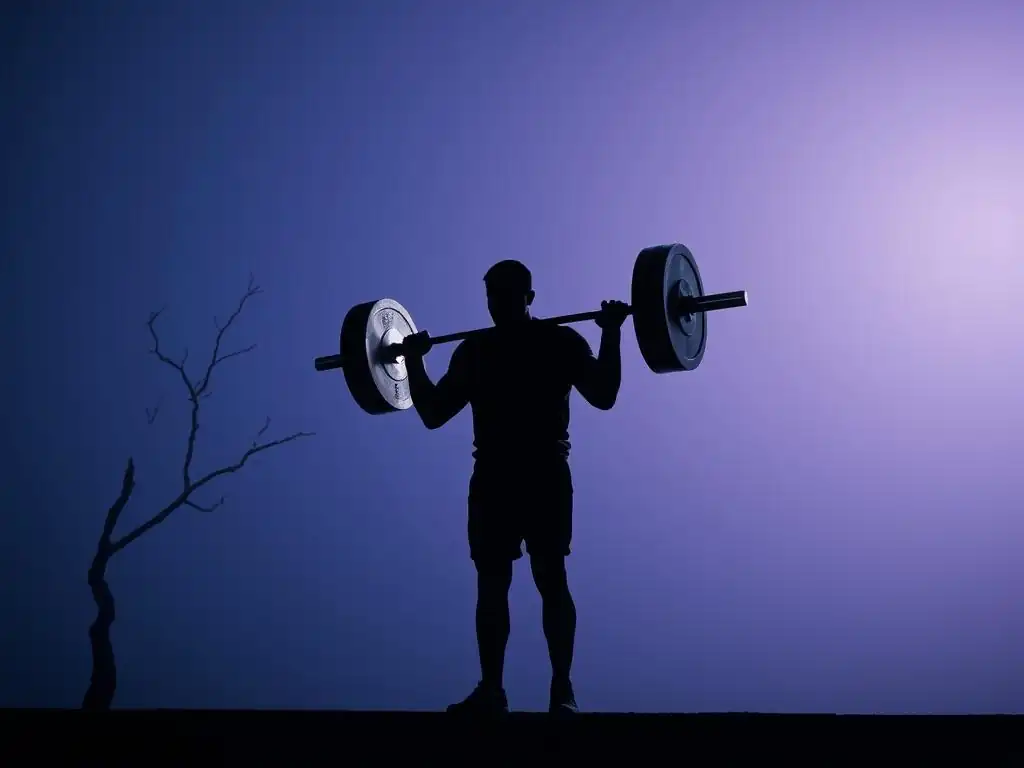
Ignoring or failing to recognize severe athlete anxiety and panic can have profound and lasting negative consequences, extending beyond athletic performance into overall well-being. Untreated anxiety tends to worsen over time and can lead to a cascade of physical, psychological, and behavioral issues.
Recognizing athlete anxiety panic early is crucial to prevent these long-term impacts and support the athlete's health and career longevity.
Chronic Anxiety and Depression
Untreated severe athlete anxiety can evolve into chronic anxiety disorders, impacting not just sports but all areas of life. Furthermore, the persistent stress, feelings of hopelessness, and isolation associated with severe anxiety significantly increase the risk of developing depression.
An athlete who constantly battles intense worry and panic without support may find themselves caught in a cycle of anxiety and low mood, losing interest in activities they once enjoyed, including their sport. This highlights the critical need for timely athlete anxiety panic recognition.
Increased Risk of Injury
While seemingly counterintuitive, severe anxiety can increase an athlete's risk of injury. Anxiety impairs focus, coordination, and reaction time. Muscles may be constantly tense, increasing susceptibility to strains or tears. Decision-making under pressure is compromised, potentially leading to dangerous situations.
An athlete distracted by overwhelming worry or physically tense due to anxiety is less likely to execute techniques properly or react quickly to avoid collisions or falls. For example, a soccer player constantly anxious about making a mistake might hesitate during a tackle, increasing their risk of injury.
Burnout and Loss of Passion for the Sport
The relentless mental and physical toll of managing severe anxiety and panic can lead to burnout. Athletes may become emotionally exhausted, cynical, and lose the passion they once had for their sport. What was once a source of joy becomes a source of dread.
When the anxiety outweighs the enjoyment, athletes may feel trapped or resentful towards their sport. This burnout can lead to premature retirement or a complete loss of interest, a tragic outcome for someone who dedicated years to their athletic pursuit, underscoring the importance of athlete anxiety panic recognition.
Development of Avoidant Behaviors
As mentioned earlier, avoidance is a common coping mechanism for anxiety, but untreated, it can become a pervasive behavioral pattern. Athletes may start avoiding not just competition but also training, social interactions related to their sport, or even thinking about their sport.
This avoidance can shrink their world and prevent them from engaging in activities that were previously central to their identity and well-being. The fear of experiencing anxiety or panic becomes more debilitating than the anxiety itself, leading to significant limitations in life.
Creating a Supportive Environment for Athletes
Addressing severe athlete anxiety and panic is not solely the responsibility of the individual athlete. The environment in which they train and compete plays a significant role in either exacerbating or mitigating these challenges. Creating a supportive culture is paramount.
This involves active steps from coaches, organizations, teammates, and families to foster an atmosphere where mental health is prioritized and destigmatized, enabling effective athlete anxiety panic recognition and support.
Promoting Open Communication and Reducing Stigma
Fostering an environment where athletes feel safe to talk about their mental health struggles without fear of judgment or negative consequences is essential. This requires actively working to reduce the stigma surrounding mental health in sports culture.
Coaches and leaders can initiate conversations about mental well-being, share resources, and normalize seeking help. When athletes see that talking about anxiety is acceptable and even encouraged, they are more likely to reach out when they are struggling with severe athlete anxiety or panic.
Encouraging Help-Seeking Behavior
Beyond reducing stigma, actively encouraging athletes to seek professional help when needed is vital. This might involve providing easy access to sports psychologists or mental health counselors, covering the costs of services, or simply making it clear that seeking help is a sign of strength, not weakness.
Organizations can integrate mental health check-ins into athlete welfare programs. Making resources readily available and explicitly encouraging their use helps athletes overcome potential barriers to getting the support they need for athlete anxiety panic.
Educating Coaches and Teammates on Mental Health Awareness
Educating everyone involved in an athlete's life – especially coaches and teammates – about the signs and symptoms of mental health challenges, including severe athlete anxiety and panic, is crucial. These individuals are often the first to notice changes in an athlete's behavior or mood.
Training programs for coaches can include modules on mental health first aid and how to approach sensitive conversations. Teammates can learn how to offer support and recognize when a peer might be struggling. This collective awareness enhances the ability for timely athlete anxiety panic recognition within the sports community.
Conclusion: Empowering Athletes to Recognize and Address Anxiety Panic
Severe athlete anxiety and panic are significant challenges that can impact any athlete, regardless of their level or success. Recognizing the distinct physical, psychological, and behavioral signs is the critical first step towards recovery and continued well-being. It is more than just "nerves"; it is a serious mental health concern requiring attention.
By understanding the triggers, differentiating between anxiety and panic, and knowing the available strategies and resources, athletes and their support systems can effectively address these issues. Empowering athletes with knowledge and access to help is key to navigating the pressures of sport while maintaining mental health.
Early Intervention is Key to Successful Management
Addressing severe athlete anxiety and panic early significantly improves outcomes. The sooner an athlete recognizes their symptoms and seeks help, the less likely they are to experience the long-term negative impacts such as chronic anxiety, depression, burnout, and injury.
Early intervention allows athletes to develop coping strategies, challenge negative thought patterns, and build resilience before anxiety becomes debilitating. It can mean the difference between a temporary setback and a career-ending struggle. Proactive athlete anxiety panic recognition and management are investments in an athlete's future.
National Mental Health Resources for Athletes
Numerous organizations and resources exist to support athletes' mental health. These often provide information, helplines, and connections to mental health professionals specializing in sports.
While specific links are not provided here, seeking out national sports psychology associations, mental health hotlines, or athlete welfare programs within governing bodies can provide access to vital support networks and professional help tailored to the unique pressures faced by athletes dealing with severe athlete anxiety panic.
Frequently Asked Questions
How can I tell the difference between normal pre-game jitters and severe anxiety in an athlete?
Normal jitters are usually temporary and don't significantly impair performance. Severe anxiety, however, involves intense fear, physical symptoms, and noticeable impairment in training or competition.
What are some common triggers for athlete anxiety panic recognition, especially leading to panic attacks?
Triggers can include the pressure to perform, fear of failure, injury concerns, or intense competition. These can lead to overwhelming feelings of dread and a full-blown panic attack.
What resources are available for athletes experiencing athlete anxiety panic recognition?
Many organizations offer mental health support tailored to athletes. This includes sports psychologists, therapists specializing in anxiety, and support groups.
How does recognizing athlete anxiety panic early benefit the athlete in the long run?
Early recognition allows for prompt intervention and treatment. This can prevent anxiety from escalating, improve performance, and safeguard the athlete's overall well-being.
What role do coaches and teammates play in athlete anxiety panic recognition and support?
Coaches and teammates can be observant of changes in behavior and offer support. They can also encourage the athlete to seek professional help and create a supportive team environment.
Final Reflection: Finding Calm in the Storm of Athletic Pressure
The relentless pursuit of athletic excellence often masks a silent struggle: severe athlete anxiety. This pressure, if left unchecked, can spiral into debilitating panic, hindering performance and impacting overall well-being. Understanding the signs and seeking support are crucial steps in reclaiming athletic joy and achieving sustainable success.
The pervasive nature of anxiety within the competitive athletic landscape is undeniable. It's a shadow that follows many athletes, from youth leagues to professional arenas. The greatest battles are fought not on the field, but within the mind.
This quote speaks volumes about the internal struggles athletes face, highlighting the importance of mental fortitude alongside physical training. The normalization of anxiety, however, doesn't diminish its severity; rather, it underscores the need for open conversations, accessible resources, and a supportive environment where athletes feel empowered to seek help without fear of judgment.
You, the athlete, the coach, the parent, the supporter – you hold the power to shift this narrative. Take a moment to reflect on the pressures you face, or those you witness in others. Learn the signs of severe anxiety, and remember that seeking professional help is a sign of strength, not weakness. By fostering a culture of understanding and support, we can create a space where athletes can thrive, not just survive, under pressure. Let's work together to transform the landscape of athletic competition, ensuring that the pursuit of excellence is a journey of both triumph and well-being.
Unleash Your Peak Performance: Conquer Athlete Anxiety
Thanks for taking the time to learn about managing athlete anxiety. You've now gained valuable insights into recognizing the signs of severe anxiety and understanding its impact on performance. Let's turn this knowledge into action!
- Prioritize a personalized anxiety management plan: Identify your specific triggers and develop coping strategies tailored to your needs. This could involve mindfulness exercises, breathing techniques, or even seeking professional support. This is the crucial first step towards reclaiming your peak performance.
- Share your experience and inspire others: Connect with fellow athletes facing similar challenges. Sharing your journey can be incredibly empowering for both yourself and those who might be struggling in silence.
- Explore the Mind Care Guide's resources on stress management: Discover additional tools and techniques designed to support your mental well-being. There are several articles and exercises available that can support your personal plan.
Ready to take control of your mental game and achieve your athletic goals? What's one small step you can take today to implement a new anxiety management technique?